Mon, 08/01/2022 - 15:05

SEMA News—August 2022

MARKET RESEARCH SNAPSHOT

The State of the Specialty-Equipment Industry Remains Strong

By SEMA Market Research

Research

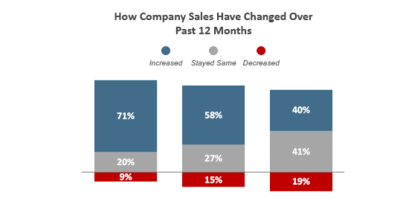
The specialty-equipment industry continues to see robust sales growth. The disruption seen during the pandemic is starting to flatten, and business is returning to more normal levels. Retailers are still seeing some declines, but the situation has improved significantly.

Despite ongoing uncertainty, consumers continue to drive and spend on specialty-equipment parts. Industry performance over the past year has been strong, with sales and consumer demand both currently higher than in 2019. The disruption seen during the height of the pandemic has improved, and many companies that saw declines are reporting improvement. While higher prices, economic uncertainty, difficulty hiring and supply issues remain significant challenges, the specialty-equipment industry remains largely optimistic for the coming year.

Research

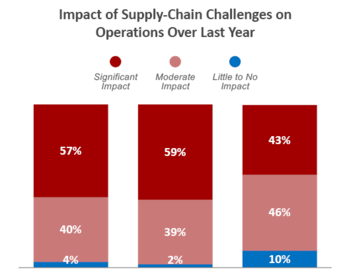
Supply-chain issues are disruptive for the industry. Looking forward, most of the industry expects those issues to continue into 2023.

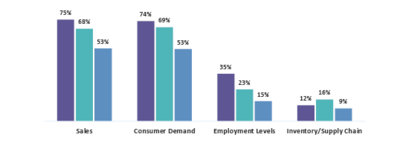
How Things Are Going for Companies/Businesses

% Said That It Is Better Than 2019

Research

Industry sales and consumer demand are higher now than they were in 2019. However, hiring more staff and inventory/supply-chain issues remain challenging.

To learn more, download the latest SEMA State of the Industry report at www.sema.org/research.


Mon, 08/01/2022 - 14:46

SEMA News—August 2022

BUSINESS

Leveraging the SEMA Show

How Four Returning Exhibitors Continue to Maximize Their ROI

By Mike Imlay
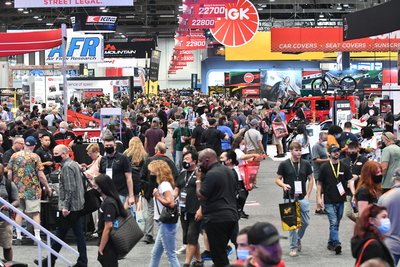
Show Floor

Returning live after COVID, the 2021 SEMA Show in Las Vegas was the nation’s largest and most successful trade event. This year’s Show at the Las Vegas Convention Center again promises to be a massive exhibitor opportunity. Take some tips from successful exhibitors to stand out in the crowd.

Anticipation is building for the 2022 SEMA Show, to be held November 1–4 at the Las Vegas Convention Center—and perhaps a few pre-Show exhibitor jitters, too. For newcomers and veterans alike, creating a successful SEMA Show exhibit takes dedication and planning. There is no abracadabra formula for a profitable Show, but there are tried and true strategies that winning businesses routinely employ to accomplish their goals, many with minimal or no cost.

“We understand that our exhibitors invest a lot of time, effort and money in their booths and Show marketing, but there are many simple, straightforward steps that they can take to maximize their return on those investments,” said SEMA Vice President of Events Tom Gattuso. “As an association, our passion is to offer all exhibitors the resources and tools needed to help control costs, develop effective Show plans, and generate quality leads to grow and prosper. Leveraging many of the Show’s built-in features lays the groundwork for a great Show.”

In fact, by using these tools, many exhibitors—both small and large—have catapulted their businesses forward. With the 2022 SEMA Show looming, SEMA News reached out to several past exhibitors who not only have enjoyed success but also view the Show as a continued driver for growth. In true industry spirit, they were eager to share their experiences and tactics with others.

Branding and Marketing: Harbor Freight Tools

Headquartered in Calabasas, California, Harbor Freight Tools first exhibited at the 2019 SEMA Show with a 30x40-ft. booth. This year, the tool manufacturer will return to the 2022 Show with a 30x90-ft. booth—more than double the size. According to Alon Mahller, Harbor Freight senior product marketing manager, the 2019 SEMA Show proved a highly effective venue for reaching the company’s market: tool users of all types.

“We don’t just sell automotive tools,” Mahller explained. “Although that’s a huge portion of our business, the guys who are in the shop Monday through Friday are cutting their grass on Saturday and Sunday, or they’re painting their house or building a deck.”

To leverage those crossover audiences, Harbor Freight will construct a booth that recreates the brand’s retail outlets. The displays will include the company’s professional automotive lines as well as a variety of other tools not so typical of the SEMA Show.

According to Mahller, the company has invested heavily in both the quality and breadth of its product lines. The result is a tool lineup designed to appeal to users at every level and price point, and that diversity will be on full display for SEMA Show attendees.

“We’re planning to bring a large portion of our store,” he said. “It’s going to look like a Harbor Freight store, with some experiences and opportunities for people to get their hands on our tools and to try them. Many people have been hesitant to try or use certain tools from us, and this is a good opportunity for us to put them in their hands and say, ‘Pull the trigger on this product and see how you like it. See how it stands up to the competition.’”

But Mahller knows that a large, interactive booth alone is no guarantee of success. His marketing team plans to add plenty of pre-Show publicity through its website, email and social-media channels to connect with Show attendees ahead of time. That publicity will also extend throughout the Show and include video features and a full event recap afterward. The idea is to share Harbor Freight’s brand not only with those on the Show floor but also with industry pros and consumers who can’t otherwise be there.

“While we’re [at the Show], we’re going to be doing announcements that ‘we’re here, come see us,’” Mahller said. “We’ll also do a landing page, where we’ll have interviews with our customers, with influencers, with our engineers and with our merchant leadership about the tools. So even if you’re not able to attend, you can still get that same experience. You’ll see some of the tool demos and customer reactions to using the tools on our website and our social channels.”

DRAWING A CROWD:

Hinckley Overlanding
Overlanding

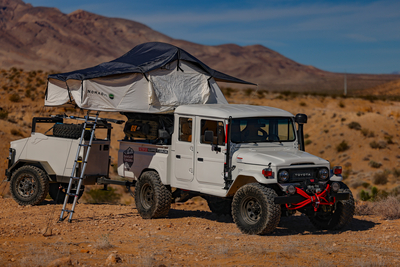
Hinckley Overlanding introduced its GOAT trailer at last year’s SEMA Show. Supplying its products for feature-vehicle builds in different Show locations proved an effective way to lead dealers back to its booth. The company is now growing rapidly.

While Harbor Freight is enlarging its Show footprint, the experience of Hinckley Overlanding proves that the Show can be big for smaller exhibitors, too. According to Hinckley Overlanding Owner and Operator Matt McIntosh, it’s all in the strategy. Last year his team aimed for a 20x20-ft. first-time exhibit space near a large, well-known off-roading manufacturer. That thinking paid off.

“We had been to the Show [as attendees], and we knew that it’s where we could get in front of buyers,” McIntosh said. “We had six individuals staffing our booth, and we were literally buried the whole time. We didn’t really get to see the rest of the Show because our exhibit was so well received. We were just piling into our rooms at the end of the day, and we weren’t going out to dinner. We were all hammered.”

Of course, having an exciting product with a story to tell doesn’t hurt either. Based in Salt Lake City, Utah, Hinckley Overlanding supplies, installs and designs products for the state’s growing overlanding community. But its biggest claim to fame is the GOAT, a compact “Go Over Any Terrain” trailer for smaller (including powersports) vehicles venturing into the backcountry. The product is based on the tough, solar-powered security and surveillance trailers deployed by the U.S. military.

Highly customizable, the units feature heavy-duty steel construction, 2,000-lb. half-axle torsion suspension for greater ground clearance, 8,000-lb. stabilizing corner jacks, heavy-duty mounting racks for tents or gear, and 64,638ci storage capacity. Add-ons can include water tanks, a road shower, a fully modifiable kitchen unit, a refrigerator and more.

“The Australians say that they started overlanding, and, of course, South Africans say that they started it, but that’s neither here nor there,” McIntosh said of the exploding market segment. “I think we’ve all been doing it our whole lives. We didn’t term it, but it’s a combination of remote travel, off-roading and camping. For us, it’s all about the journey.”

Being a first-timer, McIntosh admitted that the 2021 SEMA Show was a learning experience. The company didn’t take advantage of all the Show features and programs that veterans tap into to drive booth traffic. However, Hinckley Overlanding did supply some of its tents and products for feature-vehicle builds in key Show sections. QR codes on those vehicles guided attendees back to the company’s booth. That led to several conversations with dealer principals who expressed interest not only in the GOAT but also other Hinckley Overlanding products.

“We actually signed on a handful of dealers between Salt Lake to Las Vegas, to New Mexico, Idaho and Oregon,” McIntosh said. “And we just signed on another dealer in Spokane, Washington, since the Show last year. We’re growing rapidly.”

Taking a first-time dive into the SEMA Show “isn’t for the faint of heart,” he joked. “It’s a chunk of change for the unknown, especially for the first go—and yet I immediately signed back up for this year. Of course, we’re going to take full advantage of the Show this year. We’re going to have several trailers there, including possibly a Jeep-branded trailer.”

The company also plans to make use of the New Products Showcase, pre-Show publicity and more highly visible feature-vehicle builds this time around.

Going With a Game Plan:

Universal Air Suspension
Exhibitor

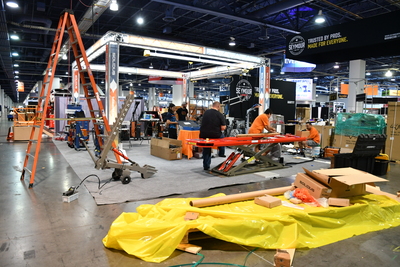
For first-timers and veterans alike, move-in day at the SEMA Show can be exciting and, admittedly, hectic. Mocking up your booth at your own facilities ahead of time and rehearsing for the Show yields confidence. Adhering to Exhibitor Services Manual policies and deadlines will minimize move-in anxieties.

When Universal Air Suspension first exhibited at the 2019 SEMA Show, the company had a specific goal in mind.

“One of our biggest holdups had always been exposure,” said Universal Air Suspension President Zack Ratcliff.

Although the air-spring manufacturer began business in 2000 and had sizable orders from existing customers, Ratcliff felt that his company needed broader recognition.

“When we did the Show in 2019, we got a lot of exposure and definitely saw a huge increase in sales and customer base because of it,” he noted.

When the live SEMA Show returned in 2021, Universal eagerly signed on again.

“We got a really nice spot and even more customers,” Ratcliff recalled. “Just the booth location alone and all the advertisement we did outside our booth helped drive people to where we were. We were cranking busy the entire week.”

Ratcliff believes that success hinges on a solid promotional gameplan.

“If you just sit at your booth and expect people to come to you, you’re going to have a disappointing Show,” he said. “You have to go out and do the work and get people to come over to you.”

For Universal that meant press releases and taking advantage of some Show sponsorship opportunities as well as some feature vehicle builds. Placing product in the New Products Showcase also resulted in buyer traffic, not to mention some SEMA Show Global Media Awards, which raised the company’s international standing. Most importantly, when the buyers flocked to their booth, the Universal team was prepared.

“When we take leads, we actually notate how serious they are,” Ratcliff explained. “If it’s someone looking for a specific product that’s coming out in the future, we’ll contact them once it becomes more available or when we have more information on it. As far as the leads looking to buy our existing products, as soon as we get back [from the Show], we start contacting them. We’re also going to start mass emailing and directly following up and sending out flyers once new items become available.”

Controlling various costs also helps Universal maximize its return on investment.

“The ironic part is that everyone thinks booth space is the expensive part, but it’s not,” Ratcliff asserted. “The expensive part is building displays, transporting them to Las Vegas, your staff at the Show, your hotels, your food and all that kind of stuff.”

To save on expenditures, Universal produces all its own displays and transports them itself.

“And then, of course, it’s our own labor to set up the booth and break it down, so we don’t have those expenses,” he added.

The company also scrutinizes food and housing deals.

Building on Success:

Bubba Rope
Bubba Rope

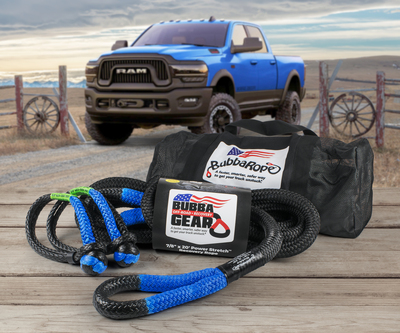
Bubba Rope first came to the 2010 SEMA Show with a simple 10x10-ft. booth and a unique story to tell. The recovery rope won a New Product Award for packaging, and the rest is history. The highly successful company is now using the 2022 Show to debut several new recovery gear sets.

Jim Flowers, president of Florida-based Bubba Rope, attributes much of his company’s growth over the past decade to the SEMA Show—so much so that the Show now figures prominently in Bubba Rope’s annual marketing plan.

As the economy was souring back in 2009, Bubba Rope was bringing an unusual product to market: surplus coated helicopter rope re-adapted and packaged as off-road recovery gear. (The rope was humorously named after the “Bubba” moniker that’s bandied about in the company’s home state.) But would the off-roading community embrace it? Someone in the automotive press suggested that Flowers try introducing it at the 2010 SEMA Show.

“It was just incredible,” he said. “The Show was a Mecca of off-road vehicles. It had so much energy with everything that was going on, so we put our 10x10-ft. booth together. People started coming in and filling it on day one. Rather than just hanging a bunch of rope around, we wanted to demonstrate how it worked, so we spent a lot of time in our booth showing people what the rope could do.”

Bubba Rope also displayed in the New Products Showcase. To Flowers’ surprise, it won a best new packaging award at the New Products Awards Breakfast.

“We went back to the booth, and it was like magic,” he said. “I think it just captivated a lot of people’s minds and imagination. All of a sudden, we realized not only did we have a product but also a story to tell.

“You can have a 10x10-ft. booth and be up against booths that are 100 times bigger, but in the New Products Showcase, you’re the same size. If you come up with something great, it’s going to get noticed there.”

Like the others interviewed here, Flowers said that you need to have a plan to truly succeed at the Show, and that plan shouldn’t underestimate the power of the Show’s media presence.

“You want to launch your product, tell people about it, and get people excited about it, especially the press,” he said. “Their job is to find and tell stories, so fashion your product so it has a story. That’s huge.”

Now, more than a decade after its Show debut, Bubba Rope will turn another page at the 2022 SEMA Show.

“We’ve gotten to the point now where we have a really good array of products and we know where we want to be,” Flowers explained. “Our vertical category is off-road recovery, and that’s where we live, so we’ve come up with three different types of gear sets.”

Each set of gear is optimized for powersports, Jeeps or Broncos, and large trucks such as the Ford F-150 or Ram 1500.

In regards to the entire SEMA Show, Hinckley Overlanding’s McIntosh believes it to be the ideal place to showcase a product while discovering new trends.

“You’re always evolving as a company and as a builder,” he observed. “As things change over the next few years, we’ve got to stay ahead of the times. The Show allows us to go to market with all the other builders that are out there and get ideas on how we can make our product better. And you’re making connections you can’t make any other way. Honestly, we’re in the people business. We just happen to make, build and sell cool stuff. At the end of the day, it’s about the relationships that you build with buyers and customers.”

For Flowers, those relationships go far beyond the Show itself. He sees the trade event as the gateway to other SEMA services and connections that keep a business growing the rest of the year

“As we got to know SEMA better, we realized that it wasn’t just a trade show,” he said. “There’s so much more that goes with it. The people who go with it helped us learn not just how to project our product but also how to come up with the price list, how to manufacture, how to deal with the wholesalers, how to deal with the resellers, the jobbers, public relations and all those other important things.”

Some Proven Exhibitor Strategies at-a-Glance
  • Have pre-rehearsed “elevator pitches” ready. Make sure they include an interesting and memorable story about your company and product.
  • Don’t just display product in your booth. Demonstrate it. Make your booth interactive.
  • Submit at least one new or featured product in the New Products Showcase before the October 7 deadline. The first product is free. Each additional entry is just $75.
  • Utilize your SEMA Show sales representatives. They can connect you to many free or cost-saving SEMA Show programs designed to boost your success.
  • Begin submitting press releases now about your product, company and Show activities to the SEMA Online Media Center [www.SEMAshow.com/press-release].
  • If you can’t place a feature vehicle in your own booth, get your product on a vehicle build elsewhere at the convention center. Its QR code will lead buyers to your booth.
  • Use social media to build buzz about your SEMA Show presence before, during and after the event. Post regularly, and use images and even live videos throughout Show Week.
  • The Exhibitor Service Manual is your go-to guide. Reviewing its policies and deadlines contains costs and delivers a smoother Show experience.
Plan Now for Success

For registration and complete exhibitor, attendee and media information for the 2022 SEMA Show, visit www.SEMAshow.com.

First-time exhibitors will especially want to check out the website’s special resources, including the Exhibitor Service Manual.

In addition, every exhibitor is assigned a SEMA Show representative who can offer guidance and help arm you with the key tools for success. To contact SEMA Show staff, call 909-396-0289.

Mon, 08/01/2022 - 13:35

SEMA News—August 2022

PEOPLE

SEMA Announces New Board of Directors Members

By SEMA News Editors

The SEMA Board of Directors is composed of industry representatives who volunteer their time to lead and guide the association. They are elected by SEMA-member companies and reflect the trade association’s key membership categories: manufacturers, distributors/retailers, manufacturers’ representatives, and services.

Member terms are staggered so that there is regular turnover in the Board’s composition. For the 2022 election cycle, a total of 14 candidates ran for four open seats on the Board. Online voting began May 10 and continued through May 19. Voting was open to all current SEMA-member companies, with votes cast by each company’s primary contact.

With the results tallied, SEMA has officially announced that Rich Butler of R&R Marketing Consultants, Norris Marshall of BluePrint Engines, Kathryn Reinhardt of 4WP Factory/Pro Comp, and Melanie White of Hellwig Products were elected to serve on the Board. Reinhardt and White are current SEMA Board members who were re-elected, and Butler and Marshall will join as new SEMA Board Members, replacing outgoing Board members Chris Douglas of Edelbrock Group and Les Rudd of Bob Cook Sales, who will now serve as Board treasurer (second right, above).

To better acquaint association members with the electees, SEMA News invited each to tell us a little about themselves, their industry passions, and their top priorities as they take their seats on the Board. The following pages contain those interviews.

In addition, the new Board members will be formally inducted at the SEMA Awards Gala on July 29 at the Westin Anaheim Resort in Anaheim, California.

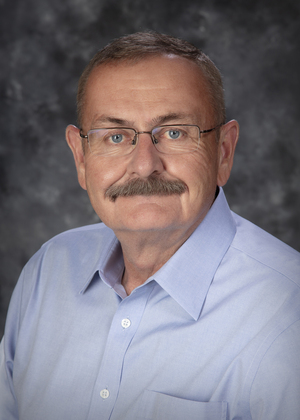
Rich ButlerRich Butler, CEO, R&R Marketing Consultants Inc. (RRMCI)
SEMA News: What was your initial introduction to the industry, and how did it come about?

RB: I began working in my father’s auto repair shop at an early age. We were a drag-racing family and spent any available free time racing or working on race cars. I began attending SEMA Shows while working with VAMP Racing/Hight Automotive. My first day on the job with RRMCI was at the SEMA Show. I hadn’t met most of the people in the company and when I accepted the position, it worked out that my starting day would be at the 2000 SEMA Show.

SN: What keeps you passionate about your job/the industry every day?

RB: I, like many Americans, have a deep love for the automobile. I enjoy driving and the freedoms that accompany it. I enjoy a challenge and especially appreciate accomplishment. I’m fortunate to spend my days helping industry companies overcome challenges and finding creative ways to improve businesses and help position them for long-term success.

SN: What are the three most important priorities you’d like to see the SEMA Board act upon?

RB: Regulation, recruitment and responsibility. Our industry is facing unprecedented challenges. We must unite to protect our freedoms to enjoy our hobbies and serve our customers’ needs. We must face these challenges and recruit the millions of enthusiasts to stand together to demonstrate the economic and social viability of our industry. We must demonstrate to the world that we are a respectable and responsible industry that serves the needs of so many and an industry that substantially contributes to the economy. Businesses in our space are being attacked from many angles by people and entities who don’t understand who we are and what we do. We have a responsibility to future generations to forge a sustainable path forward for the automotive aftermarket so that they can experience the joys and successes that we have.

SN: When you’re not at work, where can we find you, and what will you be doing?

RB: I have a wonderful family and enjoy spending time with them. Late at night you are most likely to find me in my garage making chips with my lathe or mill. I really enjoy machining and engineering things to solve problems. Hopefully within a couple months you might find me in my C6 Z06. It has been a long-term project, but should be very fun when it is done.

Norris MarshallNorris Marshall, President and CEO, Marshall Engines/BluePrint Engines
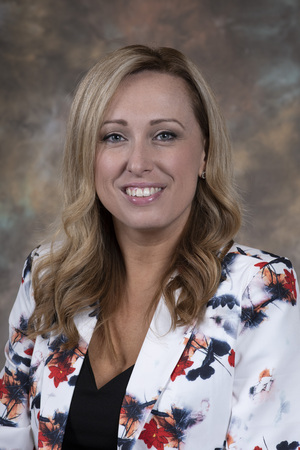
SEMA News: What was your initial introduction to the industry, and how did it come about?

Norris Marshall: My hot rod interest began with my dad. Dad was a quintessential ’55 hot rodder. Flat-top haircut, Model A roadster, hot-rodded Flathead V8. He built it at 15 years old. Next, he did some drag racing. After that he went circle-track racing. By the time I came along, Dad was done with all that. But I heard the stories, and that was the spark that launched me into the hobby, and later into the business.

SN: What keeps you passionate about your job/the industry every day?

NM: I love what we do at work, and I am lucky to work with a great group of people. We all enjoy the challenge of growing the business and striving to be better than the competition.

SN: What are the three most important priorities you’d like to see the SEMA Board act upon?

NM: On the SEMA board, I’ll focus on three things:

  • Emissions: SEMA has done a lot of great work with the SEMA Garage. We use that membership benefit. With the opening of the Detroit Garage, it will only get better. There still is an opportunity to work with the regulatory agencies to come to some informal and formal agreements on what’s good and what’s bad. The SEMA Certified program is a great example. BluePrint Engines was awarded Certificate No. 1 for SEMA Certified.
  • Other regulatory challenges: That would include the RPM Act, which really is an effort to keep hot-rodding legal. Also, the Low-Volume Auto Manufacturers Act, that allows for a company to build 325 new vehicles a year. Both have challenges, and both will be solved in Washington, D.C.
  • Most important, support the members: The industry is changing, OEMs are changing. It’s not the same industry that it was 20 years ago. In business I’ve been through significant changes—changes so big you never could have imagined them. I’ve watched competitors not believe what was happening, and they ended up out of business. I’ll work to understand the industry and what the members’ needs are, and acknowledge when change is needed and push for that.

SN: When you’re not at work, where can we find you, and what will you be doing?

NM: The only thing I love more than my work is my family. My wife Lori and I have four kids and nine grandchildren from 15 years old down to four years old. Our backyard looks like
Disneyland. My wife is an awesome mom and grandmother, and I’m along for the ride. My hobbies include vehicles with propellers: airplanes and airboats. We live on an acreage next to a river, so both are fun to use.

Kathryn ReinhardtKathryn Reinhardt, Director of Retail Marketing, 4WP Factory/Pro Comp
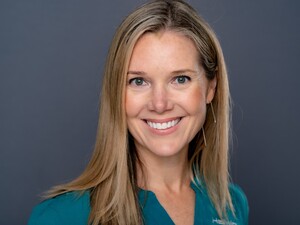
SEMA News: What was your initial introduction to the industry, and how did it come about?

Kathryn Reinhardt: I was 16, at a car meet, and I instantly fell in love with the sights, the sounds and the people who modified their vehicles. It was from there that I started building my first vehicle, started racing and showing, and ultimately realized I could do much more by moving across the country to California where I started my career in the automotive aftermarket.

I can still remember my first SEMA Show. I walked around the show and asked people if they got paid to stand there and talk about car parts all day. I instantly knew this is where I was supposed to be.

SN: What keeps you passionate about your job/the industry every day?

KR: I am addicted to the idea that we are creating an outlet of fun, adventure, competition, community and inspiring the next generation of builders. It’s vital to me that our industry provides enthusiasts with aftermarket products that allow them to go places and do things with their vehicle that they can’t do stock. I know the parts we manufacture at 4 Wheel Parts make this possible. I know our parts and stores give them safety and inspiration.

SN: What are the three most important priorities you’d like to see the SEMA Board act upon?

KR: I would like to see the Board take a strong approach to the following priorities:

  • Evolving and expanding the SEMA Show. While the Show is massive and widely successful. It’s time to take it to the next level. We want to expand the Show, invite more attendees and make the event the automotive supercenter of the world.
  • Connecting the next generation with the automotive aftermarket. It’s imperative we connect our industry with the next generation of drivers. We must make an early connection with kids in a variety of ways. It’s clear we are competing with Big Tech and other industries that create career paths and dazzle the youth with reasons not to buy a vehicle. We must be quicker to create exciting ways to engage future consumers.
  • Emissions compliance, education and resources. We are under attack by the EPA. The law is vague and creates an ambiguous set of rules that may or may not be enforced. While our industry is super-competitive, we can follow rules and regulations that are clear and fair. We must pass the RPM Act and help our members who are unfairly prosecuted by the government. Banding together is our best foot forward to find resolution and gain progress for our membership.

SN: When you’re not at work, where can we find you and what will you be doing?

KR: I enjoy attending Sunday-morning car meets, getting out on a trail in my Bronco, or exhibiting at an event. I love to bring my boys with me so they are introduced to the industry and catch the automotive bug just like I did.

Melanie WhiteMelanie White, President, Hellwig Products
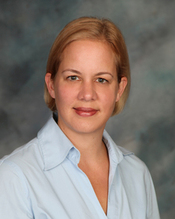
SEMA News: What was your initial introduction to the industry, and how did it come about?

Melanie White: I started in the industry in a cold-calling sales position for Hellwig Products. While cold calling isn’t fun, it gave me the chance to learn the industry in a grassroots way. I spent a lot of time talking to shop owners and small automotive businesses and learned what was important to them. These conversations translated to a deeper understanding of what the industry needs from me as a leader: to be knowledgeable, reliable and have the customer’s best interest at heart. Those early days were a foundation for my position now and something I still rely on often.

SN: What keeps you passionate about your job/the industry every day?

MW: This industry is so fun, and this business is far more than a job—it’s my family’s legacy. I’m the fourth-generation owner and operator of Hellwig Products, and the blood, sweat and tears put into the company from the generations before me really inspire me. I also love the fact that we help our customers better enjoy an American pastime like outdoor recreation. I have a strong passion for heritage and protecting and fighting for our pastime of fun.

SN: What are the three most important priorities you’d like to see the SEMA Board act upon?

MW: In my second term on the SEMA Board of Directors, my main focus will be on legislation and regulations, vehicle technology and marketing and communications. There’s a rush to push electrification and threats at the local, state and federal levels to outlaw aftermarket modifications and an individual’s right to work on their own car, which could kill our entire industry as we know it.

It’s my goal to do a better job informing consumers on what’s happening and to raise more money and put lawmakers in office who support American manufacturing and our lifestyle. I will also be working to segment our databases and do a better job connecting with different types of SEMA members by improving and modernizing our content and promoting the lifestyle, hobby and career paths to the consumers.

SN: When you’re not at work, where can we find you, and what will you be doing?

MW: When I’m not at work, you can find me outdoors and spending time with my family. Whether it’s acting as a taxi to my 12-year-old, heading to my son’s baseball games, or exploring national parks and hiking with my husband and son. I also enjoy playing on my small hobby farm, gardening and raising animals.

Mon, 08/01/2022 - 13:34

SEMA News—August 2022

INDUSTRY NEWS

FAST FACTS

AirSeptAirSept announced the addition of Marion Parkes as the company’s new procurement manager. Parkes is responsible for both direct and indirect strategic sourcing strategies and processes and will oversee the establishment of best practices for procure-to-pay processes for all transactions. She also manages all vendor relationships and contractual KPIs and metrics to ensure that product pricing, discounts and rebates are properly applied. She is based at AirSept’s corporate headquarters in Atlanta.
I-CARThe Inter-Industry Conference on Auto Collision Repair (I-CAR) announced the addition of Scott Kaboos to the newly created position of principal, OEM technical lead. He will also serve as a collision-repair subject matter expert. Kaboos joins I-CAR following several years with American Honda Motor, where he led the development of Honda’s collision repair technical and training programs. Kaboos’ responsibilities will involve further building I-CAR’s technical collaboration with all OE vehicle manufacturers.
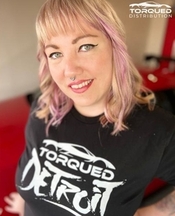
TorquedTorqued Distribution announced that Alessandra “Ali” Holmes joined the company in a senior sales role. Holmes previously was with Turn 14 Distribution for more than six years, based in Horsham, Pennsylvania. She held various positions, including senior sales specialist (European), new account sales specialist, and senior customer service representative.
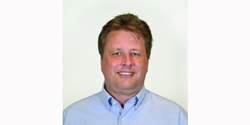
HitachiHitachi Astemo Americas Inc. announced that Gary Plover has been appointed vice president of its Americas Aftermarket Business Division. As vice president, Plover now leads one of the company’s fastest-growing business segments, which includes more than four locations across North and South America, with a team of nearly 100 employees. Plover comes to his new position with 25 years of both national and international sales experience within the automotive aftermarket.

AAMThe AAM Group announced the promotion of two senior employees. John DeBalso (left) has been named executive vice president of supplier relations, while David Ayers (right) is now vice president of operations. DeBalso will continue to lead AAM’s purchasing, compliance and supplier-relations efforts. Ayers will concentrate on strategic marketing and technology projects and other operational priorities. Andy Stacy, who was recently promoted to marketing manager, will assume oversight of AAM’s day-to-day marketing activities.

Chris BennettChris Bennett joined Maxxsonics as a national sales manager. He will add more growth and company outreach while driving sales in 2022 and beyond. Previously, Bennett was the director of mobile audio at AudioControl and a national key account manager at Metra Electronics. As a national sales manager at Maxxsonics, Bennett will create products and opportunities for direct dealers and help Maxxsonics distribution partners grow and thrive.
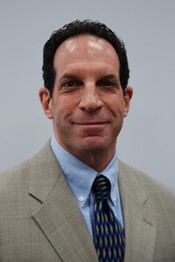
BJ LeanseBJ Leanse, national sales manager for IDDEA California LLC, Big Country Truck Accessories and Go Rhino Products, announced his retirement. He was a past SEMA Board member (2008–2011), a past chair of the SEMA Professional Restylers Organization (2005–2008), and was a member of the PRO select committee (2019–2020).
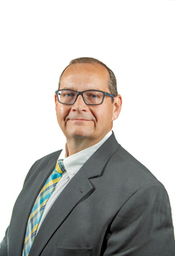
Brian Rowland has been appointed CEO of Jegs High Performance Parts, the aftermarket auto parts mail-order retailer. In his new position, Rowland will, among other duties, help oversee the company, which features a 10,000-sq.-ft. retail store and a 225,000-sq.-ft. warehouse as well as corporate headquarters in Delaware, Ohio.

AWE, an engineering and manufacturing firm, promoted Michael “Dragon” Johnston to the position of key accounts manager, and Skye Cartwright to account representative. Johnston will focus on a group of key accounts in his new position, as well as growing and adding relationships. Cartwright will work with AWE’s dealer network.

Power AutomediaAfter three years in his role as Power Automedia’s senior director of business development, Lloyd Hunt (left) has been promoted to chief revenue officer. In his new role, Hunt will be responsible for all sales and customer relationships and will work alongside Ivan Korda, who is set to succeed him as the new senior director of business development. Korda and Hunt will be the guiding hands for nurturing Power Automedia’s expanding client base.
Meyer Distributing Inc. announced the expansion of its distribution hub in Orlando, Florida. The expanded inventory hub will contain full coverage of automotive, RV and marine accessories and replacement parts as well as outdoor lifestyle, janitorial/sanitation and industrial products to all of Florida and Southeast Georgia.

Team Allied Distribution announced the acquisition of Indy Exhaust Products in Indianapolis. Indy Exhaust Products specializes in the distribution of automotive exhaust and radiator components, including mufflers, pipes, exhaust tips, catalytic converters, hydraulic pipe benders, tools, accessories and more. Its distribution network covers Indiana, Illinois, Ohio and Kentucky.

Mon, 08/01/2022 - 12:55

SEMA News—August 2022

BUSINESS

Emissions Control at a Glance

What Happens Before Exhaust Gases Reach the Tailpipe Is Key to Passing Emissions Tests

By Douglas McColloch

Emissions

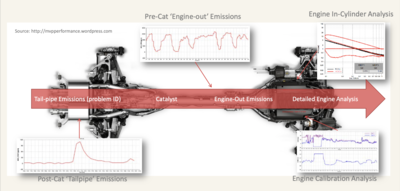
During routine emissions testing, problems identified at the tailpipe are most likely to have originated within the engine assembly, so understanding how each component of that assembly can affect emissions levels is essential to any successful test regimen.

Emissions compliance is the fundamental legal issue facing the engine and performance aftermarket. It governs virtually every component that alters the delivery of fuel and/or air into or out of the engine, as well as products that impact the functionality of OE emissions-control systems. While enforcement may fluctuate depending on the direction of the political winds in Washington, D.C., the likelihood that aftermarket manufacturers are apt to encounter more stringent emissions-control regulations in the future is high, so understanding emissions and the effect that a vehicle’s many powertrain components can exert on them before they exit the tailpipe is essential when designing parts and systems that will need to obtain certification before they can be brought to market.

A recent SEMA Education webinar, “Emissions Formations and Aftertreatment for Gasoline Engines,” provided an introductory view into the subject. Hosted by Robert Prucka, the Alan Kulkwicki professor of motorsports engineering at Clemson University, the webinar covered topics including catalytic-converter operation, spark timing and advance, exhaust gas temperatures, cylinder deactivation, and the effects each has on tailpipe emissions.

Before Testing: Six Things to Know

Emissions

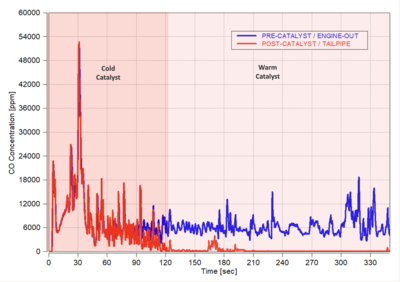
During cold-start operation, engine emissions output and catalyst emissions output are close to an exact match. As the catalyst warms up over the course of two to three minutes, it works more effectively at capturing engine output. This is important to know because the catalyst can be made to warm up more quickly, albeit at the expense of performance trade-offs elsewhere.

When problems arise during emissions testing, the catalyst, or catalytic converter, is often looked at as a culprit. But that observation runs the risk of misinterpreting the catalyst’s function, and it can lead technicians to reach faulty conclusions. Put another way:

What goes out of the catalyst is a function of what goes into the catalyst. If tailpipe emissions evidence excessive levels of carbon monoxide (CO) or oxides of nitrogen (NOx), it’s likely because the engine is producing excessive quantities of these emissions. While it does have some storage capability, “The catalyst itself is a passive device. It doesn’t have any control of itself,” Prucka observed, adding that, in the case of a failed emissions test, “we need to study engine-out emissions first, because that’s going to help us understand what’s going on inside the catalyst.”

The catalytic converter must be hot in order to deliver optimal emissions control. “When the catalyst is cold, it doesn’t function very well,” Prucka noted. “It doesn’t pick up a lot of activity until it gets into the 200º–250°C range. Until then, “the input matches the output” until an operating temperature of 450°C is reached, at which point the catalyst begins to function most efficiently. “It’s definitely an area you need to work through during cold-start testing.”

Emissions

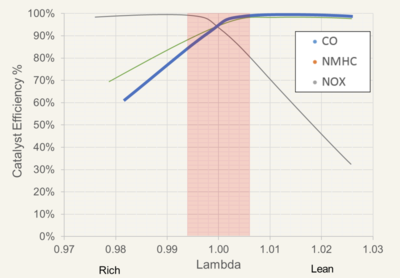
Once the catalyst has warmed up, air-fuel ratio becomes determinative in emissions control. A too-rich air-fuel mix effectively traps NOx but is less efficient with CO and HCs. Too lean a ratio, and an air-rich exhaust environment provides the oxygen that NOx needs to thrive.

While OE and Tier-1 manufacturers have made big improvements in making catalyst operation more efficient over the years, “if the after-treatment system is not active, you have to be careful not to fail the emissions test in this period of time,” Prucka said. “It may only be a minute or less, but during that time, the emissions regulations can be such that you can actually fail, so you need to pay extra attention to air-to-fuel ratio control and overall engine control to make sure that you don’t have an emissions issue during cold start-up.” Once the catalyst has warmed up, however, a car’s after-
treatment system works remarkably well, with efficiency ranges of up to 99%. At its normal operating temperatures, the catalyst is able to properly oxidize emissions such as hydrocarbons (HC) and CO.

“The overall strategy,” Prucka said, “is to get the catalyst warmed up as quickly as possible.”

Air-to-fuel ratio and its control are the most important factors to consider for controlling tailpipe emissions. Once the catalyst is warmed up, air-fuel ratio becomes crucial, with a proper balance needing to be struck between lean and rich running conditions.

“If you’re operating lean, you’ll have a lot of oxygen that ends up in the exhaust,” Prucka explained. “In those lean conditions, it’s very difficult to get rid of oxides of nitrogen (NOx).” NOx includes oxygen, so an oxygen-rich environment in the exhaust “makes it difficult to break that molecule apart. The trick is to put it in an environment where it doesn’t have much nitrogen or oxygen.”

Emissions

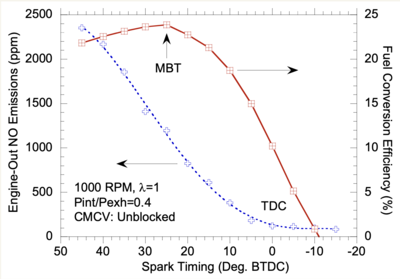
Spark timing has a direct effect on NOx emissions. The blue curve here represents NOx emissions during a spark sweep, with throttle, intake-manifold pressure and air-fuel ratio constant. The greater the spark advance, the greater the amount of NOx emissions. On the other hand, retarding spark can result in loss of power and efficiency, represented by the red curve.

Burning a rich air-fuel mix, by contrast, reduces the level of oxygen in the exhaust. That is great for trapping NOx but less so for HC and CO, which both need to be oxidized. “Here, we’re looking to combine these species with oxygen—to take the hydrogen out of hydrocarbons and turn them to water, and to add oxygen to CO to turn it into CO2,” Prucka said.

The solution to this conundrum, Prucka said, is a certain amount of “dithering”—alternating between rich and lean ratios during operation. “That allows you to do high conversions of both types of species—the kinds you need to oxidize, like CO, and the kinds you need to reduce, like NOx.”

Still, complications can arise. Hydrocarbons in particular can escape combustion through imperfections in the valvetrain (notches, pitting), and because of that, hydrocarbon emissions can actually increase in excessively lean (oxygen-rich) fuel conditions. “There’s a lot of chemistry involved,” Prucka admitted, adding that “it’s a balancing act.”

Spark timing has strong influences on NOx and exhaust gas temperatures. As spark timing is advanced, peak cylinder pressure will go up “because you’re releasing so much heat toward top dead center at a very small volume that you’re getting high cylinder pressures and very high temperatures,” which act as an incubator for NOx production. On the other hand, delayed spark timing can result in loss of torque and fuel efficiency. “You’ll have to deal with NOx emissions that come out of the engine at the catalyst and the tailpipe,” Prucka said, “so your air-fuel ratio has to be spot-on.”

Late spark timings can heat up the catalyst quickly but can result in higher emissions. “While we’re trying to heat up the catalyst when we’re warming up the vehicle, one of the things we can do is delay the spark. That will result in less torque but we will take that energy that would’ve been turned into ‘work,’ aka torque, and move that into the exhaust,” Prucka explained. This will accelerate heating up the catalyst, and it’s a common technique to use during the vehicle’s cold-start period. “Again, you lose torque, but it’s a short amount of time used to heat up the catalyst, so you don’t lose much in terms of fuel economy. It’s only a matter of a few seconds.”

Emissions

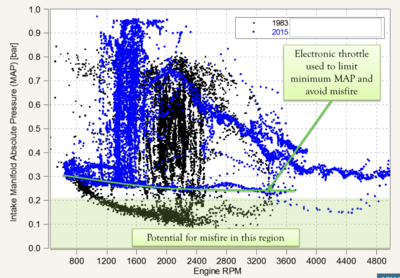
Throttle tip-out conditions are another consideration, particularly among older engine and powertrain types. When intake and exhaust manifold pressures are too mismatched (such as occurs under sharp throttle back-off), misfires can occur, which increases CO and HC emissions. By contrast, modern electronically controlled throttle systems do a much better job of aligning manifold pressures to minimize this condition.

The challenge here, though, is that the engine will run more roughly with a delay in combustion phasing—and with that, engine-out emissions (and HCs in particular) will increase, which could in turn trigger a failed emissions test. “This is a challenge that you’ll run into, “Prucka conceded.

Proper engine control during throttle tip-out and other engine shutoff conditions is also important. Other issues that can arise during emissions testing include imbalances in manifold pressures resulting from conditions such as throttle tip-out or other fuel cut-off events.

“When intake manifold pressure, or load, gets very low with exhaust pressure still around ambient [full throttle] position, you actually have flow from the exhaust into the cylinder during the valve overlap period, and from the cylinder into the intake,” Prucka noted. These are exhaust gases or “internal residual” gases that have reentered the combustion chamber, and they have the effect of diluting the existing combustion gases, causing rough operation and potential misfires.

“You’ll end up with higher CO and HC emissions” under this condition, Prucka said, and because you’re sending so much heat into the catalyst, you can potentially overheat it. This condition is more prevalent among older vehicles, as modern electronic throttle-control systems do a much better job of regulating manifold pressures, holding the throttle open artificially to make sure intake pressures don’t dip too precariously—“and if they do dip, the vehicle probably has ignition shut-off, anyway.”

About SEMA Certified-Emissions

SEMA recently introduced a new program to enable aftermarket parts manufacturers to meet the legal requirement for emissions compliance under the EPA’s Tampering Policy. The program, called SEMA Certified-Emissions (SC-E), gives manufacturers the ability to verify that a product meets the EPA’s “reasonable basis” criteria and is therefore legal for sale in 49 states. Manufacturers now have an accelerated path to compliance and can begin selling products legally in 49 states prior to receiving a California Air Resources Board (CARB) Executive Order (EO), which is still a requirement for selling products in all 50 states.

“SC-E gives manufacturers much greater options and opportunities,” said Peter Treydte, SEMA director of emissions compliance. “This is a significant milestone in the industry’s ability to provide products to consumers. We look forward to working with members and helping them go to market with SEMA Certified-Emissions products.”

Since 2014, the SEMA Garage has helped aftermarket parts manufacturers obtain CARB EOs. With state-of-the-art CARB-recognized testing equipment and dedicated staff assisting with the process, the SEMA Garage has helped secure more than 500 CARB EOs—more than half of all performance parts EOs issued
by CARB.

The new SC-E program is comparable to CARB EO requirements. SEMA staff will assess manufacturers’ needs and advise as to the most appropriate path forward, whether that includes applying for a CARB EO or SEMA emissions certification. SC-E is also ideal for products that may not have a clear path in the CARB EO process (e.g., flex-fuel modifications, HCT-equipped intakes and engine packages).

The SEMA Garage and SEMA Garage Detroit are both available to auto parts manufacturers for all their product development needs. For more information, visit www.SEMAgarage.com.

Mon, 08/01/2022 - 12:41

SEMA News—August 2022

LEGISLATIVE AND TECHNICAL AFFAIRS

Charging Up the ZEV Conversion Aftermarket

California Lawmakers Introduce SEMA-Sponsored Legislation to Incentivize ZEV Conversions

By Christian Robinson

ZEV

The adoption of ZEVs by consumers and industry is rapidly growing, as is the demand for aftermarket technology that can convert used gasoline-powered vehicles into hydrogen or electric ZEVs.

If you attended the 2021 SEMA Show, you noticed an undeniable trend: From OEM offerings to restomods, zero-emissions powerplants are gaining traction with the industry.

One of the attendees who took notice was California Assembly Member Tim Grayson (D-Concord). Grayson is no stranger to the industry. Not only do he and his wife Tammy boast a collection of classic Ford Mustangs, but he led the charge to repeal a 2018 California law that prevented police from issuing fix-it tickets for exhaust noise violations. For his work he was named SEMA’s 2019 Stephen B. McDonald Lawmaker of the Year.

Not long after returning from Las Vegas, Grayson, along with a bipartisan group of his legislative colleagues, introduced SEMA-sponsored legislation (A.B. 2350) that would provide incentives to consumers who convert gasoline- and diesel-powered motor vehicles into zero-emissions vehicles (ZEV). If enacted, A.B. 2350 would provide $2,000 rebates to eligible motorists who convert their vehicles.

ZEV

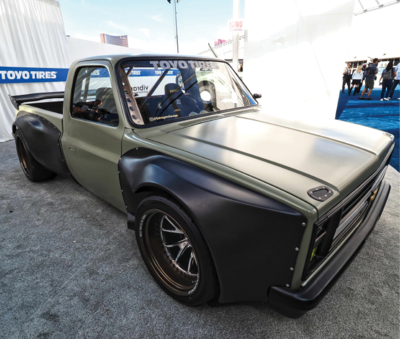
Easy to work on with tons of aftermarket parts availability, old Chevy trucks are a dream for any builder, but Salvage to Savage (YouTube Channel) decided to take a completely unique path with its ’85 Chevy C10. Instead of using the tried-and-true V8 engine, the team yanked the electric drivetrain out of two Teslas to create a twin-motor, all-wheel-drive beast.

A.B. 2350 is co-authored by Assembly Members Tasha Boener Horvath (D-Encinitas), Phillip Chen (R-Yorba Linda) and Kevin Mullin (D-San Mateo), and Senator Josh Newman (D-Fullerton).

Why is Assemblyman Grayson’s bill necessary? The answer is simple. In recent years, California has implemented various programs, including the Clean Vehicle Rebate Program and the Clean Cars for All Program, to promote the purchase of new zero-emissions vehicles. However, none of the programs currently offer benefits for vehicles that started their lives with internal-combustion engines and are converted to ZEV via an aftermarket motor package.

The adoption of ZEVs by consumers and industry is rapidly growing, as is the demand for aftermarket technology that can convert used gasoline-powered vehicles into hydrogen or electric ZEVs. This trend was on full display at the 2021 SEMA Show, where electric vehicle conversions such as the Chevrolet Project X stole the show.

The result of a collaboration between Chevrolet Performance and Motor Trend, Project X is a ’57 Chevy 210 hot rod that has been equipped with Chevrolet’s e-Crate motor. Unveiled in 2020, the e-Crate motor consists of an electric motor, a battery system and a transmission that can be installed on any vehicle. Similarly, Ford recently introduced its own electric crate motor dubbed the Eluminator.

Another show-stopping vehicle that debuted at the 2021 SEMA Show was Arrington Performance’s ’49 Chevy pickup truck called the “Zero.” This truck boasts a Chevy LS internal-combustion engine, but instead of burning gasoline, it was modified to combust hydrogen.

Converting older cars into ZEVs allows consumers to preserve California’s rich car culture supporting the aftermarket. As of this writing, the California Assembly Committees on Transportation and Natural Resources each unanimously passed A.B. 2350. The bill currently awaits consideration in the Assembly Appropriations Committee.

For more information, contact Christian Robinson at christianr@sema.org.

Mon, 08/01/2022 - 12:06

SEMA News—August 2022

INDUSTRY INSIDER

10 Questions for Sean P. Holman

By Douglas McColloch

Holman

The reporter who broke the news of the Ford SVT program that produced the F-150 Raptor, Sean P. Holman has relentlessly covered the pickup truck and SUV beat. His work has been featured in the pages of Truckin’, Four Wheeler, Diesel Power, Recoil and numerous other publications, and he’s currently the Truck Trend Network’s content director at Motor Trend. He’s also the co-host of the long-running, highly rated “The Truck Show” podcast.

We caught up with Holman for a few minutes to get his latest takes on the industry and where he thinks it might be headed. What follows is edited for clarity and length.

HolmanSEMA News: What’s your latest project? What’s in your garage these days?
Sean P. Holman: Where do I start? I recently inherited the first 4x4 I ever drove, a 1942 Ford GPW and I am in the middle of getting it back on the road and hopefully on the trail later this year. My oldest is about to turn 15 and we will be starting her 1960 VW bug rebuild soon, and I am in the planning stages of turning my ’67 Ford F-100 into an EV conversion.

SN: What was the car you dreamed of owning when you were young, and did you ever end up owning one?

SPH: I always wanted a ’66 Ford Mustang GT with a hi-po 289. Why the ’66? I liked the three-prong scallop trim. I’m sure the boat has sailed on owning that one.

SN: What was your initial introduction to the industry, and how did it come about?

SPH: As a kid, I had 13 monthly car magazine subscriptions and consumed every bit of knowledge I possibly could. I eventually started freelancing for a friend and turned it into a full-time gig at Motor Trend Group that is coming up on 20 years.

SN: Describe your very first SEMA Show. What do you remember most about it?

SPH: I remember being completely overwhelmed at the sheer size. SEMA was a mythical place only “insiders” got to go and the moment I walked through the doors I was pretty sure it was my first whiff of what heaven must be like.

SN: What you first started The Truck Show podcast, the conventional wisdom was that podcasts were old news. What happened? How did podcasts become cool again?

SPH: The original idea was to have a new revenue stream that could counter the decline of print. The company already had a podcast that had been recently cancelled, and it had no appetite for another, but after several business-case proposals, the company told me I had one year to make money off it. It took two months. At the same time, podcasting was getting hot, a lot of it having to do with Apple’s podcast app and how much easier it was to discover shows that represented topics you were looking for. We now have over 1.2 million downloads and are consistently in the top 25 of all automotive podcasts.

SN: What excites you the most about the aftermarket right now?

SPH: I am not an EV homer by any means, but every day things are happening in that space that are incredibly intriguing. I’m looking forward to seeing the continued innovation in that part of the market and watching companies adapt their products and strategies to cater to what will inevitably become a bigger part of the hobby we all love so much.

SN: What’s the craziest assignment you’ve ever been given?

SPH: That’s a loaded question, but among other things, I‘ve ‘wheeled on four continents, off-roaded my way across the county, raced in the Baja 1000, driven in the Sahara sand dunes, provided feedback to shape vehicle programs, and walked underneath the USS Tennessee, a nuclear-powered Ohio Class ballistic missile submarine, all because of the job. All of them fun, all of them unique in their own way.

SN: What are you driving these days, and why?

SPH: My daily driver is our 2021 Four Wheeler Pickup Truck of the Year-winning Ram TRX. It’s the most amazing vehicle I have ever driven and the best truck on the market. It has enough capability to do truck things like towing and hauling, it’s comfortable enough for a 12-hour road trip with the family, and with a sub-4-second 0-60 time, it can embarrass about 95 percent of vehicles on the road.

SN: What has surprised you most about the industry since you began covering it?

SPH: I’m a little shocked at the current rate of consolidation. I’ve seen a lot of good businesses sell and longtime friends step away from companies they’ve started. However, from what I have seen so far, the vast majority of companies doing the acquisitions right now are proving to be good stewards of the brands they have taken on, and I guess that’s what matters.

SN: What’s on your personal bucket list?

SPH: I still have three continents left to go ‘wheeling on, and if you can believe it, I have never done the entire length of Route 66, which I am hoping to complete in the near future.

Mon, 08/01/2022 - 11:48

SEMA News—August 2022

FROM THE HILL

Hoosier State Confidential

SEMA News Sits Down with Rep. Greg Pence

By Eric Snyder

Pence

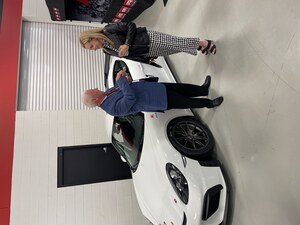
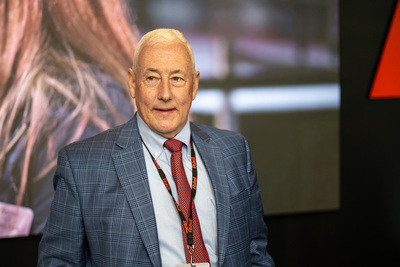
U.S. Representative Greg Pence (R-IN) recently sat down with SEMA News to discuss some of the most pressing issues facing the industry. Rep. Pence is currently serving in his second term in Congress and is a member of the powerful Energy & Commerce Committee.

Are you concerned that politicians make decisions that impact your business, yet they do not understand what it is like to work in the private sector? If so, I have a feeling you will enjoy getting to know U.S. Representative Greg Pence (R-IN), who started working at a local service station in high school and enjoyed a successful career in oil and convenience store businesses before running for office in 2018. With a seat in his home congressional district open, Rep. Pence decided that it was time to join his brother, Vice President Mike Pence, to help our federal government chart a better path in Washington, D.C.

Rep. Pence is a native of Columbus, Indiana, which is about an hour south of Indianapolis. After graduating from high school, he earned a bachelor’s degree in theology and philosophy from Loyola University of Chicago. Congressman Pence served four years in the Marine Corps before returning to Loyola, where he earned his master’s degree in business affairs. He also pursued postgraduate studies in environmental affairs at Indiana University before starting a career in the oil business as a sales representative for Union Oil Co. He went on to work as a territory manager with Marathon Oil Corp. before serving as vice president and then president of Kiel Bros. Oil Co., which operates a chain of more than 200 gas stations and convenience stores in the Midwest.

Pence

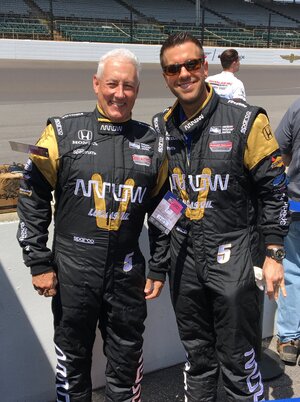
Rep. Pence (left) poses for a picture after taking a ride in an Indy car.

Rep. Pence is currently serving in his second term in Congress, representing Indiana’s 6th District, which is in the eastern part of the state and spans from Muncie all the way down to the Kentucky border. The Congressman is a member of the House Energy & Commerce Committee, where he uses his private sector experience and common sense to shape automotive, energy, environment and healthcare policy.

Rep. Pence is proud of Indiana’s racing pedigree and the role the Hoosier state plays in motorsports today. The Congressman could not be more excited to be representing Speedway, Indiana, which will be in his district starting in 2023. Rep. Pence has spent many years around racing, as the oil companies he worked for sponsored race teams, enabling him to travel to races all around the country. He brings his passion for racing to the policy-making arena, serving as an original co-sponsor of H.R. 3281, the Recognizing the Protection of Motorsports Act. Rep. Pence has been a strong advocate for protecting motorsports from government overreach.

Rep. Pence and his wife Denise live in Columbus, Indiana, and have four children and eight grandchildren. When he is not in Washington or spending time with family, there’s a good chance he’s out meeting with his constituents to find out about the issues that impact them and to see how he can help.

Now let’s go behind the scenes and hear directly from Rep. Pence.

Pence

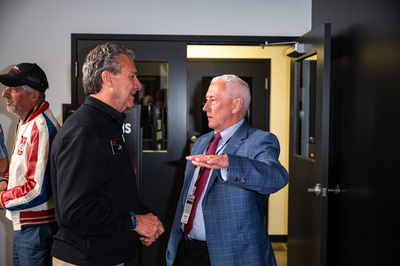
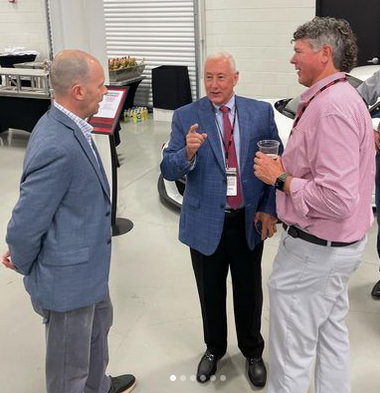
SEMA CEO Mike Spagnola (left) talks to Rep. Pence at the Performance Racing Industry headquarters grand opening, held last May in Indianapolis.

SEMA News: What was your first car?

Rep. Greg Pence: My first car was a used ’64 Mustang that I bought from my neighbors. I had just turned 16 when I bought the car. It was seven or eight years old. It had three on the floor.

What I couldn’t stand about it was the neighborhood kid who owned it previously painted it with a can of baby blue spray. It was very uneven. Rubber blue tape across the top and the trunk. He thought that was cool.

SN: What was your favorite vehicle you have owned?

GP: My ’99 Jeep Wrangler that I still have. It has a black hard top and a soft top.

SN: What was your first job?

GP: I worked in garages from the age of 14 to when I went off to college, including after school and in the summer. I did mechanical work. Not the heavy stuff. But I could time a car and do brakes. I mostly assisted them until I got proficient in a particular vehicle or a specific thing.

SN: You have spoken about right to repair, including at a committee hearing earlier this year. Do you see an opportunity for a legislative solution?

GP: Yeah, I really do. I think we have to define both sides of the argument a little better. Right to repair impacts not only the automotive industry but it’s also now extended into many other facets. Even your washer and dryers are headed that way.

If I am forced to take a product I own somewhere, or if I am forced to gather the information about what I perceived was my intellectual property of a vehicle, then you should pay me for this. That’s what I’ve pushed for in committee hearings. In other words, you need to fully disclose that I don’t own this intellectual property, and I can’t make modifications or do certain things to this without that intellectual property of that vehicle.

Pence

Rep. Pence speaks with Kathryn Reinhardt, director of retail marketing for 4 Wheel Parts, at PRI headquarters.

Now, if it’s proprietary to the manufacturer and they want to charge me, that’s negotiable. We can discuss that. But there’s many cases where the consumer doesn’t know that it wasn’t their information. That is happening when you buy a new car today. Every manufacturer says the information on the vehicle belongs to them even if they sell it to somebody else. Full disclosure is important. If a company is going to keep all the information, then that’s an additional financial transaction we need to discuss.

SN: Right to repair most directly impacts companies that produce replacement parts and businesses that repair vehicles. For the automotive specialty aftermarket, many of our companies reverse engineer products to produce products that are interoperable with vehicles. We appreciate the importance of cyber-security, but it can’t be used in order to reduce competition and prevent modifications that consumers desire.

GP: Yeah, I agree. I’m running down the road of the intellectual property aspect of that. I understand cybersecurity, and I understand proprietary information. But if a business is simply trying to improve the functionality of a vehicle through their products, and they just need to get in there, that company is not taking anything from the manufacturer. But I’m concerned about them being locked out.

Manufacturers are saying that other businesses can’t touch their products, because it’s their information of how this vehicle functions. I don’t agree with that. This is one of our key priorities. And again, it’s not just the automotive industry now that this issue affects.

Pence

Greg Fornelli (right), president and owner of SRI Performance and Stock Car Steel and Aluminum, and Eric Snyder (left), SEMA’s director of congressional affairs, speaking with Rep. Pence.

SN: You worked in the oil business for a long time. Tell us more about your
private-sector experience.

GP: I’ve only been a politician for three and a half years. I’m 65 years old. I ran because my predecessor was going to run for Senate, and I was his finance chair for the state. And people said to me, “Why don’t you run? You’re semi-retired.” I said, “Okay.”

I grew up in the oil industry and working in gas stations as well. I worked for Marathon Corp. in Illinois, and then I joined a distributorship in southern Indiana in 1988. After that, I worked at Circle K as their national director of fuels.

I’ve got a lot of other little business experiences. I started trucking companies. I’ve got a real estate company and did some consulting for manufacturing after the oil industry. My wife and I also own antique malls.

My wife said to me many years ago, “You know what? I’d like to get in the rental business.” I said, “Yeah, that’s a good idea.” We live near a university, so we purchased some university housing. We were over there looking at some properties when we noticed that an antique mall came up for sale. It was 72,000 sq. ft., with all the renters under one roof. Then we started another one and another commercial property as years went by. I think it’s now been 17 years since we bought that antique market.

Antiques are more popular now than they have ever been since we’ve been in the business. I believe people are sick and tired of shopping online. People want to get out and look at stuff. We’re getting lots of young people who are going to antique stores. It’s kind of cool.

SN: House Energy & Commerce (E&C) Committee Republicans have taken a neutral position on the technology that powers motor vehicles, allowing individuals to determine whether they would prefer an internal-combustion engine versus an electric vehicle. Our readers would be interested to know more about the debate going on in the committee, since E&C has jurisdiction over automotive and environmental policy.

Pence

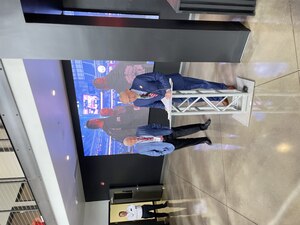
PRI President Dr. Jamie Meyer (right) introduces Rep. Pence at the association’s grand opening in May.

GP: Well, having been in the energy distribution industry for many decades, I can say that it’s now become more and more apparent that we can’t get the energy where it needs to be as we expand the EV market, right? I can’t get it to an apartment building where everybody’s parking their car. It’s very costly. Many houses have to be converted. When you talk to the generation line companies, they say “No, we can never get that much energy to that area.” This is particularly true if you start closing coal plants and not allowing natural gas lines to run. I call it a catastrophic plan.

The combustion engine is a lot cleaner than it ever was before. Gasoline is much cleaner than it ever was before. So is diesel. Let’s keep making improvements to that and not say, “Let’s get rid of internal-combustion engines.”

SN: Racing is a top priority for many companies in our industry. Tell us a bit about the race culture in Indiana.

GP: I live in the racing capital of the world. Now, some people would dispute that. There are other areas that think they are, but they’re wrong.

I’ll be going to Carburation Day on Friday [May 27] at the Indianapolis Motor Speedway. It’s always fun. There’s live music, bands and flyovers. You know, the fun stuff. I’ll be going to the Indy 500 in two weeks. I’ve got 16 tickets right across from the pits.

We have the drag-racing capital of the world. IndyCar, of course, is right there. Down in Speedway, the number of manufacturers in the technology that is happening is incredible.

SN: Tony Stewart’s from Columbus, Indiana, as well. Is he a constituent of yours?

GP: Tony Stewart is a southern Indiana boy. Smart guy. I believe he’s the biggest dirt track owner in the United States. We sponsored him back when he was in high school. To put our logo on his car, we gave him a 55-gal. barrel of 10-octane oil for the season. Back then, it probably cost $100. He was only in high school then.

Mon, 08/01/2022 - 11:45

SEMA News—August 2022

LEGISLATIVE AND TECHNICAL AFFAIRS

It’s Time for Replicas!

Industry and Customers Celebrate as NHTSA Implements SEMA-Led Low-Volume Vehicle Manufacturing Law

By Eric Snyder

Beck

Replica cars, such as these two Beck Spyder and Beck GTS produced under the low-volume program can also feature modern, higher-performing equipment under the hood—allowing for the best of both worlds: a mix of contemporary and classic.

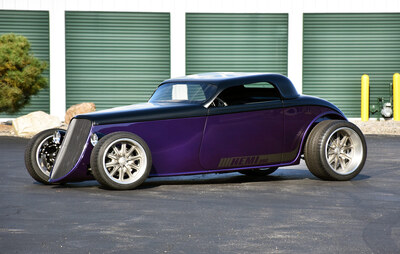
The long wait is over: The replica car law has finally taken effect. The National Highway Traffic Safety Administration (NHTSA) issued a regulation in March permitting replica car manufacturers to begin production. The law allows low-volume manufacturers to sell up to 325 new replicas a year that resemble production vehicles from at least 25 years ago. Consumers will now be able to purchase reimagined versions of classic vehicles, including everything from Roaring Twenties cars and ’30s roadsters to ’70s musclecars and more.

Having a chance to sell brand-new heritage cars consumers could drive off the lot was just a dream in 2011 when SEMA worked with lawmakers in the U.S. Congress to introduce the Low Volume Motor Vehicle Manufacturers Act. Years of advocacy on Capitol Hill by SEMA and its kit car allies led to the replica car provision becoming law as part of the 2015 highway bill.

Low Volume

The vehicle does not need to be an exact reproduction of the original, such as this Factory Five Racing Speedster.

Given that the law required NHTSA to complete regulations within one year of enactment, no one anticipated that it still faced a six-year ride through regulatory potholes that called for frequent tune-ups, including a lawsuit and many calls to
Congress and the White House for help. The journey is now complete, so let’s explore how the replica law works and why it is so transformative.

Prior to the implementation of the replica car law, the United States had just one system for regulating automobiles, and it was designed for companies mass-producing millions of vehicles. The new program streamlines the regulatory process associated with producing replica cars, which reflects the unique challenges faced by companies that produce a small number of custom cars.

The law and regulations are based on NHTSA’s regulatory approach for kit cars assembled from parts by enthusiasts or nearly finished automobiles that lack an engine and drivetrain (“rollers”). Kit cars are subject to NHTSA equipment standards but not vehicle standards.

Icon

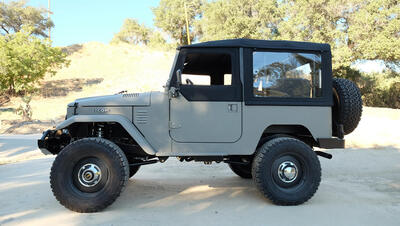
Low-volume vehicle manufacturers, such as ICON with their FJ40, must first register with NHTSA, EPA and CARB before selling vehicles (a process that may take several months) and thereafter submit annual reports on vehicle production.

While hobbyists install the engine/transmission to complete a kit car, the replica car law allows the vehicle manufacturer to install the engine package and sell a turnkey car ready to be driven off the lot.

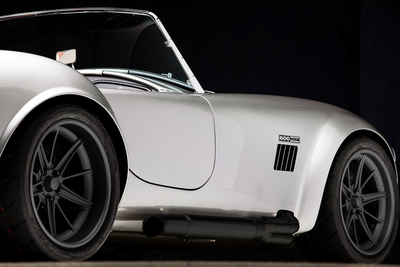
The vehicle does not need to be an exact reproduction of the original. The law allows artistic liberty in permitting the vehicle to resemble the overall appearance of the original (while noting that the term “resemble” goes beyond simply being an inspiration of an older vehicle). The law does not require the interior of a replica vehicle to resemble that of the original production vehicle, enabling replica vehicles to be equipped with modern comforts. Replica cars produced under the low-volume program can also feature modern, higher-performing equipment under the hood—allowing for the best of both worlds: a mix of contemporary and classic.

Replica vehicle manufacturers must certify that they own or have a license for the intellectual property associated with the vehicle (patents, trademarks, trade dress, etc.). For example, a license would likely be required if using the original vehicle manufacturer’s name or logo, but the replica vehicle manufacturer would own the intellectual property for self-branded names, logos and trade dress.

The vehicles are required to meet current model-year emissions standards. In 2019, the U.S. Environmental Protection Agency (EPA) issued guidelines for installing engine packages from other EPA-certified vehicles, and the California Air Resources Board (CARB) issued a regulation for producing compliant engine packages.

Scorpion

Prior to the implementation of the replica car law, the United States had just one system for regulating automobiles, such as this Scorpion 600 EV, and it was designed for companies mass-producing millions of vehicles.

The law goes beyond simply installing a new crate engine. Rather, vehicles must use an engine package that includes all emissions controls and has been certified by an OEM for the current model year or, for California, has been certified to the CARB regulation. Several OEMs have expressed interest in offering engine packages, although they are currently on hold.

There is an alternative: electric motors. As electric vehicles (EVs) have become more mainstream, so has the idea of putting a twist on classic cars by making them electric through powertrain swaps, which were seen throughout the 2021 SEMA Show. Now, replica classic vehicles can be produced with an electric motor if so desired. A number of replica car manufacturers are pursuing this route, seeking batteries and motors. EPA and CARB approval of EV packages should be straightforward.

Low-volume vehicle manufacturers must first register with NHTSA, EPA and CARB before selling vehicles (a process that may take several months) and thereafter submit annual reports on vehicle production. Enthusiasts will still have the option to build a car from a kit, but now they may also purchase turnkey replica cars. Some replicas should begin appearing later in 2022, with many more in 2023 and beyond as nostalgia meets cool cars.

Mon, 08/01/2022 - 11:31

SEMA News—August 2022

LEGISLATIVE AND TECHNICAL AFFAIRS

Public-Private Effort Launched to Save the Bonneville Salt Flats

By Caroline Fletcher

Bonneville

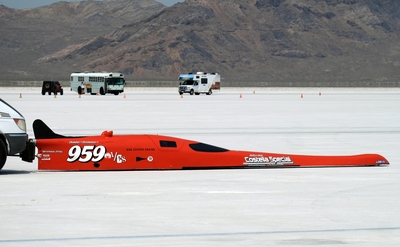
Hundreds of land-speed records have been set and broken by racers driving all types of two-, three- and four-wheeled vehicles. Photo courtesy: D.Lopez-FotoMundo America/Shutterstock.com

For more than 100 years, racers have descended upon the crystalline white salt remnants of the ancient lakebed that comprises the Bonneville Salt Flats in search of epic speeds. Not only does this unique landmark attract tourists, filmmaker and other commercial activity, but it also possesses rare physical qualities that make it the perfect venue for land-speed racing.

Despite being designated as a historic landmark, Bonneville is imperiled. Beginning in the ’60s, federal mining leases allowed salt to be transferred from Bonneville for potash extraction. Once processed, the remaining salt was not returned to Bonneville until 1997, and the amounts pumped in subsequent years have not made up for decades of losses.

SEMA has worked with the Save the Salt Coalition—a group of concerned racers, businesses and community members—to create the “Restore Bonneville” program. The goal is to gradually increase the yearly amount of salt brine pumped onto
Bonneville from an average of 300,000 tons per year to more than 1 million tons per year. SEMA and the racing community have joined forces with the U.S. Bureau of Land Management (BLM), the Utah Department of Natural Resources (DNR), the Utah Geological Survey, and Intrepid Potash Inc. in the collaborative restoration effort.

The restoration program is managed by DNR in conjunction with the BLM, and it is operated by Intrepid Potash. In working with Intrepid Potash, the volume of salt laid down on Bonneville will be increased by updating and improving the efficiency of the current pumping infrastructure and water conservation efforts, which includes rebuilding water wells, covering ditches and installing new pipes and pumps. Great efforts to use water more efficiently will help achieve the goal to increase the volume of salt returned to the salt flats.

More than $1.2 million in federal and Utah state funds were released last year to start the ambitious restoration effort. During the summer of 2021, a new water well was installed along with equipment to measure water evaporation rates and collect scientific data. The data will seek to identify the best ways to take advantage of the salt laydown and study the effects on the salt crust and underlying brine aquifer. For example, the program will consider ways to contain the salt within the large pumping area with dykes or berms.

Stakeholders are now pursuing projects to continue increasing the volume of salt being pumped in 2022 and beyond. While the fight to save the Bonneville Salt Flats is far from over, this program represents a tangible step toward “saving the salt” and protecting the future of racing at Bonneville. If you’re looking for a way to help, financial contributions to the program from the racing community are gratefully accepted at www.savethesalt.org.

Quick History Lesson

Bonneville’s hard salt provides a cool surface that doesn’t overheat tires as vehicles hit mind-boggling speeds. Hundreds of land-speed records have been set and broken by racers driving all types of two-, three- and four-wheeled vehicles. Speed Week is the marquee event, drawing large crowds of racers and spectators nearly every August since 1949. Bonneville also has a long history of being nature’s test track for equipment produced by SEMA and PRI members.

Bonneville serves another important role as a crucial resource for potash used primarily in fertilizers. To obtain potash, salt brine is collected in large solar evaporation ponds from which potash is separated out and processed. The remaining salt is stored and may then be returned to the Salt Flats as salt brine.

Beginning in the ’60s, the U.S. Bureau of Land Management, which manages the land, issued leases to the north of Interstate 80, where motorsports racing and other recreational activities take place, allowing salt brine to be collected in open ditches for commercial potash processing. The mine operator began pumping the processed salt back onto Bonneville in 1997 as part of a pilot project SEMA helped create, but it has not kept pace with the loss of salt over previous decades.

In the ’60s, the racing venue at Bonneville was more than 13 mi. in length, but there is now 8 mi. or less that can be used for competition. SEMA and the racing community are now pursuing a program to dramatically increase the volume of salt returned to Bonneville.