It wouldn’t be the SEMA Show without show-stopping builds and customizations, and while there’s no show floor in Las Vegas this year, SEMA360 is no different. More than 300 builders entered some of their latest creations, and you can see them throughout the week at the SEMA360 Builder Showcase page. We’ll be spotlighting five awesome builds each day of the event, starting with the ones you see here.
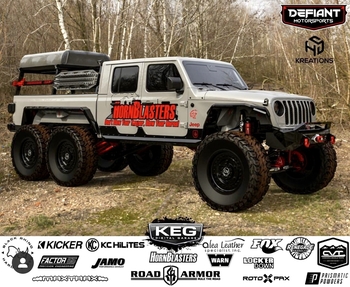
Submitted by: Graham Adams Vehicle: ’20 Jeep Gladiator 6x6 Designed for serious backcountry travel, this Gladiator 6x6 conversion is home to some crucial parts for overlanding, including a Warn winch, Road Armor bumpers, Maxtrax safety mats, Factor 55 recovery gear, a Cascadia tent, a Viair portable air compressor and Lock’erDown storage solutions. A Jamo Performance exhaust helps with aspiration under the hood. The Jeep’s suspension receives an assist from a set of Fox remote-reservoir coilover shocks, and the lift accommodates a set of big Black Rhino wheels. KC HiLites provide auxiliary lighting, a Kicker audio system resides in the cab, Hornblasters air horns make a loud statement, and Keg Media supplied the original rendering.
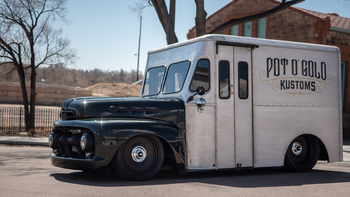
Submitted by: Shannon Waltz Vehicle: ’50 Ford panel truck Used originally by a bakery for deliveries of fresh bread, this ’50 has been reborn ad as one-of-a-kind restomod. Under the hood is a Cummins 4BT diesel four-cylinder backed by the TH400 automatic transmission. Power flows to a narrowed Ford 9-in. rearend, which is located by a triangulated four-link. The front suspension, meanwhile, has been grafted from a Mustang II, and disc-braked Detroit Steel wheels reside at all four corners. An Accuair air suspension with CVT management is also in the mix, as is custom glass and moldings from Service Auto Glass and custom leather seating and headliner from J&J Upholstery.
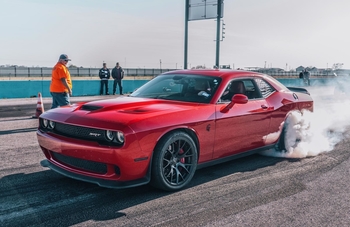
Submitted by: Jorge Geo Ramos Vehicle: ’15 Dodge Charger SRT Hellcat You’d think 707 hp would be plenty of power for most, but this SRT ups the ante with a host of underhood performance parts. A BWoody cold air intake handles inhalation duties, and a Fore Fuel pump and a set of Injection Dynamics Injectors held to keep the cylinders fed with VP Racing Fuels X85 racing fuel. A Nitrous Outlet NO2 system is on hand for still more oomph, and a BMR ice tank keeps intercooler temps down during the race. All that power turns a set of Mickey Thompson tires mounted on Race Star wheels.
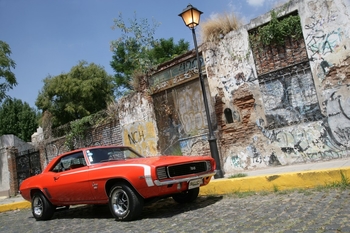
Submitted by: Luis Zschocke Vehicle: ’69 Chevrolet Camaro SS/RS This resto’d classic Camaro gets its motive power from a Holley-fed GM Performance Parts 396 V8 that’s been outfitted with a Competition cam and assisted by Mallory electrical components. Power is transferred to a set of BFGoodrich tires wrapped around Vintage Wheels. Inside the cab, many original components such as lap belts are still utilized, but many other have been replaced by OE replacement parts, including a Vintage Air HVAC system and a Classic Industries steering wheel while a Hurst shifter engages the four-speed transmission. Outside, the vehicle sports Pilkington glass and coat of Glasurit BASF Hugger Orange paint.
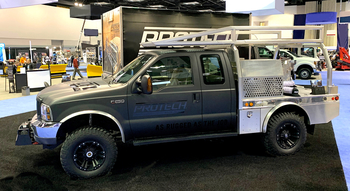
Submitted by: ProTech Industries Vehicle: ’03 Ford F-250 XLT 4x4 Wearing a custom wrap, this build makes an already-capable 4x4 an ever more versatile performer, on-road and off. The stock PowerStroke engine and drivetrain were left alone in favor of a raft of exterior parts from ProTech Industries including the aluminum flatbed that utilizes 6061 T6 alloy crossmembers. Also riding in the back are a set of underbody boxes, a dog box, storage boxes for tools, rear fenders, running boards and a removable and configurable lumber rack with an integrated storage basket. A Warn M12-S winch provides entree into the far backcountry, and the Ford’s frontend has been retrofitted to accommodate a set of Warn premium manual-locking hubs.
It wouldn’t be the SEMA Show without show-stopping builds and customizations, and while there’s no show floor in Las Vegas this year, SEMA360 is no different. More than 300 builders entered some of their latest creations, and you can see them throughout the week at the SEMA360 Builder Showcase page. We’ll be spotlighting five awesome builds each day of the event, starting with the ones you see here.
Submitted by: Graham Adams Vehicle: ’20 Jeep Gladiator 6x6 Designed for serious backcountry travel, this Gladiator 6x6 conversion is home to some crucial parts for overlanding, including a Warn winch, Road Armor bumpers, Maxtrax safety mats, Factor 55 recovery gear, a Cascadia tent, a Viair portable air compressor and Lock’erDown storage solutions. A Jamo Performance exhaust helps with aspiration under the hood. The Jeep’s suspension receives an assist from a set of Fox remote-reservoir coilover shocks, and the lift accommodates a set of big Black Rhino wheels. KC HiLites provide auxiliary lighting, a Kicker audio system resides in the cab, Hornblasters air horns make a loud statement, and Keg Media supplied the original rendering.
Submitted by: Shannon Waltz Vehicle: ’50 Ford panel truck Used originally by a bakery for deliveries of fresh bread, this ’50 has been reborn ad as one-of-a-kind restomod. Under the hood is a Cummins 4BT diesel four-cylinder backed by the TH400 automatic transmission. Power flows to a narrowed Ford 9-in. rearend, which is located by a triangulated four-link. The front suspension, meanwhile, has been grafted from a Mustang II, and disc-braked Detroit Steel wheels reside at all four corners. An Accuair air suspension with CVT management is also in the mix, as is custom glass and moldings from Service Auto Glass and custom leather seating and headliner from J&J Upholstery.
Submitted by: Jorge Geo Ramos Vehicle: ’15 Dodge Charger SRT Hellcat You’d think 707 hp would be plenty of power for most, but this SRT ups the ante with a host of underhood performance parts. A BWoody cold air intake handles inhalation duties, and a Fore Fuel pump and a set of Injection Dynamics Injectors held to keep the cylinders fed with VP Racing Fuels X85 racing fuel. A Nitrous Outlet NO2 system is on hand for still more oomph, and a BMR ice tank keeps intercooler temps down during the race. All that power turns a set of Mickey Thompson tires mounted on Race Star wheels.
Submitted by: Luis Zschocke Vehicle: ’69 Chevrolet Camaro SS/RS This resto’d classic Camaro gets its motive power from a Holley-fed GM Performance Parts 396 V8 that’s been outfitted with a Competition cam and assisted by Mallory electrical components. Power is transferred to a set of BFGoodrich tires wrapped around Vintage Wheels. Inside the cab, many original components such as lap belts are still utilized, but many other have been replaced by OE replacement parts, including a Vintage Air HVAC system and a Classic Industries steering wheel while a Hurst shifter engages the four-speed transmission. Outside, the vehicle sports Pilkington glass and coat of Glasurit BASF Hugger Orange paint.
Submitted by: ProTech Industries Vehicle: ’03 Ford F-250 XLT 4x4 Wearing a custom wrap, this build makes an already-capable 4x4 an ever more versatile performer, on-road and off. The stock PowerStroke engine and drivetrain were left alone in favor of a raft of exterior parts from ProTech Industries including the aluminum flatbed that utilizes 6061 T6 alloy crossmembers. Also riding in the back are a set of underbody boxes, a dog box, storage boxes for tools, rear fenders, running boards and a removable and configurable lumber rack with an integrated storage basket. A Warn M12-S winch provides entree into the far backcountry, and the Ford’s frontend has been retrofitted to accommodate a set of Warn premium manual-locking hubs.
Day two of SEMA360, an online ecommerce solution for the aftermarket, continues to feature more than 2,000 new products. If two days isn’t enough for you to browse through all of them, here are some you may find insightful.
TRAC Tire Rotation Assistance Cart
The TRAC Tire Rotation Assistance Cart is a 2019 SEMA award-winning product. This cart carries the weight of a wheel/tire assembly so the technician does not have to. Simply roll the cart under the wheel while the vehicle is on a lift, then use the jack assembly to raise the cart to support the weight of the wheel/tire. Remove the wheel lugs and roll out of the way.
This tool is useful in the service industry for rotations, general service repair, and most of all keeping the technician safe to reduce the workman’s comp cases against the shop. Work smarter, not harder!
XClutch Launches New 9.5-in. Single Disc Clutch Performance Upgrades
XClutch has recently launched new 9.5-in. single disc performance street and motorsport upgrades to suit VW Golf GTI MK5, 6 and 7. The kits have been designed and engineered to offer the ultimate balance between performance and driveability and have been designed around XClutch’s race inspired alloy pressure plate that offers low pedal effort, increased clamping force and low rotational inertia.
The upgrades are available with either sprung organic (440 lb.-ft. torque capacity) or sprung ceramic friction disc (670 lb.-ft. torque capacity) and also includes a lightweight 4140 chromoly flywheel, hydraulic release bearing, bolts and alignment tool.
XClutch also offers a range of 9.0-in. twin disc street and motorsport upgrades for even higher torque capacity, also available with both organic and ceramic friction materials.
SUN Collision Repair Information Expands Content and Features
SUN Collision Repair Information, a brand of Snap-on Inc., has expanded its coverage and enhanced its features to make the software even more user-friendly, including quick access to Advanced Driver Assistance Systems (ADAS) repair information.
As vehicle technology advances, the line between collision and mechanical repair work is blurring. When a collision occurs, any damage to the body and frame is very likely to also damage sensors, cameras and other mechanical components that must be repaired and/or recalibrated to return the vehicle to safe operating condition.
SUN Collision Repair Information offers collision-repair facilities a comprehensive source of repair information that covers all types of repairs, both collision and mechanical, and includes complete OEM coverage and SureTrack Real Fixes based on actual mechanical repair solutions that expert technicians have used to solve the same problem.
New Dash Kit for Mazda CX-3 and Toyota Yaris Now Available
Metra Electronics, the leading manufacturer of aftermarket automotive solutions, is shipping a new dash kit, the 107-MZ1B, designed for Mazda CX-3 ’16–’20 and Toyota Yaris ’19–’20 models.
The design of these model’s dashboards does not allow a standard aftermarket Single-DIN or Double-DIN sized radio provision but instead requires a floating modular radio. Metra’s solution fits radios that have an “L”-shaped chassis design with the radio chassis at the bottom of the screen, like the Alpine iLX-207.
This kit is also compatible with Pioneer’s 6.8-in. modular radios and has special brackets included for installation of the Pioneer DMH-C2550NEX and DMH-C2500NEX touchscreen in-dash receivers.
Performance Electronics will offer a discount for members attending SEMA360.
Save on all Performance Electronics ECUs, Wire Harnesses, Digital Displays, PE-Wideband and Apparel until November 16.
Order online at www.pe-ltd.com and use code “SEMA360” at checkout.
Hellwig Suspension Products Hellper Spring for ’17–’20 For Raptor
Hellwig Suspension Products announced the release of its newest Pro Series and EZ-990 Helper Springs for the ’17–’20 Ford F-150 Raptor pickup. The Pro Series and EZ-990 Helper Springs allow the truck to maintain a level ride height when towing or hauling, which provides improved safety, handling, comfort, and overall driver control.
Outfitted with premium Fox Live Valve suspension, 35-in. all-terrain tires and four-wheel-drive, the Ford Raptor is famed for its off-road performance and ability to take on the roughest terrain. The powerful 3.5L EcoBoost V6 engine puts out 450 hp and 510 lb.-ft. of torque, which provides the F-150 Raptor with substantial towing and hauling capabilities. Hellwig’s new Pro Series and EZ-990 Helper Springs unlock the true capabilities of the Raptor by increasing rear end support and level load rating of the truck.
RockJock 4x4 by John Currie Jeep JT Gladiator Pro Edition 4-in. Suspension Lift
RockJock's Pro Edition Johnny Joint Suspension System with Antirock Sway Bars for the Jeep JT Gladiator is designed to deliver a smooth, comfortable on-road ride. The system is manufactured to feature high-quality, durable components all in a complete, direct bolt-on kit.
PCOR 3/4 Canopies is one solution for touring vehicles looking to fulfill the off-road lifestyle. The canopy is designed to mimic the setup of overlanding professionals.
The PRO 2500W Professional Grade Power Inverter with Fast Charge USB is for cross-country professional drivers, contractors, RV enthusiasts, and campers who want to charge and power devices such as smartphones, laptops, electronics, entertainment devices, power tools and kitchen/bath appliances.
Harrop Engineering USA Harrop Ford Coyote 5.0 Supercharger Kit
Harrop TVS2650 Supercharger kit is manufactured to be built around the largest, most-efficient rotating group ever produced by Eaton. This same supercharger rotating group will be found on the new ’20 Shelby GT500.
The EVO SE is a coilover kit built and tuned specifically for vehicles with factory electronic damping control. The coilover kit is engineered to feature ride height adjustability and electronic damping control through the OE systems.
Threaded bodies are manufactured to allow for lowering up to 70mm. The kit is designed and built in Germany and tested and tuned on the Nurburgring.
The Hyper-Flex Polyurethane Cush Drive bushings are manufactured to outlast and outperform OEM rubber.
The bushings are constructed to provide smoother shifting through the gears and reduction in wear on other components.
It is ideal for machines with increased horsepower. Set includes 6 pieces. Fits ’99–’07 Hayabusa, ’97–’00 GSX-R600, ’88–’99 GSX-R750, ’88–’98 GZX-R1100.
AWE AWE 4.5-in. S-FLO Closed Carbon Intake System for Audi 8V RS 3MK3 TT RS
The S-FLO Closed Carbon Intake System combines each component of the S-FLO suite and adds a bespoke 2x2 carbon air box that spans the entire width of the grille.
Paired with a 30% increase in filter surface area, and 4.5 inlet tube, the S-FLO Closed Carbon Intake System unlocks a dyno-verified gain 17 hp and 6 lb.-ft. of torque at the wheels.
Day two of SEMA360, an online ecommerce solution for the aftermarket, continues to feature more than 2,000 new products. If two days isn’t enough for you to browse through all of them, here are some you may find insightful.
TRAC Tire Rotation Assistance Cart
The TRAC Tire Rotation Assistance Cart is a 2019 SEMA award-winning product. This cart carries the weight of a wheel/tire assembly so the technician does not have to. Simply roll the cart under the wheel while the vehicle is on a lift, then use the jack assembly to raise the cart to support the weight of the wheel/tire. Remove the wheel lugs and roll out of the way.
This tool is useful in the service industry for rotations, general service repair, and most of all keeping the technician safe to reduce the workman’s comp cases against the shop. Work smarter, not harder!
XClutch Launches New 9.5-in. Single Disc Clutch Performance Upgrades
XClutch has recently launched new 9.5-in. single disc performance street and motorsport upgrades to suit VW Golf GTI MK5, 6 and 7. The kits have been designed and engineered to offer the ultimate balance between performance and driveability and have been designed around XClutch’s race inspired alloy pressure plate that offers low pedal effort, increased clamping force and low rotational inertia.
The upgrades are available with either sprung organic (440 lb.-ft. torque capacity) or sprung ceramic friction disc (670 lb.-ft. torque capacity) and also includes a lightweight 4140 chromoly flywheel, hydraulic release bearing, bolts and alignment tool.
XClutch also offers a range of 9.0-in. twin disc street and motorsport upgrades for even higher torque capacity, also available with both organic and ceramic friction materials.
SUN Collision Repair Information Expands Content and Features
SUN Collision Repair Information, a brand of Snap-on Inc., has expanded its coverage and enhanced its features to make the software even more user-friendly, including quick access to Advanced Driver Assistance Systems (ADAS) repair information.
As vehicle technology advances, the line between collision and mechanical repair work is blurring. When a collision occurs, any damage to the body and frame is very likely to also damage sensors, cameras and other mechanical components that must be repaired and/or recalibrated to return the vehicle to safe operating condition.
SUN Collision Repair Information offers collision-repair facilities a comprehensive source of repair information that covers all types of repairs, both collision and mechanical, and includes complete OEM coverage and SureTrack Real Fixes based on actual mechanical repair solutions that expert technicians have used to solve the same problem.
New Dash Kit for Mazda CX-3 and Toyota Yaris Now Available
Metra Electronics, the leading manufacturer of aftermarket automotive solutions, is shipping a new dash kit, the 107-MZ1B, designed for Mazda CX-3 ’16–’20 and Toyota Yaris ’19–’20 models.
The design of these model’s dashboards does not allow a standard aftermarket Single-DIN or Double-DIN sized radio provision but instead requires a floating modular radio. Metra’s solution fits radios that have an “L”-shaped chassis design with the radio chassis at the bottom of the screen, like the Alpine iLX-207.
This kit is also compatible with Pioneer’s 6.8-in. modular radios and has special brackets included for installation of the Pioneer DMH-C2550NEX and DMH-C2500NEX touchscreen in-dash receivers.
Performance Electronics will offer a discount for members attending SEMA360.
Save on all Performance Electronics ECUs, Wire Harnesses, Digital Displays, PE-Wideband and Apparel until November 16.
Order online at www.pe-ltd.com and use code “SEMA360” at checkout.
Hellwig Suspension Products Hellper Spring for ’17–’20 For Raptor
Hellwig Suspension Products announced the release of its newest Pro Series and EZ-990 Helper Springs for the ’17–’20 Ford F-150 Raptor pickup. The Pro Series and EZ-990 Helper Springs allow the truck to maintain a level ride height when towing or hauling, which provides improved safety, handling, comfort, and overall driver control.
Outfitted with premium Fox Live Valve suspension, 35-in. all-terrain tires and four-wheel-drive, the Ford Raptor is famed for its off-road performance and ability to take on the roughest terrain. The powerful 3.5L EcoBoost V6 engine puts out 450 hp and 510 lb.-ft. of torque, which provides the F-150 Raptor with substantial towing and hauling capabilities. Hellwig’s new Pro Series and EZ-990 Helper Springs unlock the true capabilities of the Raptor by increasing rear end support and level load rating of the truck.
RockJock 4x4 by John Currie Jeep JT Gladiator Pro Edition 4-in. Suspension Lift
RockJock's Pro Edition Johnny Joint Suspension System with Antirock Sway Bars for the Jeep JT Gladiator is designed to deliver a smooth, comfortable on-road ride. The system is manufactured to feature high-quality, durable components all in a complete, direct bolt-on kit.
PCOR 3/4 Canopies is one solution for touring vehicles looking to fulfill the off-road lifestyle. The canopy is designed to mimic the setup of overlanding professionals.
The PRO 2500W Professional Grade Power Inverter with Fast Charge USB is for cross-country professional drivers, contractors, RV enthusiasts, and campers who want to charge and power devices such as smartphones, laptops, electronics, entertainment devices, power tools and kitchen/bath appliances.
Harrop Engineering USA Harrop Ford Coyote 5.0 Supercharger Kit
Harrop TVS2650 Supercharger kit is manufactured to be built around the largest, most-efficient rotating group ever produced by Eaton. This same supercharger rotating group will be found on the new ’20 Shelby GT500.
The EVO SE is a coilover kit built and tuned specifically for vehicles with factory electronic damping control. The coilover kit is engineered to feature ride height adjustability and electronic damping control through the OE systems.
Threaded bodies are manufactured to allow for lowering up to 70mm. The kit is designed and built in Germany and tested and tuned on the Nurburgring.
The Hyper-Flex Polyurethane Cush Drive bushings are manufactured to outlast and outperform OEM rubber.
The bushings are constructed to provide smoother shifting through the gears and reduction in wear on other components.
It is ideal for machines with increased horsepower. Set includes 6 pieces. Fits ’99–’07 Hayabusa, ’97–’00 GSX-R600, ’88–’99 GSX-R750, ’88–’98 GZX-R1100.
AWE AWE 4.5-in. S-FLO Closed Carbon Intake System for Audi 8V RS 3MK3 TT RS
The S-FLO Closed Carbon Intake System combines each component of the S-FLO suite and adds a bespoke 2x2 carbon air box that spans the entire width of the grille.
Paired with a 30% increase in filter surface area, and 4.5 inlet tube, the S-FLO Closed Carbon Intake System unlocks a dyno-verified gain 17 hp and 6 lb.-ft. of torque at the wheels.
Chip Foose and his ’74 Jaguar E-Type qualified for the SEMA Battle of the Builders Top 40 in the Sport Compact category.
SEMA has announced the Top 40 builders in the SEMA Battle of the Builders competition, which honors and recognizes builders at SEMA360—the trade-only online eMarketplace.
The 2020 Battle of the Builders Top 40 are (by category):
Hot Rod
Tony Arme – ’64 Chevrolet Corvette
Peter (PJ) Burchett – ’67 Chevrolet Corvette
Greg Friedrich – ’33 Ford Coupe
Tim Kilkeary – ’56 Pontiac Star Chief Convertible
Kyle Kuhnhausen – ’64 Chevrolet Corvette
Andy Leach – ’71 Plymouth ’Cuda
Ricardo Lopez – ’68 Ford Mustang Fastback
Joe Lutz – ’56 Chevrolet Bel Air
Brady Ranweiler – ’63 Chevrolet two-door wagon
Chris Smith – ’70 Chevrolet Camaro
Sport Compact
Bill Brinkworth – ’73 Nissan S30 240z
Todd Budde – ’93 Mazda RX-7 FDS3
Josh Croll – ’04 Subaru WRX STi
Chip Foose – ’74 Jaguar E-Type
Tim Lajambe – ’93 Mercedes-Benz 190E
Olman Navarro – ’10 Mitsubishi Evolution GSR
Arvi Quizon – ’15 Subaru WRX
Eric Ritz – ’73 Nissan 240z
Jeff Spearn – ’56 Volkswagen sedan/ragtop
John D. Ubalde – ’93 Mazda RX-7
Truck Off-Road
Andy Allen – ’57 Studebaker Transtar
Randy Borcherding – ’71 Ford Ranchero
Brad DeBerti – ’20 Toyota Tacoma
Mark Giambalvo – ’65 Chevrolet C10
Ryan Korek – ’52 International L110
Rod Nielsen – ’64 International CO 1700
Troy Seyfer – 1962 Ford F100
Darin Smith – ’64 Chevrolet C10 shortbed
Randy Weaver – ’50 Ford F1
Chad Whitlock – ’70 Chevrolet C10
Young Guns
Eli DeWitt – ’67 Pontiac LeMans
Cody Medeisis – ’68 Chevrolet Camaro
Matteo Medoro – ’47 Dodge 3/4-ton W250
Jonas Neels – ’08 GMC Sierra 4x4
Austin Phipps – 1968 Chevrolet Camaro RS
Darren Sammartino – ’70 Chevrolet K20
James Thomas – ’41 Dodge Business coupe
James Thomas – ’49 Ford F1
Dominic Tucci – ’32 Ford Highboy
Joe Wilder – ’69 Chevrolet Camaro
The Battle of the Builders Top 12 will be announced, Wednesday, November 4, at 12:00 p.m. (PST) during SEMA360. These 12 finalists, chosen by a panel of industry experts featuring RJ DeVera (Meguiar’s), Cam Miller (HS Customs), Jeremiah Proffitt (Proffitt’s Resurrection Land Cruisers), and Mike and Jim Ring (Ringbrothers), represent the best of the best in the industry.
Chip Foose and his ’74 Jaguar E-Type qualified for the SEMA Battle of the Builders Top 40 in the Sport Compact category.
SEMA has announced the Top 40 builders in the SEMA Battle of the Builders competition, which honors and recognizes builders at SEMA360—the trade-only online eMarketplace.
The 2020 Battle of the Builders Top 40 are (by category):
Hot Rod
Tony Arme – ’64 Chevrolet Corvette
Peter (PJ) Burchett – ’67 Chevrolet Corvette
Greg Friedrich – ’33 Ford Coupe
Tim Kilkeary – ’56 Pontiac Star Chief Convertible
Kyle Kuhnhausen – ’64 Chevrolet Corvette
Andy Leach – ’71 Plymouth ’Cuda
Ricardo Lopez – ’68 Ford Mustang Fastback
Joe Lutz – ’56 Chevrolet Bel Air
Brady Ranweiler – ’63 Chevrolet two-door wagon
Chris Smith – ’70 Chevrolet Camaro
Sport Compact
Bill Brinkworth – ’73 Nissan S30 240z
Todd Budde – ’93 Mazda RX-7 FDS3
Josh Croll – ’04 Subaru WRX STi
Chip Foose – ’74 Jaguar E-Type
Tim Lajambe – ’93 Mercedes-Benz 190E
Olman Navarro – ’10 Mitsubishi Evolution GSR
Arvi Quizon – ’15 Subaru WRX
Eric Ritz – ’73 Nissan 240z
Jeff Spearn – ’56 Volkswagen sedan/ragtop
John D. Ubalde – ’93 Mazda RX-7
Truck Off-Road
Andy Allen – ’57 Studebaker Transtar
Randy Borcherding – ’71 Ford Ranchero
Brad DeBerti – ’20 Toyota Tacoma
Mark Giambalvo – ’65 Chevrolet C10
Ryan Korek – ’52 International L110
Rod Nielsen – ’64 International CO 1700
Troy Seyfer – 1962 Ford F100
Darin Smith – ’64 Chevrolet C10 shortbed
Randy Weaver – ’50 Ford F1
Chad Whitlock – ’70 Chevrolet C10
Young Guns
Eli DeWitt – ’67 Pontiac LeMans
Cody Medeisis – ’68 Chevrolet Camaro
Matteo Medoro – ’47 Dodge 3/4-ton W250
Jonas Neels – ’08 GMC Sierra 4x4
Austin Phipps – 1968 Chevrolet Camaro RS
Darren Sammartino – ’70 Chevrolet K20
James Thomas – ’41 Dodge Business coupe
James Thomas – ’49 Ford F1
Dominic Tucci – ’32 Ford Highboy
Joe Wilder – ’69 Chevrolet Camaro
The Battle of the Builders Top 12 will be announced, Wednesday, November 4, at 12:00 p.m. (PST) during SEMA360. These 12 finalists, chosen by a panel of industry experts featuring RJ DeVera (Meguiar’s), Cam Miller (HS Customs), Jeremiah Proffitt (Proffitt’s Resurrection Land Cruisers), and Mike and Jim Ring (Ringbrothers), represent the best of the best in the industry.
Chip Foose and his ’74 Jaguar E-Type qualified for the SEMA Battle of the Builders Top 40 in the Sport Compact category.
SEMA has announced the Top 40 builders in the SEMA Battle of the Builders competition, which honors and recognizes builders at SEMA360—the trade-only online eMarketplace.
The 2020 Battle of the Builders Top 40 are (by category):
Hot Rod
Tony Arme – ’64 Chevrolet Corvette
Peter (PJ) Burchett – ’67 Chevrolet Corvette
Greg Friedrich – ’33 Ford Coupe
Tim Kilkeary – ’56 Pontiac Star Chief Convertible
Kyle Kuhnhausen – ’64 Chevrolet Corvette
Andy Leach – ’71 Plymouth ’Cuda
Ricardo Lopez – ’68 Ford Mustang Fastback
Joe Lutz – ’56 Chevrolet Bel Air
Brady Ranweiler – ’63 Chevrolet two-door wagon
Chris Smith – ’70 Chevrolet Camaro
Sport Compact
Bill Brinkworth – ’73 Nissan S30 240z
Todd Budde – ’93 Mazda RX-7 FDS3
Josh Croll – ’04 Subaru WRX STi
Chip Foose – ’74 Jaguar E-Type
Tim Lajambe – ’93 Mercedes-Benz 190E
Olman Navarro – ’10 Mitsubishi Evolution GSR
Arvi Quizon – ’15 Subaru WRX
Eric Ritz – ’73 Nissan 240z
Jeff Spearn – ’56 Volkswagen sedan/ragtop
John D. Ubalde – ’93 Mazda RX-7
Truck Off-Road
Andy Allen – ’57 Studebaker Transtar
Randy Borcherding – ’71 Ford Ranchero
Brad DeBerti – ’20 Toyota Tacoma
Mark Giambalvo – ’65 Chevrolet C10
Ryan Korek – ’52 International L110
Rod Nielsen – ’64 International CO 1700
Troy Seyfer – 1962 Ford F100
Darin Smith – ’64 Chevrolet C10 shortbed
Randy Weaver – ’50 Ford F1
Chad Whitlock – ’70 Chevrolet C10
Young Guns
Eli DeWitt – ’67 Pontiac LeMans
Cody Medeisis – ’68 Chevrolet Camaro
Matteo Medoro – ’47 Dodge 3/4-ton W250
Jonas Neels – ’08 GMC Sierra 4x4
Austin Phipps – 1968 Chevrolet Camaro RS
Darren Sammartino – ’70 Chevrolet K20
James Thomas – ’41 Dodge Business coupe
James Thomas – ’49 Ford F1
Dominic Tucci – ’32 Ford Highboy
Joe Wilder – ’69 Chevrolet Camaro
The Battle of the Builders Top 12 will be announced, Wednesday, November 4, at 12:00 p.m. (PST) during SEMA360. These 12 finalists, chosen by a panel of industry experts featuring RJ DeVera (Meguiar’s), Cam Miller (HS Customs), Jeremiah Proffitt (Proffitt’s Resurrection Land Cruisers), and Mike and Jim Ring (Ringbrothers), represent the best of the best in the industry.
SEMA360 is on its second day, and thousands of attendees worldwide joined the action to meet manufacturers, research new products and hear from industry experts through SEMA360 special events and activities.
There is still time to sign up and enjoy access to the industry for the rest of the week. Here's a brief look at what you can take part in on day three of SEMA360.
Brew Talks: Top Aftermarket CEOs Talk Crisis & Recovery
Grab a cup of coffee or your favorite beverage and and join Brew Talks, where CEO Chris Kersting will moderate a panel of top aftermarket CEOs as they discuss the paths to recovery that aftermarket companies are taking to adapt a changing marketplace.
What: Brew Talks: Top Aftermarket CEOs Talk Crisis and Recovery When: 9:00 a.m.-10:00 a.m. Moderator: Chris Kersting, SEMA Speaker: Brian Reese, The Retrofit Source Speaker: Kim Pendergast, Magnuson Superchargers Speaker: Jim Liaw, Formula DRIFT Speaker: Shahriar 'Nick' Niakan, aFe POWER Speaker: Julian Gill, Eibach Inc.
The competition highlights the craftsmanship, talents and ideas of the builders who create vehicles that serve as inspiration for automotive enthusiasts and fans. These world-class builds are rolling representations of the fit, added function, style and innovation of aftermarket performance and styling products.
The Battle of the Builders Top 12 will be announced tomorrow (Wednesday, November 4) at 12:00 p.m. (PST), on the SEMA360 Builders Showcase page.
The Stage: Interviews With Leaders, Legends and Influencers: Featuring Dave Kindig and Myles Kovacs
The STAGE features industry leaders and icons engaging in inspiring, informative and thought-provoking discussions. Produced by SEMA Show Education in partnership with SEMA’s Wheel & Tire Council (WTC), and hosted by Myles Kovacs, the STAGE will include interviews throughout the week of SEMA360.
See what else is happening the rest of the week on SEMA360.
SEMA360 is on its second day, and thousands of attendees worldwide joined the action to meet manufacturers, research new products and hear from industry experts through SEMA360 special events and activities.
There is still time to sign up and enjoy access to the industry for the rest of the week. Here's a brief look at what you can take part in on day three of SEMA360.
Brew Talks: Top Aftermarket CEOs Talk Crisis & Recovery
Grab a cup of coffee or your favorite beverage and and join Brew Talks, where CEO Chris Kersting will moderate a panel of top aftermarket CEOs as they discuss the paths to recovery that aftermarket companies are taking to adapt a changing marketplace.
What: Brew Talks: Top Aftermarket CEOs Talk Crisis and Recovery When: 9:00 a.m.-10:00 a.m. Moderator: Chris Kersting, SEMA Speaker: Brian Reese, The Retrofit Source Speaker: Kim Pendergast, Magnuson Superchargers Speaker: Jim Liaw, Formula DRIFT Speaker: Shahriar 'Nick' Niakan, aFe POWER Speaker: Julian Gill, Eibach Inc.
The competition highlights the craftsmanship, talents and ideas of the builders who create vehicles that serve as inspiration for automotive enthusiasts and fans. These world-class builds are rolling representations of the fit, added function, style and innovation of aftermarket performance and styling products.
The Battle of the Builders Top 12 will be announced tomorrow (Wednesday, November 4) at 12:00 p.m. (PST), on the SEMA360 Builders Showcase page.
The Stage: Interviews With Leaders, Legends and Influencers: Featuring Dave Kindig and Myles Kovacs
The STAGE features industry leaders and icons engaging in inspiring, informative and thought-provoking discussions. Produced by SEMA Show Education in partnership with SEMA’s Wheel & Tire Council (WTC), and hosted by Myles Kovacs, the STAGE will include interviews throughout the week of SEMA360.
See what else is happening the rest of the week on SEMA360.
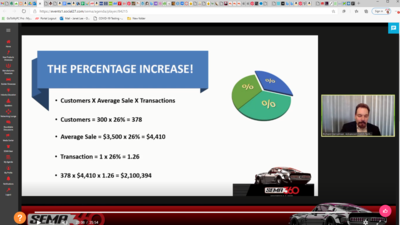
Rich Barsamian conducted an educational session Monday at SEMA360, in which he provided tips for marketers to increase sales.
SEMA Person of the Year in 2014, 2020 SEMA Hall of Fame inductee and Advanced Clutch Technology Vice President of Sales Rich Barsamian conducted an educational session Monday at SEMA360, in which he provided tips for marketers to increase sales.
Barsamian noted that when most people try to double sales, they risk burnout if their approach is not systematic. His pathway to success is by increasing the customer base, average order value, the frequency of customer buying, and making decisions based on the data. His methods include using social media, stressing product education, working closely with resellers, improving product data, always adding new products and taking advantage of tools available through SEMA.


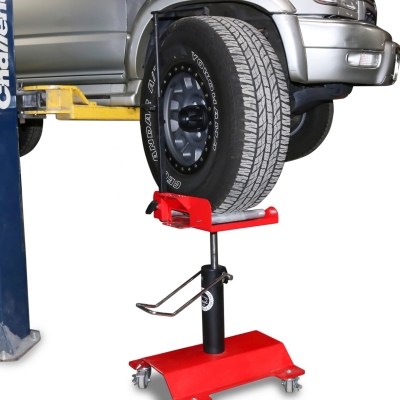 The TRAC Tire Rotation Assistance Cart is a 2019 SEMA award-winning product. This cart carries the weight of a wheel/tire assembly so the technician does not have to. Simply roll the cart under the wheel while the vehicle is on a lift, then use the jack assembly to raise the cart to support the weight of the wheel/tire. Remove the wheel lugs and roll out of the way.
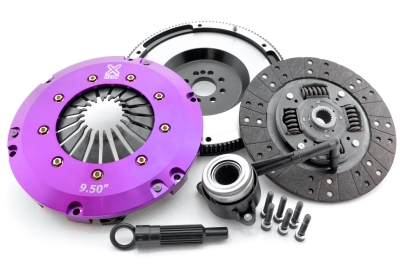 XClutch has recently launched new 9.5-in. single disc performance street and motorsport upgrades to suit VW Golf GTI MK5, 6 and 7. The kits have been designed and engineered to offer the ultimate balance between performance and driveability and have been designed around XClutch’s race inspired alloy pressure plate that offers low pedal effort, increased clamping force and low rotational inertia.
 SUN Collision Repair Information, a brand of Snap-on Inc., has expanded its coverage and enhanced its features to make the software even more user-friendly, including quick access to Advanced Driver Assistance Systems (ADAS) repair information.
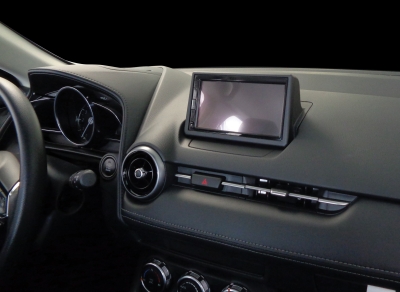 Metra Electronics, the leading manufacturer of aftermarket automotive solutions, is shipping a new dash kit, the 107-MZ1B, designed for Mazda CX-3 ’16–’20 and Toyota Yaris ’19–’20 models.
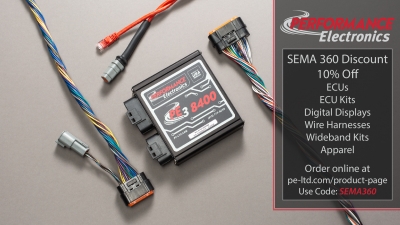 Performance Electronics will offer a discount for members attending SEMA360.
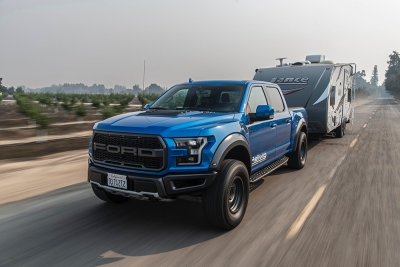 Hellwig Suspension Products announced the release of its newest Pro Series and EZ-990 Helper Springs for the ’17–’20 Ford F-150 Raptor pickup. The Pro Series and EZ-990 Helper Springs allow the truck to maintain a level ride height when towing or hauling, which provides improved safety, handling, comfort, and overall driver control.
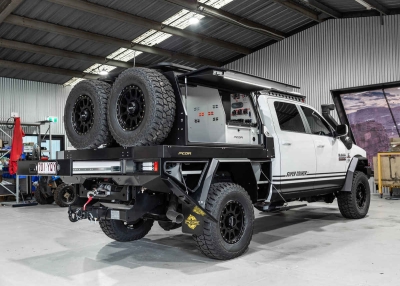 PCOR 3/4 Canopy
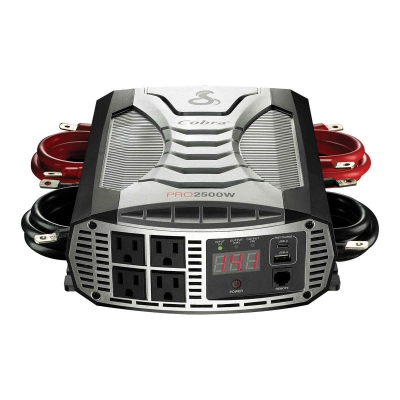 Cobra PRO 2500W
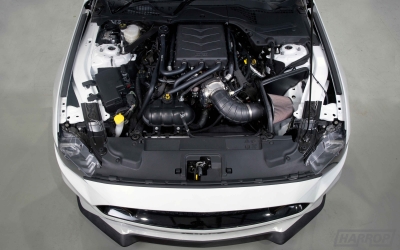 Harrop Ford Coyote 5.0 Supercharger Kit
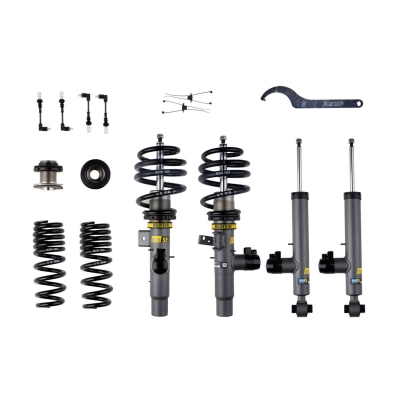 EVO SE
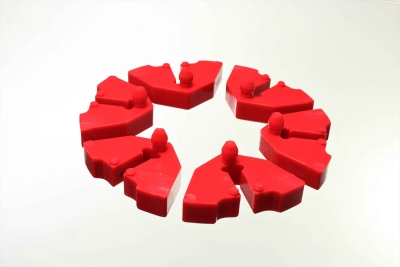 Suzuki Polyurethane Cush Drive
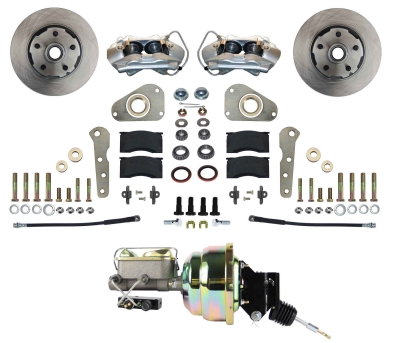 Full Size Classic Ford Power Disc Brakes for Factory Power Cars
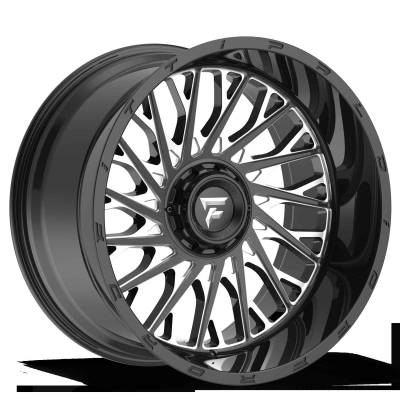 Fittipaldi Off Road FTC08
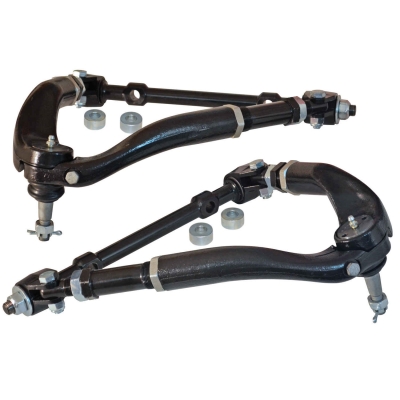 Chevy GMC C10 Truck Adjustable Upper Control Arms
 AWE 4.5-in. S-FLO Closed Carbon Intake System for Audi 8V RS 3MK3 TT RS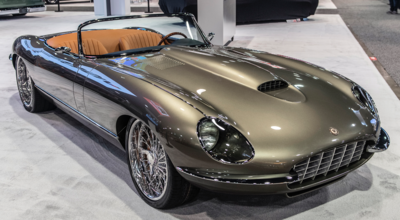
 Brew Talks: Top Aftermarket CEOs Talk Crisis & Recovery