The SEMA Businesswomen’s Network (SBN) named Jessieleigh Freeman, mechanic at #SavingSaturn, as the newest #SheIsSEMA spotlight member. Freeman has a passion for Saturn vehicles, which ceased production in 2010, and has taken on the task of restoring and collecting Saturn vehicles—17 of them at the moment. Learn more about Freeman in her interview with SEMA below.
SEMA: What is most challenging part of running your business or job?
Jessieleigh Freeman: The most challenging part is finding the parts and keeping up with all the Saturns.
SEMA: How many years have you been in the industry, and what was your first industry job?
JF: I have been in the automotive industry for about six years now. My first job was office manager and service writer for a speed shop.
SEMA: What are three qualities that got you to where you are today?
JF: The three qualities that got me where I am today are organization, perseverance and determination.
SEMA: Being a woman in the industry, what have been your biggest challenges and accomplishments?
JF: Being taken seriously is a big thing for me in what I do. Many people have not taken me or what I do seriously and think that it is a joke. I worked very hard to get where I am and do what I do. People ask me all the time if I am just the face of #SavingSaturn and some man does everything behind the scenes.
SEMA: Who are your role models or mentors in the industry? How have they helped you along the way?
JF: It has been difficult to find a female in the industry who does what I do to be a role model. My family has been part of drag racing for years though, and I always looked up to Team Force. The girls have such confidence, and their father never held them back.
SEMA: What is the best career advice you have received? How has this advice helped you either professionally or personally?
JF: The best advice I’ve received is “If they judge you by your cover, show them why they should read.” I have no idea who said that to me; I wish I did, but it has been a great reminder that I should try to educate rather than walk away.
SEMA: Have you always wanted to work in the automotive industry? What keeps you here?
JF: Yes, I have loved cars for as long as I can remember. The passion to get my cars restored has been my driving force.
SEMA: Who was the most influential person on your career/goals?
JF: My Uncle Frank; he pushed me to be who I am today.
Do you know, or are you, a woman with a career in the automotive industry? Fill out a #SheIsSEMA spotlight form to submit a self-nomination or nominate a colleague and highlight how you or she is contributing to the specialty-equipment industry. Selected candidates are automatically eligible to be considered for SBN’s #SheIsSEMA Woman of the Year award, featured on SBN’s social media, SEMA eNews and recognized on the www.sema.org/she-is-sema website.
SEMA members are invited to join Tom Gattuso, SEMA vice president of events, for a Facebook live chat and Q&A on the 2021 SEMA Show on Wednesday, October 6, at 12:00 p.m. (PDT).
Taking place on the SBN Facebook page, the discussion will help members understand how to make the most out of their experience at the week-long trade-only event taking place November 2–5 in Las Vegas. Gattuso will share updates about this year’s Show, as well as tips for navigating the event with ease.
Get your questions ready and tune into SBN Facebook page on Wednesday, October 6, at 12:00 p.m. (PDT).
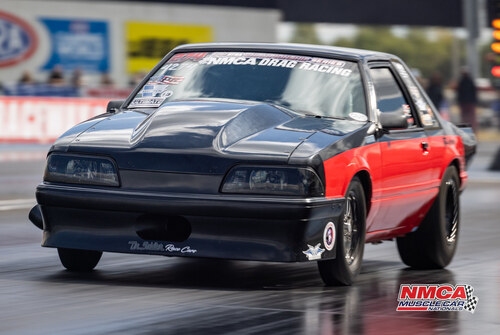
In Edelbrock Xtreme Street, Dave Fiscus faced Tim Knieriem in
the final round of eliminations, where Fiscus went through the
traps at 4.52 in his Mustang and wheeled to the NMCA
Winner’s Circle when Knieriem went -.003 red in his Mustang.
2021 NMCA Season Ends at Lucas Oil Raceway
Here are the results from the 20th Annual NMCA World Street Finals presented by Chevrolet Performance, held September 23–26, 2021 at Lucas Oil Raceway in Indiana.
VP Racing Lubricants Xtreme Pro Mod: Ken Quartuccio in his Camaro faced Craig Sullivan and his “El Mero Mero” ’49 Mercury in the final round of eliminations, where Sullivan locked up his second VP Racing Lubricants Xtreme Pro Mod win in the car he just debuted in July, with a 3.691 at 202 mph over Quartuccio’s 3.697 at 197 mph.
Mickey Thompson Tires Street Outlaw: Alan Felts in his Mustang faced Steve Cagle in the final round of eliminations, where Felts won with a 4.36 while Cagle’s Nova struck the tires.
Holley EFI Factory Super Cars: Tripp Carter in his Mustang Cobra Jet made it to the final round of eliminations to race Dennis Chaisson in his Drag Pak, where Chaisson went to the NMCA Winner’s Circle with a 7.80 when smoke billowed from Carter’s car at the top end of the track and he was forced to lift.
ARP Nitrous Pro Street: Jake Naumann and Kyle Salminen staged for the final round of eliminations, where Naumann won with a 4.36 in his Nova when Salmimen was forced to pump the pedal in his Camaro.
Edelbrock Xtreme Street: Dave Fiscus faced Tim Knieriem in the final round of eliminations, where Fiscus went through the traps at 4.52 in his Mustang and wheeled to the NMCA Winner’s Circle when Knieriem went -.003 red in his Mustang.
Dart NA 10.5: The final round of eliminations featured Leonard Long and Richie Nye and their Mustangs, where Long lapped up the win with an off-the-throttle 9.91 when Nye went -.003 red.
Chevrolet Performance Stock presented by Scoggin Dickey Parts Center: Glenn Pushis and Kevin Lumsden faced each other in the final round of eliminations, where Pushis picked up the win with a 9.87 in his Camaro over Lumsden, who landed at 9.95 in his classic Camaro.
Coan Stock/Super Stock Combo: The final round pitted Bill Skillman against Pete Ricart in their Mustang Cobra Jets, where Skillman rocketed to the win with an 8.66 on an 8.63 against Ricart’s 8.37 on an 8.11.
Quick Fuel Technology Nostalgia Super Stock: Casey Fauss-Johnson pushed through six rounds of eliminations to earn a trip to the NMCA Winner’s Circle with an 11.25 on an 11.25 index in a Plymouth, while Bruce Lang broke out with a 9.72 on a 9.75 index in his Barracuda.
Detroit Truetrac Nostalgia Muscle: On the eliminations day, Chad Brewer in his Nova beat Jacob Weigl in his Malibu with a 10.13 on a 10.00 index to Weigl’s 10.80 on a 10.75 index.
MagnaFuel Open Comp: Mike Winters and Donald Fenlon made it to the final round of eliminations, where Winters wrapped up the win with a 10.09 on a 10.07 and Fenlon broke out with a 10.15 on a 10.17.
LME Street King presented by Chevrolet Performance: Kurt Anderson in his Camaro defeated Austin Tewell, who ran on his 10.00 index in his Monte Carlo, but wasn’t quite as quick at the hit in the final round of eliminations.
Proform Rumble presented by Chevrolet Performance: Kevin Rowand won with an 11.13 on an 11.00 index in his Corvette over Nicholas Massengale, who turned in a 10.79 on a 10.75 index in his Camaro.
Motor City Muscle Challenge NA 9″: In the final round of eliminations, Richard Eldred in his Nova nailed an 8.84 to edge out Ben Mens, who had a 9.10 in a Camaro.
Horsepower Depot Factory Appearing Stock Tire (FAST) and Cor-A-Vent Factory Stock: In FAST, Terry Pennington outran Larry Kirkum, and in Cor-A-Vent Factory Stock, Ed Keim upset Jeff Wilkins.
TorqStorm Superchargers True Street: Tim Flanders took the win with an 8.53 average in his Mustang, Matt Caldwell motored to the 9-second win in his Mustang, Jeremy Holbrook hung on for the 10-second win in his Mustang, Kevin Rowand ran to the 11-second win in his Corvette and Marvin Knack muscled to 12-second win in his Mustang. Mark Storts was the 13-second winner in his Mustang, Angelo Taylor was the 14-second winner in his SRT-6, and Taylor Dietsein was the 15-second winner in a Focus RS.
Dodge // Mopar HEMI Shootout: Tony DeMaio drove to the overall win with a 9.16 average in a Challenger Hellcat, Morgan Hixon was the 9-second winner in the Wesley Motorsports/Bilstein Hellcat Redeye, Bill Cherry was the 10-second winner in a Challenger and Marshall Meyers was the 11-second winner in a Challenger. Dennis Cherry was the 12-second winner in a Challenger, Charles Tyree was the 13-second winner in a Challenger, Dana Baker was the 14-second winner in a Challenger, and David Dunse was the 15-second winner in a Ram Daytona. The eight quickest drivers in the Dodge // Mopar HEMI Shootout went on to the Arrington Performance HEMI Quick 8 presented by Red Line Oil, where Alan Scuggs advanced over Tony DeMaio.
Dave Duell Nostalgia Super Stock Classic: Michael Retford ran to the win with a .003 reaction time and a 10.30 on a 10.25 index in his Polara over Mike Moss, who broke out with a 10.23 on a 10.25 in his Biscayne.
NMCA Quick Fuel Technology Nostalgia Super Stock racers took on Victory Nostalgia Super Stock racers for the 6th Annual Fuelab Nostalgia Super Stock All-Stars Weekend, and Danny Whitford won the double break out race with a 9.70 on a 9.75 in his Chevelle over Jim Netherland and his 10.18 on a 10.25 index in his Buick.
Two days of Bracket racing were offered at Lucas Oil Raceway. On Saturday, Scott Tuttle won over Danny Black in Bracket 2, and Nick Allison won over Scott Dillman in Bracket 3. On Sunday, Jeremy Holbrook went all the way against Randy Dobbs in Bracket 2, and Nick Allison edged out Tim Earle in Bracket 3.
Officials are carefully counting points in each category, and champions will officially be declared and celebrated on the NMCA and Race Pages Digital Websites, in Fastest Street Car and at the NMCA Awards Ceremony, held during the 2021 Performance Racing Industry Trade Show, December 11, at the Indiana Convention Center in Indianapolis.
A new season of NMCA Muscle Car Nationals will spool up with the 20th Annual Muscle Car Mayhem, March 17–20, 2022 at Bradenton Motorsports Park in Florida.
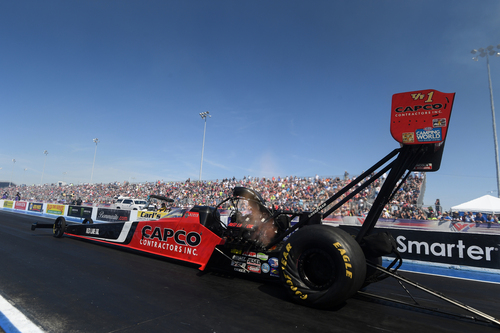
Steve Torrence went 3.736 seconds at 328.78 mph in the
final round in his 11,000-hp Capco Contractors dragster to
defeat Mike Salinas.
S. Torrence, Hagan and Enders Power to Wins at NHRA Midwest Nationals
Steve Torrence, Matt Hagan and Erica Enders all raced to playoff victories at the NHRA Midwest Nationals. Torrence, the three-time Top Fuel defending champ, powered back into the points lead in the class, going 3.736 seconds at 328.78 mph in the final round in his 11,000-hp Capco Contractors dragster to defeat Mike Salinas. Torrence’s victory gave him a 36-point lead over Brittany Force with four races remaining in the 2021 season.
Hagan, the defending Funny Car world champ, went 3.933 at 333.49 in the final round in his 11,000hp New Holland Dodge Charger SRT Hellcat Redeye to knock off Bob Tasca III, who went 3.967 at 329.99, which sent Hagan into the points lead over Ron Capps by 59 points and Force by 72.
Enders, the reigning and back-to-back Pro Stock world champ, slipped past rookie Dallas Glenn in the final round with a run of 6.572 at 207.24 in her Melling Performance/Elite Motorsports Chevrolet Camaro. Enders also had a stellar .010 reaction time, which proved to be just enough to defeat Glenn, who was a near-perfect .001 on the starting line and ran 6.583 at 208.85. It gave Enders the victory by just .002, closing the gap to just 17 points between her and points leader Greg Anderson, with both drivers seeking their fifth world title.
The NHRA Camping World Drag Racing Series returns to action Texas NHRA FallNationals on October 7–10 at Texas Motorplex in Dallas.
Submissions Now Open 2022 Champion Racing Oil Sponsorships
Champion Oil has started the process of reviewing 2022 driver and team submissions for “Factory Product Sponsorships, Elite Racing Status, and Champion Distributor Sponsorships” in addition to a racing contingency program for regional and national racers in North America. Submissions for 2022 Racing Sponsorships can be sent to racer@championbrands.com with the following information: name, email, phone, series, 2021 results, and active social-media platforms.
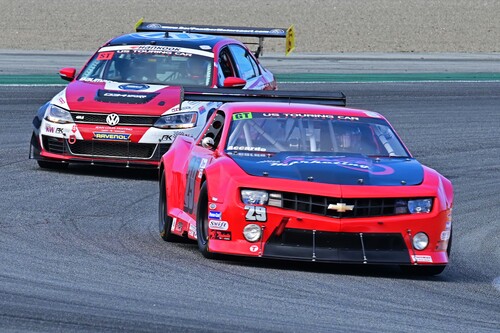
Rounds 5 and 6 of the United States Touring Car
Championship (USTCC)saw a return to Laguna Seca Raceway
for the drivers after a seven-week break.
Edgar Lau and Gary Sheehan Score Double Wins at Rounds 5 and 6 at Laguna Seca
Rounds 5 and 6 of the United States Touring Car Championship (USTCC) saw a return to Laguna Seca Raceway for the drivers after a seven-week break. The venue was the host for the NTT IndyCar Series, and the touring cars making it the largest race of the calendar year for the teams, drivers and fans. etitors, the competition was as tough as ever.
In the GT class, three-time USTCC Champion Edgar Lau faced Bob Accardo in the Accurate Arms Chevrolet Camaro, where Lau won by just over 5 seconds, gaining 13 positions in the process.
In the Super Touring class, Art Nersisyan in the TNI Racing BMW M3 held off the pair of rookies John Friesen and Brandon Elghanian to win by 1.7 seconds for the first time this season. Friesen came home in second and after Elghanian suffered suspension damage, championship leader Viktor Czapla’s Cool Boxx Audi R8 claimed the final step on the podium after holding off the ARG MBO Motorsports pair of Doug Makishima and Daniel Rose.
The Touring Car class, Gary Sheehan piloted his GoGoGear.com Konig Wheels Hyundai Genesis Coupe to victory from pole position. Sheehan was not without competition as his teammate, Ali Arsham, in the sister Hyundai Genesis Coupe was close behind and completed a 1-2 finish for the GoGoGear.com Team—their first of the year.
In the Sportsman class, Brad Austin in the TNI Racing Mazda MX5 took his fourth consecutive win. DNFs for championship contenders Daniel Milburn, Reza Arsham and Pete Bovenberg mean that Austin has one hand on the Driver’s Championship with three championship rounds to go.
In Round 6 of the USTCC, Lau went on to repeat victory with championship leader Rob Harper’s AP Racing/Essex Chevrolet Corvette coming home with a great haul of points in second place. Teammate Beau Border’s Hankook/MyRaceShop.com Factory Five Racing GTM claimed another third place.
Sheehan’s GoGoGear.com/Konig Wheels Hyundai Genesis Coupe was the most consistent car on the track, as he drove away for another victory in Round 6.
In the Sportsman class, Josh Lion prevailed and held off Sean Milburn and his Milburn Motorsports Acura RSX-S by half a second for the win. Milburn came home second after working through the night to repair the lap one damage from Round 5. For complete results, visit www.ustcc.com. The action continues October 16–17 for the penultimate round of the USTCC at Buttonwillow Raceway.
IndyCar to Sanction, Promote Indy Lights Series
Penske Entertainment Corp. President and CEO Mark Miles has announced that IndyCar will become the sanctioning body and promoter of the Indy Lights series following 2021. The agreement was made with Andersen Promotions Owner and CEO Dan Andersen. Indy Lights serves as the final step on the “Road to Indy” ladder system that develops drivers and teams to compete in the NTT IndyCar Series and the Indianapolis 500 presented by Gainbridge. Andersen Promotions will continue stewardship of Indy Pro 2000 and USF2000. The 2022 Indy Lights schedule and remaining details will be released at a later date. For more information, visit indycar.com.
Miami Grand Prix Set for May 2022
Formula 1’s inaugural Miami Grand Prix dates have been announced, with the race set to take place on May 6–8, 2022. The Miami Grand Prix will see Formula 1 stars race in Florida for the first time since 1959. Drivers will battle on the recently named Miami International Autodrome on a 3.36-mile track set within the city’s Hard Rock Stadium campus. For more information, visit formula1.com.
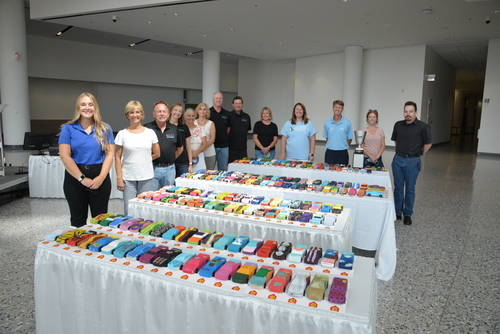
Businesses and individuals in the automotive specialty-equipment industry participated in the annual SEMA Industry Cup Challenge and gathered at the SEMA Installation Gala to help raise nearly $115,000 for three charities that help children in need. SEMA Cares’ 2021 fundraising activity generated nearly $115,000, including a $971 donation from the sale of a one-of-a-kind SEMA Pinewood car autographed by Jessi Combs. Additional funds were generated by individuals participating in the SEMA Pinewood Builds, businesses competing in the Industry Cup Challenge, onsite donations at the 2021 SEMA Installation Gala and a $57,000 matching contribution from SEMA.
“In a year when so many have been impacted by circumstances beyond their control, it’s humbling to see the industry continue to contribute to SEMA Cares and children in need,” said Lindsay Bianco, SEMA senior manager, membership projects. “The SEMA Cares charities need our support more now than ever before, and we are grateful to those who have contributed and donated.”
Funds are donated to the three official SEMA Cares charities: Austin Hatcher Foundation for Pediatric Cancer, Childhelp and Victory Junction. To learn more about SEMA Cares and how to support the industry’s fundraising efforts, visit www.sema.org/sema-cares.
SEMA eNews highlights new products from industry companies when available. To have your product considered for upcoming issues, send product press releases to editors@sema.org.
Eaton’s Vehicle Group
Power Takeoff Unit for Ford TorqShift Transmission
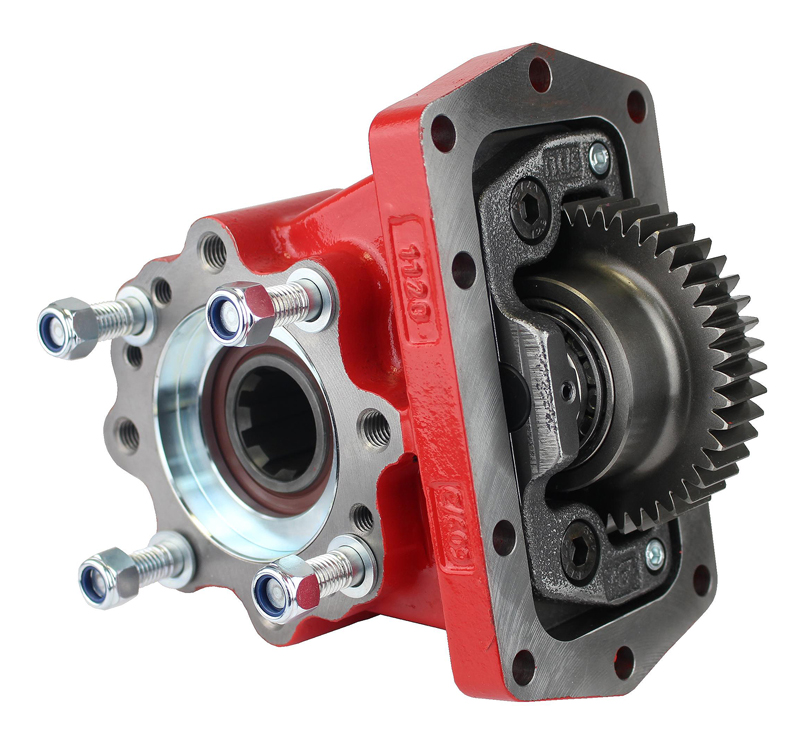
Eaton announced that its Vehicle Group has launched the Bezares 3940 series Power Takeoff (PTO) unit designed to fit the Ford TorqShift 10-speed automatic transmission. A DIN 5462 output shaft and special output adapters provide versatility and allow for direct mounting of high-pressure piston pumps, such as a bent axis piston pump, to the PTO. This feature is unique to the Bezares 3940 PTO and is not available with other manufacturer’s PTOs designed for the TorqShift.
The Bezares 3940 series PTO provides a single part number, which includes all installation components and a wiring harness that allows the PTO to work on both gas and diesel engine configured Ford trucks. The unique profile of the 3940 PTO allows for a faster and more versatile installation, as it was designed to minimize the number of components that need to be removed from the truck. This permits pump installation at 45-degree rotation intervals, increasing mounting flexibility and pump options.
The new PTOs, which provide 230 lb.-ft. of torque with a 130% final output ratio, have been engineered to produce less drivetrain noise and are a perfect fit for hydraulic systems requiring higher flow and/or pressure. These PTOs are typically installed on medium-duty work trucks to power a variety of accessories, such as sweepers, cranes and air compressors.
Bezares SA is a global manufacturer of PTOs, hydraulic pumps, fittings, tanks, valves and other related mobile power hydraulic components. Eaton has a distribution agreement with Bezares SA to serve as the North American master distributor for its mobile power hydraulic portfolio. In addition to distribution services, Eaton also provides post-sale service and support through its extensive Roadranger field team.
ESCORT
MAXcam 360C Driver Alert System With Radar Detection, Dash Camera, App
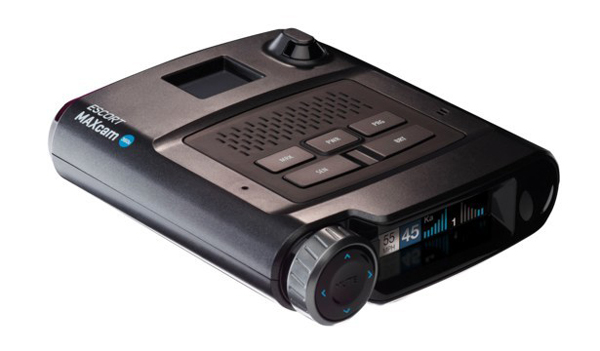
ESCORT announced the launch of the MAXcam 360c, the company's first complete driver alert system that combines a high-performance radar detector with an advanced dash camera. The ESCORT MAXcam 360c unlocks new, advanced capabilities for drivers concerned about road safety: it provides high-end detection, video protection and access to the all-new Drive Smarter companion app that generates more than 100 million shared driver alerts annually.
The MAXcam 360c includes directional arrows for 360° awareness and ESCORT’s patented AutoLearn Intelligence, which filters out unwanted fixed-location false alarms to ensure users receive the most accurate information while on the road. Intelligent speed sensitivity in the product uses GPS to adjust automatically so the system is always personalized alerts for a quieter ride. The updatable IVT Filter minimizes interference from in-vehicle technology like blind spot monitoring and collision avoidance systems and can be updated to stay current with the latest automotive software.
The MAXcam 360c incorporates quad HD video (1440P) powered by a Sony Starvis sensor to capture 78% more pixels than 1080P cameras and provide drivers excellent low-light performance. Drivers also manage capture content in the cloud, viewing a gallery timeline of videos and alerts, editing and sharing videos in real time, and saving emergency videos automatically generated by the G-sensor activation or via a manual button press.
Operating with the all-new Driver Smarter app, MAXcam 360c users will have access to a robust network of connected radar and laser detector devices generating more than 100 million real-time driver alerts annually. The driver community and sensor-based network delivers advanced warning on all traffic and law enforcement cameras, shared radar and laser alerts and speed limit data alerts to keep drivers in the know about potential road threats.
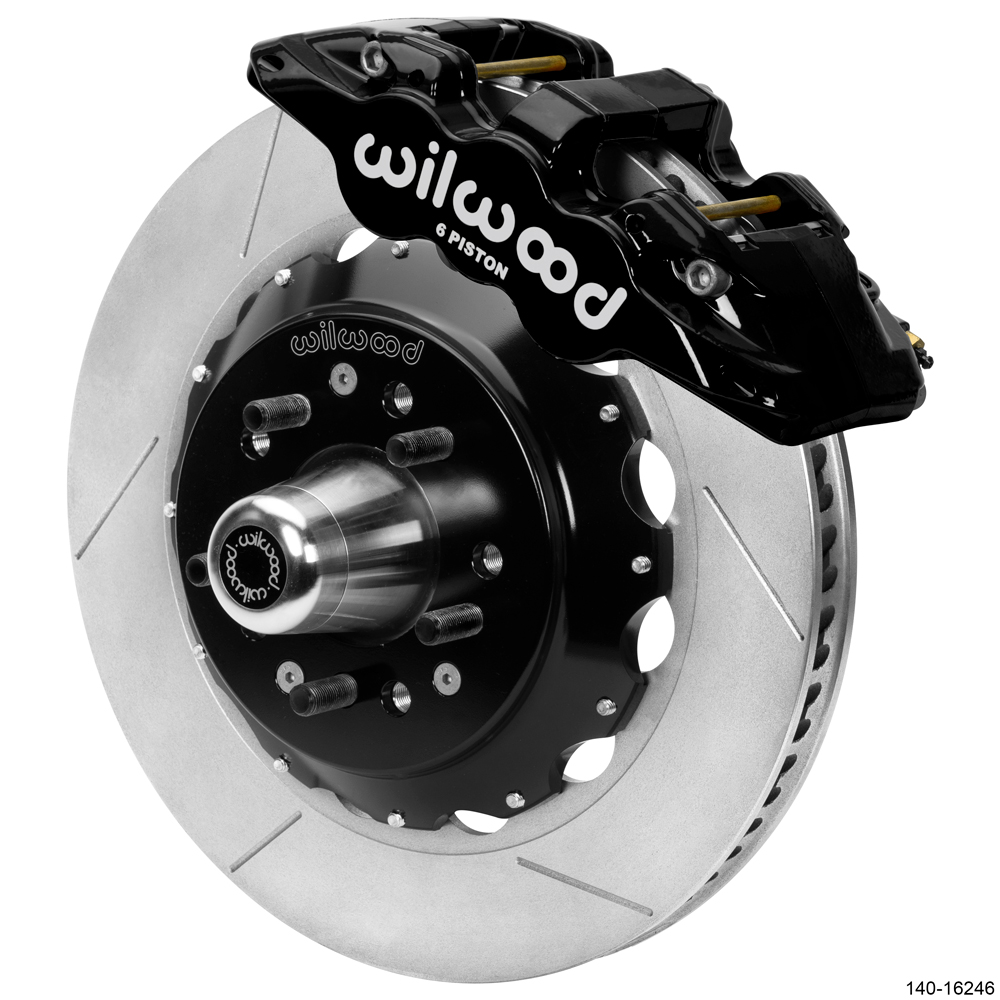
New Wilwood Aero6 big brake kits feature Aerolite calipers and large rotors for ’94–’04 Ford SN-95 Mustang, ’78–’88 GM A/G-bodies, and ’82–’04 S10 pickups and SUVs. Engineered for heavy, high-powered vehicles, Aerolite’s six differential bore pistons transmit massive clamping evenly over the entire brake pad. Proprietary Spec37 iron alloy 14.00-in. rotors are thermally stable with 72 directional vanes to shed heat better and come in slotted or drilled and slotted options.
Calipers are available in standard gloss red or black powdercoat, or choose from 22 additional caliper colors.
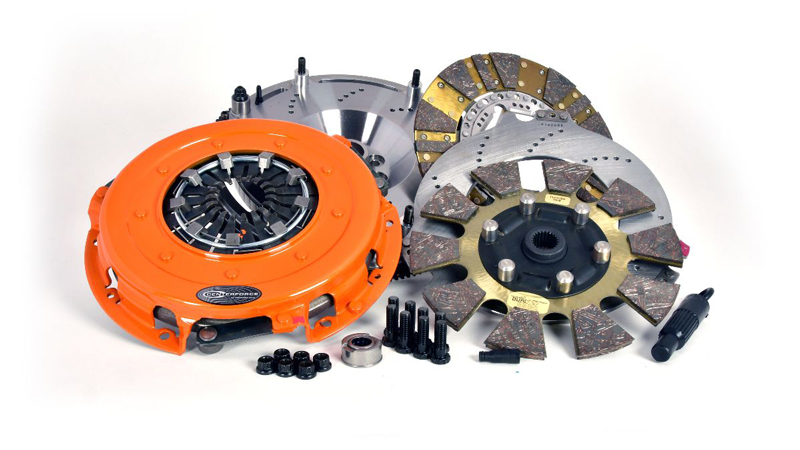
Centerforce Clutches announced the release of its DYAD DS Twin Disc Clutch for the ’18–’19 Ford Mustang GT 5.0L. The complete clutch kit includes the clutch, pressure plate and low-inertia flywheel in a match-balanced kit ready for installation.
The DYAD DS Twin Disc clutch delivers a superior clamp load over the stock clutch while still providing light pedal pressure with smooth engagement thanks to Centerforce’s patented ball bearing pressure plate, centrifugal weights and twin-disc design. The clutch discs feature organic segmented facings which provide increased holding capacity and longevity, and the sprung, dampened drive disc provides improved drivability and less chatter.
This DYAD DS clutch kit is designed for street and track-driven Mustang GTs making from 500 to 1,300 lb.-ft. of torque.
The DYAD DS Twin Disc Clutch for ’18–’19 Ford Mustang GT 5.0L (PN: 413234818) components are designed, machined and assembled in the USA, and every kit includes a pilot bearing, alignment tool and ARP fasteners.
Oracle Lighting
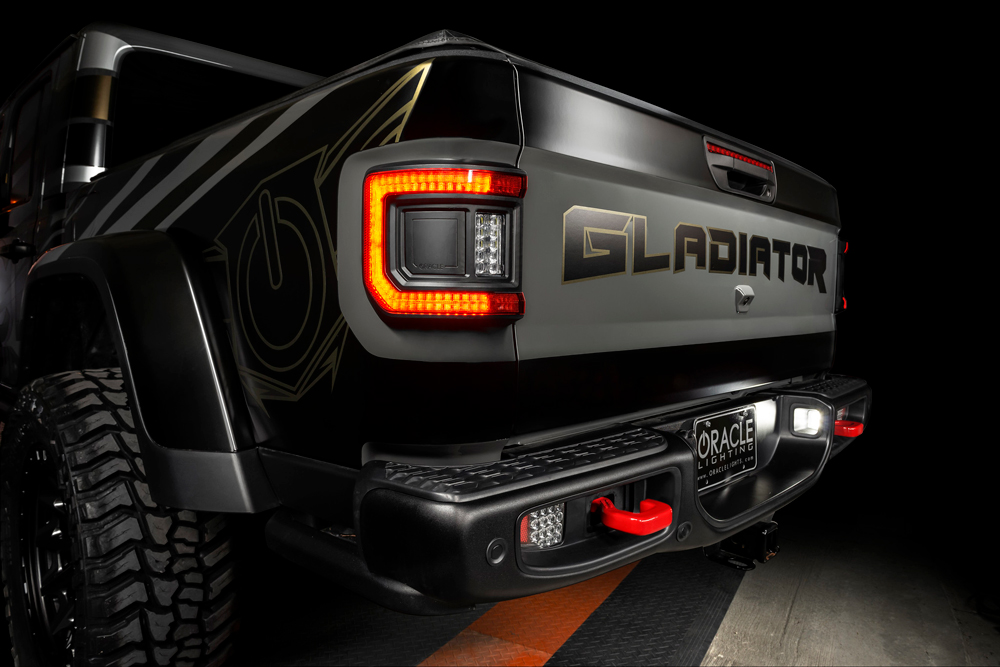
Flush Mount LED Tail Lights for Jeep Gladiator JT
Now Available for pre-order, the patent-pending Flush Mount LED Tail Lights for Jeep Gladiator JT protrude out significantly less than the factory taillight. The low-profile design avoids damages while trail riding and is visible from any rear angle.
The Flush Mount LED Tail Lights for Jeep Gladiator JT (PN: 5882-504) will be featured during the 2021 SEMA Show in Las Vegas (November 2–5) at the Las Vegas Convention Center, booth #C20547. The new flush-mount tail lights are now available for pre-order and are scheduled to ship in October. The lights are also available for Jeep Wrangler JL.
Based on current COVID-19 indicators and trends in Clark County, Nevada, 2021 SEMA Show attendees can expect that face masks will be required while indoors during the event taking place November 2–5, in Las Vegas.
SEMA Show organizers will adhere to the safety measures that are required by state and local health authorities. Forecasts indicate that masks will continue to be required indoors when the SEMA Show is held in Las Vegas in early November. Currently, there is no requirement to show proof of vaccination or a negative COVID-19 test for trade shows, and there is no indication these measures would be in place in November.
Las Vegas’ COVID-19 health and safety requirements, currently set by the State of Nevada, are dictated by key indicators, including average number of tests per day, case rates and test positivity rates. Numbers and ratings must reach and maintain specific levels for 14 days in order for requirements to change. While key indicators continue to improve in Las Vegas, the current health and safety requirements are not expected to change before the SEMA Show takes place in early November. Therefore, SEMA Showgoers should plan on wearing masks while indoors; masks would not be required at the SEMA Show features located in more than one million sq. ft. of outdoor space.
Inside the LVCC, operators have installed hospital-grade air-filtration systems and earned the GBAC Star Certified rating for cleaning and sanitization for event facilities. Expansion into the new West Hall provides more show space, so there will be wider aisles and reduced crowding throughout the entire convention center. Hand-sanitizing stations will also be placed throughout the event, and high-traffic areas will be cleaned daily.
SEMA Show organizers are continuing to monitor the COVID-19 landscape and will keep the industry updated of any unexpected changes. Details will be posted on the official SEMA Show website at www.semashow.com and on official SEMA Show social-media accounts.
Tony Mandella is the SEMA Young Executives Network’s (YEN) newest spotlight member. Mandella is a partner at PMR Race & Speed Shop, an automotive aftermarket company that builds high-performance vehicles and offers a full line of high-performance speed parts.
Find out what keeps Mandella in the industry and how he prepares for important meetings in his interview with SEMA below.
SEMA: What is the best advice you have ever received?
Tony Mandella: My dad always taught me that quality is in the detail. This always remains a main part of our family business (that my father started) and with me in my personal life as well. This type of thinking leads to a lot of positive things, from work environment to superior quality in products and the services that we offer.
SEMA: What keeps you in the industry?
TM: My passion for racing and all things high performance keeps me in the industry.
SEMA: Where can you be found on a Saturday?
TM: I can be found at the shop or at the drag strip.
SEMA: How do you prepare for an important meeting?
TM: I prep myself with the necessary materials ahead of time so that I can focus on the important items during the meeting rather than trying to play catch up.
SEMA: If you could go to lunch with one industry leader, living or dead, who it would be?
TM: Wally Parks would be my choice because of what he was able to create for drag racing. His vision for the sport and passion that he shared would be reason alone and inspiring.
If you are a current YEN member, fill out a YEN member spotlight form. Selected candidates may be featured on YEN’s social media, SEMA eNews and YEN-member updates.
SEMA exhibitors continue to share their latest news and are ready to show their products in real life rather than on a screen at the 2021 SEMA Show. Get ready to experience the excitement of the industry at this year’s Show. Don’t miss exhibitor’s news by regularly checking the Online Media Center.
Below are some of the latest announcements you will find in the Online Media Center:
At the ARMO Industry Reception, the council will recognize
the contributions of individuals and companies in the
restoration segment, with awards presented to the winners of
the 2021 ARMO Person of the Year, Business of the Year and
ARMO Hall of Fame Inductee(s).
With a focus on new products and innovations, the 2021 SEMA Show in Las Vegas will provide the restoration industry a chance to strengthen existing business relationships, develop new contacts and learn about trends and opportunities in the restoration market. In addition to exhibitors on the Show floor, education sessions and display vehicles, the November 2–5 trade show will include networking events specifically for the restoration market.
On the Show floor, attendees will be able to check out the latest products and meet face-to-face with more than 40 exhibitors in the restoration segment. Members are also invited and encouraged to join ARMO at the following events:
ARMO Industry Reception When: Tuesday, November 2, 5:15 p.m.–7:30 p.m. Where: Westgate Ballroom A
Join ARMO for an evening of celebration and networking. Highly anticipated among Showgoers in the restoration market, this event has moved into a larger space for 2021 and will feature a ’60s/’70s musclecar theme. The council will recognize the contributions of individuals and companies in the restoration segment, with awards presented to the winners of the 2021 ARMO Person of the Year, Business of the Year and ARMO Hall of Fame Inductee(s). In addition, new-product award winners from the ARMO Hot Products Showcase who were announced earlier this year will also be formally recognized. The ARMO Hot Products Showcase award winners are:
Drivetrain/Brakes/Suspension: Midnight Oil Muscle Car Parts, ’64–’74 GM Upper Ball Joint Rivet Installation and Removal Tool
Accessory Item: Retro Manufacturing, Redondo RS/RT Radio
Engine/Engine Compartment: Cold Case Radiators, Radiator Core, Support Module, ’67–’69 Camaro
Exterior/Trim: Auto Metal Direct, 3-in. Wider Inner Wheelhouse, ’66–’70 Dodge Plymouth B-Body
People’s Choice: Mr. Mustang, MM350 Wheel 18x8, ’79–’04 Mustang
There is still limited availability to sponsor a table at the ARMO Reception. Table sponsorships support the Jeff Moses Scholarship fund and provide your company with prime seating during the banquet. Book yours today by contacting ARMO Chair-Elect Randall Bates at rbates@accmats.com.
Breakfast with ARMO When: Wednesday, November 3, 7:30 a.m.–9:00 a.m. Where: Westgate Conference Rooms 7-9
Start off the day with complimentary coffee and light breakfast, as ARMO members and fellow restoration industry colleagues engage in energizing conversations. Attendees will participate in casual roundtable discussions aimed at getting their day focused before venturing out onto the Show floor.
On the Show floor, attendees will be able to check out the
latest products and meet face-to-face with more than 40
exhibitors in the restoration segment.
ARMO/HRIA Booth and Feature Vehicles When: Tuesday, November 2 – Friday, November 5 Location: LVCC Central Hall, Booth #23295
ARMO select committee members will be available to discuss the benefits of council membership throughout the week inside the ARMO booth. Shared with the SEMA Hot Rod Industry Alliance (HRIA), the booth will also showcase one-of-a-kind ARMO feature vehicles.
SEMA Education: Restorations to Restomods Builder Panel, Powered by ARMO When: Wednesday, November 3, 10:15 a.m. – 11:15 a.m. Location: LVCC N255
Numbers matching is still important to some, but now, so is having the convenience, performance and technology found in modern vehicles. In this SEMA Education session, top restorers and builders will take the stage to discuss how this aftermarket segment has evolved and where it’s heading. Add this session to your Show planner when registering for the SEMA Show.
There is still limited availability to sponsor a table at the ARMO Reception. Table sponsorships support the Jeff Moses Scholarship fund as well as provide your company with prime seating during the banquet. Book yours today by contacting ARMO Chair-Elect Randall Bates at rbates@accmats.com.
The Society of Collision Repair Specialists (SCRS) has announced the lineup of speakers for the IDEAS Collide Showcase, Friday, November 5, during the 2021 SEMA Show. The showcase will take place from 10:30 a.m.–12:30 p.m. in Room S233 in the Upper South Hall of the Las Vegas Convention Center.
IDEAS Collide is a one-of-a-kind event featuring 10 fast-paced presentations designed to stimulate thought, with innovative and disruptive ideas that address collision-repair business challenges, from thought leaders both in and out of the industry.
Explore and register for the IDEAS Collide Showcase, and other SCRS Repairer Driven Education offerings at the SEMA Show by visiting www.scrs.com/2021RDE.
“We’ve always championed that the topics in this session should rattle the status quo,” shared SCRS Chairman Bruce Halcro. “I think the lineup of contributors this year is poised to do just that, and I personally find this to be one of the most ambitious sessions that breaks out of what we traditionally expect from industry education.”
The showcase will feature:
Trump’s Tax Strategies for Body Shops
Brad Mewes, CFO, The Mewes Group CFOs
Ever wonder how Donald Trump, Warren Buffett and Jeff Bezos pay little to no tax? Want to discover the strategies they use to permanently eliminate their income tax? Brad Mewes, founder and chief financial officer at The Mewes Group CFOs, will discuss strategies that will reduce your tax bill by at least $30,000 every single year and the one legal entity structure that is secretly stealing tens of thousands—and maybe even hundreds of thousands—of dollars from you (and you don’t even know it). If your accountant has ever told you that paying tax is a good problem to have, then this session is for you.
Telematics: The Collision Repair Game Changer
Jake Rodenroth, Diagnostic Specialist
Telematics is rapidly making a presence in the collision repair space. First notice of loss, customer visibility and access to the vehicle being repaired change the collision business model significantly. What are these systems capable of and how does your shop learn to work with them?
Inaccurate Total Loss Valuations Create a Lose-Lose for Everyone
Sandy Blalock, Executive Director, Automotive Recyclers Association
Inaccurate vehicle valuations lead to increased total losses and everyone—including consumers, professional automotive and collision repairers, and professional automotive recyclers—are negatively impacted. What’s worse is that these economic total losses often don’t end the vehicle lifecycle with the total loss settlement. They are far too often rebuilt outside of a professional environment and find their way back onto America’s roadways. Let’s delve into the conditions that exist today that lead to unnecessary total losses and explore potential solutions that would advantage consumers and professional businesses through better governmental models and industry practices.
Don’t Contaminate Your Repair Plan With Outside Influence
Danny Gredinberg, Administrator, Database Enhancement Gateway (DEG)
We will discuss the importance of utilizing a single estimating system when negotiating repair plans with bill payers who may use a different information provider. Thinking through the process of establishing which estimating system will be utilized in the repair planning and negotiation and establishing which P Pages will be used in negotiating repair plans. The choice may impact the language used within the P Pages of included and not included operations, and understanding the differences in all three estimating systems.
OEM Recommended Materials for Aftermarket Body Repair
Todd Korpi, Global Key Accounts Director, 3M
As new technology continues to be adopted into the vehicles, the repair industry continues to be challenged with ensuring proper and safe repairs. Companies like 3M work hand-in-hand with all the OEMs to ensure recommended materials are available to the repair industry and engaging directly with the OEMs to ensure these materials are OEM recommended, endorsed and called out in the OEM repair procedures. Direct access to OEM repair procedures is the best source of information to repair vehicles, as only the OEM fully understands how the vehicle is designed and how to properly repair vehicles back to pre-accident condition. This session will detail what you need to understand about OEM recommended, called-out, endorsed, and specified material solutions in the repair industry.
What if AI Were Used to Increase Repair Plan Thoroughness, Rather Than Mitigate Estimate Lines
Pete Tagliapietra, Founder, NuGen IT, an OEC Company
With the technology advancements realized with computer vision and machine learning, the possibility exists to proactively deliver all the necessary OEM repair procedures for the actual damages to a vehicle before a repair estimate is created. Most AI solutions have been presented to support the bill payer, rather than the repair professional. This session will explore an alternate reality where the approach will support the utilization of OEM procedures to build more comprehensive repair plans at the start of the process, rather than as an afterthought.
Data Security & The Digital Transformation of the Auto Claims Economy
Brandon Laur, Vice President, CCi Global Technologies (formerly known as ClaimsCorp)
With the digitization of the auto claims economy, what is the impact and opportunity of being “connected?” Who do you trust, and more importantly, how do you trust them? This session will consider best practices collision repairers need to consider, and what to expect over the next 3-5 years for your business to transform by leveraging tools that safely manage and protect your data.
Modifying Vehicles in an ADAS World
Ben Kaminsky, General Manager, SEMA Garage Detroit
In 2021, SEMA purchased a 45,000-sq.-ft. building in the Detroit area to be used as a second SEMA Garage, a newly established ADAS Research and Development Center, where manufacturers will have access to new SEMA benefits. The 5000+ sq. ft. dedicated to ADAS research and development, will feature expert technicians and state-of-the-art scanning and calibration tools to aid in SEMA plans to educate and continue to enable modifications for vehicles with ADAS technologies. Kaminsky has gained a great deal of visibility into the tool selection process and knowledge acquisition in equipping a ground-up facility focused on ADAS repair. He will share the lessons learned and perceptions gained from the process.
Plastic Waste in Collision Repair—The Problems, the Solutions and Sustainability
Michael LoPrete, Vice President of Global Operations, Plastfix Industries
Participants will gain an appreciation for global plastics waste, plastics waste in the collision-repair industry and solutions to address the scale. We will explore stakeholders and the roles they play in this emerging problem for the industry as plastics use in manufacturing continues to increase. This forum is designed to bring significant problems to light and this session will set the stage for efforts to address this important matter.
Making Safety Inspections a Non-Negotiable Item
Mike Anderson, President, CollisionAdvice.com
Most, if not all, OEMs have safety inspections that need to be performed when a vehicle is in a collision—whether the airbags deploy or not. In this event, Mike Anderson of Collision Advice discusses these safety inspections, what is involved and what components need to be inspected. He’ll also discuss how to educate consumers and insurers about these inspections in a way that educates, not alienates. This session will be Anderson’s impassioned plea to the claims and repair industries to place consumer-safety at the forefront, by performing critical steps to ensure safety.
To register for the IDEAS Collide Showcase, click here.


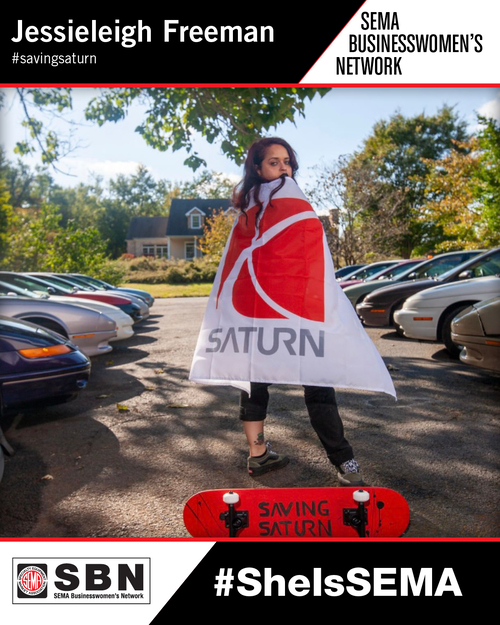 The SEMA Businesswomen’s Network (SBN) named Jessieleigh Freeman, mechanic at #SavingSaturn, as the newest #SheIsSEMA spotlight member. Freeman has a passion for Saturn vehicles, which ceased production in 2010, and has taken on the task of restoring and collecting Saturn vehicles—17 of them at the moment. Learn more about Freeman in her interview with SEMA below.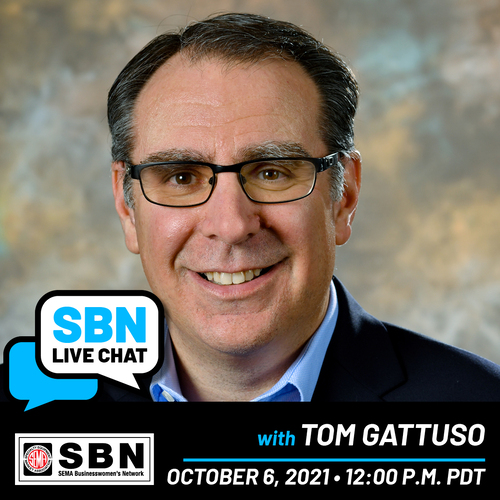
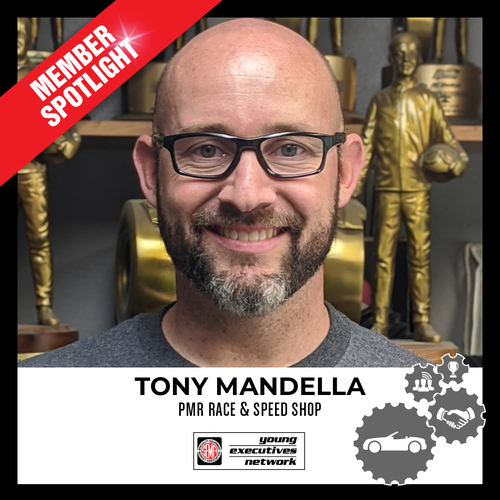 Tony Mandella is the SEMA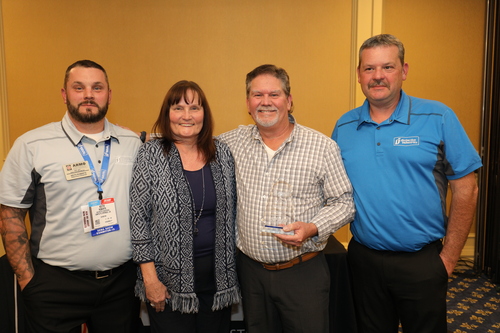
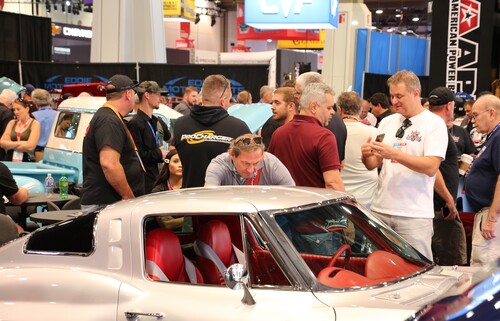
 The Society of Collision Repair Specialists (SCRS) has announced the lineup of speakers for the IDEAS Collide Showcase, Friday, November 5, during the 2021 SEMA Show. The showcase will take place from 10:30 a.m.–12:30 p.m. in Room S233 in the Upper South Hall of the Las Vegas Convention Center.