By SEMA News Editors
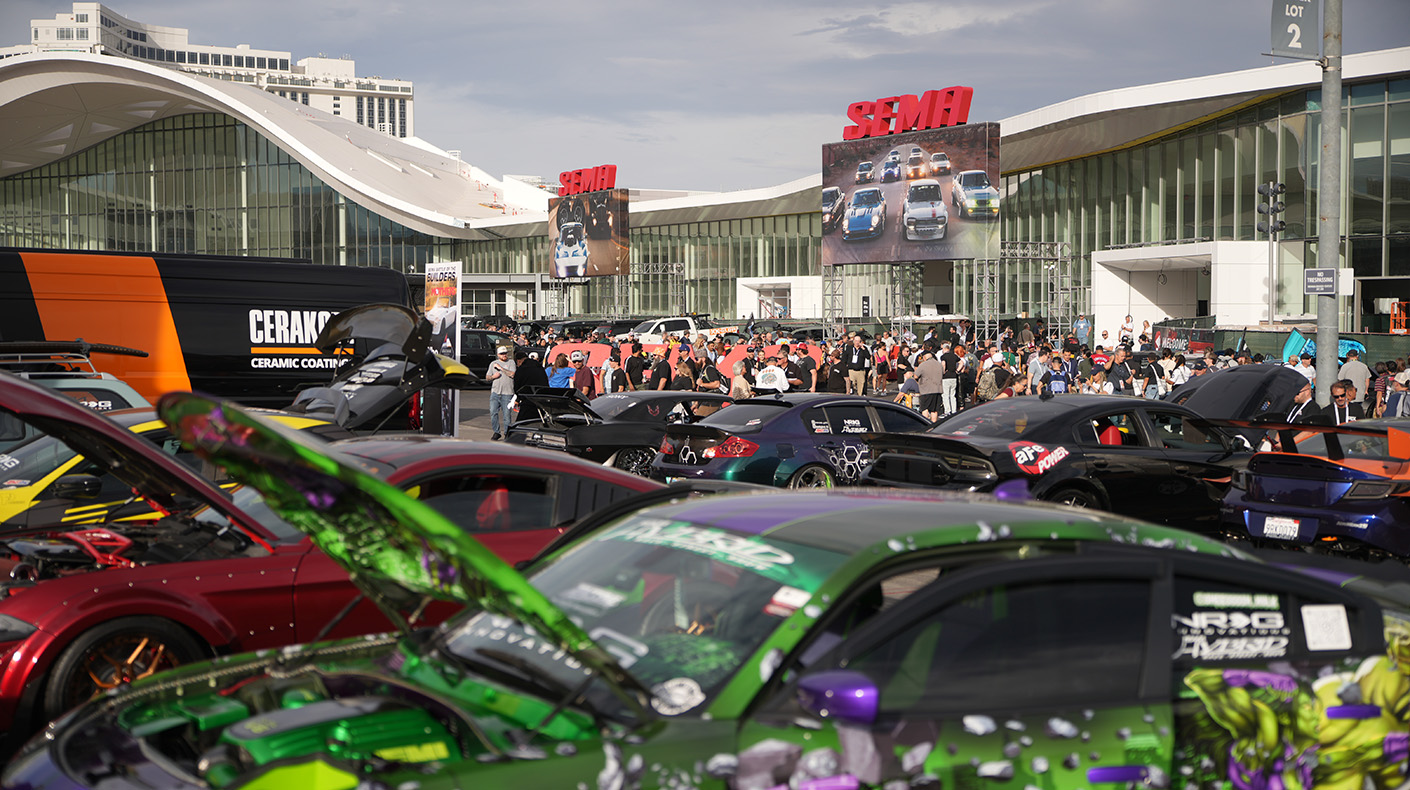
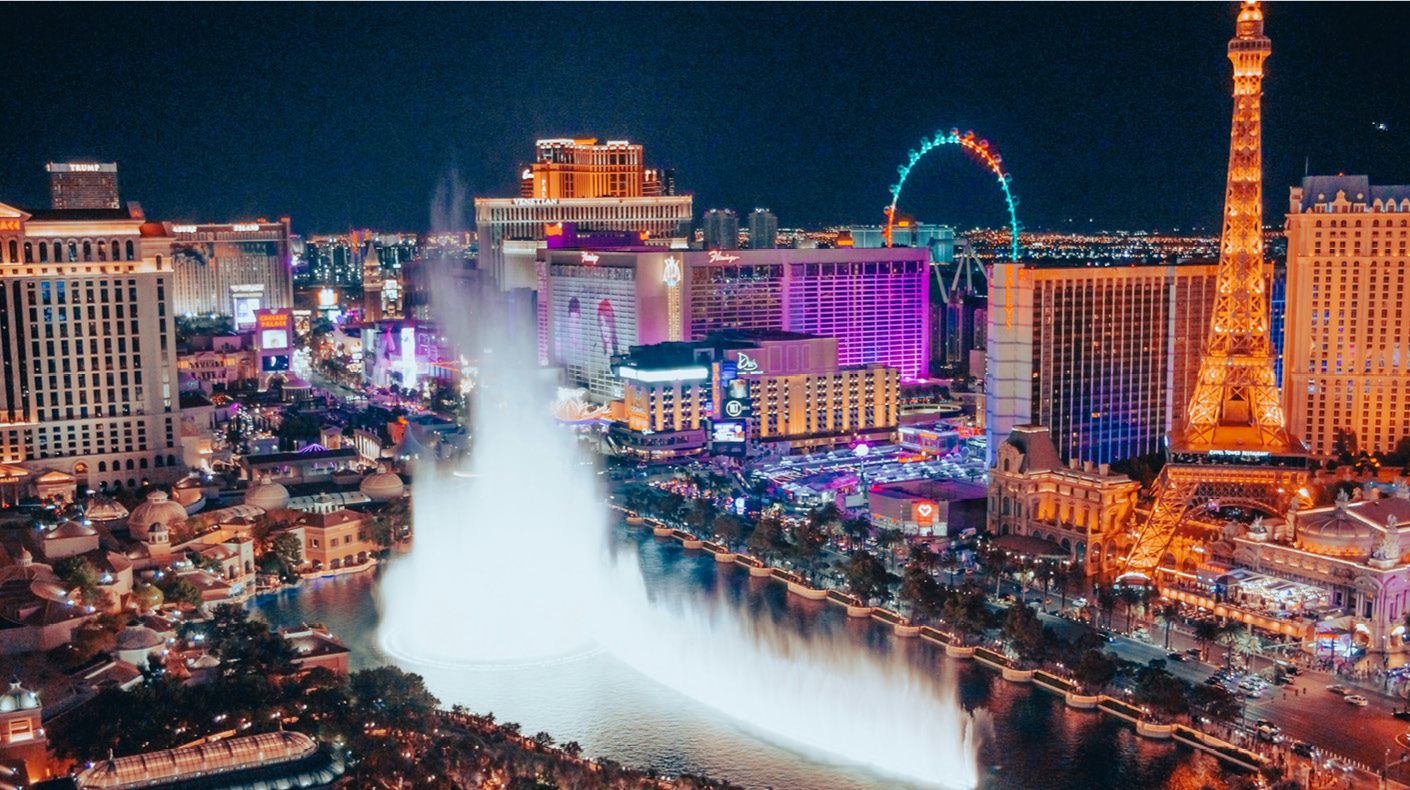
Only days remain to snag a 2026 SEMA Show badge for $75! Registration prices for the 2026 SEMA Show increase September 27, when the cost of a badge will jump to $100. If Las Vegas is on your calendar for November 3–6, register now to lock in the current price, save $25 and get ready for four days of cars, products, people and everything that makes the SEMA Show a must-attend event.
Registration is currently $75, but the price will increase to $100 on September 27. Register today to secure a badge and experience the automotive aftermarket's biggest week in person.
The SEMA Show will once again bring together the global automotive aftermarket for four days of innovation, education, networking and business opportunities. Alongside thousands of exhibitors and product debuts, attendees will have access to a wide range of activations and featured experiences throughout the SEMA Show campus.
From industry-leading competitions and educational programming to art exhibits, livestream coverage and emerging vehicle technologies, the following activations are among the highlights planned for this year's SEMA Show. Register here.

The SEMA Show will once again bring together the global automotive aftermarket for four days of innovation, education, networking and business opportunities. Alongside thousands of exhibitors and product debuts, attendees will have access to a wide range of activations and featured experiences throughout the SEMA Show campus.
From industry-leading competitions and educational programming to art exhibits, livestream coverage and emerging vehicle technologies, the following activations are among the highlights planned for this year's SEMA Show.
2026 SEMA Show Features and Activations
New for 2026: Powersports/Side-by-Side (SxS)/Lifestyle Section
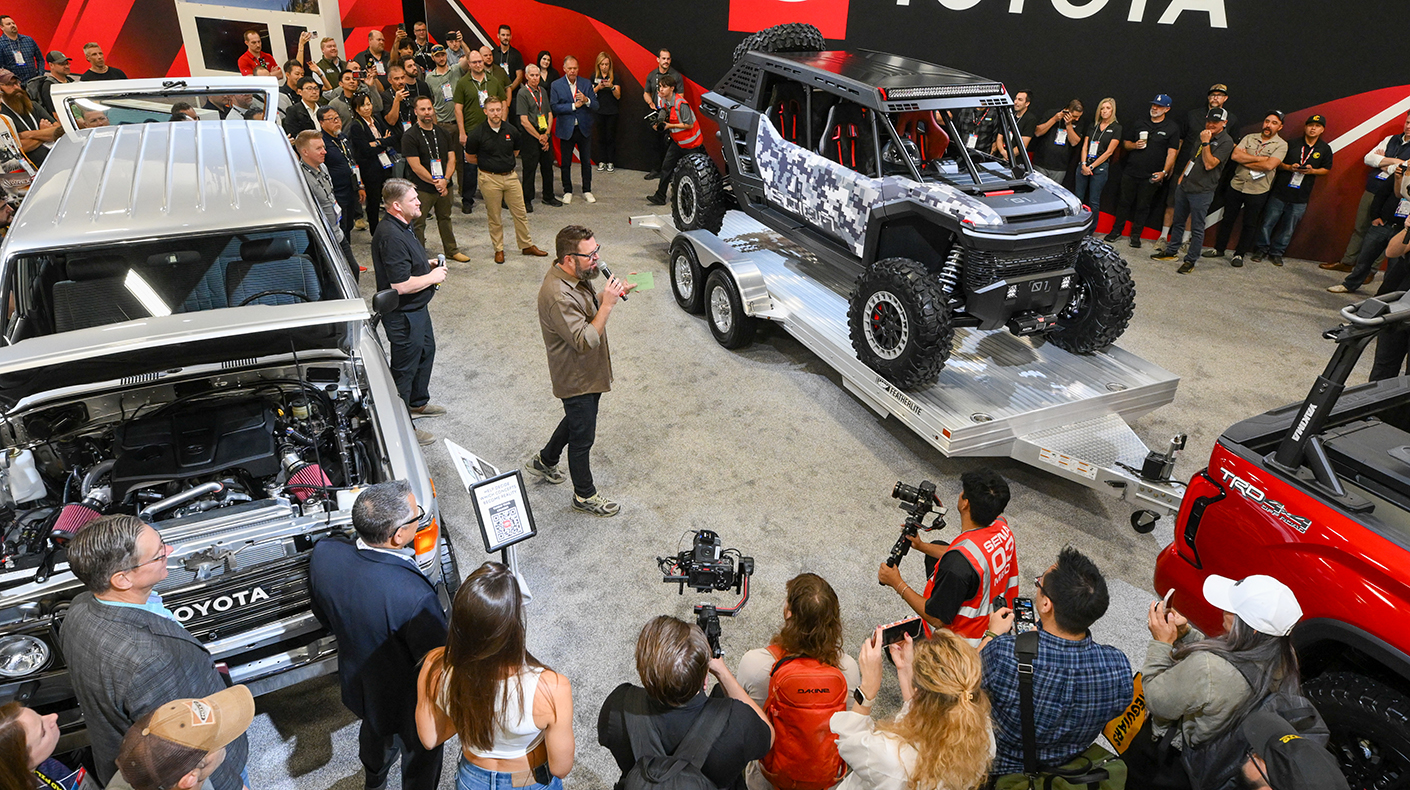
The Powersports/SxS/Lifestyle section will be anchored in the West Hall, with access to adjacent parking lots for dynamic outdoor activations and vehicle demonstrations.
The Show floor will undergo an evolution to group trucks, off-road and powersports together, reflecting the "total package" approach enthusiasts take toward their adventure builds. The section will highlight a diverse range of categories, including:
- Motorcycles and dirt bikes
- Side-by-sides
- Related adventure lifestyle gear and accessories
New and returning manufacturers are already showing excitement for the expanded section. "We're proud to represent KYT Helmets at SEMA 2026," said TJ Jira, CEO of KYT Americas. "We believe it's an opportunity to elevate powersports and bring more visibility to our brand in the market."
Get all the details.
Show-Stopping Builds
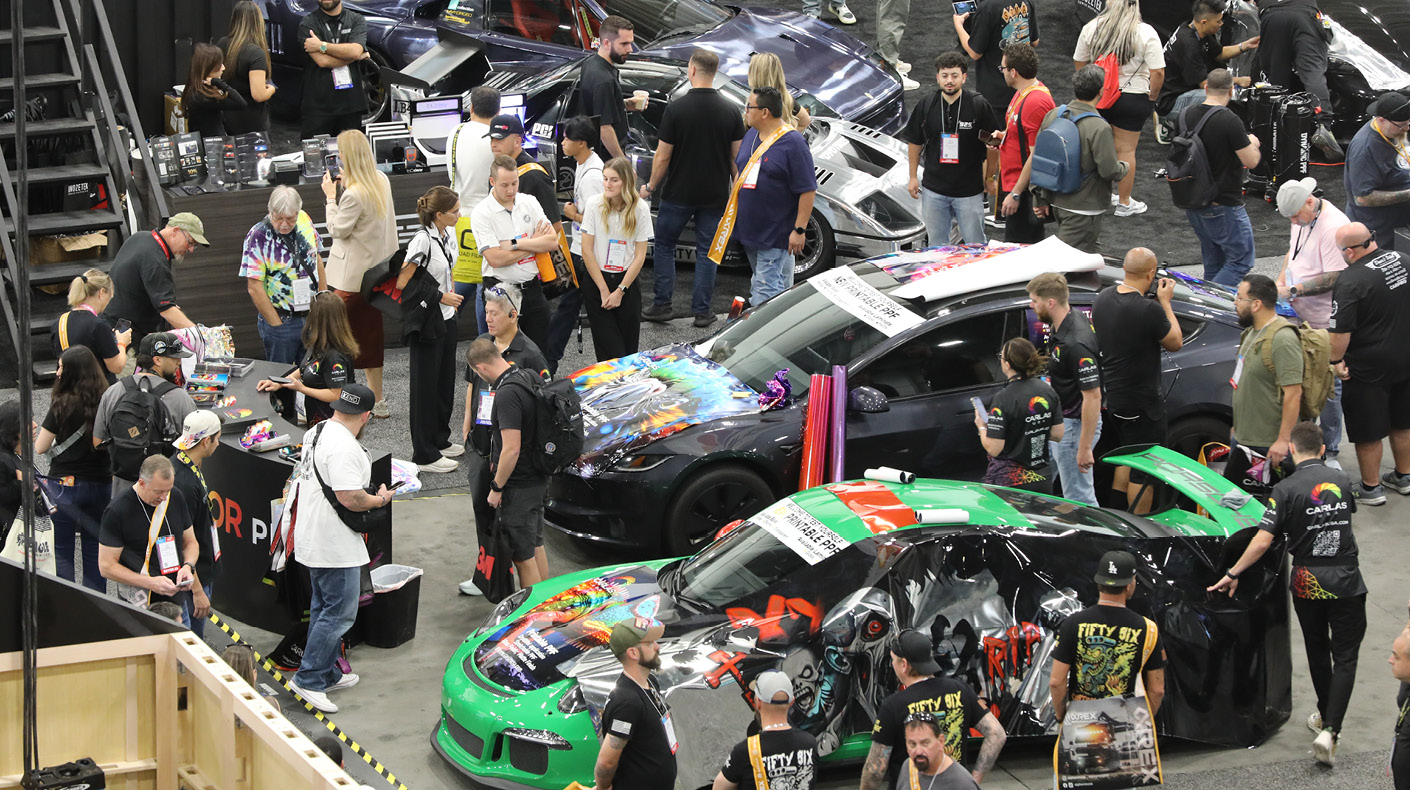
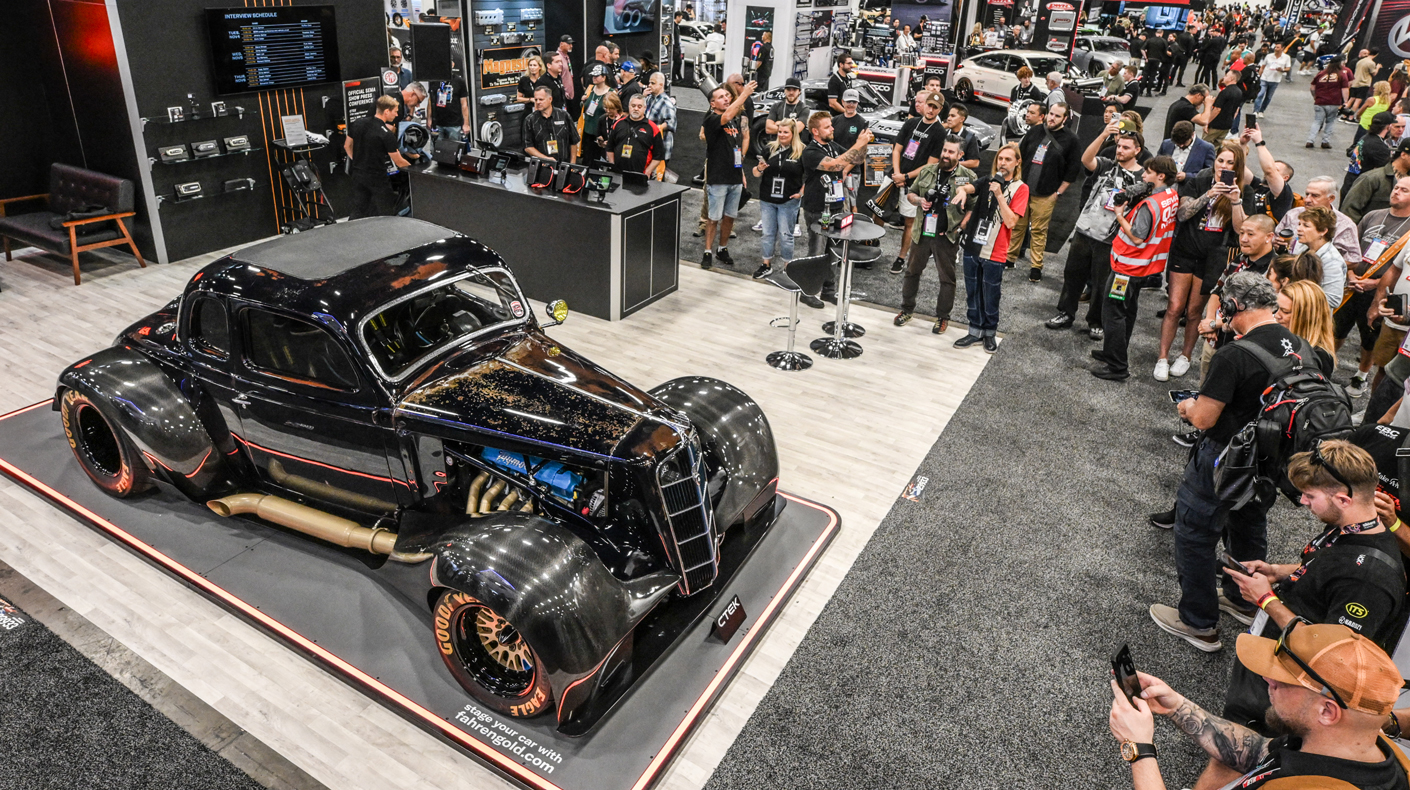
From the Toyo Tires Treadpass to hundreds of booth and feature vehicles across the campus, the creativity and craftsmanship set for display this year will inspire and impress any automotive aftermarket enthusiast.
SEMA Battle of the Builders Presented by Mothers High Performance Car Care
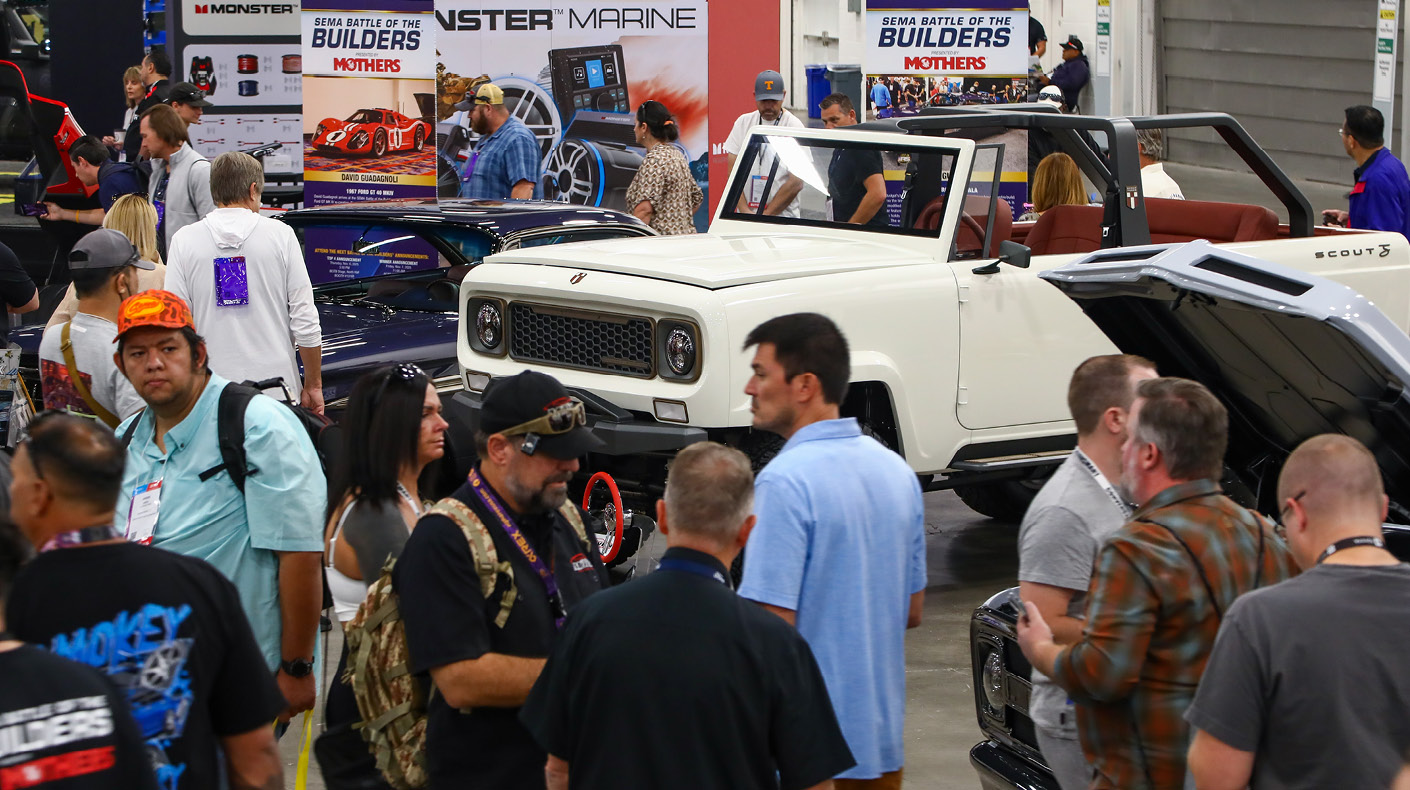
Now in its 13th year, the famed SEMA Battle of the Builders (BOTB) Presented by Mothers High Performance Car Care competition continues to stand as the automotive aftermarket's premier platform for custom builders exhibiting at the SEMA Show.
New for 2026: The SEMA Battle of the Builders will expand to include motorcycles, introducing an additional set of awards recognizing the Top 3 standout bike builders and an overall motorcycle champion with the new SEMA BOTB: Bike Builder Shootout category.
For 2026, the competition will again feature its four core automotive competition classes: Hot Rod & Hot Rod Truck; 4 Wheel Drive & Off-Road; Sport Compact, Import Performance, Luxury & Exotic; and BFGoodrich Young Guns.
Class winners will advance through the competition, with one ultimately named overall BOTB champion.
Get the complete details.
View on the floorplan.
SEMA Education
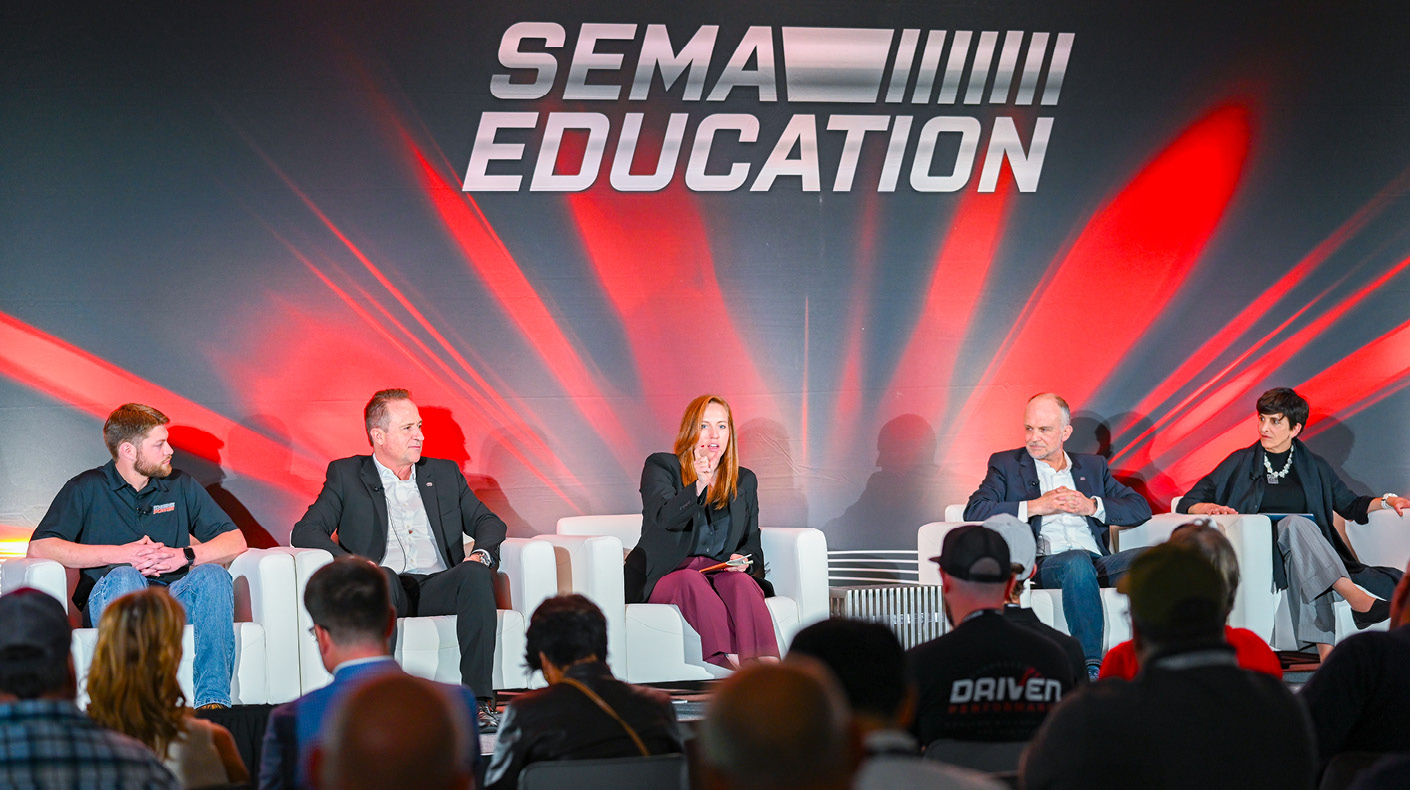
SEMA Education offers Showgoers a dynamic experience that complements the high-energy learning environment found throughout the Show floor. Attendees can develop new skills, connect with industry leaders and gain practical business insights through sessions covering emerging trends, technical advancements, workforce development and business growth strategies.
Add Education sessions to your badge during the attendee registration process. Already registered? Add tickets to your badge through the Registration Resource Center.
SEMA Collision Repair Stage
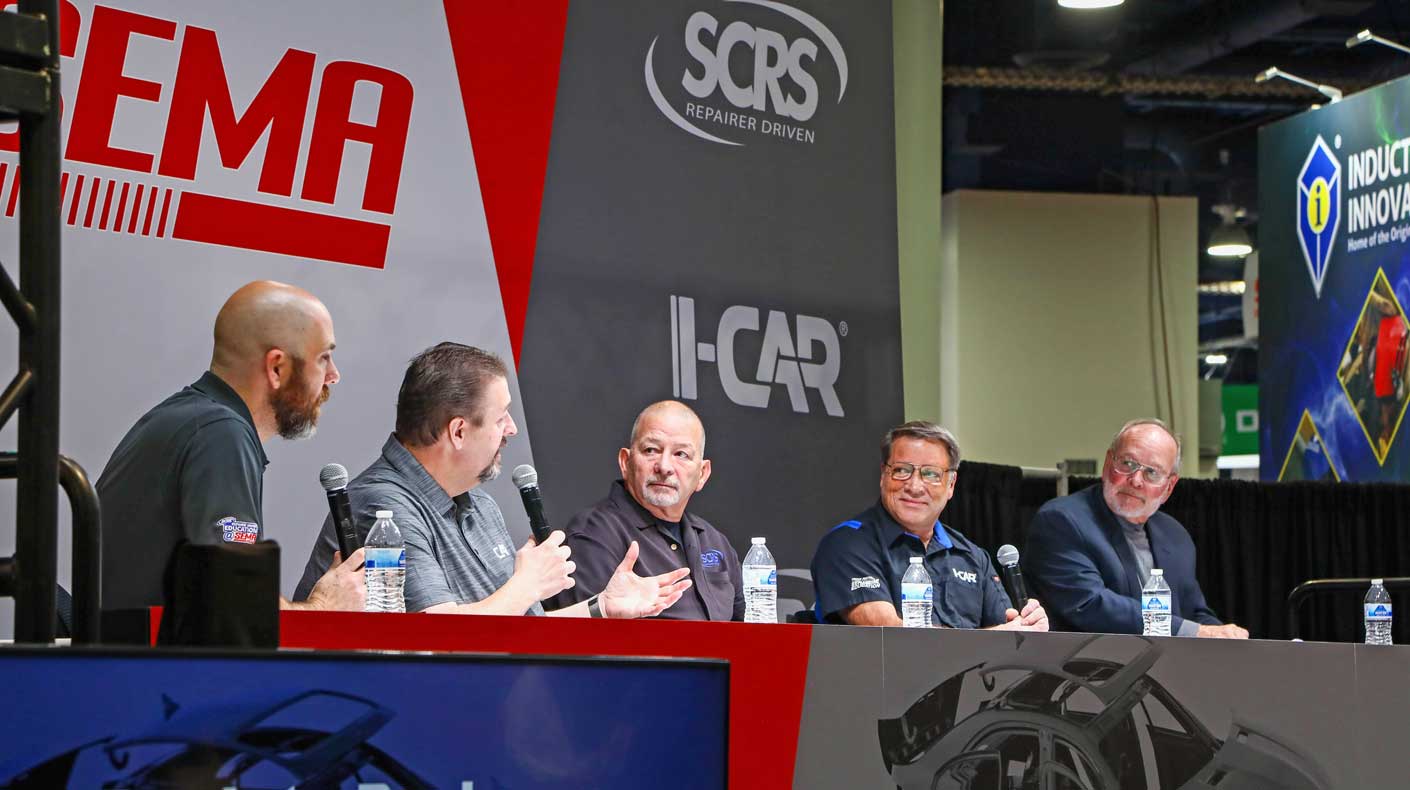
The SEMA Collision Repair Stage will serve as a hub for industry engagement, bringing together collision-repair professionals for education, discussion and networking throughout the SEMA Show.
Through dedicated programming from the Inter-Industry Conference on Auto Collision Repair (I-CAR) and the Society of Collision Repair Specialists (SCRS), attendees can participate in collision-repair-focused educational sessions and special industry events designed to address the latest trends, technologies and business challenges facing the collision-repair market. The stage offers valuable opportunities to learn from industry experts, gain practical insights and connect with peers across the collision-repair community.
View on the floorplan.
SEMA FutureTech Studio
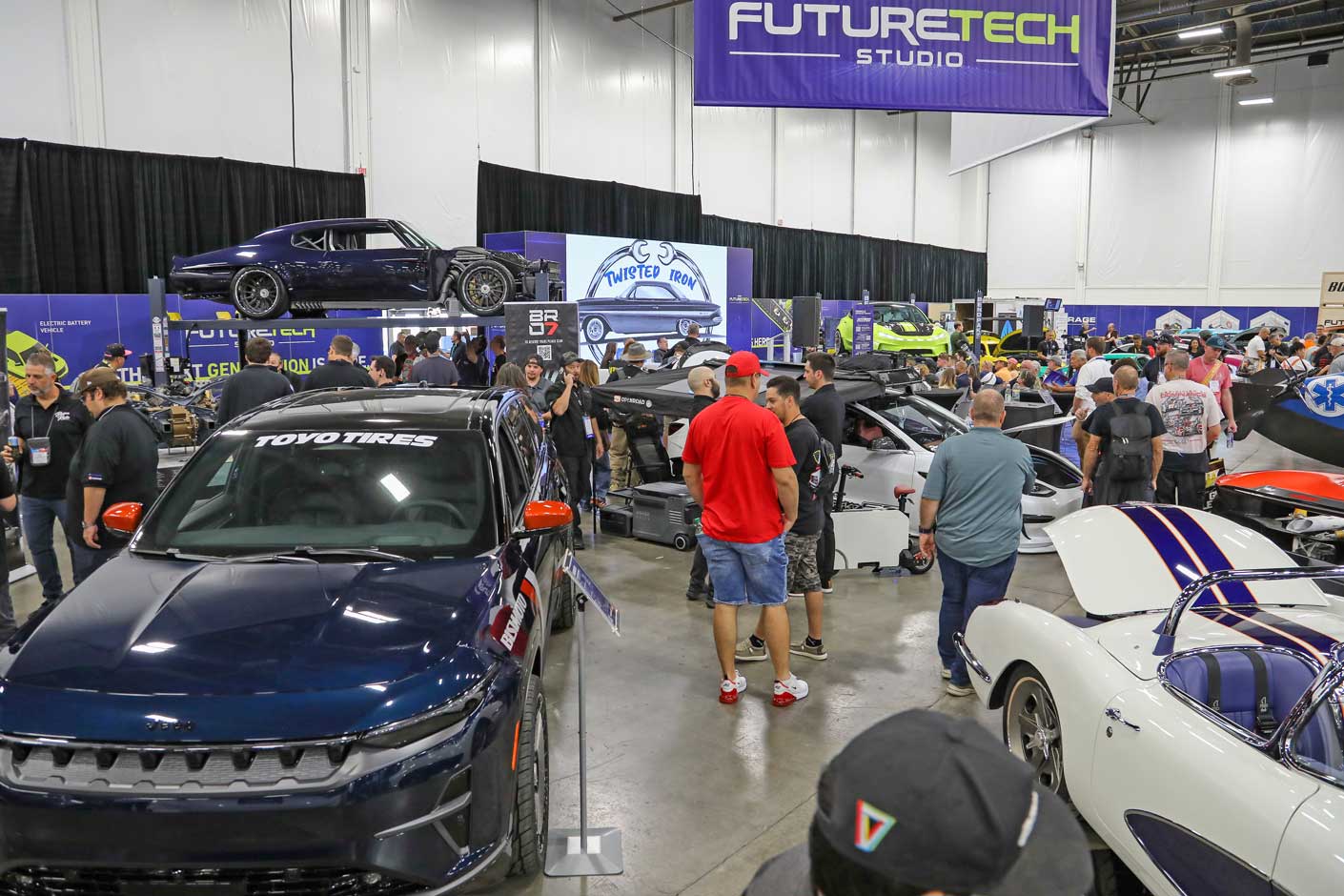
The SEMA FutureTech Studio is a real-world reflection of today's advancements and opportunities available to aftermarket businesses.
Located in booth #24401, this featured exhibit brings together experts and cutting-edge technologies from across the mobility landscape, with innovations in alternative fuels, electric vehicle (EV) and powertrain development, advanced manufacturing and advanced vehicle safety systems.
View on the floorplan.
New Products Showcase
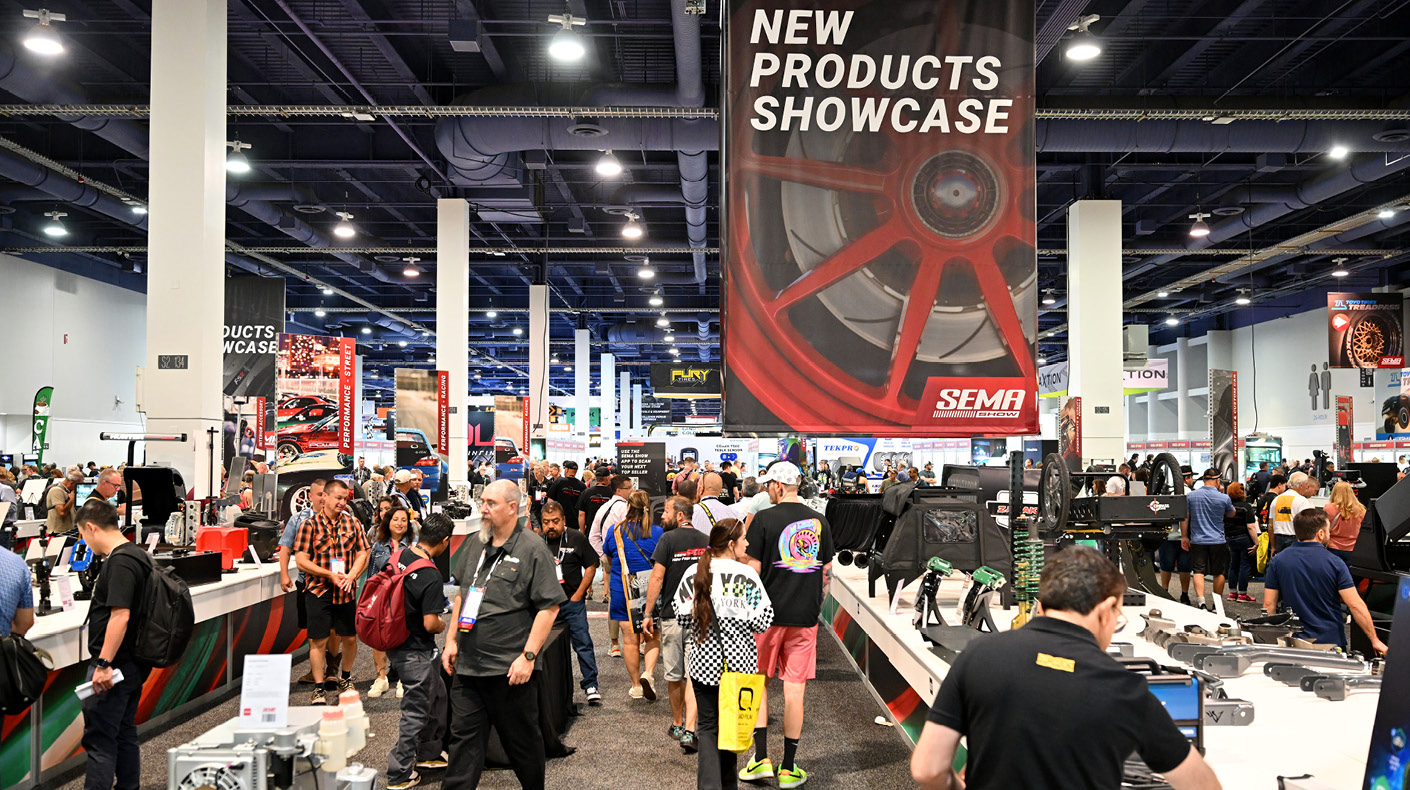
The New Products Showcase is the world's largest display of new automotive aftermarket products and remains one of the top destinations for buyers and media at the SEMA Show.
Featuring thousands of newly introduced products from across the industry, the Showcase offers attendees a firsthand look at the innovations shaping the future of the automotive aftermarket, returning to the Lower South Hall near the main registration.
View on the floorplan.
PRO Cup Challenge
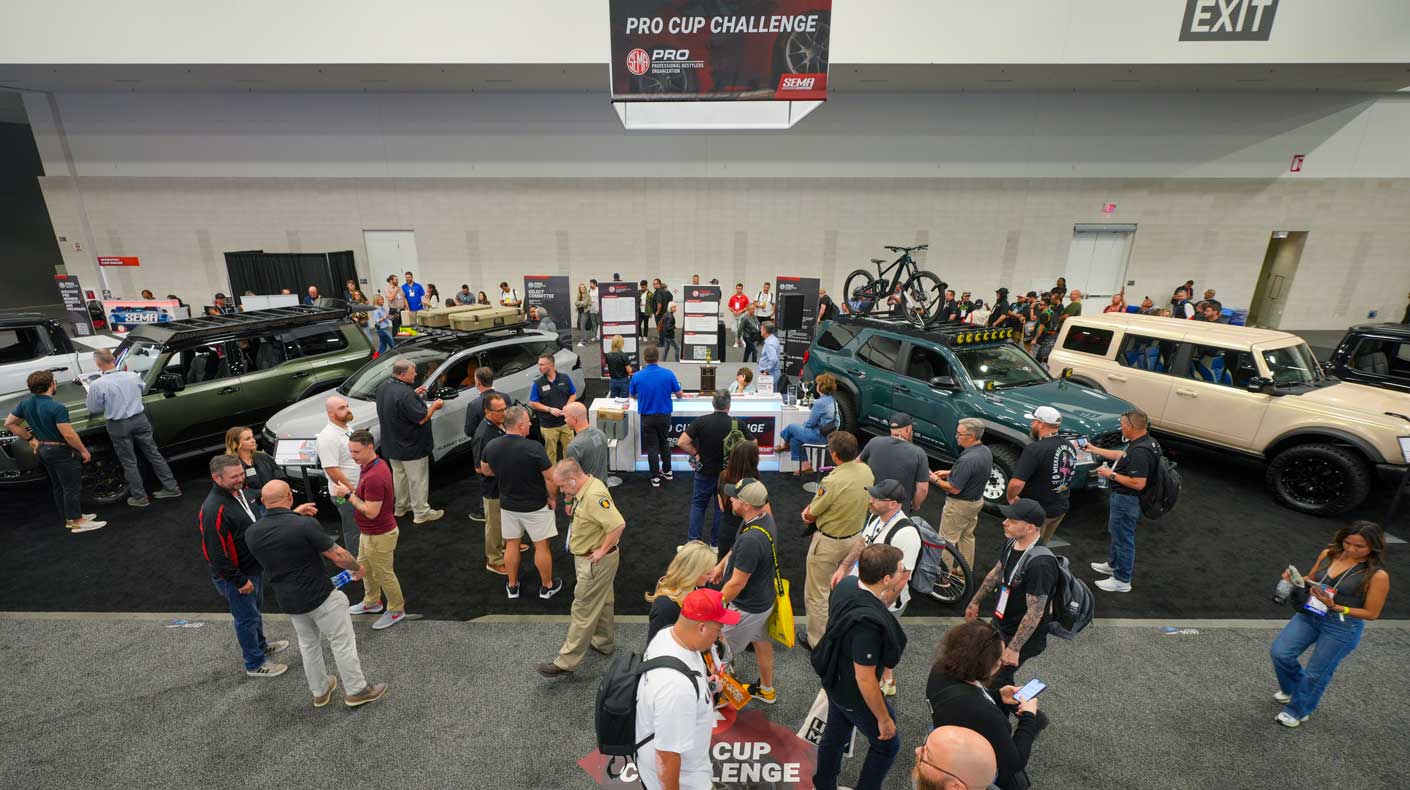
Organized by the SEMA Professional Restylers Organization (PRO), the PRO Cup Challenge celebrates creativity, craftsmanship and innovation within the restyling industry while demonstrating the value of dealer-ready accessory packages.
Finalists are challenged to design an accessory package for a new-model vehicle that appeals to a broad audience while meeting real-world dealership requirements. Entries are evaluated on marketability, ease of reproduction, creativity and profitability, while attendees also have the opportunity to vote for their favorite build through the People's Choice Award.
Get the complete details.
View on the floorplan.
Global Tire Expo-Powered by TIA
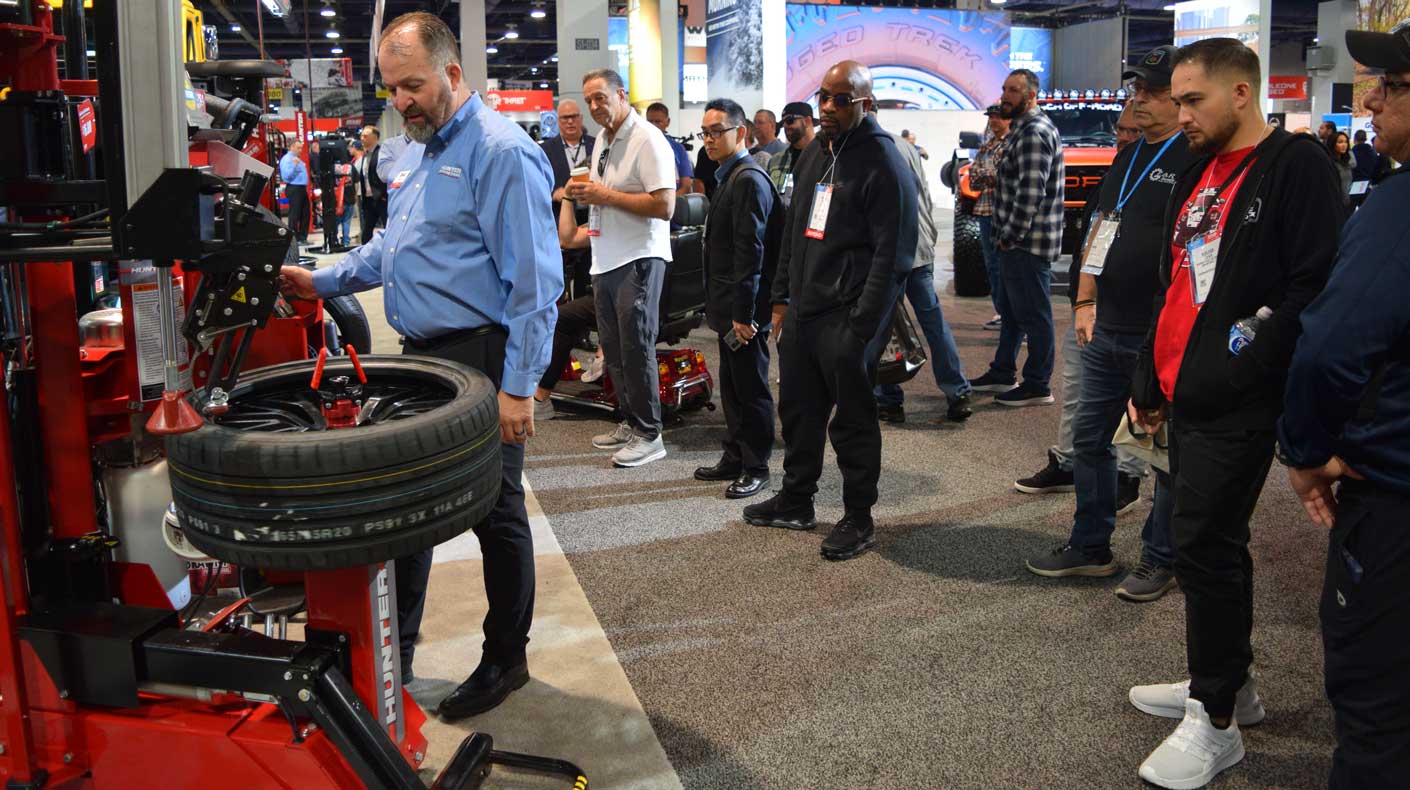
Sponsored by the Tire Industry Association (TIA), the Global Tire Expo serves as a comprehensive showcase for the tire industry, featuring the latest products, technologies and services from leading manufacturers and suppliers. The exhibit attracts tire dealers, retailers, distributors and automotive professionals from around the world while providing valuable opportunities for networking and business development.
SEMA Industry Honors
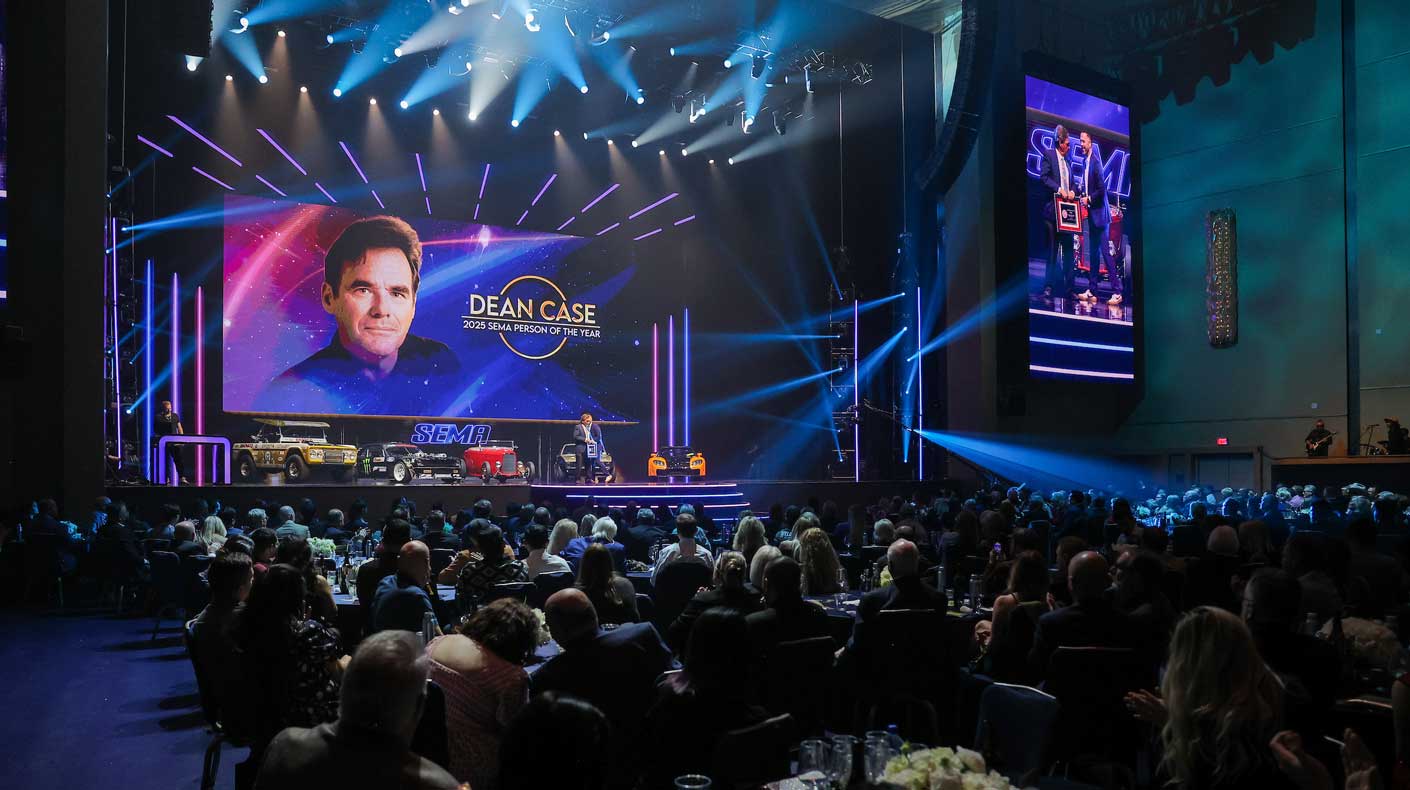
One night. One stage. Celebrating the people and stories driving our industry forward––only at the 2026 SEMA Industry Honors in Las Vegas.
On Thursday, November 5, the 2026 SEMA Industry Honors takes over the BleauLive Theater at Fontainebleau Las Vegas for an unforgettable evening celebrating the people, companies and innovators driving the specialty-equipment industry forward. From SEMA Content Creator of the Year to SEMA Person of the Year and other prestigious honors, this is the industry's premier night of recognition.
Get the complete details.
Purchase tickets during the attendee registration process. Already registered? Add tickets to your badge through the Registration Resource Center.
SEMA Show Kickoff Breakfast
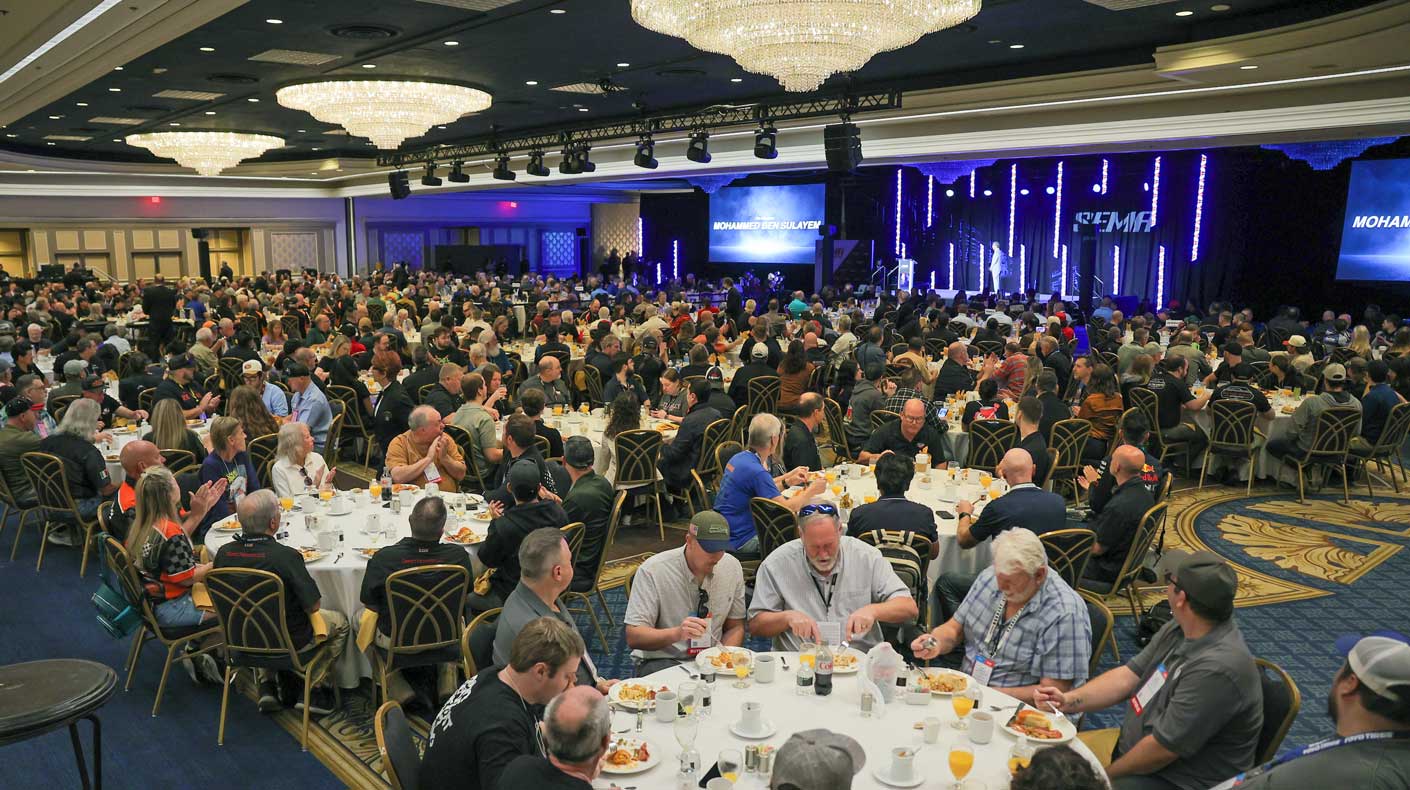
A longstanding SEMA Show tradition, the Kickoff Breakfast brings together the aftermarket community before the Show officially opens. The event celebrates the innovators and entrepreneurs driving the industry forward and includes the presentation of the New Product Showcase Awards, Manufacturer of the Year and Channel Partner of the Year honors.
Set for Tuesday, November 3, at 7:00 a.m. local time, tickets are available for purchase during the attendee registration process. Already registered? Add tickets to your badge through the Registration Resource Center.
SEMA Live
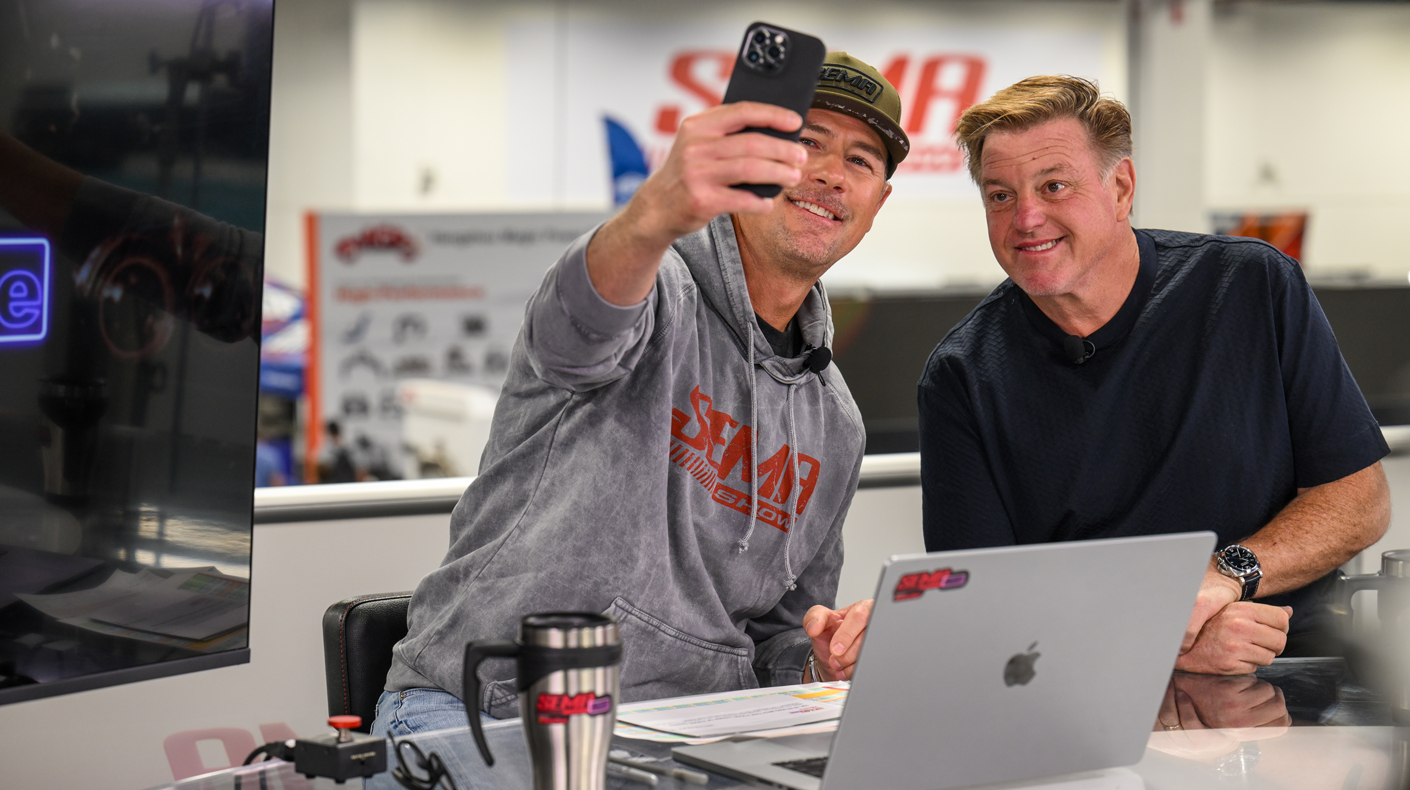
The SEMA Show opens its doors to a worldwide audience, for the third year in a row, via a livestream available on YouTube and Facebook. Throughout Show week, SEMA Live is set to feature 31 hours of up-close SEMA Show coverage across four days.
Attendees can see how it all comes together in person at the SEMA Live Studio in its Central Hall location, booth #20341.
View on the floorplan.
SEMA Gear
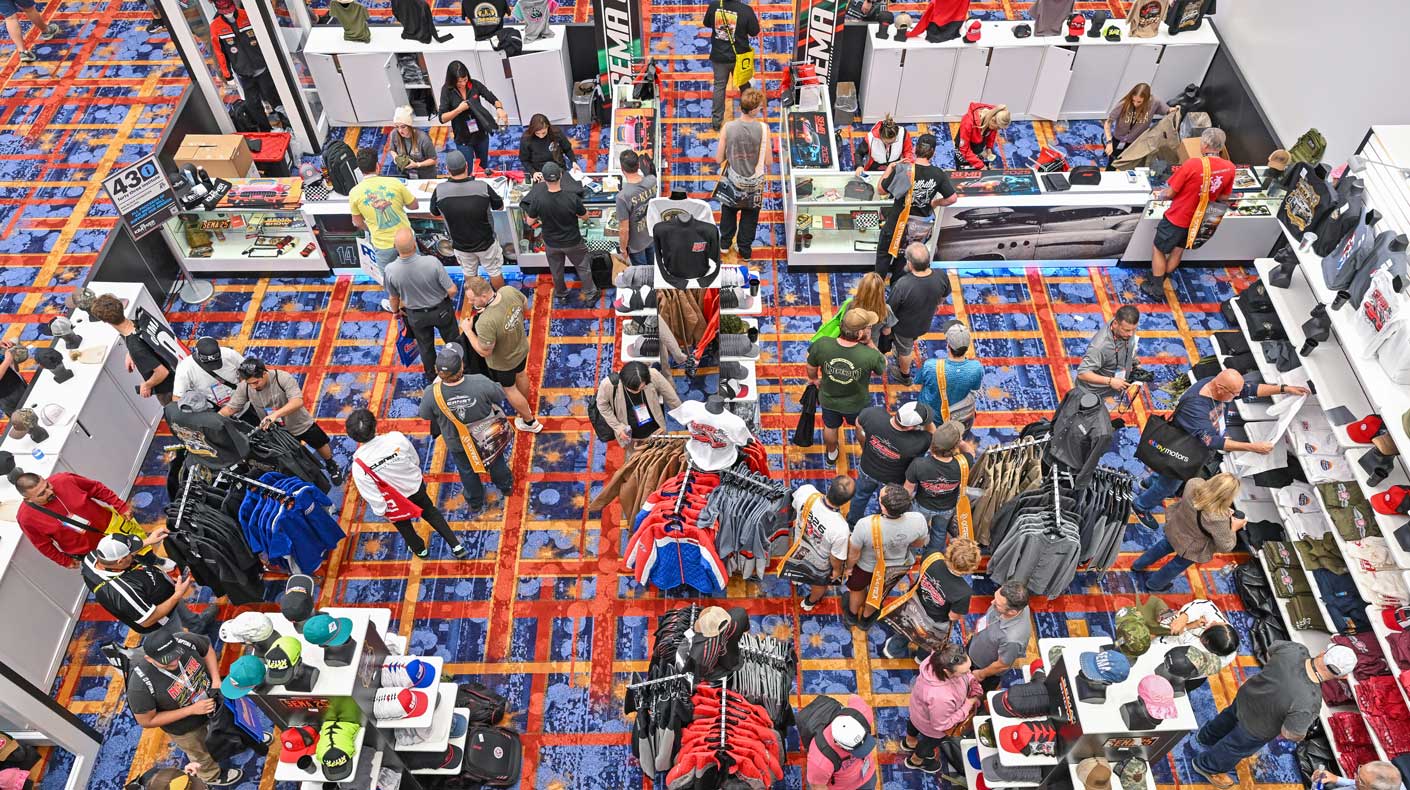
Visit any of the SEMA Gear locations throughout the Show floor to purchase the official branded apparel and merchandise for the SEMA Show. Hurry, as these limited edition and collector items can sell out quickly. Search "SEMA Gear" at SEMAShow.com/floorplan and on the SEMA Show app to see all locations available, or click below.
View on the floorplan.
Featured SEMA Show Artist Larry Chen
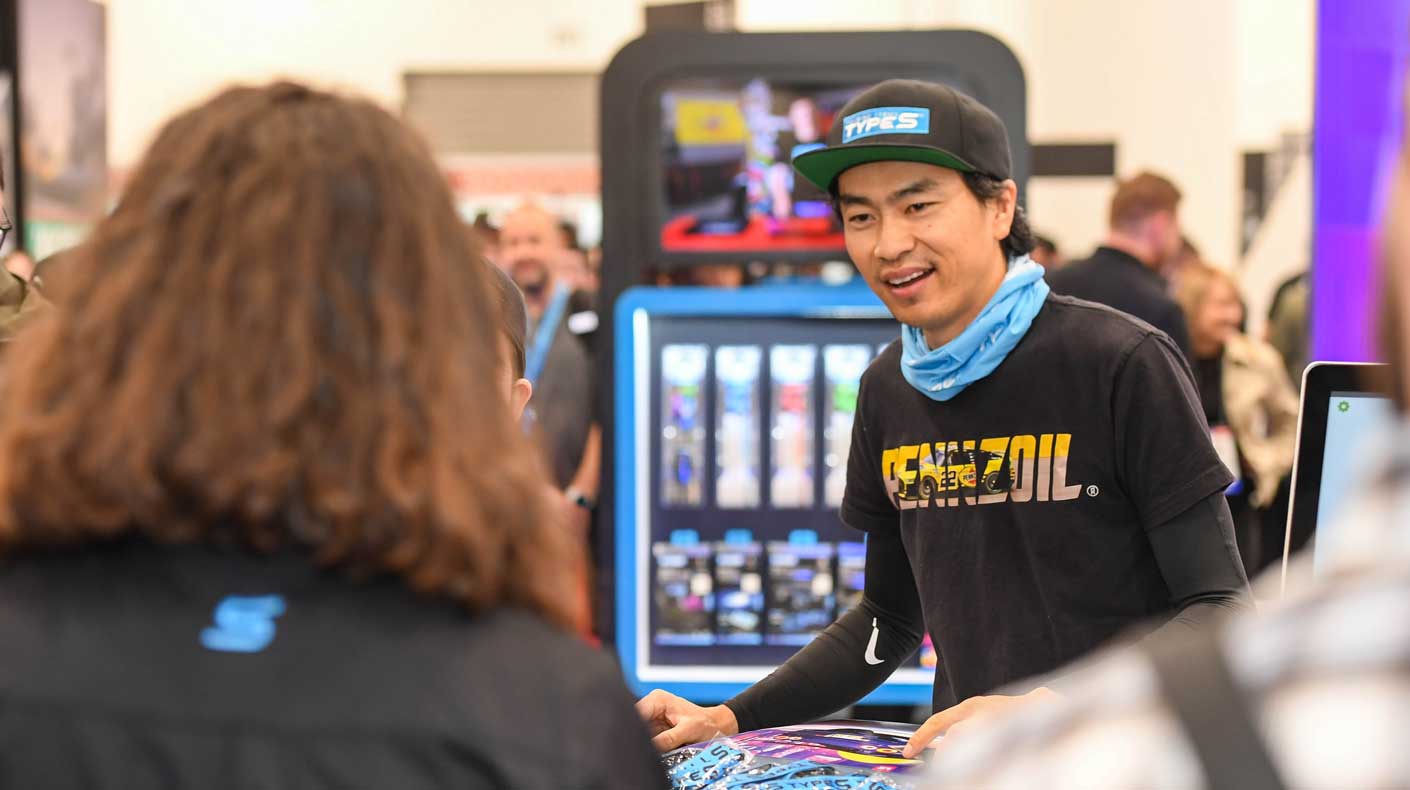
Photographer Larry Chen, pictured above, has spent two decades documenting the people, vehicles and moments that define automotive culture. As the Featured SEMA Show Artist, Chen's photography will be incorporated throughout the Show's visual identity, appearing in signage, marketing materials and special installations. Chen is the first photographer selected as Featured SEMA Show Artist and the fifth creative to receive the honor since the program's inception.
Art Walk
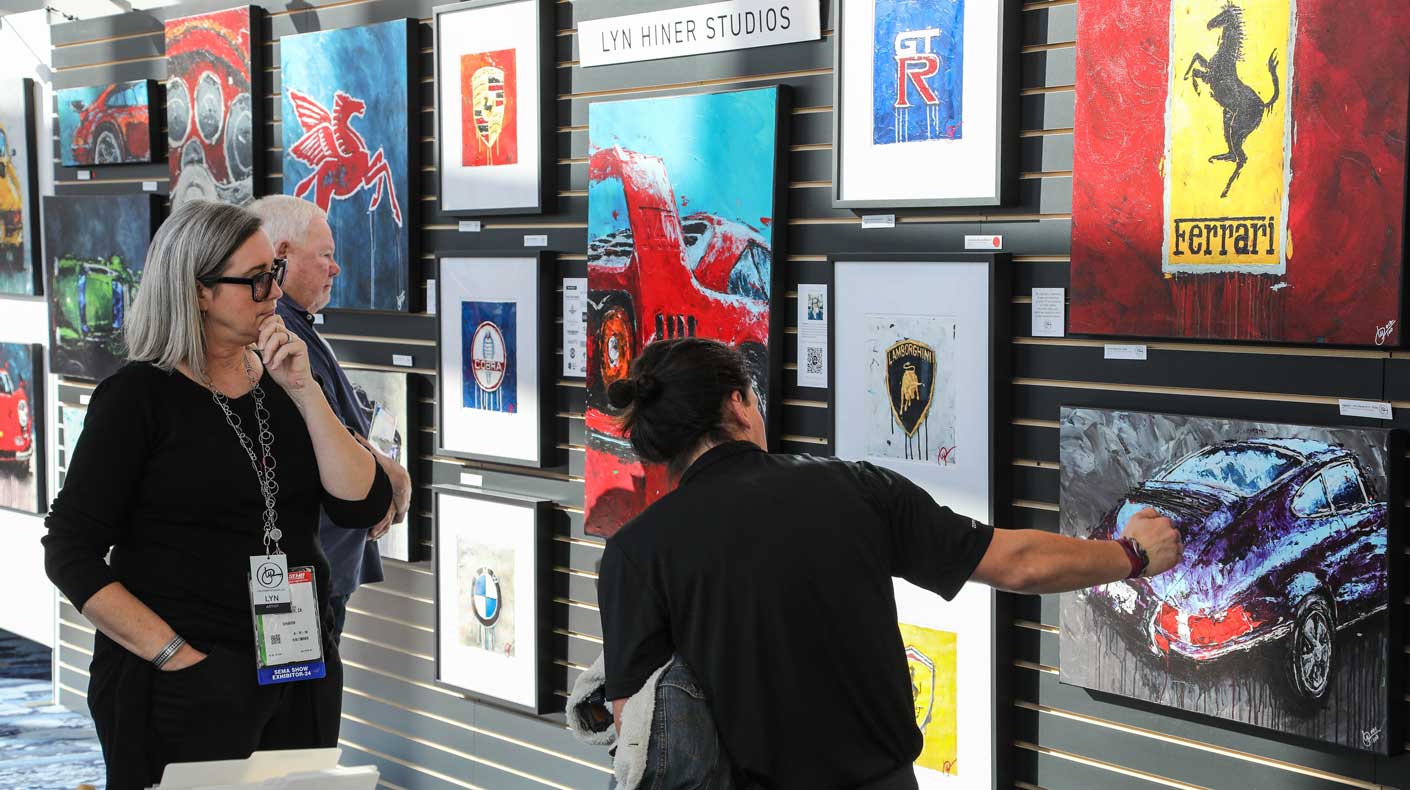
Get immersed in automotive lifestyle and culture at the SEMA Show Art Walk, where some of the industry's premier artists will showcase their latest creations and celebrate the creativity that drives car culture.
Keep an eye on SEMA News for additional updates, announcements and programs set for the 2026 SEMA Show. Register here.
The 2026 SEMA Show is set for November 3-6, in Las Vegas. Interested exhibitors can buy a booth and learn more at semashow.com/exhibitor. Attendee and buyer registration is now open online. For more information, visit semashow.com, the Registration Resource Center, or the 2026 SEMA Show floorplan.
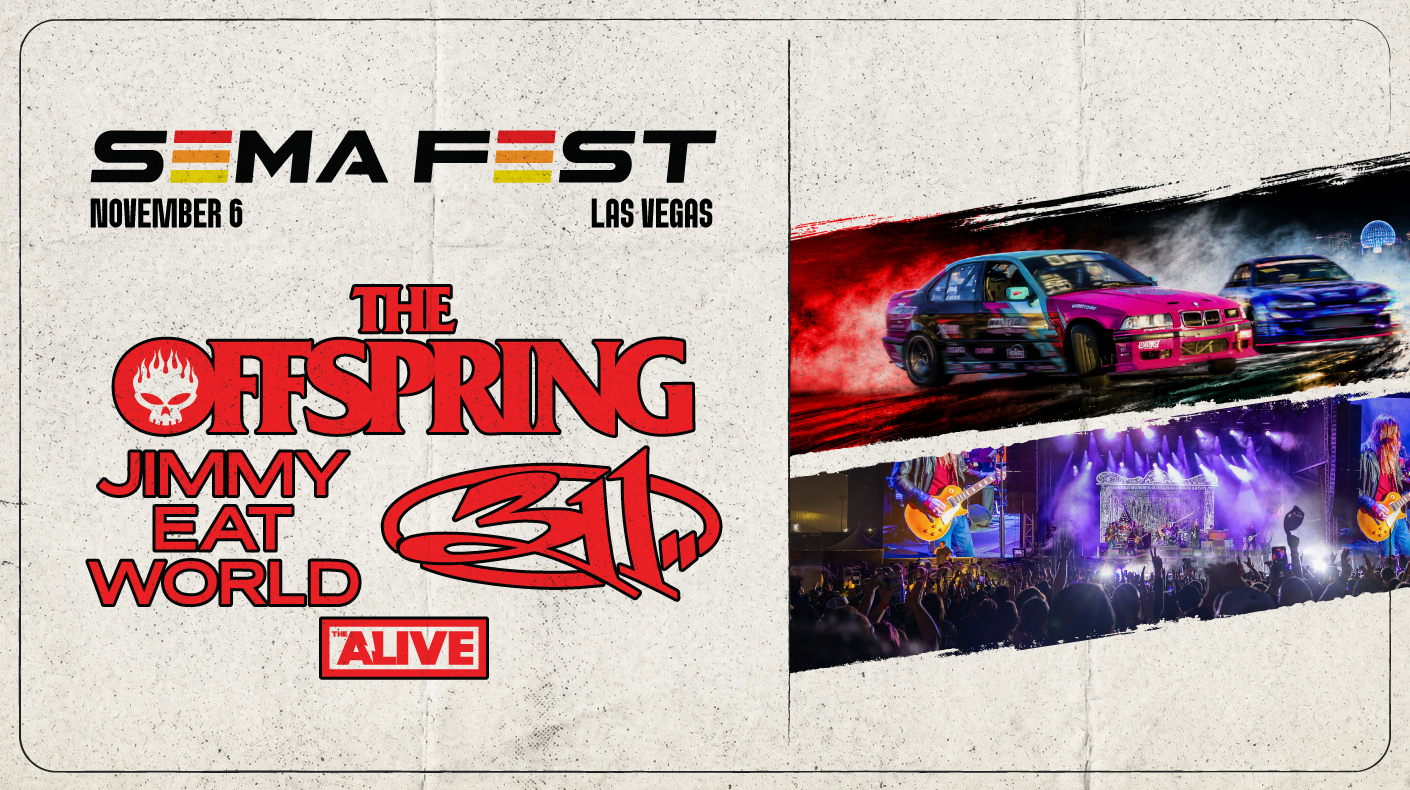
Tickets are also available for SEMA Fest, the celebration of car culture and music on Friday, November 6, on the SEMA Show campus. Secure tickets or learn more at semafest.com.
This story was published on September 24, 2026.