Tue, 03/31/2026 - 10:38

By SEMA News Editors


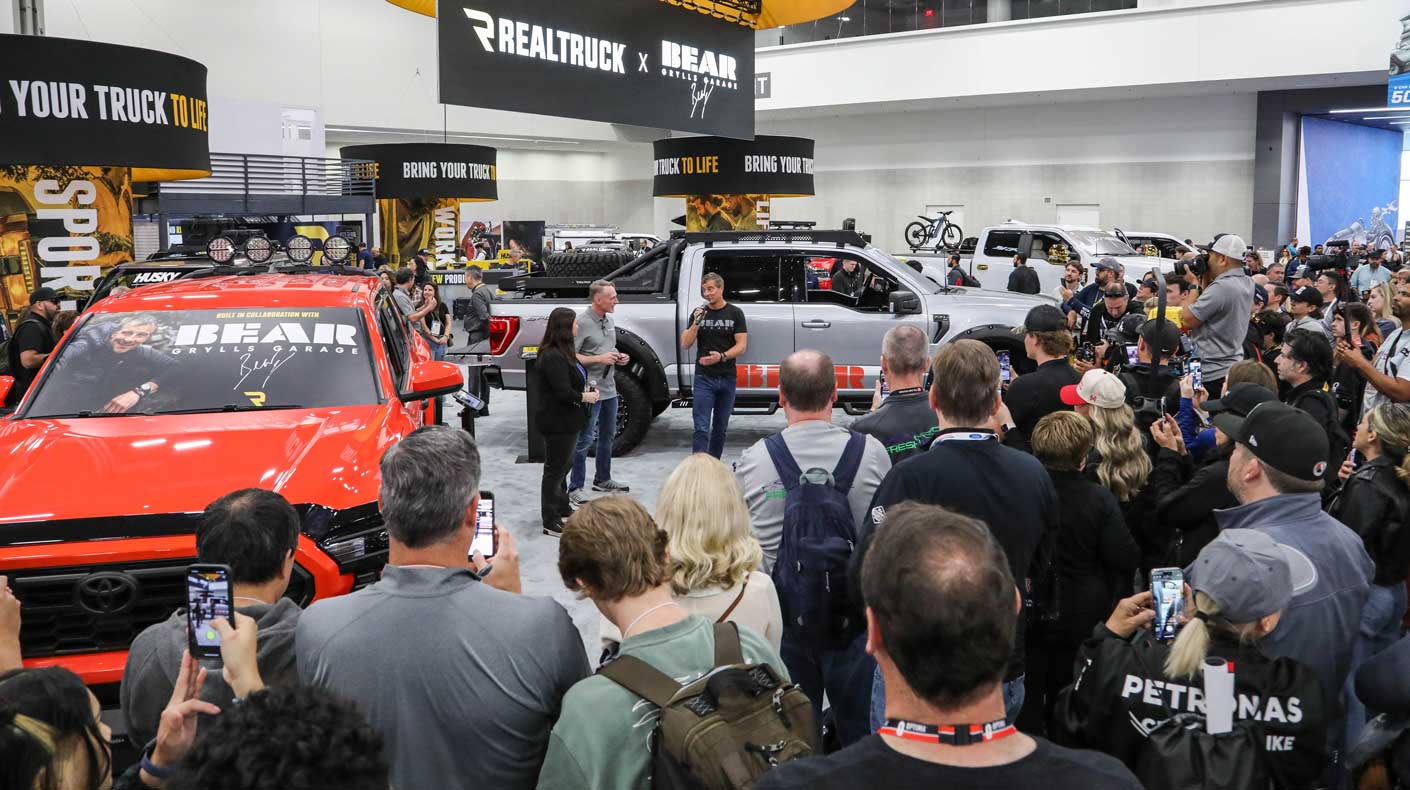
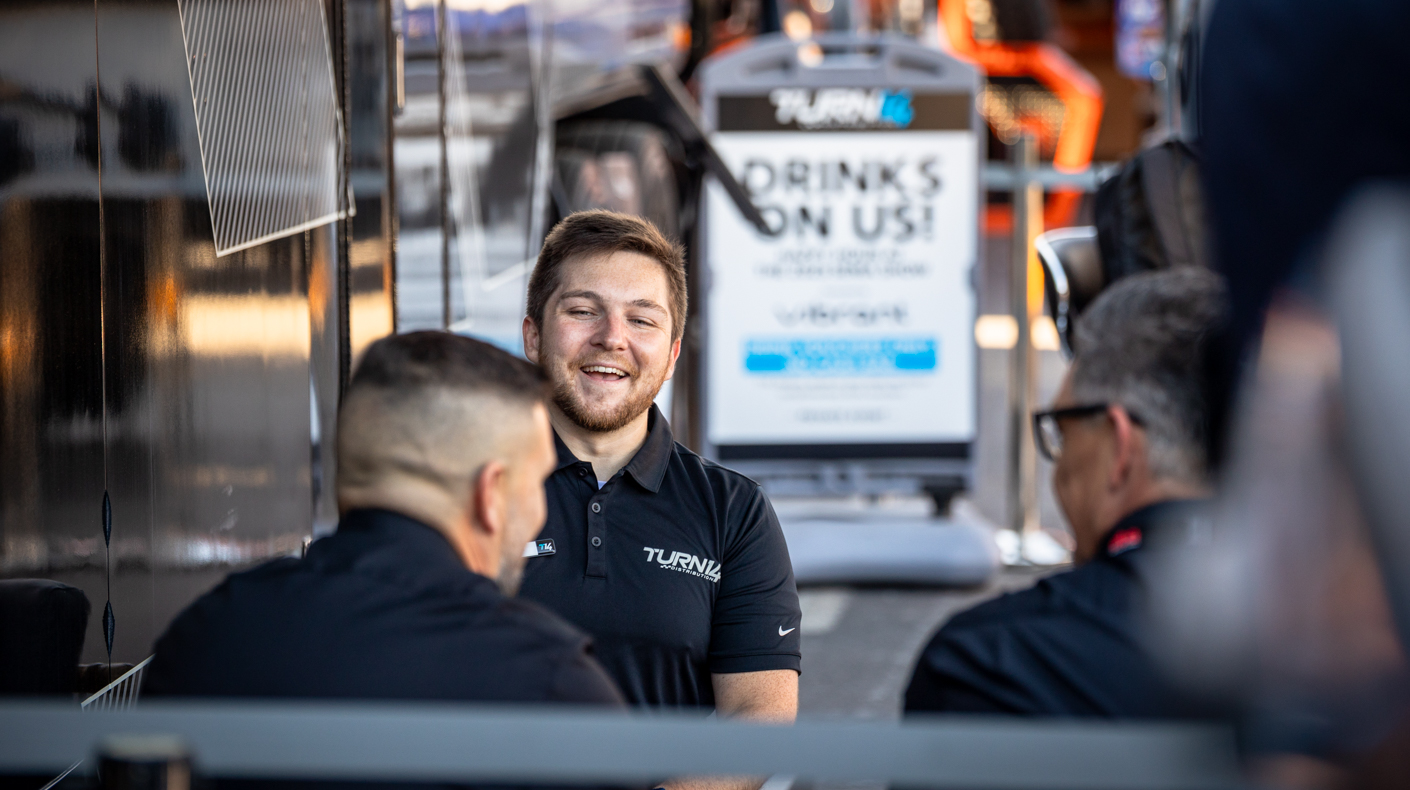
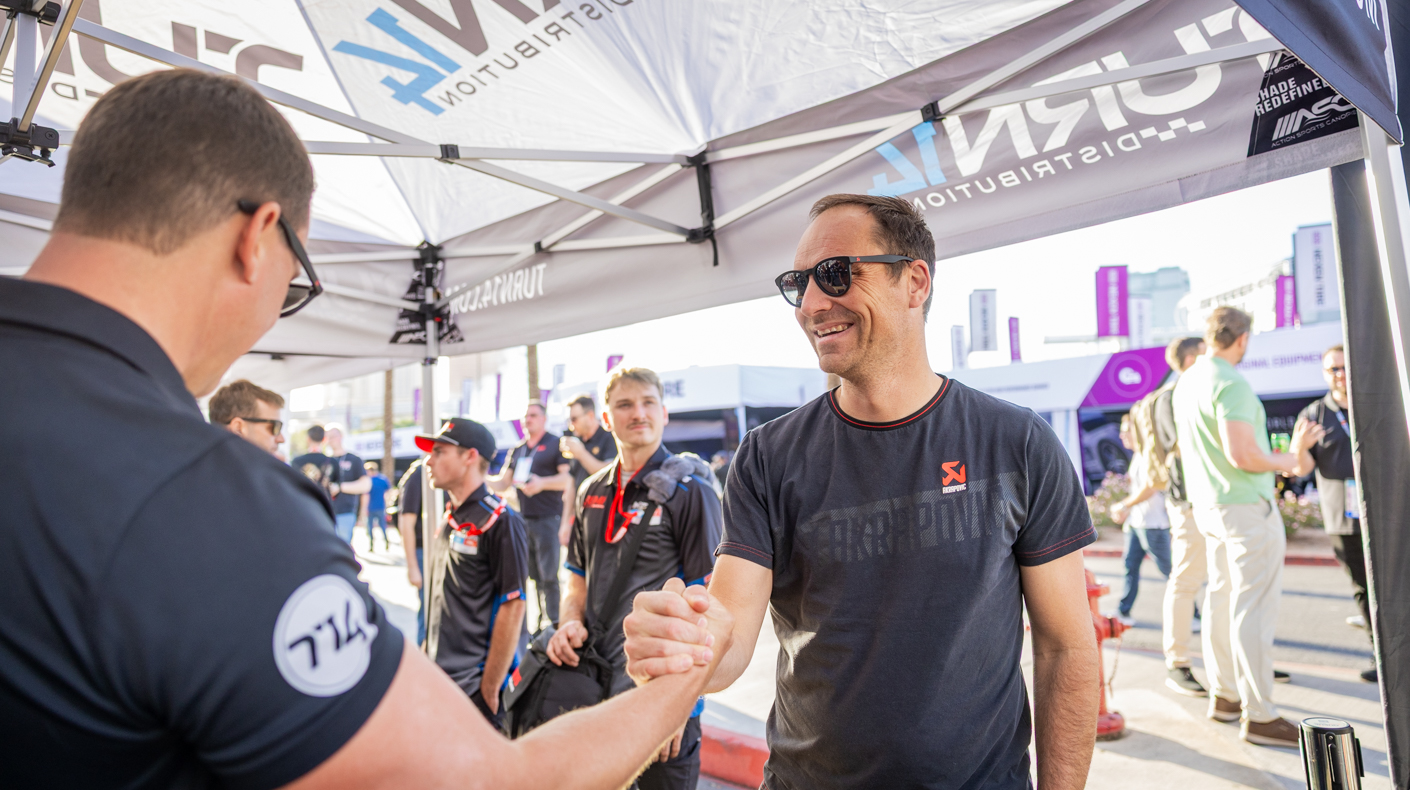
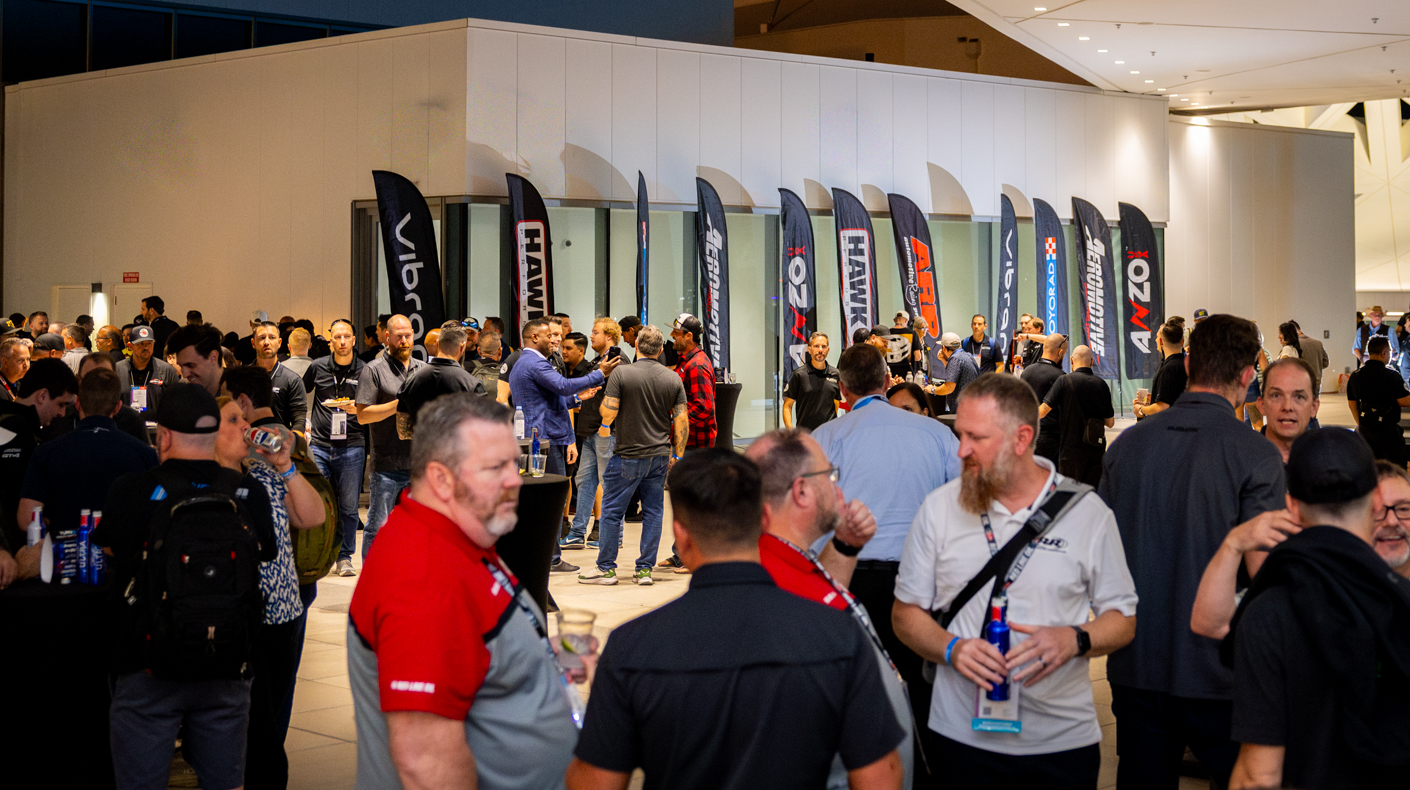
An image of exhibitors talking to buyers at the SEMA Show.


The exhibitor space rental agreement (ESRA) for the 2026 SEMA Show, November 3-6 in Las Vegas, is open. Exhibitors may still apply, but priority booth selection has concluded.

Red button with the words RESERVE A BOOTH.


Securing booth space early is the first step toward maximizing ROI at the SEMA Show--an unrivaled opportunity for aftermarket companies to drive sales, meet new customers and elevate brand visibility.


Exhibiting at the SEMA Show delivers measurable value for businesses:


Increase Brand Awareness

Whether established or emerging, exhibiting at SEMA is a high-impact investment that accelerates brand growth.

"SEMA is a big deal for us," said Melissa Parra of Speedmaster.


Connect With Customers

Meet face-to-face with existing customers and build stronger relationships with new buyers on the Show floor.

"It's great, especially for our international folks and all our B2B partners. We get to have that face-to-face time. Those in-person meetings are just invaluable for us," said Cassie Jordy of Bestop.


Expand Sales Channels

Open doors to new markets through connections with retailers, distributors and partners across the globe.

"When we first started coming [to the SEMA Show], we were a small company. It’s helped get us in front of buyers that we would not have had that face-to-face opportunity and connection with otherwise," said Tiffanie Hartenstein of Oracle Lighting.


Launch New Products

Exhibitors display their latest innovations in front of a massive, engaged audience ready to discover what's next.

"No where else can we get to this many of our dealers and our consumers and show them new products they get to touch and feel," said John Meyers of Kicker.


Secure booth space and drive real results at the 2026 SEMA Show.


The booth plotting process is a little different this year. Questions? Read this article or contact SEMA at 240-ASK-SEMA (240-275-7362) or via email at customercare@sema.org.  


The 2026 SEMA Show is set for November 3-6, in Las Vegas. Interested exhibitors can buy a booth and learn more at semashow.com/exhibitor. Attendee and buyer registration opens in Spring 2026; to sign up for notifications, visit here. For more information, visit semashow.com

Tue, 03/31/2026 - 08:30

By SEMA News Editors

Graphic text: SEMA Show exhibitor summit June 10-12 in Las Vegas. Las Vegas Convention Center 2026 rendering


SEMA Show exhibitors are invited to an exclusive, multi-day program--complimentary and built to help companies maximize return on their SEMA Show investment.


Registration is now open for the SEMA Show Exhibitor Summit, which returns to Las Vegas in June, at the Las Vegas Convention Center South Hall Skybridge. View the agenda and register at semashow.com/exhibitor-summit.
 

The Exhibitor Summit--which takes place Wednesday, June 10 and Thursday, June 11, with hotel check-out Friday, June 12--is an exhibitor's strategic head start. Whether a company is a first-timer or a seasoned exhibitor, this event is where exhibitors can refine their plan, cut unnecessary costs and unlock true SEMA Show success. The program will cover how to:
 

  • Boost ROI: Work directly with experts to plan, budget and optimize SEMA Show investments.
  • Drive Traffic: Learn proven strategies to attract buyers and generate leads.
  • Save Money: Learn insider strategies to cut costs on drayage, electrical and rigging.
  • Perfect Your Launch: Get a step-by-step roadmap for product launches and media engagement.
  • Promote Your Brand: Explore sponsorship and marketing opportunities to increase brand visibility.
  • Network: Build direct relationships with the SEMA team and fellow industry leaders.


Preview the New LVCC


In addition, this year's Summit delivers an all-access preview of the newly remodeled Las Vegas Convention Center, now featuring a modernized campus designed to elevate the exhibitor and attendee experience with:
 

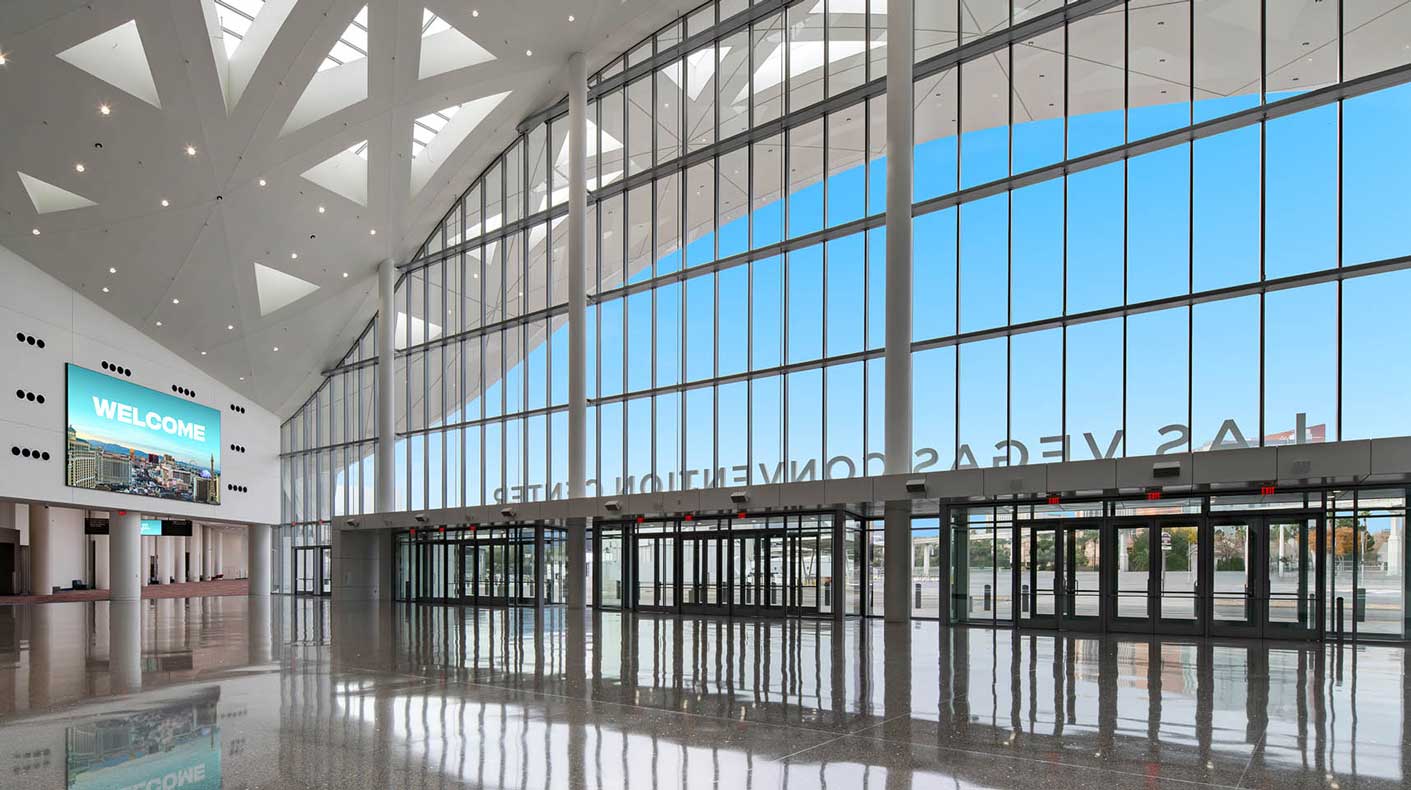
  • A reimagined Central Hall Grand Lobby that features a striking glass curtain wall and abundant natural light.
  • New digital signage creating high-visibility branding opportunities in the Grand Lobby.
  • A climate-controlled concourse that connects the North and South Halls.
  • A new East entrance, state-of-the-art boardroom and modern administrative offices redefine the South Hall.
  • The extended West Hall ribbon roof brings bold cohesion across the campus.


Register to join this event in Las Vegas this June, and the SEMA team will have the rest covered. Exhibitors enjoy complimentary event registration, a two-night hotel stay (for up to two representatives from each exhibiting company) and select meals--all courtesy of SEMA.

A red button with the word "REGISTER."


Have questions about the Exhibitor Summit? Contact SEMA Show Management at 909-396-0289 or email regmgr@sema.org.


2026 SEMA Show Exhibitor Summit

Who's Invited: 2026 SEMA Show exhibitors
What: Hands-on program designed to help exhibitors maximize ROI
When: June 10-12 (travel day is Friday, June 12)
Where: Las Vegas Convention Center South Hall Skybridge, Las Vegas, Nevada
Cost: Free registration, a two-night hotel stay (for up to two representatives per company) and select meals.
Find out more.


In related news, SEMA has launched a new customer management system ahead of this year's SEMA Show, November 3-6, 2026, in Las Vegas. Read more about that.

To improve how SEMA engages with exhibitors and serves the industry year-round, the association has migrated to a new customer management system powered by Salesforce.

Tue, 03/31/2026 - 08:22

By SEMA News Editors

Graphic for spotlight subject Guillermo Moeller.


Content Creator Spotlight: Guillermo Moeller

Instagram: @guillermomoellerhq | @performanecustomsmx | @alcortenews

TikTok: @guillermomoellerhq | @performancecustomsmx | @alcortenews

YouTube: @guillermomoellerhq | @performancecustomsmx | @alcortenews

Facebook: @guillermomoellerhq | @performancecustomsmx | @alcortenews

Follower count: 8 million

Focus/interest: High-performance builds and automotive education, bridging American automotive culture with the Hispanic enthusiast market.


SEMA News: How did you get into the automotive industry?

Guillermo Moeller: It all started with a deep-down obsession for all kinds of cars and bringing classics back to life. I founded Performance Customs down in Mexico, focusing on high-end restorations and pushing the limits of what these machines could do. What started as a shop grew into a massive media platform once I realized that sharing the technical "how-to" and the soul behind every build was just as important as the build itself. Now, I'm proud to be that bridge between top-tier American engineering and the Hispanic community.
 

SN: What's been your biggest motivator?

GM: My main drive is proving that being a "car guy" isn't just a hobby, it's a high-level professional career. I'm motivated by the challenge of building rigs that break the mold and bridging the gap between American automotive culture and the Hispanic community. It's not just about translating words; it's about sharing that raw passion for wrenching and making sure our automotive culture stays alive and kicking for the next generation.

Guillermo Moeller headshot.


SN: What's been your favorite part of being a part of the automotive community?

GM: Man, it has to be the brotherhood and the constant exchange of knowledge. Whether I'm turning wrenches with friends or hanging with fans at a massive event, I've learned that it doesn't matter what language you speak; the respect for a job well done is universal. Getting to collaborate with the industry's best is a privilege I don't take for granted.
 

SN: As a content creator in the industry, how do you hope to make an impact on your audience?

GM: I'm out to raise the bar for bilingual automotive content. My goal is to teach my audience not just how to bolt on a part, but the engineering 'why' behind it. I want to be the bridge that brings the best of car culture to Hispanic enthusiasts, empowering our community with the technical excellence and shop safety needed to show the world that our passion means business.
 

Guillermo Moeller standing on pit lane at a race.


SN: Why is advocacy important to you?

GM: The Right to Modify is the hill I'm willing to die on. If we lose the right to tinker with and improve our own vehicles, we lose the innovation and freedom that make this whole industry possible. Advocacy is about making sure the kids coming up today have the same access to tools and tech that we used to build our dreams and our businesses. (Editor's Note: More information on the Right to Modify.)
 

SN: What is on the horizon for you in 2026? Anything you're looking forward to?

GM: 2026 is all about going big here in Texas. I'm fired up to finish 'The Mexican GT-R,' my Supercharged F-150, which to me is the perfect tribute to how our two cultures push the limits of performance. I'm also wrapping up my Durango SRT Hellcat replica and can't wait to go wide-open throttle with my Corvette Z06 at the track. All this while delivering great content that brings a professional spotlight to our community. It's going to be a hell of a year for us and for everyone following the journey.
 

Guillermo Moeller working on a car.


SN: What are you hoping to see from the industry in the next few years?

GM: I want to see cutting-edge tech play nice with our traditional enthusiast roots. I'm looking for an industry that keeps fighting for customization and opens the doors for new talent. At the end of the day, I just want to make sure the roar of a high-performance engine and the thrill of the drive never go out of style.


Are you a passionate automotive or racing content creator? Do you want to get involved with SEMA/PRI and spread the word about important advocacy initiatives? Contact Lauren Wilbor from the SEMA Washington, D.C., office at laurenpw@sema.org.

Tue, 03/31/2026 - 08:22

By SEMA News Editors

Graphic for spotlight subject Guillermo Moeller.


Content Creator Spotlight: Guillermo Moeller

Instagram: @guillermomoellerhq | @performanecustomsmx | @alcortenews

TikTok: @guillermomoellerhq | @performancecustomsmx | @alcortenews

YouTube: @guillermomoellerhq | @performancecustomsmx | @alcortenews

Facebook: @guillermomoellerhq | @performancecustomsmx | @alcortenews

Follower count: 8 million

Focus/interest: High-performance builds and automotive education, bridging American automotive culture with the Hispanic enthusiast market.


SEMA News: How did you get into the automotive industry?

Guillermo Moeller: It all started with a deep-down obsession for all kinds of cars and bringing classics back to life. I founded Performance Customs down in Mexico, focusing on high-end restorations and pushing the limits of what these machines could do. What started as a shop grew into a massive media platform once I realized that sharing the technical "how-to" and the soul behind every build was just as important as the build itself. Now, I'm proud to be that bridge between top-tier American engineering and the Hispanic community.
 

SN: What's been your biggest motivator?

GM: My main drive is proving that being a "car guy" isn't just a hobby, it's a high-level professional career. I'm motivated by the challenge of building rigs that break the mold and bridging the gap between American automotive culture and the Hispanic community. It's not just about translating words; it's about sharing that raw passion for wrenching and making sure our automotive culture stays alive and kicking for the next generation.

Guillermo Moeller headshot.


SN: What's been your favorite part of being a part of the automotive community?

GM: Man, it has to be the brotherhood and the constant exchange of knowledge. Whether I'm turning wrenches with friends or hanging with fans at a massive event, I've learned that it doesn't matter what language you speak; the respect for a job well done is universal. Getting to collaborate with the industry's best is a privilege I don't take for granted.
 

SN: As a content creator in the industry, how do you hope to make an impact on your audience?

GM: I'm out to raise the bar for bilingual automotive content. My goal is to teach my audience not just how to bolt on a part, but the engineering 'why' behind it. I want to be the bridge that brings the best of car culture to Hispanic enthusiasts, empowering our community with the technical excellence and shop safety needed to show the world that our passion means business.
 

Guillermo Moeller standing on pit lane at a race.


SN: Why is advocacy important to you?

GM: The Right to Modify is the hill I'm willing to die on. If we lose the right to tinker with and improve our own vehicles, we lose the innovation and freedom that make this whole industry possible. Advocacy is about making sure the kids coming up today have the same access to tools and tech that we used to build our dreams and our businesses. (Editor's Note: More information on the Right to Modify.)
 

SN: What is on the horizon for you in 2026? Anything you're looking forward to?

GM: 2026 is all about going big here in Texas. I'm fired up to finish 'The Mexican GT-R,' my Supercharged F-150, which to me is the perfect tribute to how our two cultures push the limits of performance. I'm also wrapping up my Durango SRT Hellcat replica and can't wait to go wide-open throttle with my Corvette Z06 at the track. All this while delivering great content that brings a professional spotlight to our community. It's going to be a hell of a year for us and for everyone following the journey.
 

Guillermo Moeller working on a car.


SN: What are you hoping to see from the industry in the next few years?

GM: I want to see cutting-edge tech play nice with our traditional enthusiast roots. I'm looking for an industry that keeps fighting for customization and opens the doors for new talent. At the end of the day, I just want to make sure the roar of a high-performance engine and the thrill of the drive never go out of style.


Are you a passionate automotive or racing content creator? Do you want to get involved with SEMA/PRI and spread the word about important advocacy initiatives? Contact Lauren Wilbor from the SEMA Washington, D.C., office at laurenpw@sema.org.

Tue, 03/31/2026 - 06:50

By Ashley Reyes

Graphic seeking applications to join council and network select committees.


SEMA is known for its world-class trade show, but year-round, it provides the essential programs and services that help foster the success of the entire automotive aftermarket, including SEMA's nine market-specific groups and professional communities known as councils and networks. 
 

For SEMA members who want to take a more active role in the industry, applications are open now to join a council and network select committee--small groups of volunteers who dedicate their time, passion and expertise year-round to develop valuable programs for members.  
 

"I volunteer because I believe the aftermarket is at its best when experienced leaders actively give back, not just comment from the sidelines," said Emerging Trends and Technology Network (ETTN) select committee member Kelleigh Shankel of Limelight Logic. "Volunteering allows me to help shape direction, remove friction and make sure decisions reflect how the industry actually operates, not how it looks on paper. It reinforces how collaborative the aftermarket truly is when the right people are in the room, and how much progress can be made when competition steps aside in favor of shared growth."
 

Kelleigh Shankel presented the ETTN Engineer of the Year Award to Mike Black.


Shankel presented the ETTN Engineer of the Year Award to Mike Black of The Tuning School.
 

While SEMA staff manage the association's day-to-day operations, select committee volunteers provide boots-on-the-ground guidance to ensure industry needs are met. Successful initiatives spearheaded by select committee members include everything from professional development programs, career fairs, networking mixers, panel discussions and webinars that address timely industry trends, opportunities and challenges.   
 

Beyond advancing their segment, volunteers benefit from new industry connections, early insight into trends and hands-on leadership experience.
 

"Volunteering helps me grow and be a better business owner," said Jay Ehret, select committee volunteer for the Wheel, Tire, Suspension and Brake Council (WTSBC). "The connections and knowledge I have gained have been invaluable and a major factor in the growth of Pickup Outfitters over the past nine years."
 

Prior to volunteering for WTSBC, Ehret served on the select committee for the SEMA Professional Restylers Organization (PRO). 
 

Ehret receives the PRO Nat Danas Person of the Year Award.


Ehret receives the PRO Nat Danas Person of the Year Award at the 2024 SEMA Show.
 

For Aliceje Keyburn of AJK Design/Yamaha Financial Services, volunteering on the SEMA Businesswomen's Network (SBN) select committee connected her with a community of female leaders who share her passion for the industry.
 

"I really wanted to find a network of women that I can learn from, grow from, and find mentorship from," said Keyburn "I've found that and more from SBN's virtual education, Women's Leadership Forum and even getting my hands dirty with the All-Female Bronco Build, which was really special."
 

Aliceje Keyburn represents SBN at the 2025 SEMA Show.


Keyburn represents SBN at the 2025 SEMA Show.
 

Ready to Step Up for Your Industry?
 

Whether you possess strong aftermarket knowledge, thrive as a collaborator, or have ideas for enhancing SEMA's current programs, your help is needed. Volunteering doesn't require you to be an industry veteran--only a passion for making a real difference.  
 

As a select committee volunteer, you'll volunteer five to 10 hours per month and be required to serve a two-year term. You'll also take part in an annual long-range planning meeting and attend a Council Summit every other year--a great opportunity to learn the 'behind-the-scenes' of SEMA while having fun with like-minded peers.
 

Learn more and apply.

Fri, 03/27/2026 - 11:45

By Cristian Gonzalez

2025 Battle of the Builders winner 'Fenderless' driving on a rural road.


Troy Trepanier secures his second win at the 2025 Battle of the Builders Presented by Mothers Polish.


There's something to say about those who keep winning, but what is it? Is it that they are that skilled in their trade? Or is it that they know themselves? Do they know their product and the market well enough to know when it's time to shine? For Troy Trepanier and his exceptionally talented team at Rad Rides by Troy, the answer is yes to all the above.
 

Trepanier started his custom shop in 1995 in partnership with his now late father. Since then, his shop has risen to industry fame through seamless fabrication and land-speed performance, garnering massive accolades and awards, including now two overall wins with the SEMA Battle of the Builders (BOTB) Presented by Mothers Polish—SEMA's custom-vehicle competition that takes place at the SEMA Show.
 

Builders can compete in one of the contest's four categories: 4 Wheel Drive & Off-Road; Hot Rod & Hot Rod Truck; Sport Compact, Import Performance, Luxury & Exotic; and BFGoodrich Young Guns (builders 29 and under). Industry judges narrow down the field each day until there are four categorical winners crowned as class champions.
 

A graphic detailing the Fenderless build.


For the 2025 iteration of BOTB, Rad Rides brought a coach-built '36 roadster coined Fenderless that was commissioned by collector and hot-rod historian Ross Myers. Trepanier and company rolled into Las Vegas for the SEMA Show to compete against 39 other top-shelf builds. Day by day, the competition whittled down to 12 builders, three from each class. The 12 finalists judged each other, and their votes not only determined the four class champions, but also the overall BOTB winner which went to Trepanier and his '36 roadster.
 

In true SEMA fashion, we had to break down and study the anatomy of this success. We reached out to Trepanier and Adam Banks—designer and lead fabricator for Fenderless—to better understand the inspiration behind the build, the details that make this roadster special and what they think the future of custom car-building holds.
 

STAYING TRUE TO TIME


Like most builds, Fenderless began with an idea and a relationship between the owner and the shop. Myers had entrusted Trepanier with previous projects before and came to him and Banks on the possibility of building a roadster around the '36 Ford.
 

Myers proposed a fender-less style and Trepanier thought it would be a hot idea. "If [Ford] would have made a fender-less roadster in '36, it'd have been awesome. The '36 is one of the prettiest cars that Ford had done back then. So the challenge was then 'game on,'" says Trepanier; that challenge being making the fender-less look work.
 

Banks had some concerns with the initial idea. "They're beautiful cars, but doing one as sort of a highboy style, it's very difficult because when you take the fenders off, it doesn't lend itself to that look very well. I always describe it as sort of looking like a bumblebee," he explains.
 

But Banks was confident he could bring Myers' vision to life, and Trepanier had equal confidence in Banks' design. "The way that Adam designed and reproportioned everything. I felt it was spot-on, and it really just came to fruition. It's our best work by a mile," says Trepanier.
 

OEM QUALITY, AFTERMARKET FASHION


While nearly everything on this vehicle would be built in-house from the frame up, the philosophy behind Fenderless was to aesthetically build a car that could look like it came off Ford's 1936 assembly line.
 

"We spent a lot of time trying to make things look like they were appropriate for this car. And while it's not necessarily a themed car or a traditional hot rod, we wanted all the pieces we made for it manufactured to look like they belonged with this car and were possibly manufactured at some point by Ford. So there's a lot of nuances to that and how we designed wheels, suspension components, steering and everything else," says Banks.
 

Trepanier would get admirers who, upon seeing the custom hot rod, would take it for a lightly fabricated Ford. While some might take such remarks as an insult, Trepanier took them as compliments—signals that they achieved what they were after.
 

Trepanier believes a simpler, more fitted look will always move more people than something more extravagant or eccentric. "If it blends in and looks natural when looking at it, then I believe you've done it right," he says.
 

A detailed look at the dashboard of the Fenderless roadster.


The build shines in its simplicity and elegance, but its construction was far from simple, as the Rad team designed and constructed everything in-house: the frame, the dash, the upholstery, the wheels and suspension components. Short of molding their own tires and chrome plating, Trepanier kept nearly everything under his roof.
 

"We do everything right here. We don't rely on anybody," he explains. "And I always say there's guys that build car bodies. They might say, 'We built the body.' And that's cool, right? There's not very many that do it [all under one shop]. We did all the machining on all the suspension, all the wheels. We made the door hinges, the door handles, the steering column, the radiator tanks, and we made a lot of other parts."
 

He continues, "As I've done this for 30 years, each time maybe we didn't do a certain part of [the build]. The next time we're like, 'Alright, what's the equipment we need to do that? And we [need] people that can do it.' We try to control our own destiny that way—by doing everything here."
 

HELLO FROM THE UNDERSIDE


Among the many winning features, Trepanier thinks a large part of his win came from the unique perspectives the BOTB event offered to judges and the audience. With a vehicle lift as part of the stage, the builders were able to showcase the well-thought-out craftsmanship that went into the underside. "When we raised it, and the guys went under, it was, like, jaw-dropping for them… I think it caught them off guard," expresses Trepanier.
 

Lifting the vehicle allows the judges to get a full 360-degree view of it, and it lends the builders the chance to create something unique that only a few would be able to see and appreciate.
 

Fenderless' underside matched its roadside view—unique and simple. What caught everyone off guard was just how well every component complemented the other. The matching oil pans, the control arms, even the brake drums all pay homage to other components with familiar fin features. It's the kind of attention to detail that demands your gaze.
 

Once you study the vehicle's underside, you begin to better understand Troy's philosophy on building—less is more, and more can sometimes feel "like drinking out of a fire hose." Something simple like the fin design, coupled with artistic vision, can still draw eyes.
 

"Just try to keep it simple," asserts Trepanier. "When I look at the bottom of the car, everything looks like it's very in order and very simple, [almost] like it's missing something, but it's just the stuff you don't need. The stuff that it needs to work is there, and that's it."
 

OLD AND NEW ENGINEERING


While the body was made to stay close to a Ford '36 Roadster, the engine told a little different story, one of perfect synthesis between old and modern engineering.
 

The Rad team fitted a '57 Ford 312ci Y-block into the fabricated engine bay, and it boasts a few unique parts blending old and new technologies. Bringing power into the old motor is the McCullough VR57 supercharger. In the spirit of "from factory," the finned supercharger was an available add-on for the '57 Thunderbird, which according to Hemmings, brought the 312-equipped Thunderbird up to 300 hp.
 

Exhaust manifolds on Fenderless


What really tied the engine together aesthetically was the in-house machined air plenum, which Banks said many believed the supercharger was machined around. "A lot of people think that we machined [the supercharger] case to match the air plenum and some of the other things on the car, but it was the other way around. We just cleaned it up, and then we made the air plenum look like it belonged with the supercharger," he explains.
 

Exhibiting the future of aftermarket building technology were the exhaust manifolds. Banks and Trepanier were approached by an old peer who jumped from the automotive industry into defense and aerospace. He came to them saying he now worked for Beehive Industries, manufacturing 3D-printed metal parts for jet and helicopter engines, and offered to build something unique for this project.
 

What came off the print bed were custom intake manifolds 3D printed from Inconel. Banks explains, "From what I understand, it [came from] the only printer in the United States, at least at the time, that was able to print those in one piece where you didn't have to weld multiple components together… Brian Ferguson, who works for us in the shop here, deburred and polished them. That's what we ended up with. The corrosion resistance is very similar to stainless steel, but Inconel has better heat characteristics as far as expansion than stainless steel. So it's used for a lot of high-performance applications and way overkill for this car."
 

A GOOD HAND TO PLAY


Rad Rides had previously won the BOTB back in 2017 with their '29 Ford Model A Tudor, but despite building incredible vehicles since, they've held back from throwing their hat in the ring, but why?
 

To put it simply, "I figured that eight-year span was a pretty good time frame to give it another shot and this was the right car," said Trepanier. But as he explored and divulged his answer, he became more esoteric in his reasoning.
 

"It was the right car," he said. He believed he and his team had built "top-shelf" builds—all capable of garnering accolades and all with the same quality as Fenderless. "But it's not the same feel. Maybe [because they were] more driven towards that customer? I call them artsy-fartsy builds sometimes, and they're a little more elegant, but it's just not the right feel."
 

Trepanier had forged a career around building some incredibly well-engineered cars, and with the full creative freedom that Myers had entrusted him, he and his team built something worthwhile that could create buzz and drop jaws onto the Show floor.
 

It's a skill and trade that he has spent more than 20 years developing. Trepanier has carried this philosophy of continually improving, striving to grow and build upon what's there. Twenty years of developing skills and purchasing tooling enabled the shop to build a vehicle from scratch, and it gave him the foresight to know when it was the right time to compete against the aftermarket's best builds. "We're constantly getting better. We're constantly pushing ourselves to get better each time and make it easier to work on and make it work better," says Trepanier.
 

WHAT THE FUTURE MAY HOLD


Fenderless from the rear quarter.


While we had Trepanier's and Banks' brains to pick, we asked the two industry pacesetters where they see the building trends headed from their positions in the industry.
 

Both mentioned that with the rise of accessible technology, we could see much more advanced builds on an elevated scale. "It just keeps elevating," says Trepanier. "There were, who knows, probably hundreds of cars there that were $1,000,000 or more—easy. Hundreds, maybe more? It's crazy where it's come to. But the money's out there. The industry is strong, and it just keeps getting better."
 

Trepanier's sentiments echoed those of SEMA Vice President of OEM and Product Development Jim Moore in our previous article "Trends Unboxed" (SEMA magazine January/February 2026), which evaluated trends seen at the SEMA Show. Moore argued that build quality is improving exponentially and will continue as access to advanced technologies increases.
 

Banks added that he also sees a rise in imported cars making their way into the building scene, a foreshadowing that aligns with the recent prevalence of Japanese imports showcased at the 2025 SEMA Show. But he also agreed with Trepanier that elevated builds on the level of OE quality are around the corner, enabled by improved scanning tools and 3D-printed components.
 

He says, "I personally think that all the technologies are going to help facilitate that we're going to get things closer and closer to OE quality, but as a one-off. And so I think there's a number of cars that were at SEMA this year that are pretty good representations of the next step in that sort of evolution."
 

While we wait for what's in store for this coming 2026 BOTB with a new line of skillfully crafted cars and trucks, we are left with Trepanier's notice for those patiently waiting to see what's brewing in the Rad Rides garage and their next BOTB entree, "It's going to be over the top… and just lights out."
 

BFGoodrich Young Guns Class Winner: Thomas Dickerson


BFGoodrich Young Guns Class Winner: Thomas Dickerson.


Each categorical winner of the Battle of the Builders (BOTB) Presented by Mothers is a champion in their own class. And while each has gone up against a fleet of stellar entries and has been crowned a category winner, there's something special to be said about the BFGoodrich Young Guns winner.
 

The BFGoodrich Young Guns class is for up-and-coming builders under age 29. Created to highlight the emerging generation of builders making headway in the industry, it encourages newcomers to show their talents in the competitive yet supportive environment that is BOTB.
 

While short on experience, the builds these young men and women produce are nothing short of extraordinary, and they cast a bright light on our industry's future.
 

Shining brightest was this year's winner of that category, Thomas Dickerson from Lexington, Georgia, and his refined '67 Chevy C10.
 

Dickerson is no stranger to the BOTB battlefield. In 2021, he entered the Young Guns division with his '67 Shelby GT350 Mustang. To his surprise at age 22, he made his way into the top 40. Following the competition, the experience ignited a new sense of inspiration in him.
 

Returning from Las Vegas, he decided to return to the BOTB stage with a truck platform, specifically his grandfather's old C10. "I got to see many builds from industry professionals and made it a target to hit. I wanted the truck to push me out of my boundaries and solidify my spot in the industry as I get my start," says Dickerson.
 

With this new fire in him, he got to work planning this C10 build. Dickerson was inspired by a pro-touring car he saw paired to a C10 truck. He wanted a performance-based build, yet still emanated the class of a C10. "I worked on a rendering with Tavis Highlander through Art Morrison and we came up with the perfect design to merge the performance aspects with a pro-touring look in a C10," explains Dickerson.
 

A METAL CANVAS


Thomas Dickerson's C10 Young Guns build.


The C10 was Dickerson's canvas but also his training module. With no customer to work with, he was able to completely fabricate and mold the truck to his vision—from the new metal body to the fabricated, modernized dash and interior. But building the truck himself meant stepping out of his comfort zone and entering new territory, including interior design and upholstery.
 

Equally as impressive is the elegant wooden bed he constructed with an actuating lift, allowing eyes to spectate the bronze-painted and smoothed Art Morrison frame and differential. The bed was custom-fabricated and made with Brazilian ironwood. The best part—it automatically drops back down when the engine turns over.
 

Speaking of that engine, the Chevy's custom engine bay cradles a GM Performance LT4 motor—generating 650 hp—paired with a 10L90 10-speed transmission.
 

Dickerson regularly updated social-media followers on Facebook and Instagram, garnering significant anticipation and the final product put Dickerson at the head of the field—putting him in the same league with industry professionals for the overall winning title. While Troy Trepanier came out best in Show, Dickerson still carved his name in SEMA history. "Having received the top award for Battle of the Builders Young Guns is definitely surreal to me still. I definitely feel like the truck earned its spot every step through the competition and it was cool hearing the responses from industry professionals," says Dickerson.
 

OPENING DOORS


Thomas Dickerson's C10 Young Guns build.


Dickerson is a true believer in the Young Guns portion of BOTB, having competed in the category twice now. He believes it instills inspiration to younger, greener industry hopefuls, showing them what is possible for someone at 25-years-old with passion and hard work.
 

Motivating the next generation to get involved in the industry has been a mission priority for SEMA, as it ensures the specialty-equipment market's future vitality. And it's why BFGoodrich has partnered with SEMA to help elevate the Young Guns division of the competition.
 

It's a move that even has Dickerson excited. As he puts it, "I believe with BFGoodrich joining the fight, I think [Young Guns] will only continue to grow with support like theirs as a proven name in our industry. Young Guns gives the chance for a young builder to be placed in the event and gives the builder the opportunity to network and connect."
 

With BFGoodrich now a proud sponsor of Young Guns, it brings a new lens of legitimacy to the platform as well as increased audience reach through their media channels. More companies and entities will see a tier-one name attached to the Young Guns competition, and pay attention to what these youngsters have to offer.
 

Getting these young builders and their vehicles out to the Las Vegas Show floor offers them incredible opportunities. Dickerson himself experienced this during his first BOTB run. According to an interview he did with ScottieDTV, many of the companies he networked with at the 2021 SEMA Show followed up and partnered with him on the C10 build. "These companies allowed me to push the boundaries as a young gun and it really shows," says Dickerson. "Their unwavering support allowed me to produce an extremely high-quality build and familiarize myself with professional high-quality products used by many industry [members]."
 

Dickerson feels the industry could always do more to showcase and promote career opportunities within the aftermarket, especially in schools. It's a matter that resonates deeply with him, and he is doing his part locally: "Personally, going through technical college is where I got my foot in the door, but I did not have a path to follow. I have been helping lay a path for those local to me to follow if they truly have a passion to get into this industry."
 

With a Young Guns trophy under his belt, Dickerson's mission remains relatively unchanged. With his new shop, Thomas Performance Engineering, he plans to continue building pre-'90s classic vehicles. Currently, he's working on a client's '63 split-window Corvette with an LT4. He also works closely with Art Morrison Enterprises, finessing and outfitting special-ordered chassis with drivetrain assemblies.
 

"This entire business endeavor has been the result of years of proper planning along with guidance from my industry mentors, who have made this industry what it is," says Dickerson.
 

Regarding future BOTB events, "I do plan to compete again one day soon," says Dickerson.
 

"I can't compete in Young Guns as I have won, but I do plan to compete in the Hot Rod Class as an up-and-coming professional."
 

Dickerson has proven his creative talent and has established himself as a top-tier builder, and the industry awaits to see how he'll fare next to the big dogs with his next project. "The future is bright, and Thomas Performance Engineering will continue to grow and leave a path for those who are interested in making a career in this amazing industry," he concludes.
 

To learn more about him, Dickerson recommends checking out his self-titled episode of the "Oil and Whiskey Podcast" where he sits down to talk about his business, his build and thoughts on the industry. 

Fri, 03/27/2026 - 10:23

By Jason Mulroney

2026 SEMA Person of the Year Dean Case.


2025 SEMA Person of the Year Dean Case Talks Mentorship, Collaboration and Engineering the Industry's Future.


If you don't know Dean Case personally, it's safe to bet that you know someone who does. A respected automotive engineer and communications strategist, Case is known for his deep involvement with the Society of Automotive Engineers (SAE) International and his ability to connect people across the industry. A two-time author of SAE technical papers and recipient of the SAE International Contributor of the Year Award (2020), Case has played a leading role in advancing industry collaboration, mentoring young professionals and supporting collegiate engineering programs nationwide.
 

He managed the inaugural Formula SAE West Collegiate Design Competition, recruiting more than 250 industry volunteers and coordinating vendors and logistics to deliver one of SAE's most impactful student events. As a featured speaker at more than 60 engineering universities, Case has helped bridge the gap between OEMs, suppliers and the next generation of automotive engineers.
 

In addition to his technical leadership, Case's career includes key roles in motorsports and OEM communications—serving as Mazda Motorsports' communications officer for more than eight years, leading Nissan's largest global media ride-and-drive event—as well as its North American launches of both the 350Z and Nismo product line and managing the Ford Mustang Trans-Am team's undefeated championship season.
 

For all this and more, Case was named the SEMA Emerging Trends & Technology Network (ETTN) 2025 Engineer of the Year and SEMA Person of the Year at the 2025 SEMA Show's Industry Honors event. We sat down with him to learn what fuels his passion and remarkable list of industry achievements.
 

SEMA Magazine: You're obviously very passionate about the aftermarket industry, where does that come from and how did you get started?

Dean Case: From a hands-on standpoint, my first car was a '67 MINI Cooper that I bought when I was in high school. I paid $1,300 for it, and it was rough. I immediately discovered that things like OEM replacement trim parts were crazy expensive, so my dad and brother taught me how to fabricate alternatives. Why buy overpriced vinyl-wrapped cardboard when you can use much nicer materials for the door liners and such? I guess it was an '81 restomod!
 

I autocrossed the car at Cal Poly San Luis Obispo where I joined the SAE student chapter that was competing in both the Baja SAE and Baja 1000 at the time. We raced a Toyota in SCORE class 7S, and
 

I crewed for both the Baja 1000 and Mint 400.


SM: When did you first attend the SEMA Show?

DC: 1987, and I was overwhelmed by the Show. I still am.
 

Dean Case accepting the 2025 SEMA Person of the Year award on stage at the 2025 SEMA Show


SM: You've spent a significant part of your career working with students and young enthusiasts looking for ways to get into the industry. What is it about these youth that drives you so much?

DC: I think back to when I was their age. My family had no industry connections, or so I thought, and I was amazed at how many people were willing to help me. I figured the best way to repay them was to help others. While working in motorsports, I noticed a parallel between aspiring race drivers and aspiring race engineers—great technical skills but lacking the bigger picture that you only acquire through experience.


SM: So what are key bits of advice you give to the students?

DC: I emphasize communications. A brilliant engineering idea means nothing if you can't explain it. I stress the importance of follow-through and making meaningful connections. I explain the value of finding, joining and becoming active with key organizations. I urge them to invest in their career by joining SAE International and not just their school Formula or Baja team. I now get to mention the newly created SEMA+ and PRI student memberships. I also give a shout out to my friends behind CADIA.org, aaaassoc.com and womeninmotorsportsna.com as there is no one perfect organization, and we all need great partners. My final slide of my presentation simply says "Work Hard. Be Nice. Find Partners. Volunteer." Those are the things that have made my career.


SM: You took a rather long path to the most recent SEMA Show. What can you tell us about the road trip and the schools you visited?

DC: I am a part of the SAE Industrial Lecture Program. If an SAE Student Chapter invites me to speak, the travel costs are covered by the SAE Foundation. I've been doing a lot of these over the years but sometimes the requests back up. With the full support of my wife, who is an excellent driver, we covered 7,300 miles and 15 presentations on the way to the SEMA Show. Toyota, who is a big SAE supporter, loaned us a car and away we went.
 

The common thread was great students who have a passion for the industry and sport. The key differences were the shop facilities and faculty/admin support which varies wildly. There were two standout visits for me on this trip. The University of New Mexico has an 8,000-sq.-ft. shop designed by a former IndyCar crew chief. It's spectacular. The other is an extremely small, but extremely strong engineering program at Smith College in Northampton, Massachusetts. The students at Smith are completing the paperwork to become the first-ever all-women SAE student chapter. They already have an alumna working on the McLaren IndyCar team.
 

Dean Case pictured with musicians Billy Gibbons and James Austin.


In the late '90s, Dean, seen here with Billy Gibbons (right), worked with James Austin (left) on the Rhino Records four-CD box set of hot-rod songs.


SM: Let's talk about Formula SAE. It's kind of an obscure college program that many people in the industry may not be familiar with. Why do you love it?

DC: It's obscure for a reason. It's meant to showcase student talent in front of a very focused audience, companies seeking talent. It's not meant to be a spectator event. You can't talk about Formula SAE without Baja SAE, which predates it and just celebrated its 50th anniversary. These programs teach three critical skills: to be able to produce a product on time, on budget, as a team. We remind students that this is not a motorsports competition. It is an engineering and project-management showcase wrapped in motorsports. The competitions really took off in the '90s when the automakers discovered they were a better place to recruit than visiting dozens of schools.


SM: You also co-created the SEMA-SAE SoCal Student Career Fair Program. How is that going?

DC: Amazing. This never would have happened without the combined efforts of people like Luis Morales, Ian Lehn, Karen Salvaggio, the entire ETTN, and strong support from Mike Spagnola, Melanie White, Nicole Bradle and many others. I share the honor with my fellow SAE SoCal board members Chris Bachman, Mike Moyer, John Steiner, Ben Highfill, Emily Sharp and Vanessa Belk. It was the strength of both organizations that made this a success. Last year, we attracted 425 students from 30 schools with 13 companies coming to recruit. We hope to break those records this year. Thanks to TJ Keon we have some great videos from all four of our career fairs on the SAE SoCal YouTube channel.


SM: How does your work at Motivo interact with SAE or SEMA?

DC: It does in multiple ways. Back in 2006 I met Praveen Penmetsa when he was working for Rod Millen at Millenworks. We met at the Formula SAE competition. Six years later, after he co-founded Motivo, he reached out to me for some PR support. I've been part-time at Motivo ever since and they are very active with both SAE and SEMA. Many of the engineers at Motivo are Baja SAE and Formula SAE alums, and Motivo is a big supporter of the SEMA FutureTech program. We made a perfect Venn diagram intersection by featuring a Motivo focused SEMA FutureTech panel discussion at a recent SAE SoCal meeting. You can find it on the SAE SoCal YouTube channel. I tell people that Motivo is the poster child for SAE as they have worked on one-wheel, two-wheel, three-wheel, four-wheel and 18-wheel vehicles. Plus, some that fly, float or farm. All projects are approached with a motorsports mindset that deadlines are firm—the green flag will drop whether you are ready or not.


SM: What are the key advantages that both platforms present companies within the automotive aftermarket?

DC: If you go to work for an OEM, you are likely to be a design engineer, test engineer or manufacturing engineer. At most aftermarket companies the same engineer is involved in every facet from concept, design, testing, manufacturing to helping create the training or installation materials. Students who worked on a Baja SAE or Formula SAE team, especially on the smaller teams, likely did everything, so they are ideal candidates for companies that need one person to be able to manage multiple areas of the business.
 

A photo of Dean Case being announced as the 2025 SEMA Person of the Year at the 2025 SEMA Show.


SM: Do you have advice for aftermarket companies that want to get involved with an SAE student group?

DC: This is very much location dependent. Here in Southern California, we now have 21 schools with SAE programs. If you are in more remote parts of the country there may only be one or two schools nearby. A key to success is making sure the faculty advisor is in the loop. Any group of students is capable of capturing magic for one year, but a strong faculty advisor will ensure continuity over many years.


SM: What if a company doesn't hire engineers?

DC: Great question. The best SAE teams have a wide variety of majors. We've seen business majors, graphic designers, video production students and much more.


SM: You've spent a good portion of your career working with OEMs. What can aftermarket businesses learn from the big automakers and vice versa?

DC: When attending the SEMA Show wearing my OEM hat, we were always looking for trends. The aftermarket is often the catalyst for trends which the OEMs then adopt. I think the OEMs often struggle with the aftermarket from simple fear of warranty issues. Great aftermarket parts can improve a car. Bad aftermarket parts or good parts poorly installed can cause a wide assortment of problems for the OEM. When an OEM can work closely with a high-quality aftermarket company, those parts can become sought-after OEM-supplied additions. I recently had a tour of Fox Factory and learned about how they work with OEMs like Ford.


SM: Being also heavily involved with automotive media, how do you think that media landscape has changed in recent years? And what should today's journalists understand about the changing automotive sector?

DC: I guess I'll show my age on this one, but I miss old-school magazines where an editor had to decide what was worth including. The internet and video have changed everything—much of it good—but there is a lot of slop out there. Trying to sort out the value of a content creator can be more challenging than working with the toughest magazine editor. I always loved working with the editors at magazines like Grassroots Motorsports, Import Tuner and Sport Compact Car. I'm happy that Grassroots Motorsports continues to thrive.


SM: Doing a SWOT (Strength, Weakness, Opportunities, Threats) analysis with emerging vehicle technologies, what tech offers the greatest new/untapped opportunities for the aftermarket? Conversely, what emerging tech presents the greatest challenge or threat to the aftermarket?

DC: While the electric vehicle (EV) future draws strong opinions for and against, this will be a growing market that should not be ignored. For me the inherent quietness of an EV means that you can enjoy audio more than in an internal-combustion engine (ICE) vehicle. That could be an opportunity for better audio systems from the aftermarket. A real challenge will be in making certain that vehicle modifications do not interfere safety wise with advanced driver assistance systems (ADAS) systems.


SM: How different do you think vehicles and the automotive industry will be in 25–50 years? Do you have any future predictions?

DC: There will always be people that love cars. But we also need to understand that for many people, a car is no different than a washing machine or refrigerator. Autonomous cars are coming, but there are many technical and legal challenges ahead. I still prefer a manual transmission whenever possible.
 

A headshot photo of Dean Case.


SM: You were a key part of both the Mazda Miata and Nissan 350Z launches in North America. Which one did you enjoy more and why?

DC: That's like asking a parent which kid they like best. I was fresh out of school when I joined Mazda. Bob Hall, the real catalyst behind the Miata, became a friend and mentor, so that car is a favorite. My role years later at Nissan was quite different, but the 350Z launch was a blast. A highlight there was loaning a pre-production Z to Jay Leno and taking Mr. K [Yutaka Katayama], who was about 95 years old at the time, to a taping of the The Tonight Show and Jay's Garage.


SM: Having an interest in automotive history, if you could go back in time to witness any one event or period in that history, what would it be?

DC: For racing, the '60s were simply amazing. I love the radical changes that took place in F1, the Indy 500 and the mind-blowing cars of the original unlimited CanAm series. From a production car standpoint, going even further back to 1900 when it was gasoline versus electric versus steam would be fascinating.


SM: Your résumé includes an extensive list of impressive career achievements. Which one or ones are you most proud of?

DC: Helping launch careers gives me great enjoyment. It's great to run into someone at a race, SAE meeting or the SEMA Show and remember that I mentored them years or decades in the past. I've also done fun things like using motorsports to promote shelter animal adoptions with the SPCA for Monterey County, across the highway from Laguna Seca, and a distracted-driver awareness program with Project Yellow Light. Combining my love of cars and music I worked on a four-CD box set of hot-rod songs with Rhino Records.


SM: How does SEMA Person of the Year rank among them and what does it mean for you?

DC: My LinkedIn page blew up the day after the SEMA Show announcement! I'm humbled to be on the list of amazing people who have helped build our industry, sport and community. To be recognized by my peers like that was amazing.


SM: Outside of work, where would we find you and what would you be doing?

DC: I'm a person of deep but limited interests. We can talk about cars and racing, music or animals. That's about it. Most every vacation includes at least one car museum visit, a used CD store and a stop at a cat cafe.


SM: What's next for Dean Case?

DC: Having recently moved to Carlsbad [California] I have a lot of San Diego to explore. I still love working with the brilliant folks at Motivo and want that to continue. I also want to continue connecting great SEMA companies with great SAE students. 

Fri, 03/27/2026 - 10:23

By Jason Mulroney

2026 SEMA Person of the Year Dean Case.


2025 SEMA Person of the Year Dean Case Talks Mentorship, Collaboration and Engineering the Industry's Future.


If you don't know Dean Case personally, it's safe to bet that you know someone who does. A respected automotive engineer and communications strategist, Case is known for his deep involvement with the Society of Automotive Engineers (SAE) International and his ability to connect people across the industry. A two-time author of SAE technical papers and recipient of the SAE International Contributor of the Year Award (2020), Case has played a leading role in advancing industry collaboration, mentoring young professionals and supporting collegiate engineering programs nationwide.
 

He managed the inaugural Formula SAE West Collegiate Design Competition, recruiting more than 250 industry volunteers and coordinating vendors and logistics to deliver one of SAE's most impactful student events. As a featured speaker at more than 60 engineering universities, Case has helped bridge the gap between OEMs, suppliers and the next generation of automotive engineers.
 

In addition to his technical leadership, Case's career includes key roles in motorsports and OEM communications—serving as Mazda Motorsports' communications officer for more than eight years, leading Nissan's largest global media ride-and-drive event—as well as its North American launches of both the 350Z and Nismo product line and managing the Ford Mustang Trans-Am team's undefeated championship season.
 

For all this and more, Case was named the SEMA Emerging Trends & Technology Network (ETTN) 2025 Engineer of the Year and SEMA Person of the Year at the 2025 SEMA Show's Industry Honors event. We sat down with him to learn what fuels his passion and remarkable list of industry achievements.
 

SEMA Magazine: You're obviously very passionate about the aftermarket industry, where does that come from and how did you get started?

Dean Case: From a hands-on standpoint, my first car was a '67 MINI Cooper that I bought when I was in high school. I paid $1,300 for it, and it was rough. I immediately discovered that things like OEM replacement trim parts were crazy expensive, so my dad and brother taught me how to fabricate alternatives. Why buy overpriced vinyl-wrapped cardboard when you can use much nicer materials for the door liners and such? I guess it was an '81 restomod!
 

I autocrossed the car at Cal Poly San Luis Obispo where I joined the SAE student chapter that was competing in both the Baja SAE and Baja 1000 at the time. We raced a Toyota in SCORE class 7S, and
 

I crewed for both the Baja 1000 and Mint 400.


SM: When did you first attend the SEMA Show?

DC: 1987, and I was overwhelmed by the Show. I still am.
 

Dean Case accepting the 2025 SEMA Person of the Year award on stage at the 2025 SEMA Show


SM: You've spent a significant part of your career working with students and young enthusiasts looking for ways to get into the industry. What is it about these youth that drives you so much?

DC: I think back to when I was their age. My family had no industry connections, or so I thought, and I was amazed at how many people were willing to help me. I figured the best way to repay them was to help others. While working in motorsports, I noticed a parallel between aspiring race drivers and aspiring race engineers—great technical skills but lacking the bigger picture that you only acquire through experience.


SM: So what are key bits of advice you give to the students?

DC: I emphasize communications. A brilliant engineering idea means nothing if you can't explain it. I stress the importance of follow-through and making meaningful connections. I explain the value of finding, joining and becoming active with key organizations. I urge them to invest in their career by joining SAE International and not just their school Formula or Baja team. I now get to mention the newly created SEMA+ and PRI student memberships. I also give a shout out to my friends behind CADIA.org, aaaassoc.com and womeninmotorsportsna.com as there is no one perfect organization, and we all need great partners. My final slide of my presentation simply says "Work Hard. Be Nice. Find Partners. Volunteer." Those are the things that have made my career.


SM: You took a rather long path to the most recent SEMA Show. What can you tell us about the road trip and the schools you visited?

DC: I am a part of the SAE Industrial Lecture Program. If an SAE Student Chapter invites me to speak, the travel costs are covered by the SAE Foundation. I've been doing a lot of these over the years but sometimes the requests back up. With the full support of my wife, who is an excellent driver, we covered 7,300 miles and 15 presentations on the way to the SEMA Show. Toyota, who is a big SAE supporter, loaned us a car and away we went.
 

The common thread was great students who have a passion for the industry and sport. The key differences were the shop facilities and faculty/admin support which varies wildly. There were two standout visits for me on this trip. The University of New Mexico has an 8,000-sq.-ft. shop designed by a former IndyCar crew chief. It's spectacular. The other is an extremely small, but extremely strong engineering program at Smith College in Northampton, Massachusetts. The students at Smith are completing the paperwork to become the first-ever all-women SAE student chapter. They already have an alumna working on the McLaren IndyCar team.
 

Dean Case pictured with musicians Billy Gibbons and James Austin.


In the late '90s, Dean, seen here with Billy Gibbons (right), worked with James Austin (left) on the Rhino Records four-CD box set of hot-rod songs.


SM: Let's talk about Formula SAE. It's kind of an obscure college program that many people in the industry may not be familiar with. Why do you love it?

DC: It's obscure for a reason. It's meant to showcase student talent in front of a very focused audience, companies seeking talent. It's not meant to be a spectator event. You can't talk about Formula SAE without Baja SAE, which predates it and just celebrated its 50th anniversary. These programs teach three critical skills: to be able to produce a product on time, on budget, as a team. We remind students that this is not a motorsports competition. It is an engineering and project-management showcase wrapped in motorsports. The competitions really took off in the '90s when the automakers discovered they were a better place to recruit than visiting dozens of schools.


SM: You also co-created the SEMA-SAE SoCal Student Career Fair Program. How is that going?

DC: Amazing. This never would have happened without the combined efforts of people like Luis Morales, Ian Lehn, Karen Salvaggio, the entire ETTN, and strong support from Mike Spagnola, Melanie White, Nicole Bradle and many others. I share the honor with my fellow SAE SoCal board members Chris Bachman, Mike Moyer, John Steiner, Ben Highfill, Emily Sharp and Vanessa Belk. It was the strength of both organizations that made this a success. Last year, we attracted 425 students from 30 schools with 13 companies coming to recruit. We hope to break those records this year. Thanks to TJ Keon we have some great videos from all four of our career fairs on the SAE SoCal YouTube channel.


SM: How does your work at Motivo interact with SAE or SEMA?

DC: It does in multiple ways. Back in 2006 I met Praveen Penmetsa when he was working for Rod Millen at Millenworks. We met at the Formula SAE competition. Six years later, after he co-founded Motivo, he reached out to me for some PR support. I've been part-time at Motivo ever since and they are very active with both SAE and SEMA. Many of the engineers at Motivo are Baja SAE and Formula SAE alums, and Motivo is a big supporter of the SEMA FutureTech program. We made a perfect Venn diagram intersection by featuring a Motivo focused SEMA FutureTech panel discussion at a recent SAE SoCal meeting. You can find it on the SAE SoCal YouTube channel. I tell people that Motivo is the poster child for SAE as they have worked on one-wheel, two-wheel, three-wheel, four-wheel and 18-wheel vehicles. Plus, some that fly, float or farm. All projects are approached with a motorsports mindset that deadlines are firm—the green flag will drop whether you are ready or not.


SM: What are the key advantages that both platforms present companies within the automotive aftermarket?

DC: If you go to work for an OEM, you are likely to be a design engineer, test engineer or manufacturing engineer. At most aftermarket companies the same engineer is involved in every facet from concept, design, testing, manufacturing to helping create the training or installation materials. Students who worked on a Baja SAE or Formula SAE team, especially on the smaller teams, likely did everything, so they are ideal candidates for companies that need one person to be able to manage multiple areas of the business.
 

A photo of Dean Case being announced as the 2025 SEMA Person of the Year at the 2025 SEMA Show.


SM: Do you have advice for aftermarket companies that want to get involved with an SAE student group?

DC: This is very much location dependent. Here in Southern California, we now have 21 schools with SAE programs. If you are in more remote parts of the country there may only be one or two schools nearby. A key to success is making sure the faculty advisor is in the loop. Any group of students is capable of capturing magic for one year, but a strong faculty advisor will ensure continuity over many years.


SM: What if a company doesn't hire engineers?

DC: Great question. The best SAE teams have a wide variety of majors. We've seen business majors, graphic designers, video production students and much more.


SM: You've spent a good portion of your career working with OEMs. What can aftermarket businesses learn from the big automakers and vice versa?

DC: When attending the SEMA Show wearing my OEM hat, we were always looking for trends. The aftermarket is often the catalyst for trends which the OEMs then adopt. I think the OEMs often struggle with the aftermarket from simple fear of warranty issues. Great aftermarket parts can improve a car. Bad aftermarket parts or good parts poorly installed can cause a wide assortment of problems for the OEM. When an OEM can work closely with a high-quality aftermarket company, those parts can become sought-after OEM-supplied additions. I recently had a tour of Fox Factory and learned about how they work with OEMs like Ford.


SM: Being also heavily involved with automotive media, how do you think that media landscape has changed in recent years? And what should today's journalists understand about the changing automotive sector?

DC: I guess I'll show my age on this one, but I miss old-school magazines where an editor had to decide what was worth including. The internet and video have changed everything—much of it good—but there is a lot of slop out there. Trying to sort out the value of a content creator can be more challenging than working with the toughest magazine editor. I always loved working with the editors at magazines like Grassroots Motorsports, Import Tuner and Sport Compact Car. I'm happy that Grassroots Motorsports continues to thrive.


SM: Doing a SWOT (Strength, Weakness, Opportunities, Threats) analysis with emerging vehicle technologies, what tech offers the greatest new/untapped opportunities for the aftermarket? Conversely, what emerging tech presents the greatest challenge or threat to the aftermarket?

DC: While the electric vehicle (EV) future draws strong opinions for and against, this will be a growing market that should not be ignored. For me the inherent quietness of an EV means that you can enjoy audio more than in an internal-combustion engine (ICE) vehicle. That could be an opportunity for better audio systems from the aftermarket. A real challenge will be in making certain that vehicle modifications do not interfere safety wise with advanced driver assistance systems (ADAS) systems.


SM: How different do you think vehicles and the automotive industry will be in 25–50 years? Do you have any future predictions?

DC: There will always be people that love cars. But we also need to understand that for many people, a car is no different than a washing machine or refrigerator. Autonomous cars are coming, but there are many technical and legal challenges ahead. I still prefer a manual transmission whenever possible.
 

A headshot photo of Dean Case.


SM: You were a key part of both the Mazda Miata and Nissan 350Z launches in North America. Which one did you enjoy more and why?

DC: That's like asking a parent which kid they like best. I was fresh out of school when I joined Mazda. Bob Hall, the real catalyst behind the Miata, became a friend and mentor, so that car is a favorite. My role years later at Nissan was quite different, but the 350Z launch was a blast. A highlight there was loaning a pre-production Z to Jay Leno and taking Mr. K [Yutaka Katayama], who was about 95 years old at the time, to a taping of the The Tonight Show and Jay's Garage.


SM: Having an interest in automotive history, if you could go back in time to witness any one event or period in that history, what would it be?

DC: For racing, the '60s were simply amazing. I love the radical changes that took place in F1, the Indy 500 and the mind-blowing cars of the original unlimited CanAm series. From a production car standpoint, going even further back to 1900 when it was gasoline versus electric versus steam would be fascinating.


SM: Your résumé includes an extensive list of impressive career achievements. Which one or ones are you most proud of?

DC: Helping launch careers gives me great enjoyment. It's great to run into someone at a race, SAE meeting or the SEMA Show and remember that I mentored them years or decades in the past. I've also done fun things like using motorsports to promote shelter animal adoptions with the SPCA for Monterey County, across the highway from Laguna Seca, and a distracted-driver awareness program with Project Yellow Light. Combining my love of cars and music I worked on a four-CD box set of hot-rod songs with Rhino Records.


SM: How does SEMA Person of the Year rank among them and what does it mean for you?

DC: My LinkedIn page blew up the day after the SEMA Show announcement! I'm humbled to be on the list of amazing people who have helped build our industry, sport and community. To be recognized by my peers like that was amazing.


SM: Outside of work, where would we find you and what would you be doing?

DC: I'm a person of deep but limited interests. We can talk about cars and racing, music or animals. That's about it. Most every vacation includes at least one car museum visit, a used CD store and a stop at a cat cafe.


SM: What's next for Dean Case?

DC: Having recently moved to Carlsbad [California] I have a lot of San Diego to explore. I still love working with the brilliant folks at Motivo and want that to continue. I also want to continue connecting great SEMA companies with great SAE students. 

Thu, 03/26/2026 - 19:23

By SEMA News Editors


An image of a packed SEMA Show booth with three car displays.


The exhibitor space rental agreement (ESRA) for the 2026 SEMA Show, November 3-6 in Las Vegas, is open.

Red button with the words RESERVE A BOOTH.

Exhibitors may still apply, but priority booth selection has concluded.


Securing booth space early is the first step toward maximizing ROI at the SEMA Show--an unrivaled opportunity for aftermarket companies to drive sales, meet new customers and elevate brand visibility.


"When we first started coming [to the SEMA Show], we were a small company. It's helped get us in front of buyers that we would not have had that face-to-face opportunity and connection with otherwise," said Tiffanie Hartenstein, Oracle Lighting.


Exhibiting at the SEMA Show delivers measurable value for businesses:


Increase Brand Awareness

Whether established or emerging, exhibiting at SEMA is a high-impact investment that accelerates brand growth.


Connect With Customers

Meet face-to-face with existing customers and build stronger relationships with new buyers on the Show floor.


Expand Sales Channels

Open doors to new markets through connections with retailers, distributors and partners across the globe.

"From the international standpoint, we are able to get to people that we can't get to by ourselves. Everyone is coming here. That's a really unique value proposition for what SEMA is," said Dane Garvik, Fox Factory.


Launch New Products

Exhibitors display their latest innovations in front of a massive, engaged audience ready to discover what's next.


Secure booth space and drive real results at the 2026 SEMA Show.


The booth plotting process is a little different this year. Questions? Read this article or contact SEMA at 240-ASK-SEMA (240-275-7362) or via email at customercare@sema.org.  


The 2026 SEMA Show is set for November 3-6, in Las Vegas. Interested exhibitors can buy a booth and learn more at semashow.com/exhibitor. Attendee and buyer registration opens in Spring 2026; to sign up for notifications, visit here. For more information, visit semashow.com

Thu, 03/26/2026 - 17:28


Holley Performance Brands Acquires HRX, an Italian Racewear Brand
 

Holley Performance Brands, the automotive aftermarket performance solution brand, has announced it has acquired HRX, an Italian motorsports racewear brand serving drivers and teams across karting and competitive racing categories. The terms of the transaction were not disclosed.


HRX has established a presence across European racing circuits and select international markets, focusing on technical racewear, customization and customer relationships within the motorsports community.


The acquisition adds complementary racewear capabilities to Holley's safety & racing portfolio and expands the company's presence in European motorsports. HRX's product offering aligns with Holley's existing safety brands, including Simpson, Stilo, HANS and RaceQuip.


"HRX is a strong strategic addition to our safety and racing portfolio," said Matthew Stevenson, president and CEO of Holley Performance Brands. "The brand expands our presence in European motorsports, enhances our product capabilities in racewear and supports our vision of being the undisputed leader in automotive performance solutions."


"Joining Holley Performance Brands allows us to scale our capabilities and bring HRX's tailored solutions to a broader global customer base," said Ago Alberghino, Managing Director of HRX. "We look forward to leveraging Holley's resources and distribution network to accelerate our growth."


For more information, read the release or visit Holley.com.


Dynamat Welcomes New Sales Director

A headshot of Pat Johnson in front of Dynamat products.


Dynamat, the car sound and heat insulation brand, has announced the appointment of Pat Johnson as its national sales director.


Johnson brings extensive experience in sales leadership, channel development and strategic growth, as well as retail consumer experience within the automotive and aftermarket industries, according to a company release.


In this new role, Johnson will work closely with Dynamat's dealers, distributors, independent sales representatives and internal team to strengthen its sales efforts, support growth and continue building the Dynamat brand across markets.


"Joining Dynamat is an exciting opportunity to grow an iconic brand with new ideas and technology. I'm grateful for the opportunity to join the leadership team and share the Dynamat product experience with B2B and consumer customers," said Johnson in a release.


Visit the Dynamat website for more.