SEMA News—June 2021
HOT ROD ALLEY NEW PRODUCTS
By Douglas McColloch
2021 Hot-Rod New Products Guide
The Latest Speed and Styling Parts From SEMA360 2020
What builders refer to nowadays as the “hot-rod” marketplace has evolved immensely over the last couple of decades with the inclusion of later-model muscle cars and OBD-II-compatible onboard technologies. Nowadays, a stroll around the floor of just about any custom-car show will reveal build ideas that would have seemed inconceivable a couple of generations ago. Would your grandfather have ever envisioned a pony car that ran on battery power only, or a Bluetooth-enabled square-body truck? Welcome to the 21st century.
One thing that has remained a constant from hot rodding’s inception, however, has been the passion that enthusiasts bring to their hobby. That passion is on full display throughout the year at SEMA-sponsored programs such as Battle of the Builders (BOTB) and Young Guns, and it’s a passion that could not be dimmed in the midst of the COVID-19 pandemic. Even with the SEMA Show migrating entirely online, BOTB 2020 still generated hundreds of aspirants looking to claim the title of America’s best builder at SEMA360 last November.
As the automotive aftermarket has gradually gone digital, so too has the hot-rod aftermarket, and whatever technologies builders require to graft onto and into their projects, an evolving hot-rod aftermarket can meet their particular needs. What follows is a survey of related products from the SEMA360 New Products Showcase, along with some insights from a number of industry leaders.
Aero Detail Products
Flight Four-in-One Compound With Sio2
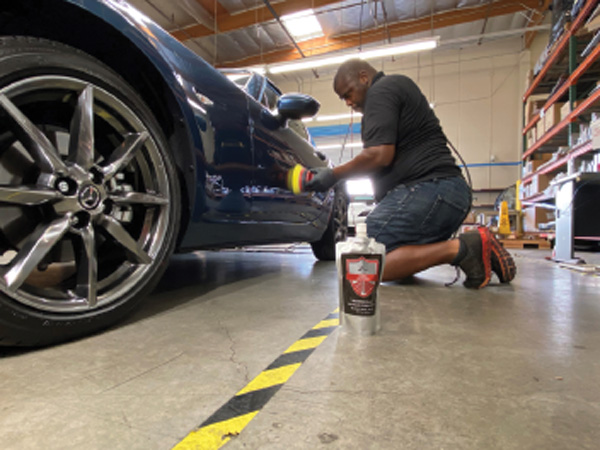
Aero Shield Flight progressive four-in-one is a three-step compound combined with SiO2. When matched with the right pad, this four-in-one can remove moderate scratches and swirl marks while providing a deep, rich finish. The added SiO2 brings paint a deeper gloss and an advanced level of UV, scratch and fade protection lasting up to six months.
800-337-9274
www.aerodetailproducts.com
PN: 6942
Aeromotive Fuel Systems
Phantom Series ’05–’17 GM Truck Direct Drop-In
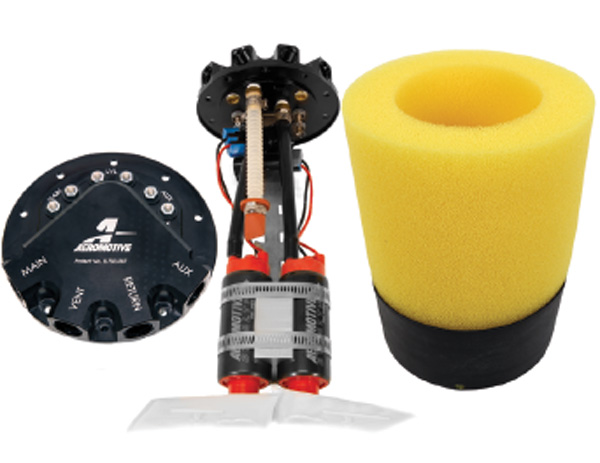
The ’05–’17 models used a larger factory fuel-sending unit than the earlier ’99–’04 models. The larger size allows for more pump configurations than the earlier models. These tanks will accommodate single 340, dual 340, single 450, dual 450 and triple 450 pump configurations. This will support 490–3,900 hp on both gas and E85.
913-647-7300
www.aeromotiveinc.com
PN: 18358
Aldan American
’61–’62 Ford T-Bird Front Coil-Over Kit
’61–’62 Ford T-Bird Front Coil-Over Kit
310-834-7478
www.aldanamerican.com
American Autowire
Highway 15 Plus Universal Wiring System
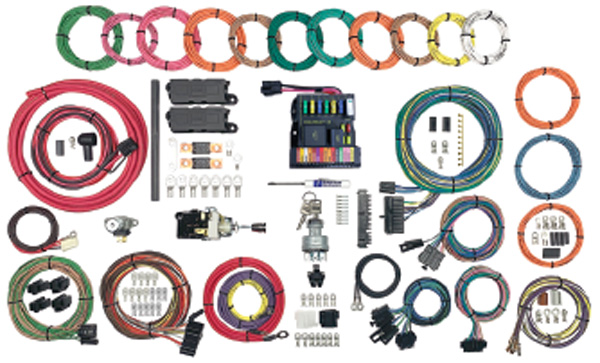
The Highway 15 Plus is the improved version of American Autowire’s popular Highway 15 wiring system. It is a 15-circuit modular wiring system that can handle any power demands users might throw at it. Headlight/dimmer/ignition switches, full-color instructions, a six-gauge alternator feed and an LED flasher are all included.
822-482-9473
www.americanautowire.com
PN: 510825
AutoMeter
Direct-Fit Gauge Kits
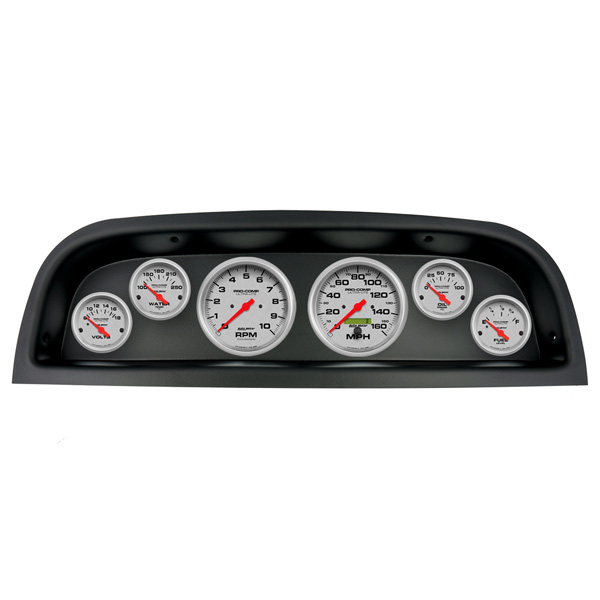
Outfit a classic musclecar or truck with AutoMeter direct-fit gauge kits that provide a custom-performance instrument solution without the custom-fab price. These easy-to-install kits include an iconic set of AutoMeter gauges and all the necessary hardware for mounting and installation.
815-895-8141
www.autometer.com
PN: 550 NEW MODELS AVAILABLE
BluePrint Engines
Builder-Series GM-Style Big-Block 632 Assembled Engine and Transmission Package With Billet Front Accessory Drive
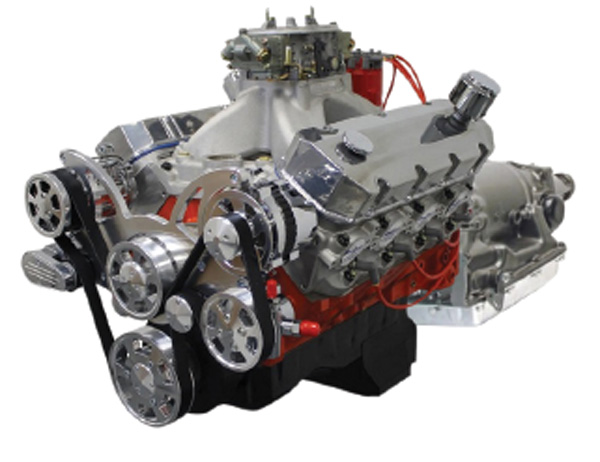
Offering GM, Ford and Chrysler offerings for hot rods or musclecars, BluePrint Engines offers everything from basic engines up through fully assembled engine and transmission packages. Every engine is dyno tested and includes a 30-month, 50,000-mi. warranty.
800-483-4263
www.blueprintengines.com
PN: B632FKB4L8X
Bilstein Shock Absorbers
ASM Series
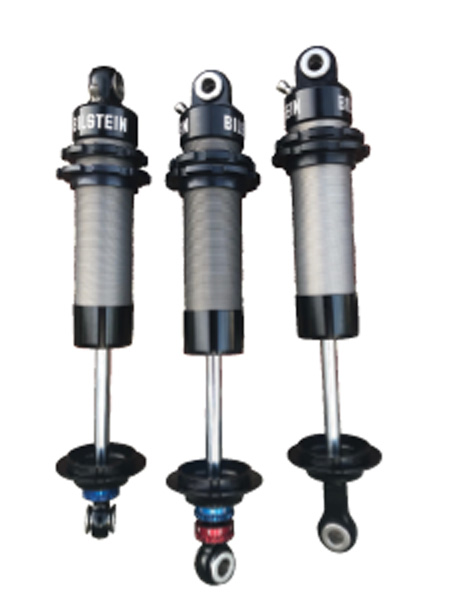
ASM Series Shock Absorbers are designed to provide next-level performance for the restomod and Pro-Touring market. With a variety of damper lengths to fit most popular applications, the shocks combine great street-worthy ride quality with top-level motorsports handling characteristics. Available in non-, single- and double-adjustable configurations.
858-386-5900
www.bilstein.com
PN: 33-315232
“The pandemic we have all dealt with over the last 12 months has definitely brought about its fair share of challenges, but it also brought about some unique opportunities. People working from home suddenly found more time to spend working on their cars rather than commuting in their cars, which in turn brought about orders for new parts. Not being able to attend things like concerts or sporting events or even being able to go out to eat brought about renewed interest in cruising, which in turn spurred customers to spend some money in freshening their old cars.”—Trevor Hobson, Sales Manager, CVF Racing
BluePrint Engines
Builder-Series Ford-Style 427 Assembled Engine and Transmission Package With Billet Front Accessory Drive
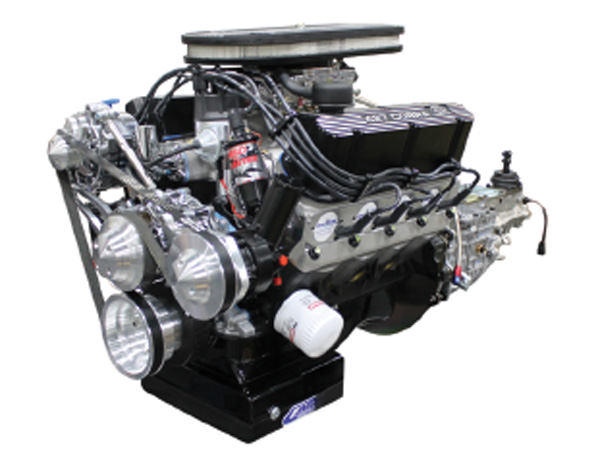
Offering GM, Ford and Chrysler packages for hot rods or musclecars, BluePrint Engines offers everything from basic engines up through fully assembled engine and transmission packages. Every engine is dyno tested and includes a 30-month, 50,000-mi. warranty.
800-483-4263
www.blueprintengines.com
PN: BF427FKTKOC
BluePrint Engines
Builder-Series GM-Style LS 427 Assembled Engine and Transmission Package With Billet Front Accessory Drive
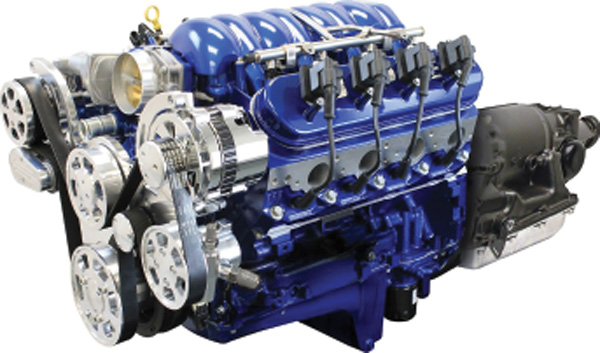
Offering GM, Ford and Chrysler packages for hot rods or musclecars, BluePrint Engines offers everything from basic engines up through fully assembled engine and transmission packages. Every engine is dyno tested and includes a 30-month, 50,000-mi. warranty.
800-483-4263
www.blueprintengines.com
PN: BLS427KBT56
BluePrint Engines
Builder-Series Chrysler-Style Small-Block 408 Assembled Engine and Transmission Package With Billet Front Accessory Drive
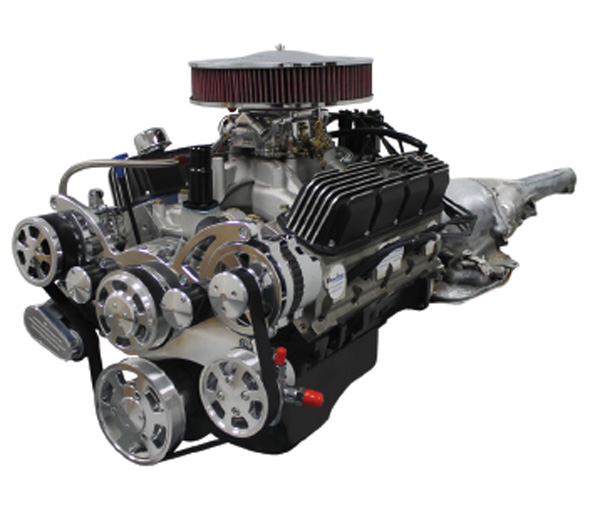
Offering GM, Ford and Chrysler packages for hot rods or musclecars, BluePrint Engines offers everything from basic engines up through fully assembled engine and transmission packages. Every engine is dyno tested and includes a 30-month, 50,000-mi. warranty.
800-483-4263
www.blueprintengines.com
PN: BC408KB727
BluePrint Engines
Builder-Series GM-Style Small-Block 427 Assembled Engine and Transmission Package With Billet Front Accessory Drive
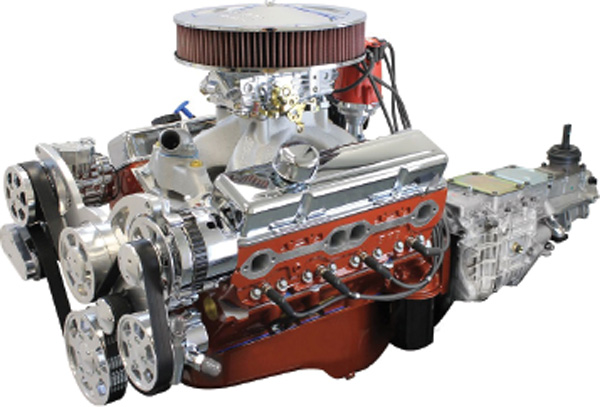
Offering GM, Ford and Chrysler packages for hot rods or musclecars, BluePrint Engines offers everything from basic engines up through fully assembled engine and transmission packages. Every engine is dyno tested and includes a 30-month, 50,000-mi. warranty.
800-483-4263
www.blueprintengines.com
PN: B427KTKO
BOOSTane, Octane Engineering
BOOSTane Professional
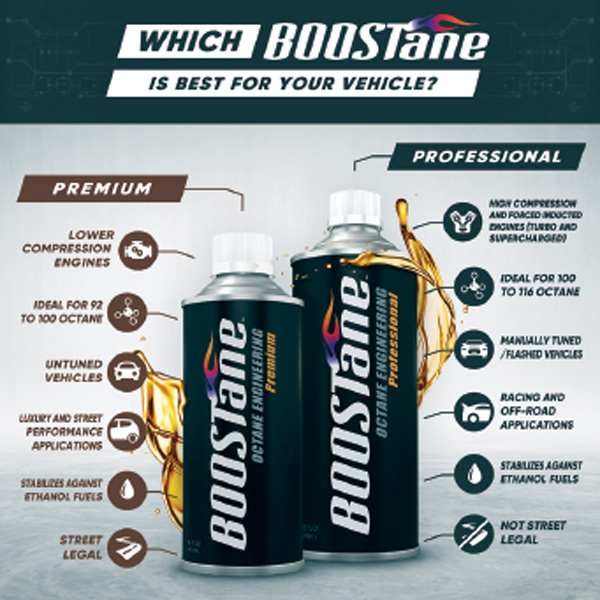
BOOSTane Professional is a world leader in race-fuel alternatives. Said to be the only additive in the industry that has the ability to transform 93-octane pump fuel to as high as a 116-octane race-fuel equivalent. Committed to delivering race-fuel performance without the hassle or cost of buying and transporting race fuel. Unchain from the drum.
855-GETS-110
www.boostane.com
PN: OCT32PRO
BOOSTane, Octane Engineering
BOOSTane Premium
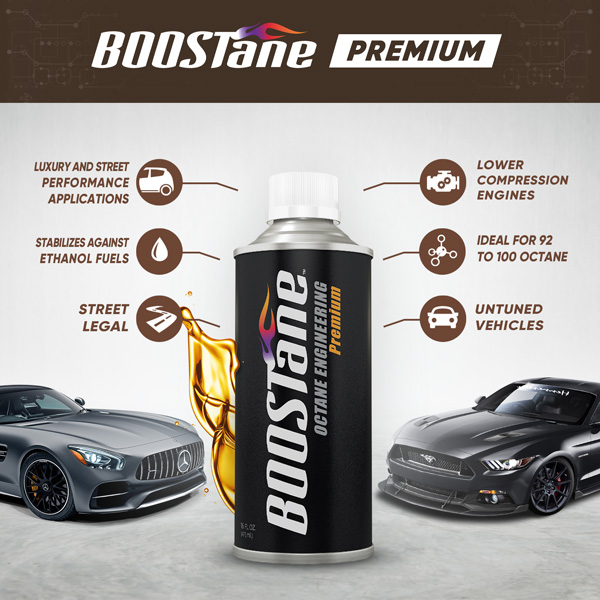
BOOSTane Premium is designed to raise regular pump fuel (93 or 91 octane) to as high as an effective 102-octane race-fuel equivalent (or 100 if starting with 91). Perfect for applications that have poor fuel quality, high temperatures and only 91-octane available, and/or performance vehicles with bolt-on components.
855-GETS-110
www.boostane.com
PN: OCT16PRE
BOOSTANE, Octane Engineering
BOOSTane Shot
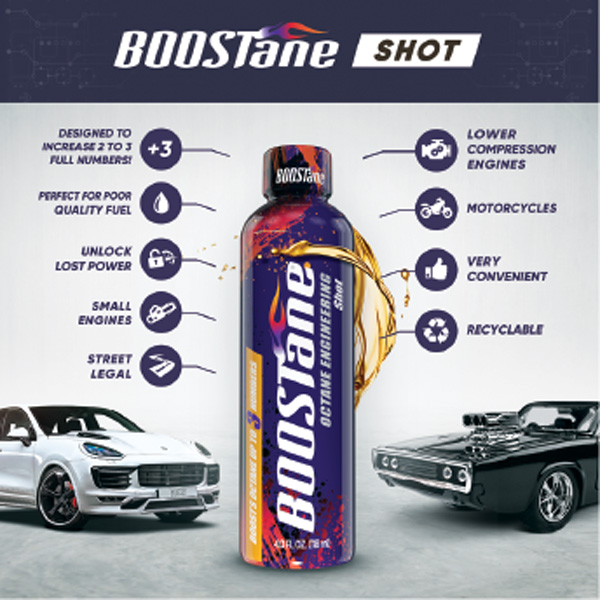
BOOSTane Shot simplifies real octane boosting. The 4-oz. bottled Shot formulation enables a customer to increase octane three full numbers in a 16-gal. tank of gas and two full numbers for 21 gal. Said to be perfect for classic cars or American muscle needing added octane and protection.
855-GETS-110
www.boostane.com
PN: OCT04SHOT10
CFR Performance
Black Pearl/Black Chrome Edition Dress-Up Kit
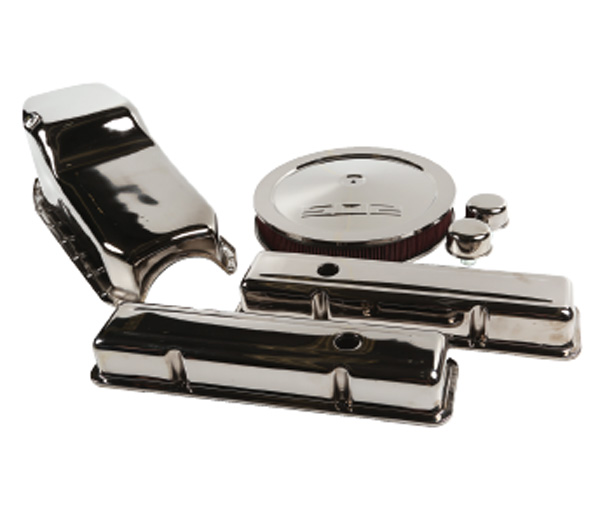
This new steel, black pearl/black chrome edition brings back an old-school favorite, maintaining the richness of chrome and black together.
909-947-7888
www.cfrperformance.com
PN: HZ-4399-BC-KIT
CFR Performance
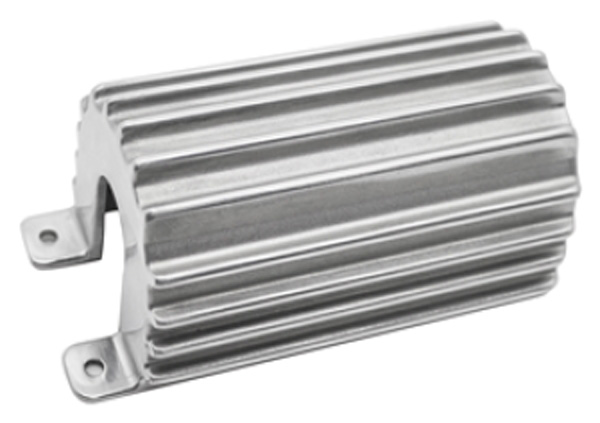
Round-Style Finned Ignition Coil Cover
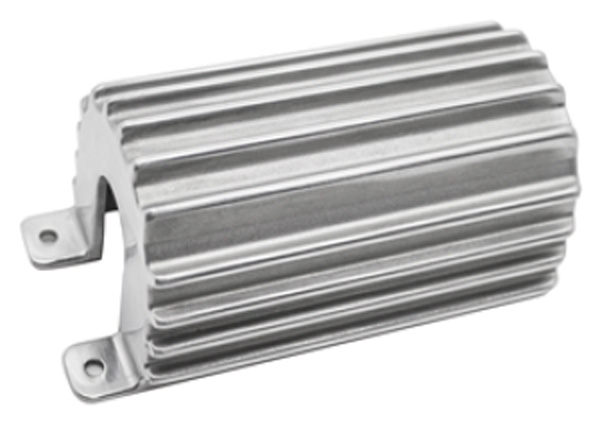
This round, aluminum, finned-canister ignition coil cover matches the right finned valve covers and air cleaner. This item comes in polished and black, copper and chrome. (Ignition coil not included.)
909-947-7888
www.cfrperformance.com
PN: HZ-2045
CFR Performance
Limited-Edition Copper-Series Dress-Up Kit
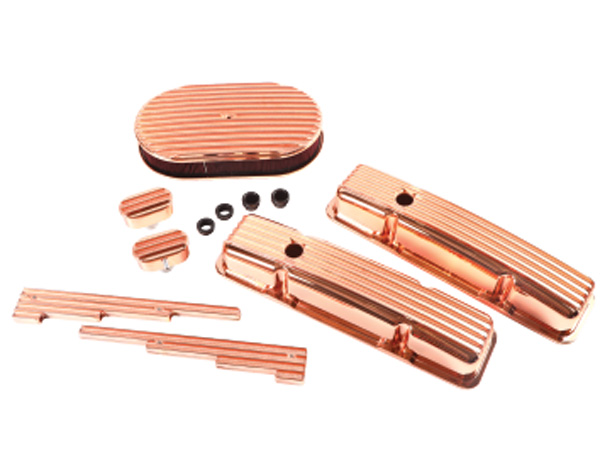
This new limited-edition aluminum copper series gives a brilliant and unique copper shine with a clearcoat sealant that protects against all elements, maintaining shine for years to come.
909-947-7888
www.cfrperformance.com
PN: HZ-4499-COP-KIT
CFR Performance
Square-Style Aluminum Finned Ignition Coil Cover
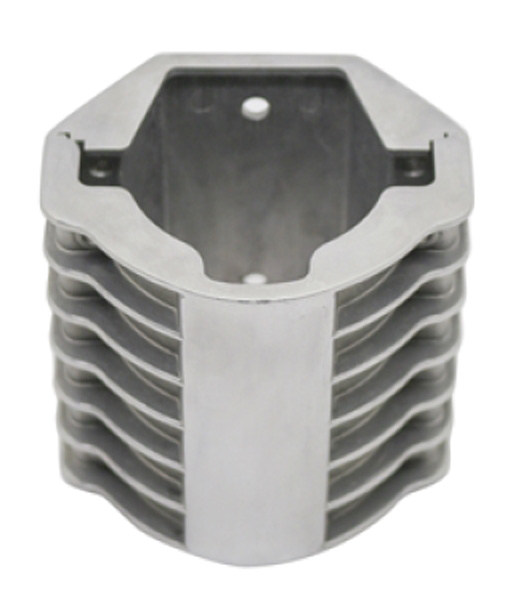
This aluminum finned ignition coil cover is for the TFI square style. It will give a dressed-up engine compartment the final touch. Comes in polished and black, copper and chrome, and it also includes hardware. (Ignition coil not included.)
909-947-7888
www.cfrperformance.com
PN: HZ-2040
CFR Performance
17-in. Finned Coolant Tank
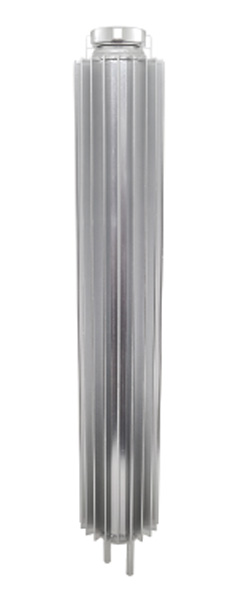
The aluminum universal 17-in. finned radiator overflow tank will fit right in with the rest of a vehicle’s finned dress-up parts. Comes in silver or black; hardware included.
909-947-7888
www.cfrperformance.com
PN: HZ-0517
Classic Instruments
’66–’67 Chevy Nova Direct-Fit Gauge Set
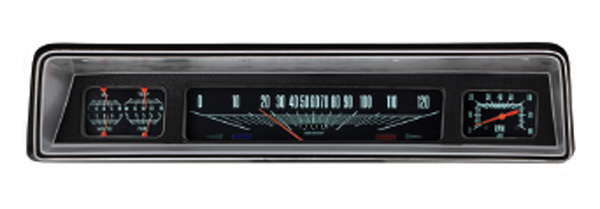
Classic Instruments says that its ’66–’67 Nova direct-fit cluster is the perfect upgrade for a Nova. Features six gauges placed cleanly into the confines of the factory bezel without ruining the stock look. The cluster is all electric, so drivetrain swaps are not a problem. Comes completely assembled and includes all the sending units needed for installation.
800-575-0461
www.classicinstruments.com
PN: NO66XX
CFR Performance
LS Steel Fabricated Oil Pan With Oil Filter Adapter
Built with a thicker steel rail and a 6-in.-deep durable fabricated steel sump, it features a billet-aluminum adapter that allows an OEM oil filter to be mounted in the stock location. It also features a 1/4-in. oil port that can be used for turbo applications. Hardware and gasket are included.
909-947-7888
www.cfrperformance.com
PN: HZ-9736-KIT
Classic Instruments
’47–’53 Chevy GMC Direct-Fit Gauge Set
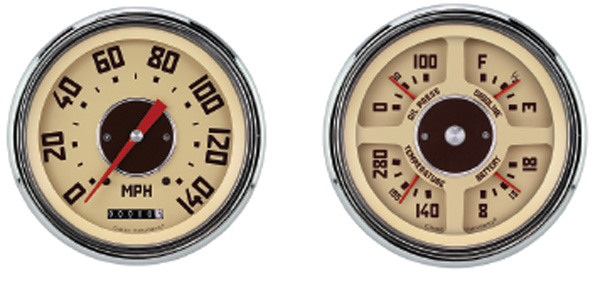
Classic Instruments’ new ’47–’53 GM truck gauges bring a retro look back into the trucks while maintaining gauges that function with today’s technology. Each set includes a quad gauge, fuel, oil, temp and volt gauges all in one, and either a standard speedometer or a Speetachular.
800-575-0461
www.classicinstruments.com
PN: CT47XX
CFR Performance
Aluminum Sparkplug Wire Boot Heat-Shield Protector
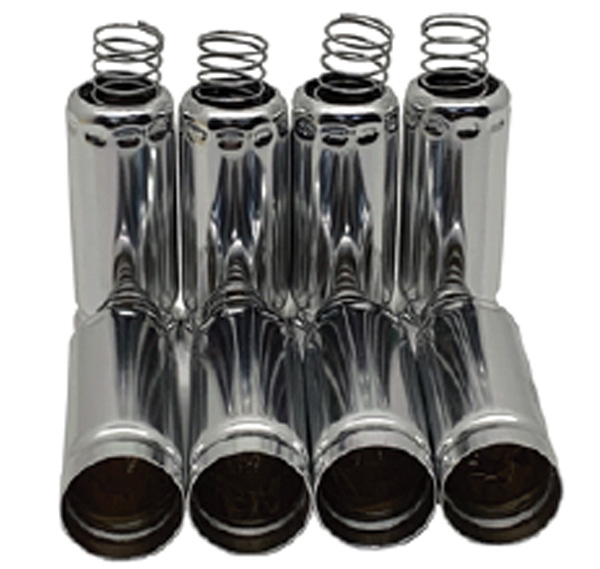
These LS/LT engine sparkplug wire boot protectors will keep sparkplugs from touching the exhaust manifold. They offer maximum protection from conductive and radiant heat and vibration resistance and are compatible with a wide range of makes and models. Available in silver, black, blue and red.
909-947-7888
www.cfrperformance.com
PN: CFR-3700
“One of the benefits we have seen as a parts manufacturer is that people seem more inclined to get out in the garage and work on their rides as some of the shows people would normally be attending were cancelled or postponed. On a more specific note, we’ve seen a huge uptick in our truck parts sales. It’s no secret that the truck market has really surged over the last few years. As time moves on and we put this whole dark period behind us, I look for the sport to have a huge uptick in activity, because I think we all have a newfound appreciation for it. Sometimes it takes having what feels like something being taken away from us for us to fully appreciate it.”
—David Hays, Owner, Hot Rod Innovations
52039_1.jpg
CVF Racing
SBC Wraptor Serpentine System Roots-Style Supercharger
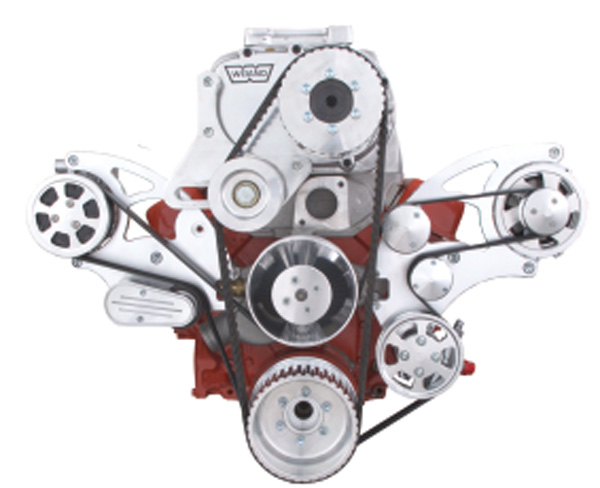
Designed and engineered around today’s popular roots-style supercharger drives, taking all the guesswork and fabrication away. Configured in alternator only, alternator plus power steering, alternator plus air conditioning, and alternator plus power steering plus air conditioning. Available in polished, C3 ceramic clear, stealth black anodized or black diamond finishes.
651-356-8593
www.cvfracing.com
PN: 350SC-WRAPTOR-AC
52086_1.jpg
CVF Racing
Big-Block Chevy High-Mount Beast Serpentine System
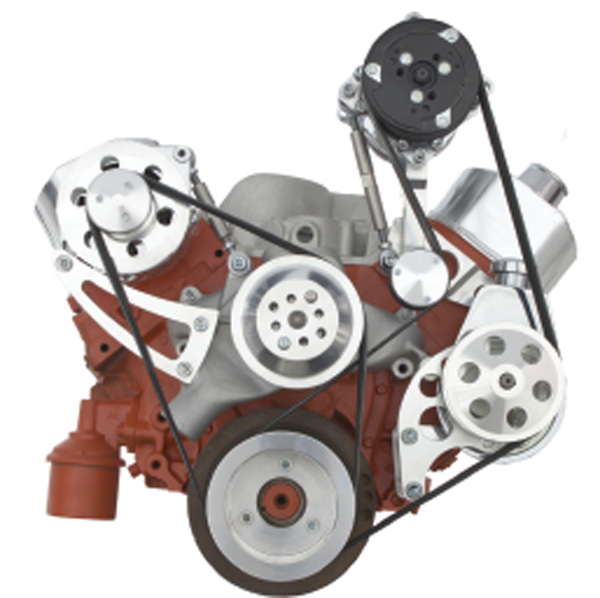
Available in alternator only, alternator plus power steering, and alternator plus power steering plus air conditioning configurations for long water pumps. Unique eight-rib design increases grip, reduces stretch and prevents belt slip when compared to traditional six-rib designs. High-mount alternator bracket for tighter spaces. Available in polished or black.
651-356-8593
www.cvfracing.com
PN: 454-SERPENTINE-AC-L
CVF Racing
LS Driver’s-Side Low-Mount Billet Alternator Bracket
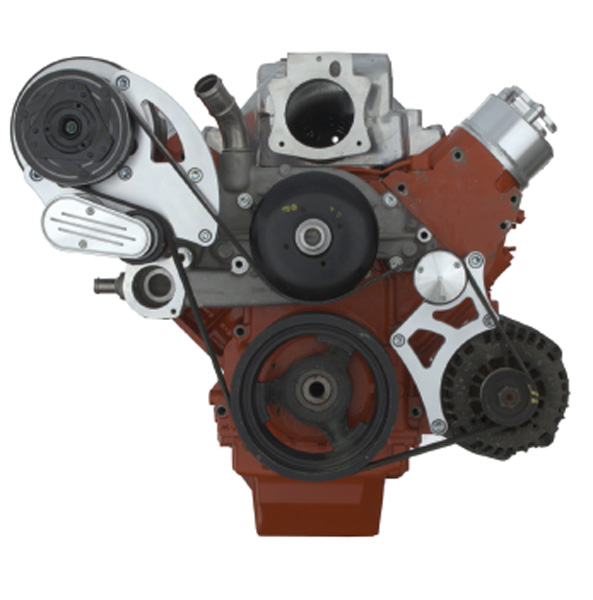
This alternator bracket relocates a factory-style alternator to the lower driver side in the normal power steering location. Great for roadster-type builds that don’t use power steering or in performance applications where power steering is deleted to make room for performance adders such as superchargers or turbos.
651-356-8593
www.cvfracing.com
PN: LSX-ALTBRKT-LD
CVF Racing
LS Wraptor Serpentine System Standard (Clockwise) Rotation
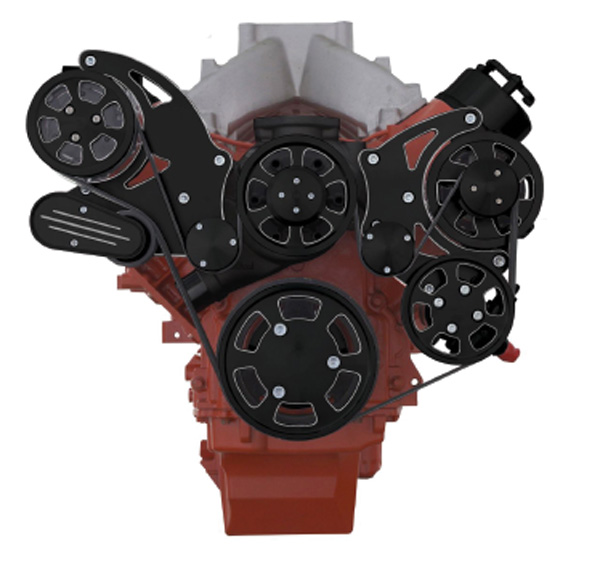
Recommended for use with Edelbrock 8895. Configured in alternator only, alternator plus power steering, alternator plus air conditioning, and alternator plus power steering plus air conditioning. Available with polished, C3 ceramic clear, stealth black anodized or black diamond finished pulleys.
651-356-8593
www.cvfracing.com
PN: LSXH-WRAPTOR-AC-SR
CVF Racing
’67–’72 Chevy/GMC C10 Six-Axis Billet Hood Hinges
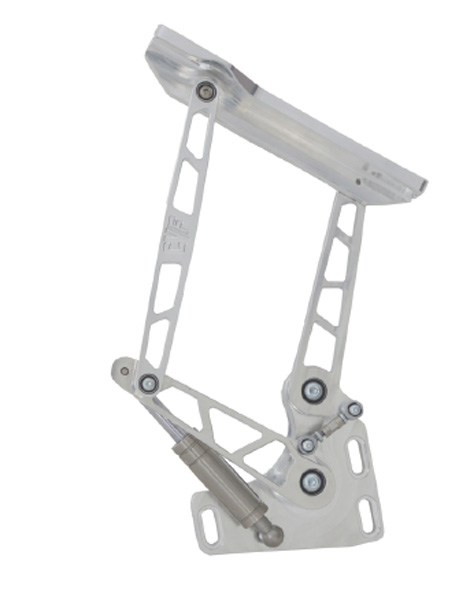
These new billet hood hinges from CVF are packed with features such as a patent-pending six-axis adjustment, which affords the installer the ability to adjust hood gaps without having to remove the hood—a feature found only at CVF. Available in polished, C3 ceramic, black anodized and black diamond finishes.
651-356-8593
www.cvfracing.com
PN: HOOD-HINGE-KIT-72CK-SS
CVF Racing
’73–’79 Chevy C10 Six-Axis Billet Hood Hinges
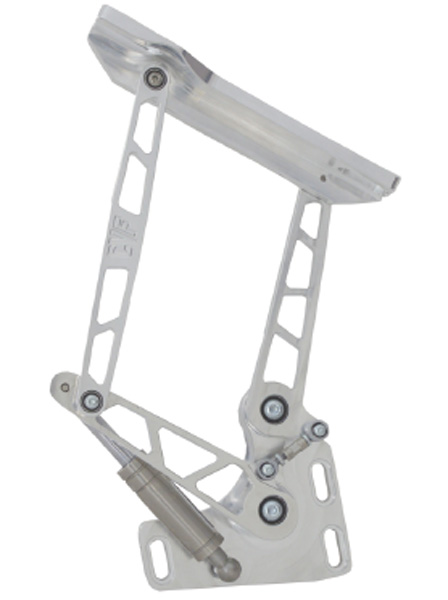
Designed for ’73–’79 Chevy/GMC C10 pickups. Packed with features such as a patent-pending six-axis adjustment, which affords the installer the ability to adjust hood gaps without having to remove the hood—
a feature found only at CVF. Available in polished, C3 ceramic, black anodized and black diamond finishes.
651-356-8593
www.cvfracing.com
PN: HOOD-HINGE-KIT-80C10-SS
CVF Racing
’70–’81 Camaro/Firebird Six-Axis Billet Hood Hinges
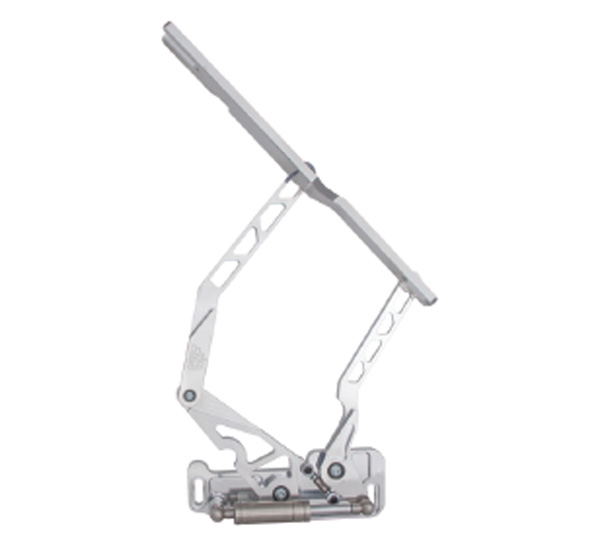
Designed for ’70–’81 Camaro/Firebird, these new billet hood hinges from CVF are packed with features such as a patent-pending six-axis adjustment, which affords the installer the ability to adjust hood gaps without having to remove the hood—a feature found only at CVF. Available in polished, C3 ceramic, black anodized and black diamond finishes.
651-356-8593
www.cvfracing.com
PN: HOOD-HINGE-KIT-81C-SS
CVF Racing
’68–’72 Chevelle/El Caminos Six-Axis Billet Hood Hinges
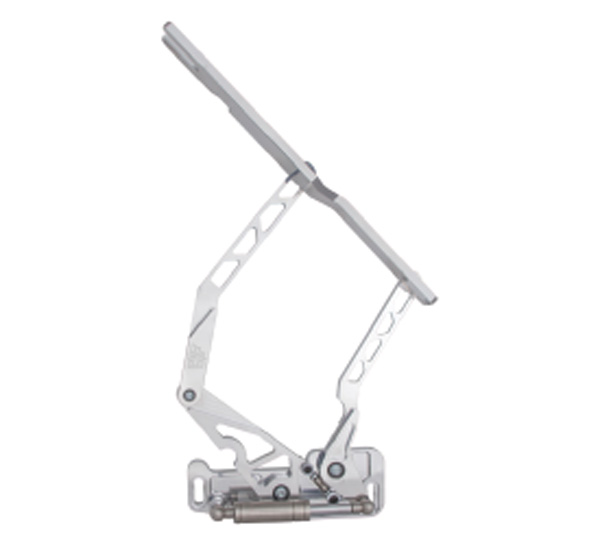
Designed for ’68–’72 Chevelles/El Caminos. Packed with features such as a patent-pending six-axis adjustment, which affords the installer the ability to adjust hood gaps without having to remove the hood—a feature found only at CVF. Available in polished, C3 ceramic, black anodized and black diamond finishes.
651-356-8593
www.cvfracing.com
PN: HOOD-HINGE-KIT-67CE-SS
“COVID-19 has affected all companies in some ways, but it really depends on where in the country you live and where you do most of your business. We all learned how to operate with employees working from home and how to have meetings online. What is so amazing about our industry is that we all come together and help each other. At the end of the day, we are not making things that people must have—we are in the ‘want’ business, and we all need to remember that. The health of our employees, dealers, customers and their families must come first.”—John McLeod, Owner, Classic Instruments
CVF Racing
Universal Power Steering Line Kits
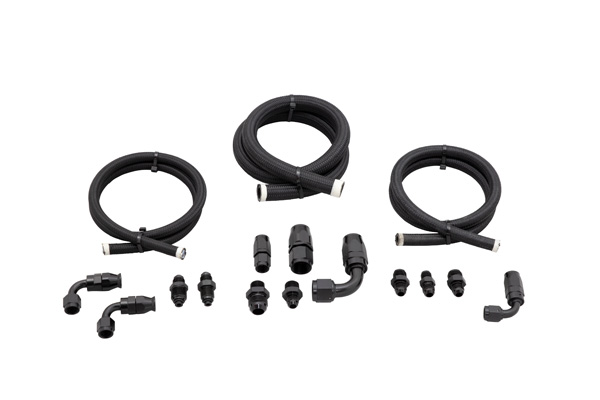
Available in two different configurations (integrated and remote reservoir) and two different finishes (stainless and black). Kits include trim-to-fit hoses and actual fittings versus drop-in bushings. Works with GM Type II and Saginaw P-series pumps for most popular-model steering gears for classic cars.
651-356-8593
www.cvfracing.com
PN: PS-LINE-KIT
CVF Racing
LS Billet Brackets for Factory-Style Accessories
Replace worn-out-looking LS accessory brackets with these precision CNC-machined brackets made in the USA. Re-use existing R4 compressor or update to a peanut-style compressor. Use the existing alternator and power steering pump with new billet brackets or delete power steering and put an alternator in its place.
651-356-8593
www.cvfracing.com
PN: LSX-PSBRKT-R4
CVF Racing
LS Wraptor Serpentine System Mid-Mount Roots-Style Supercharger
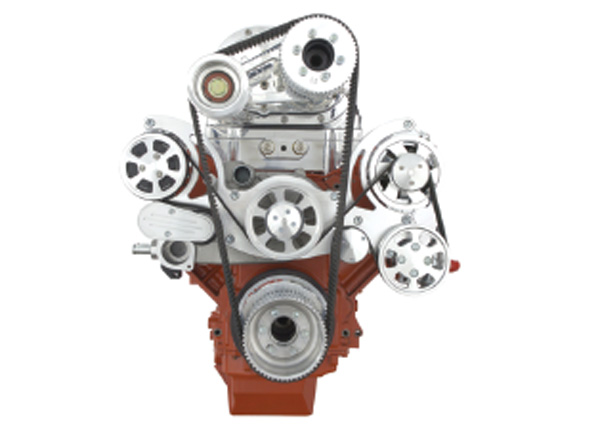
Narrow configuration geared more toward older roadster-style builds. Available in alternator only, alternator plus power steering, alternator plus air conditioning, and alternator plus power steering plus air conditioning. Choose polished, C3 ceramic, black anodized or black diamond finishes.
651-356-8593
www.cvfracing.com
PN: LSXMBS-WRAPTOR-AC
CVF Racing
LS Wraptor Serpentine System Wide-Mount Roots-Style Supercharger
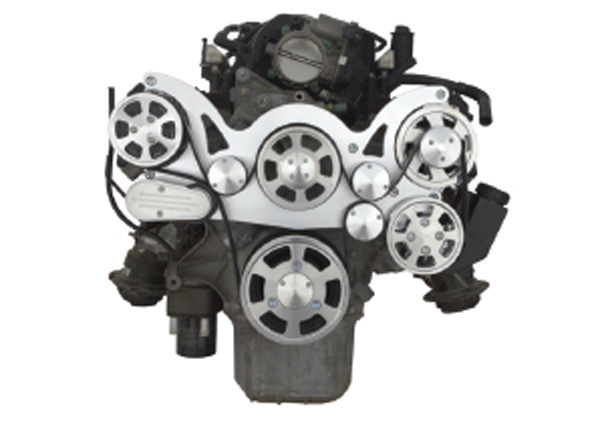
Configured in alternator only, alternator plus power steering, alternator plus air conditioning, and alternator plus power steering plus air conditioning. Available in polished, C3 ceramic clear, stealth black anodized or black diamond finishes.
651-356-8593
www.cvfracing.com
PN: LSXWBS-WRAPTOR-AC
“The Specially Produced Motor Vehicle program has the potential to drive growth for new replica automobiles. We feel that the primary challenges are safety and emissions—specifically, how small companies developing niche products for small markets can address the high cost of compliance and remain viable. But we are bullish on the outlook for FY21, assuming the supply chain is able to fully recover early in the year. If so, it will be another record year for us.”—Tom Scarpello, Founder and CEO, Revology Cars
CVF Racing
LS Wraptor Serpentine System Standard (Clockwise) Rotation
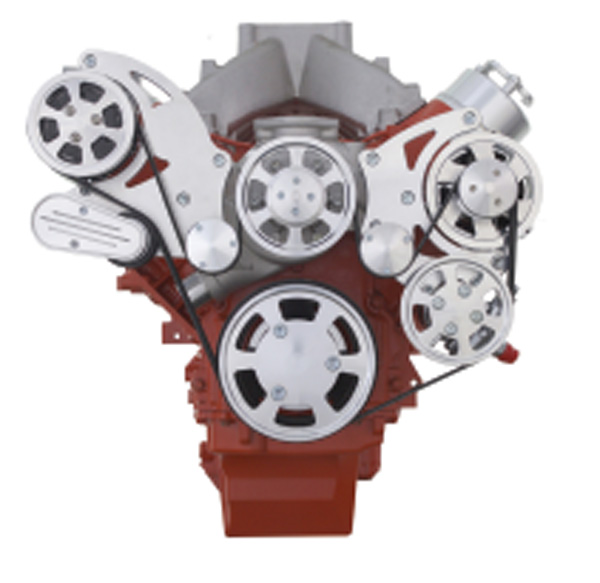
Recommended for use with Edelbrock 8895. Configured in alternator only, alternator plus power steering, alternator plus air conditioning, and alternator plus power steering plus air conditioning. Available with polished, C3 ceramic clear, stealth black anodized or black diamond finished pulleys.
651-356-8593
www.cvfracing.com
PN: LSXH-WRAPTOR-AC-SR
CVF Racing
Gen III Hemi Wraptor Serpentine System
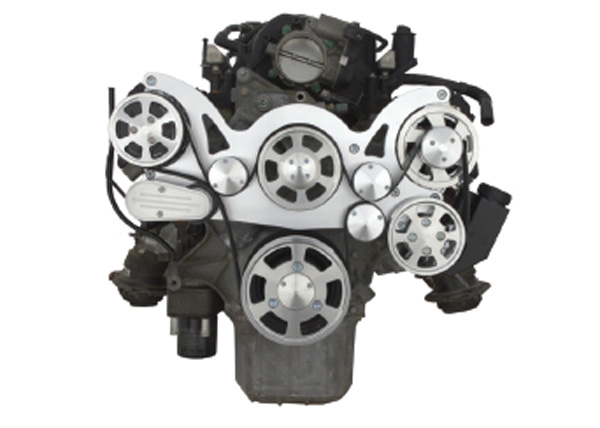
Designed for Gen III Hemi 5.7, 6.1 and 6.4 MOPAR Hemis either with or without VVT. Available in alternator only, alternator plus power steering, alternator plus air conditioning, and alternator plus power steering plus air conditioning. Choose from polished, C3 ceramic, black anodized or black diamond finishes.
651-356-8593
www.cvfracing.com
PN: 434-WRAPTOR-AC
52077_1.jpeg
CVF Racing
Carbon Fiber Wraptor Serpentine Systems
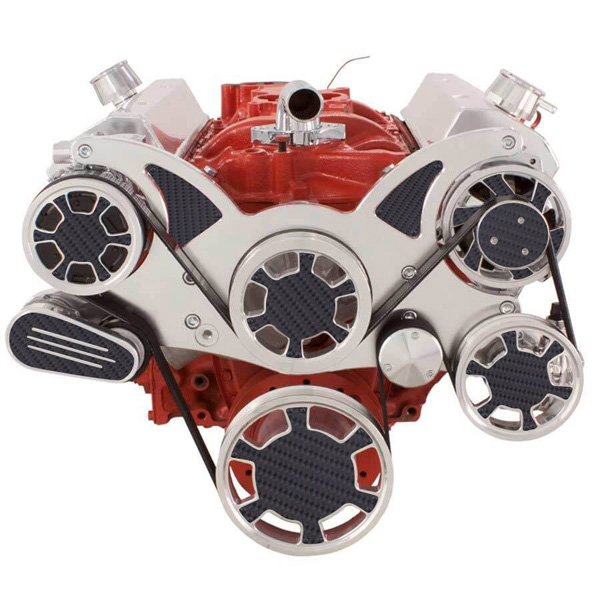
Select CVF Wraptor serpentine systems are now available with carbon-fiber inlayed accents. Available in alternator only, alternator plus power steering, alternator plus air conditioning, and alternator plus power steering plus air conditioning configurations. Carbon-fiber systems for SBC, BBC, LS, LT, SBF, 351C and BB MOPAR.
651-356-8593
www.cvfracing.com
PN: CF-350-WRAPTOR-AC
CVF Racing
Patriot Wraptor Serpentine Systems
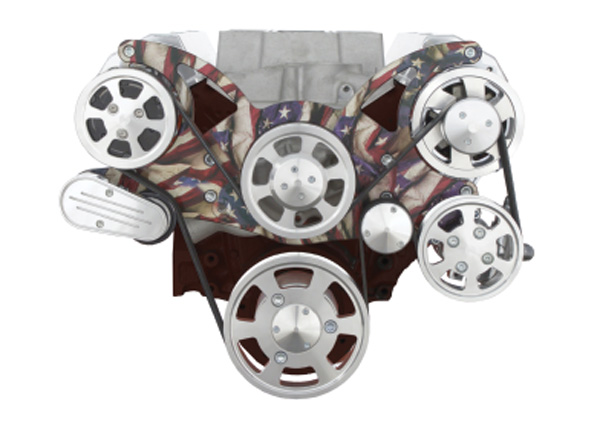
This system features a hydro-dipped and cleared patriotic-themed main bracket. Configured in alternator only, alternator plus power steering, alternator plus air conditioning, and alternator plus power steering plus air conditioning. Available with polished, C3 ceramic clear, stealth black anodized or black diamond finished pulleys.
651-356-8593
www.cvfracing.com
PN: PAT-350-WRAPTOR-AC
CVF Racing
Small-Block Chevy High-Mount Beast Serpentine System
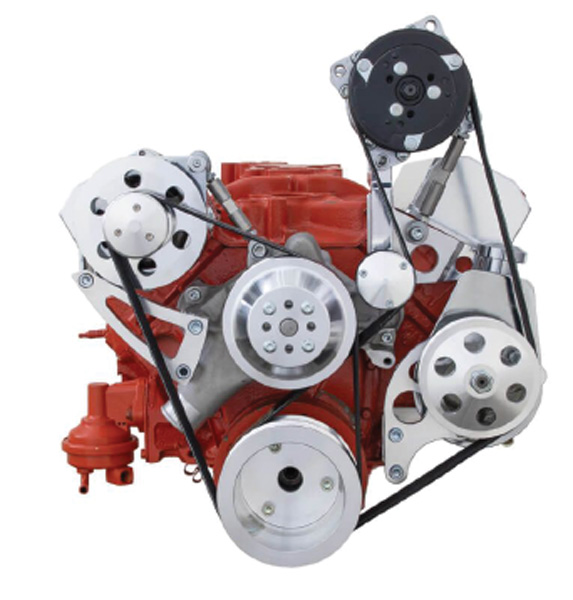
Available in alternator only, alternator plus power steering and alternator plus power steering plus air conditioning configurations for long water pumps. Unique eight-rib design increases grip, reduces stretch and prevents belt slip when compared to traditional six-rib designs. High-mount alternator bracket for tighter spaces. Available in polished or black.
651-356-8593
www.cvfracing.com
PN: 350-SERPENTINE-AC-L
CVF Racing
LT4 Wraptor Mid-Mount Serpentine System
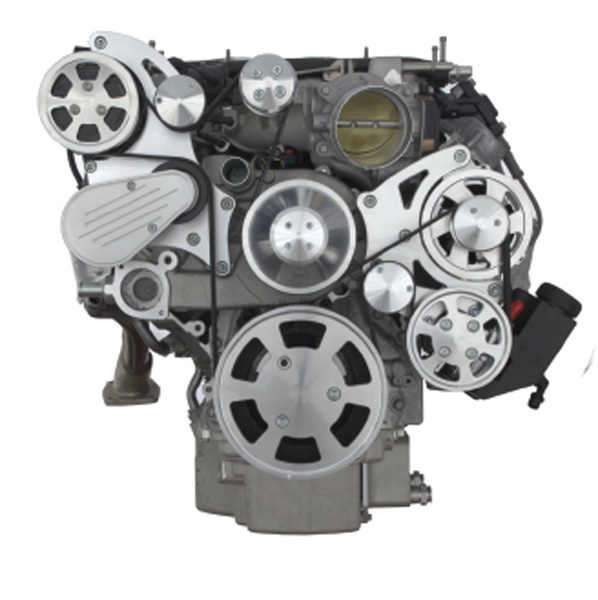
Converts included LS water pump to LT blocks to incorporate CVF LS-based Wraptor serpentine system. Comes in alternator only, alternator plus power steering, alternator plus air conditioning, and alternator plus power steering plus air conditioning configurations. Available in polished, C3 ceramic clear, stealth black anodized and black diamond finishes.
651-356-8593
www.cvfracing.com
PN: LT4M-WRAPTOR-AC
CVF Racing
Small-Block Ford High-Mount Beast Serpentine System
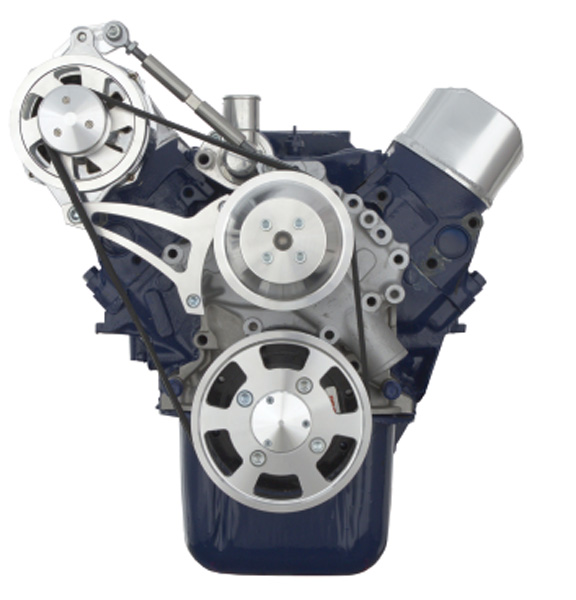
Available in alternator only and alternator plus power steering configurations. Unique eight-rib design increases grip, reduces stretching and prevents belt slippage when compared to traditional six-rib designs. Solves many clearance issues commonly found in Cobra replicas, MG Midgets and Jeep Wranglers. Polished finish only.
651-356-8593
www.cvfracing.com
PN: 302-SERPENTINE-PSH
DashLogic
SensorTap IAT/Baro Relocation Module
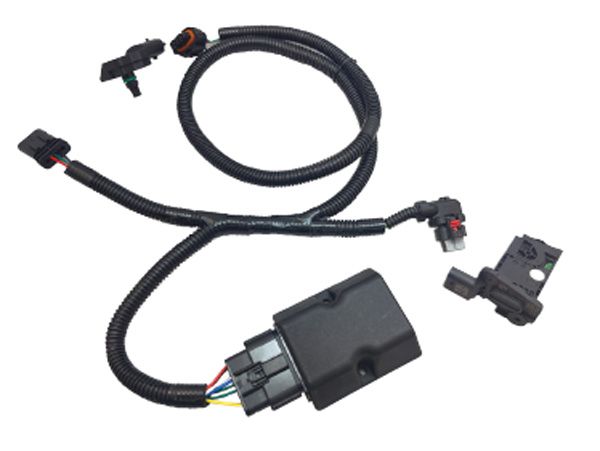
The SensorTap relocation module allows relocation of the IAT and/or Baro sensors on GM vehicles with a four-wire MAF. Users can move their IAT further down the air tract for better accuracy when using water/meth injection or put it within the manifold for supercharged applications. Blow-through boosted setups can break out the Baro sensor as well.
801-709-6300
www.dashlogic.com
PN: STB75CL
Design Engineering Inc.
Leather-Look Interior/Headliner Material
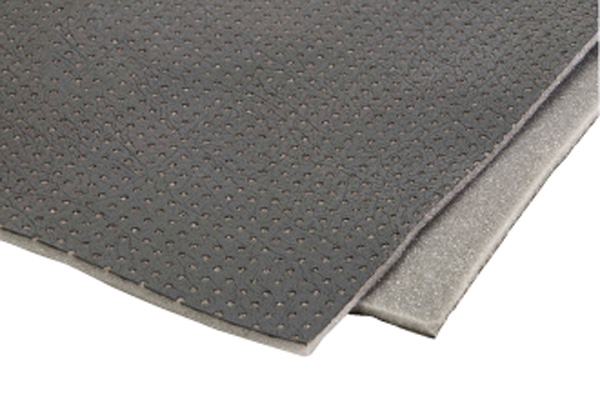
Universal headliner/interior material is said to be perfect for headliners, door panels or package trays. Made with black perforated leather-look vinyl laminated to an open-cell 1/8-in. foam backing. Comes in a 54x79-in. sheet. Great for any custom interior project.
440-930-7940
www.designengineering.com
PN: 50029
Dyme PSI
Rattlesnake Hose Design Toolkit
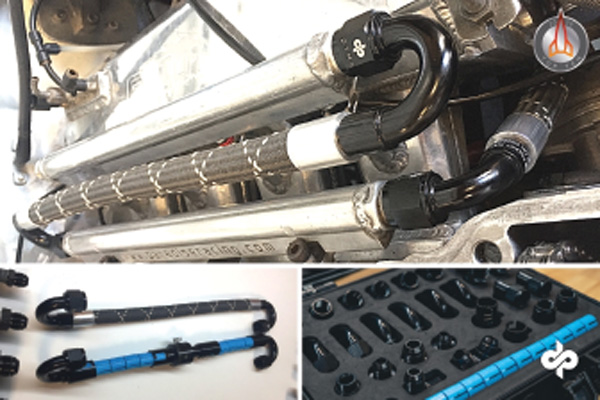
The Rattlesnake toolkit is an easy-to-use system to help users design, order and receive a crimped, fully tested, high-performance hose assembly. No catalogs, no mistakes, no leftovers and no stress. Dyme PSI provides a complete range of replicas of its hoses and fittings so that users can prototype exactly what they need and Dyme PSI then sends the real part. Easy.
909-267-8742
www.dymepsi.com
PN: RSTK10
FiTech Fuel Injection
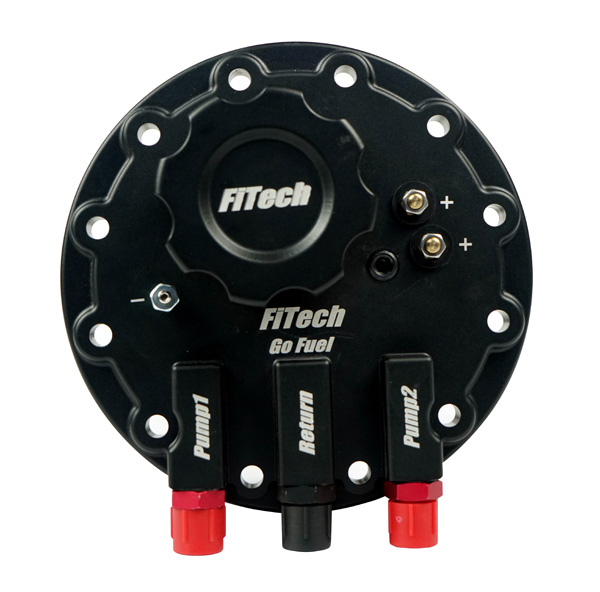
Go Fuel Double Pump 1,600hp Fuel Cell Module
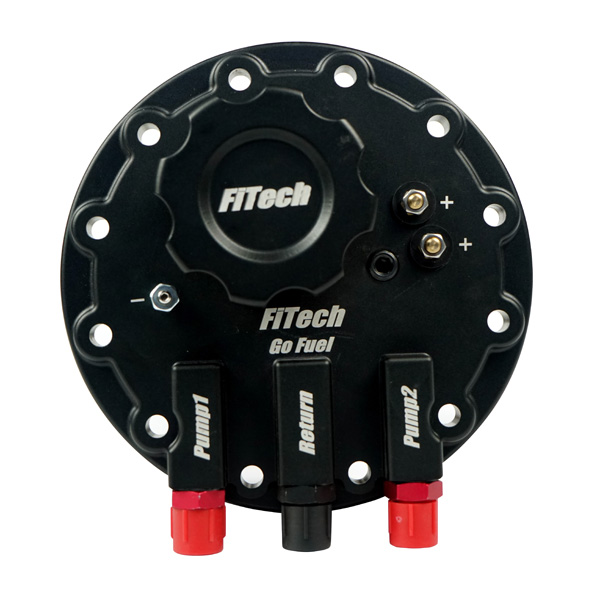
The Go Fuel Double Pump is a high-horsepower pump module that retrofits into 12-bolt-flange fuel cells. They feature dual 340-lph, high-pressure, E85-compatible fuel pumps to support engines with up to 1,600 hp when running gasoline. The module offers -8 AN fittings for feed and return as well as independent power terminals.
951-340-2624
www.fitechefi.com
PN: 50020
Ercolina-CML USA Inc.
HB60 Hot Shot
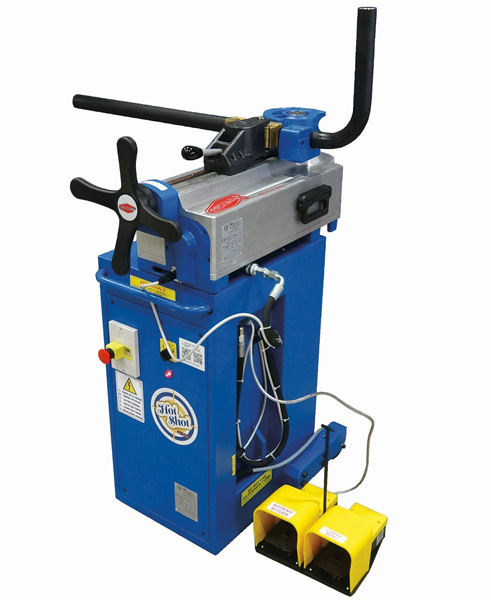
Ercolina’s HB60 Hot Shot bender is said to be ideal for producing tight-radius, consistent-quality bends in pipe, tube, squares, solids and other profiles. Mild-steel tube capacity: 21/2 in. Hybrid hydraulic gear-driven rotary draw bend action bends to CLR as small as 2-D. Bend to 180 degrees in seconds with patented ergonomic function—no
ratcheting or repositioning.
563-391-7700
www.ercolina-usa.com
PN: HB60
FiTech Fuel Injection
Go Shift AODe/4R70W
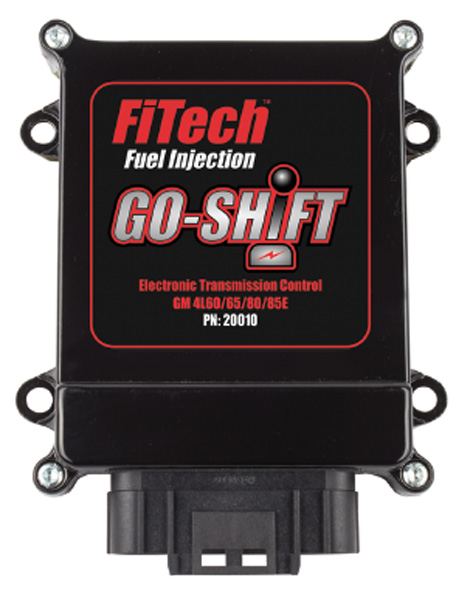
FiTech’s offers a new Go-Shift electronic transmission control for Ford AODe and 4R70w transmissions. If users plan to upgrade a transmission to an electronic overdrive version, they will need a controller to unleash the adjustability of shift points, shift firmness and torque converter lockup. It also comes preprogrammed straight out of the box.
951-340-2624
www.fitechefi.com
PN: 20011
FiTech Fuel Injection
Nemesis EFI 4500
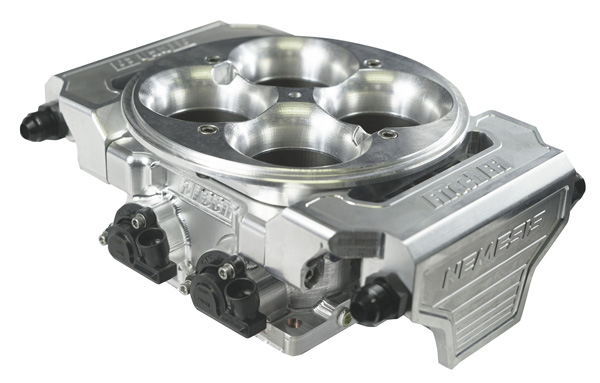
Introducing the Nemesis by FiTech, the next level in throttle-body fuel injection systems with a 4500 flange and interchangeable and tunable annular discharge rings. Get the best in air flow and drivability with the Nemesis. Featuring dual TPS, dual IAC motors, -8AN fuel inlets and more for ultimate control on engines up to 1,600 hp.
951-340-2624
www.fitechefi.com
PN: 30070
FiTech Fuel Injection
Ultimate LS 1,000 hp
The next level up in the Ultimate LS line is 1,000 hp. Now including 80-lb. injectors to unleash more horsepower support to an LS. All 1,000hp kits include dual oxygen sensors and a fuel-pressure regulator standard. Available for LS1, LS3 and LS7 and similar engines, with or without transmission control for 4L60e and 4L80e.
951-340-2624
www.fitechefi.com
PN: 70030
FiTech Fuel Injection
Retro LS Port Injection
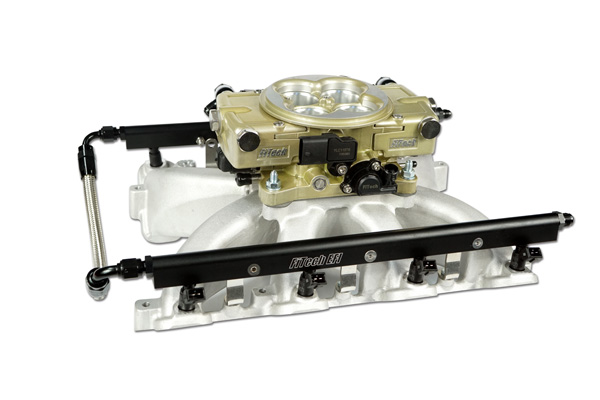
The retro LS port-injection system bridges the gap between port injection and carburetor looks on an LS engine. Providing a realistic carburetor-style throttle body with the benefits of sequential fuel injection, the kit includes an intake, fuel rails, injectors, a throttle body, an ECU, a harness, sensors and more. Throttle bodies are available in both black and gold.
951-340-2624
www.fitechefi.com
PN: 37002
FiTech Fuel Injection
Force Fuel Mini
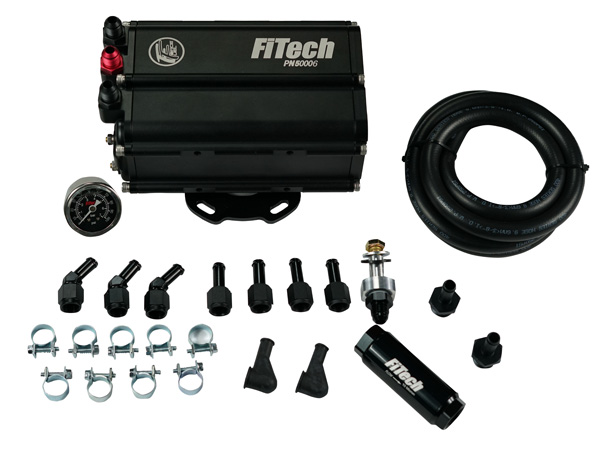
The all-new FiTech Force Fuel Mini system makes the upgrade to fuel injection easier than ever. The Force Fuel Mini is more compact for more versatile mounting on framerails and tight spaces. It simply connects to a stock mechanical or electric fuel pump and then supplies the EFI system with high pressure through the use of an internal 340-lph pump.
951-340-2624
www.fitechefi.com
PN: 50006
fitech.png
FiTech Fuel Injection
GM LT1 Standalone EFI System
Bring an old GM TPI-controlled engine (L98, LB9) to modern times. FiTech offers a new GM TPI standalone EFI system. This kit plugs into all existing sensors on a GM TPI engine and provides complete control of the engine. From timing control to self-learning fueling, this kit brings new lift into your GM TPI engine.
951-340-2624
www.fitechefi.com
PN: 38350
fitech.png
FiTech Fuel Injection
Go Fuel Regulated With Fill Cap
The Go Fuel regulated pump module will retrofit into a 12-bolt-flange fuel cell. It features a 340-lph, high-pressure, E85-compatible fuel pump and is pre-regulated to 58 psi to support engines with up to 800 hp when running gasoline. The module offers -6 AN fittings for feed and return.
951-340-2624
www.fitechefi.com
PN: 50019
Ford Motor Co.
7.3 Crate Engine
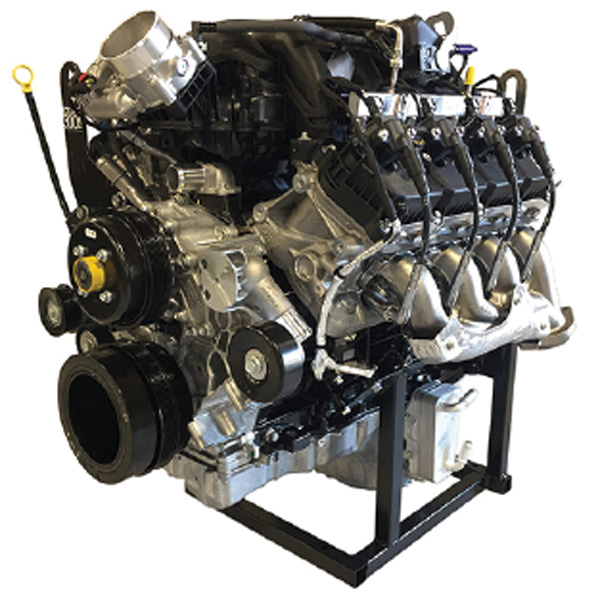
Features: 7.3L displacement; 107.2mm bore and 101.0mm stroke. Cast-iron block; aluminum cylinder heads; 55.13mm intake valve diameter; 42.53mm exhaust valve diameter; 13.67mm/15.26mm lift (intake/exhaust); cam-in-block OHV design with variable cam timing; 430 hp at 5,500 rpm. More features and information on the
website.
313-269-8853
www.performanceparts.ford.com
PN: M-6007-73
FRI Exhibits/Flaming River Industries
The Contender
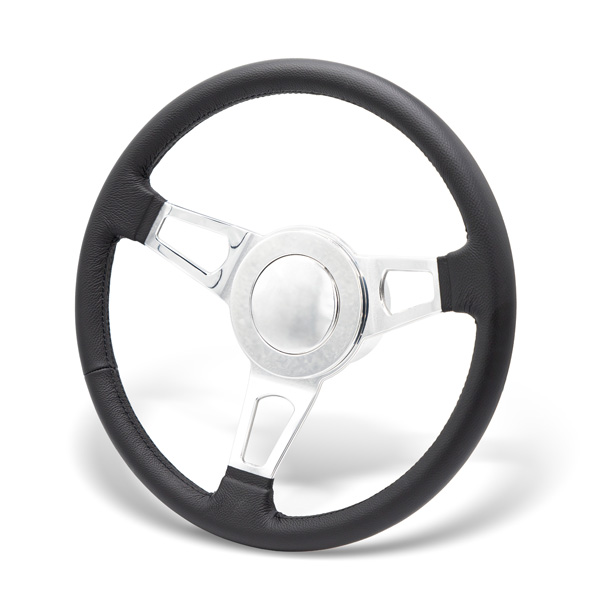
The Contender features hand-stitched Italian leather and polished billet-aluminum spokes. This steering wheel comes complete with a nine-bolt adapter and a billet horn button. This 14.5-in.-diameter dished wheel design fits seamlessly to a Flaming River tilt column for an elegant addition to any musclecar or custom interior.
800-648-8022
www.flamingriver.com
PN: FR20174KT
FRI Exhibits/Flaming River Industries
Microsteer Electric Power Steering With Speed Sensor
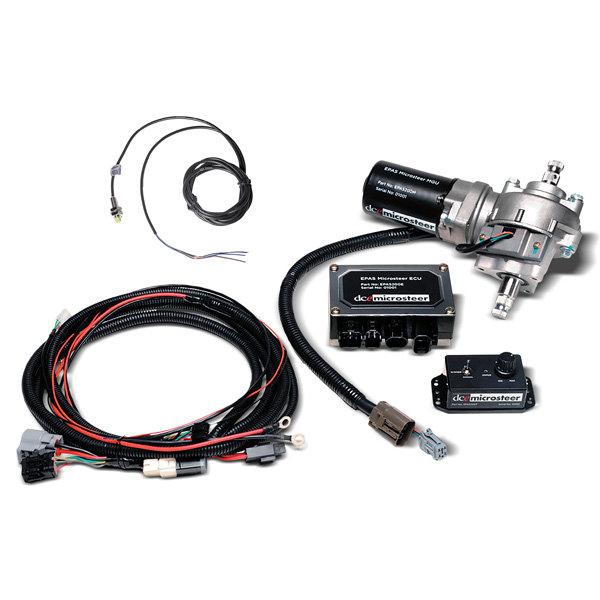
Kit includes wire harness, waterproof ECU and potentiometer in the event the user prefers manual control. The Microsteer provides electric power assist to a manual system for driving comfort. Ideal for
custom and classic vehicles.
800-648-8022
www.flamingriver.com
PN: FR40200KT
FRI Exhibits/Flaming River Industries
’79–’86 Jeep CJ-Series Floor Shift Key Column in Black Powdercoat Finish
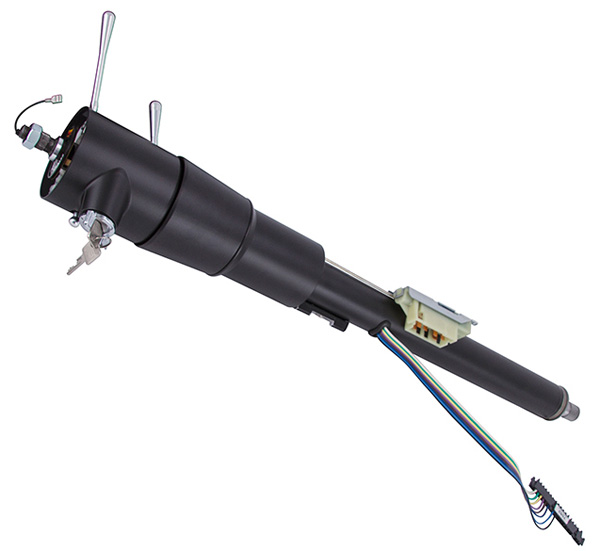
New direct-fit tilt column for the ’79–’86 Jeep CJ series with an integrated ignition key in the column located in the stock location. No welded-on attachments or extra relays. Made in the U.S.A.
800-648-8022
www.flamingriver.com
PN: FR30019
FRI Exhibits/Flaming River Industries
Great Lakes Steering Wheel
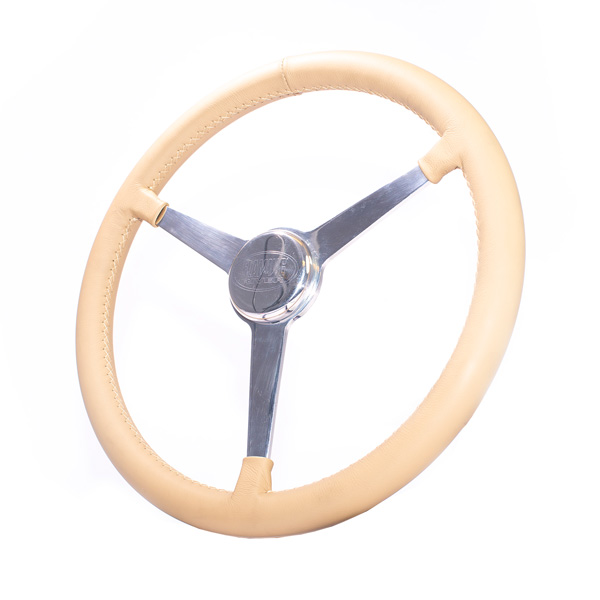
A nostalgia roadster-style steering wheel features hand-stitched, Italian leather and polished-aluminum spokes to accent a roadster’s interior. This three-bolt steering wheel design is now available with a functioning horn button. Designed for use with a roadster column or use Flaming River’s three-bolt adapter FR33304 to use on a Flaming River tilt column.
800-648-8022
www.flamingriver.com
PN: FR20175BK
KW Suspensions/ST Suspensions/Belltech
Variant 5 High-Performance Four-Way Adjustable Coil-Overs
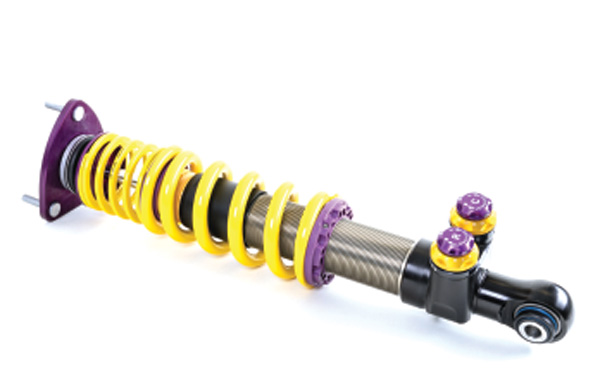
The first four-way, mass-production performance coil-over system. The Variant 5 features solid-piston technology, including four-way adjustability with high- and low-speed compression and rebound, making it the only damper of its kind to feature all five features, according to the company.
800-445-3767
www.kwsuspensions.com
PN: 30961032
Gliptone Car Care Products
Rubber Dressing RTU
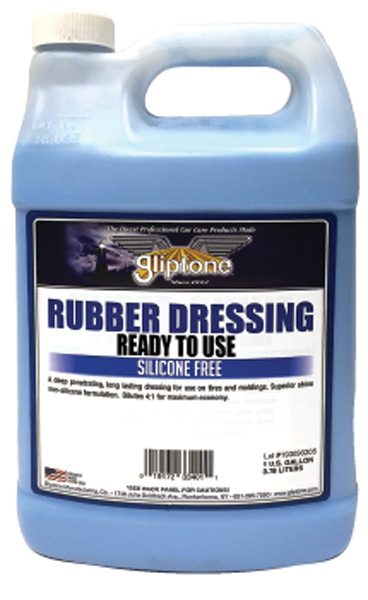
Rubber Dressing RTU is a ready-to-use, premium, sprayable, non-silicone polymer blend dressing designed for use on automobile interiors and exterior tires and rims. This formula uses the latest technology to restore and provide a rich, lustrous gloss and lasting protection without the use of silicone. Non-staining formula easily wipes off.
631-285-7250
www.gliptone.com
PN: GT33201
Leed Brakes
’55–’68 Fullsize Chevrolet Rear Drum-to-Disc Brake Conversion Kit
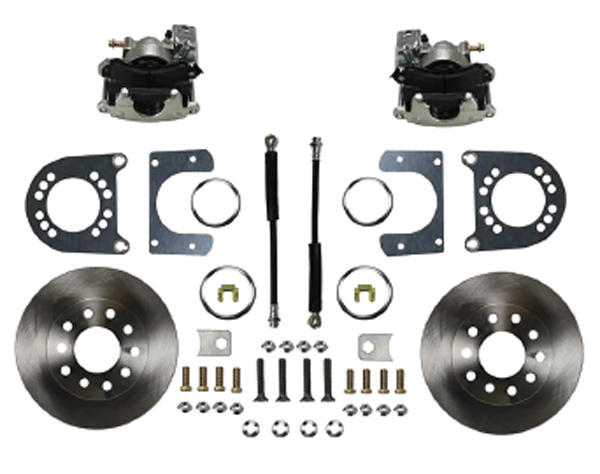
As a direct bolt-on to a stock ’55–’68 fullsize Chevrolet axle, this kit features 11.25-in. rotors and single-piston calipers with a built-in parking brake. This kit is an excellent complement to the company’s front disc-brake conversion kits and many aftermarket brake products.
716-852-2139
www.leedbrakes.com
PN: RC1007
Leed Brakes
’64–’66 Mustang Power Brake Upgrade for Manual Transmission Cars
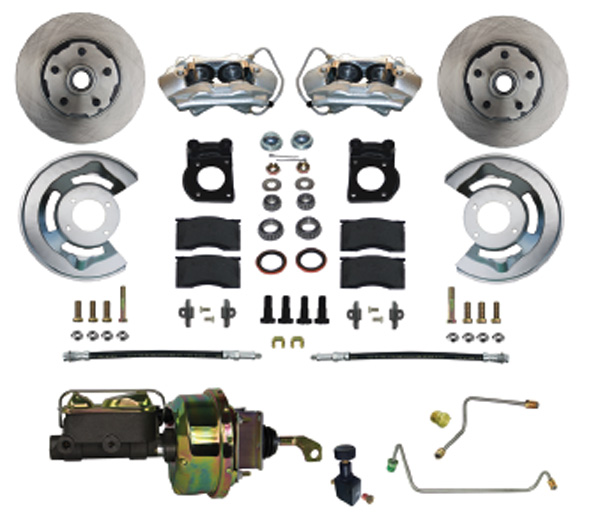
Add power brakes and a dual-bowl master cylinder to a ’64–’66 manual transmission Mustang. This kit works with the stock strut tower, export brace and stock clutch linkage, with no modifications to either. Works great with factory or aftermarket disc-brake systems.
716-852-2139
www.leedbrakes.com
PN: FC0042HK
Leed Brakes
’64–’66 Mustang Power Disc Brakes for Manual Transmission Cars
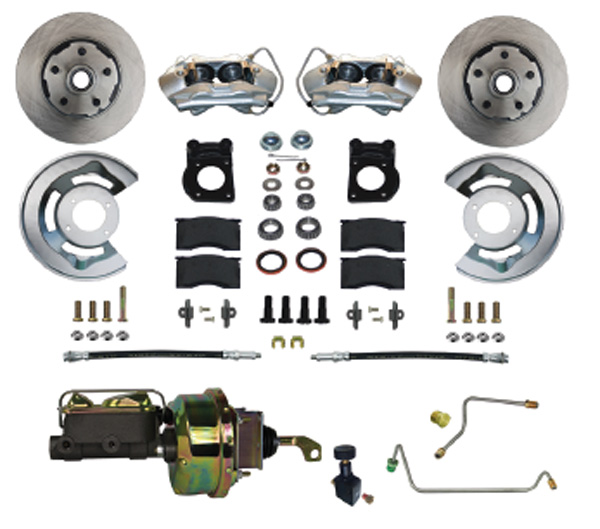
Add power disc brakes to a ’64–’66 manual transmission Mustang. This kit works with the stock strut tower, export brace and stock clutch linkage, with no modifications to either. The kit includes factory-style four-piston disc brakes, a power brake booster, a master cylinder and installation hardware.
716-852-2139
www.leedbrakes.com
PN: FC0001-H405M
Leed Brakes
C-Body MOPAR Power Booster Upgrade for Factory Power Cars
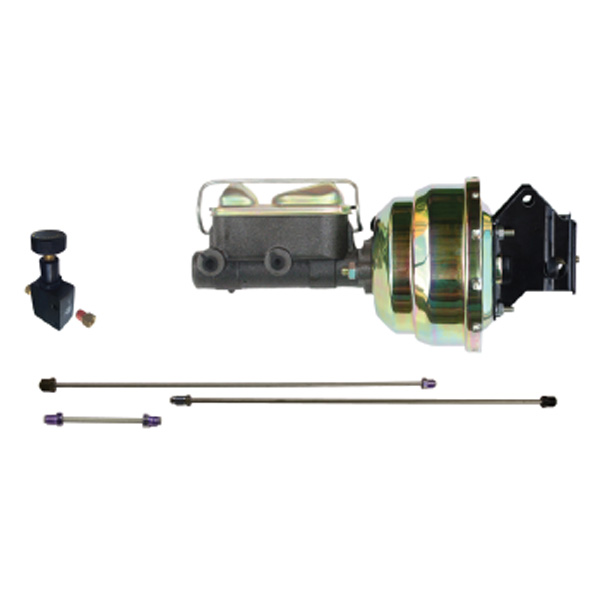
Need a new power brake booster for a C-body MOPAR? Leed Brakes has developed a new power brake booster to replace the old, worn-out factory power booster. This 8-in., dual-diaphragm booster is available for disc-brake and drum-brake vehicles. Available in standard zinc finish, or upgrade to brilliant chrome finish on disc-brake cars.
716-852-2139
www.leedbrakes.com
PN: PBKT2003-1
Leed Brakes
Fullsize Classic Ford Power Brake Upgrade for Factory Power-Brake Cars
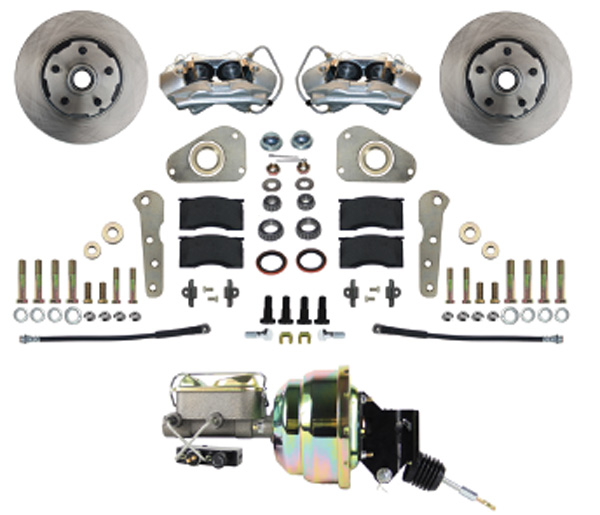
Leed Brakes has developed a new power brake booster to replace the old, worn-out factory power booster. This 8-in., dual-diaphragm booster is available for disc-brake and drum-brake vehicles. Upgrade single-bowl master cylinder cars to dual-bowl master cylinders.
716-852-2139
www.leedbrakes.com
PN: FC0050HK
Leed Brakes
Fullsize Classic Ford Power Disc Brakes for Factory Power Cars
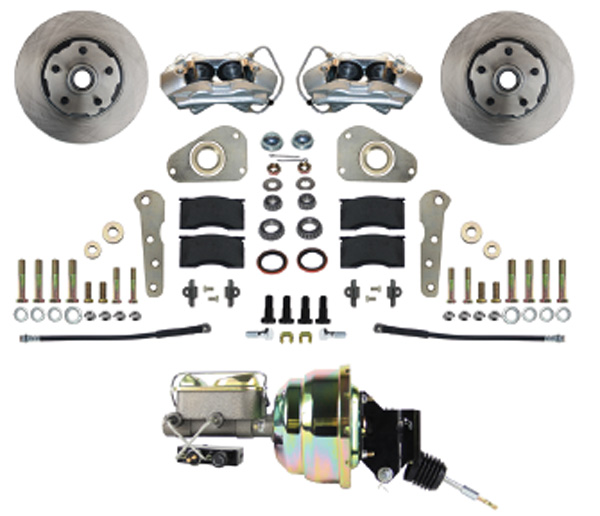
Upgrade a factory power drum-brake car to a power disc-brake car. Included in this kit is a complete four-piston disc brake kit
to work with most 14x7 and larger wheels. Also included is a power brake booster and master cylinder to replace the stock
power-brake setup.
716-852-2139
www.leedbrakes.com
PN: FC0025-P307
53731_1.jpg
Leed Brakes
MOPAR Power Disc Brake Master Cylinder Kit
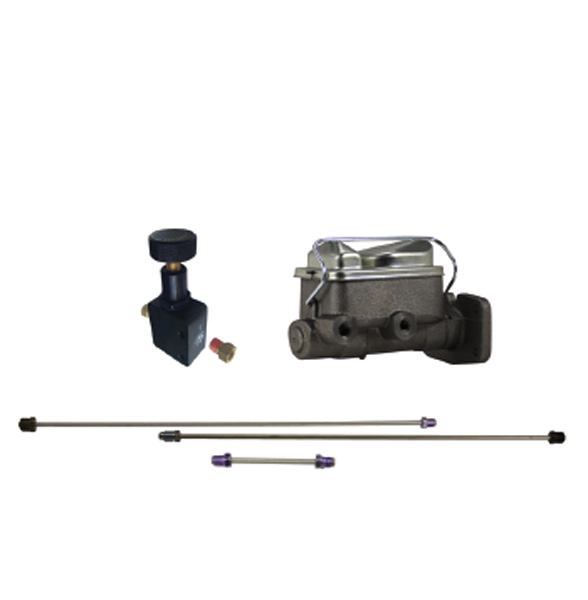
Upgrade a factory power drum-brake car to a disc-brake master cylinder that works with most aftermarket disc-brake systems. Included in this kit is a 11/32-in.-bore master cylinder with a factory four-bolt mounting flange. The user also receives an adjustable proportioning valve and brake lines to fit most ’64–’74 MOPAR A-, B-, C- and E-body cars.
716-852-2139
www.leedbrakes.com
PN: FC2005HK
leed.png
Leed Brakes
MOPAR Disc Brake Kits for Factory Power-Brake Cars
Easily upgrade MOPAR A-, B-, C- and E-body cars to disc brakes while retaining the stock power-brake booster. Kits include a complete four-piston disc-brake conversion kit for factory MOPAR drum-brake wheels, a power disc-brake master cylinder and an easy-to-install brake line kit. Upgrade to powdercoated calipers and MaxGrip rotors for added performance and looks.
716-852-2139
www.leedbrakes.com
Leed Brakes
MOPAR Power Dual-Bowl Master Upgrade for Drum Brakes
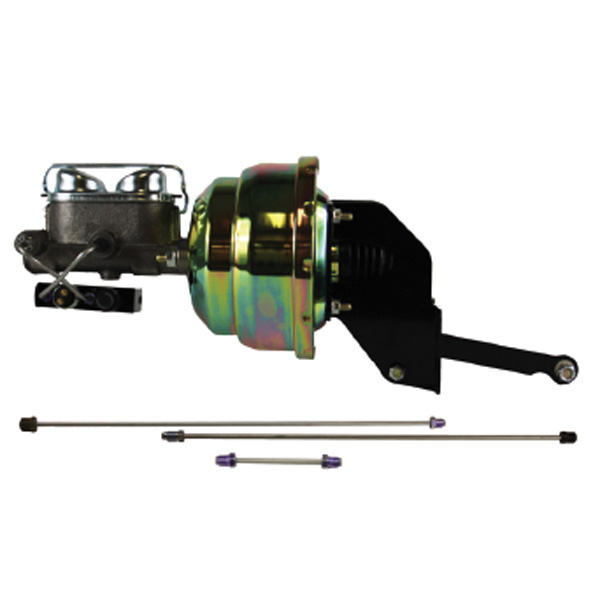
The kit includes a power brake booster that will mount to any ’64–’74 MOPAR manual brake firewall, a dual-bowl master cylinder, a proportioning block, and a hydraulic brake-light switch for easy installation with improved performance and safety.
716-852-2139
www.leedbrakes.com
PN: FC2003HK
Mentor Performance Parts
Hood Hinges
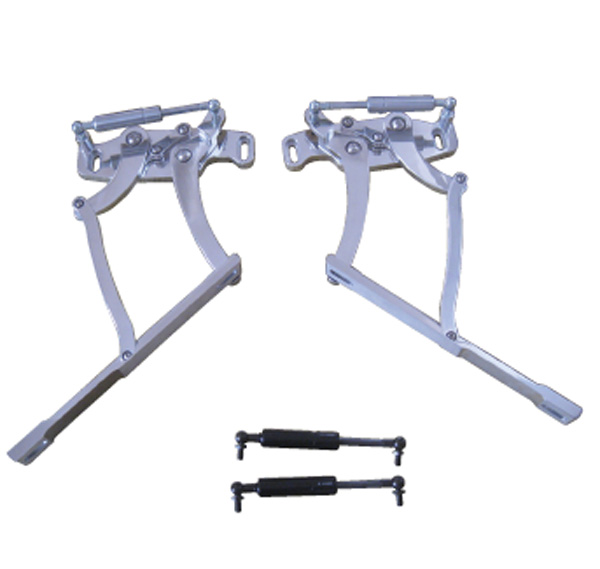
Color: silver, black. Material: high-quality aluminum. Application: ’67–’69 Camaro. Placement on vehicle: right side and left side. Process: CNC machined. Description: Hood hinges are sold in pairs and come complete with nitrogen gas struts and all necessary mounting hardware.
+86-574-87913131
www.mentorparts.com
PN: MP-HGHD02
PerTronix
Patriot Exhaust Electronic Cutouts
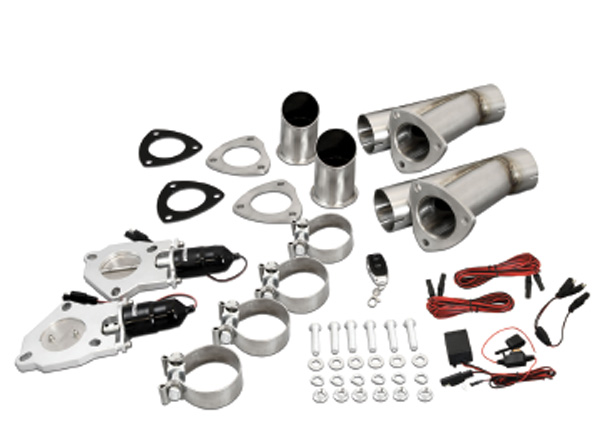
Out for a cruise or out on the track, Patriot exhaust electronic cutouts provide complete control over exhaust sound, and users can do it all with a wireless remote that features a simple two-wire hookup. Uses 304 stainless-steel construction. No welding required for installation. Leak-free design, compact size, and available in 21/2- or 3-in. diameter.
909-599-5955
www.pertronixbrands.com
Michigan Vehicle Solutions
Daytona Challenger Superbird Conversion Kit
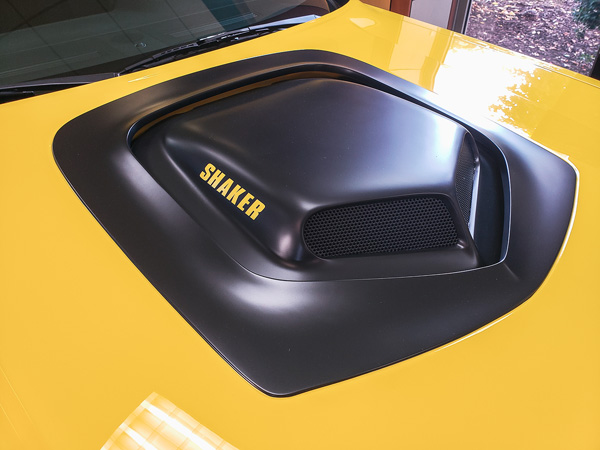
734-720-7649
www.mivehiclesolutions.com
Specialty Auto Parts/Proform
Shark-Gray Small-Block Valve Covers
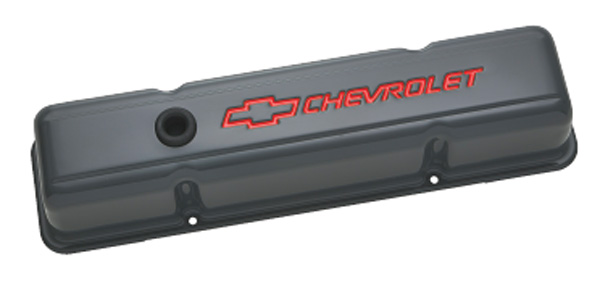
Want something different under the hood this season? Try Chevrolet Performance’s latest finish: shark gray. Sleek and sophisticated would be a good way to describe this new look that’ll definitely give an engine some pop. Look for matching components such as air cleaners and wing nuts.
586-774-2500
www.proformparts.com
PN: 141-881
Specialty Auto Parts/Proform
Shark-Gray Small-Block Timing Chain Covers
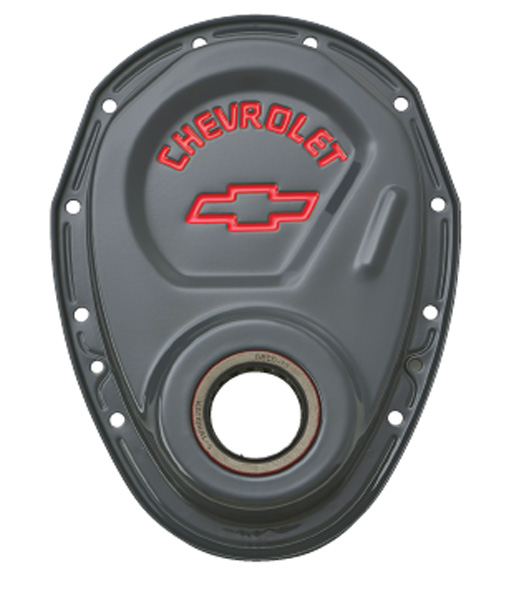
Got a black engine block and want to give it a little bit of contrast? Chevrolet Performance’s new shark-gray finish is the perfect complement for an engine. Sleek and sophisticated, this look will definitely garner attention at the next car show. Fits small-block Chevy Gen 1 V8 engines.
586-774-2500
www.proformparts.com
PN: 141-883
Specialty Auto Parts/Proform
Omega-MOPAR Emblem Slant-Edge Air Cleaners
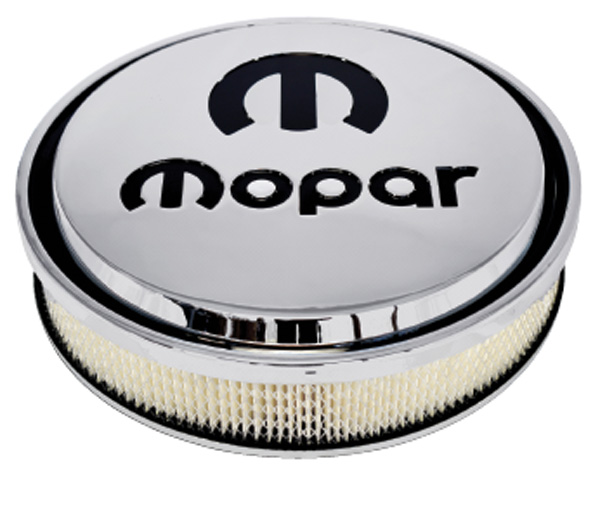
A truly amazing air cleaner like no other. Huge emblem, amazing finish, and an innovative design that doesn’t use a traditional center nut.
586-774-2500
www.proformparts.com
PN: 440-833
Specialty Auto Parts/Proform
Shark-Gray Stamped-Steel Air Cleaners
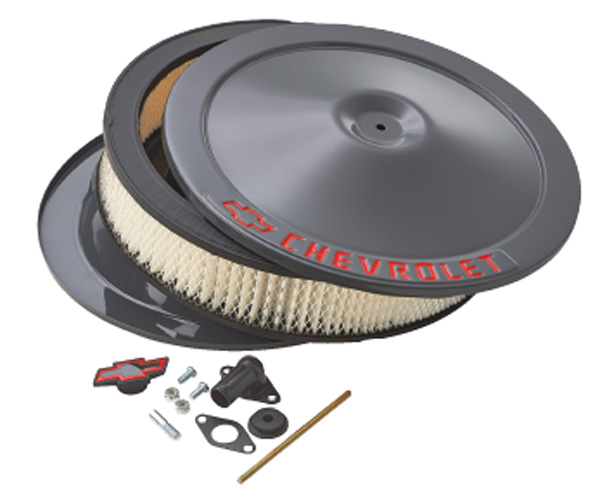
Chevrolet’s classic-style 14-in. air cleaner is now available in shark gray, the newest Chevrolet Performance finish. Sleek and sophisticated would be a good way to describe this glossy gray finish. The kit includes a genuine AC Delco filter, a drop base tray, mounting hardware, and a beautiful large Bowtie center nut.
586-774-2500
www.proformparts.com
PN: 141-882
Specialty Auto Parts/Proform
Omega-MOPAR Emblem Aluminum Shaft-Mount Roller Rockers
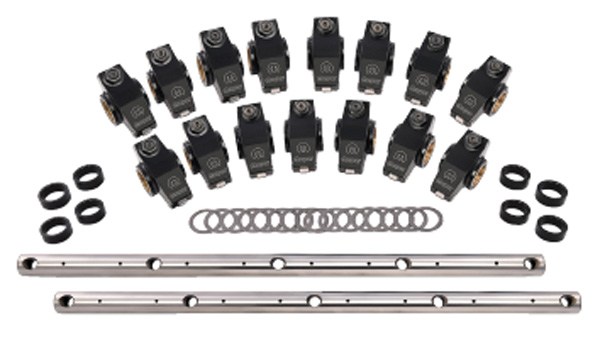
Less friction for more performance is the driving reason to consider these aluminum roller rockers. They feature bronze bushings and a slick, self-oiling system via the shaft. Shafts and aluminum spacers are included with these small-block (LA engines) rockers. MOPAR emblem is etched into each rocker arm.
586-774-2500
www.proformparts.com
PN: 440-869
Specialty Auto Parts/Proform
Deluxe Omega M Air Cleaner Center Nuts
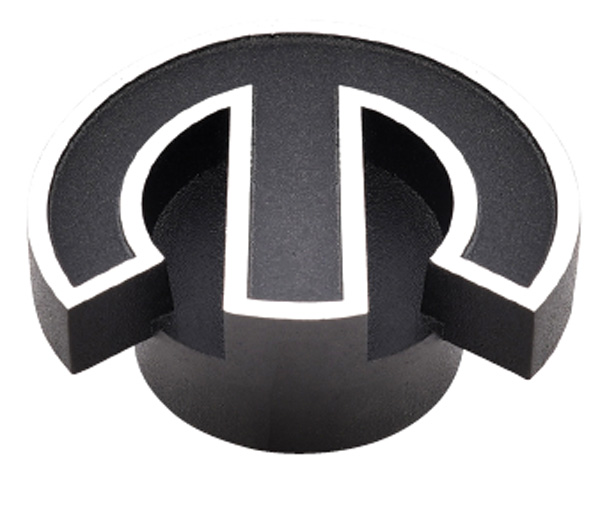
There are air-cleaner nuts, and then there are air-cleaner wing nuts. The floating MOPAR omega emblem is so slick that it’ll really give an air cleaner some pop it never had before. Beautifully machined edges give this small item a big presence.
586-774-2500
www.proformparts.com
PN: 440-339
Specialty Auto Parts/Proform
MOPAR-Emblem 110-amp Alternators
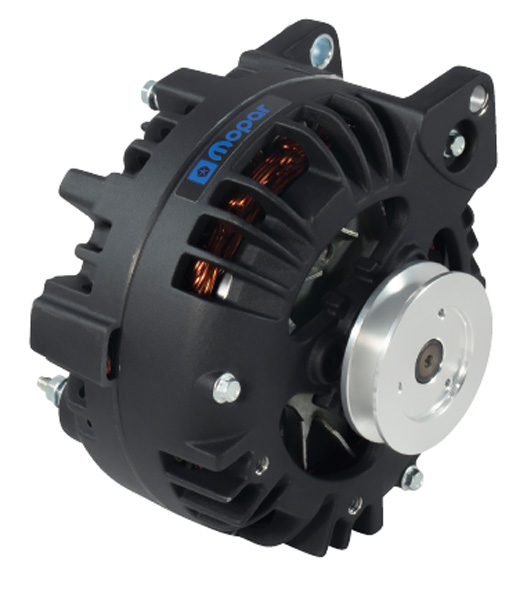
Get the vintage look with a great new finish and the convenience of one-wire hookup technology. Plus, a few extra amps never hurt. This alternator can generate up to 110 amps at high rpm—so enjoy the loud music.
586-774-2500
www.proformparts.com
PN: 440-473
Speed Wiring Products LLC
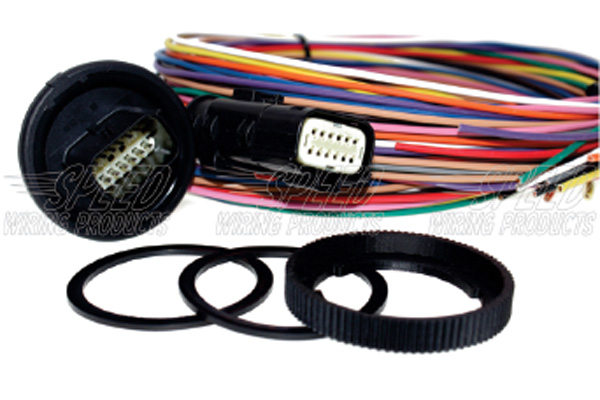
Pre-Wired Bulkhead Connector Kit
919-300-5070
www.speedwiringproducts.com
Speed Wiring Products LLC
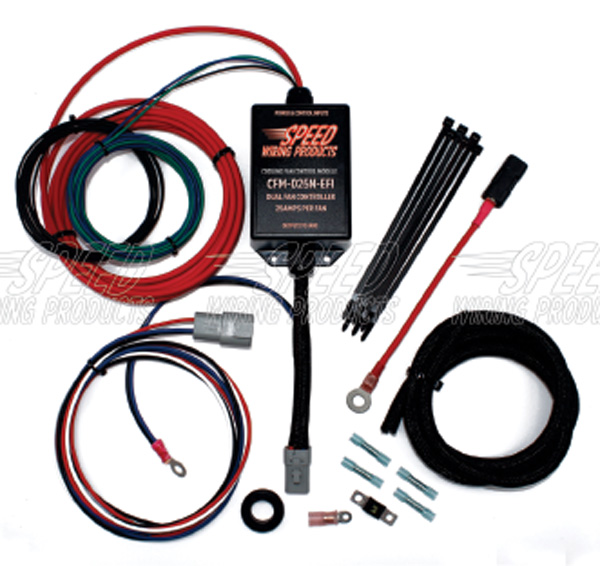
Fan Control Module
919-300-5070
www.speedwiringproducts.com
Speed Wiring Products LLC
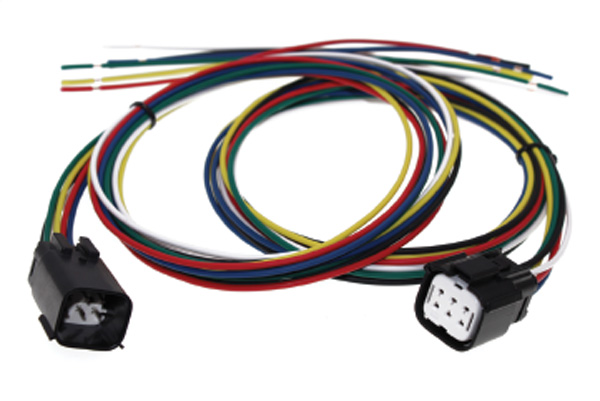
Pre-Wired Connector Assembly
919-300-5070
www.speedwiringproducts.com
Speedway Motors
Ford 9-in. Rearend
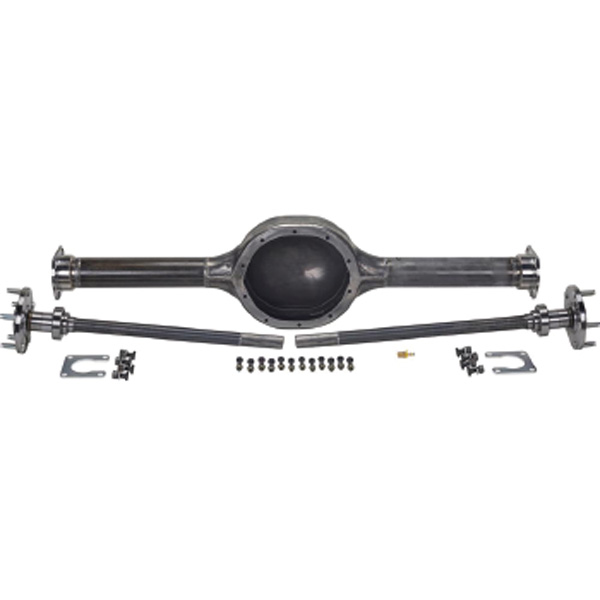
This 9-in. housing comes with an axle flange designed to fit ’30s through ’40s Ford backing plates and a custom axle offset specifically designed for Buick finned brake drums or early Ford iron drums. The axle housing is pumpkin-centered, offsetting the pinion yoke about 1 in. This is done to make fabricating a triangulated four-link system much easier.
800-979-0122
www.speedwaymotors.com
PN: 91046154
Speedway Motors
LS Swap Radiator Hose Adapter
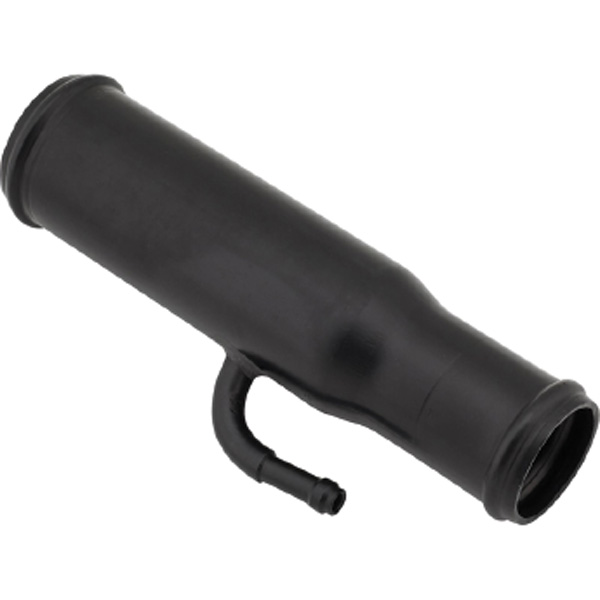
This adapter makes quick work of several LS-swap radiator hose issues with one simple piece. It features one 1.25-in. end to match the water pump outlet, one 1.5-in. end to match the upper radiator inlet, an integrated streamlined 1/4-in. 90-degree hose barb fitting for the steam line, and a black finish to blend in with radiator hoses.
800-979-0122
www.speedwaymotors.com
PN: 91717629
Speedway Motors
Side Detent Shifter
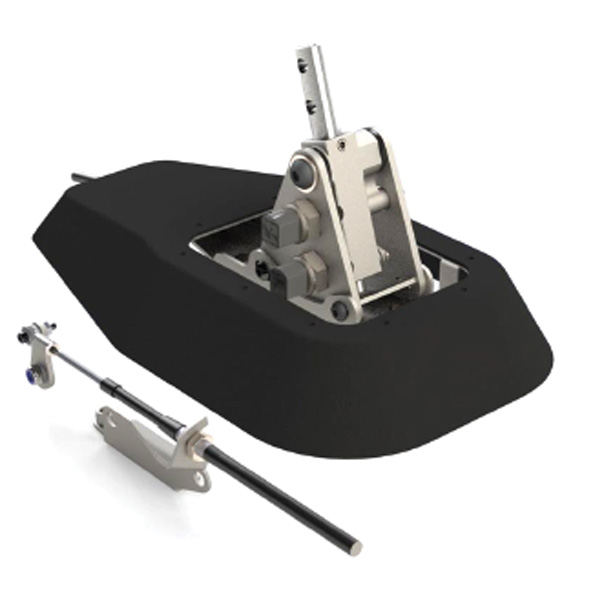
For GM Turbo-Hydramatic 200, 250, 350 and 400 floor mount with single 1-in. hole for cable. Bolt-on lever stub accepts the two-bolt manual lever of the user’s choice (not included). Positive detents ensure that users won’t overrun second gear. Reverse lockout detent. Integrated neutral safety and backup-light switches.
800-979-0122
www.speedwaymotors.com
PN: 9165000
Speedway Motors
Custom Driveshaft Assembly
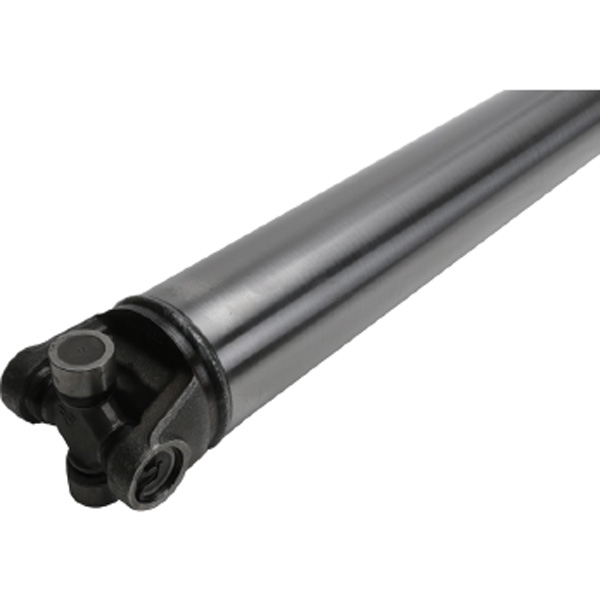
The assembly is built with 3-in. OD 1020 DOM tubing with a .083-in. wall thickness for strength. Available in 16–58-in. in 1/2-in. increments to fit most builds and built to withstand up to but not exceeding 600 hp. Simply select the front yoke requirement and then select the required front and rear U-joints. Finally, select the length required.
800-979-0122
www.speedwaymotors.com
PN: 910383
Speedway Motors
Double-Hump Head
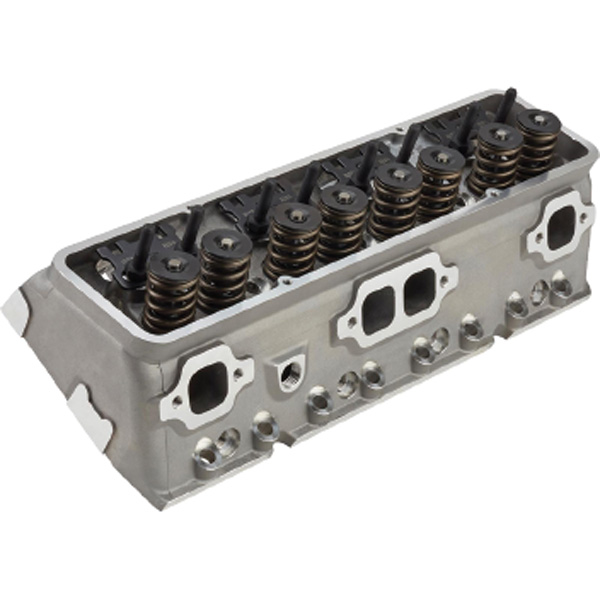
Step back in time with a modern reproduction of the iconic Chevy 461 double-hump cylinder heads, now cast in lightweight
aluminum. This all-new cylinder head casting is a modern take with all the old-school looks users desire out of a reproduction
camel-hump head.
800-979-0122
www.speedwaymotors.com
PN: 9103782462
Speedway Motors
Universal Stainless-Steel Dual Exhaust
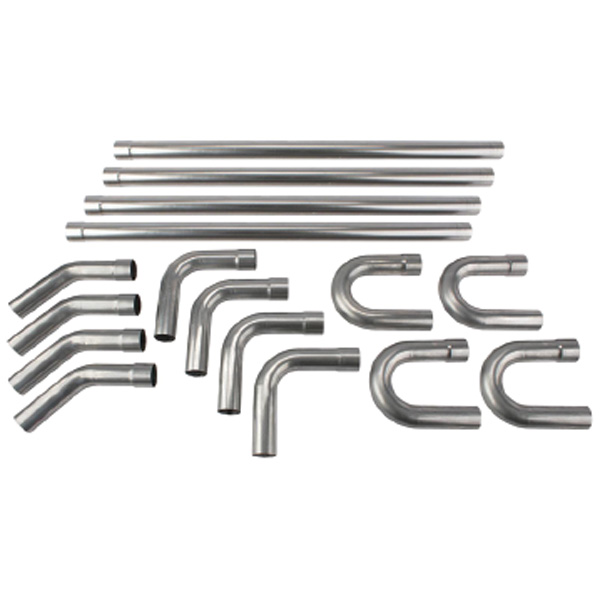
These exhaust bend kits include enough tubing to allow users to run their own exhaust system the way they want it. Each pipe is expanded on one end to allow easy installation (clamps sold separately). Natural, uncoated finish. Four 48-in. straight pipes, four 90-degree pipes, four 45-degree pipes, and four 180-degree U-bends.
800-979-0122
www.speedwaymotors.com
PN: 91013834
Speedway Motors
Chevy to Chevy Bellhousing
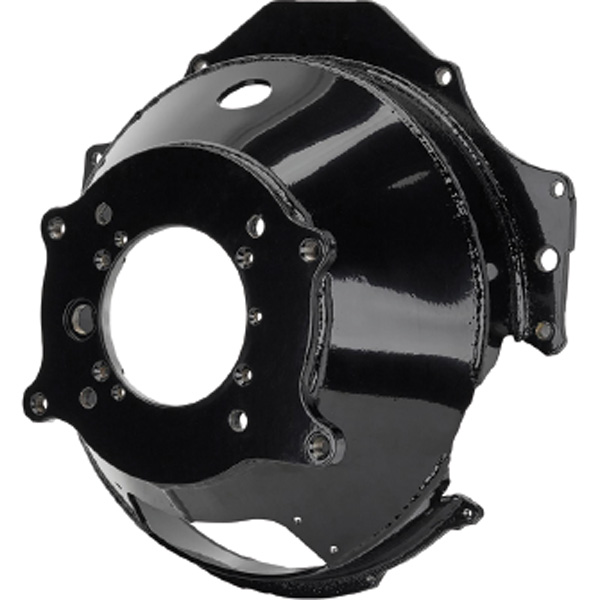
Chevy engine bolt patterns. Laser-cut, CNC-finished flange for a perfect fit. Bolt pattern for Muncie/Saginaw transmissions as well as early Chevy-pattern T5, machined for pivot ball. Provision for clutch fork would need to be cut by end user. Non-SFI rated, must be used with a 153-tooth or smaller flexplate/flywheel. Made in the U.S.A.
800-979-0122
www.speedwaymotors.com
PN: 91027000
Speedway Motors
G-Comp C10
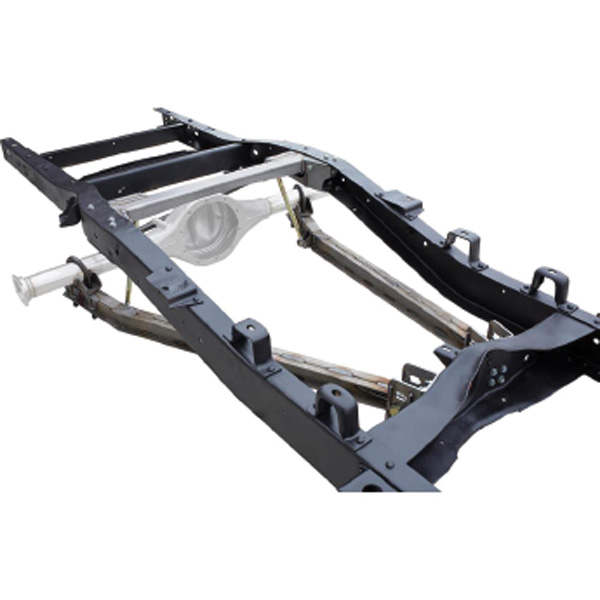
Upgrade a ’60–’72 1/2-ton 2WD C10 to performance suspension with this simple, bolt-in rear conversion kit from Speedway Motors. What makes this kit stand out above the rest is that it allows the user to add the adjustability of coil-overs and
tunable pivot locations while replacing unsafe rusted factory arms.
800-979-0122
www.speedwaymotors.com
PN: 9166072
Stainless Headers Manufacturing Inc.
Pontiac 400/455 D-Port Turbo Log Manifolds
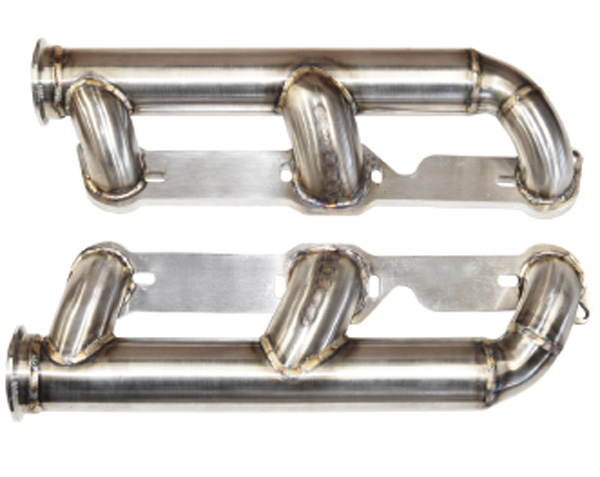
An ideal solution to any packaging concerns. Made of .120-wall, U.S.-made 304 stainless-steel tube, these modular log manifolds can handle the heat and vibrations that come from a turbocharged engine. The D-ports utilize a divider wall to assist in anti-reversion and maintain flow.
800-290-3920
www.stainlessheaders.com
PN: SHM-MTH-PONT-455D
Speedway Motors
Ford 9-in. Differential Third Members
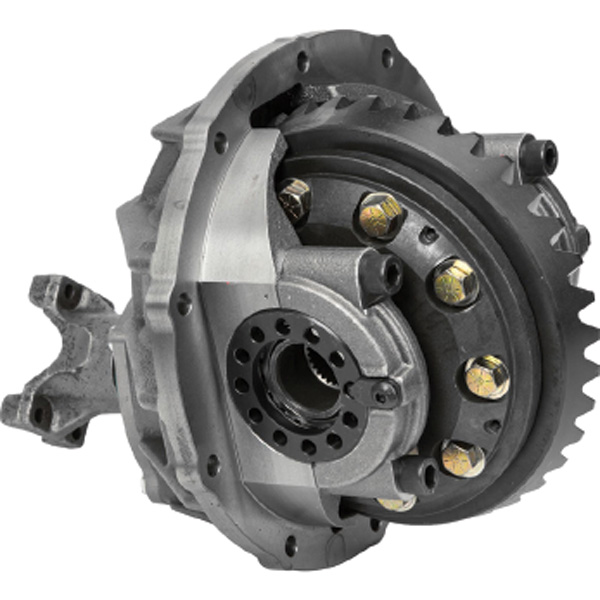
These third-member units are built to last with high-quality hardware and components. Tapered steel roller bearings minimize friction to better handle thrust loads and increase load-carrying capacity. The ring gears are assembled with Grade-9 bolts with a tensile strength of 180,000 psi, which is a 15% increase over Grade-8 hardware.
800-979-0122
www.speedwaymotors.com
PN: 91049345
Stainless Headers Manufacturing Inc.
Lightweight Aluminum Race Mufflers
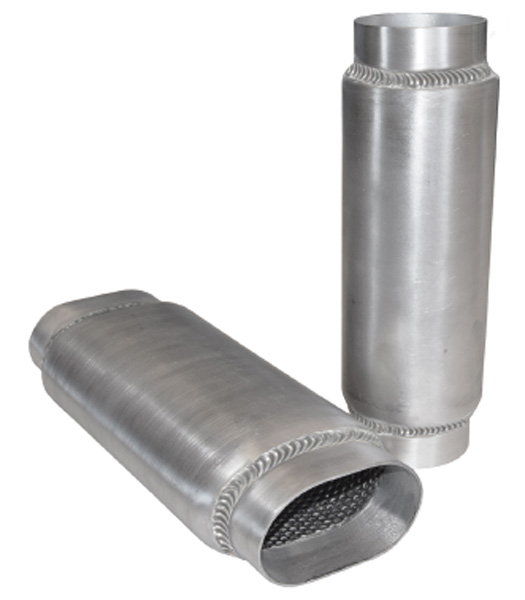
Made of U.S.-sourced 6061 aluminum and are TIG-welded for optimal performance. Performance proven and made to withstand
the most extreme conditions. Packed with stainless-steel scrubble and TIG-welded, these U.S.-made aluminum race mufflers are said to be the ultimate in performance and quality.
800-290-3920
www.stainlessheaders.com
PN: SHM-3-12-6061
Stainless Headers Manufacturing Inc.
Oval Aluminum Exhaust
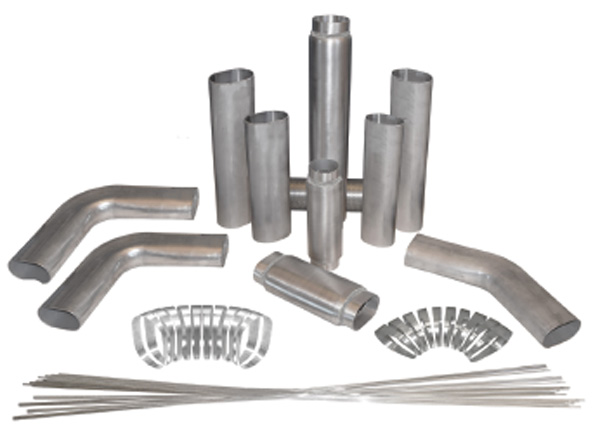
These U.S.-made 6061 exhaust kits are hand-fabricated and TIG-welded. The company offers mandrel bends, oval tubing, bullet mufflers and more in its exclusive aluminum oval exhaust kit. Said to be perfect for high-performance, low-weight racing applications. Engineered to perform stronger, fit better, weigh less and outdrive the competition.
800-290-3920
www.stainlessheaders.com
PN: SHM-OCK-6061
Stainless Headers Manufacturing Inc.
Complete-in-a-Weekend Turbo Header Systems
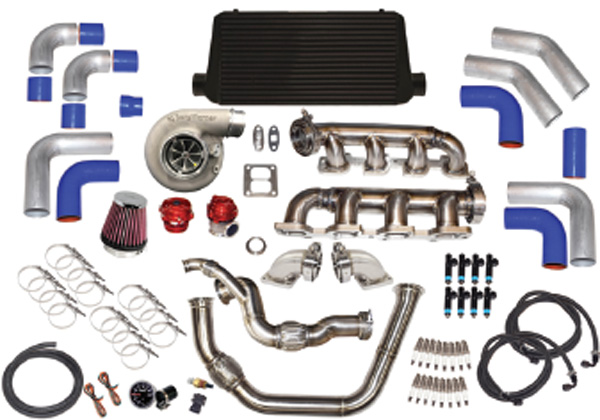
Complete bolt-in turbo system. Headers, turbos, sensors, intercooler, charge piping, tune, injectors and more. Everything is included. Includes detailed installation instructions and play-by-play videos or images. Stainless Headers Manufacturing says that the complete kit is able to be done in a weekend.
800-290-3920
www.stainlessheaders.com
PN: SHM-WTK-4523A-1-A
Superformance
Aluminum Daytona Coupe
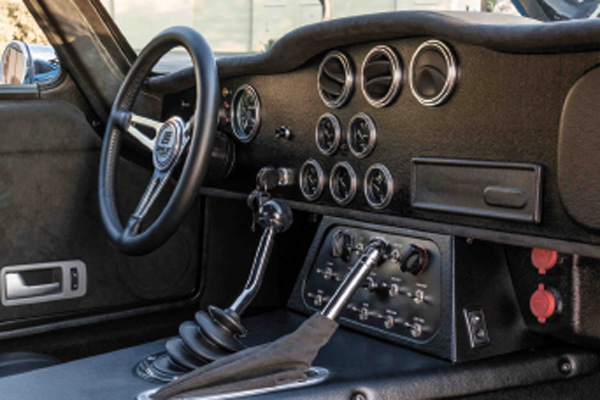
The Shelby Daytona Coupe was designed by Peter Brock, this Daytona Coupe pays tribute to the coupe that won the World Manufacturers Championship for grand touring race cars. Supplied with a Shelby MCO and a Shelby CSX number.
800-297-6253
www.superformance.com/factory-models/daytona-coupe
PN: CSX9XXX
Superformance
MKIII R
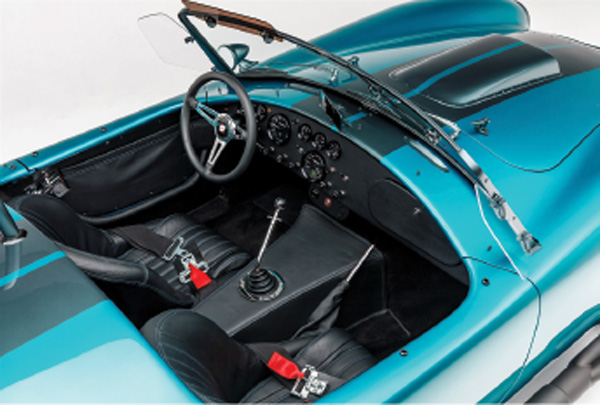
Introducing the Superformance MKIII-R. It’s a bold and aggressive look with the addition of integrated scalloped fenders and hood. Black mesh side and fender vents also add aero to the overall grittier appearance. The MKIII-R also comes with a beefy rear diffuser and a body-contour-matching front splitter.
800-297-6253
www.superformance.com/factory-models/mkiii-r
PN: MKIII R SP0XXXX
Superformance
Electric MKIII
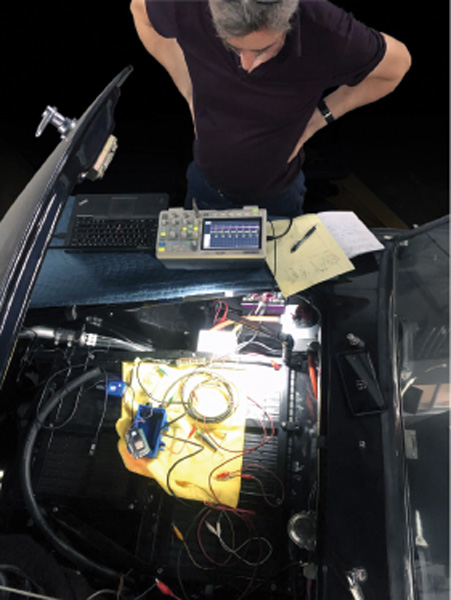
With the need to become greener while not limiting speed, this Superformance MKIII electric-powered vehicle does not disappoint. With impressive acceleration in this lightweight body, users will not miss a gasoline engine. Stay tuned for more information and statistics. Reserve an electric MKIII today. Between $150,000 and $200,000.
800-297-6253
www.superformance.com/factory-models-mkiii
PN: SPE0XXX
Switch Electric Vehicles
Electric Vehicle Conversion Training
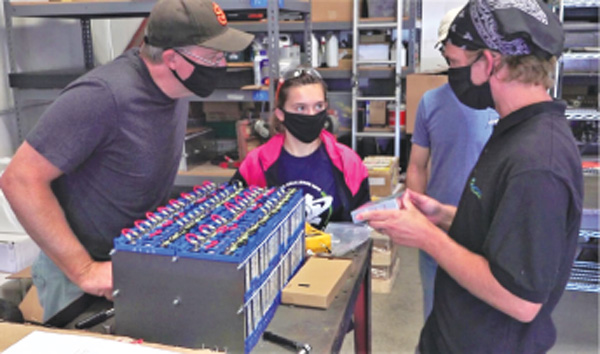
Switch Electric Vehicles has been teaching individuals, automotive professionals and teachers how to convert cars from fossil fuels to electric for more than a decade. The program is available to all SEMA participants. Be sure to ask about the Switch Electric Vehicles partner program.
707-829-5746
www.switchvehicles.com/workshops
PN: SL/EV-5day
Switch Electric Vehicles
The Switch Chassis
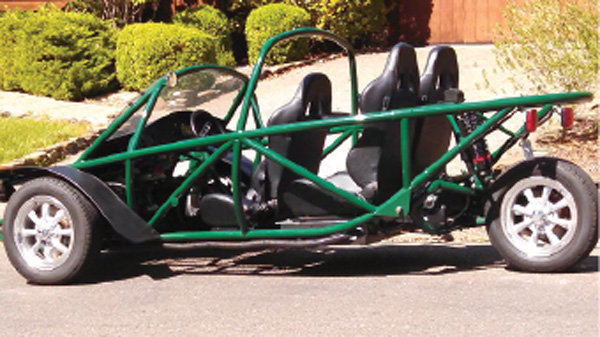
Get on board, the Switch EV is a gas. Fast, nimble, rugged, the Switch is like no other EV on the market, and users can build it and customize it themselves. Start an EV business or just get the neighborhood talking.
707-829-5746
www.switchvehicles.com/retail
PN: SL/PM-96
Vintage Air Inc.
Front Runner for the LT1 and LS
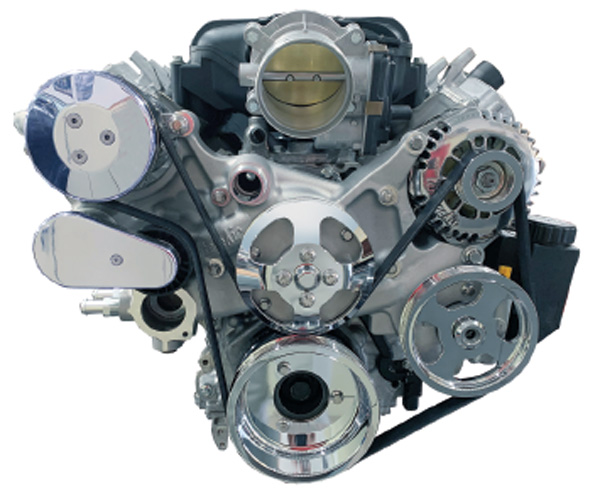
New Front Runner accessory drive. A356-T6 USA cast housing incorporates accessory mounting provisions. Compact design with side and bottom heater fitting ports. Low-profile housing provides throttle-body clearance without a wedge spacer. Includes billet cartridge water pump, balancer, pulleys, compressor, 170-amp alternator and power-steering pump.
800-862-6658
www.vintageair.com
PN: 175037
Vintage Air Inc.
Billet Control Panel For ’66–’67 Chevrolet Novas/Chevy IIs
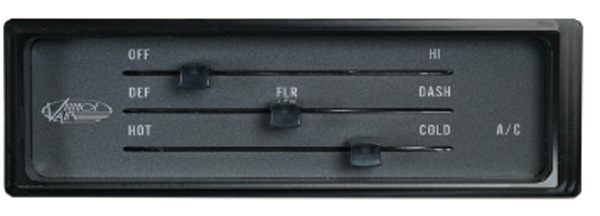
Bolt-in billet control panel for ’66–’67 Chevy II/Nova Gen IV systems. Features variable blower speed, mode and temperature control with LED backlighting and A/C indicator. 6061-T6 billet-aluminum panels available in machined or black anodized finish. Control panel kit includes mounting hardware and a complete wiring harness.
800-862-6658
www.vintageair.com
PN: 473271
Vintage Air Inc.
Gen IV SureFit for ’73–’79 Ford F-Series and ’78–’79 Bronco
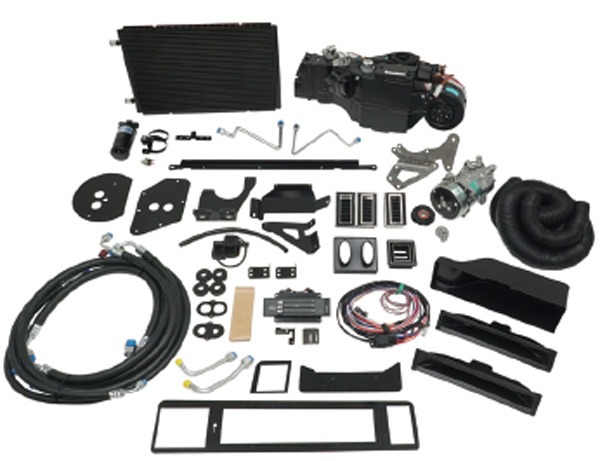
Bolt-in electronically controlled complete heat/cool/defrost system for ’73–’79 Ford F-Series and ’78–’79 Bronco. Features variable blower speed, air delivery and temperature control with included new in-dash LED backlit control panel. Available for V8 or six-cylinder vehicles and original factory A/C and non-A/C models.
800-862-6658
www.vintageair.com
PN: 954160
Vintage Air Inc.
Billet Control Panel for ’64–’66 Chevrolet C10 Pickups
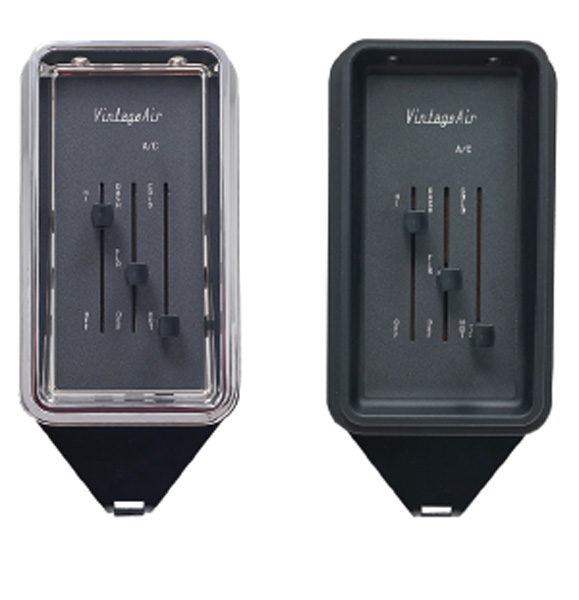
New bolt-in billet control panel for ’64–’66 Chevrolet C10 Gen IV systems. Features variable blower speed, mode and temperature control with LED backlighting and A/C indicator. Machined from 6061-T6 aluminum. Available in chrome or matte-black anodized finish. Control panel kit includes mounting hardware and a complete wiring harness.
800-862-6658
www.vintageair.com
PN: 473275


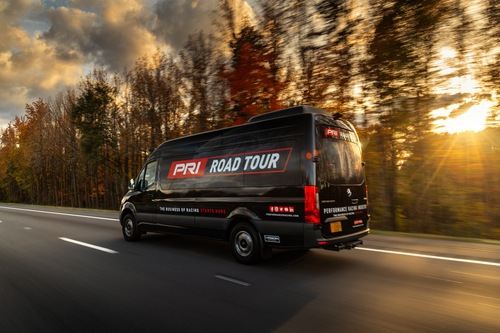
 Connecting With PRI

 Stellantis plans to fulfill the domestic demand for the latest Jeep Wrangler and Jeep Cherokee at its plant in Ranjangaon, Western India (a joint venture with Tata), by the end of 2022.

 Hot-Rod Industry Resources
 SEMA Action Network: The SEMA Action Network (SAN) is a nationwide partnership between vehicle clubs, enthusiasts and members of the specialty auto parts industry who want to protect their hobby. Founded in 1997, the SAN was designed to help stamp out legislative threats to the automotive hobby and pass favorable laws. To learn more and join, visit

 Plan Now to Attend









 RPM Act: SEMA is working with lawmakers in the U.S. Congress to reintroduce and pass the Recognizing the Protection of Motorsports Act (RPM Act)—bipartisan legislation to clarify that it is legal to make emissions-related changes to convert a street vehicle into a dedicated race car. It also confirms that it is legal to produce, market and install racing equipment. Since it was first introduced in 2016, the legislation has been subject to committee hearings and inclusion in a 2020 energy bill passed by the House but never taken up by the Senate. Congress must pass the RPM Act to counter EPA overreach and provide certainty to racers and motorsports parts businesses
 West Virginia—Motorsports: The West Virginia Senate introduced SEMA-supported legislation to aid and incentivize the construction of motorsports complexes. The bill was introduced in the previous legislative session but failed to pass prior to the adjournment of the session. The bill currently awaits consideration in the Senate Economic Development Committee. n


 Accessing SEMA’s industry-leading education curriculum is easier than ever. With dozens of live and on-demand offerings—and more live-streaming during the year—SEMA Virtual Education includes comprehensive presentations and insightful discussions and videos that teach, inform and entertain automotive specialty-equipment professionals. Builders, engineers, marketers and sales staff can all become better educated and prepared for success through SEMA’s Virtual Education. Visit

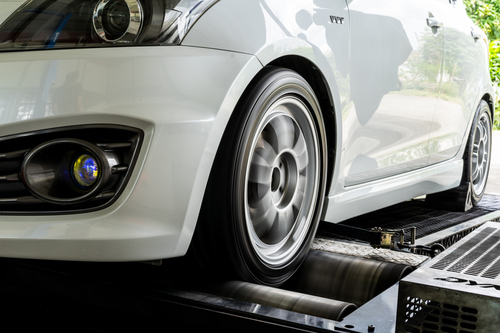

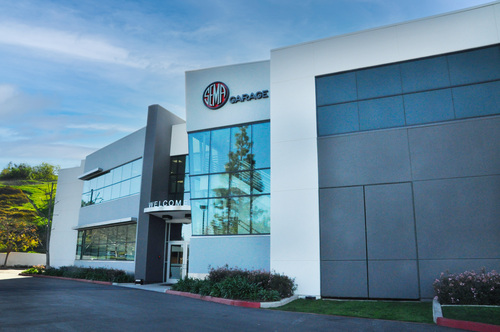
 Emissions Testing at the SEMA Garage
 Additional Resources
 Clean-Air Compliance
 Compliance Testing and Education