Story and photos by Andreas Conradt, Automedia
Spy photographers have once again caught an upcoming vehicle undergoing testing, giving an early glimpse at what's to come before its official debut.
Immediate Reveal Expected: The Facelifted '26 Porsche 911 Turbo Cabrio
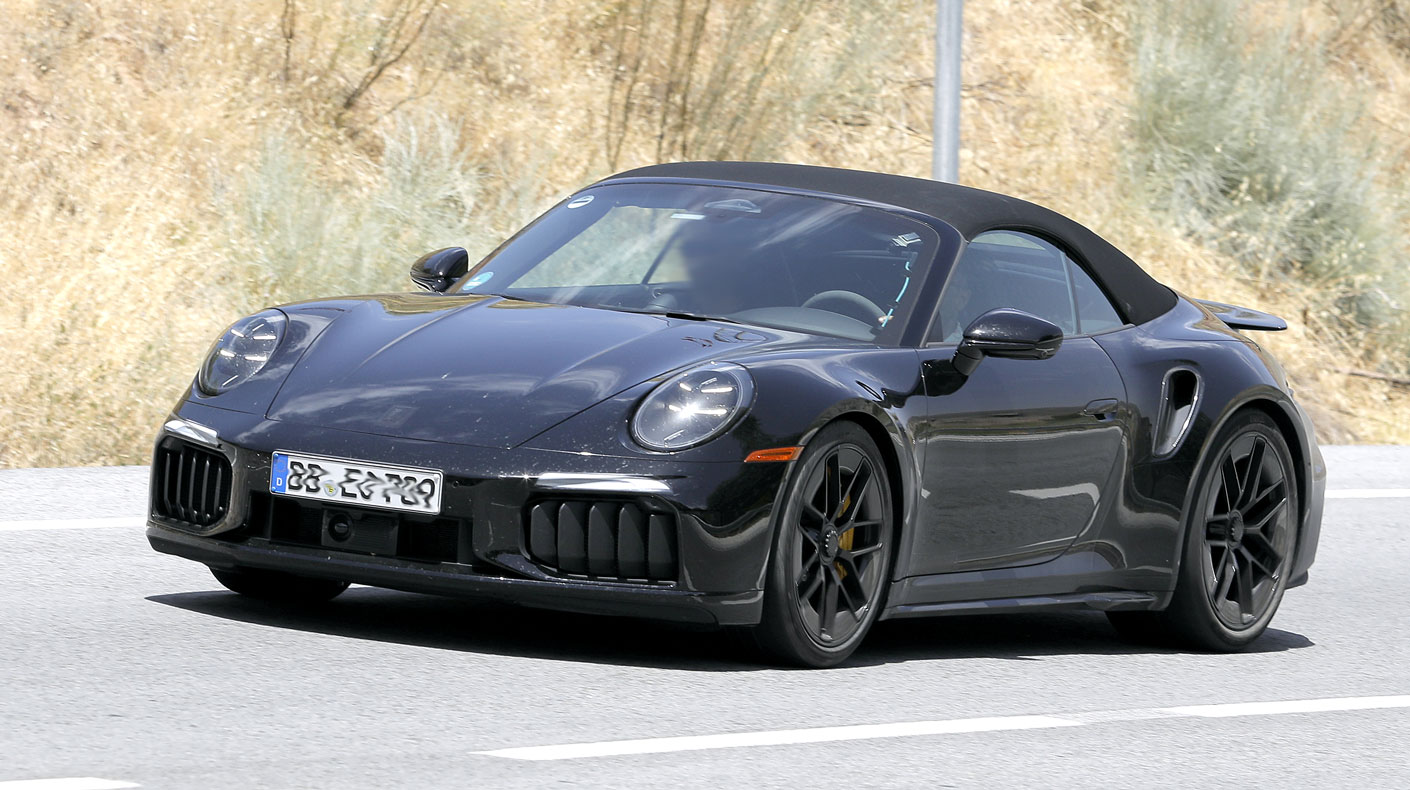
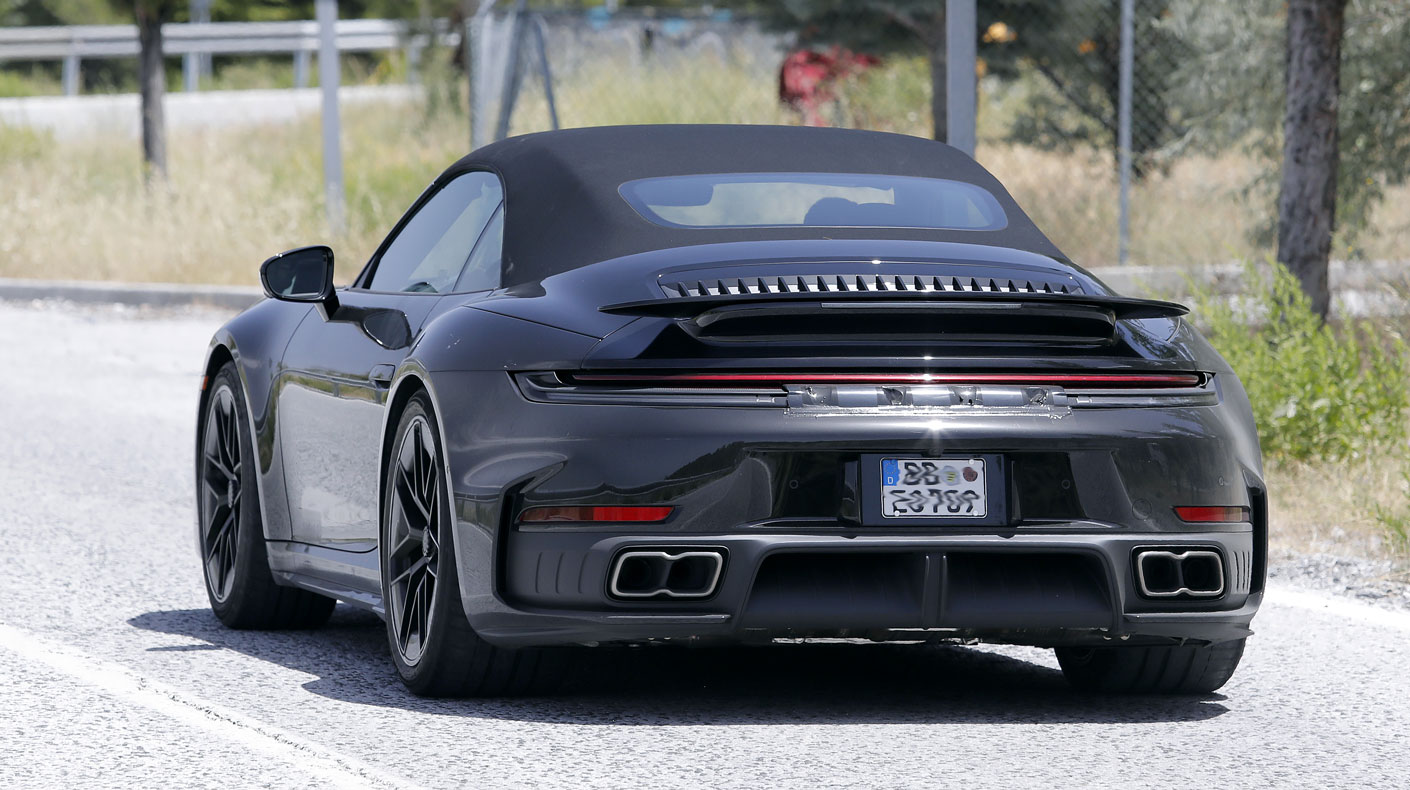
Porsche is preparing to unveil the facelifted 911 Turbo Cabrio, and our spy photographers have captured it testing in southern Europe without camouflage ahead of its debut as a '26 high-performance hybrid model.
Compared to the last 911 Turbo Cabrio prototype spotted almost half a year ago, the front end of this car has shed not only the vinyl wrap but also the armor covering the air intakes.
These are now fully visible--bulky, of course--but they look standard, with their five vertical flaps and without the three thin horizontal bars seen before. The headlamps match those on the rest of the new 911 facelift, with integrated daytime running lights and turn indicators, while the daytime running light decals on the top of the bumper are fake.
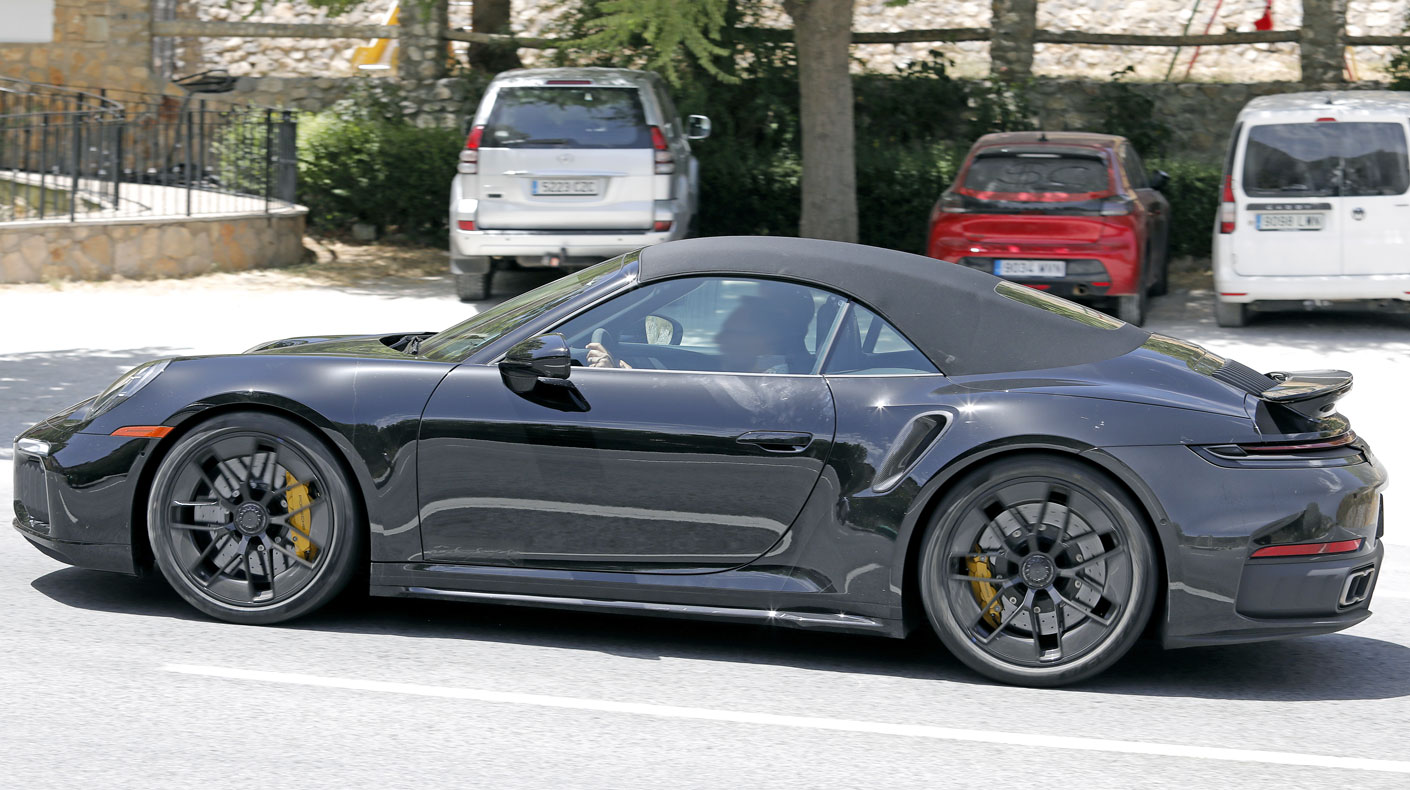
This prototype features forged alloy wheels with a central locking nut and large carbon-ceramic brakes. There's little new to note until the rear, where the bumper has lost the panels concealing its design. The entire bumper is new, with vertical gills at the ends, four functional exhaust pipes inside rectangular trim pieces, and only the central section of the taillights still covered.
Inside, there's no roll cage, but also no rear seats—replaced instead by a storage box to reduce weight. This version is equipped with the "T-Hybrid" technology used for the first time in the new 911 GTS.
Third Update: Yet One More Facelift for the Hyundai i30
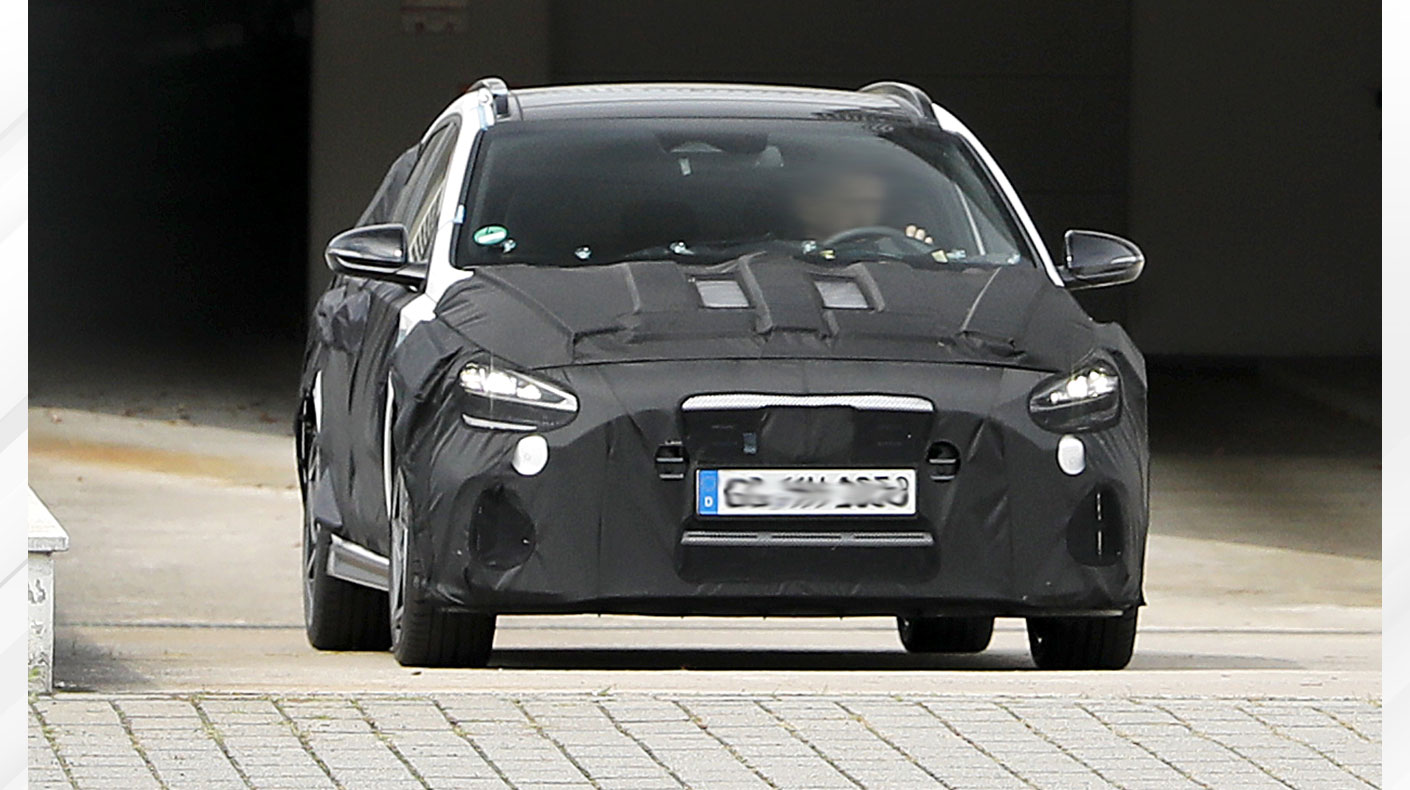
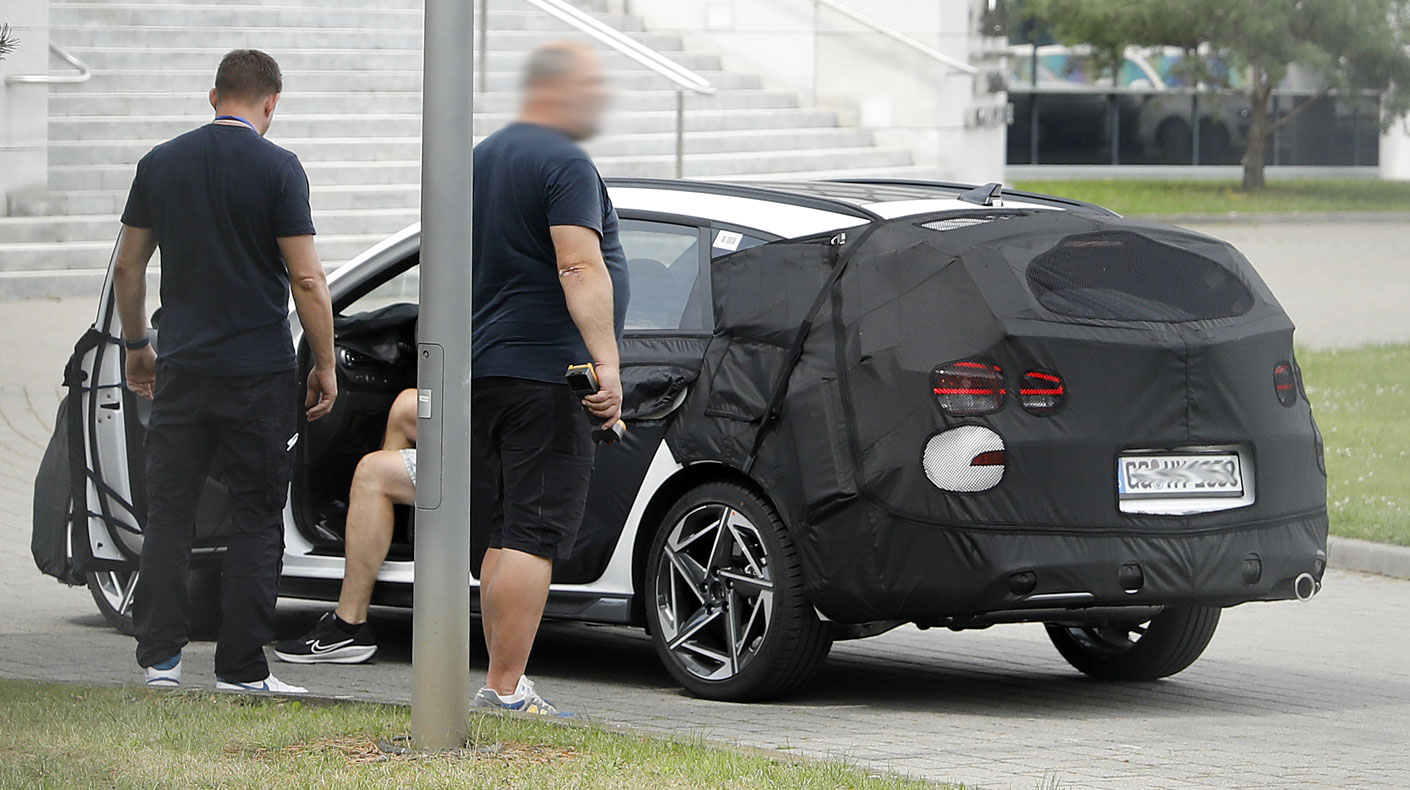
The Hyundai i30, a mainstay in the European compact hatchback market, has been spied undergoing testing under heavy camouflage inside Hyundai's R&D Centre in Germany. The prototype suggests that Hyundai isn't done with the i30 just yet—despite the segment's increasing shift toward electrification.
The i30 last received its second facelift in 2024 (after the first in 2020), yet these new spy shots hint at another round of visual and mechanical updates. While at first glance it may appear to be another mild refresh, industry insiders suggest that Hyundai could be implementing design tweaks to mask more significant under-the-hood changes--possibly to meet the upcoming Euro 7 emissions standards.
The camouflage is mostly focused on the front and rear fascias, indicating potential changes to the bumper design, headlights, and grille. These modifications may serve both aesthetic and aerodynamic purposes, but more critically, they could be concealing upgrades to the powertrain or exhaust systems needed to comply with stricter emissions regulations in Europe set to take effect in 2026.
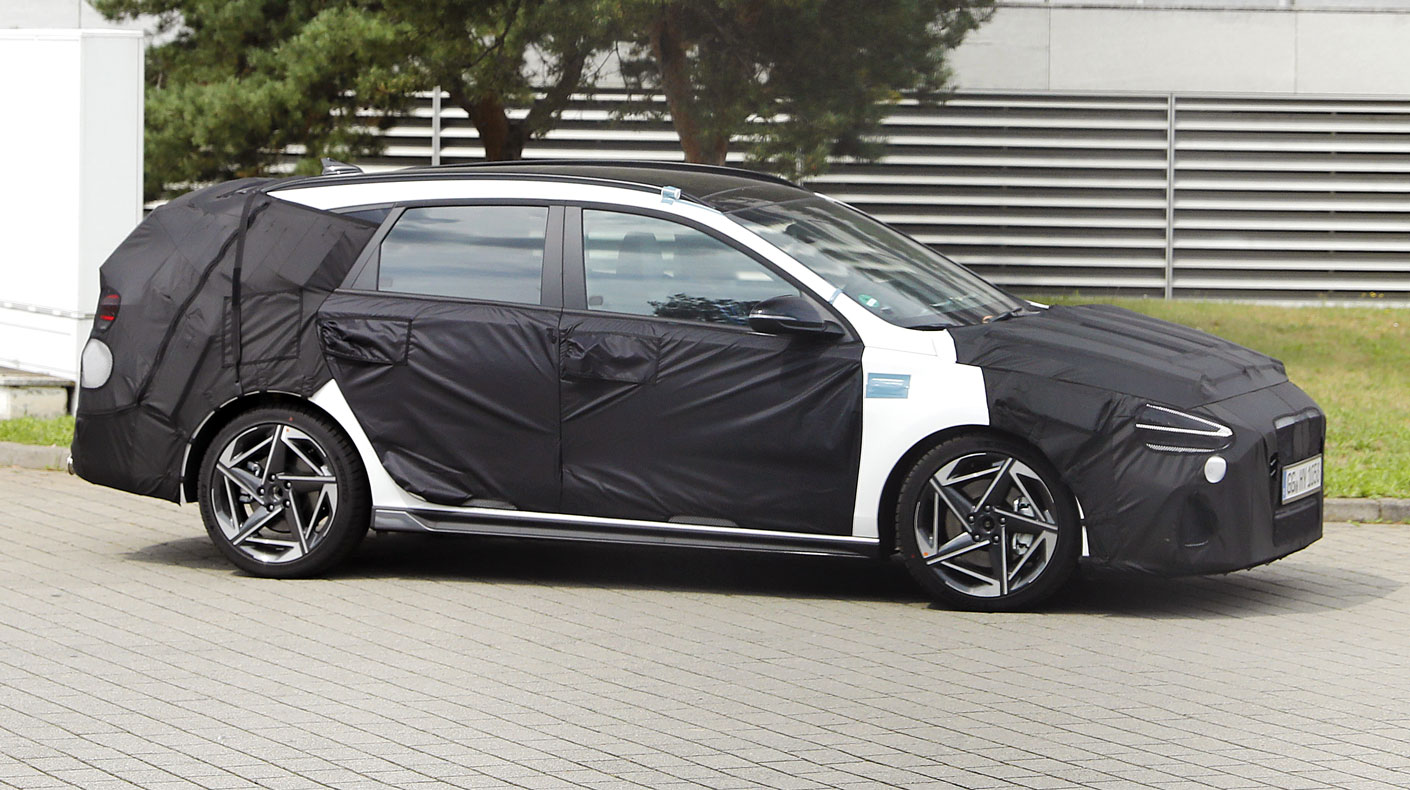
According to industry sources, Hyundai's long-term strategy doesn't involve a direct internal combustion engine (ICE) replacement for the i30. Instead, the brand is focused on developing a fully electric hatchback that would eventually replace the i30 altogether—most likely based on the IONIQ platform or a heavily revised version of it.
This third facelift--or compliance update--may be a cost-effective way to extend the i30's life cycle while sales remain viable. It's a strategic move: rather than investing in an all-new ICE generation, Hyundai appears to be maximizing returns on an existing platform before the market fully transitions to electric vehicles (EVs)—a completely different strategy compared with the i20, which will receive a new ICE generation model.
While Hyundai has made significant progress with its IONIQ lineup, transitioning the i30 directly to an EV would require extensive re-engineering. Given the shrinking but still significant demand for ICE vehicles in certain European markets, Hyundai seems to be opting for a gradual phase-out strategy.
Moreover, adapting the current i30 to comply with Euro 7 standards allows Hyundai to keep a lower-cost alternative in showrooms, appealing to budget-conscious consumers who aren't yet ready to go electric.