Thu, 05/21/2026 - 17:05

By SEMA News Editors
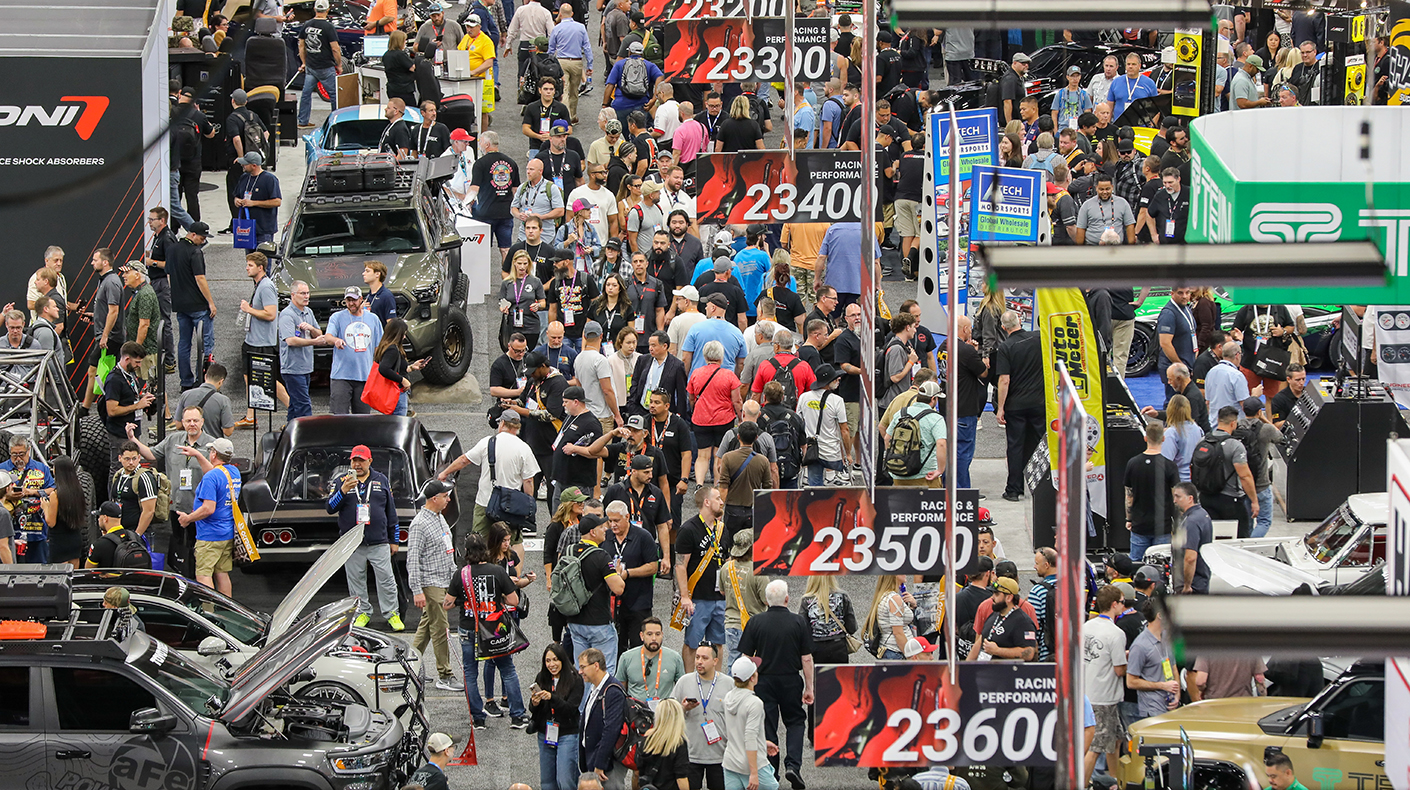
A crowded SEMA Show floor.


The strength and momentum of the global automotive aftermarket are on full display in the 2026 SEMA Show floorplan, now live on the SEMA Show website at semashow.com/floorplan. Spanning the full spectrum of specialty equipment, from performance and racing to trucks, SUVs and off-road, powersports, accessories, tools and equipment and emerging technology, the layout reflects an industry continuing to innovate, investing with confidence and preparing to exhibit at this year's Show.

 

Button to see the SEMA Show Floorplan.


Exhibitor commitments have already surpassed 1 million net sq. ft. of exhibit space and include more than 2,000 brands ready to welcome a global audience to Las Vegas and the newly renovated convention center November 3-6. Through the support and growth of the aftermarket, the SEMA Show consistently ranks as one of the largest and best-attended trade shows in the country. 
 

The floorplan reflects broad-based participation across segments and makes a clear statement about the specialty-equipment marketplace: companies are innovating, launching and scaling. As the industry continues to evolve, the 2026 SEMA Show is designed to connect buyers with the brands, products and people driving the aftermarket forward.
 

"The 2026 SEMA Show floorplan reflects a resilient, growing global aftermarket, one that continues to invest in innovation, product development and new customer connections," said SEMA Vice President of Events Tom Gattuso. "What you see on the floorplan is a powerful statement about the industry. Brands are showing up with purpose, and buyers are coming because this is where business gets done and trends take shape."
 

Major OEM Participation Adds Momentum to 2026
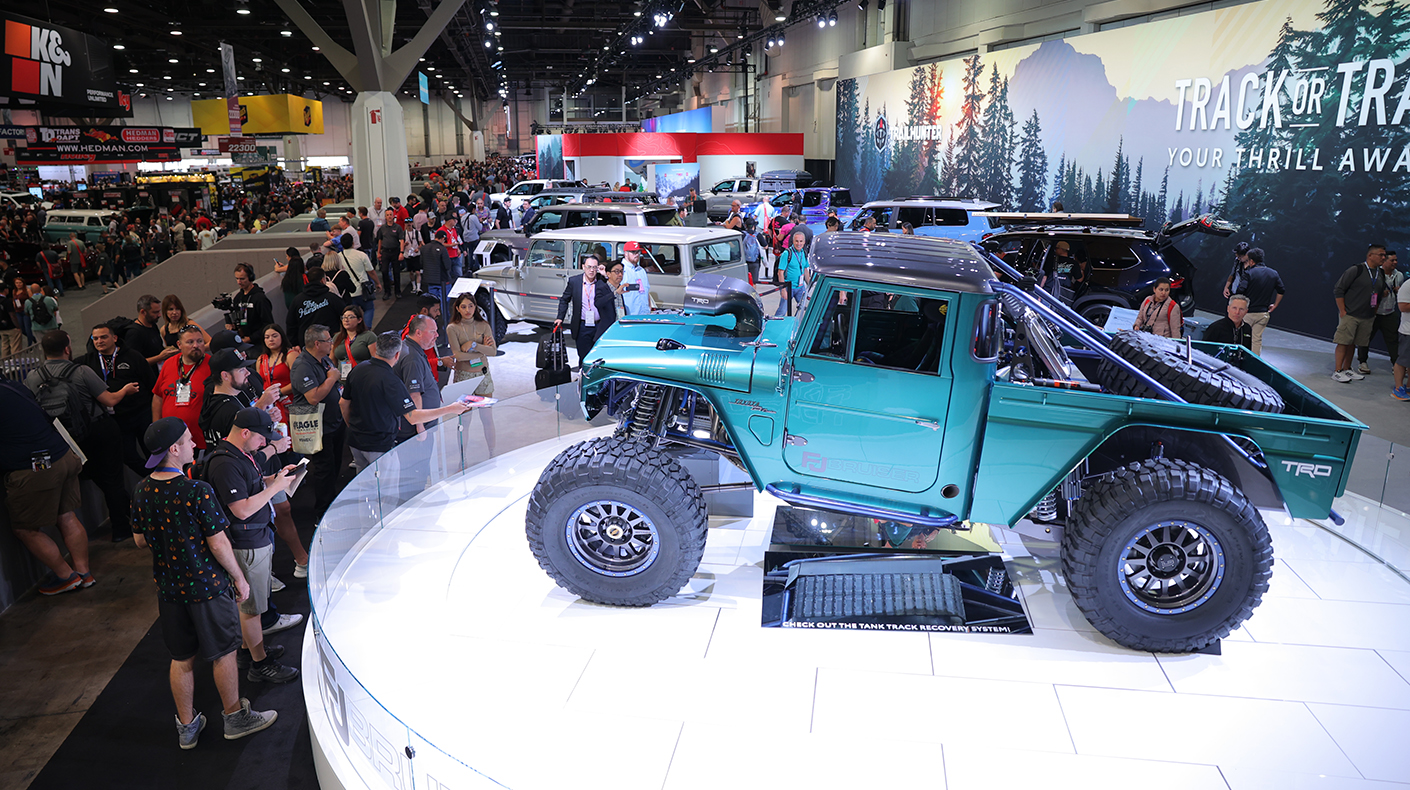
The Toyota booth at the SEMA Show.


The 2026 SEMA Show will feature strong participation from major automakers and performance organizations, reinforcing the event's role as the global meeting place where original equipment manufacturer (OEM) and aftermarket innovation intersect. Participating OEMs for 2026 include Ford Motor Company, Honda Racing Corp. (Honda/Acura), Mitsubishi, Nissan, Stellantis (with representation from Dodge, Jeep and Mopar) and Toyota North America.
 

"The enthusiast community is central to Ford Motor Company; we are a passion brand in every segment that we participate in. And the way we win with our audience is to meet them where they are, and they're at SEMA," said Ford Customization Executive Director Matt Simpson. "We are thrilled this year to increase our investment and presence at SEMA to show off what we're working on, from our latest Ford Custom Garage offerings, to our growing Ford Racing Parts business, to our heritage crate engines."
 

"This year, Ford will engage SEMA enthusiasts on a new level, offering consumers unprecedented opportunities to compete and customize directly with Ford," said Simpson. "We invite you to visit our booth to connect with our team and partners and to see firsthand how we are bringing vehicle customization to the masses at an impressive scale."
 

Signature Experiences Return, Built for Discovery, Competition and What's Next
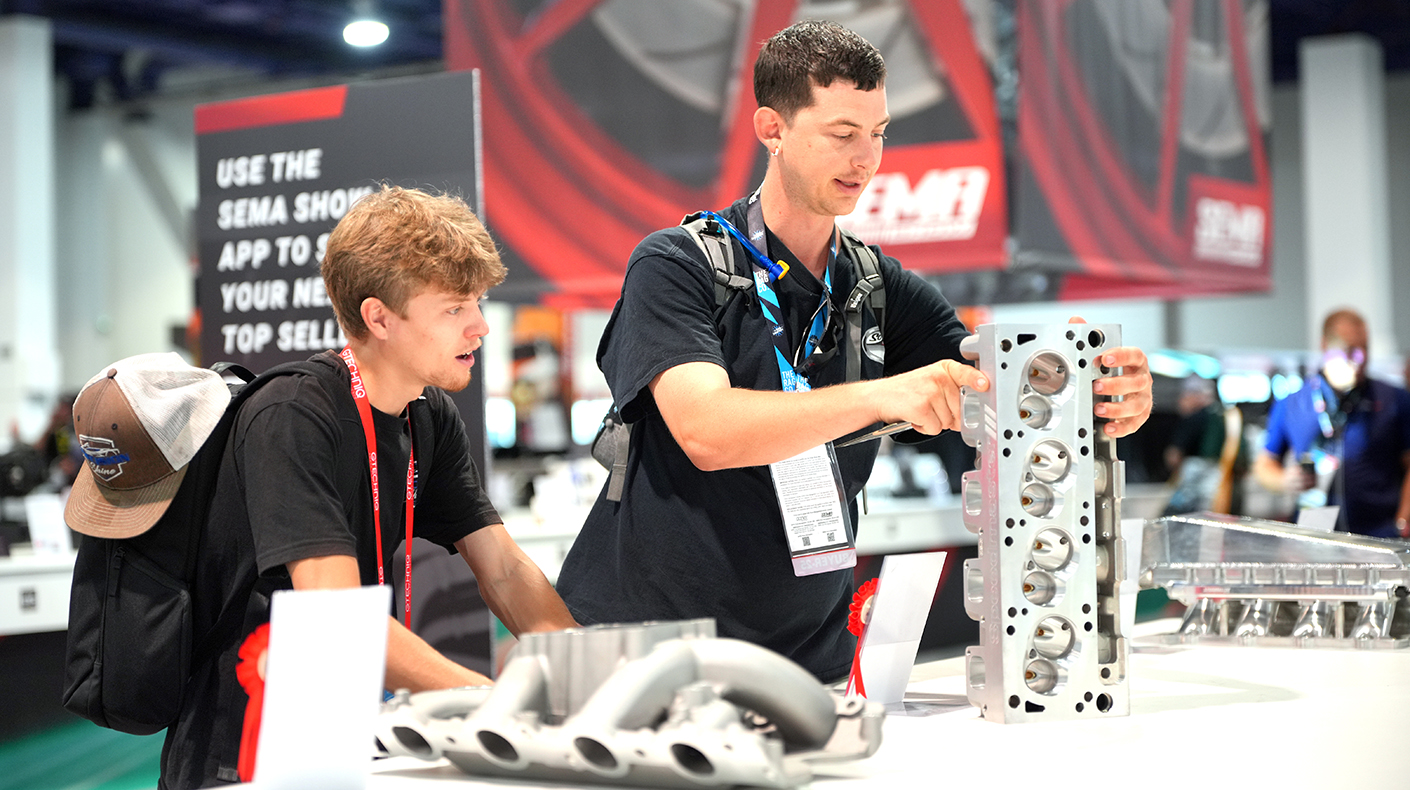
SEMA Show attendees looking at products in the New Products Showcase.


A strong floorplan is only part of the story. The 2026 SEMA Show will bring back key experiences that drive product discovery, spotlight craftsmanship and explore emerging trends shaping the industry. The New Products Showcase will highlight the latest launches and solutions across categories. Battle of the Builders will return to celebrate elite vehicle builds and the creativity that defines the aftermarket. The FutureTech Studio will offer a forward-looking window into advanced vehicle technologies and the ideas influencing what comes next for the aftermarket.


"Attendees are going to feel the momentum the moment they hit the halls: more product discovery, more hands-on experiences and a layout that makes it easy to navigate and find the solutions they came for," said SEMA Trade Show Director Andy Tompkins. "Whether you're here to source new products, meet with suppliers or see the industry's best builds and latest tech, 2026 is set up to deliver a week that's productive, energizing and inspiring."


"SEMA Week" Experience: Business First, Public Friday and SEMA Fest Friday Night
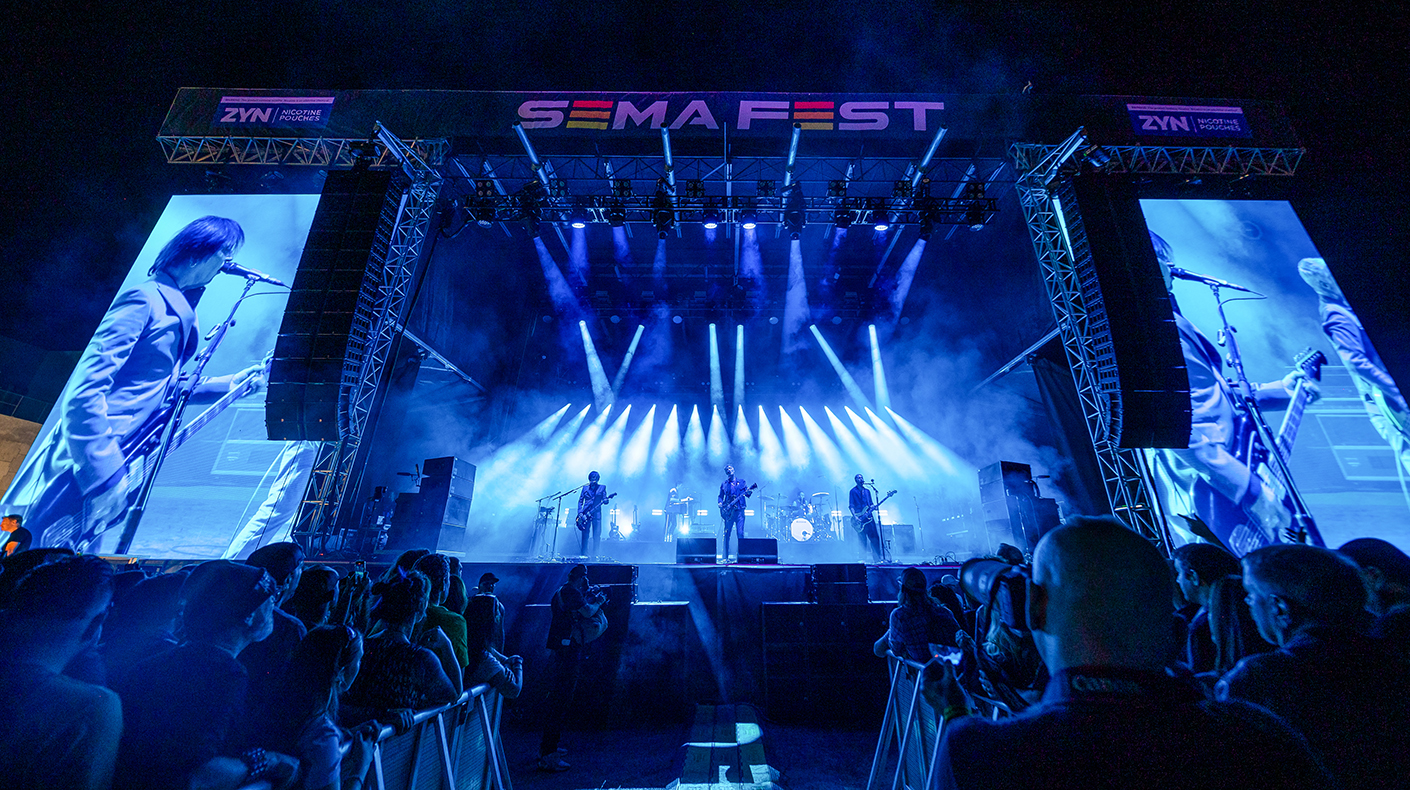
The SEMA Fest Stage


The 2026 SEMA Show will anchor a broader "SEMA Week" experience, beginning with the business-focused trade show early in the week, transitioning to public access on Friday, November 6, and concluding Friday night with SEMA Fest, a signature celebration of automotive culture and music that extends the energy of the show beyond the exhibit halls.
 

Qualified attendees can secure a SEMA Show badge for $50 through June 26. Attendees are also encouraged to make hotel reservations at the guaranteed lowest available rates through SEMA's official hotel provider.
 

While space is limited, high-quality exhibit locations remain available. Visit semashow.com/exhibitor or email sales@sema.org for more information.


The 2026 SEMA Show is set for November 3-6, in Las Vegas. Interested exhibitors can buy a booth and learn more at semashow.com/exhibitor. Attendee and buyer registration is now open online. For more information, visit semashow.com. SEMA Fest has been confirmed for Friday, November 6, 2026, and industry members will get the lowest rate on tickets through the registration portal and Attendee Resource Center. Sign up for updates at semafest.com.   
 

Thu, 05/21/2026 - 16:04

By SEMA News Editors


Are you hunting for a new job? The SEMA Career Center has a comprehensive listing of automotive-related job openings nationwide. Below are some of the latest postings; be sure to visit jobs.sema.org for the complete directory: 


Kanter Auto

Vintage Automotive Parts Specialist in Boonton, New Jersey

Kanter Auto seeks a professional to handle the high-level technical inquiries and bridge the gap between the company's digital presence and its physical products.

VIEW LISTING


Speedway Motors

Quality Control Inspector-Fabrication in Lincoln, Nebraska

The person in this role will inspect fabricated components to verify they meet engineering drawings, tolerances and specifications before reaching Speedway Motors customers, among additional duties.

VIEW LISTING


These are just a few of the new roles available on jobs.sema.org.


Employers looking to join the SEMA Career Center can do so at semajobs.com/employers/register.


Feed image courtesy of Shutterstock | YAKOBCHUK VIACHESLAV


Thu, 05/21/2026 - 15:03


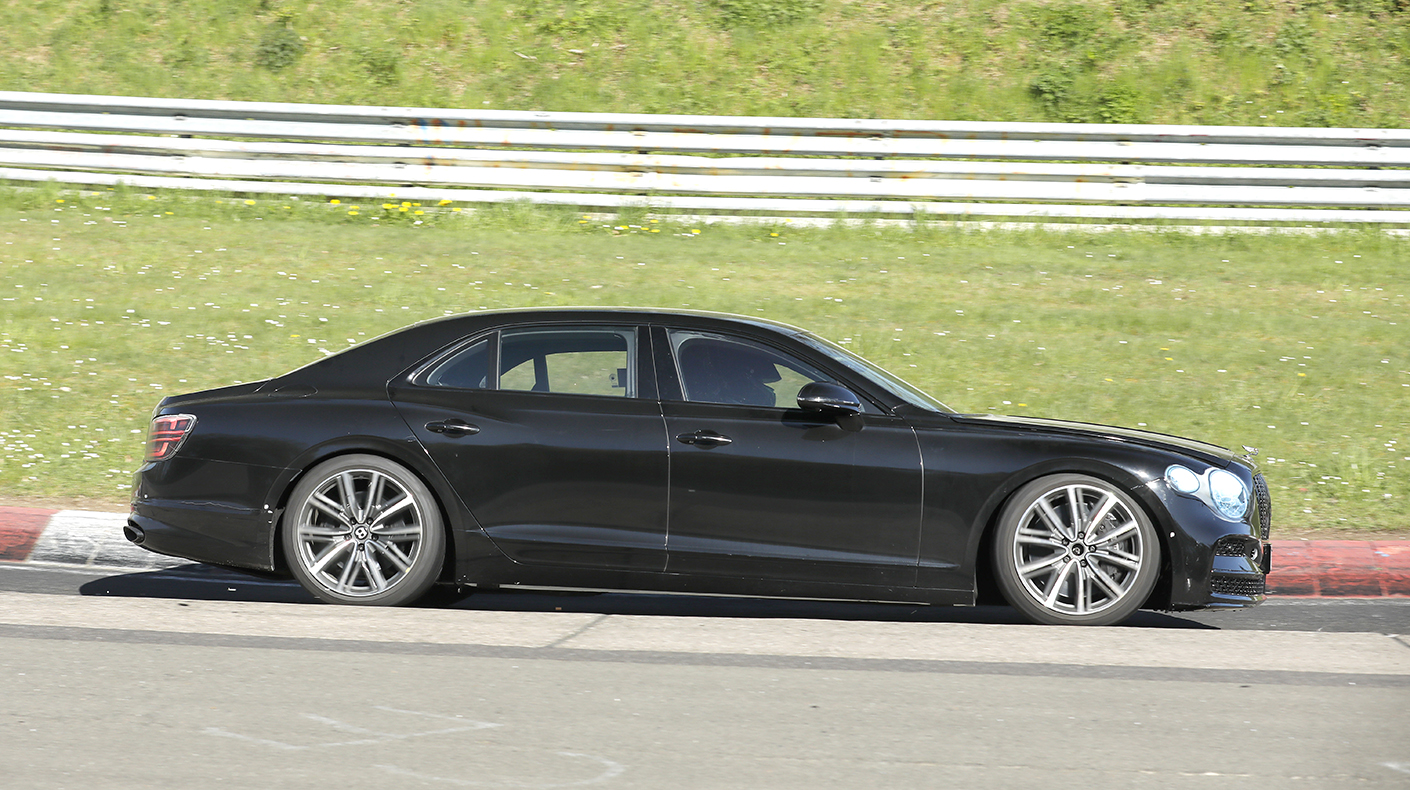
Second Facelift for Bentley Flying Spur

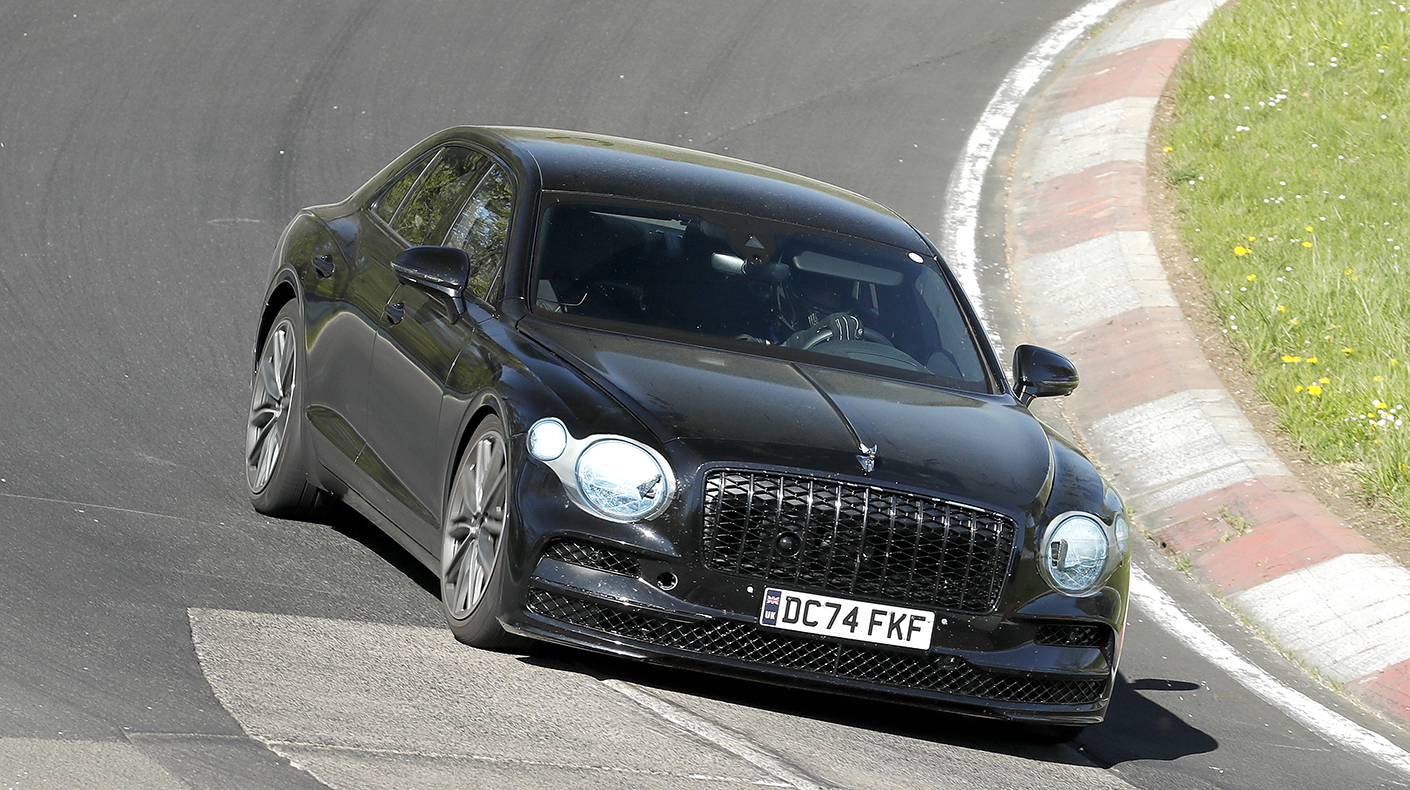
The Bentley Flying Spur testing on track.


The current Bentley Flying Spur is in its third generation. It hit the assembly line back in 2019, with Stefan Sielaff, the man who left his mark on the 2017 Audi A7, the Mercedes CLS, the Audi Quattro Spyder and numerous Zeekr models, signing the design. Beneath the skin lies the Volkswagen Group's aging MSB platform, which is the foundation of the G2 and G3 Porsche Panamera and the third- and fourth-generation Continental.
 

Thus, one might think that because this model is no longer exactly new and has started showing its age, the company would be preparing an entirely new generation. Moreover, Bentley gave the Flying Spur a mid-cycle refresh in the second half of 2024. Nonetheless, the British automaker plans to milk its current flagship sedan for as long as possible. As a result, a second facelift is now in the works, and this was the version recently spied in action at the Nürburgring.
 

At first glance, this prototype looks quite ordinary, but as usual, the devil is in the details. As our spy photographer noted, there are entirely new headlights on deck, which look very similar to those of the latest Continental, though they are partially covered in stickers meant to replicate the look of the current clusters.

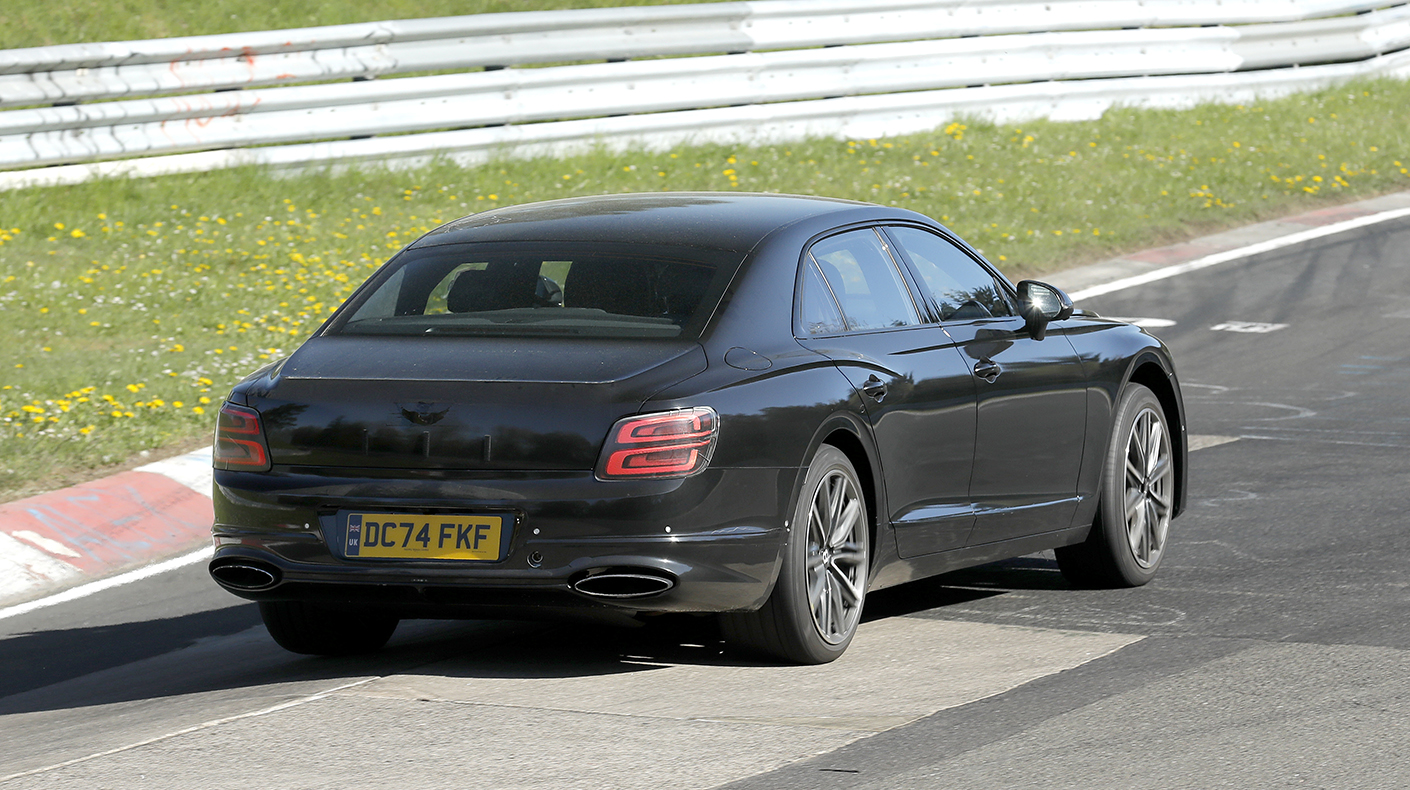
The Bentley Flying Spur testing on track.


The grille appears to retain its size, but the pattern is new, and the front bumper also appears to be entirely new. It is home to a very wide intake on the lower end and a pair of vents below the headlights. The Flying B mascot still decorates the car's nose. The real taillights are hidden beneath more stickers at the other end, and the rear bumper and elegant skirt beneath it are likely new as well.
 

The interior of this Bentley Flying Spur appears to be under wraps, suggesting that more updates are coming here. It's not clear yet what the company has prepared for the cockpit of this latest iteration of its flagship sedan, but new dual screens, or at least new software, would be a good guess. Still, the cabin will most likely retain its elegant overall look, and the rotating display in the middle of the dashboard should remain.
 

Bentley's upcoming Flying Spur could also feature some revisions beneath the skin in order to improve certain aspects, including overall comfort, and maybe some updates in the powertrain department. However, do not expect any drastic changes in these areas, as the automaker wants to play it safe with its revised flagship sedan so this model can continue taking on the likes of the Mercedes-Maybach S-Class and the Rolls-Royce Ghost, two of its biggest rivals in the segment.


The Bentley Flying Spur testing on track.


Rolls-Royce Cullinan EV Evokes Coachbuilt Classics

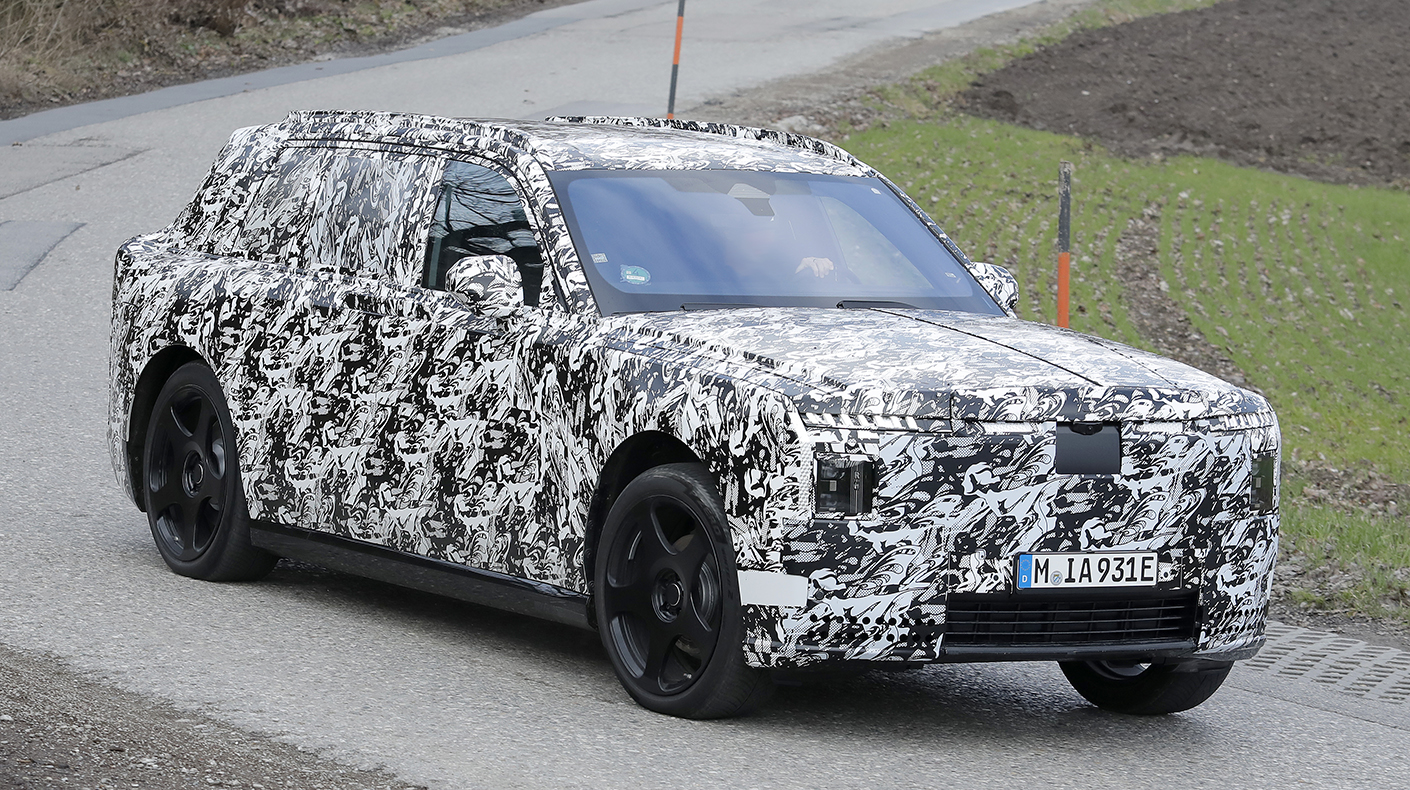
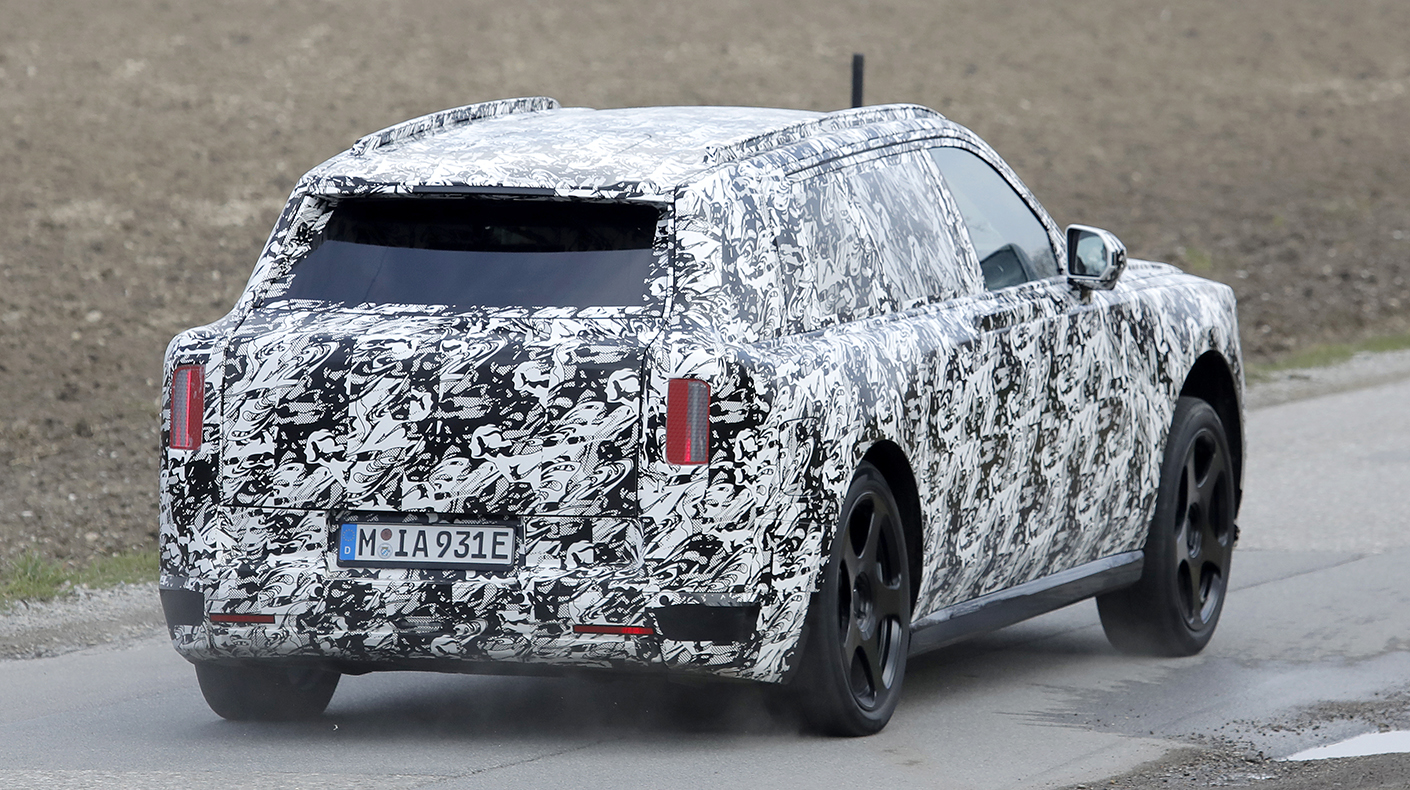
The Rolls Royce Cullinan EV testing on the road.


The all-new, all-electric Rolls-Royce Cullinan EV will come with a two-piece hood opening, evoking the coachbuilt classics that an electric SUV with a Spirit of Ecstasy mascot seems, on paper, so far removed from. Since Goodwood can't impress buyers with cylinder count, Rolls-Royce will instead create spectacle with the body, as nothing else on the planet has such a setup. Sure, it'll be less practical than a regular hood opening, but when the bellhops extract your luggage outside the Four Seasons, even Bugatti owners will be forced to take a look.
 

With such a unique front end—which still incorporates a retractable and potentially illuminated Spirit of Ecstasy figurine to prevent customers from rioting—the Rolls-Royce electric SUV will surely beat the upcoming Bentley Barnato electric SUV for theater, and if you're going to buy a six-figure EV, it ought to feel special. Of course, while this particular hood opening has already been revealed in a patent, there's no guarantee that it will necessarily conceal the owner's everyday Hermès bags.


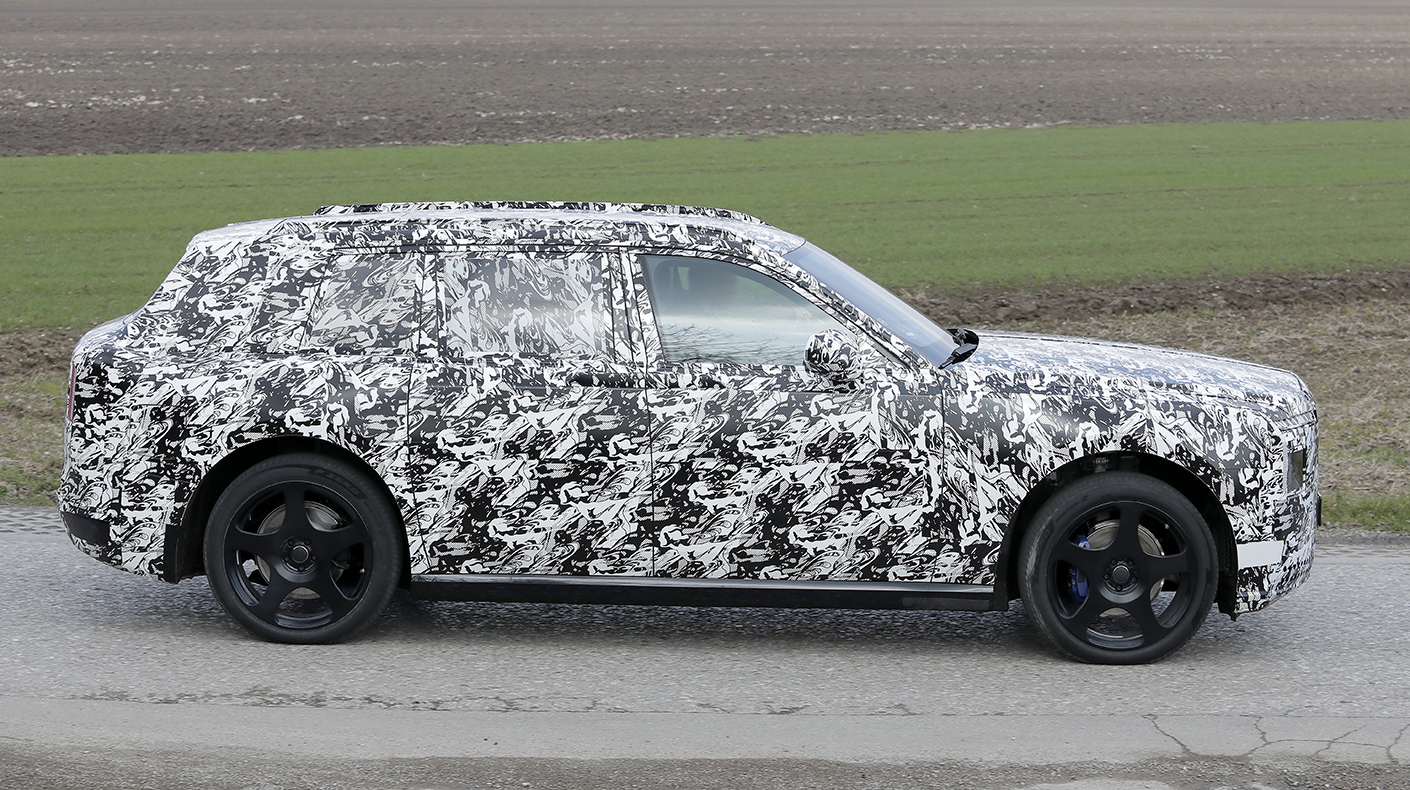
The Rolls Royce Cullinan EV testing on the road.


Like the Boat Tail, it's quite possible that this front storage area could be filled with whatever the customer decides: fitted luggage, glassware and beverages, picnic baskets or anything else. In fact, that's a distinct possibility because of what Goodwood said some weeks ago, words that automotive historians of the future will take note of.
 

Rolls-Royce recently announced the Coachbuilt Collection, a series of ultra-exclusive creations for the highest echelons of its customer base, allowing the imaginations of the ultra-wealthy to run wild with effectively no limits on customization possibilities. What makes this relevant here is that the automaker also said the first creation from this program will be electric. Of course, something with two doors based on the Spectre seems more predictable, and this prototype's Cullinan-like shape isn't all that remarkable, but perhaps plenty of this vehicle's design is being hidden well by the camouflage.
 

Reportedly built on the Architecture of Luxury platform that underpins every current Rolls-Royce product, but with new BMW EV technology (which likely means Rimac technology), this SUV is expected to be capable of close to 404 miles of range, if not a little more. That should be plenty for the well-heeled city dwellers this is aimed at, and they'll be able to wow onlookers with the two-piece opening hood hands-free, as this and the tailgate are expected to be voice-activated, among other features. With this hood now evident and most of the other bodywork looking finished, we expect more vinyl camouflage to be peeled off soon, with a reveal before the end of the year.


The Rolls Royce Cullinan EV testing on the road.


Story and photos by Andreas Conradt, Automedia


Thu, 05/21/2026 - 14:02

From the SEMA Washington, D.C., office

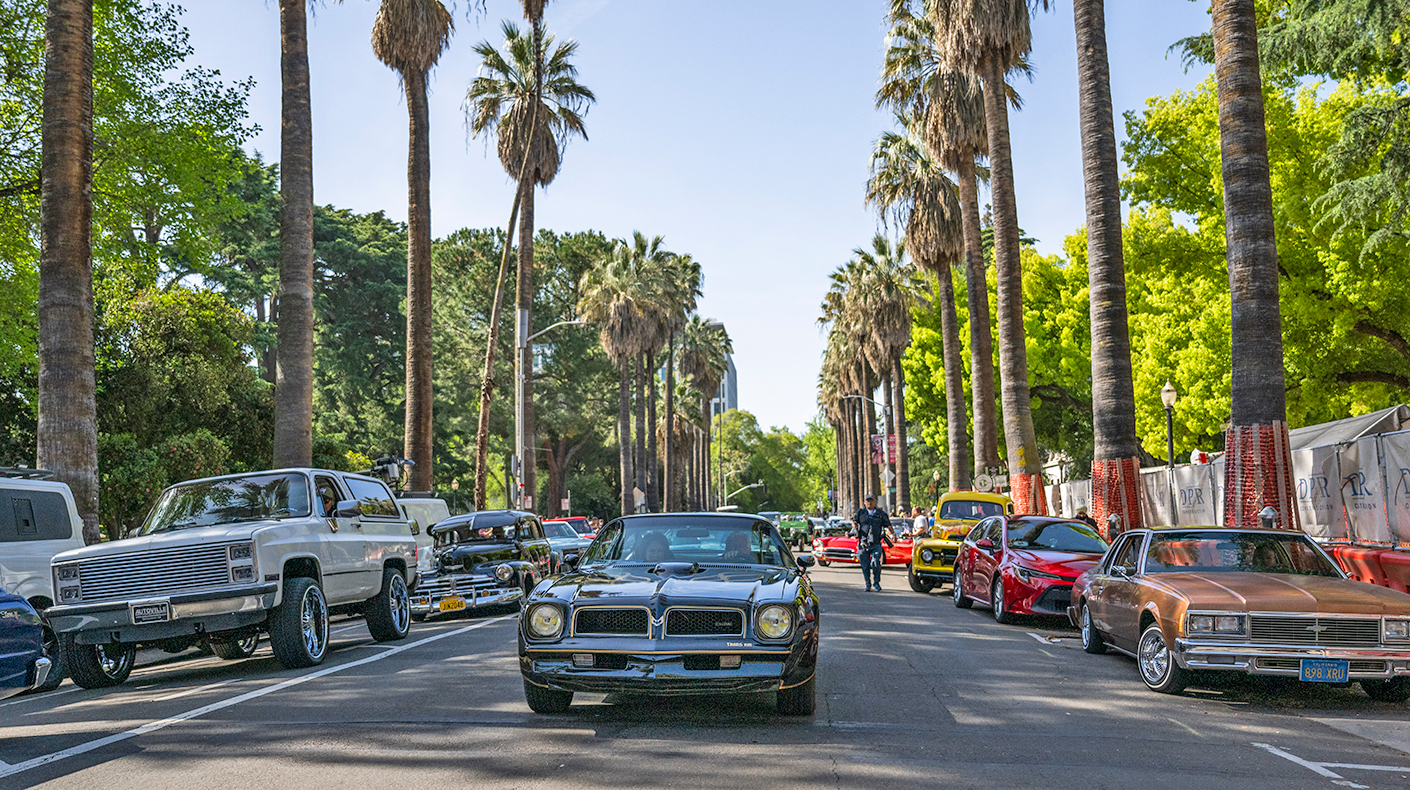
Classic cars driving down a California street.


Editor's Note: This story was originally published on May 21, 2026.  A more recent story is available.


California's "Leno's Law" continues to gain momentum. SB 1392, authored by Senators Dave Cortese and Shannon Grove, has passed the California State Senate with overwhelming bipartisan support and now moves to the State Assembly, where it will be considered by policy committees in the coming weeks.
 

👉 Let them hear you, California! If you live in the state, tell your Assemblymember to vote YES on Leno's Law (it only takes a minute).


Red button with the phrase Act Now.


Leno's Law creates a narrow collector-vehicle smog-check exemption for certain older vehicles, phased in from pre-'81 models to pre-'86 models by 2032. To qualify, owners must either provide proof of collector car insurance or show, through a future DMV process, that the vehicle is driven fewer than 1,000 miles per year. The bill does not change California's existing pre-'76 exemption.
 

The bill is aimed at true collector vehicles used for shows, cruises, charitable events and historical exhibitions, not daily transportation. With Senate approval secured, the bill now moves to the Assembly, where continued support from enthusiasts and small businesses will be critical.


In an acknowledgment of the undeniable cultural importance of providing a pathway for modernizing the state's laws on collector vehicles, California’s iconic lowrider community is standing up for Leno's Law, submitting more than 1,700 letters in support of passing the bill. 


"Lowriders and classics are built with pride, shown with purpose, and driven for the community. Leno's Law is about protecting those who keep these cars alive: the builders, the painters, the upholsterers, the chrome shops, and the clubs that put in the work year-round. SB 1392 keeps our culture on the road and gives the next generation a fair shot at preserving the rides they love," said letter organizer Joseph Mendez, CEO of The Lowrider Grind, a cultural hub for the lowrider community. 


Additionally, the FIA, via its International Historical Commission, has sent a letter urging the Senate Appropriations Committee to vote in favor of Leno's Law, citing the bill’s potential for preserving California's leadership in both clean air and cultural heritage. 


"California has long been recognized as a leader in environmental policy and a trendsetter in automotive culture," write Giuseppe Redaelli, president of the FIA International Historical Commission, and Willem Groenewald, FIA's secretary general for mobility, sustainability, and tourism. "SB 1392 strikes a thoughtful and balanced compromise by respecting air quality goals while protecting an essential element of California's cultural and economic fabric. It is intentionally bounded, does not create a broad rolling exemption, and creates only an optional pathway for qualifying collector vehicles. It ensures that rare and historic vehicles, some of which are displayed in world-renowned California museums and celebrated by enthusiasts around the world, can be preserved without undue regulatory burden."


"Leno's Law has always been about more than our state’s antiquated emissions tests, or the high-dollar auctioneer space that people perceive car collectors to exist within. Rather, it has always been about providing a foundation for the next generation of car enthusiasts, of acknowledging California's rich automotive heritage, and reminding us that in these divided times, our vehicles unify us and spark a joy that transcends generations and demographics," said Victor Muñoz, SEMA's senior manager for state government affairs. "As we share that story with lawmakers in Sacramento, there are no better allies to have by our side than the Fédération Internationale de de l'Automobile and Joseph Mendez and his lowrider family."


🎞️ VIDEO: Watch Chris Jacobs and Carmen Vera's message on Leno's Law below: 


For more information on how to support Leno's Law and to stay updated on its progress, contact Victor Muñoz, SEMA's senior manager for state government affairs, at victorm@sema.org. Sign up for SEMA Action updates at semahq.org.


This article was originally published on May 21, 2026.


Thu, 05/21/2026 - 14:02

From the SEMA Washington, D.C., office

Classic cars driving down a California street.


Editor's Note: This story was originally published on May 21, 2026.  A more recent story is available.


California's "Leno's Law" continues to gain momentum. SB 1392, authored by Senators Dave Cortese and Shannon Grove, has passed the California State Senate with overwhelming bipartisan support and now moves to the State Assembly, where it will be considered by policy committees in the coming weeks.
 

👉 Let them hear you, California! If you live in the state, tell your Assemblymember to vote YES on Leno's Law (it only takes a minute).


Red button with the phrase Act Now.


Leno's Law creates a narrow collector-vehicle smog-check exemption for certain older vehicles, phased in from pre-'81 models to pre-'86 models by 2032. To qualify, owners must either provide proof of collector car insurance or show, through a future DMV process, that the vehicle is driven fewer than 1,000 miles per year. The bill does not change California's existing pre-'76 exemption.
 

The bill is aimed at true collector vehicles used for shows, cruises, charitable events and historical exhibitions, not daily transportation. With Senate approval secured, the bill now moves to the Assembly, where continued support from enthusiasts and small businesses will be critical.


In an acknowledgment of the undeniable cultural importance of providing a pathway for modernizing the state's laws on collector vehicles, California’s iconic lowrider community is standing up for Leno's Law, submitting more than 1,700 letters in support of passing the bill. 


"Lowriders and classics are built with pride, shown with purpose, and driven for the community. Leno's Law is about protecting those who keep these cars alive: the builders, the painters, the upholsterers, the chrome shops, and the clubs that put in the work year-round. SB 1392 keeps our culture on the road and gives the next generation a fair shot at preserving the rides they love," said letter organizer Joseph Mendez, CEO of The Lowrider Grind, a cultural hub for the lowrider community. 


Additionally, the FIA, via its International Historical Commission, has sent a letter urging the Senate Appropriations Committee to vote in favor of Leno's Law, citing the bill’s potential for preserving California's leadership in both clean air and cultural heritage. 


"California has long been recognized as a leader in environmental policy and a trendsetter in automotive culture," write Giuseppe Redaelli, president of the FIA International Historical Commission, and Willem Groenewald, FIA's secretary general for mobility, sustainability, and tourism. "SB 1392 strikes a thoughtful and balanced compromise by respecting air quality goals while protecting an essential element of California's cultural and economic fabric. It is intentionally bounded, does not create a broad rolling exemption, and creates only an optional pathway for qualifying collector vehicles. It ensures that rare and historic vehicles, some of which are displayed in world-renowned California museums and celebrated by enthusiasts around the world, can be preserved without undue regulatory burden."


"Leno's Law has always been about more than our state’s antiquated emissions tests, or the high-dollar auctioneer space that people perceive car collectors to exist within. Rather, it has always been about providing a foundation for the next generation of car enthusiasts, of acknowledging California's rich automotive heritage, and reminding us that in these divided times, our vehicles unify us and spark a joy that transcends generations and demographics," said Victor Muñoz, SEMA's senior manager for state government affairs. "As we share that story with lawmakers in Sacramento, there are no better allies to have by our side than the Fédération Internationale de de l'Automobile and Joseph Mendez and his lowrider family."


🎞️ VIDEO: Watch Chris Jacobs and Carmen Vera's message on Leno's Law below: 


For more information on how to support Leno's Law and to stay updated on its progress, contact Victor Muñoz, SEMA's senior manager for state government affairs, at victorm@sema.org. Sign up for SEMA Action updates at semahq.org.


This article was originally published on May 21, 2026.


Thu, 05/21/2026 - 13:55

From the SEMA Washington, D.C., office

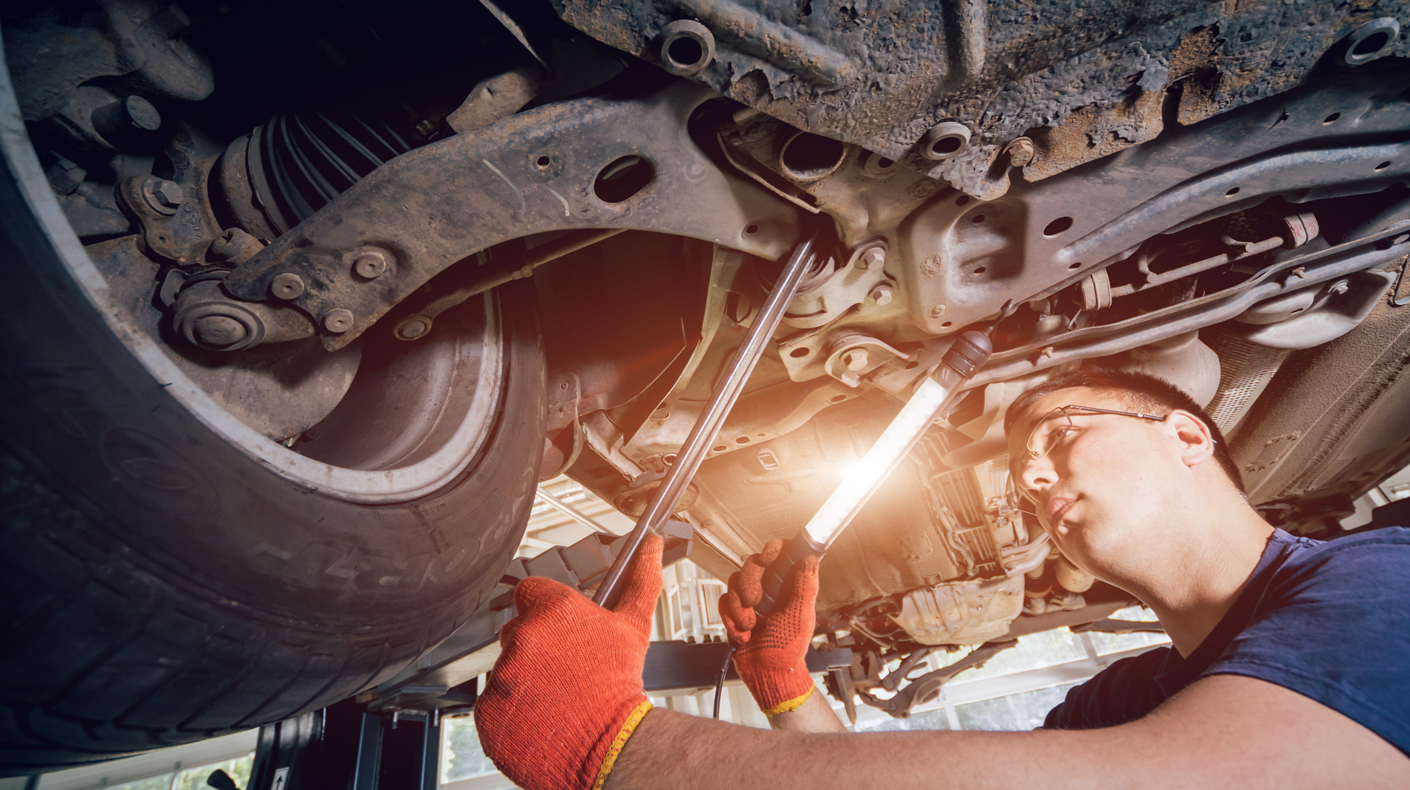
An image of a car mechanic looking at the suspension.


In addition to endorsing important legislation to help protect vehicle owners' right to modify their cars and trucks, SEMA has also invested more than $25 million in its SEMA Garage program to help the aftermarket stay ahead of rapidly evolving vehicle technology.


In a groundbreaking first, legislation endorsed by SEMA to protect vehicle owners' right to modify their cars and trucks is advancing out of committee and heading to a full vote in the U.S. House of Representatives. The House Committee on Energy and Commerce passed HR 7389, Motor Vehicle Modernization Act of 2026, Section 221 of which is an amended version of the bipartisan, SEMA-backed ADAS Functionality and Integrity Act. The bill would ensure that vehicle owners and the automotive aftermarket industry have the necessary information needed to ensure advanced safety systems continue to operate as intended after common modifications of cars and trucks, including the addition of wraps, bumpers with winches or even bike racks.
 

The ADAS Functionality and Integrity Act (Section 221) directs the National Highway Traffic Safety Administration (NHTSA) to study the impact of common vehicle modifications on ADAS (advanced driver-assistance systems) and empowers the agency to develop data-driven guidelines that specify how much a vehicle can be modified without compromising ADAS functionality.


The ADAS Functionality and Integrity Act is sponsored by Rep. Diana Harshbarger (R-TN) and co-sponsored by Rep. Gabe Vasquez (D-NM), Rep. Jay Obernolte (R-CA), Rep. Norma Torres (D-CA) and Rep. Ryan Mackenzie (R-PA).
 

"This is an important day for vehicle owners, the automotive aftermarket and our collective efforts to ensure all vehicles are as safe as their technology intends," said SEMA Senior Vice President for Public and Government Affairs Karen Bailey-Chapman. "Americans deserve the protection that advanced safety systems enable, especially when they modify their vehicles to support their businesses, family needs and recreation choices. SEMA is thrilled that this bill will receive important consideration by the full House of Representatives, and we look to keeping it moving all the way to the Senate, and, eventually, President Trump."


About the ADAS Functionality and Integrity Act


Sec. 221 of HR 7389 requires NHTSA to study the impact that common modifications have on ADAS calibration, and it empowers the agency to establish ADAS guidelines to create modification ranges and tolerances for new vehicles based on the results of the study.
 

• Sec. 221 (a)(1) provides NHTSA with 18 months to complete a study and publish a report on its website that reviews the impact of vehicle modifications on ADAS functionality.


• NHTSA's study must look at the 10 most common vehicle modifications and look at how they impact a vehicle's ADAS performance. 


• The report must provide information necessary to create industry guidelines, including allowable modification ranges and vehicle tolerances, taking into consideration ride height, wheel and tire dimensions, and sensor and camera function.


• NHTSA would also be required to review the information necessary to develop guidelines for proper calibration procedures of ADAS and other vehicle dynamics systems following modification and customization.


Sec. 221 (b) of HR 7389 provides NHTSA with two years after publishing a report as required by (a) to issue ADAS guidelines if the agency determines that they are feasible and practical. It also enables NHTSA to develop a process for automakers to provide the agency with modification ranges for their vehicles.


Background on SEMA's Fight for the Right to Modify
 

As ADAS features become increasingly offered in new vehicles, they present both opportunities and challenges for vehicle owners and aftermarket businesses that modify vehicles in common ways, such as installing a wrap, an aftermarket bumper or winch, a bike rack, lifting a vehicle to navigate tough terrain or installing larger tires to adapt to weather conditions. ADAS technologies, such as automatic emergency braking, lane-keep assist, lane-departure warning and forward-collision warning, add complexity when vehicles are repaired or modified.


• Currently, there are no standards to properly calibrate the sensors and cameras that support ADAS features after a vehicle has been customized or modified.


• Beginning in model-year '29, all new passenger cars and light trucks must be equipped with certain ADAS technology, specifically automatic emergency braking under NHTSA's FMVSS 127 rulemaking. The ADAS Functionality and Integrity Act is critical to ensure that these advanced safety systems continue to work properly, even after vehicles are repaired or modified, and that pathways to compliance are clear as ADAS becomes standard on every vehicle.


• SEMA has invested more than $25 million in its SEMA Garage program to help the aftermarket stay ahead of rapidly evolving vehicle technology. With facilities in Diamond Bar, California, and Plymouth, Michigan, the SEMA Garage provides advanced tools, OEM data and dedicated ADAS labs that support product development and groundbreaking research on how modifications affect modern safety systems.


• To better understand the landscape of ADAS calibration and the impact of modifications on these systems, the SEMA Garage has hosted dozens of professionals from the customization, collision and repair industries for a symposium to address the most growing and pressing challenges associated with ADAS calibrations--creating a clear, industry-wide roadmap to ensure ADAS functions safely and reliably in every vehicle.


• Based on its rigorous research, SEMA released a series of white papers examining how aftermarket modifications affect ADAS performance across popular vehicles, including the Chevrolet Silverado 1500, Ford F-150, Ford Bronco, Toyota Tacoma and the Ram 1500. The research provides clear, data-driven insight into how changes such as lift kits, wheels and suspension components influence sensor reliability. This research helps manufacturers, installers and enthusiasts understand when recalibration is needed to preserve full ADAS functionality.


Image courtesy of Shutterstock | Sun Shock


Thu, 05/21/2026 - 13:55

From the SEMA Washington, D.C., office

An image of a car mechanic looking at the suspension.


In addition to endorsing important legislation to help protect vehicle owners' right to modify their cars and trucks, SEMA has also invested more than $25 million in its SEMA Garage program to help the aftermarket stay ahead of rapidly evolving vehicle technology.


In a groundbreaking first, legislation endorsed by SEMA to protect vehicle owners' right to modify their cars and trucks is advancing out of committee and heading to a full vote in the U.S. House of Representatives. The House Committee on Energy and Commerce passed HR 7389, Motor Vehicle Modernization Act of 2026, Section 221 of which is an amended version of the bipartisan, SEMA-backed ADAS Functionality and Integrity Act. The bill would ensure that vehicle owners and the automotive aftermarket industry have the necessary information needed to ensure advanced safety systems continue to operate as intended after common modifications of cars and trucks, including the addition of wraps, bumpers with winches or even bike racks.
 

The ADAS Functionality and Integrity Act (Section 221) directs the National Highway Traffic Safety Administration (NHTSA) to study the impact of common vehicle modifications on ADAS (advanced driver-assistance systems) and empowers the agency to develop data-driven guidelines that specify how much a vehicle can be modified without compromising ADAS functionality.


The ADAS Functionality and Integrity Act is sponsored by Rep. Diana Harshbarger (R-TN) and co-sponsored by Rep. Gabe Vasquez (D-NM), Rep. Jay Obernolte (R-CA), Rep. Norma Torres (D-CA) and Rep. Ryan Mackenzie (R-PA).
 

"This is an important day for vehicle owners, the automotive aftermarket and our collective efforts to ensure all vehicles are as safe as their technology intends," said SEMA Senior Vice President for Public and Government Affairs Karen Bailey-Chapman. "Americans deserve the protection that advanced safety systems enable, especially when they modify their vehicles to support their businesses, family needs and recreation choices. SEMA is thrilled that this bill will receive important consideration by the full House of Representatives, and we look to keeping it moving all the way to the Senate, and, eventually, President Trump."


About the ADAS Functionality and Integrity Act


Sec. 221 of HR 7389 requires NHTSA to study the impact that common modifications have on ADAS calibration, and it empowers the agency to establish ADAS guidelines to create modification ranges and tolerances for new vehicles based on the results of the study.
 

• Sec. 221 (a)(1) provides NHTSA with 18 months to complete a study and publish a report on its website that reviews the impact of vehicle modifications on ADAS functionality.


• NHTSA's study must look at the 10 most common vehicle modifications and look at how they impact a vehicle's ADAS performance. 


• The report must provide information necessary to create industry guidelines, including allowable modification ranges and vehicle tolerances, taking into consideration ride height, wheel and tire dimensions, and sensor and camera function.


• NHTSA would also be required to review the information necessary to develop guidelines for proper calibration procedures of ADAS and other vehicle dynamics systems following modification and customization.


Sec. 221 (b) of HR 7389 provides NHTSA with two years after publishing a report as required by (a) to issue ADAS guidelines if the agency determines that they are feasible and practical. It also enables NHTSA to develop a process for automakers to provide the agency with modification ranges for their vehicles.


Background on SEMA's Fight for the Right to Modify
 

As ADAS features become increasingly offered in new vehicles, they present both opportunities and challenges for vehicle owners and aftermarket businesses that modify vehicles in common ways, such as installing a wrap, an aftermarket bumper or winch, a bike rack, lifting a vehicle to navigate tough terrain or installing larger tires to adapt to weather conditions. ADAS technologies, such as automatic emergency braking, lane-keep assist, lane-departure warning and forward-collision warning, add complexity when vehicles are repaired or modified.


• Currently, there are no standards to properly calibrate the sensors and cameras that support ADAS features after a vehicle has been customized or modified.


• Beginning in model-year '29, all new passenger cars and light trucks must be equipped with certain ADAS technology, specifically automatic emergency braking under NHTSA's FMVSS 127 rulemaking. The ADAS Functionality and Integrity Act is critical to ensure that these advanced safety systems continue to work properly, even after vehicles are repaired or modified, and that pathways to compliance are clear as ADAS becomes standard on every vehicle.


• SEMA has invested more than $25 million in its SEMA Garage program to help the aftermarket stay ahead of rapidly evolving vehicle technology. With facilities in Diamond Bar, California, and Plymouth, Michigan, the SEMA Garage provides advanced tools, OEM data and dedicated ADAS labs that support product development and groundbreaking research on how modifications affect modern safety systems.


• To better understand the landscape of ADAS calibration and the impact of modifications on these systems, the SEMA Garage has hosted dozens of professionals from the customization, collision and repair industries for a symposium to address the most growing and pressing challenges associated with ADAS calibrations--creating a clear, industry-wide roadmap to ensure ADAS functions safely and reliably in every vehicle.


• Based on its rigorous research, SEMA released a series of white papers examining how aftermarket modifications affect ADAS performance across popular vehicles, including the Chevrolet Silverado 1500, Ford F-150, Ford Bronco, Toyota Tacoma and the Ram 1500. The research provides clear, data-driven insight into how changes such as lift kits, wheels and suspension components influence sensor reliability. This research helps manufacturers, installers and enthusiasts understand when recalibration is needed to preserve full ADAS functionality.


Image courtesy of Shutterstock | Sun Shock


Thu, 05/21/2026 - 13:45

By Ashley Reyes

Graphic for the upcoming SBN webinar on generational differences.


With a workforce that spans four generations, automotive aftermarket businesses are uniquely positioned to leverage generational diversity to build stronger collaborative teams. But doing so requires a clear understanding of how each generation communicates, what they value and what they expect in the workplace.
 

SEMA members are invited to join the SEMA Businesswomen's Network (SBN) virtual session, "Creating Positive Outcomes With Generational Differences" on Tuesday, June 9, at 12:00 p.m. PDT/3:00 p.m. EDT, where aftermarket industry leaders will share how generational differences can strengthen communication, alignment and overall business performance. Moderated by Annette Bauer, owner and CEO of The Straightline Co., the session will feature panelists Tariq Ghani, community manager at Timbren; Eliza Leon, regional performance manager at Caliber Collision; Riley Schlick, owner at CEO at Riley's Rebuilds; and Marcus Umlauff, general manager--remarketing, KINTO, fleet management at Toyota Financial Services.
 

What You'll Learn:

  • How generational perspectives impact communication and collaboration.
  • Practical strategies to improve team dynamics across age groups.
  • Ways to turn generational differences into opportunities for growth.
  • Approaches to building more inclusive and productive workplaces.
     

Don't let generational differences divide your team. Attend this free webinar and start turning generational diversity into a competitive advantage.
 

Button to register for webinar.


Feed image courtesy of Shutterstock | SFIO CRACHO

Thu, 05/21/2026 - 13:01

From the SEMA Washington, D.C., office

The CARB logo over a photo of the California statehouse.


A SEMA-sponsored effort to reform the California Air Resources Board's (CARB) executive order (EO) process for aftermarket parts continues to advance, as California SB 1069 unanimously passed the full Senate. The bill will now move to the Assembly for consideration.
 

The bill, authored by Sen. Tim Grayson (D-Concord), aims to streamline CARB's executive order (EO) process for aftermarket parts by establishing clear timelines for CARB to act on EO applications and increase transparency around review times. The bill does not change emissions requirements or limit CARB's authority to deny non-compliant products.
 

The reform effort continues to gain momentum as manufacturers and business groups voice concerns about long, unpredictable wait times that delay product launches and tie up capital. Companies investing in emissions-compliant products already pay application fees intended to support faster processing, yet many continue to face extended timelines before receiving approval.
 

SEMA continues to build industry support for the legislation as it advances through the Senate. Companies can click here to join the growing business coalition supporting the effort.
 

BACKGROUND ON CARB
 

EOs are required for many emissions-related aftermarket parts to be legally sold in California. While the standards themselves remain unchanged, companies must wait for CARB approval before bringing products to market, making the decision timeline a critical issue for the industry.
 

If you have any questions or are interested in supporting the effort, contact SEMA Senior Director for State Government Affairs Christian Robinson at christianr@sema.org.


Lead image background courtesy of Shutterstock | Robert Schlie


Feed image courtesy of Shutterstock | Sharon Ball


Thu, 05/21/2026 - 13:01

From the SEMA Washington, D.C., office

The CARB logo over a photo of the California statehouse.


A SEMA-sponsored effort to reform the California Air Resources Board's (CARB) executive order (EO) process for aftermarket parts continues to advance, as California SB 1069 unanimously passed the full Senate. The bill will now move to the Assembly for consideration.
 

The bill, authored by Sen. Tim Grayson (D-Concord), aims to streamline CARB's executive order (EO) process for aftermarket parts by establishing clear timelines for CARB to act on EO applications and increase transparency around review times. The bill does not change emissions requirements or limit CARB's authority to deny non-compliant products.
 

The reform effort continues to gain momentum as manufacturers and business groups voice concerns about long, unpredictable wait times that delay product launches and tie up capital. Companies investing in emissions-compliant products already pay application fees intended to support faster processing, yet many continue to face extended timelines before receiving approval.
 

SEMA continues to build industry support for the legislation as it advances through the Senate. Companies can click here to join the growing business coalition supporting the effort.
 

BACKGROUND ON CARB
 

EOs are required for many emissions-related aftermarket parts to be legally sold in California. While the standards themselves remain unchanged, companies must wait for CARB approval before bringing products to market, making the decision timeline a critical issue for the industry.
 

If you have any questions or are interested in supporting the effort, contact SEMA Senior Director for State Government Affairs Christian Robinson at christianr@sema.org.


Lead image background courtesy of Shutterstock | Robert Schlie


Feed image courtesy of Shutterstock | Sharon Ball