From the SEMA Washington, D.C., office

In addition to endorsing important legislation to help protect vehicle owners' right to modify their cars and trucks, SEMA has also invested more than $25 million in its SEMA Garage program to help the aftermarket stay ahead of rapidly evolving vehicle technology.
In a groundbreaking first, legislation endorsed by SEMA to protect vehicle owners' right to modify their cars and trucks is advancing out of committee and heading to a full vote in the U.S. House of Representatives. The House Committee on Energy and Commerce passed HR 7389, Motor Vehicle Modernization Act of 2026, Section 221 of which is an amended version of the bipartisan, SEMA-backed ADAS Functionality and Integrity Act. The bill would ensure that vehicle owners and the automotive aftermarket industry have the necessary information needed to ensure advanced safety systems continue to operate as intended after common modifications of cars and trucks, including the addition of wraps, bumpers with winches or even bike racks.
The ADAS Functionality and Integrity Act (Section 221) directs the National Highway Traffic Safety Administration (NHTSA) to study the impact of common vehicle modifications on ADAS (advanced driver-assistance systems) and empowers the agency to develop data-driven guidelines that specify how much a vehicle can be modified without compromising ADAS functionality.
The ADAS Functionality and Integrity Act is sponsored by Rep. Diana Harshbarger (R-TN) and co-sponsored by Rep. Gabe Vasquez (D-NM), Rep. Jay Obernolte (R-CA), Rep. Norma Torres (D-CA) and Rep. Ryan Mackenzie (R-PA).
"This is an important day for vehicle owners, the automotive aftermarket and our collective efforts to ensure all vehicles are as safe as their technology intends," said SEMA Senior Vice President for Public and Government Affairs Karen Bailey-Chapman. "Americans deserve the protection that advanced safety systems enable, especially when they modify their vehicles to support their businesses, family needs and recreation choices. SEMA is thrilled that this bill will receive important consideration by the full House of Representatives, and we look to keeping it moving all the way to the Senate, and, eventually, President Trump."
About the ADAS Functionality and Integrity Act
Sec. 221 of HR 7389 requires NHTSA to study the impact that common modifications have on ADAS calibration, and it empowers the agency to establish ADAS guidelines to create modification ranges and tolerances for new vehicles based on the results of the study.
• Sec. 221 (a)(1) provides NHTSA with 18 months to complete a study and publish a report on its website that reviews the impact of vehicle modifications on ADAS functionality.
• NHTSA's study must look at the 10 most common vehicle modifications and look at how they impact a vehicle's ADAS performance.
• The report must provide information necessary to create industry guidelines, including allowable modification ranges and vehicle tolerances, taking into consideration ride height, wheel and tire dimensions, and sensor and camera function.
• NHTSA would also be required to review the information necessary to develop guidelines for proper calibration procedures of ADAS and other vehicle dynamics systems following modification and customization.
Sec. 221 (b) of HR 7389 provides NHTSA with two years after publishing a report as required by (a) to issue ADAS guidelines if the agency determines that they are feasible and practical. It also enables NHTSA to develop a process for automakers to provide the agency with modification ranges for their vehicles.
Background on SEMA's Fight for the Right to Modify
As ADAS features become increasingly offered in new vehicles, they present both opportunities and challenges for vehicle owners and aftermarket businesses that modify vehicles in common ways, such as installing a wrap, an aftermarket bumper or winch, a bike rack, lifting a vehicle to navigate tough terrain or installing larger tires to adapt to weather conditions. ADAS technologies, such as automatic emergency braking, lane-keep assist, lane-departure warning and forward-collision warning, add complexity when vehicles are repaired or modified.
• Currently, there are no standards to properly calibrate the sensors and cameras that support ADAS features after a vehicle has been customized or modified.
• Beginning in model-year '29, all new passenger cars and light trucks must be equipped with certain ADAS technology, specifically automatic emergency braking under NHTSA's FMVSS 127 rulemaking. The ADAS Functionality and Integrity Act is critical to ensure that these advanced safety systems continue to work properly, even after vehicles are repaired or modified, and that pathways to compliance are clear as ADAS becomes standard on every vehicle.
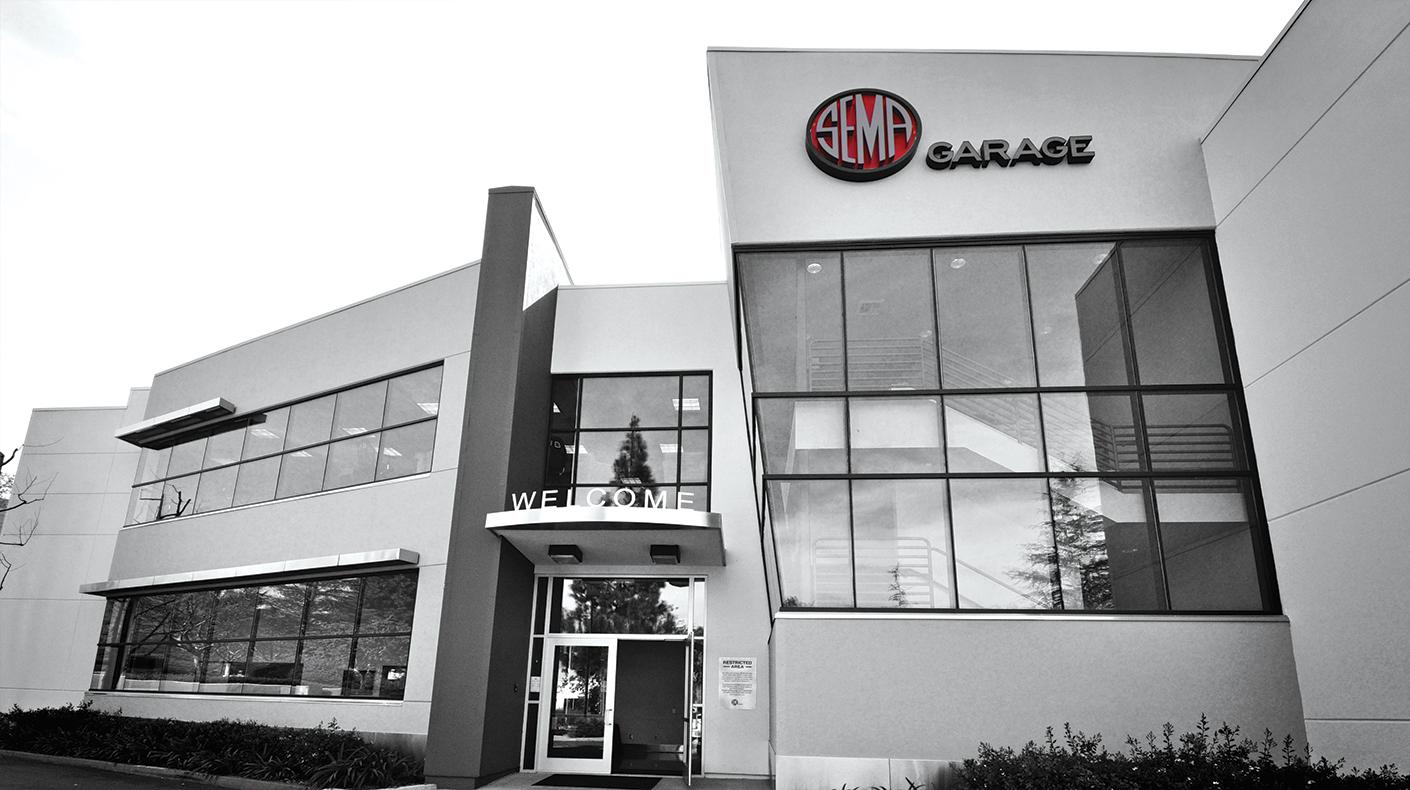
• SEMA has invested more than $25 million in its SEMA Garage program to help the aftermarket stay ahead of rapidly evolving vehicle technology. With facilities in Diamond Bar, California, and Plymouth, Michigan, the SEMA Garage provides advanced tools, OEM data and dedicated ADAS labs that support product development and groundbreaking research on how modifications affect modern safety systems.
• To better understand the landscape of ADAS calibration and the impact of modifications on these systems, the SEMA Garage has hosted dozens of professionals from the customization, collision and repair industries for a symposium to address the most growing and pressing challenges associated with ADAS calibrations--creating a clear, industry-wide roadmap to ensure ADAS functions safely and reliably in every vehicle.
• Based on its rigorous research, SEMA released a series of white papers examining how aftermarket modifications affect ADAS performance across popular vehicles, including the Chevrolet Silverado 1500, Ford F-150, Ford Bronco, Toyota Tacoma and the Ram 1500. The research provides clear, data-driven insight into how changes such as lift kits, wheels and suspension components influence sensor reliability. This research helps manufacturers, installers and enthusiasts understand when recalibration is needed to preserve full ADAS functionality.
Image courtesy of Shutterstock | Sun Shock