Thu, 09/25/2025 - 11:51

By Ashley Reyes

EGR USA


The SEMA Professional Restylers Organization (PRO) named EGR USA as the council's newest spotlight member. Get to know the company's story in the SEMA News interview with EGR USA's National Sales Director Pat Johnson below. 

SEMA News: Tell us the story of your shop. 

Pat Johnson: The family business started in 1973 in Australia and is now a worldwide, Tier-1 supplier for more than 23 OEM auto manufacturers and aftermarket sales in North America, Europe, Australia and more. 

SN: What was EGR USA's breakthrough moment? 

PJ: The introduction of the RollTrac retractable bed cover put EGR back on the map for manufacturing the highest quality products in the aftermarket and OEM space. 

SN: Tell us about your business now and the projects that you are working on. 

PJ: EGR worldwide continues to grow with new ventures in RollTrac on the OEM side, and is now covering the aftermarket with 29 applications. We're also adding interior products and expanding RollTrac offerings. 

SN: Tell us about a package/product that you are proud of. 

PJ: The RollTrac retractable bed cover is a high-quality, strong, watertight and secure cover that you can put on a truck without sacrificing functional bed space. The innovation and engineering put into this product improved on a category that has been a mainstay in the aftermarket for decades and brought it to the OEM market. 

SN: What advice do you have for young professionals contemplating a career in the automotive aftermarket? 

PJ: Bring a passion for products but also an attitude of helping people grow their business through aftermarket products. The relationships built in this industry last a lifetime. 

EGR USA products in truck bed


Fill out a PRO member spotlight form to highlight how you or your company are contributing to the automotive restyling industry. Selected candidates are eligible to be featured on PRO's social media, SEMA News and future PRO-member updates.  

Thu, 09/25/2025 - 11:46

By Ashley Reyes

SEMA Show Student Program


With more than 700 automotive students expected at the 2025 SEMA Show, exhibiting companies have a one-of-a-kind opportunity to recruit, inspire and connect with passionate students looking to launch their automotive careers.

At the Student Program Industry Networking Breakfast, exhibitors will showcase their brand to hundreds of future professionals, share their mission and goals and build quality connections with the industry's next wave of talent. The breakfast will be held on November 6, from 8:00 a.m.-9:30 a.m. PST in the Las Vegas Convention Center West Hall.

The breakfast is a cornerstone of the SEMA Show Student Program, giving students the chance to explore career paths while networking with peers, educators, and business leaders from across the country.

Participation is free, and the event simply requires one and a half hours from a company representative. No set-up time or marketing materials are required. Register your company at the button below or here.

REGISTER HERE button for SEMA Show Student Program Industry Networking Breakfast

Questions? Contact Joe Escobar, SEMA manager of recognition programs, at josee@sema.org.

Thu, 09/25/2025 - 11:28

By SEMA News Editors
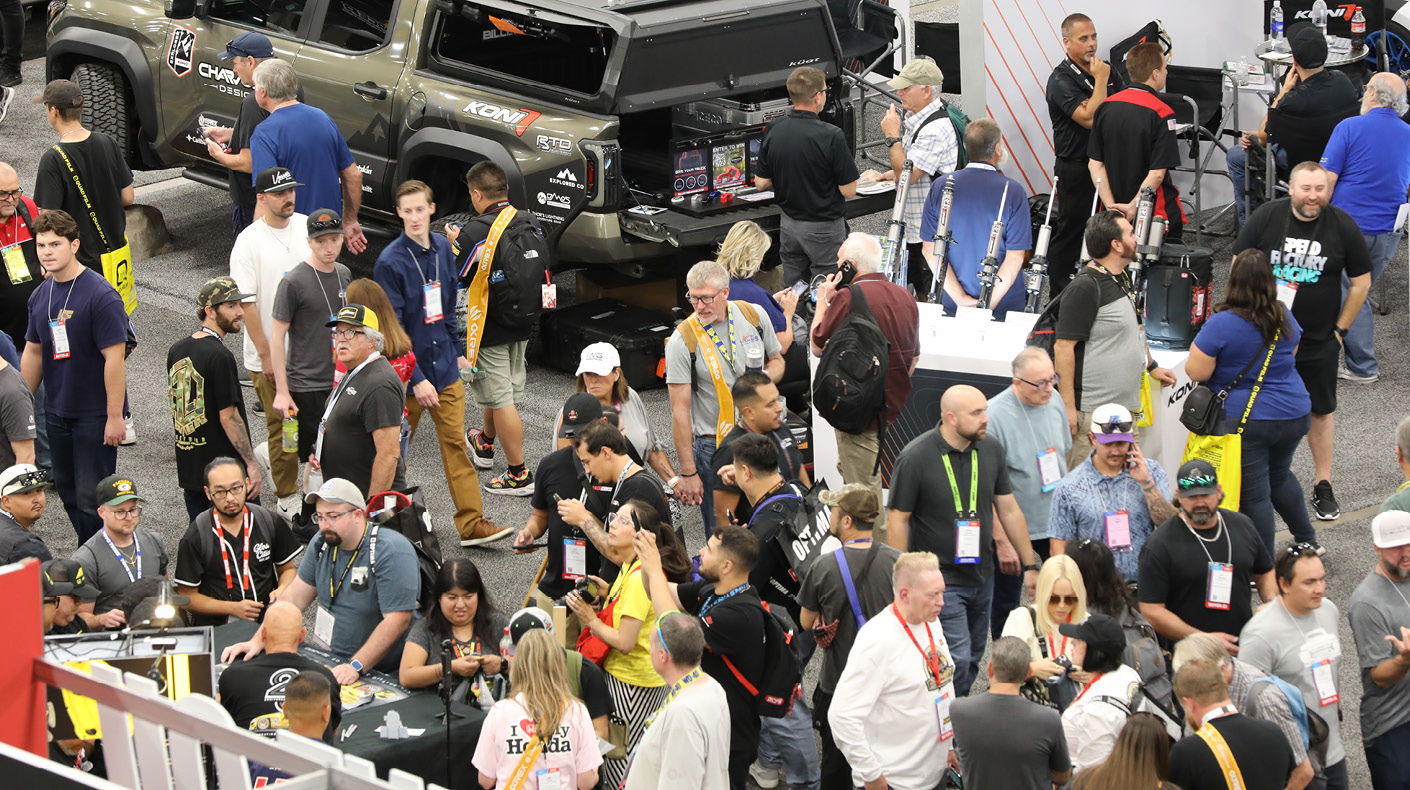
SEMA Show Hotel Booking 2025


Although travel costs are trending upward, SEMA Showgoers can still find reliable discounts by booking through the official hotel block here.

SEMA and its official housing partner, onPeak, have negotiated the best possible rates, offering showgoers cost-saving benefits alongside a myriad of advantages, including fully flexible booking, potential hotel rewards points, and group reservations at the best hotels in Las Vegas, including 11 properties that cost less than $200 per nightnight. 

Save $$$, and book at these hotels that are available for less than $200 a night, including resort fees and taxes*:

  • Palace Station, $162
  • Rio Hotel & Casino, $166
  • Downtown Grand, $168
  • Plaza, $169
  • Circus Circus, $175
  • Excalibur, $179
  • Luxor, $182
  • Circa, $184
  • Golden Nugget, $185
  • Flamingo, $199
  • The Strat, $192

*As of publish date, September 25, 2025

SEMA Showgoers can only get the discounted rates when booking through the only official hotel provider, onPeak, here.

In addition, when you book in the official SEMA Show hotel block, not only do you benefit from cost-saving rates, exclusive amenities , and outstanding service, but you are also showing your support for the SEMA Show. The more rooms booked in the block, the more we can negotiate lower room rates and additional concessions, which enables the SEMA Show management team to meet the needs of attendees better.

Registration for the 2025 SEMA Show is now open online here.

Keep an eye on SEMA News and semashow.com for the latest deadlines, updates and opportunities for the 2025 SEMA Show.


For questions and SEMA Show registration assistance, call 508-743-8571, Monday – Friday 9:00 a.m. – 5:00 p.m. ET, or email AAPEXSEMA@maritz.com.

Thu, 09/25/2025 - 11:12

By Ashley Reyes

TORA Trail Hero Networking Mixer


The SEMA Truck & Off-Road Alliance (TORA) is hosting a business networking mixer for truck and off-road professionals at TheTrail Hero event in Hurricane, Utah. Happening Thursday, October 2, from 5:00 p.m.–7:00 p.m. MDT, the mixer will be held at MischiefMaker TV Garage (174 Old Hwy. 91, Unit 2, Hurricane, UT 84737). 

The mixer is a great opportunity for attendees to expand their professional network, learn about resources designed to advance their business and hear about TORA activities scheduled for the 2025 SEMA Show, November 4-7, Las Vegas. Attendees will also meet the TORA select committee, explore open volunteer roles and build relationships with leaders across the aftermarket. 

TORA membership is open to all SEMA member companies serving the truck and off-road aftermarket industry. If this sounds like your business, don't miss your chance to enjoy an evening of great company, meaningful connections, and engaging conversation. Light snacks and drinks will be provided. 

RSVP today. 

Thu, 09/25/2025 - 11:05

By SEMA News Editors

SEMA Data logo on background


Admark Automotive, a leader in eCommerce solutions for the automotive aftermarket industry, is thrilled to announce its new partnership with SEMA Data, the industry's premier provider of product data for automotive aftermarket brands and retailers. This collaboration positions Admark Automotive as the preferred eCommerce platform for all SEMA Data members.

Solving a Major Industry Challenge

This partnership directly addresses a key challenge faced by many SEMA Data members: the need for a well-designed, dependable platform that can seamlessly integrate the extensive data provided by SEMA Data. By combining SEMA Data's comprehensive product information with Admark Automotive's robust and specialized eCommerce software, the partnership offers a streamlined and powerful solution tailored to the unique needs of the automotive aftermarket industry.

"We're excited to partner with SEMA Data and serve as the trusted eCommerce platform for their members," said George Gonzalez, CEO of Admark Automotive. "This collaboration underscores our commitment to helping automotive aftermarket businesses thrive by providing innovative solutions that simplify operations and drive success."

A Seamless, No-Hassle Ecommerce Solution

SEMA's data product cataloging is the backbone of organized, standardized, and searchable product information in the automotive aftermarket industry. Admark Automotive's platform is built to maximize the value of that work--eliminating the need for plugins, third-party apps, constant updates, or custom development. This solution provides SEMA Data members with a streamlined process to efficiently intake, manage, and publish SEMA Data across their digital storefronts.

Backed by a powerful eCommerce engine purpose-built for this market, Admark Automotive enhances workflow, improves sales management, and solves common operational pain points--so SEMA members can stay focused on growth, service, and success.

"At SEMA Data, our commitment to delivering value to our members is at the heart of everything we do," said Gigi Ho, SEMA Vice President of Technology, Data & Strategic Initiatives. "This partnership with Admark Automotive strengthens that mission by equipping our members with best-in-class tools and resources to thrive in today's increasingly competitive market."

ABOUT SEMA DATA

Part of the SEMA, SEMA Data is the leading provider of standardized product data for the automotive aftermarket industry, with more than 650 brands, a collective inventory of more than 4.5 million parts, and an active network for more than 4,750 resellers. With a mission to streamline the flow of information between manufacturers, distributors, and retailers, SEMA Data empowers businesses to operate more efficiently and effectively in the marketplace. For more information, visit semadata.org.

ABOUT ADMARK AUTOMOTIVE

Admark Automotive has been a trusted partner to the automotive aftermarket industry for over 25 years, providing eCommerce solutions that help manufacturers and retailers manage sales, improve workflow, and drive revenue. Known for its industry expertise and cutting-edge technology, Admark Automotive is committed to delivering tailored solutions that meet the unique demands of its clients.

Thu, 09/25/2025 - 09:08

By SEMA News Editors

Hemmings Announces Encore to Hemmings Motor Club Rally: The Driving Experience for Enthusiasts
HMC Rally


Hemmings Motor Club (HMC) is hosting a three-day, backroads driving event through California's central coast next month: the HMC Rally: Paso Robles, scheduled for October 24-26 in Paso Robles, California.

The three-day rally invites drivers to embark on a curated road trip through Central California's most scenic and spirited backroads, offering an opportunity to share the road--and passion for cars--with a like-minded community of collector car enthusiasts, organizers said.

Participants will depart from either the San Francisco Bay Area or northern Los Angeles County on Friday, October 24, for a 220-mile route through stunning backroads, arriving in Paso Robles for a hosted welcome reception. Saturday, October 25, features a 230-mile Central Coast loop, including a mid-route burger stop and an evening fireside chat with motorsports legend Brock Yates Jr. and Hemmings' own Mike Musto. The rally concludes Sunday morning, October 26, with a spirited 50-mile drive to the Pacific coast for a proper sendoff.

For more information, visit hmn.com/HMCRally.


Henkel Expands Flagship Manufacturing Facility in South Dakota
Henkel Brandon facility


Henkel--the Brandon, South Dakota-based provider of adhesives, sealants and functional coatings, and manufacturer of consumer brands including LOCTITE and BERGQUIST--announced the expansion of its North American flagship manufacturing facility in Brandon, South Dakota. With an investment of approximately $30 million and additional support from the state's government and economic development organizations, the site has nearly doubled in size, expanding from 35,000 to 70,000 sq. ft.

"This expansion marks a significant milestone in Henkel's journey to support the long-term growth of the EV and electronics markets with sustainable, high-performance solutions," said Bjoern Jackisch, senior vice president, Operations & Supply Chain, Henkel Adhesive Technologies. "Our investment in Brandon reflects our commitment to innovation, sustainability, and strong partnerships--with our customers and the community. We are proud to strengthen our footprint in North America and contribute to the future of mobility."

The expansion includes the installation of additional mixers, enabling high-volume production of advanced thermal management and adhesive solutions. These technologies are essential for maintaining optimal operating temperatures and ensuring the long-term performance, safety and durability of automotive batteries and electronic components. The upgraded facility now has the capacity to produce thermal management materials at a robust scale, supporting the long-term growth of the EV and electronics market across North America, the company stated in a release.

Henkel's Brandon facility is the first in its North American Adhesive Technologies business to achieve LEED® (Leadership in Energy and Environmental Design) certification, the most widely recognized green building rating system. The project is registered with the certification goal of LEED Silver®.

"This expansion is more than an investment in infrastructure – it's a testament to what is possible when industry, government and community come together with a shared vision," said Marcel Fleck, senior vice president, Automotive Components, Henkel Adhesive Technologies.

The Brandon facility, originally constructed in 2009, employs more than 100 staff members today.

For more information, visit henkel-northamerica.com.


Ford Racing Returns to the 2025 Rebelle Rally
Ford Racing logo

The Rebelle Rally has announced the return of Ford Motor Company as a Silver Partner for the third consecutive year. In addition, Ford will again field five factory teams taking on the 1,600-plus-mile course in the Ford Bronco Raptor and Ford Ranger Raptor:

2025 Ford Factory Teams

  • Team 131 – Karisa Haydon / Trista Smith
  • Team 132 – Bailey Campbell / Sedona Blinson
  • Team 150 – Shelby Hall / Rori Lewis
  • Team 188 – Laura Wanlass / Penny Dale
  • Team 199 – Melissa Clark / Kathryn Reinhardt

In addition to its factory teams, Ford is launching the inaugural Rebelle Rally Ford Grassroots Program in 2025, providing support for seven privateer teams competing in Ford vehicles. 

"Having Ford return as a partner means so much to us," said Rebelle Rally Founder and Director Emily Miller. "They continue to show up not only for the rally and our organization, but for their customers who take on this challenge. Their new Grassroots Program is an incredible extension of that support, giving privateer teams the opportunity to feel part of something bigger while still chasing their own adventure."

The event takes place in California and Nevada, consisting of nine days of competition across a wide variety of terrain, altitudes and temperatures, putting stock manufacturer vehicles to the ultimate test. Technical inspections will take place on October 8 in Mammoth Lakes, California, with the final finish scheduled for October 17. Follow the teams and learn more at rebellerally.com.

For more on Ford, visit ford.com.


ASE and AACF Announce New Partnership to Expand Support for ASE Certified Professionals
AACF ASE


The National Institute for Automotive Service Excellence (ASE) and the Automotive Aftermarket Charitable Foundation (AACF) have formed a new partnership designed to expand support for ASE Certified professionals and their families facing unexpected hardships.

The initiative, launched under the theme "Support Beyond Certification," reflects a shared commitment to strengthening the entire technician community--not only through professional excellence but also through personal resilience and security, according to organization representatives.

Since 1972, more than a quarter of a million professionals have earned ASE Certification, the industry's standard credential across automotive service, parts, collision, truck, school bus and transit bus segments. AACF complements ASE by serving as the industry's safety net since 1959--providing emergency financial assistance to individuals and families in the automotive aftermarket affected by illness, injury, natural disasters or other life-changing events.

"ASE is dedicated to ensuring that service professionals are recognized for their skills and commitment to excellence," said Jennifer Holland, assistant vice president of marketing, ASE. "Through this partnership with AACF, we're extending that support beyond the test—giving technicians and their families a trusted resource when life takes an unexpected turn."

"This partnership bridges the gap between professional recognition and personal support," said John Kairys, executive director, AACF. "Together with ASE, we are reinforcing to every technician that they are not only valued for their skills but cared for as individuals. This is what it means to truly support our aftermarket family."

The collaboration will include coordinated communications to ASE Certified professionals, raising awareness of AACF's services and resources. Joint initiatives will feature co-branded campaigns, social media outreach and integration of AACF information into ASE certification and recertification touchpoints. ASE will also join AACF in supporting key events during AAPEX/SEMA Show Week, further demonstrating the industry's united commitment to its workforce.

For more information, visit aftermarketcharity.org/asecares.


The AAM Group Launches N-Store TV PRO, Custom Branding for In-Store Video Platform

The AAM Group has launched N-Store TV PRO, an upgrade to its in-store video platform that gives local jobbers new customization options.
Already a proven sales tool, N-Store TV transforms any showroom into a nonstop product showcase by streaming high-quality videos from automotive brands directly to customers. The free version works with any Roku-enabled device, allowing jobbers to set up quickly and start selling.
The new PRO version introduces features that enable shops to take control of their showroom experience. Businesses can now display their own logos, create custom graphics and promote services or specials alongside supplier videos. The result is a professional, on-brand showroom that enhances credibility and helps drive more sales.
"Jobbers have been asking for a way to put their personal stamp on N-Store TV, and we're excited to deliver with PRO," said AAM Vice President of Operations David Ayers. "By giving shops the ability to brand their showroom experience, we're helping them stand out to customers and maximize every sales opportunity."
Headquartered in Piney Flats, Tennessee, The AAM Group manages product purchasing and marketing for distributors, jobbers and suppliers affiliated with four flagship retail marketing programs: Engine Pro, Parts Pro, Performance Corner and Total Truck Centers.
For more information, visit theaamgroup.com.

Thu, 09/25/2025 - 07:45

By Ashley Reyes

Best Engineered Vehicle


Engineers and builders featuring a vehicle at the 2025 SEMA Show have an incredible opportunity to gain recognition for their talents by submitting an entry for the Best Engineered Vehicle Award presented at the 2025 SEMA Show, November 4-7, Las Vegas. Nominations are open until Wednesday, October 29here and at the link below. 

NOMINATE HERE button for Best Engineered Vehicle Award SEMA Show 2025

Now in its third year, the award honors a featured vehicle at the 2025 SEMA Show that demonstrates exceptional engineering throughout the entire vehicle, or an aspect of the vehicle that goes beyond just physical appearance. It also aims to inspire more engineers to enter the automotive aftermarket by highlighting their impact on the automotive specialty-equipment industry and placing a spotlight on the symbiotic relationship between a vehicle's design and engineering. 

In 2024, Blazin Rodz from Rancho Santa Magarita, California, won the Best Engineered Vehicle of the Year Award for its '70 Chevrolet Chevelle. The Chevelle--dubbed "Doughboy"--is powered by a twin-turbo Chevy-based big-block delivering more than 2,800 hp and built utilizing multiple 3D-based design and printing techniques. Featuring the aesthetics of a GT Cup car, the Chevelle was designed, manufactured and assembled in-house using 35 custom CNC and 3D-printed parts, including its bespoke metal widebody. 

Nominate Today  

To be considered for the award, builders must upload a photo, video and description of the engineering content included in the build, as well as the location of the displayed vehicle at the SEMA Show. Entries are being accepted until Wednesday, October 29, at this link

The award winner will be announced at the 2025 SEMA Show on Thursday, November 6, in SEMA Central.

The Best Engineered Vehicle Award is one of several official honors presented at the SEMA Show each year. Other recognitions include the SEMA Industry Awards--highlighting Channel Partner of the Year, Content Creator of the Year, Gen-III Innovator of the Year, Manufacturer of the Year, Person of the Year and the Visionary 8--as well as the SEMA New Product Awards and SEMA Show Media's Choice Awards, plus Council- and Network-specific honors such as the PRO Manufacturer of the Year, SBN Woman of the Year, and Young Executive of the Year, among many others. Together, these programs showcase the innovators, leaders, and creative forces shaping the future of the automotive aftermarket, only in one place: the SEMA Show in Las Vegas.

Tue, 09/23/2025 - 13:53
By SEMA News Editors
SEMA Show Badge Price Increase


Don't miss your LAST CHANCE to save on your 2025 SEMA Show badge. Right now, you can register for the SEMA Show, November 4-7, Las Vegas, for just $75 and save on a must-have experience for any automotive professional, but prices will increase to $100 per badge (online or on-site) on September 27.

This week is also your final opportunity to skip the on-site registration lines and have your SEMA Show badge mailed directly to you (and your team) ahead of the show, saving you valuable time when you arrive at the Las Vegas Convention Center this November.

REGISTER HERE button SEMA Show registration September 2025 deadline

With more than 2,000 exhibitors, the SEMA Show continues to be the place where business gets done. From groundbreaking technology and next-generation tools and products to expert-led education and face-to-face networking, the Show offers everything automotive aftermarket professionals need to stay competitive in today's fast-changing landscape. It's where relationships are built, products are evaluated, strategies are sharpened and opportunities come to life.

Don't wait to secure your 2025 SEMA Show badge. Qualified individuals can register for their place at the Show right now at semashow.com/register for just $75

Below are seven reasons why you need to secure their registration (available online here and at the bottom of this article) for this year's SEMA Show:

  • Exhibitors: Discover the latest product and vehicle trends across dozens of product categories: Trucks, SUVs & Off-Road; Restyling & Car Care Accessories; Powersports & Utility Vehicles; Business Services; Mobile Electronics & Technology; Racing & Performance; Hot Rod Alley; Restoration Marketplace; Collision Repair & Refinish; Tools & Equipment; Global Tire Expo--Powered by TIA and Wheels & Accessories; and First-Time and Featured Exhibitors.
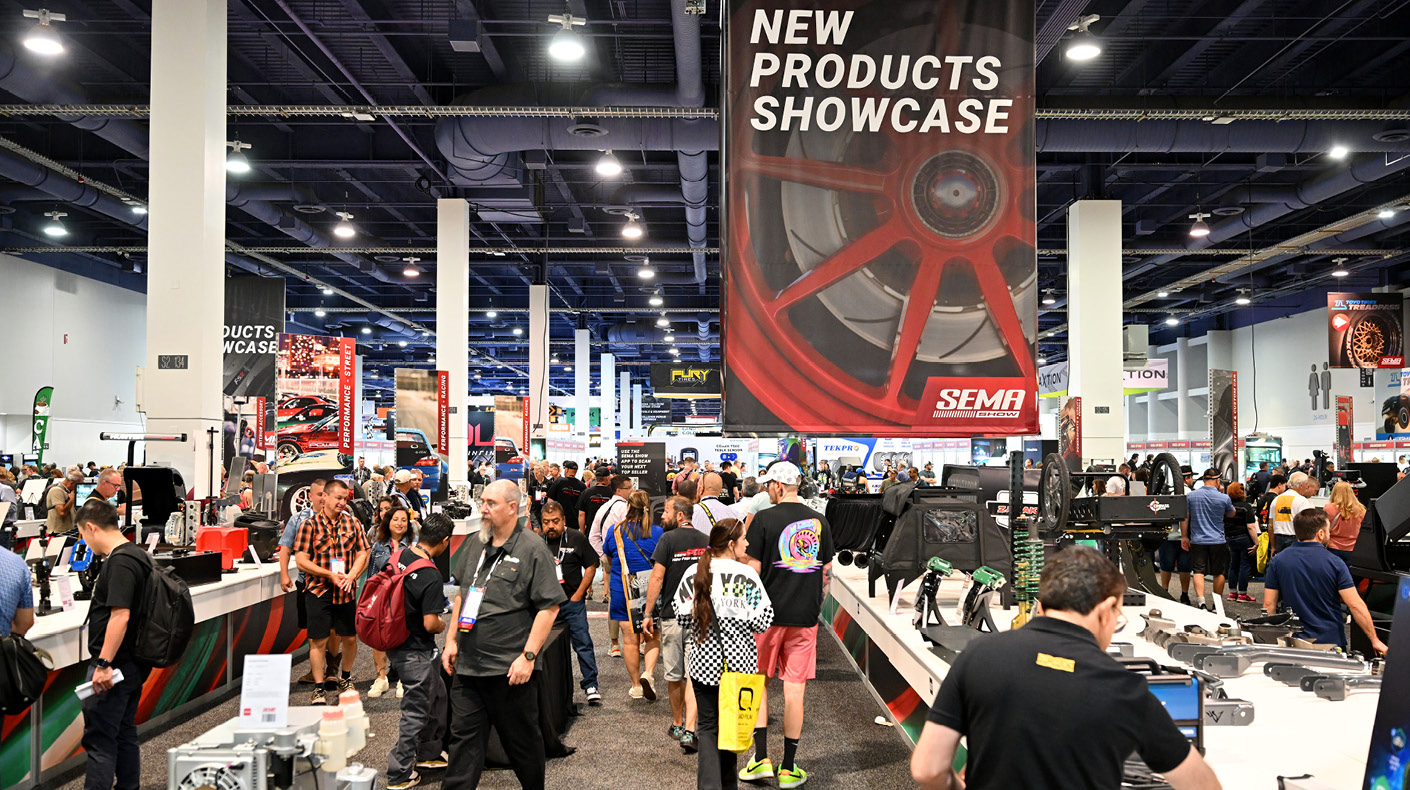
  • New Products Showcase: Visit the New Products Showcase to discover thousands of the latest exhibitor products displayed in one location of the Las Vegas Convention Center. 
  • Education: SEMA Show Education is the single most crucial week of the year to power a professional development plan for your business and career. Through sessions and unique, immersive programs that explore the industry's most significant challenges and offer immediate takeaways, there is something for every automotive professional.
  • Networking: The SEMA Show is where connections are built--network with exhibitors, industry leaders and VIPs/celebrities from more than 140 countries and regions. Use the Show's mobile app to view lists of all events, seminars, conferences, celebrity appearances and speakers, including date, time, and location. In addition, this year's program includes SEMA Council & Networks receptions, happy hours and meetings--all designed to help you advance your business and grow your network. You'll also have the opportunity to meet face-to-face with others in the industry and build meaningful relationships that'll lead to real results and high-quality connections.
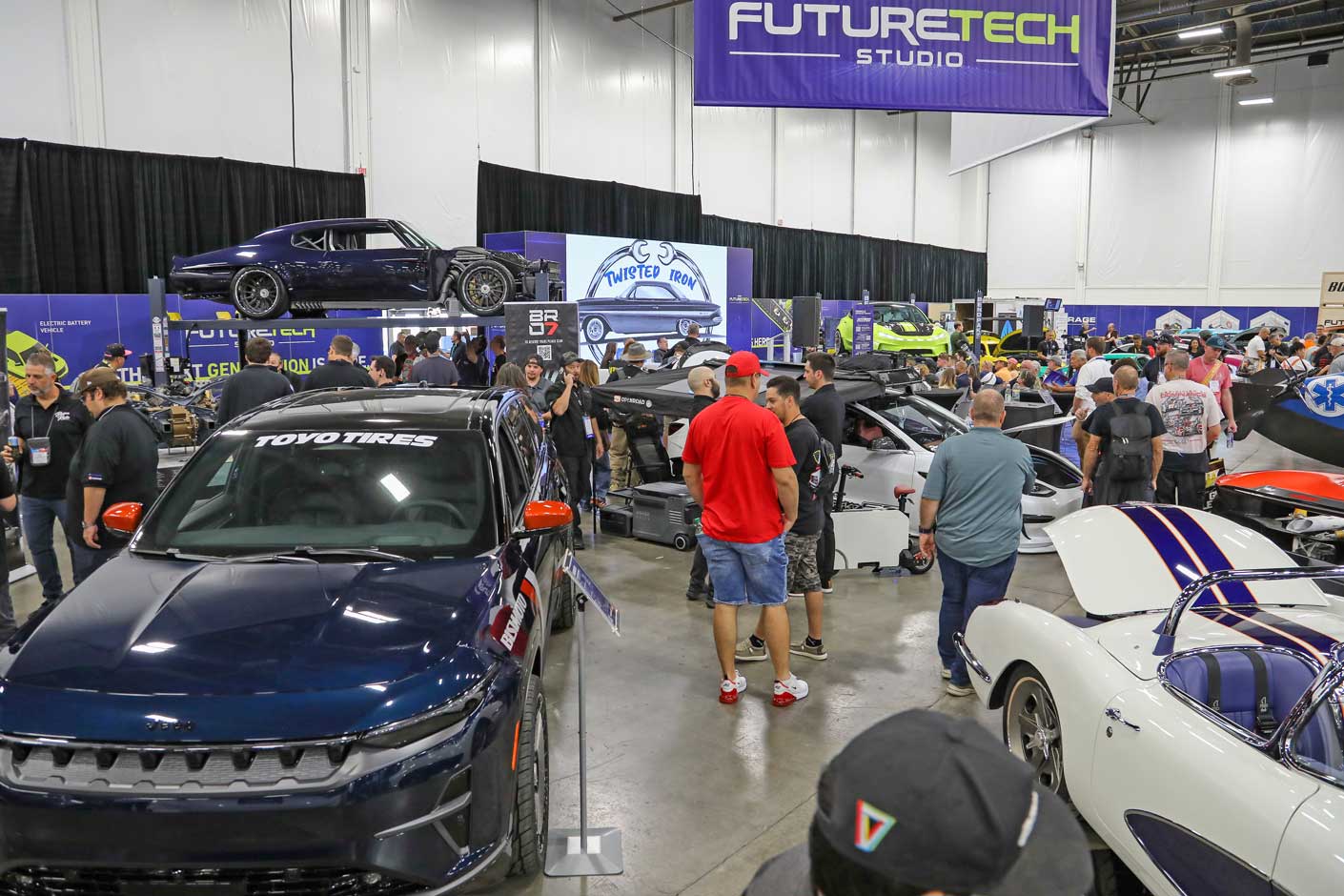
  • Show Features: The SEMA Show is teeming with the latest innovations and trends, showcased in several dedicated areas like the SEMA Battle of the Builders Presented by Mothers Polish; the SEMA FutureTech Studio; feature vehicle displays; the new ADAS Feature; the Collision Repair & Refinish Stage; the SEMA Show Art Walk, the new-for-2025 International Pavilion at the Westgate Las Vegas; heart-pounding outdoors activations including Optima Unleashed and the HorsePower Rodeo; and more to be announced.
  • Show Events: Unique events and activations, such as the SEMA Show Kickoff Breakfast, the SEMA Industry Honors now at the iconic Fontainebleau, the iconic SEMA Cruise, vehicle demonstrations, and much more, will provide ample opportunities for the industry to unite.
  • And much more: Of course, attending the SEMA Show in Las Vegas is the best way to boost an automotive professional's business and career path, but be sure to make the most of your time in Vegas with ancillary events like after-hours networking and SEMA Fest, a celebration of motorsports, music and car culture. Note: Your SEMA Show badge does not provide access to SEMA Fest. 

Online registration for qualified professional attendees is $75 per person through September 27. After September 27, registration online or on-site will be $100. A SEMA Show badge includes access to both the SEMA Show and AAPEX. Deadlines and fees for other registration categories can be found at semashow.com/register

Hotel reservations, including for several new properties in Las Vegas, are available at the guaranteed lowest rates exclusively for Show attendees through SEMA's official hotel provider, onPeak.

For more information about the 2025 SEMA Show, visit semashow.com. Sign up for updates on SEMA Fest at semafest.com.


This story was originally published on September 23, 2025.

Tue, 09/23/2025 - 13:53

From the SEMA Washington, D.C., office

Courtesy of Shutterstock; US Capitol building for SEMA News story


Since early 2025, the U.S. Environmental Protection Agency (EPA), under Administrator Lee Zeldin, has taken an aggressive approach to reducing the regulatory burdens imposed by the agency. The Trump EPA's deregulatory agenda has been aimed at encouraging the re-domestication of American manufacturing, including in the automotive sector, and unleashing America's energy independence and dominance. It's important to understand both what the EPA's deregulation agenda means and what it doesn't mean for the automotive aftermarket industry.

Many of the EPA's deregulatory actions have either undone or significantly modified rules that the EPA issued under previous administrations. These deregulatory actions have largely been taken in response to executive orders issued by President Trump, but they are all limited to the authorizing legislation passed by Congress. As a matter of practice, once Congress passes a bill and the president signs it into law, federal departments and agencies, such as the EPA, are responsible for writing the rules and regulations that specify how they will implement and enforce the law. So, while regulations can generally be repealed, replaced or revised, the laws are still the laws and regulations must be consistent with the framework they establish.

Law vs. Regulation

The Clean Air Act of 1970 (CAA), as amended in 1990, is the bedrock of federal environmental law and policy regarding air emissions. The EPA's tampering prohibition is present in the CAA and explicitly prohibits tampering with or disabling emission control systems, including the manufacture or sale of defeat devices. The EPA's deregulatory actions cannot change this. Only Congress can make this change by passing legislation. Regulations implementing the law, on the other hand, are issued by the EPA, and are subject to change with a new administration.  

However, the EPA has two primary powers relevant to this prohibition. It can (1) determine how it chooses to enforce the CAA and (2) craft the guidance it provides to industry businesses that manufacture, sell, and distribute products that impact vehicle emissions control systems, so that they can do so while remaining compliant with the law. Speaking to the EPA's enforcement discretion, the agency further clarified its enforcement policy in November 2020 when it released an updated guidance memo regarding Vehicle and Engine Tampering and Aftermarket Defeat Devices under the CAA.

Enforcement: The EPA has a list of its top enforcement priorities, currently called the National Enforcement and Compliance Initiatives (NECI). The NECI list specifies the industries and regulatory programs the agency will assign resources to enforce against with a focus on perceived egregious violators of existing U.S. environmental law. In 2019, under the first Trump administration, the EPA included enforcement against aftermarket defeat devices on its NECI list. Why parts of our industry were targeted at this time is a separate conversation for another day, but the reality is, significant parts of the industry ended up on the EPA's "naughty list." In 2023, the automotive aftermarket was removed from the NECI list, largely due to the compliance measures SEMA put in place to demonstrate good faith efforts to sell emissions-compliant products (i.e., an increasing number of companies getting California Air Resources Board (CARB) Executive Orders (EOs) and/or SEMA Certified certificates). The automotive aftermarket remains off of the EPA's top priorities list, and we'd like to keep it this way!

Historically, the EPA's enforcement of the CAA has been inconsistent, including periods of time with very little attention given to mobile sources and other times when enforcement has been hyper-aggressive. Nevertheless, whether a business "feels" the EPA is currently looking elsewhere, risk cannot be eliminated.  

The EPA can generally enforce the CAA for automobile emissions for an extended period, though the specifics depend on the type of enforcement action and the nature of the violation. For both civil and criminal actions, a five-year statute of limitations typically applies from the date of the violation, although there are ways to further extend beyond five years for criminal allegations. In the case of "diesel gate," the EPA looked back more than 10 years at Volkswagen's actions. Thus, short-sighted business decisions can have future consequences.

Compliance: The EPA's guidance for manufacturers and distributors of products that could impact a vehicle's emissions is gray at best. Agency guidance dictates that the sale or use of an aftermarket product is legal if there is a documented reasonable basis showing there is no adverse impact on emissions. While EPA does not currently offer its own certification process, it explicitly recognizes emissions testing that mirrors original manufacturer certification standards. The EPA, through third-party agreements, provides an acknowledgement of compliant products in other industries. Some examples are the Energy Star program for appliances and the EPA's "approved and authorized" RFG Survey Association comprehensive sampling program to assist refiners with certain fuel compliance obligations.  

The SEMA Certified-Emissions program, through SEMA Garage, provides what we believe meets the EPA's "reasonable basis" test outlined in its November 2020 enforcement policy. We are currently working with the EPA to establish some kind of acknowledgement of SEMA Certified-Emissions to provide the necessary safe harbor for our manufacturers and, ultimately, their distributors and retailers to sell emissions-related products as the aggressiveness of EPA enforcement ebbs and flows. To date, no product that has received a SEMA Certification and is marketed and used as intended has been enforced against by the EPA.  

However, as a result of previous EPA enforcement actions made against some in the aftermarket industry and the lack of a clear path to compliance, some retailers and distributors have been hesitant to carry emissions-related products for fear of significant enforcement actions by the EPA. Through our efforts to get the EPA to recognize SEMA Certified-Emissions, it would provide the first federal pathway to demonstrate emissions compliance that wouldn't involve CARB, which has been the de facto national regulatory authority, even though 49 states fall under EPA regulations.  

Sadly, as those who have pursued CARB EOs know, pursuing a CARB EO can add six months or more of delay to the time it takes to legally bring a product to market. There needs to be a clearer and more attainable way for manufacturers to comply with laws and regulations in the 49 other states. This is the problem SEMA is trying to solve through its work to get the EPA to officially recognize the SEMA Certified-Emissions program.

But President Trump signed all these Executive Orders reversing regulations…

If you're wondering, "What do all of President Trump's Executive Orders and the EPA's responsive actions related to the automotive industry mean for aftermarket businesses," please keep reading.

Regulatory Trickle-down Effect: Much of the deregulation in the automotive sector, to date, will primarily impact the OEs. The impact of these changes will trickle down to the aftermarket since regulations, like the EPA's draft rulemaking to repeal greenhouse gas (GHG) emissions standards for light-duty, medium-duty, and heavy-duty vehicles and engines will change what standards our products have to meet in order to be compliant with the tampering prohibition and the original OE configurations.

  • Click here to learn more about the Trump Administration's plans to repeal the endangerment finding that was the underpinning for previous GHG standards.

Congressional Review Act: The most impactful deregulatory move is actually now a federal law. Stick with us here, because the Congressional Review Act (CRA) is a nuanced, procedural tool that allows Congress to stop the implementation of regulations within 60 days of a regulation being finalized (the CRA is a great check and balance tool). When President Trump signed into law the CRA resolutions earlier this year, the federal government reversed California's internal combustion engine (ICE) bans. It was the first time Congress had set boundaries that clawed back California's automotive emissions regulations since 1970. There are now multiple lawsuits regarding the CRA and California's engine bans ongoing in various courts. California, for example, has already sued the federal government over the CRAs that overturned California's waivers to institute ICE bans and other automotive restrictions approved by the Biden Administration.  

The outcome of those cases remains to be seen, but they will likely take an average of two years to make their way through the courts--so any finality to the CRA and other challenges to the deregulation agenda won't be settled until close to the end of the Trump Administration.

But the CRA may still stop California's electric vehicle mandates through 2028 and make California think twice about overreaching and attempting to set national policy through the limited exemption afforded to the state in the federal CAA. And because of the CRA, it may be more difficult for any future EPA to allow for California's overreach to pass muster in the courts.  

Supreme Court Justice Brett Kavanaugh's opinion in Diamond Alternative Energy, LLC v. EPA included the following footnote:

In this opinion, we use the term 'invalidated' as shorthand to describe the result from setting aside EPA's approval of the California regulations. Under D.C. Circuit precedent, setting aside EPA's approval would mean that California may not enforce its greenhouse-gas emissions limits and electric-vehicle mandate for new vehicle fleets.1

End of the Chevron Deference. In the current state of affairs, environmental groups and the state of California will challenge more of the deregulatory actions. But the U.S. Supreme Court's 2024 decision to overturn what is called the "Chevron deference" also matters to the future of automotive regulation.2

The overturn of Chevron deference will play a significant role in any lawsuits regarding the President's Executive Orders and the Trump EPA's deregulation, as the courts will no longer be required to "defer" to a federal agency's interpretation if the underlying law, which was passed by Congress and is the basis for the regulation, is either ambiguous or silent. Any new regulations passed by a future administration will be subject to stricter scrutiny in the courts, but as mentioned above, remedying these challenges will not be fast.

What About the Post-Trump EPA?

Who controls the White House in 2029 and beyond will determine how aggressive the EPA's regulatory reach will be in the future.  

Hypothetically, assume it's 2029, and there is a new president in the White House. This new president could have a more pro-regulatory agenda that reverses much of the deregulation currently happening under the current president.

To give you an idea of what a timeline for such a reversal could look like, here's a hypothetical example:

A Legal table for Trump EPA September 2025 SEMA News


Product Development Strategy

As manufacturers of aftermarket performance parts develop future products, they should ensure that their emissions profiles, when installed on an OE platform, do not exceed the stock emissions profile of a vehicle when it is driven off a dealership lot. Remember, it is not about the additional power you create, it's about ensuring that additional power does not create additional emissions.  

So, how do President Trump's Executive Orders and the EPA's actions to date impact the automotive sector?  

Key White House Executive Orders

Key White House Executive Orders 2025 emissions SEMA News

EPA Actions

EPA Actions in 2025 for SEMA News emissions Trump EPA story
The Role of the States

Under current law, each state can enforce the federal CAA or choose to leave enforcement up to the EPA. States can also enforce these laws at the consumer level.

The EPA and its enforcement actions in the last decade have largely been focused on manufacturers, distributors, and retailers because they were the easiest targets to identify, especially those businesses that have a large social media presence and sell their products online. The average consumer is much harder for the agency to find, and thus, EPA hasn't enforced against individual consumers, even though the agency maintains it has the authority to do so. But it doesn't make it any less illegal if a consumer chooses to take an emissions control device off their vehicle and still drive that vehicle on public roads.

There are two recent instances where states have decided to enact more aggressive enforcement against individual consumers. Nevada recently enacted a new law, SB80, which creates stiffer financial penalties on consumers who violate emissions laws. The state has always had the ability to enforce; they've just now decided to put more teeth into it. And it was not done to put the automotive aftermarket out of business in the state, but as a mechanism to enforce other illegal activity, like unsanctioned street takeovers that we've all seen on social media.

Anecdotally, we received word from another automotive group we work closely with that the State of New York conducted emissions checkpoints throughout the state to check for illegal emissions control tampering earlier this spring/summer. Again, New York has the authority to do this--and always has had that authority.

For Reference Sake

Emissions policy has a long history, and it's easy to forget how far things go back. Here's a helpful reference of the timeline and definitions that remain pertinent to today's discussions.

When did emissions regulations start?

Tailpipe emissions regulations started back in the '70s when there was a massive smog problem in urban areas of the United States. In the years leading up to the '70s, it was a fight for whoever could make the most horsepower. Fuel economy and air pollution were nonexistent conversations at the time.

What emissions are being discussed here, and why are each regulated?

  1. Carbon Monoxide (CO): A colorless, odorless toxic gas.
  2. Nitrogen Oxides (NOₓ): Contribute to smog and acid rain.
  3. Hydrocarbons/Non-Methane Organic Gases (HC or NMHC): Contribute to smog.
  4. Particulate Matter (PM): Microscopic solids that contribute to respiratory issues.
  5. Formaldehyde (HCHO): A toxic gas that is the byproduct of incomplete combustion. Fuel blends with higher ethanol content produce higher levels of CO.
  6. Carbon Dioxide (CO₂): Primary greenhouse gas to trap heat in and used by plants for oxygen production.

First, we are going to highlight key plot points in the federal emissions storyline. The implementation of the Clean Air Act is informally referred to as "Tier 0". However, the idea of "Tiers" wasn't implemented until 1994 with the introduction of "Tier 1".  

"Clean Air" Timeline

1970: Clean Air Act Passed

  • Landmark federal legislation mandating air quality standards.
  • Authorized the EPA to regulate emissions from vehicles.

1971: First Federal Emissions Standards Implemented

  • CO, HC, and NOₓ limits introduced for new passenger vehicles.
  • Now known informally as the beginning of "Tier 0."
  • Vehicles had rudimentary controls (Positive Crankcase Vent (PCV) valves, air pumps).

1975: Catalytic Converter was Introduced

  • Required for most gasoline cars.
  • Huge drop in CO and HC emissions (~80% reduction).
  • Unleaded gasoline is introduced to protect converters.

1981: Three-Way Catalytic Converter Becomes Standard

  • First tech to reduce NOₓ, CO, and HC simultaneously.
  • Engine controls like Oxygen (O₂) sensors and fuel injection improve emissions precision.

1990: Clean Air Act Amendments

  • Introduced tougher rules and specific deadlines.
  • Required advanced tech and fuel reformulations.
  • Set the stage for formal Tier programs.

1994: Tier 1 Standards Take Effect (Model-Year '94)

  • First official use of the "Tier" classification.
  • Nationwide emission caps on CO, NOₓ, HC, and HCHO.
  • PM regulations introduced for some vehicles.

1996: On Board Diagnostics 2 (OBD-II) Required Nationwide

  • Onboard diagnostics standardizes emissions monitoring across all brands.
  • Required for all light-duty gasoline vehicles.

2004: Tier 2 Standards Begin (Model-Year '04)

  • Introduced "Bin" system (Bins 1–11).
  • NOₓ standards dropped from ~0.4 to 0.07 g/mi fleet average. (80% reduction)
  • Sulfur in gasoline capped at 30 ppm to protect catalysts.

2007: PM Controls Required on Some Diesels

  • PM limits tightened, diesel particulate filters (DPFs) become common.
  • Ultra Low Sulfur Diesel (ULSD) mandatory.

2010: Full Tier 2 Compliance in Effect

  • Most light-duty vehicles certified to Bin 5 or better.
  • CO around 2.1–2.8 g/mi, NOₓ down to 0.07 or below.

Note: It is at this point that we reached a science term called the "law of diminishing returns," otherwise known as, "a principle stating that benefits gained from something will represent a proportionally smaller gain as more money or energy is invested in it."

2014: Tier 3 Final Rule Published

  • Sets the stage for more aggressive emission cuts.
  • Includes tighter NMOG+NOₓ limits, CO and PM drops.
  • Bin 30 becomes target for 2025.

2017: Tier 3 Phase-In Begins (Model Year '17)

  • NMOG+NOₓ standard: 30 mg/mi fleet average goal by 2025.
  • PM limit: 3 mg/mi (lower than Tier 2).
  • CO typically ~1.7 g/mi or lower.

2020: Most New Vehicles Below Bin 50

  • Real-world emissions improve thanks to direct injection, advanced catalysts.
  • Many manufacturers certify under Bin 30 or 50 even before deadline.

2025: Final Tier 3 Goals Due

  • All new vehicles expected to meet full Tier 3 targets:
    • NMOG+NOₓ ≤ 30 mg/mi
    • PM ≤ 3 mg/mi
    • CO ~1.0–1.7 g/mi
  • Represents ~90%–99% reduction in pollutants vs. 1970 levels.

Many things were said about "bins." What does that mean?

"Bins", otherwise known as "certification bins", were structured and implemented to account for the practicalities of vehicle production and market demand, while still being able to move towards better emissions. Each subsequent number has slightly more lenient emissions standards than the previous number. Automakers can certify vehicles under any bin, as long as their fleet's average emissions meet the required target.

For instance, you would certify a vehicle like the '04 Toyota Prius in "Tier 2 Bin 2". You would then certify a '04 Toyota 4Runner in something higher, like "Tier 2 Bin 6 or 7", depending on the engine configuration. What this allowed was a popular model with undesirably high emissions to still be produced while not affecting the fleet as much as a straight comparison average would have done. This allowed manufacturers to maintain production and cash flow, while certifying the new models at the lower bins, then implementing the learned technology on the vehicles in the higher bin levels for the upcoming model year.

US Tailpipe Emissions graph for SEMA News Trump EPA story Sept 2025

The chart above shows the measurable reduction in vehicle emissions standards over the last 50 years following the implementation of the Clean Air Act in 1970. Current policy discussions include the possibility of reverting new vehicle emissions standards to levels consistent with the model year' 14-'15 period. It was during this time that full Tier 2 compliance was required of all fleet vehicles.

This also marked the widespread adoption of diesel exhaust fluid (DEF) and diesel particulate filters (DPF) systems in diesel vehicles. These systems further reduced tailpipe emissions but also introduced an increase in CO₂ emissions due to the increased fuel consumption. Policy decisions that do not align with established scientific principles create engineering challenges for manufacturers, which can increase the cost of research, development, and vehicle production. Combustion of fuel to produce energy will always result in emissions.

While engineering can optimize systems within the boundaries of physics, those boundaries cannot be eliminated. Therefore, statements claiming that proposed policy changes will significantly worsen air quality disregard the documented reductions achieved by emissions control systems.

Separate from the pollutant regulations, the government has regulated fuel economy through the corporate average fuel economy (CAFE) standards for almost as long as the other tailpipe emissions. This is essentially a way to limit CO2 output by requiring that a manufacturer's fleet meet an average fuel economy for all the vehicles they sell, with some exclusions such as medium-duty trucks.

Since 2010, the standard has increased from 23.4 mpg to approximately 40 mpg in 2025. This is a dramatic increase and is targeted to increase to 49 mpg by 2026. This dramatic increase can only be met by OEMs adding electric vehicles and hybrids to their fleets. Now that Trump's EPA is questioning the research and data upon which these regulations were based, a rollback to more reasonable CAFE standards is anticipated.

Definitions

g/mi (Grams Per Mile): Used to quantify emissions gas amounts.

Mg/mi (Milligrams Per Mile): Used to quantify emissions gas amounts.

PPM (Parts Per Million): Used to quantify emissions gas amounts.

DPF (Diesel Particulate Filter): DPF works with diesel oxidation catalyst (DOC) to reduce particulate matter in diesel engine exhaust. The DPF traps soot particles, which accumulate over time and require removal through regeneration. Active regeneration occurs when additional fuel is injected into the exhaust, which then passes through the DOC and causes a chemical reaction that raises exhaust temperature enough to combust the soot. This process converts soot into gases such as CO and NOₓ, while ash remains in the filter. Passive regeneration happens when engine load causes exhaust temperatures to naturally reach levels sufficient to combust the soot without added fuel. Ash cannot be removed by regeneration and builds up over time, requiring the DPF to be cleaned or replaced to maintain engine performance and emissions control.

DEF (Diesel Exhaust Fluid): DEF is a mixture of 32.5 percent urea and 67.5 percent deionized water. It is injected into the exhaust stream after the DPF and before the selective catalytic reduction (SCR) converter. In the SCR, DEF reacts with high-temperature exhaust gases and breaks down into ammonia. The ammonia reacts with NOₓ in the exhaust, converting them into nitrogen gas (N₂), water vapor (H₂O), and carbon dioxide (CO₂). DEF is corrosive to many metals, absorbs moisture from the air, and degrades under ultraviolet (UV) light. It must be stored in airtight, UV-protected containers made of plastic or stainless steel to prevent contamination and maintain chemical stability.

Questions?

Please reach out to SEMA's Washington, D.C.-based Government Affairs team at governmentaffairs@sema.org with any additional questions. Our office will continue to provide these important updates to our members as the deregulation agenda evolves.

1Diamond Alternative Energy, LLC v. EPA, 606 U. S. 384 (2025).

2Loper Bright Enterprises v. Raimondo, 603 U. S. 369 (2024).  


Image courtesy of Shutterstock

Tue, 09/23/2025 - 13:53

From the SEMA Washington, D.C., office

Courtesy of Shutterstock; US Capitol building for SEMA News story


Since early 2025, the U.S. Environmental Protection Agency (EPA), under Administrator Lee Zeldin, has taken an aggressive approach to reducing the regulatory burdens imposed by the agency. The Trump EPA's deregulatory agenda has been aimed at encouraging the re-domestication of American manufacturing, including in the automotive sector, and unleashing America's energy independence and dominance. It's important to understand both what the EPA's deregulation agenda means and what it doesn't mean for the automotive aftermarket industry.

Many of the EPA's deregulatory actions have either undone or significantly modified rules that the EPA issued under previous administrations. These deregulatory actions have largely been taken in response to executive orders issued by President Trump, but they are all limited to the authorizing legislation passed by Congress. As a matter of practice, once Congress passes a bill and the president signs it into law, federal departments and agencies, such as the EPA, are responsible for writing the rules and regulations that specify how they will implement and enforce the law. So, while regulations can generally be repealed, replaced or revised, the laws are still the laws and regulations must be consistent with the framework they establish.

Law vs. Regulation

The Clean Air Act of 1970 (CAA), as amended in 1990, is the bedrock of federal environmental law and policy regarding air emissions. The EPA's tampering prohibition is present in the CAA and explicitly prohibits tampering with or disabling emission control systems, including the manufacture or sale of defeat devices. The EPA's deregulatory actions cannot change this. Only Congress can make this change by passing legislation. Regulations implementing the law, on the other hand, are issued by the EPA, and are subject to change with a new administration.  

However, the EPA has two primary powers relevant to this prohibition. It can (1) determine how it chooses to enforce the CAA and (2) craft the guidance it provides to industry businesses that manufacture, sell, and distribute products that impact vehicle emissions control systems, so that they can do so while remaining compliant with the law. Speaking to the EPA's enforcement discretion, the agency further clarified its enforcement policy in November 2020 when it released an updated guidance memo regarding Vehicle and Engine Tampering and Aftermarket Defeat Devices under the CAA.

Enforcement: The EPA has a list of its top enforcement priorities, currently called the National Enforcement and Compliance Initiatives (NECI). The NECI list specifies the industries and regulatory programs the agency will assign resources to enforce against with a focus on perceived egregious violators of existing U.S. environmental law. In 2019, under the first Trump administration, the EPA included enforcement against aftermarket defeat devices on its NECI list. Why parts of our industry were targeted at this time is a separate conversation for another day, but the reality is, significant parts of the industry ended up on the EPA's "naughty list." In 2023, the automotive aftermarket was removed from the NECI list, largely due to the compliance measures SEMA put in place to demonstrate good faith efforts to sell emissions-compliant products (i.e., an increasing number of companies getting California Air Resources Board (CARB) Executive Orders (EOs) and/or SEMA Certified certificates). The automotive aftermarket remains off of the EPA's top priorities list, and we'd like to keep it this way!

Historically, the EPA's enforcement of the CAA has been inconsistent, including periods of time with very little attention given to mobile sources and other times when enforcement has been hyper-aggressive. Nevertheless, whether a business "feels" the EPA is currently looking elsewhere, risk cannot be eliminated.  

The EPA can generally enforce the CAA for automobile emissions for an extended period, though the specifics depend on the type of enforcement action and the nature of the violation. For both civil and criminal actions, a five-year statute of limitations typically applies from the date of the violation, although there are ways to further extend beyond five years for criminal allegations. In the case of "diesel gate," the EPA looked back more than 10 years at Volkswagen's actions. Thus, short-sighted business decisions can have future consequences.

Compliance: The EPA's guidance for manufacturers and distributors of products that could impact a vehicle's emissions is gray at best. Agency guidance dictates that the sale or use of an aftermarket product is legal if there is a documented reasonable basis showing there is no adverse impact on emissions. While EPA does not currently offer its own certification process, it explicitly recognizes emissions testing that mirrors original manufacturer certification standards. The EPA, through third-party agreements, provides an acknowledgement of compliant products in other industries. Some examples are the Energy Star program for appliances and the EPA's "approved and authorized" RFG Survey Association comprehensive sampling program to assist refiners with certain fuel compliance obligations.  

The SEMA Certified-Emissions program, through SEMA Garage, provides what we believe meets the EPA's "reasonable basis" test outlined in its November 2020 enforcement policy. We are currently working with the EPA to establish some kind of acknowledgement of SEMA Certified-Emissions to provide the necessary safe harbor for our manufacturers and, ultimately, their distributors and retailers to sell emissions-related products as the aggressiveness of EPA enforcement ebbs and flows. To date, no product that has received a SEMA Certification and is marketed and used as intended has been enforced against by the EPA.  

However, as a result of previous EPA enforcement actions made against some in the aftermarket industry and the lack of a clear path to compliance, some retailers and distributors have been hesitant to carry emissions-related products for fear of significant enforcement actions by the EPA. Through our efforts to get the EPA to recognize SEMA Certified-Emissions, it would provide the first federal pathway to demonstrate emissions compliance that wouldn't involve CARB, which has been the de facto national regulatory authority, even though 49 states fall under EPA regulations.  

Sadly, as those who have pursued CARB EOs know, pursuing a CARB EO can add six months or more of delay to the time it takes to legally bring a product to market. There needs to be a clearer and more attainable way for manufacturers to comply with laws and regulations in the 49 other states. This is the problem SEMA is trying to solve through its work to get the EPA to officially recognize the SEMA Certified-Emissions program.

But President Trump signed all these Executive Orders reversing regulations…

If you're wondering, "What do all of President Trump's Executive Orders and the EPA's responsive actions related to the automotive industry mean for aftermarket businesses," please keep reading.

Regulatory Trickle-down Effect: Much of the deregulation in the automotive sector, to date, will primarily impact the OEs. The impact of these changes will trickle down to the aftermarket since regulations, like the EPA's draft rulemaking to repeal greenhouse gas (GHG) emissions standards for light-duty, medium-duty, and heavy-duty vehicles and engines will change what standards our products have to meet in order to be compliant with the tampering prohibition and the original OE configurations.

  • Click here to learn more about the Trump Administration's plans to repeal the endangerment finding that was the underpinning for previous GHG standards.

Congressional Review Act: The most impactful deregulatory move is actually now a federal law. Stick with us here, because the Congressional Review Act (CRA) is a nuanced, procedural tool that allows Congress to stop the implementation of regulations within 60 days of a regulation being finalized (the CRA is a great check and balance tool). When President Trump signed into law the CRA resolutions earlier this year, the federal government reversed California's internal combustion engine (ICE) bans. It was the first time Congress had set boundaries that clawed back California's automotive emissions regulations since 1970. There are now multiple lawsuits regarding the CRA and California's engine bans ongoing in various courts. California, for example, has already sued the federal government over the CRAs that overturned California's waivers to institute ICE bans and other automotive restrictions approved by the Biden Administration.  

The outcome of those cases remains to be seen, but they will likely take an average of two years to make their way through the courts--so any finality to the CRA and other challenges to the deregulation agenda won't be settled until close to the end of the Trump Administration.

But the CRA may still stop California's electric vehicle mandates through 2028 and make California think twice about overreaching and attempting to set national policy through the limited exemption afforded to the state in the federal CAA. And because of the CRA, it may be more difficult for any future EPA to allow for California's overreach to pass muster in the courts.  

Supreme Court Justice Brett Kavanaugh's opinion in Diamond Alternative Energy, LLC v. EPA included the following footnote:

In this opinion, we use the term 'invalidated' as shorthand to describe the result from setting aside EPA's approval of the California regulations. Under D.C. Circuit precedent, setting aside EPA's approval would mean that California may not enforce its greenhouse-gas emissions limits and electric-vehicle mandate for new vehicle fleets.1

End of the Chevron Deference. In the current state of affairs, environmental groups and the state of California will challenge more of the deregulatory actions. But the U.S. Supreme Court's 2024 decision to overturn what is called the "Chevron deference" also matters to the future of automotive regulation.2

The overturn of Chevron deference will play a significant role in any lawsuits regarding the President's Executive Orders and the Trump EPA's deregulation, as the courts will no longer be required to "defer" to a federal agency's interpretation if the underlying law, which was passed by Congress and is the basis for the regulation, is either ambiguous or silent. Any new regulations passed by a future administration will be subject to stricter scrutiny in the courts, but as mentioned above, remedying these challenges will not be fast.

What About the Post-Trump EPA?

Who controls the White House in 2029 and beyond will determine how aggressive the EPA's regulatory reach will be in the future.  

Hypothetically, assume it's 2029, and there is a new president in the White House. This new president could have a more pro-regulatory agenda that reverses much of the deregulation currently happening under the current president.

To give you an idea of what a timeline for such a reversal could look like, here's a hypothetical example:

A Legal table for Trump EPA September 2025 SEMA News


Product Development Strategy

As manufacturers of aftermarket performance parts develop future products, they should ensure that their emissions profiles, when installed on an OE platform, do not exceed the stock emissions profile of a vehicle when it is driven off a dealership lot. Remember, it is not about the additional power you create, it's about ensuring that additional power does not create additional emissions.  

So, how do President Trump's Executive Orders and the EPA's actions to date impact the automotive sector?  

Key White House Executive Orders

Key White House Executive Orders 2025 emissions SEMA News

EPA Actions

EPA Actions in 2025 for SEMA News emissions Trump EPA story
The Role of the States

Under current law, each state can enforce the federal CAA or choose to leave enforcement up to the EPA. States can also enforce these laws at the consumer level.

The EPA and its enforcement actions in the last decade have largely been focused on manufacturers, distributors, and retailers because they were the easiest targets to identify, especially those businesses that have a large social media presence and sell their products online. The average consumer is much harder for the agency to find, and thus, EPA hasn't enforced against individual consumers, even though the agency maintains it has the authority to do so. But it doesn't make it any less illegal if a consumer chooses to take an emissions control device off their vehicle and still drive that vehicle on public roads.

There are two recent instances where states have decided to enact more aggressive enforcement against individual consumers. Nevada recently enacted a new law, SB80, which creates stiffer financial penalties on consumers who violate emissions laws. The state has always had the ability to enforce; they've just now decided to put more teeth into it. And it was not done to put the automotive aftermarket out of business in the state, but as a mechanism to enforce other illegal activity, like unsanctioned street takeovers that we've all seen on social media.

Anecdotally, we received word from another automotive group we work closely with that the State of New York conducted emissions checkpoints throughout the state to check for illegal emissions control tampering earlier this spring/summer. Again, New York has the authority to do this--and always has had that authority.

For Reference Sake

Emissions policy has a long history, and it's easy to forget how far things go back. Here's a helpful reference of the timeline and definitions that remain pertinent to today's discussions.

When did emissions regulations start?

Tailpipe emissions regulations started back in the '70s when there was a massive smog problem in urban areas of the United States. In the years leading up to the '70s, it was a fight for whoever could make the most horsepower. Fuel economy and air pollution were nonexistent conversations at the time.

What emissions are being discussed here, and why are each regulated?

  1. Carbon Monoxide (CO): A colorless, odorless toxic gas.
  2. Nitrogen Oxides (NOₓ): Contribute to smog and acid rain.
  3. Hydrocarbons/Non-Methane Organic Gases (HC or NMHC): Contribute to smog.
  4. Particulate Matter (PM): Microscopic solids that contribute to respiratory issues.
  5. Formaldehyde (HCHO): A toxic gas that is the byproduct of incomplete combustion. Fuel blends with higher ethanol content produce higher levels of CO.
  6. Carbon Dioxide (CO₂): Primary greenhouse gas to trap heat in and used by plants for oxygen production.

First, we are going to highlight key plot points in the federal emissions storyline. The implementation of the Clean Air Act is informally referred to as "Tier 0". However, the idea of "Tiers" wasn't implemented until 1994 with the introduction of "Tier 1".  

"Clean Air" Timeline

1970: Clean Air Act Passed

  • Landmark federal legislation mandating air quality standards.
  • Authorized the EPA to regulate emissions from vehicles.

1971: First Federal Emissions Standards Implemented

  • CO, HC, and NOₓ limits introduced for new passenger vehicles.
  • Now known informally as the beginning of "Tier 0."
  • Vehicles had rudimentary controls (Positive Crankcase Vent (PCV) valves, air pumps).

1975: Catalytic Converter was Introduced

  • Required for most gasoline cars.
  • Huge drop in CO and HC emissions (~80% reduction).
  • Unleaded gasoline is introduced to protect converters.

1981: Three-Way Catalytic Converter Becomes Standard

  • First tech to reduce NOₓ, CO, and HC simultaneously.
  • Engine controls like Oxygen (O₂) sensors and fuel injection improve emissions precision.

1990: Clean Air Act Amendments

  • Introduced tougher rules and specific deadlines.
  • Required advanced tech and fuel reformulations.
  • Set the stage for formal Tier programs.

1994: Tier 1 Standards Take Effect (Model-Year '94)

  • First official use of the "Tier" classification.
  • Nationwide emission caps on CO, NOₓ, HC, and HCHO.
  • PM regulations introduced for some vehicles.

1996: On Board Diagnostics 2 (OBD-II) Required Nationwide

  • Onboard diagnostics standardizes emissions monitoring across all brands.
  • Required for all light-duty gasoline vehicles.

2004: Tier 2 Standards Begin (Model-Year '04)

  • Introduced "Bin" system (Bins 1–11).
  • NOₓ standards dropped from ~0.4 to 0.07 g/mi fleet average. (80% reduction)
  • Sulfur in gasoline capped at 30 ppm to protect catalysts.

2007: PM Controls Required on Some Diesels

  • PM limits tightened, diesel particulate filters (DPFs) become common.
  • Ultra Low Sulfur Diesel (ULSD) mandatory.

2010: Full Tier 2 Compliance in Effect

  • Most light-duty vehicles certified to Bin 5 or better.
  • CO around 2.1–2.8 g/mi, NOₓ down to 0.07 or below.

Note: It is at this point that we reached a science term called the "law of diminishing returns," otherwise known as, "a principle stating that benefits gained from something will represent a proportionally smaller gain as more money or energy is invested in it."

2014: Tier 3 Final Rule Published

  • Sets the stage for more aggressive emission cuts.
  • Includes tighter NMOG+NOₓ limits, CO and PM drops.
  • Bin 30 becomes target for 2025.

2017: Tier 3 Phase-In Begins (Model Year '17)

  • NMOG+NOₓ standard: 30 mg/mi fleet average goal by 2025.
  • PM limit: 3 mg/mi (lower than Tier 2).
  • CO typically ~1.7 g/mi or lower.

2020: Most New Vehicles Below Bin 50

  • Real-world emissions improve thanks to direct injection, advanced catalysts.
  • Many manufacturers certify under Bin 30 or 50 even before deadline.

2025: Final Tier 3 Goals Due

  • All new vehicles expected to meet full Tier 3 targets:
    • NMOG+NOₓ ≤ 30 mg/mi
    • PM ≤ 3 mg/mi
    • CO ~1.0–1.7 g/mi
  • Represents ~90%–99% reduction in pollutants vs. 1970 levels.

Many things were said about "bins." What does that mean?

"Bins", otherwise known as "certification bins", were structured and implemented to account for the practicalities of vehicle production and market demand, while still being able to move towards better emissions. Each subsequent number has slightly more lenient emissions standards than the previous number. Automakers can certify vehicles under any bin, as long as their fleet's average emissions meet the required target.

For instance, you would certify a vehicle like the '04 Toyota Prius in "Tier 2 Bin 2". You would then certify a '04 Toyota 4Runner in something higher, like "Tier 2 Bin 6 or 7", depending on the engine configuration. What this allowed was a popular model with undesirably high emissions to still be produced while not affecting the fleet as much as a straight comparison average would have done. This allowed manufacturers to maintain production and cash flow, while certifying the new models at the lower bins, then implementing the learned technology on the vehicles in the higher bin levels for the upcoming model year.

US Tailpipe Emissions graph for SEMA News Trump EPA story Sept 2025

The chart above shows the measurable reduction in vehicle emissions standards over the last 50 years following the implementation of the Clean Air Act in 1970. Current policy discussions include the possibility of reverting new vehicle emissions standards to levels consistent with the model year' 14-'15 period. It was during this time that full Tier 2 compliance was required of all fleet vehicles.

This also marked the widespread adoption of diesel exhaust fluid (DEF) and diesel particulate filters (DPF) systems in diesel vehicles. These systems further reduced tailpipe emissions but also introduced an increase in CO₂ emissions due to the increased fuel consumption. Policy decisions that do not align with established scientific principles create engineering challenges for manufacturers, which can increase the cost of research, development, and vehicle production. Combustion of fuel to produce energy will always result in emissions.

While engineering can optimize systems within the boundaries of physics, those boundaries cannot be eliminated. Therefore, statements claiming that proposed policy changes will significantly worsen air quality disregard the documented reductions achieved by emissions control systems.

Separate from the pollutant regulations, the government has regulated fuel economy through the corporate average fuel economy (CAFE) standards for almost as long as the other tailpipe emissions. This is essentially a way to limit CO2 output by requiring that a manufacturer's fleet meet an average fuel economy for all the vehicles they sell, with some exclusions such as medium-duty trucks.

Since 2010, the standard has increased from 23.4 mpg to approximately 40 mpg in 2025. This is a dramatic increase and is targeted to increase to 49 mpg by 2026. This dramatic increase can only be met by OEMs adding electric vehicles and hybrids to their fleets. Now that Trump's EPA is questioning the research and data upon which these regulations were based, a rollback to more reasonable CAFE standards is anticipated.

Definitions

g/mi (Grams Per Mile): Used to quantify emissions gas amounts.

Mg/mi (Milligrams Per Mile): Used to quantify emissions gas amounts.

PPM (Parts Per Million): Used to quantify emissions gas amounts.

DPF (Diesel Particulate Filter): DPF works with diesel oxidation catalyst (DOC) to reduce particulate matter in diesel engine exhaust. The DPF traps soot particles, which accumulate over time and require removal through regeneration. Active regeneration occurs when additional fuel is injected into the exhaust, which then passes through the DOC and causes a chemical reaction that raises exhaust temperature enough to combust the soot. This process converts soot into gases such as CO and NOₓ, while ash remains in the filter. Passive regeneration happens when engine load causes exhaust temperatures to naturally reach levels sufficient to combust the soot without added fuel. Ash cannot be removed by regeneration and builds up over time, requiring the DPF to be cleaned or replaced to maintain engine performance and emissions control.

DEF (Diesel Exhaust Fluid): DEF is a mixture of 32.5 percent urea and 67.5 percent deionized water. It is injected into the exhaust stream after the DPF and before the selective catalytic reduction (SCR) converter. In the SCR, DEF reacts with high-temperature exhaust gases and breaks down into ammonia. The ammonia reacts with NOₓ in the exhaust, converting them into nitrogen gas (N₂), water vapor (H₂O), and carbon dioxide (CO₂). DEF is corrosive to many metals, absorbs moisture from the air, and degrades under ultraviolet (UV) light. It must be stored in airtight, UV-protected containers made of plastic or stainless steel to prevent contamination and maintain chemical stability.

Questions?

Please reach out to SEMA's Washington, D.C.-based Government Affairs team at governmentaffairs@sema.org with any additional questions. Our office will continue to provide these important updates to our members as the deregulation agenda evolves.

1Diamond Alternative Energy, LLC v. EPA, 606 U. S. 384 (2025).

2Loper Bright Enterprises v. Raimondo, 603 U. S. 369 (2024).  


Image courtesy of Shutterstock