From the SEMA Washington, D.C., office

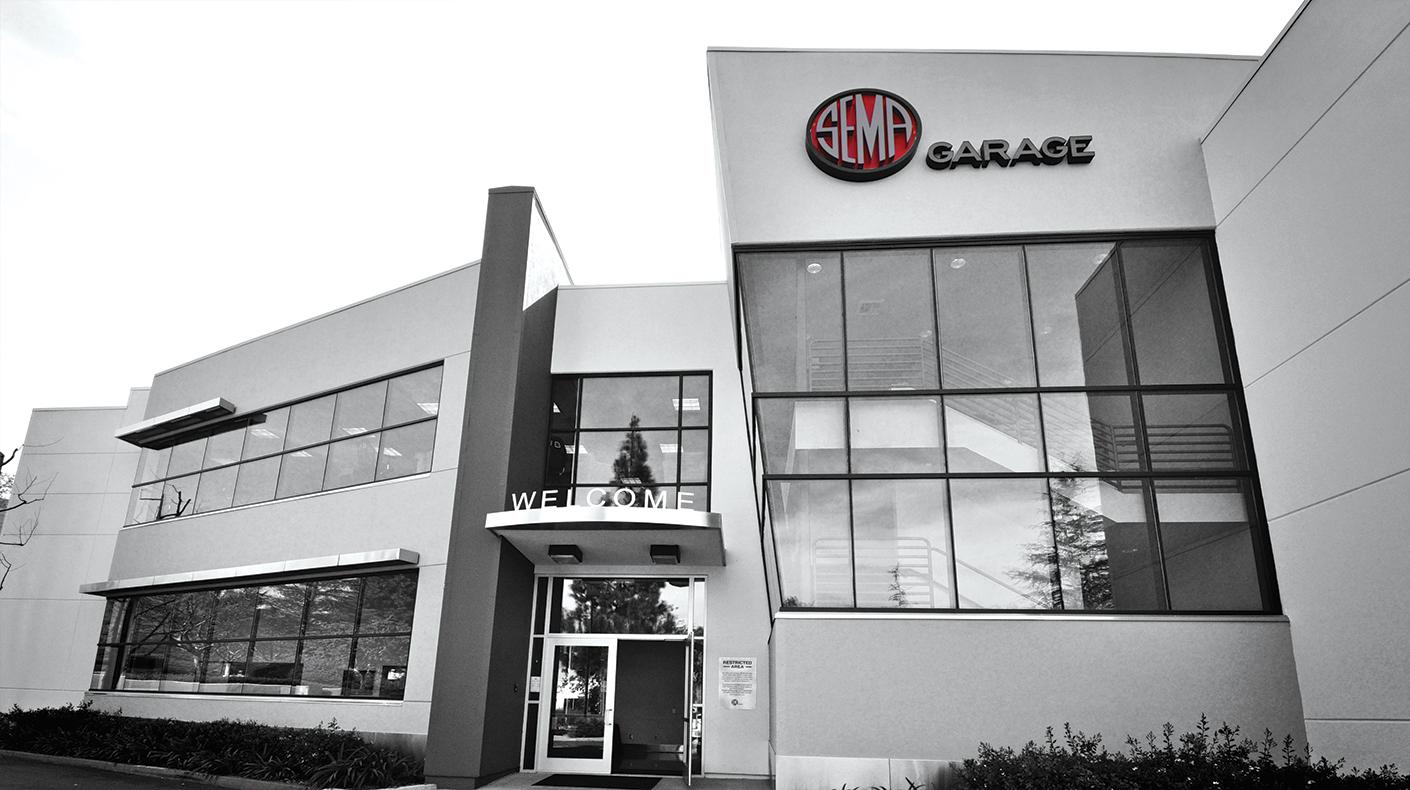
SEMA hosted a delegation from Fédération Internationale de l'Automobile (FIA) at the SEMA Garage in Detroit, bringing together global mobility experts, automotive media and SEMA leadership to highlight new opportunities in vehicle safety policy, advanced driver assistance systems (ADAS) technology and aftermarket innovation.
The following is an op-ed from FIA Secretary General for Mobility and Sustainability Willem Groenenwald highlighting the visit and the importance of global partnerships:
With more than 275 million registered vehicles and 229 million licensed drivers, the United States is one of the most influential mobility markets in the world. Yet it is also a country where road traffic accidents remain a leading cause of death, with around 40,000 fatalities each year. This reality underscores why collaboration between regulators, industry and global partners is essential to shaping a safer and more sustainable future for mobility.
Last week, I joined FIA Deputy President for Mobility Tim Shearman and FIA Region III President Frank Fotia for a two-day program in Detroit with SEMA, one of the newest members of the FIA community. Detroit, the cultural home of the American automotive industry, provided the perfect backdrop for conversations about how global cooperation can accelerate progress.
Our agenda reflected the breadth of innovation in the sector:
- At the Transportation Research Center (TRC), we explored advanced work in automation, ADAS, connectivity and electrification. As North America's largest independent automotive testing facility, TRC highlights the scale of transformation reshaping mobility. These technologies are moving rapidly from prototypes to mainstream deployment, raising new questions around regulation, interoperability and consumer trust.
- Our meeting with the U.S. Department of Transportation and the National Highway Traffic Safety Administration (NHTSA) reinforced a shared priority: saving lives. With 1.19 million people killed on the world's roads every year, nations cannot afford to develop road safety alone. It must be addressed through global collaboration, consistent standards and cross-sector partnerships that turn technological progress into real-world impact.
- At SEMA Garage Detroit, we spoke directly with industry experts from our member club on advanced vehicle testing, aftermarket development, emissions testing and control, and regulatory priorities. This cutting-edge laboratory is a space where innovation becomes reality, with ideas not just discussed, but validated, scaled and prepared for the road, balancing regulatory needs with consumer passion and demand.
What united these conversations is a simple principle: mobility transformation must serve people first, across the world.
As mobility undergoes its most profound transformation in a century, we must ensure consumers remain at the center of every decision. Whether in electrification, connected vehicles or safety frameworks, our responsibility is to build trust, ensure equity and deliver on the promise of safe, sustainable and innovative mobility.
The U.S. market is central to this transformation. Partnerships like the one between the FIA and SEMA help bridge global perspectives with local expertise, aligning priorities and accelerating progress.
The federation's ongoing work via the FIA Road Safety Index, supported by the FIA Foundation, is seeing increased engagement across the United States in both the public and private sectors. In May this year, the New York City Department of Citywide Administrative Services (DCAS) became the first municipal fleet in the world to adopt this international framework for measuring and improving road safety performance, joining the likes of Amazon, Waymo and Uber.
But continuing this momentum requires leadership:
- Policymakers must prioritise forward-looking regulation that keeps pace with innovation.
- Industry leaders and OEMs must commit to shared standards, transparent testing and cross-sector collaboration.
- And together we must keep safety, sustainability, and accessibility at the heart of every mobility solution.
The choices we make today will define the next century of mobility. Through collaboration, leadership and innovation, we have the opportunity and the responsibility to deliver a future that is not only technologically advanced but also safer, cleaner and smarter for everyone.