

 The sudden outbreak of the COVID-19 novel coronavirus has forced many companies to alter and adjust their existing business models. Brick-and-mortar retailers are adjusting to a reduction in consumer foot traffic, companies are developing new ways to maintain their customer relationships, and marketing and advertising strategies are being refocused to take advantage of a growing consumer interest in online purchasing.
 Ted Wentz III, CEO of Quadratec Inc., has been elected to the 2020–2021 SEMA Board of Directors in the Distributor/Retailer category. He will replace outgoing Board member Greg Adler of Greg Adler Motorsports, effective in July.
 As the pandemic unfolded, SEMA quickly created a webpage at www.sema.org/coronavirus to help its members navigate the unprecedented challenges of COVID-19. This resource is a one-stop shop for information on how to secure loans, keep workers on payroll, understand the rules for maintaining safe workplaces and more. The Coronavirus Updates and Resources webpage will continue to be an important way to stay up-to-date with the latest news as new information becomes available. Members are encouraged to bookmark the page to follow these topics.
 Although the COVID-19 pandemic set back the American economy beginning in March, it was encouraging that American consumers spent more time than ever online—an increased habit that’s likely to stick for some time.
 One of the more pressing issues confronting today’s small-business shops is finding and attracting young talent. The case for winning over Millennials is obvious. As more industry retailers and shops come to rely on advanced technologies and social-media marketing, the need for employees adept in those areas will only grow. Plus, the industry overall is graying, meaning that the demand for new workers to replace retiring employees will also become more urgent with each passing year.
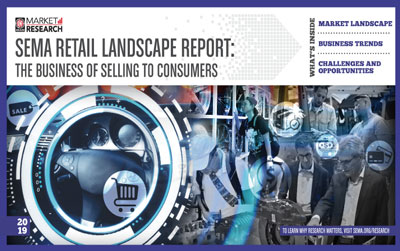 It’s no secret that the retail environment has changed significantly over the past decade. Automotive specialty-equipment retailers in particular are dealing with new pressure points on a number of fronts. But what are the emerging trends that have industry retailers most concerned? And, more importantly, what tools and best practices are they utilizing to adapt? Those questions are at the forefront of a new SEMA market research report.
 Wheels and tires are more than utilitarian objects. The right combination can enhance a vehicle’s performance, increase safety and stability, and even make a fashion statement. All that and more have made them popular aftermarket replacements or upgrades for consumers. Unfortunately, many resellers felt a slowdown in these categories last year. But what caused that slackening in the market? How widespread is it? What might it signal for the future?
 Remember the old adage? “The first three rules of business are location, location and location.” That may be true, but there’s something else just as basic to a retailer’s success: cash flow, cash flow and cash flow. Yet far too many retailers fail in that area, typically because they either confuse cash flow with revenue, rely on future sales that may or may not materialize, improperly track bills, allocate resources that they don’t really have, or succumb to a lethal combination of all the above.
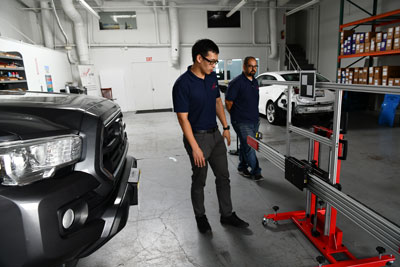 As OEMs roll out an expanding array of advanced driver-assistance systems (ADAS) on their new vehicles, the latest technologies are proving to be a mixed bag for the aftermarket. On one hand, they open new product channels for the industry’s suppliers and retailers. On the other, they present a challenge to collision-repair, customization and installation shops, all of which must contend with the safe functionality of ADAS components on completed projects.
 We spoke with SEMA’s council and network leaders to find out what initiatives they are working on, what’s currently trending in their markets and what they envision the future might hold, and also the challenges they face. Common themes include fighting government overreach, the continued growth of advanced driver assistance systems (ADAS) and expanding youth outreach programs.