

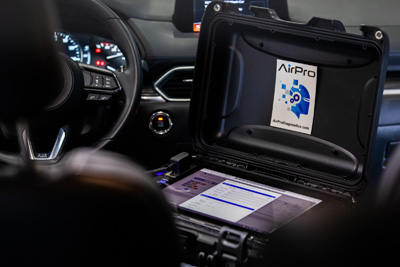
 Advanced driver-assistance systems (ADAS) have continued to work their way to the forefront of automotive technology, providing both a challenge and an opportunity to the specialty-equipment industry. Every year these safety-performance technologies are made available in greater numbers. The following listings include products now offered to owners of older-model cars who want to install safety performance devices.
 SEMA is offering an online marketplace to allow manufacturers and resellers in the specialty automotive segment to connect and conduct business. Taking place November 2-6, SEMA360 was created after industry members expressed a need for a viable marketplace solution in the absence of the 2020 SEMA Show.
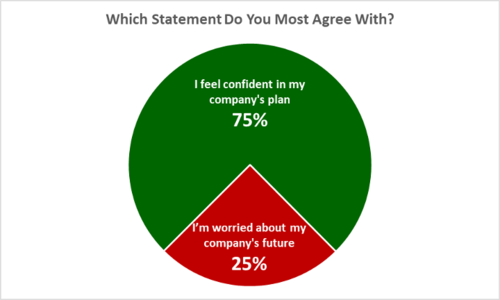 From May 20-29, SEMA conducted a survey of more than 1,800 professionals within the specialty-equipment industry to check in on how they were doing. Overall, our industry continues to maintain a positive outlook and is beginning to move past the disruption.
 Last December, Motor Trend Group—then North America’s premier publisher of automotive enthusiast magazines—announced that it was shuttering 19 of its remaining 22 print titles. In the announcement, company President and General Manager Alex Wellen provided a simple explanation.
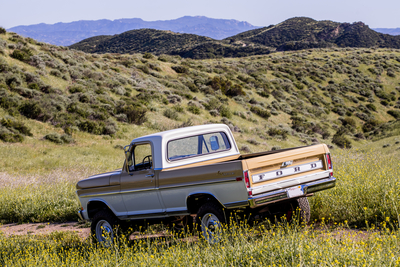 Undeterred by a sluggish economy brought on by COVID-19, demand for classic-car restoration is still soaring, and it’s likely to continue as long as parts suppliers can keep up. The clients are typically “car people” and are faithful to a particular make and model. While there are still those who insist on accurate restoration of classic cars, growth is to be found in those who want to retain the classic-car look but are thirsty for modern performance upgrades that improve drivability and promote individualism.
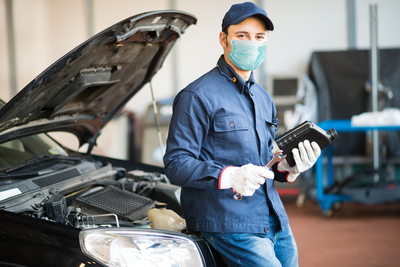 Even in the early days of the COVID-19 pandemic, the aftermarket was rolling up its sleeves for business. For operations able to stay open under essential-business declarations, that meant adopting the latest best practices in coronavirus mitigation. For those unable to stay open, it meant crafting innovative strategies to weather the lockdown until the green light came to reopen. Now that the economy is shifting into recovery mode, businesses in the latter category may be asking what “safely reopening” means. How can they best protect the health of employees and customers alike?
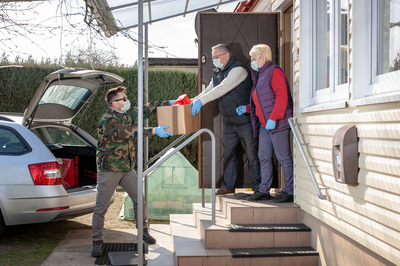 The COVID-19 pandemic caused many companies to scale back production or reduce operating hours, and it’s clear that consumers are looking for greater safety and security in their lives as the industry moves toward recovery. Based on information gathered from a variety of sources, the consensus is that the companies that are best positioned to deliver those attributes while still reliably delivering the products and services their customers depend on will have a unique opportunity to build upon and even expand their brand awareness in the coming years.
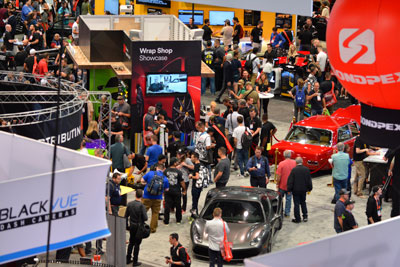 For most builder-enthusiasts, car-care and restyling products are among the most indispensable tools for customizing a vehicle. They can provide added measures of protection for paint, glass and chrome. They can lend upgrades to interior comfort and optimize exterior shine. Many of the most popular products can be purchased without breaking the bank. They’re available nearly everywhere that auto parts are sold—and even some places they’re not, such as in neighborhood car washes or convenience stores.
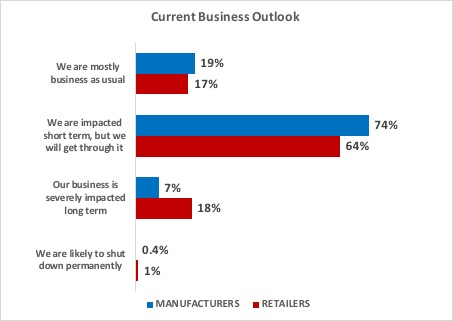
Between April 1 and April 7, 2020, SEMA conducted a survey of more than 2,000 people employed in the specialty-equipment industry. The results show that even in these difficult times, our industry is resilient and working diligently to move past this disruption.
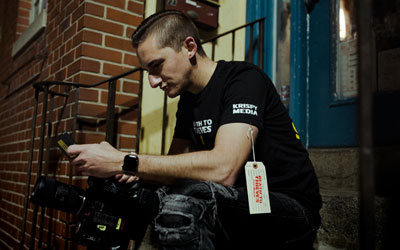 There was a day when the foundations of the automotive aftermarket rested entirely on print publications, but now communications channels have evolved to take advantage of the faster, two-way interactions that the internet has enabled. Social-media marketing has become a necessity, and “media influencers” have become part of the picture. And given the challenging economic currents the industry is now navigating, social media and the potential of influencer collaboration presents a growing opportunity. In fact, those influencers could well play a critical role as aftermarket businesses look to recover from the coronavirus-induced slump that began last March.