Wed, 07/01/2020 - 09:38

By Ellen McKoy

SEMA Member News July 2020

PRO: Making a Difference Through Cooperative Action

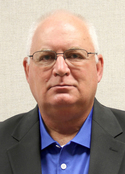
PRO Select Committee Member Colby McLaughlin of Trim Illusion.

When the SEMA Board of Directors approved the creation of a council structure in 1993 (in lieu of committees that existed at the time), the concept was considered somewhat radical. In the decades since, the council model has not only taken hold but mushroomed.

From the original three councils—the Automotive Restoration Market Organization, the Professional Restylers Organization (PRO) and the Street Rod Market Alliance (now the Hot Rod Industry Alliance)—there are now six, along with three networks. The groups embrace and represent virtually every segment of the marketplace.

While each group dances to a somewhat different tune and implements strategies and programs specific to its target niche, there is a common thread: It’s all about enthusiasm for a vibrant aftermarket industry—an industry about which members care enough to ensure its longevity and the success of their own businesses.

For some, this passion translates into a sort of grassroots action to be on the front lines, helping to move a council—and ultimately a particular market segment—toward a positive growth mode. Those are the folks who get involved.

They attend council membership meetings and events. They network with their peers. And, in many instances, they volunteer their time and expertise by serving on a council select committee.

Such is the case for three relative newcomers to the PRO select committee. Elected last year to their first terms, they joined a group of fellow volunteers who help guide the council and implement its agenda.

Cristina Jorge of Specialty Auto Treatments is a second-generation restyler. Industry veteran Rod Bennett heads up Chrome Enhancements, a Keystone Automotive Industries company. Colby McLaughlin is a lifelong enthusiast and customizer and president of Trim Illusion. They recently shared their thoughts on what motivates their engagement and the ways in which PRO delivers value to its membership and the industry.

SEMA Member News: What motivated you to get involved in PRO?

PRO Select Committee Member, Cristina Jorge (middle) from Specialty Auto Treatments speaking at the 2019 SEMA Show PRO Reception.

Cristina Jorge: My involvement in PRO began in 2017 after I became involved with a group of restylers who share ideas and best business practices. In the group, I learned the importance of involvement, continuous learning, and improvement within the automotive industry. What affects one restyler will typically affect others. The ability to have a platform to share and learn within a network of industry professionals is what motivated me to be involved in PRO.

Rod Bennett: I was asked to attend a PRO breakfast meeting at the SEMA Show in 2017. I was impressed by the people at the meeting and thought it would be a great networking opportunity. I had attended the Show for over 30 years and never knew about PRO. I was excited when I found out that there is an organization that focuses on restyling.

Colby McLaughlin: I heard about the great initiatives being driven by the PRO council while networking with customers and other manufacturers. The SEMA Show has played a huge role in the development of my career. Fifteen years ago, while displaying the TLC Rides’ “Summer School Chevelle” at the Show, I received my first career opportunity. The Show has been the nucleus of my career growth, so I wanted to give back.

SMN: What is it about PRO that makes it valuable to the restyling industry?

CJ: The value of PRO has two layers: the value that members see and use, and the value that all members inherently benefit from. For example, the SEMA Accessory Sales Professional (SASP) exam and certificate provide value to members that they can use and put into practice. On the other end, we have committee members who work on keeping the membership updated on [issues] that affect restylers and what they can do to overcome them. Keeping restylers at the forefront of the aftermarket is essential to our industry.

RB: There is a wealth of experienced and successful business owners who are members of PRO. The select committee is composed of seasoned and experienced professionals who are on the front lines of distribution, manufacturing and restyling. Council [members] can collaborate to bring changes to an evolving marketplace. This collaboration and leadership is important to the future health of the restyling industry.

CM: PRO is a melting pot of motivated restylers, manufacturers and other support systems anxious to move the needle for our segment. I’m constantly impressed by the drive and sacrifices of those whose goal is a stronger restyling industry. With a room full of extremely intelligent and talented people, there is one objective: how to better serve our PRO-member companies.

SMN: What are some of the benefits of PRO membership?

CJ: Knowledge is power. The council’s work on the “PRO Sales Training Manual,” the vehicle accessorization flyer, the SASP certificate program and the PRO Cup Challenge is invaluable information for a restyler. As vehicle manufacturers get more involved [in accessorizing], automotive dealerships are beginning to see more value in information, data or accreditation that is backed by SEMA, the organization recognized as an authority when it comes to the aftermarket industry.

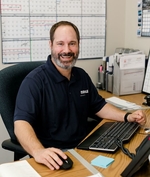
PRO Select Committee Member Rod Bennett of Chrome Enhancements.

RB: I find the creation of the “PRO Sales Training Manual,” the sales certificate program, the letter from SEMA President Chris Kersting addressing warranty concerns and the PRO Cup Challenge to be incredibly beneficial. I have more than 70 sales reps, and all have passed the SASP exam. That was important to my business, my reps and my customers. It built credibility with my customers, and my reps were proud to have their certificates. It built their confidence and helped to increase sales.

We were also able to partake in the PRO Cup Challenge at last year’s SEMA Show. We built a Gladiator, and I watched several attendees come to the PRO booth and ask questions. Programs such as that help to increase interest and drive more [people] into the space.

CM: There is something for everyone. The “PRO Sales Training Manual,” complemented by the SASP certificate, should be implemented in every automotive business that sells to dealerships. Our whole team took the test, even though they don’t all deal directly with dealerships, but I wanted to make sure they were familiar with our customers’ side of the business if a restyler called.

The PRO Cup Challenge is an exciting one. It allowed restylers at the 2019 Show to identify packages they could immediately take home and build for their local dealerships. After our inaugural year, we have been overwhelmed by the positive response from member companies using replicated packages to open new business opportunities.

SMN: What do you see as the most significant restyling trends?

CJ: Lifted trucks continue to dominate the industry. However, I have noticed that outdoor camping equipment has started to take over quickly. From vehicle-mounted rooftop tents to enclosed hammock-like shelters, sleeping outdoors is more elevated than ever.

RB: The industry is constantly changing. The biggest change we see is with automotive dealership groups. The bigger auto groups are buying smaller auto dealerships, which is requiring restylers to make changes in the way they approach restyling and servicing dealerships.

CM: Overlanding is standing strong. With most OEs phasing out production of most of their sedans and offering more SUV/CUV models, the opportunities are endless in the restyling industry.

SMN: With one year of select committee service under your belt, what are your main goals going forward?

CJ: As chair of the communications subcommittee, one of my major objectives is to make sure that PRO members get the most value out of their membership by making information more easily available [through] PRO’s communication platforms on social media.

RB: I enjoy working on the committee. I have multiple responsibilities outside of the council that pull me in different directions each day, so it is refreshing to take time away from the day to day and work with fellow professionals to focus on the future of the industry.

CM: My goal moving forward is what PRO-member companies need in order to better our industry. I currently chair the SEMA Show seminar task force and the membership subcommittee as well as helping out with the PRO Cup Challenge. But at the end of the day, it is up to our member companies to help shape the goals and objectives of PRO.


Wed, 07/01/2020 - 09:38

By Ellen McKoy

SEMA Member News July 2020

PRO: Making a Difference Through Cooperative Action

PRO Select Committee Member Colby McLaughlin of Trim Illusion.

When the SEMA Board of Directors approved the creation of a council structure in 1993 (in lieu of committees that existed at the time), the concept was considered somewhat radical. In the decades since, the council model has not only taken hold but mushroomed.

From the original three councils—the Automotive Restoration Market Organization, the Professional Restylers Organization (PRO) and the Street Rod Market Alliance (now the Hot Rod Industry Alliance)—there are now six, along with three networks. The groups embrace and represent virtually every segment of the marketplace.

While each group dances to a somewhat different tune and implements strategies and programs specific to its target niche, there is a common thread: It’s all about enthusiasm for a vibrant aftermarket industry—an industry about which members care enough to ensure its longevity and the success of their own businesses.

For some, this passion translates into a sort of grassroots action to be on the front lines, helping to move a council—and ultimately a particular market segment—toward a positive growth mode. Those are the folks who get involved.

They attend council membership meetings and events. They network with their peers. And, in many instances, they volunteer their time and expertise by serving on a council select committee.

Such is the case for three relative newcomers to the PRO select committee. Elected last year to their first terms, they joined a group of fellow volunteers who help guide the council and implement its agenda.

Cristina Jorge of Specialty Auto Treatments is a second-generation restyler. Industry veteran Rod Bennett heads up Chrome Enhancements, a Keystone Automotive Industries company. Colby McLaughlin is a lifelong enthusiast and customizer and president of Trim Illusion. They recently shared their thoughts on what motivates their engagement and the ways in which PRO delivers value to its membership and the industry.

SEMA Member News: What motivated you to get involved in PRO?

PRO Select Committee Member, Cristina Jorge (middle) from Specialty Auto Treatments speaking at the 2019 SEMA Show PRO Reception.

Cristina Jorge: My involvement in PRO began in 2017 after I became involved with a group of restylers who share ideas and best business practices. In the group, I learned the importance of involvement, continuous learning, and improvement within the automotive industry. What affects one restyler will typically affect others. The ability to have a platform to share and learn within a network of industry professionals is what motivated me to be involved in PRO.

Rod Bennett: I was asked to attend a PRO breakfast meeting at the SEMA Show in 2017. I was impressed by the people at the meeting and thought it would be a great networking opportunity. I had attended the Show for over 30 years and never knew about PRO. I was excited when I found out that there is an organization that focuses on restyling.

Colby McLaughlin: I heard about the great initiatives being driven by the PRO council while networking with customers and other manufacturers. The SEMA Show has played a huge role in the development of my career. Fifteen years ago, while displaying the TLC Rides’ “Summer School Chevelle” at the Show, I received my first career opportunity. The Show has been the nucleus of my career growth, so I wanted to give back.

SMN: What is it about PRO that makes it valuable to the restyling industry?

CJ: The value of PRO has two layers: the value that members see and use, and the value that all members inherently benefit from. For example, the SEMA Accessory Sales Professional (SASP) exam and certificate provide value to members that they can use and put into practice. On the other end, we have committee members who work on keeping the membership updated on [issues] that affect restylers and what they can do to overcome them. Keeping restylers at the forefront of the aftermarket is essential to our industry.

RB: There is a wealth of experienced and successful business owners who are members of PRO. The select committee is composed of seasoned and experienced professionals who are on the front lines of distribution, manufacturing and restyling. Council [members] can collaborate to bring changes to an evolving marketplace. This collaboration and leadership is important to the future health of the restyling industry.

CM: PRO is a melting pot of motivated restylers, manufacturers and other support systems anxious to move the needle for our segment. I’m constantly impressed by the drive and sacrifices of those whose goal is a stronger restyling industry. With a room full of extremely intelligent and talented people, there is one objective: how to better serve our PRO-member companies.

SMN: What are some of the benefits of PRO membership?

CJ: Knowledge is power. The council’s work on the “PRO Sales Training Manual,” the vehicle accessorization flyer, the SASP certificate program and the PRO Cup Challenge is invaluable information for a restyler. As vehicle manufacturers get more involved [in accessorizing], automotive dealerships are beginning to see more value in information, data or accreditation that is backed by SEMA, the organization recognized as an authority when it comes to the aftermarket industry.

PRO Select Committee Member Rod Bennett of Chrome Enhancements.

RB: I find the creation of the “PRO Sales Training Manual,” the sales certificate program, the letter from SEMA President Chris Kersting addressing warranty concerns and the PRO Cup Challenge to be incredibly beneficial. I have more than 70 sales reps, and all have passed the SASP exam. That was important to my business, my reps and my customers. It built credibility with my customers, and my reps were proud to have their certificates. It built their confidence and helped to increase sales.

We were also able to partake in the PRO Cup Challenge at last year’s SEMA Show. We built a Gladiator, and I watched several attendees come to the PRO booth and ask questions. Programs such as that help to increase interest and drive more [people] into the space.

CM: There is something for everyone. The “PRO Sales Training Manual,” complemented by the SASP certificate, should be implemented in every automotive business that sells to dealerships. Our whole team took the test, even though they don’t all deal directly with dealerships, but I wanted to make sure they were familiar with our customers’ side of the business if a restyler called.

The PRO Cup Challenge is an exciting one. It allowed restylers at the 2019 Show to identify packages they could immediately take home and build for their local dealerships. After our inaugural year, we have been overwhelmed by the positive response from member companies using replicated packages to open new business opportunities.

SMN: What do you see as the most significant restyling trends?

CJ: Lifted trucks continue to dominate the industry. However, I have noticed that outdoor camping equipment has started to take over quickly. From vehicle-mounted rooftop tents to enclosed hammock-like shelters, sleeping outdoors is more elevated than ever.

RB: The industry is constantly changing. The biggest change we see is with automotive dealership groups. The bigger auto groups are buying smaller auto dealerships, which is requiring restylers to make changes in the way they approach restyling and servicing dealerships.

CM: Overlanding is standing strong. With most OEs phasing out production of most of their sedans and offering more SUV/CUV models, the opportunities are endless in the restyling industry.

SMN: With one year of select committee service under your belt, what are your main goals going forward?

CJ: As chair of the communications subcommittee, one of my major objectives is to make sure that PRO members get the most value out of their membership by making information more easily available [through] PRO’s communication platforms on social media.

RB: I enjoy working on the committee. I have multiple responsibilities outside of the council that pull me in different directions each day, so it is refreshing to take time away from the day to day and work with fellow professionals to focus on the future of the industry.

CM: My goal moving forward is what PRO-member companies need in order to better our industry. I currently chair the SEMA Show seminar task force and the membership subcommittee as well as helping out with the PRO Cup Challenge. But at the end of the day, it is up to our member companies to help shape the goals and objectives of PRO.


Wed, 07/01/2020 - 09:30

SEMA Member News July 2020

By Ellen McKoy

MPMC Media Trade Conference Keeps Pace With Evolving Media Demographic

Exhibitor session with media during the MPMC Media Trade Conference.

Creating a business climate that fosters growth and success for its members is at the heart of the Motorsports Parts Manufacturers Council’s (MPMC) mission. To that end, the MPMC provides a range of resources—legislative and technical support, the Racing & Performance Section at the SEMA Show, seminars at the Performance Racing Industry Trade Show, and the “MPMC Business Guidelines Manual,” to name a few. But the council is perhaps best known for its annual Media Trade Conference.

The event was launched in 1998 as the MPMC Media Trade Expo—an idea that had bubbled up during the council’s 1997 long-range planning session. To better reflect the program’s format and focus, the name was changed in 1999.

The concept—which still holds true today—provides members with the opportunity to interface with automotive media to disseminate information about the industry’s products and technology and to increase both media and consumer awareness. Over the years, the conference has continued to grow, ranging from 23 manufacturers in 1998 to 100 each year since 2009.

While the format and focus have remained relatively unaltered, the media landscape has changed dramatically. For years, print journalists made up the bulk of the media who attended the conference. Digital media later joined the mix. Now that there are far fewer print publications, conference planners have set their sights on a new media outlet: social-media influencers.

“From the perspective of the Media Trade Conference, we’ve seen a shift in focus,” said MPMC Chair Rob Fisher. “We’ve morphed from being what I call a singular print outlet—what it was 15 or so years ago—to a mix of print and digital, then to print, digital, video and social media, and to now include social-media influencers as well. So we have all these options and different platforms that we, as manufacturers, can utilize to deliver our message.”

Tapping an Untapped Resource

Exhibitor Flex-A-Lite, pitching products during meeting session.

As the ranks of print media diminished over the last five years, the MPMC select committee took a methodical approach to expanding its audience. Fisher said that the committee asked itself two questions: How do we figure out where the next generation of automotive journalists comes from? And how do current automotive enthusiasts consume information?

As the committee members dove deeper and learned more about the impact of influencers (builders or racers involved in various aspects of motorsports), they put together a list of 10 known contacts and invited them to attend the January conference. The member response overall was positive, but how to grow the number of influencers was a sticking point.

To that end, the select committee reached out to SEMA, which had an existing relationship with the DriveShop, a marketing firm with a network of lifestyle and social-media influencers and the ability to connect automotive brands with their audiences.

“We recognized that we needed guidance from the DriveShop,” Fisher said. “They can track impressions on social media. They can identify influencers based on a set of goals. They were able to help us bring new social-media influencers to the trade conference, and we could track the effectiveness.”

MPMC Chair Rob Fisher.

The results spoke for themselves. The DriveShop successfully recruited 18 social-media influencers to the event. The total number of influencer impressions from January through March was an impressive 1,415,853, with an audience reach of 1,261,592 and a social-media value of $127,785.

For many of the manufacturers, it was their first exposure to influencers—and vice versa. Based on post-event feedback, both groups expressed enthusiasm about working together, and the MPMC select committee and SEMA staff are already strategizing for the 2021 conference.

“The response to this year’s event was very positive, but the key is education,” Fisher said. “The trick is making sure that everybody is prepared. Manufacturers don’t necessarily know how to [engage] with influencers, and influencers don’t necessarily know how to take advantage of what the Media Trade Conference is all about.

“Our select committee knows what we need to do to ensure that our membership base is the benefactor of this program. To that end, we’ve put together a task force responsible for developing webinars that we are in the process of rolling out and for getting the program up and running. The SEMA Board and staff are completely behind the program and are very excited about it. The 2021 conference will be the best one yet. That’s our goal.”

Wed, 07/01/2020 - 09:30

SEMA Member News July 2020

By Ellen McKoy

MPMC Media Trade Conference Keeps Pace With Evolving Media Demographic

Exhibitor session with media during the MPMC Media Trade Conference.

Creating a business climate that fosters growth and success for its members is at the heart of the Motorsports Parts Manufacturers Council’s (MPMC) mission. To that end, the MPMC provides a range of resources—legislative and technical support, the Racing & Performance Section at the SEMA Show, seminars at the Performance Racing Industry Trade Show, and the “MPMC Business Guidelines Manual,” to name a few. But the council is perhaps best known for its annual Media Trade Conference.

The event was launched in 1998 as the MPMC Media Trade Expo—an idea that had bubbled up during the council’s 1997 long-range planning session. To better reflect the program’s format and focus, the name was changed in 1999.

The concept—which still holds true today—provides members with the opportunity to interface with automotive media to disseminate information about the industry’s products and technology and to increase both media and consumer awareness. Over the years, the conference has continued to grow, ranging from 23 manufacturers in 1998 to 100 each year since 2009.

While the format and focus have remained relatively unaltered, the media landscape has changed dramatically. For years, print journalists made up the bulk of the media who attended the conference. Digital media later joined the mix. Now that there are far fewer print publications, conference planners have set their sights on a new media outlet: social-media influencers.

“From the perspective of the Media Trade Conference, we’ve seen a shift in focus,” said MPMC Chair Rob Fisher. “We’ve morphed from being what I call a singular print outlet—what it was 15 or so years ago—to a mix of print and digital, then to print, digital, video and social media, and to now include social-media influencers as well. So we have all these options and different platforms that we, as manufacturers, can utilize to deliver our message.”

Tapping an Untapped Resource

Exhibitor Flex-A-Lite, pitching products during meeting session.

As the ranks of print media diminished over the last five years, the MPMC select committee took a methodical approach to expanding its audience. Fisher said that the committee asked itself two questions: How do we figure out where the next generation of automotive journalists comes from? And how do current automotive enthusiasts consume information?

As the committee members dove deeper and learned more about the impact of influencers (builders or racers involved in various aspects of motorsports), they put together a list of 10 known contacts and invited them to attend the January conference. The member response overall was positive, but how to grow the number of influencers was a sticking point.

To that end, the select committee reached out to SEMA, which had an existing relationship with the DriveShop, a marketing firm with a network of lifestyle and social-media influencers and the ability to connect automotive brands with their audiences.

“We recognized that we needed guidance from the DriveShop,” Fisher said. “They can track impressions on social media. They can identify influencers based on a set of goals. They were able to help us bring new social-media influencers to the trade conference, and we could track the effectiveness.”

MPMC Chair Rob Fisher.

The results spoke for themselves. The DriveShop successfully recruited 18 social-media influencers to the event. The total number of influencer impressions from January through March was an impressive 1,415,853, with an audience reach of 1,261,592 and a social-media value of $127,785.

For many of the manufacturers, it was their first exposure to influencers—and vice versa. Based on post-event feedback, both groups expressed enthusiasm about working together, and the MPMC select committee and SEMA staff are already strategizing for the 2021 conference.

“The response to this year’s event was very positive, but the key is education,” Fisher said. “The trick is making sure that everybody is prepared. Manufacturers don’t necessarily know how to [engage] with influencers, and influencers don’t necessarily know how to take advantage of what the Media Trade Conference is all about.

“Our select committee knows what we need to do to ensure that our membership base is the benefactor of this program. To that end, we’ve put together a task force responsible for developing webinars that we are in the process of rolling out and for getting the program up and running. The SEMA Board and staff are completely behind the program and are very excited about it. The 2021 conference will be the best one yet. That’s our goal.”

Wed, 07/01/2020 - 09:26

SEMA Member News July 2020

By Ellen McKoy

HRIA Puts Education Front and Center

Caption: Industry professionals came together to attend HRIA’s inaugural Education Day.

HRIA Chair Jeff Major.

The Hot Rod Industry Alliance (HRIA) has ranked education as a key component of its mission from its early days as the Street Rod Market Alliance (SRMA). In the mid-’90s, SEMA and SRMA launched the Street Rod Industry Trade Conference. Held at a hotel in San Antonio, Texas, in conjunction with Vintage Air, the yearly business-to-business event served as a launch pad for business-management seminars and hands-on technical workshops.

SRMA later partnered with the Automotive Restoration Market Organization to produce an expanded street-rod/restoration industry trade conference at the Henry B. Gonzalez Convention Center, also in San Antonio. The event, held annually into the early ’00s, continued to provide educational programming.

Over the years, HRIA also presented seminars at other industry events, such as the Hot Rod & Restoration Trade Show and at the Detroit Autorama. But in 2016, HRIA ratcheted up its efforts, teaming with the National Street Rod Association to offer seminars at the Street Rod Nationals, the premier street rod and classic-car show held annually at the Kentucky Exposition Center in Louisville. It was a game changer.

Educating Enthusiasts

The HRIA’s inaugural Education Day program at the Nationals featured a full day of seminars presented by council-member manufacturers to an audience of street-rod hobbyists. It was the first time the sessions were open to the public, and, the response to the council’s initial Education Day was extremely positive, according to HRIA Chair Jeff Major.

“So many enthusiasts attend the Nationals—about 160,000 people every year—so it was a great opportunity for the manufacturers to share information about our industry’s products,” he said. “It was very successful.”

To build on the momentum, the HRIA expanded the program’s footprint in 2017 to include 12 seminars over two days. The sessions have proven so popular that they drew more than 900 attendees last year.

“One of the things that makes the program such a success is that we teamed up with the National Street Rod Association (NSRA) at the Street Rod Nationals,” said Josh Mishler, who chairs HRIA’s education subcommittee. “The great thing about it is that the majority of people who go to the Nationals are hobbyists, so that gives them a chance to learn from the people who actually make and sell the products. The event has grown every year. We’re getting really close to having 1,000 attendees.”

Under the expanded format, six seminars are presented daily. Each session lasts one hour. To qualify as presenters, manufacturers must be HRIA members and NSRA exhibitors. Session topics run the gamut from air conditioning, wiring and gauges to brake and suspension systems, power steering conversions and more.

“All of the sessions are different,” Mishler said, “and we encourage all presenters to present from an educational standpoint versus a commercial. I also try to get a new crop of presenters every year. If everything goes well, we’re on track to have several repeat companies and two or three new presenters.”

While there’s clearly a benefit to attendees, the same holds true for the participating manufacturers.

“People always say that this industry is all about relationships,” Mishler noted. “Even though [companies] aren’t directly selling a product, it gives them an opportunity to get in front of potential customers. Each classroom holds 140 people, and they’re all there to listen. There’s also a good chance many of them will visit a presenter’s booth and spend money before the show is over. It’s more effective than an advertisement or a catalog.

“This will be our fourth consecutive year. NSRA makes us feel very welcome, so I’m planning on it being another great year. I hope everybody is going to be at the Nationals in Louisville and considers taking in one of our seminars.”

Cultivating Youth Awareness

While the Education Days program remains the centerpiece of HRIA’s educational outreach, the council has set its sights on a brand-new learning experience. But unlike the seminars in Louisville, which are primarily for hobbyists, the new event will be aimed at students.

“HRIA has had tremendous success in Louisville, but we have also wanted to do a program on the West Coast,” Major said. “We’re now trying to put a program together for high-school tech students at the Grand National Roadster Show.”

The 2021 Grand National Roadster Show is slated for late January at the Fairplex in Pomona, California. HRIA’s current game plan is to present a one-day educational forum during the show. The idea is to assemble a panel of prominent builders along with well-known manufacturers and industry personalities for an interactive discussion about the business side of the industry and career opportunities. Students and teachers from local technical schools and high schools that offer automotive curriculum would be invited to participate.

“At the Nationals, the program is about reaching hobbyists,” Mishler said. “Now we’re looking to get students engaged and having a panel discussion about the business side of the hot-rod industry would give young people an idea of the different avenues. The industry is not just car builders. There are so many different jobs, whether its sales, marketing or product development. We know how important it is to get the next generation involved in our industry, and our goal is to get in front of the next generation.”

Building Value Through Resources

While much of the United States continued to practice social distancing and self-isolation at press time for this issue of SEMA Member News, the HRIA select committee continued to focus on other projects, including two member resources now in the development stage. The first is a historical record of HRIA. The task of chronicling the council’s history has been undertaken by Dennis Overholser of Painless Performance, whose involvement in SRMA and HRIA dates back decades.

The project came about two years ago during the SEMA Show at a past-chair luncheon for former council and network chairs. Lee Riser of Truck Hero announced the launch of a project to record the history of all SEMA councils and networks and asked for volunteers. Two of Overholser’s colleagues encouraged him to take on the task.

“I’m putting together a timeline and trying to be as accurate as possible,” Overholser said. “It’s time-consuming, and some of the information is hard to get. I do have almost everything through 2006 and enough information to go up to 2010 or 2011, but there’s still a lot I need to do to get up to 2020.”

Next up in the HRIA pipeline is a business resource directory. With so much emphasis placed on educating consumers, it makes sense to provide a way for enthusiasts to more easily find HRIA-member companies when looking to research and purchase products. According to Major, the completed project will serve as a resource for hobbyists. It will include listings of HRIA-member companies’ products and services. Once compiled, it will be released in an easy-to-update electronic format that will be housed on an HRIA social-media platform.

“Our goal is to help as many members as possible,” Major said. “HRIA is here to help our member companies grow and prosper. We’re here to develop strategies and programs to advance and promote awareness of the hobby and provide educational, business and networking opportunities. There’s no way to place a value on that.”

Wed, 07/01/2020 - 09:26

SEMA Member News July 2020

By Ellen McKoy

HRIA Puts Education Front and Center

Caption: Industry professionals came together to attend HRIA’s inaugural Education Day.

HRIA Chair Jeff Major.

The Hot Rod Industry Alliance (HRIA) has ranked education as a key component of its mission from its early days as the Street Rod Market Alliance (SRMA). In the mid-’90s, SEMA and SRMA launched the Street Rod Industry Trade Conference. Held at a hotel in San Antonio, Texas, in conjunction with Vintage Air, the yearly business-to-business event served as a launch pad for business-management seminars and hands-on technical workshops.

SRMA later partnered with the Automotive Restoration Market Organization to produce an expanded street-rod/restoration industry trade conference at the Henry B. Gonzalez Convention Center, also in San Antonio. The event, held annually into the early ’00s, continued to provide educational programming.

Over the years, HRIA also presented seminars at other industry events, such as the Hot Rod & Restoration Trade Show and at the Detroit Autorama. But in 2016, HRIA ratcheted up its efforts, teaming with the National Street Rod Association to offer seminars at the Street Rod Nationals, the premier street rod and classic-car show held annually at the Kentucky Exposition Center in Louisville. It was a game changer.

Educating Enthusiasts

The HRIA’s inaugural Education Day program at the Nationals featured a full day of seminars presented by council-member manufacturers to an audience of street-rod hobbyists. It was the first time the sessions were open to the public, and, the response to the council’s initial Education Day was extremely positive, according to HRIA Chair Jeff Major.

“So many enthusiasts attend the Nationals—about 160,000 people every year—so it was a great opportunity for the manufacturers to share information about our industry’s products,” he said. “It was very successful.”

To build on the momentum, the HRIA expanded the program’s footprint in 2017 to include 12 seminars over two days. The sessions have proven so popular that they drew more than 900 attendees last year.

“One of the things that makes the program such a success is that we teamed up with the National Street Rod Association (NSRA) at the Street Rod Nationals,” said Josh Mishler, who chairs HRIA’s education subcommittee. “The great thing about it is that the majority of people who go to the Nationals are hobbyists, so that gives them a chance to learn from the people who actually make and sell the products. The event has grown every year. We’re getting really close to having 1,000 attendees.”

Under the expanded format, six seminars are presented daily. Each session lasts one hour. To qualify as presenters, manufacturers must be HRIA members and NSRA exhibitors. Session topics run the gamut from air conditioning, wiring and gauges to brake and suspension systems, power steering conversions and more.

“All of the sessions are different,” Mishler said, “and we encourage all presenters to present from an educational standpoint versus a commercial. I also try to get a new crop of presenters every year. If everything goes well, we’re on track to have several repeat companies and two or three new presenters.”

While there’s clearly a benefit to attendees, the same holds true for the participating manufacturers.

“People always say that this industry is all about relationships,” Mishler noted. “Even though [companies] aren’t directly selling a product, it gives them an opportunity to get in front of potential customers. Each classroom holds 140 people, and they’re all there to listen. There’s also a good chance many of them will visit a presenter’s booth and spend money before the show is over. It’s more effective than an advertisement or a catalog.

“This will be our fourth consecutive year. NSRA makes us feel very welcome, so I’m planning on it being another great year. I hope everybody is going to be at the Nationals in Louisville and considers taking in one of our seminars.”

Cultivating Youth Awareness

While the Education Days program remains the centerpiece of HRIA’s educational outreach, the council has set its sights on a brand-new learning experience. But unlike the seminars in Louisville, which are primarily for hobbyists, the new event will be aimed at students.

“HRIA has had tremendous success in Louisville, but we have also wanted to do a program on the West Coast,” Major said. “We’re now trying to put a program together for high-school tech students at the Grand National Roadster Show.”

The 2021 Grand National Roadster Show is slated for late January at the Fairplex in Pomona, California. HRIA’s current game plan is to present a one-day educational forum during the show. The idea is to assemble a panel of prominent builders along with well-known manufacturers and industry personalities for an interactive discussion about the business side of the industry and career opportunities. Students and teachers from local technical schools and high schools that offer automotive curriculum would be invited to participate.

“At the Nationals, the program is about reaching hobbyists,” Mishler said. “Now we’re looking to get students engaged and having a panel discussion about the business side of the hot-rod industry would give young people an idea of the different avenues. The industry is not just car builders. There are so many different jobs, whether its sales, marketing or product development. We know how important it is to get the next generation involved in our industry, and our goal is to get in front of the next generation.”

Building Value Through Resources

While much of the United States continued to practice social distancing and self-isolation at press time for this issue of SEMA Member News, the HRIA select committee continued to focus on other projects, including two member resources now in the development stage. The first is a historical record of HRIA. The task of chronicling the council’s history has been undertaken by Dennis Overholser of Painless Performance, whose involvement in SRMA and HRIA dates back decades.

The project came about two years ago during the SEMA Show at a past-chair luncheon for former council and network chairs. Lee Riser of Truck Hero announced the launch of a project to record the history of all SEMA councils and networks and asked for volunteers. Two of Overholser’s colleagues encouraged him to take on the task.

“I’m putting together a timeline and trying to be as accurate as possible,” Overholser said. “It’s time-consuming, and some of the information is hard to get. I do have almost everything through 2006 and enough information to go up to 2010 or 2011, but there’s still a lot I need to do to get up to 2020.”

Next up in the HRIA pipeline is a business resource directory. With so much emphasis placed on educating consumers, it makes sense to provide a way for enthusiasts to more easily find HRIA-member companies when looking to research and purchase products. According to Major, the completed project will serve as a resource for hobbyists. It will include listings of HRIA-member companies’ products and services. Once compiled, it will be released in an easy-to-update electronic format that will be housed on an HRIA social-media platform.

“Our goal is to help as many members as possible,” Major said. “HRIA is here to help our member companies grow and prosper. We’re here to develop strategies and programs to advance and promote awareness of the hobby and provide educational, business and networking opportunities. There’s no way to place a value on that.”

Wed, 07/01/2020 - 09:21

SEMA Member News July 2020

By Ellen McKoy

ARMO Welcomes New Chair and Chair-Elect

ARMO Chair Ben Tucker.

Two years ago, Tray Smith assumed the role of chair of the Automotive Restoration Market Organization (ARMO) after having served two years as chair-elect. At the same time, Ben Tucker was chosen by his peers on the select committee to serve in the chair-elect slot.

Flash forward to 2020. The pendulum has gone full swing. As of July 1, Smith is stepping down and will serve as ARMO’s immediate past chair. Tucker is stepping up to council chair, and Randall Bates is taking over as chair-elect.

Both Smith and Bates are industry veterans with years of experience under their belts. Tucker, now CEO of Camaro Central, launched his aftermarket career in 2001 while working for his friend and business associate, Shawn Green, the company founder. Bates has held only two jobs during the course of his 24-year industry career: sales manager for Auto Carpet Systems, and his current position as national sales manager for Auto Custom Carpet.

SEMA Member News recently chatted with Tucker and Bates about how they view the council and their new roles as chair and chair-elect.

SEMA Member News: How did you get involved in ARMO, and what was your motivation?

Ben Tucker: Our company has been attending the SEMA Show since the late ’90s. I went for the first time in 2003 and attended the ARMO reception. The reception and the ARMO open meetings at the Show have always been great places to network with industry peers and leaders. In 2013, Dennis Roberts, then of Distinctive Industries, nominated me for [a seat on] the select committee.

ARMO Chair-Elect Randall Bates.

My motivation was ARMO’s youth-engagement program, Take a Kid to a Car Show. Getting youth involved in our industry is key. From stocking shelves at parts stores and sales and marketing to engineering the newest parts, our industry not only offers many career paths but also helps to create future enthusiasts and customers.

Randall Bates: I have been fortunate to be friends with and a business acquaintance of many of the past volunteers. We have traveled in many of the same circles at car shows where ARMO has different activities. I realized I needed to do my part and be active in the industry that has provided my family and me with so many opportunities in life.

SMN: In what ways is ARMO valuable to the restoration industry?

BT: ARMO offers several programs to help member companies. ARMO works closely with the legislative side of our industry to ensure that member companies have the resources they need. ARMO also offers a licensing guide to help navigate the ever-changing landscape. ARMO’s Hot Products Showcase is a great program to get products in front of 100,000-plus potential customers, and it’s completely free. Not only is the exposure great, but companies also get recognized at the SEMA Show and the ARMO banquet. ARMO’s youth programs—Take a Kid to a Car Show and the Counselor Outreach—are helping to build future enthusiasts, customers and employees.

RB: ARMO and the segment of the market that ARMO serves are constantly evolving, adapting to serving classic cars and more modern car and truck lines. Projects such as Take a Kid to a Car Show, ‘Digital Matters’ articles and keeping members informed of licensing issues are important to the restoration industry.

SMN: What do you see as the most significant trends in the restoration industry?

BT: The restoration industry is seeing a slight shift from bone-stock restorations to modified restoration—also know as restomods. Consumers want classic cars but also want updated technology built into their rides. Safety add-ons such as three-point seat belts, LED taillights, disc-brake conversions, power steering and suspension upgrades will continue to be desired.

Comfort upgrades are another significant trend. Upgraded stock-like bolt-in seats with bolsters and reclining capabilities, one-piece headliners with more headroom, stock-looking stereos with Bluetooth technology and keyless-entry systems are all on the rise.

RB: In my opinion, the trend in the restoration market is leading toward restomods. All you have to do is walk through the SEMA Show and see that there are few concourse-grade cars. The concourse-grade cars are great, but when you can make a car or truck look like it did in the ’60s but with today’s comforts and added horsepower, then why not?

SMN: As the newly elected council leaders, what are your main objectives and goals going forward?

BT: ARMO has some great programs. I want to ensure that these programs continue to grow and add more benefits for member companies. I am looking to add more diversity. General Motors and Ford have always been staples for ARMO companies. Adding more companies that deal in the tuner segment will be one focus along with classics like VW buses and Bugs. I’d like to see these companies join ARMO. I also want to grow and gain more exposure for the Take a Kid to a Car Show program, and I’d like to see the Counselor Outreach program grow as well.

RB: My objective with ARMO is to grow membership and make it more of a value to the companies that are members. Also to make our mission statement clear and precise, so that companies that aren’t members know exactly why they should be ARMO members.

SMN: Why is it important for other restoration companies to join ARMO?

BT: Why just listen to the conversation when you can be part of it? Any company involved in the restoration industry needs to be part of ARMO. Come to ARMO open meetings, the banquet, the Hot Products Showcase and the mixer at Carlisle. Get involved and do some networking with industry peers and leaders. Just join ARMO, and you can.

I think the ARMO mission statement sums it up: “ARMO, the Automotive Restoration Market Organization, is a council of the Specialty Equipment Market Association. Dedicated to addressing the many challenges facing this segment of the aftermarket, ARMO directs its efforts toward preserving and promoting the automotive restoration industry. ARMO’s strength and success depends on industry support. Through cooperative action, ARMO-member companies can ensure the viability of the automotive restoration industry.”

RB: It’s important for all kinds of manufacturers, builders and retailers to become members because there is strength in numbers. When it comes to state and federal regulations and the changes in the OE manufacturers’ rules, only a larger body of members will have the pooled resources to [advocate] for a sustainable industry. Also, there’s the networking and camaraderie, being part of something bigger than the individual. You can’t really put a price on that.

Wed, 07/01/2020 - 09:21

SEMA Member News July 2020

By Ellen McKoy

ARMO Welcomes New Chair and Chair-Elect

ARMO Chair Ben Tucker.

Two years ago, Tray Smith assumed the role of chair of the Automotive Restoration Market Organization (ARMO) after having served two years as chair-elect. At the same time, Ben Tucker was chosen by his peers on the select committee to serve in the chair-elect slot.

Flash forward to 2020. The pendulum has gone full swing. As of July 1, Smith is stepping down and will serve as ARMO’s immediate past chair. Tucker is stepping up to council chair, and Randall Bates is taking over as chair-elect.

Both Smith and Bates are industry veterans with years of experience under their belts. Tucker, now CEO of Camaro Central, launched his aftermarket career in 2001 while working for his friend and business associate, Shawn Green, the company founder. Bates has held only two jobs during the course of his 24-year industry career: sales manager for Auto Carpet Systems, and his current position as national sales manager for Auto Custom Carpet.

SEMA Member News recently chatted with Tucker and Bates about how they view the council and their new roles as chair and chair-elect.

SEMA Member News: How did you get involved in ARMO, and what was your motivation?

Ben Tucker: Our company has been attending the SEMA Show since the late ’90s. I went for the first time in 2003 and attended the ARMO reception. The reception and the ARMO open meetings at the Show have always been great places to network with industry peers and leaders. In 2013, Dennis Roberts, then of Distinctive Industries, nominated me for [a seat on] the select committee.

ARMO Chair-Elect Randall Bates.

My motivation was ARMO’s youth-engagement program, Take a Kid to a Car Show. Getting youth involved in our industry is key. From stocking shelves at parts stores and sales and marketing to engineering the newest parts, our industry not only offers many career paths but also helps to create future enthusiasts and customers.

Randall Bates: I have been fortunate to be friends with and a business acquaintance of many of the past volunteers. We have traveled in many of the same circles at car shows where ARMO has different activities. I realized I needed to do my part and be active in the industry that has provided my family and me with so many opportunities in life.

SMN: In what ways is ARMO valuable to the restoration industry?

BT: ARMO offers several programs to help member companies. ARMO works closely with the legislative side of our industry to ensure that member companies have the resources they need. ARMO also offers a licensing guide to help navigate the ever-changing landscape. ARMO’s Hot Products Showcase is a great program to get products in front of 100,000-plus potential customers, and it’s completely free. Not only is the exposure great, but companies also get recognized at the SEMA Show and the ARMO banquet. ARMO’s youth programs—Take a Kid to a Car Show and the Counselor Outreach—are helping to build future enthusiasts, customers and employees.

RB: ARMO and the segment of the market that ARMO serves are constantly evolving, adapting to serving classic cars and more modern car and truck lines. Projects such as Take a Kid to a Car Show, ‘Digital Matters’ articles and keeping members informed of licensing issues are important to the restoration industry.

SMN: What do you see as the most significant trends in the restoration industry?

BT: The restoration industry is seeing a slight shift from bone-stock restorations to modified restoration—also know as restomods. Consumers want classic cars but also want updated technology built into their rides. Safety add-ons such as three-point seat belts, LED taillights, disc-brake conversions, power steering and suspension upgrades will continue to be desired.

Comfort upgrades are another significant trend. Upgraded stock-like bolt-in seats with bolsters and reclining capabilities, one-piece headliners with more headroom, stock-looking stereos with Bluetooth technology and keyless-entry systems are all on the rise.

RB: In my opinion, the trend in the restoration market is leading toward restomods. All you have to do is walk through the SEMA Show and see that there are few concourse-grade cars. The concourse-grade cars are great, but when you can make a car or truck look like it did in the ’60s but with today’s comforts and added horsepower, then why not?

SMN: As the newly elected council leaders, what are your main objectives and goals going forward?

BT: ARMO has some great programs. I want to ensure that these programs continue to grow and add more benefits for member companies. I am looking to add more diversity. General Motors and Ford have always been staples for ARMO companies. Adding more companies that deal in the tuner segment will be one focus along with classics like VW buses and Bugs. I’d like to see these companies join ARMO. I also want to grow and gain more exposure for the Take a Kid to a Car Show program, and I’d like to see the Counselor Outreach program grow as well.

RB: My objective with ARMO is to grow membership and make it more of a value to the companies that are members. Also to make our mission statement clear and precise, so that companies that aren’t members know exactly why they should be ARMO members.

SMN: Why is it important for other restoration companies to join ARMO?

BT: Why just listen to the conversation when you can be part of it? Any company involved in the restoration industry needs to be part of ARMO. Come to ARMO open meetings, the banquet, the Hot Products Showcase and the mixer at Carlisle. Get involved and do some networking with industry peers and leaders. Just join ARMO, and you can.

I think the ARMO mission statement sums it up: “ARMO, the Automotive Restoration Market Organization, is a council of the Specialty Equipment Market Association. Dedicated to addressing the many challenges facing this segment of the aftermarket, ARMO directs its efforts toward preserving and promoting the automotive restoration industry. ARMO’s strength and success depends on industry support. Through cooperative action, ARMO-member companies can ensure the viability of the automotive restoration industry.”

RB: It’s important for all kinds of manufacturers, builders and retailers to become members because there is strength in numbers. When it comes to state and federal regulations and the changes in the OE manufacturers’ rules, only a larger body of members will have the pooled resources to [advocate] for a sustainable industry. Also, there’s the networking and camaraderie, being part of something bigger than the individual. You can’t really put a price on that.

Wed, 07/01/2020 - 09:13

SEMA Member News July 2020

By Ellen McKoy

SEMA’s Tech Transfer Program Streamlines New-Product Development

Caption: SEMA Garage OEM CAD data from a session.
Caption: SEMA Garage live session vehicle scan.

SEMA-member accessory and performance-parts manufacturers nowadays have access to an array of tools to aid in the design and development of new products. They range from OEM CAD data and 3-D scanning and printing to vehicle measuring sessions and more. But that has not always been the case.

At one time, manufacturers were hard pressed to gain early access to new vehicles or OEM technical data. They most often had to rely on reverse engineering. To complicate matters, companies frequently had to wait after new models were introduced before they could get their hands on them long enough to even prototype parts.

Challenged by the inability to debut new products to coincide with new-vehicle rollouts meant losing a valuable marketing advantage. The lack of access sometimes also led to deficiencies in product quality and fit and finish, and the likelihood that automakers would be amenable to data sharing was considered highly improbable.

But with the launch of the SEMA OEM Roundtable Tech Talks in 1993, things began to change. The forum was open exclusively to member manufacturers. Held annually with Detroit automakers for more than a decade, the program gave members a firsthand, long-lead look at new models plus advance access to vehicle specs and marketing data.

One of the earliest tools was aimed at helping body builders with product development. The “Ford Body Builder” books, as they were known, were chock-full of drawn-to-scale vehicle schematics and line drawings. In 1999, with support from Jacques Nasser, then Ford CEO and president, the books morphed into 2-D blueprint files, ultimately laying the groundwork for SEMA’s Tech Transfer program.

“That’s how it all came to fruition,” recalled Mike Spagnola, SEMA vice president of OEM relations and product development. “When we started Tech Transfer, it was only 2-D files. It started with Jacques Nasser agreeing with SEMA to be part of the program. Shortly after that, General Motors agreed to do the same, and shortly after that, Chrysler came on board.”

Adapting to Technology

The program has continued to evolve. The 2-D files have been replaced by 3-D CAD data from Ford, Lincoln, General Motors/Chevrolet, Chrysler, Dodge, Ram, Jeep, Fiat and Scion. While there are now thousands of CAD files in the database, Spagnola noted that it not only took time to amass the files but also for member companies to master the technology.

“We first started to get some of the actual CAD files in the late ’90s and early ’00s,” he said. “But it was hard to transfer the data because [few companies] had the computer capacity or the computer knowledge to use it. CAD data was definitely ahead of the market, but members have learned to adapt and are using better technology for developing products.

“The early adapters were the suspension and engine-development guys and truck-accessory companies. It took a little longer for the styling industry to adapt and translate CAD into something that has dimension versus a mechanical item, but we see that taking off now.”

In fact, the program has experienced a growth spurt. Besides OEM CAD files, there is a 3-D scan library of other vehicles created using SEMA Garage’s Faro 3-D scanner. There are 506 scan files consisting of 26 makes and 94 models, including Toyotas, Nissans and off-road side-by-sides such as Polaris. Additionally, the program hosts data for international vehicles that include the Nissan Patrol, Toyota HiLux and right-hand-drive Ford Ranger. Just as significantly, the number of participating member companies has skyrocketed.

“When I got to SEMA six years ago, the number of members using Tech Transfer was fairly low,” Spagnola said. “Today, we have six times more members using Tech Transfer. I don’t know of a SEMA-member manufacturer that couldn’t take advantage of the Tech Transfer program.”

Bringing Better-Made, Quality Products to Market

Henry Vasquez, director of product development at Rolling Big Power (RBP), and Kevin Sanchez, owner of K Designs, are true believers. In their experience, Tech Transfer has provided a critical edge in bringing superior-quality products to market faster and more cost effectively. From Vasquez’s perspective, Tech Transfer is beneficial in multiple ways.

“It’s all about new-product development,” he said. “We make wheels, so part of our use of the data is to make sure that the (OEM) brake packages still fit within the profile of our wheels and allow us to make adjustments as new trucks come out. We also use the data to develop power running boards.”

RBP has also relied on the scan library. Case in point: Vasquez cited the availability of scanned CAD data for the new Dodge Ram and Jeep.

“The Garage team took the initiative to bring in the vehicles, scan them and provide the data,” he said. “That’s absolutely a benefit. It’s obviously more efficient and less costly to work with [existing] data versus doing manual measurements. There’s no need to reverse engineer when the CAD data yields better results. The fitment and accuracy are much better, so not only is it more efficient and less costly, but it also yields a higher-quality result.”

Sanchez has had a similar experience. A sport-truck hobbyist and mechanical designer and drafter by training, his foray into the aftermarket began when he purchased a limited-edition ’74 Dodge Ram powered by a Viper engine. Unable to find unique accessories, he designed and fabricated a NASCAR-style aluminum rear spoiler, incorporating more dimension and cutouts. He posted images to online forums and began receiving inquiries and orders.

“I’m into the street sport-truck scene, so that’s how I started my business,” Sanchez said. “I put my skills to work and figured I’d make my own spoilers. I design everything in-house, create the blueprint and hand it off to a local fabrication shop. They cut it, fab it, weld it, and it’s done.”

But Sanchez ultimately encountered some fitment issues.

“I would measure by hand and try to replicate the contours of the truck body, but I had a couple of mishaps, so I started searching,” he said. “There had to be a way I could get CAD data or a scan.”

An online contact suggested Tech Transfer. For Sanchez, it was a revelation.

“I contacted SEMA and signed up two years ago,” he said. “In the first half hour, I thought it was amazing. All the trial and error was just gone. I don’t have to measure by hand or ask to borrow a vehicle. I can model whatever I want and know I can guarantee fit. I was very skeptical at first. I didn’t know if I could trust the CAD data. It proved me wrong. For a small company like mine, Tech Transfer has been extremely helpful. I would 100% recommend it to other SEMA members.”

Vasquez concurred.

“Tech Transfer is a great tool that not everybody knows about,” he said. “It streamlines the product-development process and shortens the production cycle. SEMA staff has been really good to work with. The type of service and communication they provide is second to none. It feels like they’re part of our team helping us to succeed.”

Customizing With Confidence

Not content to rest on its laurels, SEMA is committed to enhancing and expanding the program. “We continue to pour a lot of time, money and effort into Tech Transfer,” Spagnola said. For starters, the Garage has made it easier to access data through an online catalog from which members can simply order a file. To add to the arsenal of scanning tools, there will be new and faster scanners. And to better serve the growing number of participating companies, staffing has been increased.

“A big portion of our membership now takes advantage of the Tech Transfer program,” Spagnola said. “Using CAD and other tools in the Garage is significantly reducing the product-development cycle and the time it takes to get new products to market, so there’s a reason we’re running two shifts now. It’s why we’re adding a SEMA Garage in Detroit.”

The Detroit facility will mirror the current Garage based in Diamond Bar, California, and it will also be laser-focused on advanced driver-assistance systems (ADAS).

“We are always looking at the next horizons, and our next big challenge is ADAS and vehicle technology,” Spagnola said. “We are attacking it in big ways, and it will be a key feature of the Detroit facility. By having two locations, we can add more 3-D scan files to our database. It will be easier to access vehicles and interface with the OEs and tier-one suppliers. And it will give us the ability to better understand these technologies, what they mean to our members and how to customize with confidence.”

For more information on Tech Transfer and the SEMA Garage as well as the full line of SEMA membership programs and services, contact SEMA Membership Director Gary Vigil by email at garyv@sema.org or call 909-379-8260.

Wed, 07/01/2020 - 09:13

SEMA Member News July 2020

By Ellen McKoy

SEMA’s Tech Transfer Program Streamlines New-Product Development

Caption: SEMA Garage OEM CAD data from a session.
Caption: SEMA Garage live session vehicle scan.

SEMA-member accessory and performance-parts manufacturers nowadays have access to an array of tools to aid in the design and development of new products. They range from OEM CAD data and 3-D scanning and printing to vehicle measuring sessions and more. But that has not always been the case.

At one time, manufacturers were hard pressed to gain early access to new vehicles or OEM technical data. They most often had to rely on reverse engineering. To complicate matters, companies frequently had to wait after new models were introduced before they could get their hands on them long enough to even prototype parts.

Challenged by the inability to debut new products to coincide with new-vehicle rollouts meant losing a valuable marketing advantage. The lack of access sometimes also led to deficiencies in product quality and fit and finish, and the likelihood that automakers would be amenable to data sharing was considered highly improbable.

But with the launch of the SEMA OEM Roundtable Tech Talks in 1993, things began to change. The forum was open exclusively to member manufacturers. Held annually with Detroit automakers for more than a decade, the program gave members a firsthand, long-lead look at new models plus advance access to vehicle specs and marketing data.

One of the earliest tools was aimed at helping body builders with product development. The “Ford Body Builder” books, as they were known, were chock-full of drawn-to-scale vehicle schematics and line drawings. In 1999, with support from Jacques Nasser, then Ford CEO and president, the books morphed into 2-D blueprint files, ultimately laying the groundwork for SEMA’s Tech Transfer program.

“That’s how it all came to fruition,” recalled Mike Spagnola, SEMA vice president of OEM relations and product development. “When we started Tech Transfer, it was only 2-D files. It started with Jacques Nasser agreeing with SEMA to be part of the program. Shortly after that, General Motors agreed to do the same, and shortly after that, Chrysler came on board.”

Adapting to Technology

The program has continued to evolve. The 2-D files have been replaced by 3-D CAD data from Ford, Lincoln, General Motors/Chevrolet, Chrysler, Dodge, Ram, Jeep, Fiat and Scion. While there are now thousands of CAD files in the database, Spagnola noted that it not only took time to amass the files but also for member companies to master the technology.

“We first started to get some of the actual CAD files in the late ’90s and early ’00s,” he said. “But it was hard to transfer the data because [few companies] had the computer capacity or the computer knowledge to use it. CAD data was definitely ahead of the market, but members have learned to adapt and are using better technology for developing products.

“The early adapters were the suspension and engine-development guys and truck-accessory companies. It took a little longer for the styling industry to adapt and translate CAD into something that has dimension versus a mechanical item, but we see that taking off now.”

In fact, the program has experienced a growth spurt. Besides OEM CAD files, there is a 3-D scan library of other vehicles created using SEMA Garage’s Faro 3-D scanner. There are 506 scan files consisting of 26 makes and 94 models, including Toyotas, Nissans and off-road side-by-sides such as Polaris. Additionally, the program hosts data for international vehicles that include the Nissan Patrol, Toyota HiLux and right-hand-drive Ford Ranger. Just as significantly, the number of participating member companies has skyrocketed.

“When I got to SEMA six years ago, the number of members using Tech Transfer was fairly low,” Spagnola said. “Today, we have six times more members using Tech Transfer. I don’t know of a SEMA-member manufacturer that couldn’t take advantage of the Tech Transfer program.”

Bringing Better-Made, Quality Products to Market

Henry Vasquez, director of product development at Rolling Big Power (RBP), and Kevin Sanchez, owner of K Designs, are true believers. In their experience, Tech Transfer has provided a critical edge in bringing superior-quality products to market faster and more cost effectively. From Vasquez’s perspective, Tech Transfer is beneficial in multiple ways.

“It’s all about new-product development,” he said. “We make wheels, so part of our use of the data is to make sure that the (OEM) brake packages still fit within the profile of our wheels and allow us to make adjustments as new trucks come out. We also use the data to develop power running boards.”

RBP has also relied on the scan library. Case in point: Vasquez cited the availability of scanned CAD data for the new Dodge Ram and Jeep.

“The Garage team took the initiative to bring in the vehicles, scan them and provide the data,” he said. “That’s absolutely a benefit. It’s obviously more efficient and less costly to work with [existing] data versus doing manual measurements. There’s no need to reverse engineer when the CAD data yields better results. The fitment and accuracy are much better, so not only is it more efficient and less costly, but it also yields a higher-quality result.”

Sanchez has had a similar experience. A sport-truck hobbyist and mechanical designer and drafter by training, his foray into the aftermarket began when he purchased a limited-edition ’74 Dodge Ram powered by a Viper engine. Unable to find unique accessories, he designed and fabricated a NASCAR-style aluminum rear spoiler, incorporating more dimension and cutouts. He posted images to online forums and began receiving inquiries and orders.

“I’m into the street sport-truck scene, so that’s how I started my business,” Sanchez said. “I put my skills to work and figured I’d make my own spoilers. I design everything in-house, create the blueprint and hand it off to a local fabrication shop. They cut it, fab it, weld it, and it’s done.”

But Sanchez ultimately encountered some fitment issues.

“I would measure by hand and try to replicate the contours of the truck body, but I had a couple of mishaps, so I started searching,” he said. “There had to be a way I could get CAD data or a scan.”

An online contact suggested Tech Transfer. For Sanchez, it was a revelation.

“I contacted SEMA and signed up two years ago,” he said. “In the first half hour, I thought it was amazing. All the trial and error was just gone. I don’t have to measure by hand or ask to borrow a vehicle. I can model whatever I want and know I can guarantee fit. I was very skeptical at first. I didn’t know if I could trust the CAD data. It proved me wrong. For a small company like mine, Tech Transfer has been extremely helpful. I would 100% recommend it to other SEMA members.”

Vasquez concurred.

“Tech Transfer is a great tool that not everybody knows about,” he said. “It streamlines the product-development process and shortens the production cycle. SEMA staff has been really good to work with. The type of service and communication they provide is second to none. It feels like they’re part of our team helping us to succeed.”

Customizing With Confidence

Not content to rest on its laurels, SEMA is committed to enhancing and expanding the program. “We continue to pour a lot of time, money and effort into Tech Transfer,” Spagnola said. For starters, the Garage has made it easier to access data through an online catalog from which members can simply order a file. To add to the arsenal of scanning tools, there will be new and faster scanners. And to better serve the growing number of participating companies, staffing has been increased.

“A big portion of our membership now takes advantage of the Tech Transfer program,” Spagnola said. “Using CAD and other tools in the Garage is significantly reducing the product-development cycle and the time it takes to get new products to market, so there’s a reason we’re running two shifts now. It’s why we’re adding a SEMA Garage in Detroit.”

The Detroit facility will mirror the current Garage based in Diamond Bar, California, and it will also be laser-focused on advanced driver-assistance systems (ADAS).

“We are always looking at the next horizons, and our next big challenge is ADAS and vehicle technology,” Spagnola said. “We are attacking it in big ways, and it will be a key feature of the Detroit facility. By having two locations, we can add more 3-D scan files to our database. It will be easier to access vehicles and interface with the OEs and tier-one suppliers. And it will give us the ability to better understand these technologies, what they mean to our members and how to customize with confidence.”

For more information on Tech Transfer and the SEMA Garage as well as the full line of SEMA membership programs and services, contact SEMA Membership Director Gary Vigil by email at garyv@sema.org or call 909-379-8260.