Thu, 09/17/2020 - 11:13

By SEMA Washington, D.C., Staff

A World Trade Organization (WTO) dispute settlement panel ruled that U.S. tariffs imposed on $234 billion worth of goods from China violate WTO rules. However, the ruling will have no immediate impact on tariff collections by U.S. Customs.

Since 2018, the U.S. has imposed tariffs on the Chinese goods as the two countries negotiated trade agreements. The U.S. argued that China needed to strengthen its intellectual property protections and make other changes, and that tariffs are permitted if foreign commerce unfairly burdens the U.S.

Although the U.S. and China have negotiated a phase-one trade agreement, the tariffs remain largely intact. The WTO panel sided with a complaint filed by China that the tariffs violate several provisions of global trade rules, including a requirement that all WTO members offer equal tariff among trading partners.

Most auto part imports from China are subject to 25% tariffs. Some exclusions from the tariffs have been granted based on a demonstration that there was no other supply source and the company would suffer serious economic harm; however, the exclusions expired August 7, 2020, or will expire on December 31, 2020.

While the U.S. may appeal the WTO ruling that the tariffs are illegal, the U.S. has not filled vacant positions of the WTO Appellate Board, so the board is not addressing trade disputes. The Trump Administration believes the WTO needs to update its rules and make other structural reforms. The Administration has cited the WTO’s failure to sufficiently challenge China’s unfair trade practices to demonstrate a need for changes.

In summary, the U.S. tariffs on Chinese products will remain in place for the foreseeable future. Even if China were able to pursue the WTO ruling, it would probably be seeking permission to impose retaliatory tariffs.

For more information, contact Stuart Gosswein at stuartg@sema.org.

Thu, 09/17/2020 - 11:13

By SEMA Washington, D.C., Staff

A World Trade Organization (WTO) dispute settlement panel ruled that U.S. tariffs imposed on $234 billion worth of goods from China violate WTO rules. However, the ruling will have no immediate impact on tariff collections by U.S. Customs.

Since 2018, the U.S. has imposed tariffs on the Chinese goods as the two countries negotiated trade agreements. The U.S. argued that China needed to strengthen its intellectual property protections and make other changes, and that tariffs are permitted if foreign commerce unfairly burdens the U.S.

Although the U.S. and China have negotiated a phase-one trade agreement, the tariffs remain largely intact. The WTO panel sided with a complaint filed by China that the tariffs violate several provisions of global trade rules, including a requirement that all WTO members offer equal tariff among trading partners.

Most auto part imports from China are subject to 25% tariffs. Some exclusions from the tariffs have been granted based on a demonstration that there was no other supply source and the company would suffer serious economic harm; however, the exclusions expired August 7, 2020, or will expire on December 31, 2020.

While the U.S. may appeal the WTO ruling that the tariffs are illegal, the U.S. has not filled vacant positions of the WTO Appellate Board, so the board is not addressing trade disputes. The Trump Administration believes the WTO needs to update its rules and make other structural reforms. The Administration has cited the WTO’s failure to sufficiently challenge China’s unfair trade practices to demonstrate a need for changes.

In summary, the U.S. tariffs on Chinese products will remain in place for the foreseeable future. Even if China were able to pursue the WTO ruling, it would probably be seeking permission to impose retaliatory tariffs.

For more information, contact Stuart Gosswein at stuartg@sema.org.

Thu, 09/17/2020 - 11:13

By SEMA Washington, D.C., Staff

A World Trade Organization (WTO) dispute settlement panel ruled that U.S. tariffs imposed on $234 billion worth of goods from China violate WTO rules. However, the ruling will have no immediate impact on tariff collections by U.S. Customs.

Since 2018, the U.S. has imposed tariffs on the Chinese goods as the two countries negotiated trade agreements. The U.S. argued that China needed to strengthen its intellectual property protections and make other changes, and that tariffs are permitted if foreign commerce unfairly burdens the U.S.

Although the U.S. and China have negotiated a phase-one trade agreement, the tariffs remain largely intact. The WTO panel sided with a complaint filed by China that the tariffs violate several provisions of global trade rules, including a requirement that all WTO members offer equal tariff among trading partners.

Most auto part imports from China are subject to 25% tariffs. Some exclusions from the tariffs have been granted based on a demonstration that there was no other supply source and the company would suffer serious economic harm; however, the exclusions expired August 7, 2020, or will expire on December 31, 2020.

While the U.S. may appeal the WTO ruling that the tariffs are illegal, the U.S. has not filled vacant positions of the WTO Appellate Board, so the board is not addressing trade disputes. The Trump Administration believes the WTO needs to update its rules and make other structural reforms. The Administration has cited the WTO’s failure to sufficiently challenge China’s unfair trade practices to demonstrate a need for changes.

In summary, the U.S. tariffs on Chinese products will remain in place for the foreseeable future. Even if China were able to pursue the WTO ruling, it would probably be seeking permission to impose retaliatory tariffs.

For more information, contact Stuart Gosswein at stuartg@sema.org.

Thu, 09/17/2020 - 11:11

By SEMA Washington, D.C., Staff

The Trump Administration has rescinded the 10% tariffs on aluminum from Canada that were imposed on August 16, 2020. The action was taken with the expectation that a reported surge in unalloyed aluminum imports earlier this year is expected to decline in the coming months. In exchange, Canada will not pursue counter-tariffs on imports of U.S. goods.

Imposition of the U.S. tariffs had drawn widespread criticism from the U.S. business community, including SEMA and the Driving American Jobs Coalition, which represents the wide breadth of the auto industry.  

For more information, contact Stuart Gosswein at stuartg@sema.org.

Thu, 09/17/2020 - 11:11

By SEMA Washington, D.C., Staff

The Trump Administration has rescinded the 10% tariffs on aluminum from Canada that were imposed on August 16, 2020. The action was taken with the expectation that a reported surge in unalloyed aluminum imports earlier this year is expected to decline in the coming months. In exchange, Canada will not pursue counter-tariffs on imports of U.S. goods.

Imposition of the U.S. tariffs had drawn widespread criticism from the U.S. business community, including SEMA and the Driving American Jobs Coalition, which represents the wide breadth of the auto industry.  

For more information, contact Stuart Gosswein at stuartg@sema.org.

Thu, 09/17/2020 - 11:11

By SEMA Washington, D.C., Staff

The Trump Administration has rescinded the 10% tariffs on aluminum from Canada that were imposed on August 16, 2020. The action was taken with the expectation that a reported surge in unalloyed aluminum imports earlier this year is expected to decline in the coming months. In exchange, Canada will not pursue counter-tariffs on imports of U.S. goods.

Imposition of the U.S. tariffs had drawn widespread criticism from the U.S. business community, including SEMA and the Driving American Jobs Coalition, which represents the wide breadth of the auto industry.  

For more information, contact Stuart Gosswein at stuartg@sema.org.

Thu, 09/17/2020 - 10:58

Maverick

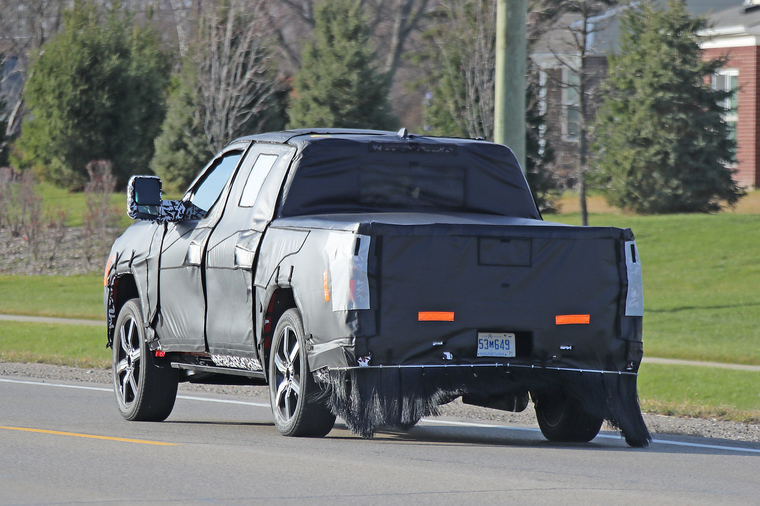
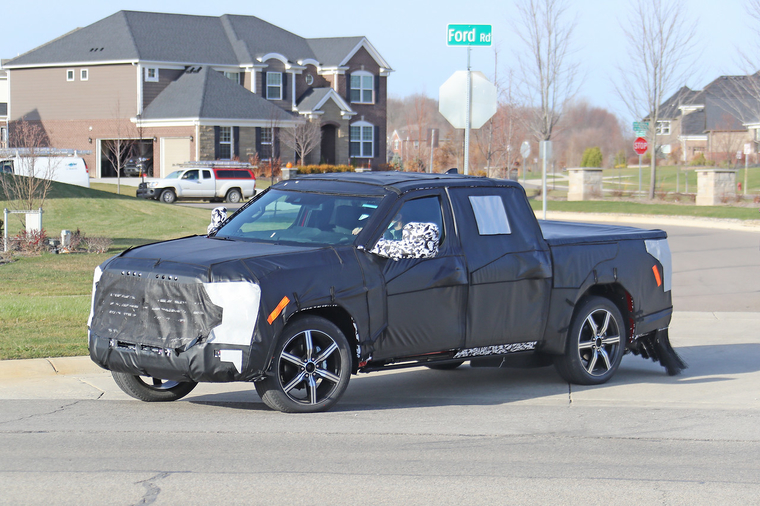
Back In July, we caught our first look at a mystery (believed to be three-row) SUV, but it has been confirmed that it was a clever disguise for the Bronco Sport-based Ford Maverick.

One shot straight through the windshield shows a small rear window at the end of the prototype’s cab—a feature generally associated with pickups. This confirms that this is, in fact, a pickup, and not an SUV, as the camo designers would have us believe.

The Maverick will slot below the Ranger in Ford’s expanding pickup lineup. It will be smaller and less expensive, while also utilizing a unibody construction.

Expect an official debut near the end of 2021, with an on-sale date not expected until 2022.

Marverick

Photo credit: Brian Williams, SpiedBilde

Thu, 09/17/2020 - 10:58

Maverick

Back In July, we caught our first look at a mystery (believed to be three-row) SUV, but it has been confirmed that it was a clever disguise for the Bronco Sport-based Ford Maverick.

One shot straight through the windshield shows a small rear window at the end of the prototype’s cab—a feature generally associated with pickups. This confirms that this is, in fact, a pickup, and not an SUV, as the camo designers would have us believe.

The Maverick will slot below the Ranger in Ford’s expanding pickup lineup. It will be smaller and less expensive, while also utilizing a unibody construction.

Expect an official debut near the end of 2021, with an on-sale date not expected until 2022.

Marverick

Photo credit: Brian Williams, SpiedBilde
Thu, 09/17/2020 - 10:58

Maverick

Back In July, we caught our first look at a mystery (believed to be three-row) SUV, but it has been confirmed that it was a clever disguise for the Bronco Sport-based Ford Maverick.

One shot straight through the windshield shows a small rear window at the end of the prototype’s cab—a feature generally associated with pickups. This confirms that this is, in fact, a pickup, and not an SUV, as the camo designers would have us believe.

The Maverick will slot below the Ranger in Ford’s expanding pickup lineup. It will be smaller and less expensive, while also utilizing a unibody construction.

Expect an official debut near the end of 2021, with an on-sale date not expected until 2022.

Marverick

Photo credit: Brian Williams, SpiedBilde

Thu, 09/17/2020 - 10:58

Maverick

Back In July, we caught our first look at a mystery (believed to be three-row) SUV, but it has been confirmed that it was a clever disguise for the Bronco Sport-based Ford Maverick.

One shot straight through the windshield shows a small rear window at the end of the prototype’s cab—a feature generally associated with pickups. This confirms that this is, in fact, a pickup, and not an SUV, as the camo designers would have us believe.

The Maverick will slot below the Ranger in Ford’s expanding pickup lineup. It will be smaller and less expensive, while also utilizing a unibody construction.

Expect an official debut near the end of 2021, with an on-sale date not expected until 2022.

Marverick

Photo credit: Brian Williams, SpiedBilde