
Thu, 03/19/2020 - 15:18

By SEMA Washington, D.C., Staff

SEMA and 113 other trade associations sent a letter urging President Donald Trump, House Speaker Nancy Pelosi and Senate Majority Leader Mitch McConnell to help businesses survive the COVID-19 crisis by employing an economic response matching the scale now being taken to end the pandemic. To minimize the number of businesses closed and workers unemployed, the response needs to be coordinated, massive and focused on ensuring that all businesses have the resources necessary to ride out the pandemic. This letter notes that the response should include—but not be limited to—the following areas:

  • Immediately provide readily accessible, unsecured credit to businesses of all sizes to ensure they have the cash to pay their workers, rent and other costs during this crisis. While Congress, Treasury and the Federal Reserve have recently announced policies to increase the availability of credit to some businesses, these policies need to be expanded to make certain they are comprehensive and that credit is readily available to all operating businesses in the short term.
  • Suspend the filing of business returns and the payment of all business taxes to the federal government for the duration of the pandemic. These suspended taxes should include taxes owed for the 2019 Tax Year, estimated payments for 2020 and all payroll tax obligations. The suspension should be broad and apply to all businesses. When the pandemic is over, the repayment of any deferred taxes should be spread out over time.
  • Amend the Tax Code to, among other items, restore the ability of businesses to carryback any net operating losses against previous year tax payments, suspend the application of the Section 163(j) limitation on interest expense deductions for tax year 2020 to avoid penalizing businesses for borrowing during this crisis and suspend the Section 461(l) loss limitation on pass-through businesses to allow owners to fully deduct any losses they incur this year.

Congress has passed two short-term bills to increase coronavirus testing, provide worker benefits for sick and family leave and offer low-interest small-business disaster loans. Lawmakers are now working on additional packages to address the pandemic. The bills will likely include direct cash payments to individuals, financial aid to business sectors suffering significant impact and potentially addition financial stimulus. SEMA will continue to work with other industry organizations in a coordinated effort to help protect businesses and restore the economy.

For more information, contact Eric Snyder at erics@sema.org.
Thu, 03/19/2020 - 15:13

By SEMA Washington, D.C., Staff

President Trump signed a bill into law in response to the COVID-19 (coronavirus) outbreak that provides paid sick and family leave, expands unemployment benefits and offers free coronavirus testing. The Families First Coronavirus Response Act, H.R. 6201, passed the House by a margin of 363 to 40 before clearing the Senate 90 to 8.

The law provides 10 days of paid sick leave at 100% of an employee’s salary (capped at $511 per day and $5,110 total) for those working at businesses with 500 or fewer employees. This benefit applies to employees who have been told to quarantine, show symptoms, were exposed to the virus or those who are trying to get a test or preventive care. The new law requires part-time employees receive the paid sick leave equivalent to the number of hours they typically work during a two-week period. For example, if an employee typically works 20 hours a week, they are eligible for up to 40 hours of pay.

The new law provides up to 12 weeks of paid family and medical leave at 67% of an employee’s normal pay (capped at $200 per day cap and $10,000 total), although companies with 50 or fewer employees would be permitted to apply to the U.S. Department of Labor for a waiver from offering the benefit if it “would jeopardize the viability of the business.” The family and medical leave provision applies to all employees who are adhering to a quarantine recommendation or are caring for an at-risk family member, which includes caring for a child whose school or child-care facility is closed due to the coronavirus. The law provides employers with refundable tax credits to cover the costs of the paid leave requirements. Both paid leave benefits are in effect for the next 12 months.

Additionally, the law provides more than $1 billion in additional unemployment insurance funding to states in the form of grants to help them respond to the increasing number of applications for the benefit that are anticipated in the coming weeks and months. The law also provides up to 52 weeks of unemployment insurance for displaced workers in states where the unemployment rate increases by more than 10%. Part-time employees will also be able to collect unemployment compensation to make up for any reductions in hours which would otherwise result in lost wages.

For more information, contact Eric Snyder at erics@sema.org.

Thu, 03/19/2020 - 15:13

By SEMA Washington, D.C., Staff

President Trump signed a bill into law in response to the COVID-19 (coronavirus) outbreak that provides paid sick and family leave, expands unemployment benefits and offers free coronavirus testing. The Families First Coronavirus Response Act, H.R. 6201, passed the House by a margin of 363 to 40 before clearing the Senate 90 to 8.

The law provides 10 days of paid sick leave at 100% of an employee’s salary (capped at $511 per day and $5,110 total) for those working at businesses with 500 or fewer employees. This benefit applies to employees who have been told to quarantine, show symptoms, were exposed to the virus or those who are trying to get a test or preventive care. The new law requires part-time employees receive the paid sick leave equivalent to the number of hours they typically work during a two-week period. For example, if an employee typically works 20 hours a week, they are eligible for up to 40 hours of pay.

The new law provides up to 12 weeks of paid family and medical leave at 67% of an employee’s normal pay (capped at $200 per day cap and $10,000 total), although companies with 50 or fewer employees would be permitted to apply to the U.S. Department of Labor for a waiver from offering the benefit if it “would jeopardize the viability of the business.” The family and medical leave provision applies to all employees who are adhering to a quarantine recommendation or are caring for an at-risk family member, which includes caring for a child whose school or child-care facility is closed due to the coronavirus. The law provides employers with refundable tax credits to cover the costs of the paid leave requirements. Both paid leave benefits are in effect for the next 12 months.

Additionally, the law provides more than $1 billion in additional unemployment insurance funding to states in the form of grants to help them respond to the increasing number of applications for the benefit that are anticipated in the coming weeks and months. The law also provides up to 52 weeks of unemployment insurance for displaced workers in states where the unemployment rate increases by more than 10%. Part-time employees will also be able to collect unemployment compensation to make up for any reductions in hours which would otherwise result in lost wages.

For more information, contact Eric Snyder at erics@sema.org.

Thu, 03/19/2020 - 15:13

By SEMA Washington, D.C., Staff

President Trump signed a bill into law in response to the COVID-19 (coronavirus) outbreak that provides paid sick and family leave, expands unemployment benefits and offers free coronavirus testing. The Families First Coronavirus Response Act, H.R. 6201, passed the House by a margin of 363 to 40 before clearing the Senate 90 to 8.

The law provides 10 days of paid sick leave at 100% of an employee’s salary (capped at $511 per day and $5,110 total) for those working at businesses with 500 or fewer employees. This benefit applies to employees who have been told to quarantine, show symptoms, were exposed to the virus or those who are trying to get a test or preventive care. The new law requires part-time employees receive the paid sick leave equivalent to the number of hours they typically work during a two-week period. For example, if an employee typically works 20 hours a week, they are eligible for up to 40 hours of pay.

The new law provides up to 12 weeks of paid family and medical leave at 67% of an employee’s normal pay (capped at $200 per day cap and $10,000 total), although companies with 50 or fewer employees would be permitted to apply to the U.S. Department of Labor for a waiver from offering the benefit if it “would jeopardize the viability of the business.” The family and medical leave provision applies to all employees who are adhering to a quarantine recommendation or are caring for an at-risk family member, which includes caring for a child whose school or child-care facility is closed due to the coronavirus. The law provides employers with refundable tax credits to cover the costs of the paid leave requirements. Both paid leave benefits are in effect for the next 12 months.

Additionally, the law provides more than $1 billion in additional unemployment insurance funding to states in the form of grants to help them respond to the increasing number of applications for the benefit that are anticipated in the coming weeks and months. The law also provides up to 52 weeks of unemployment insurance for displaced workers in states where the unemployment rate increases by more than 10%. Part-time employees will also be able to collect unemployment compensation to make up for any reductions in hours which would otherwise result in lost wages.

For more information, contact Eric Snyder at erics@sema.org.

Thu, 03/19/2020 - 15:09

By SEMA Washington, D.C., Staff

An appreciation for the automotive hobby began early for former U.S. Representative David Valadao (R-CA). He grew up racing and riding off-highway vehicles on sand and on his family’s dairy farm with his brothers. He is a lifelong resident of California’s Central Valley and is still actively involved in the family’s two dairies and farms. Prior to being elected to Congress, Rep. Valadao served in the state legislature where he was enlisted in the SEMA-supported State Automotive Enthusiast Leadership Caucus. Rep. Valadao is running to reclaim his former U.S. House seat in 2020.

Learn more by visiting the SEMA Action Network (SAN) website.

Watch the video below to learn more about former Rep. Valadao, an advocate for the Recognizing the Protection of Motorsports (RPM) Act. Send a letter asking your legislator to support the RPM Act and protect the future of motorsports.


Thu, 03/19/2020 - 15:09

By SEMA Washington, D.C., Staff

An appreciation for the automotive hobby began early for former U.S. Representative David Valadao (R-CA). He grew up racing and riding off-highway vehicles on sand and on his family’s dairy farm with his brothers. He is a lifelong resident of California’s Central Valley and is still actively involved in the family’s two dairies and farms. Prior to being elected to Congress, Rep. Valadao served in the state legislature where he was enlisted in the SEMA-supported State Automotive Enthusiast Leadership Caucus. Rep. Valadao is running to reclaim his former U.S. House seat in 2020.

Learn more by visiting the SEMA Action Network (SAN) website.

Watch the video below to learn more about former Rep. Valadao, an advocate for the Recognizing the Protection of Motorsports (RPM) Act. Send a letter asking your legislator to support the RPM Act and protect the future of motorsports.


Thu, 03/19/2020 - 15:09

By SEMA Washington, D.C., Staff

An appreciation for the automotive hobby began early for former U.S. Representative David Valadao (R-CA). He grew up racing and riding off-highway vehicles on sand and on his family’s dairy farm with his brothers. He is a lifelong resident of California’s Central Valley and is still actively involved in the family’s two dairies and farms. Prior to being elected to Congress, Rep. Valadao served in the state legislature where he was enlisted in the SEMA-supported State Automotive Enthusiast Leadership Caucus. Rep. Valadao is running to reclaim his former U.S. House seat in 2020.

Learn more by visiting the SEMA Action Network (SAN) website.

Watch the video below to learn more about former Rep. Valadao, an advocate for the Recognizing the Protection of Motorsports (RPM) Act. Send a letter asking your legislator to support the RPM Act and protect the future of motorsports.


Thu, 03/19/2020 - 15:09

By SEMA Washington, D.C., Staff

An appreciation for the automotive hobby began early for former U.S. Representative David Valadao (R-CA). He grew up racing and riding off-highway vehicles on sand and on his family’s dairy farm with his brothers. He is a lifelong resident of California’s Central Valley and is still actively involved in the family’s two dairies and farms. Prior to being elected to Congress, Rep. Valadao served in the state legislature where he was enlisted in the SEMA-supported State Automotive Enthusiast Leadership Caucus. Rep. Valadao is running to reclaim his former U.S. House seat in 2020.

Learn more by visiting the SEMA Action Network (SAN) website.

Watch the video below to learn more about former Rep. Valadao, an advocate for the Recognizing the Protection of Motorsports (RPM) Act. Send a letter asking your legislator to support the RPM Act and protect the future of motorsports.


Thu, 03/19/2020 - 15:09

By SEMA Washington, D.C., Staff

An appreciation for the automotive hobby began early for former U.S. Representative David Valadao (R-CA). He grew up racing and riding off-highway vehicles on sand and on his family’s dairy farm with his brothers. He is a lifelong resident of California’s Central Valley and is still actively involved in the family’s two dairies and farms. Prior to being elected to Congress, Rep. Valadao served in the state legislature where he was enlisted in the SEMA-supported State Automotive Enthusiast Leadership Caucus. Rep. Valadao is running to reclaim his former U.S. House seat in 2020.

Learn more by visiting the SEMA Action Network (SAN) website.

Watch the video below to learn more about former Rep. Valadao, an advocate for the Recognizing the Protection of Motorsports (RPM) Act. Send a letter asking your legislator to support the RPM Act and protect the future of motorsports.


Thu, 03/19/2020 - 14:08

By SEMA Washington, D.C., Staff

Washington
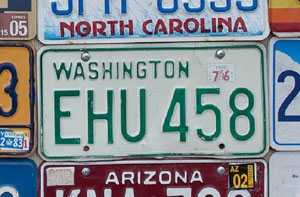
SEMA-opposed legislation (H.B. 2373/S.B. 6156) in Washington that would have significantly restricted eligibility of collector vehicles and horseless carriages failed to pass as the legislature adjourned for the year.

SEMA-opposed legislation (H.B. 2373/S.B. 6156) in Washington that would have significantly restricted eligibility of collector vehicles and horseless carriages failed to pass as the legislature adjourned for the year.

Under existing law, a collector vehicle must be at least 30 years old, while a horseless carriage must be at least 40 years old. If passed, collector vehicles would have been required to be at least 40 years old, while horseless carriages would have been defined as being manufactured prior to 1916. The bill would also have restricted the issuance of year of manufacture plates and considerably increased registration fees.

For more information, visit the SEMA Action Network (SAN) website.

For details, contact Christian Robinson at stateleg@sema.org.