

Calling all SEMA Young Executives Network (YEN) members! Please join us and your fellow YEN members, Wednesday, July 15, for our General Membership Call. This event is a great way for members to learn more about the Young Executives Network and all of the programs, events and volunteer opportunities that YEN has to offer.
Thu, 06/11/2020 - 10:52
Thu, 06/11/2020 - 10:52
Calling all SEMA Young Executives Network (YEN) members! Please join us and your fellow YEN members, Wednesday, July 15, for our General Membership Call. This event is a great way for members to learn more about the Young Executives Network and all of the programs, events and volunteer opportunities that YEN has to offer.
Thu, 06/11/2020 - 10:43
By Ashley Reyes
The SEMA Emerging Trends and Technology Network (ETTN) continues to reach out to its members to see how they are adapting and rising above challenges in today’s changing landscape.
In a recent video submitted by ETTN Select Committee member Jonathan Mill, he shares his insights on how Alloy Studios has created new business opportunities by repurposing pre-recorded video content to produce new eCommerce social media packages for their clients. Take a look:
Fill out this form for a chance to be featured in the next ETTN Member Insight. By sharing your experiences, you can inspire and motivate other members to learn new tips and ideas. You will also have the opportunity to be featured on ETTN’s social media and in SEMA eNews.
Additional updates and resources are also available to assist ETTN members and their business at www.sema.org/coronavirus.
Thu, 06/11/2020 - 10:43
By Ashley Reyes
The SEMA Emerging Trends and Technology Network (ETTN) continues to reach out to its members to see how they are adapting and rising above challenges in today’s changing landscape.
In a recent video submitted by ETTN Select Committee member Jonathan Mill, he shares his insights on how Alloy Studios has created new business opportunities by repurposing pre-recorded video content to produce new eCommerce social media packages for their clients. Take a look:
Fill out this form for a chance to be featured in the next ETTN Member Insight. By sharing your experiences, you can inspire and motivate other members to learn new tips and ideas. You will also have the opportunity to be featured on ETTN’s social media and in SEMA eNews.
Additional updates and resources are also available to assist ETTN members and their business at www.sema.org/coronavirus.
Thu, 06/11/2020 - 10:41
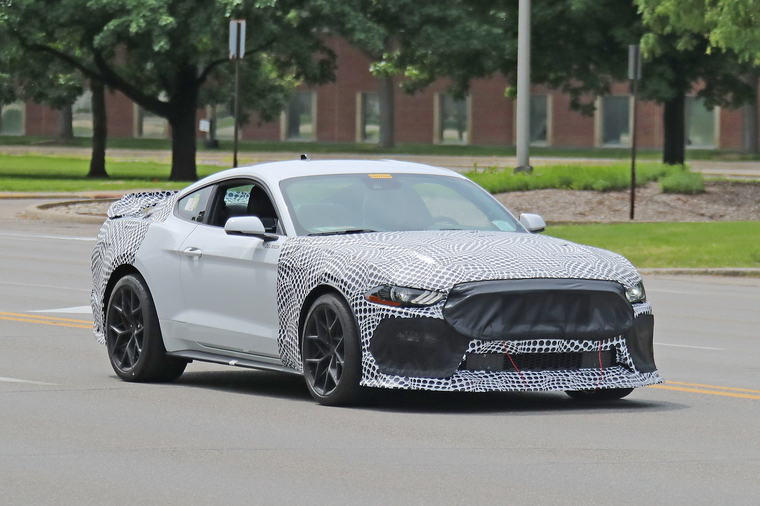
The Ford Mustang Bullitt is set to be sunset after the ’20 model year, and its replacement—the Mustang Mach 1—is set to arrive for 2021. These shots give the most comprehensive look at what to expect when the Mach 1 hits dealers.
This Mach 1 prototype wears thin camo front and rear and matches the recently teased shots of the Mach 1 even down to the rims. These shots get weird though on the inside. Where you’d expect to see a Mach 1 steering wheel logo sits a Bullitt badge. On top of that, the six-speed manual shift knob from the Bullitt is clearly visible. It’s assumed that these are just carryover parts used for the prototype, but it’s still interesting to see that they raided the Bullitt parts bin.
The Mustang Mach 1 will come equipped with the 5.0 (rumored by sources to be pushing 515hp and 450 lb.-ft. of torque), and will feature a six-speed manual. It will launch for the ’21 model year. Expect an official debut near the end of 2020.
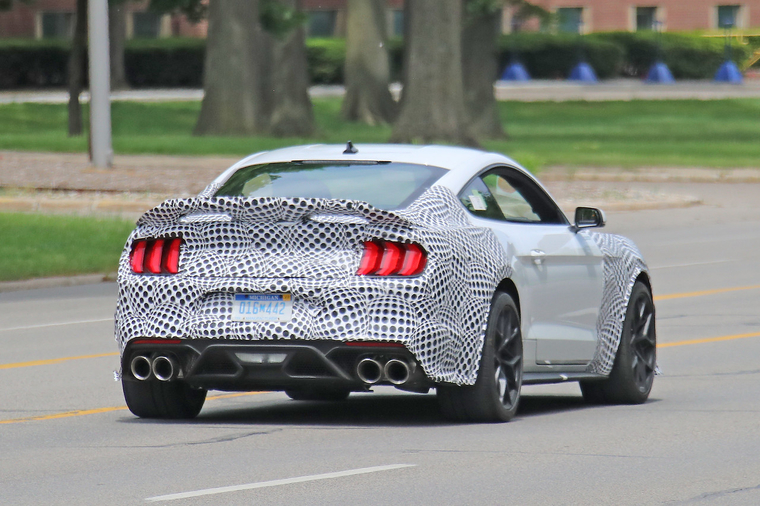
Photo credit: Brian Williams, SpiedBilde
Thu, 06/11/2020 - 10:41
The Ford Mustang Bullitt is set to be sunset after the ’20 model year, and its replacement—the Mustang Mach 1—is set to arrive for 2021. These shots give the most comprehensive look at what to expect when the Mach 1 hits dealers.
This Mach 1 prototype wears thin camo front and rear and matches the recently teased shots of the Mach 1 even down to the rims. These shots get weird though on the inside. Where you’d expect to see a Mach 1 steering wheel logo sits a Bullitt badge. On top of that, the six-speed manual shift knob from the Bullitt is clearly visible. It’s assumed that these are just carryover parts used for the prototype, but it’s still interesting to see that they raided the Bullitt parts bin.
The Mustang Mach 1 will come equipped with the 5.0 (rumored by sources to be pushing 515hp and 450 lb.-ft. of torque), and will feature a six-speed manual. It will launch for the ’21 model year. Expect an official debut near the end of 2020.
Photo credit: Brian Williams, SpiedBilde
Thu, 06/11/2020 - 10:41
The Ford Mustang Bullitt is set to be sunset after the ’20 model year, and its replacement—the Mustang Mach 1—is set to arrive for 2021. These shots give the most comprehensive look at what to expect when the Mach 1 hits dealers.
This Mach 1 prototype wears thin camo front and rear and matches the recently teased shots of the Mach 1 even down to the rims. These shots get weird though on the inside. Where you’d expect to see a Mach 1 steering wheel logo sits a Bullitt badge. On top of that, the six-speed manual shift knob from the Bullitt is clearly visible. It’s assumed that these are just carryover parts used for the prototype, but it’s still interesting to see that they raided the Bullitt parts bin.
The Mustang Mach 1 will come equipped with the 5.0 (rumored by sources to be pushing 515hp and 450 lb.-ft. of torque), and will feature a six-speed manual. It will launch for the ’21 model year. Expect an official debut near the end of 2020.
Photo credit: Brian Williams, SpiedBilde
Thu, 06/11/2020 - 10:41
The Ford Mustang Bullitt is set to be sunset after the ’20 model year, and its replacement—the Mustang Mach 1—is set to arrive for 2021. These shots give the most comprehensive look at what to expect when the Mach 1 hits dealers.
This Mach 1 prototype wears thin camo front and rear and matches the recently teased shots of the Mach 1 even down to the rims. These shots get weird though on the inside. Where you’d expect to see a Mach 1 steering wheel logo sits a Bullitt badge. On top of that, the six-speed manual shift knob from the Bullitt is clearly visible. It’s assumed that these are just carryover parts used for the prototype, but it’s still interesting to see that they raided the Bullitt parts bin.
The Mustang Mach 1 will come equipped with the 5.0 (rumored by sources to be pushing 515hp and 450 lb.-ft. of torque), and will feature a six-speed manual. It will launch for the ’21 model year. Expect an official debut near the end of 2020.
Photo credit: Brian Williams, SpiedBilde
Thu, 06/11/2020 - 10:41
The Ford Mustang Bullitt is set to be sunset after the ’20 model year, and its replacement—the Mustang Mach 1—is set to arrive for 2021. These shots give the most comprehensive look at what to expect when the Mach 1 hits dealers.
This Mach 1 prototype wears thin camo front and rear and matches the recently teased shots of the Mach 1 even down to the rims. These shots get weird though on the inside. Where you’d expect to see a Mach 1 steering wheel logo sits a Bullitt badge. On top of that, the six-speed manual shift knob from the Bullitt is clearly visible. It’s assumed that these are just carryover parts used for the prototype, but it’s still interesting to see that they raided the Bullitt parts bin.
The Mustang Mach 1 will come equipped with the 5.0 (rumored by sources to be pushing 515hp and 450 lb.-ft. of torque), and will feature a six-speed manual. It will launch for the ’21 model year. Expect an official debut near the end of 2020.
Photo credit: Brian Williams, SpiedBilde
Thu, 06/11/2020 - 10:35
Compiled by SEMA Editors
 NASCAR has announced the next installment of events in its return to racing, featuring races at Pocono Raceway, Indianapolis Motor Speedway, Kentucky Speedway, Texas Motor Speedway, Kansas Speedway and New Hampshire Motor Speedway. |
NASCAR Announces Next Installment in Return to Racing Schedule
NASCAR has announced the next installment of events in its return to racing, featuring races at Pocono Raceway, Indianapolis Motor Speedway, Kentucky Speedway, Texas Motor Speedway, Kansas Speedway and New Hampshire Motor Speedway. FOX will close out its NASCAR Cup Series season with the NASCAR Cup Series All-Star Race at Charlotte Motor Speedway (Wednesday, July 15), while the NASCAR Xfinity Series season on FOX platforms will conclude at Kentucky Speedway (Friday, July 10). In turn, NASCAR welcomes back NBC for its sixth consecutive year of coverage when the NASCAR Xfinity Series (Saturday, July 4) and NASCAR Cup Series (Sunday, July 5) returns to Indianapolis Motor Speedway on the Fourth of July weekend. NBC will carry coverage of the NASCAR Xfinity Series and NASCAR Cup Series through the balance of the season, including the new playoffs schedule that is currently scheduled to culminate with the crowning of three NASCAR national series champions at Phoenix Raceway in November. The third installment of the 2020 schedule can be found on NASCAR's website.
52nd SCORE Baja 500 Not in July Due to Coronavirus
Following further review with Government Authorities regarding the conditions in Ensenada under the new Coronavirus (COVID-19) Stoplight Monitoring System activated in Mexico as of June 1, SCORE International has announced that the 52nd SCORE Baja 500 will not take place as scheduled, July 14-19. SCORE International will provide information regarding the 2020 SCORE World Desert Championship schedule as soon as possible while continuing to work with Municipal, State and Federal authorities in monitoring the very fluid health and safety conditions in Baja California. For additional information, visit www.score-international.com.
NHRA Announces Revised Schedule for Pro Mod, Top Fuel Harley, Factory Stock Showdown and Mountain Motor Pro Stock
After announcing a revised Mello Yello Drag Racing Series national event schedule last week, NHRA officials have announced the schedules for the E3 Spark Plugs NHRA Pro Mod Series presented by J&A Service, the Mickey Thompson Tires NHRA Top Fuel Harley Series, the SAMTech.edu NHRA Factory Stock Showdown Series and the Mountain Motor Pro Stock category. The revised schedule will consist of 12 total events for Pro Mod, 10 total events for Top Fuel Harley (the category participated in the first two national events of the season), eight events for Factory Stock Showdown and four events for Mountain Motor Pro Stock. For the full schedule, visit the NHRA website.
Indy Lights Schedule on Hiatus Until 2021
INDYCAR and Andersen Promotions announced that Indy Lights Presented by Cooper Tires competition will be deferred until 2021 following a joint meeting to address several variables affecting the 2020 calendar. Due to the COVID-19 pandemic, and modifications to the INDYCAR race calendar as a result, multiple companion events were canceled for the series, rendering the 2020 season no longer viable. For more information, visit www.indylights.com.
 The JEGS Allstars competition will take place this year at the Denso Spark Plugs NHRA U.S. Nationals in Indianapolis. |
JEGS Allstars Competition to Take Place at U.S. Nationals in 2020
The JEGS Allstars competition will take place this year at the Denso Spark Plugs NHRA U.S. Nationals in Indianapolis. The special event, originally scheduled to take place at its traditional site at the NHRA Route 66 Nationals, was moved after that event had to be canceled as a result of the COVID-19 pandemic. Competitors in Top Alcohol Dragster, Top Alcohol Funny Car, Comp, Super Stock, Stock, Super Comp, Super Gas, Super Street, Top Dragster, and Top Sportsman will compete for a share of the $124,000 purse. Event sponsor JEGS has also offered a double-up bonus to racers who win the JEGS Allstars and Sunday’s U.S. Nationals title in the same category. Each of the winning team members will share in a $20,000 bonus from JEGS Mail Order.
Masters Of Motors Dyno Competition Postponed
JE Pistons has announced that this year’s Masters of Motors dyno competition has been postponed to 2021 due to health concerns related to the coronavirus. Organizers previously announced the event would feature two classes, the ARP Early Iron Class and the Holley Performance Everyman’s LS Class.
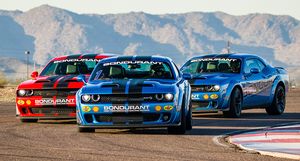 Bondurant High Performance Driving School—which reopens Sunday, June 14—announced plans for an extensive track and facility expansion. Bondurant High Performance Driving School—which reopens Sunday, June 14—announced plans for an extensive track and facility expansion. |
Bondurant Driving School Launches Track Expansion
Bondurant High Performance Driving School—which reopens Sunday, June 14—announced plans for an extensive track and facility expansion, marking the first time in 30 years that the Chandler, Arizona, facility will undergo a transformation of the scale. Phase One of the renovation includes upgrades to the classrooms, welcome center, student lounge and gift shop. It also includes the expansion of the school’s event center for corporate events, group outings, and celebrations. Phase Two of the project includes pulverizing and resurfacing the 1.6-mile road course. Enhancements are also being made to the school’s basic training area, which doubles as a site for regional car shows and other outdoor events. Added health and safety precautions for guests have also been announced, including social distancing measures during all indoor and track instruction, hand sanitizer stations throughout the facility, and complete cleaning and sanitation of both the interior and exterior of all cars prior to use. The summer schedule opens with the Advanced Formula Road Racing course featuring the school’s newest fleet—Ligier JS F4 open wheel race cars.
Formula DRIFT Updates 2020 Schedule
Formula DRIFT has announced a further revision to its 2020 championship schedule. This takes into consideration the ongoing delays and numerous issues related to the national COVID-19 recovery.
- World Wide Technology Raceway – PRO round 1 & 2, PRO2 round 1: September 4-6
- Evergreen Speedway – PRO round 3 & 4, PRO2 round 2: September 25-27
- Texas Motor Speedway – PRO round 5 & 6, PRO2 round 3: October 16-18
- Irwindale Speedway – PRO round 7 & 8, PRO2 round 4: November 20-22
The 2020 Formula DRIFT PRO and PRO2 Championships kicks off on September 4-6 at World Wide Technology Raceway. Visit the Formula DRIFT website for a full statement from Jim Liaw, president of Formula DRIFT.
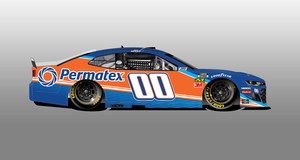 Quinn Houff will pilot the Permatex StarCom Racing #00 Camaro. |
Permatex Kicks Off 2020 NASCAR Program With StarCom Racing at Martinsville Speedway
Permatex has announced that the company will kick off its 2020 NASCAR Program during the Blue Emu Maximum Pain Relief 500 on June 10. The #00 Permatex-sponsored Chevrolet Camaro will make its 2020 NASCAR Cup Series debut with StarCom Racing at Martinsville Speedway in Ridgeway, Virginia. The race, which will be the first Cup night race in the 73-year history of The Half-Mile of Mayhem, will be run without fans in attendance and broadcast nationally on FS1, MRN and SiriusXM NASCAR Radio on June 10 at 7:00 p.m. (EDT). The 2020 season marks the second consecutive season that Permatex has sponsored a StarCom Racing car. The car will be piloted by driver Quin Houff.
For more racing news, visit Performance Racing Industry’s (PRI) website.