


In Neue Klasse Clothing: Facelift for the BMW X2
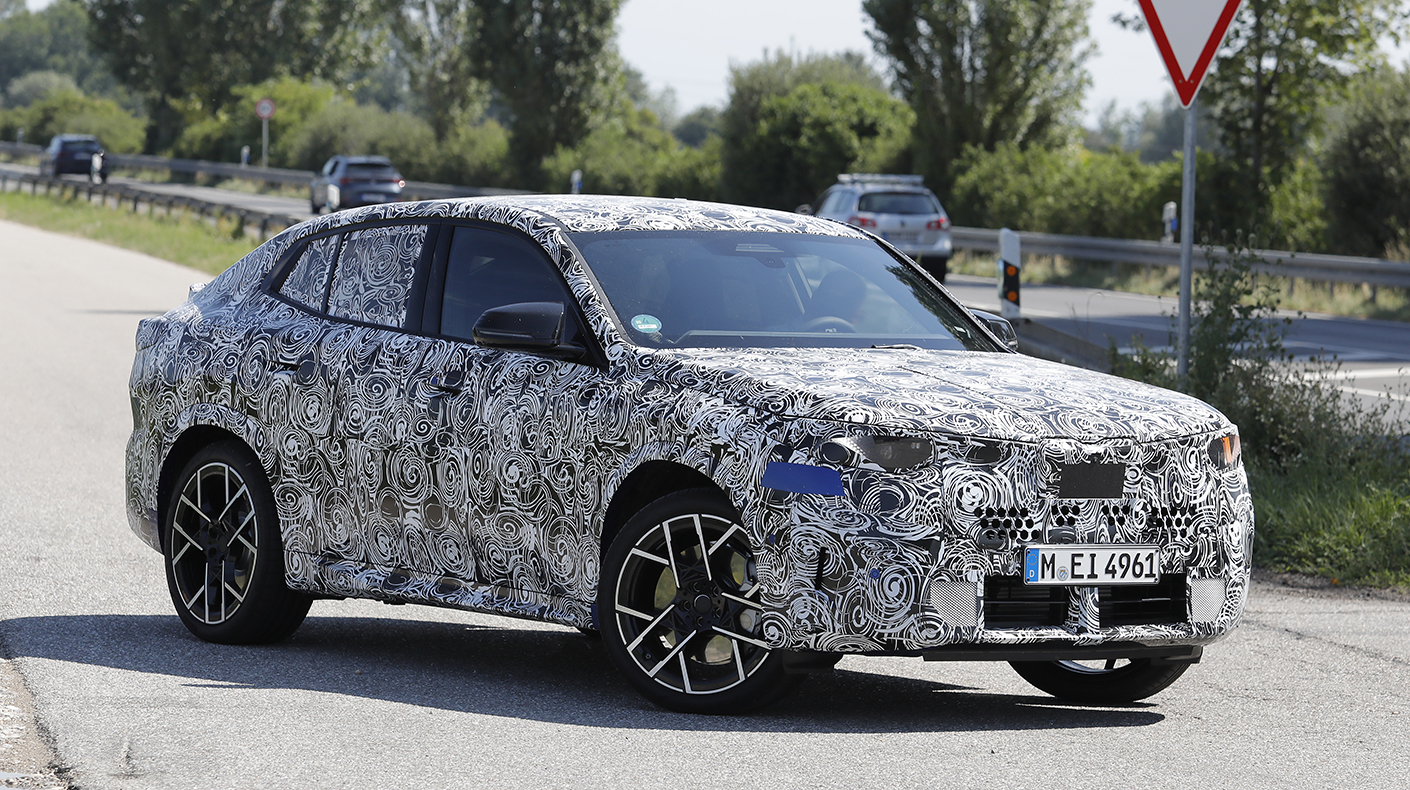
The BMW X2 is preparing for a '28 model year facelift with a Neue Klasse flavor. Clad in camo, this prototype of the gas-powered crossover sports a new interpretation of the Neue Klasse grille, slimmer headlights and slightly different rear signature lighting.
Sharing the Untere Klasse platform with the iX2, the ICE-powered sport utility vehicle looks a lot better with the Neue Klasse-inspired front end. Narrow LED units are neatly positioned toward the outer edges of the fascia, making the X2 appear wider and more elegant at the same time without compromising its sporty aesthetic.
The narrower, more upright proportions introduced by the Neue Klasse models and gas models influenced by the Neue Klasse design language are complemented by a dark connecting element between the headlights. The lower part of the bumper also features revised detailing. For cooling purposes, two large openings with active shutters can be seen right below the grille area.
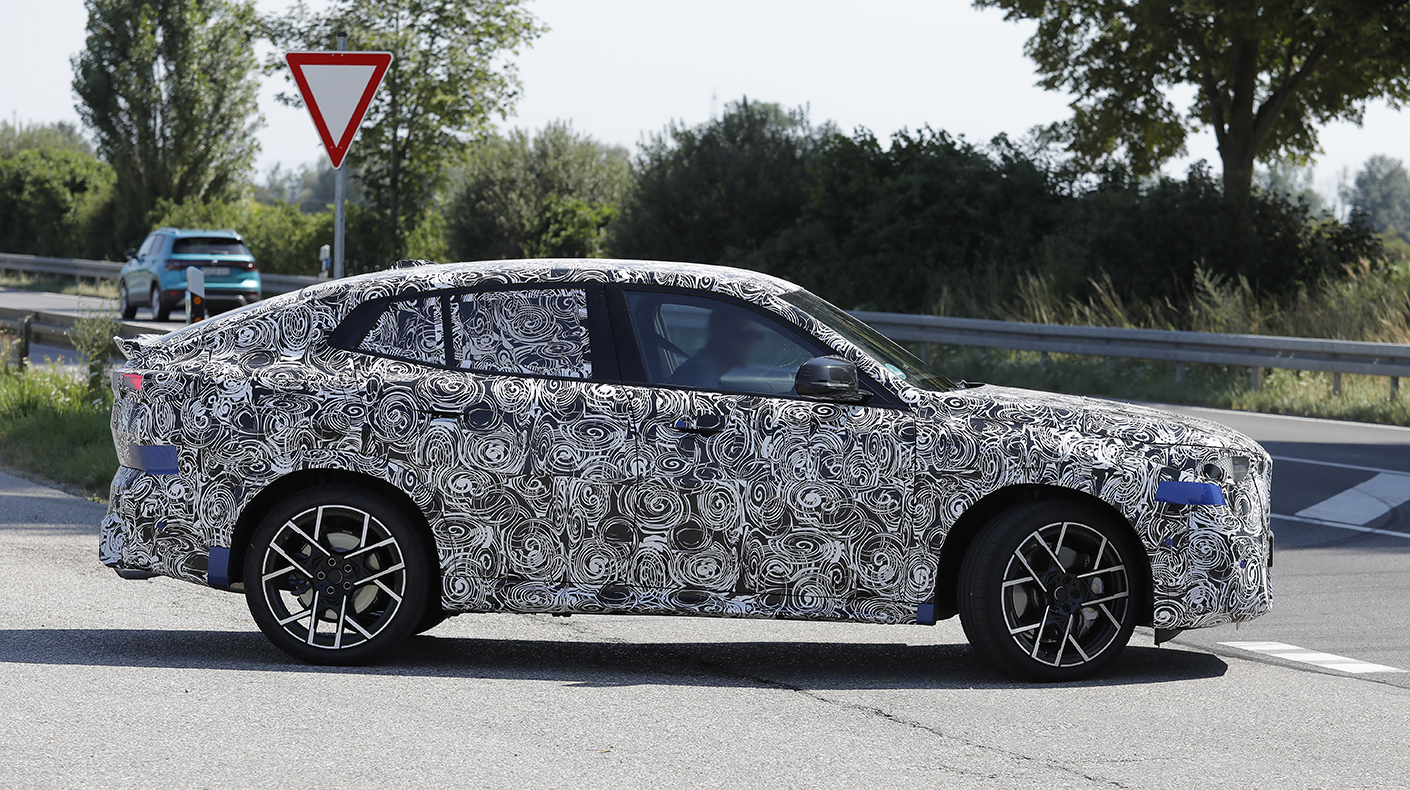
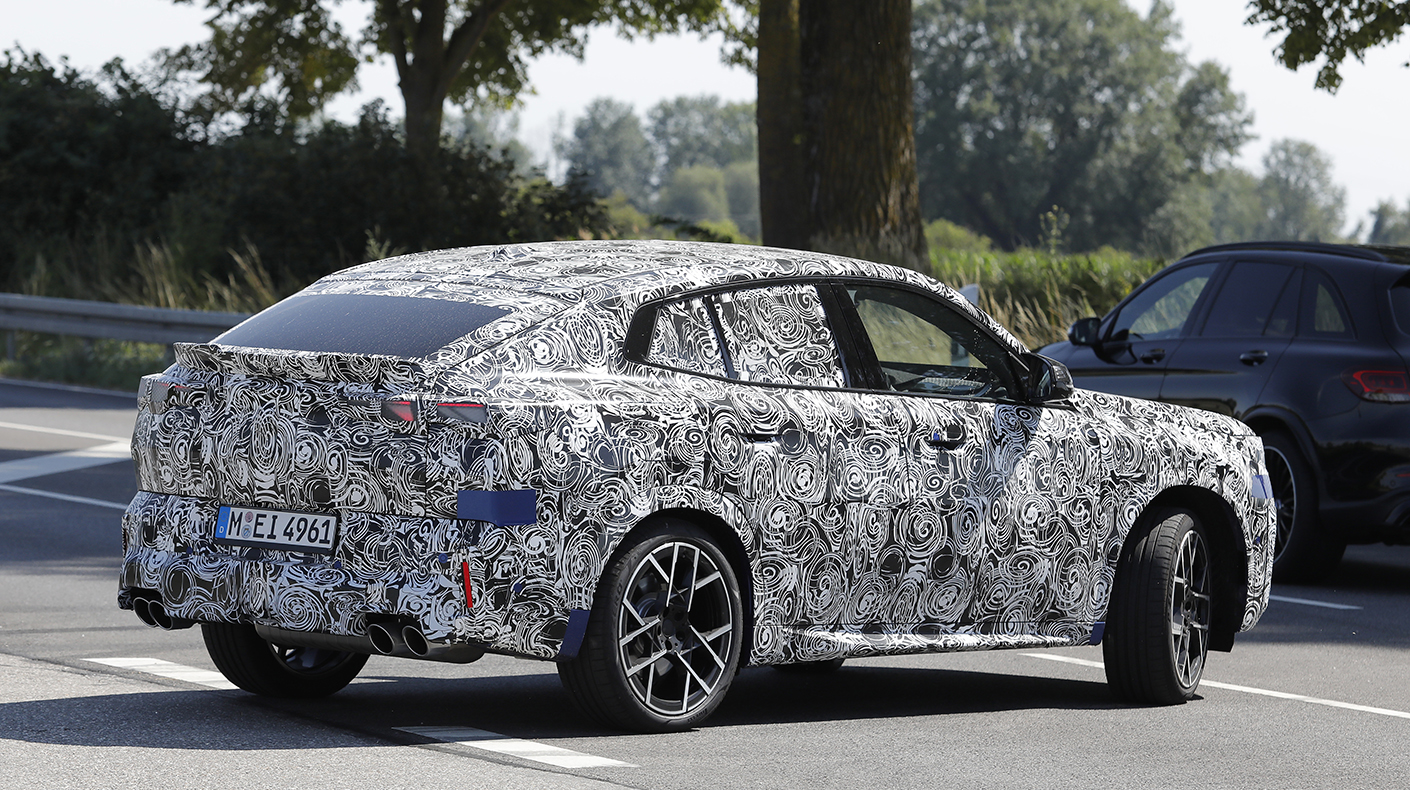
Very familiar from the sides, the X2 retains the current iteration’s rising window line, sloping roofline and large rear quarter windows. Pull-up door handles are on the menu as well, as is a clean-looking rear bumper and a similarly clean valance panel. Out back, the rear lights appear to be the only noticeable update.
Just like the internal combustion 3-Series, which is extremely similar to the i3 both inside and out despite having completely different underpinnings, the X2 and iX2 should adopt iDrive X with Panoramic Vision. This change may also bring a larger-than-life central touchscreen with a 17.9-in. diagonal. Panoramic Vision, meanwhile, replaces the now-familiar digital instrument cluster.
Projected information across the lower portion of the windshield is the name of the game and, given time, all BMWs are expected to adopt this system. Although certain fully electric models based on the Cluster Architecture received Gen6 eDrive technology from Neue Klasse models, the iX2 is rumored to retain Gen5 eDrive technology.
The internal combustion X2, meanwhile, should not differ too much from the outgoing '27 model under the hood. That means 1.5- and 2.0-L engines, of which the M35i with xDrive develops 300 hp. Production should kick off in July 2027 for both the internal combustion and electric variants, making the facelift a '28 model.
With All Kinds of Engines: The New Toyota Corolla Range
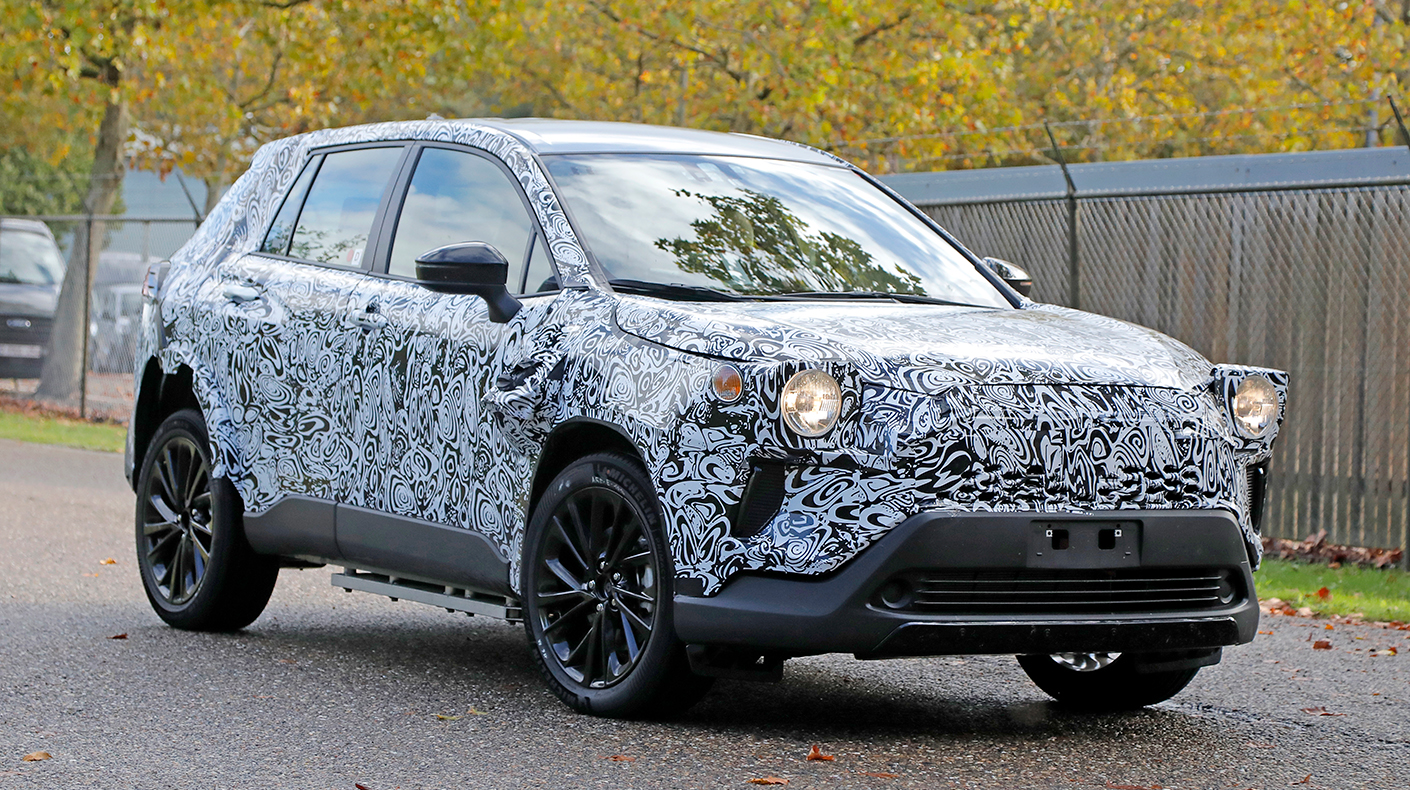
Toyota plans to build the next generation of the Corolla in China starting in 2028 and is developing a flexible platform for multiple powertrain types for this purpose. Our spy photographer stationed near Toyota's European development center has now snapped a mule for what appears to be an all-electric Corolla Cross.
The Toyota Corolla range is set to undergo its biggest technical transformation to date and, for the first time, will use a platform that supports not only hybrid and internal combustion engines but also a fully electric powertrain.
Production is therefore planned to take place at the FAW Toyota joint venture. This would see Toyota placing greater emphasis, for one of its key high-volume models, on a development strategy tailored directly to the Chinese market and its rapid pace of innovation.
The new "multipathway" architecture is not designed exclusively for electric cars. Toyota can offer different powertrains based on the same technical platform and adapt the model range to suit each market. This approach is in line with Toyota's existing strategy. The group does not intend to rely on a single powertrain type simultaneously across the globe but rather to take regional demand, charging infrastructure and regulatory requirements into account. The same Corolla platform could therefore be more heavily focused on electric power in China, while in other regions the full hybrid will dominate for the time being.
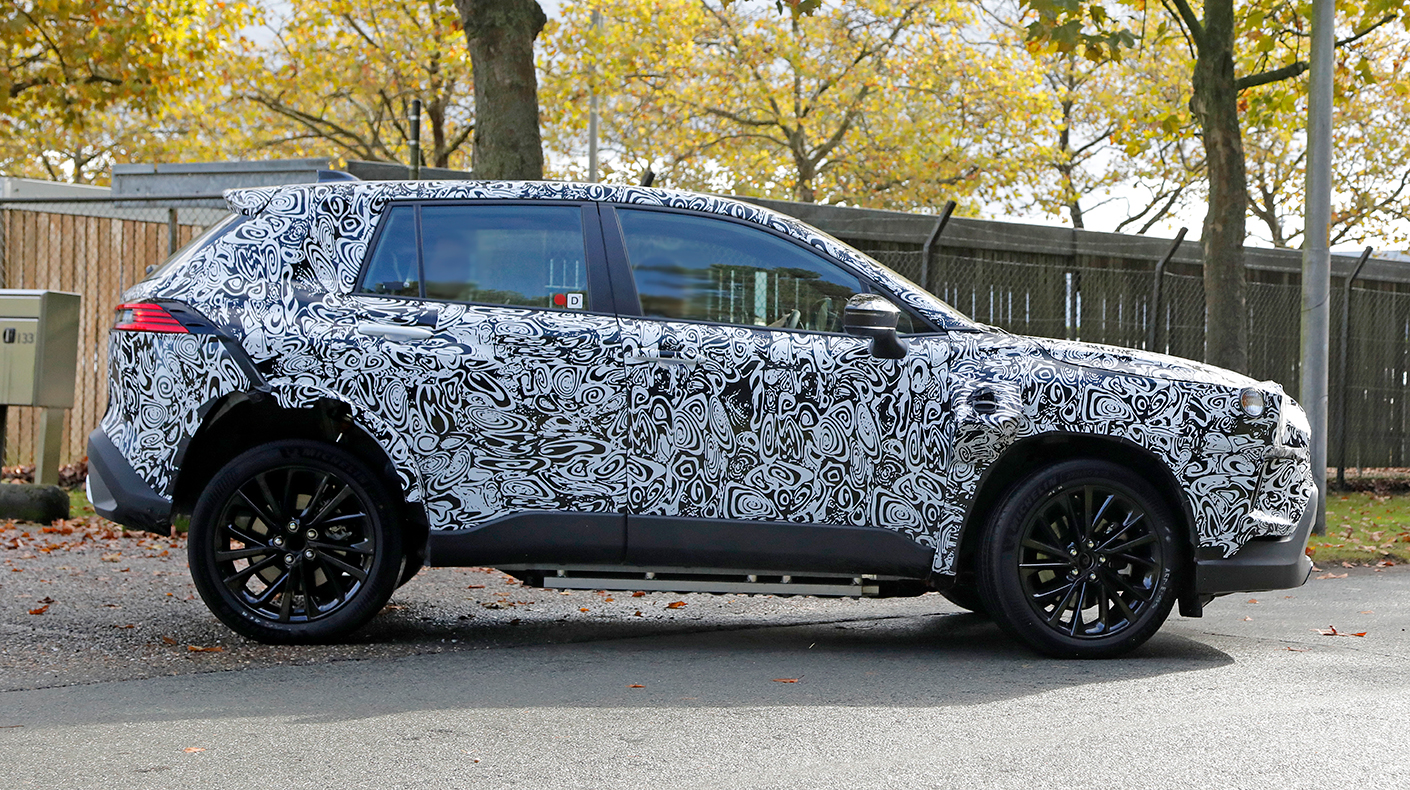
The pressure is considerable. Toyota's sales in China, including Lexus, fell by 23 percent year-over-year in August to 118,449 vehicles. In addition to a weaker overall market, domestic manufacturers in particular are putting pressure on established brands with affordable electric cars, short development cycles and modern software.
The balance of power is also shifting significantly in the battery sector. The high proportion of low-cost LFP cells in the Chinese battery market makes it easier for local manufacturers to offer electric cars with long ranges at aggressive prices. Toyota must therefore not only electrify its powertrains but also move faster in terms of costs, infotainment and connectivity.
Toyota had already provided a glimpse of the next generation back in 2025 with a concept study. This showcased a significantly flatter, more dynamic body with smooth surfaces and a front end that suits an electric powertrain well. In the background, hints of several body styles were also visible, including a sedan, a hatchback, a crossover and a sporty GR version.
It remains to be seen how much of this will make it into the production model. What is certain, however, is that Toyota does not intend to modernize the Corolla merely from a technical perspective. The model, which has been on sale since 1966, has sold more than 57 million units across all generations and is therefore too important to be merely an experimental niche project.
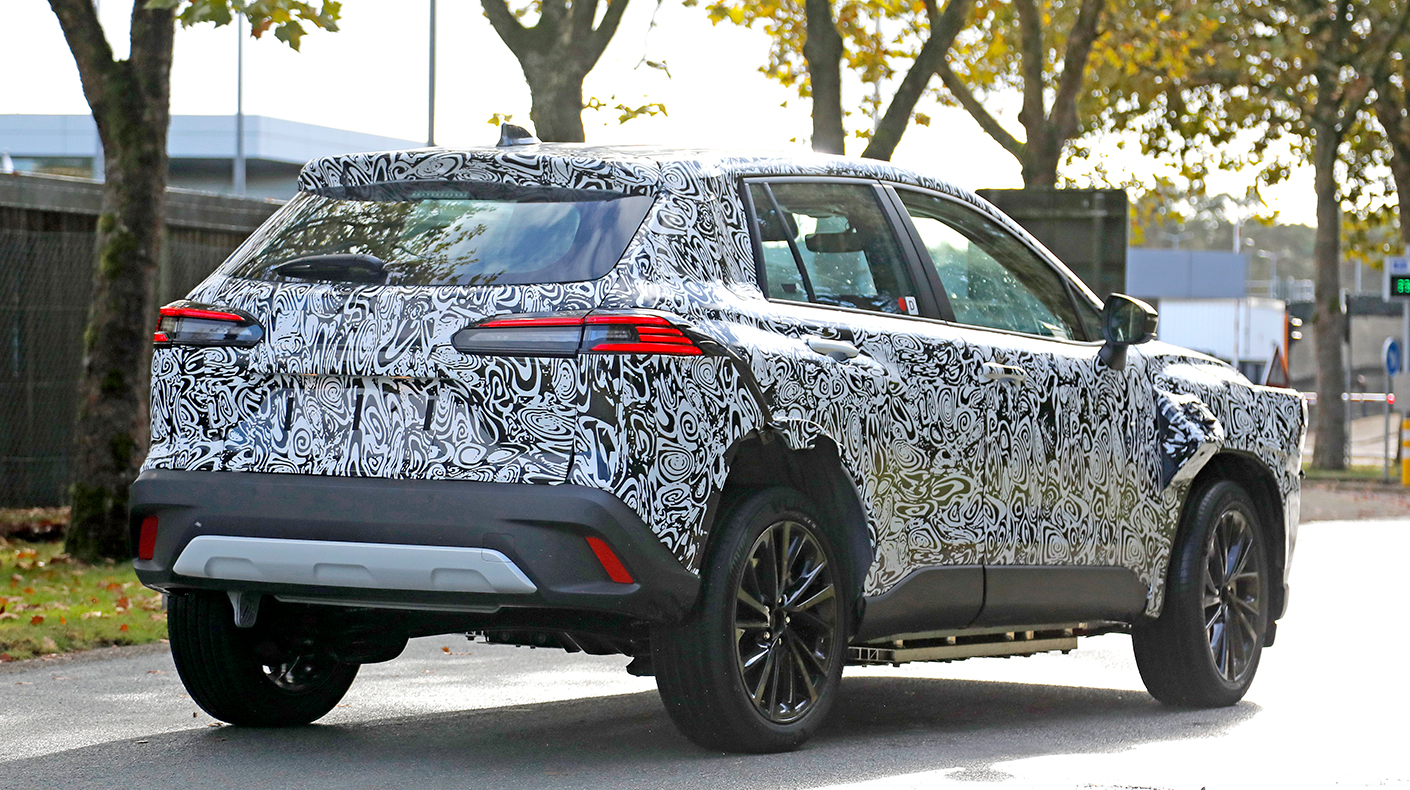
There are currently no officially confirmed figures regarding battery size, charging capacity, powertrain or range. Any forecasts citing a range of at least around 249 miles should therefore be treated with caution. Possible versions with one or two electric motors also remain mere speculation for the time being.
The key factor will be whether Toyota can achieve competitive charging capacity and low energy consumption. By 2028, fast DC charging is likely to become significantly more important, even in the compact car segment. A well-known name alone will not be enough to compete with the growing range of options from China, Europe and South Korea.
It is still unclear whether a Corolla EV built in China will be sold in Europe. Toyota could use the platform globally, manufacture vehicles regionally or export individual variants from China. No decision regarding the European market has yet been announced.
An electric Corolla would nevertheless have great potential on the old continent. The model has traditionally been synonymous with suitability for everyday use, reliability and comparatively reasonable costs. It is precisely this combination that is still often lacking in the electric vehicle segment, particularly among traditional compact cars below the SUV class.
The preview of the upcoming Toyota Corolla EV, which has already been released, shows that Toyota intends to fundamentally change the design and proportions. However, before production is due to start in 2028, the crucial details still need to be finalized: official confirmation of series production, technical specifications, prices and the intended sales markets.
Story and photos by Andreas Conradt, Automedia