Sponsored by SAE International
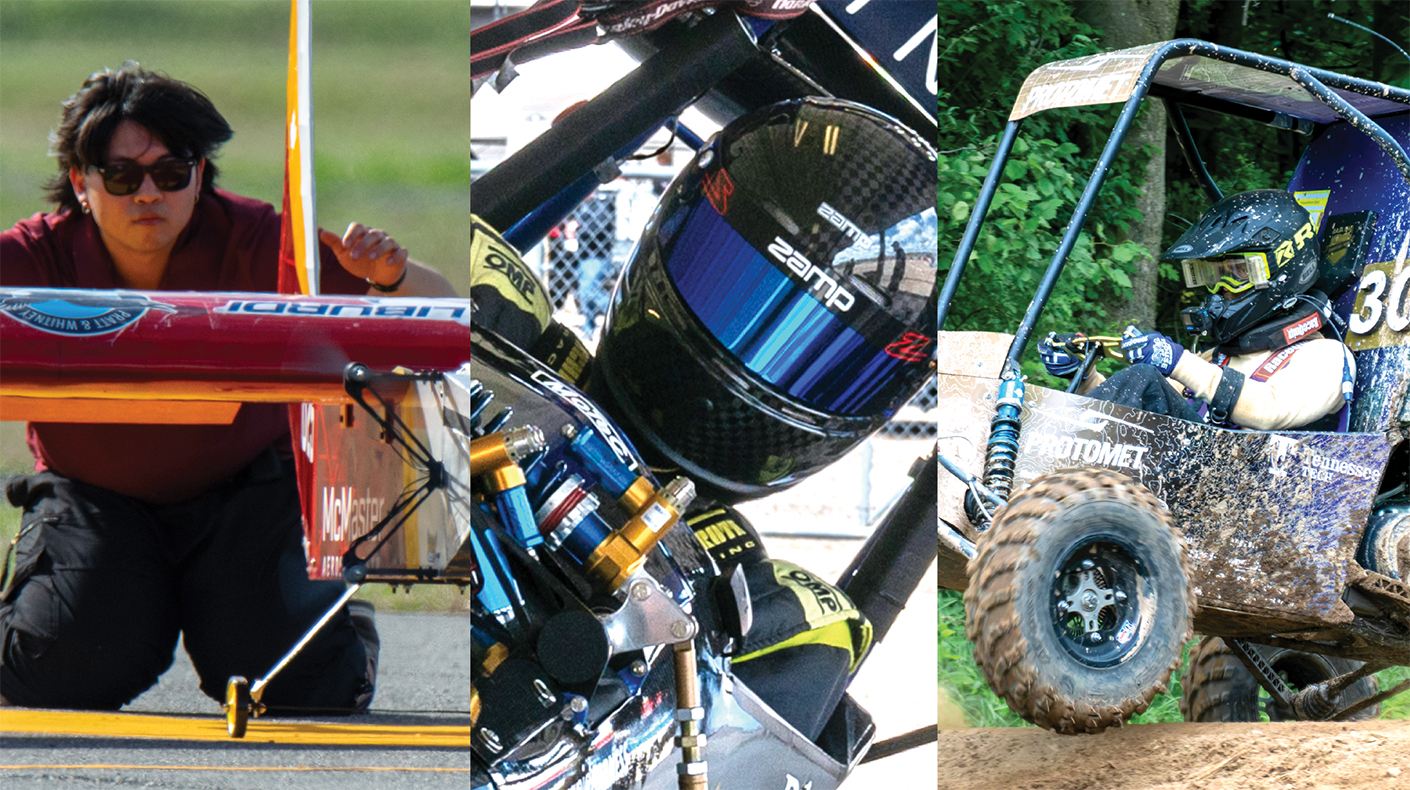
SAE International's University Programs are connecting hands-on engineering education with the talent, technologies and opportunities shaping the mobility industry.
For anyone who has spent time in a garage, fabrication shop or motorsports paddock, there's something familiar about the work happening on college campuses across the country. Students are designing suspension systems, fabricating components and working within budgets and deadlines to make their vehicles faster, stronger or more reliable.
Through SAE International's Collegiate Design Series, university students design, build, test and compete with vehicles of their own creation, applying classroom learning while developing skills employers increasingly value. For the automotive aftermarket, performance and manufacturing industries, these programs represent a growing pipeline of engineers who already understand the satisfaction of making things work.
Where Engineering Meets the Real World
For more than 50 years, SAE International's Collegiate Design Series has brought students together to solve complex engineering challenges through competition.
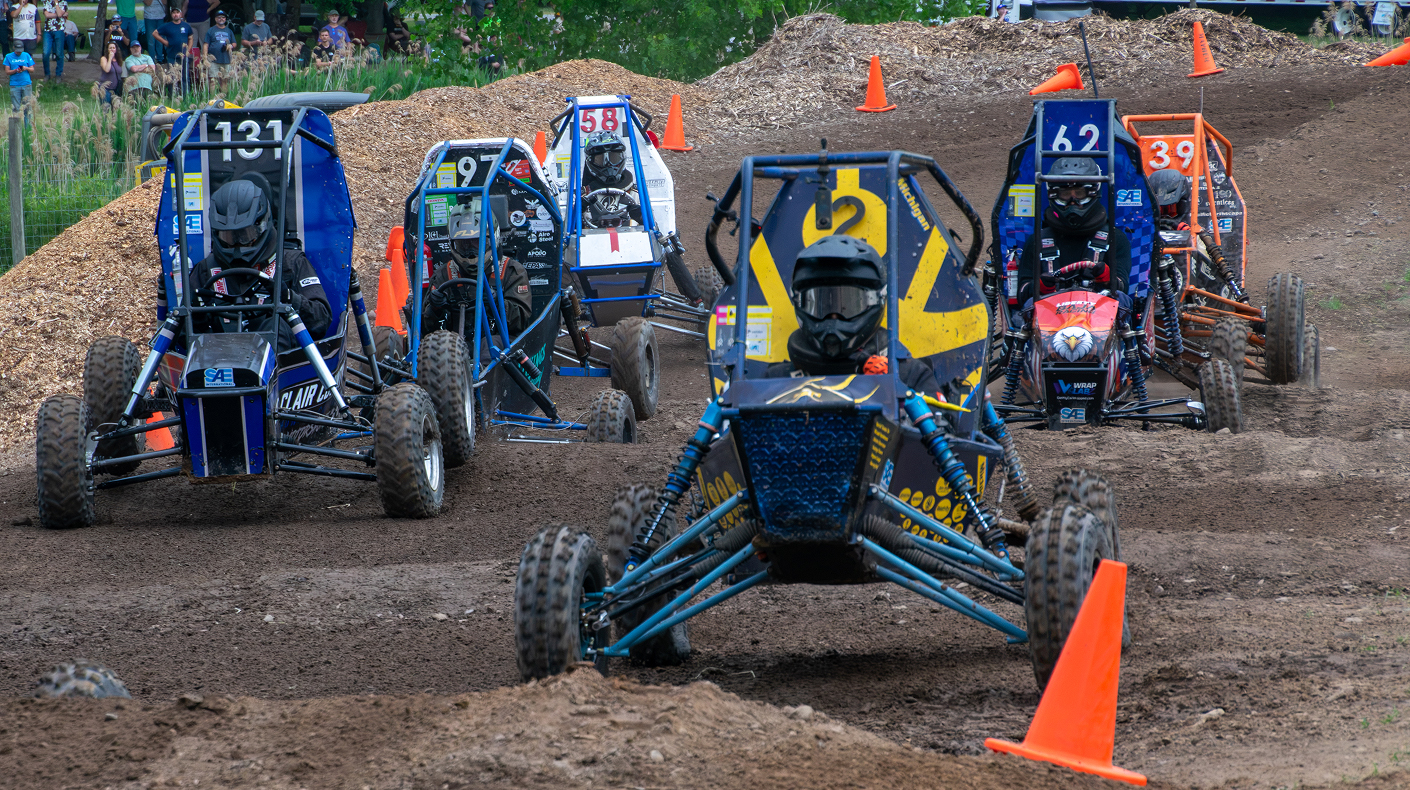
In Baja SAE, teams design and build single-seat off-road vehicles capable of navigating demanding terrain, with durability and reliability put to the test in conditions that rarely offer second chances. Formula SAE challenges students to develop formula-style race cars, balancing performance with cost, efficiency, safety and reliability across both internal combustion and electric vehicle classes.
Beyond the vehicles themselves, students manage nearly every aspect of their projects, from budgets and sourcing to manufacturing, testing and defending design decisions to industry professionals.
The Collegiate Design Series also extends beyond automotive applications. Through SAE Aero Design, students apply many of those same principles to aircraft development, working through challenges in aerodynamics, structural design, manufacturing and flight performance.
Different disciplines bring different demands, but the value is consistent: students learn to work through uncertainty, make decisions with limited resources and adapt when a design doesn't perform as expected.
The Experience Behind the Resume
The value of these competitions becomes especially clear when students begin thinking about their careers. During the 2025 season, Baja SAE, Formula SAE and SAE Aero Design recorded nearly 10,000 student participations, with more than 5,100 expected to graduate by the end of 2027.
These students bring practical experience in vehicle development, manufacturing, electrical systems and aerospace into the workforce, helping employers distinguish candidates who have applied their education to a complex project from those whose experience has been primarily academic.
"The importance of students competing in an SAE collegiate competition is critical. There's nowhere else in education that students get the real hands-on skills, the project management and the experience that employers are looking for," said Amery Kuhl, chief engineer at Polaris Inc.
It's a perspective shared by students themselves. At SAE Aero Design, a student from Tarleton State University described how the competition gave his team experience that could translate directly into future employment, including connections with aerospace employers like Lockheed Martin, where two former team members had already found jobs.
"I think employers look at this and go, oh my gosh, they built an actual plane," he said.
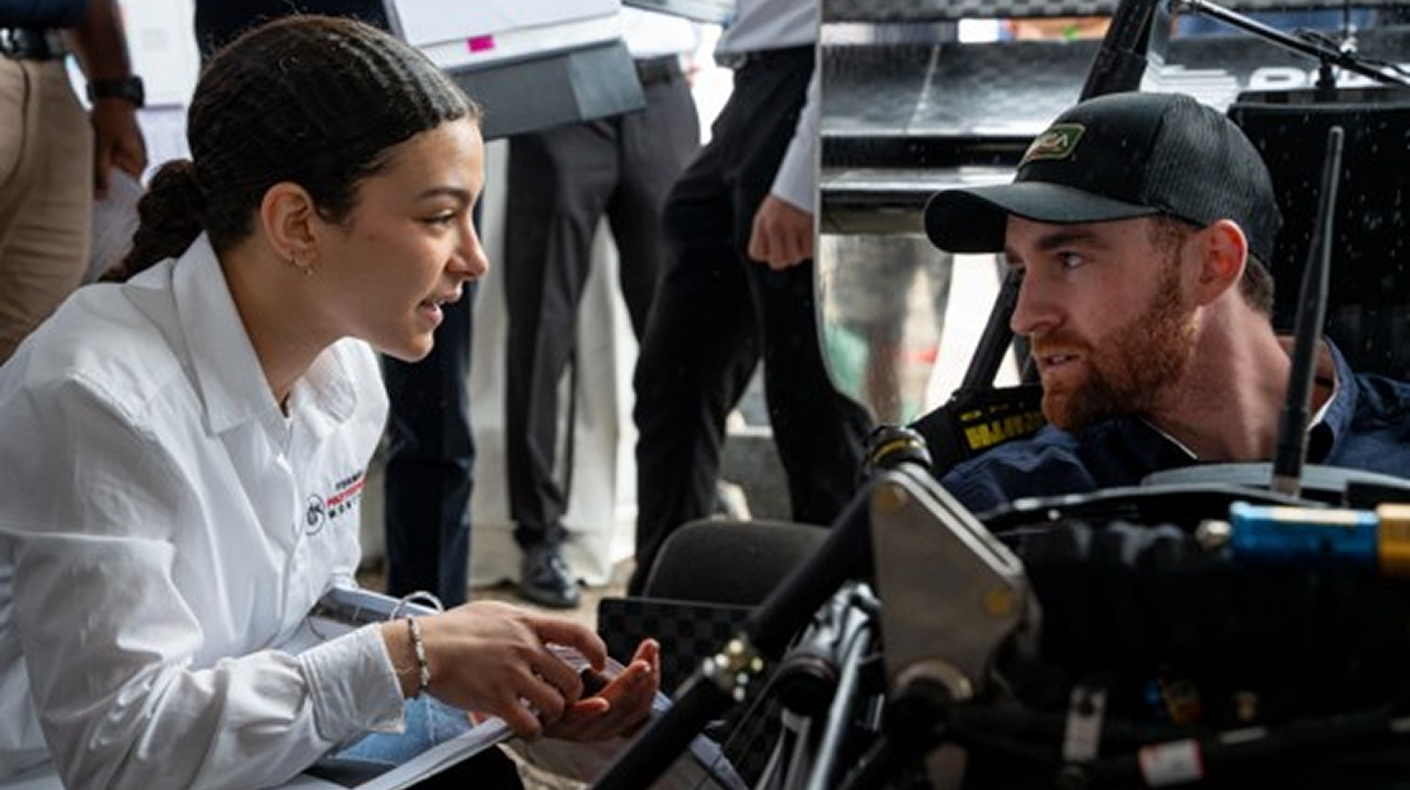
The same potential exists across Baja SAE and Formula SAE, where students regularly interact with professionals from the automotive, motorsports, manufacturing and mobility industries, gaining real projects and real decisions to discuss with prospective employers.
Preparing Students for What's Next
While the Collegiate Design Series continues to provide a foundation in hands-on engineering, SAE University Programs is also expanding to address emerging technologies and changing needs across the mobility industry.
The SAE CivicProgress Challenge, supported by General Motors, introduces students to the importance of accessibility and inclusive design, encouraging them to build it into their engineering decisions from the beginning rather than as an afterthought.
"SAE CivicProgress Challenge ensures that the next generation of mobility engineers begins their design journey with accessibility at the forefront. In industry, accessibility is too often introduced late in the process. This challenge flips that model by making inclusive design the foundation from day one," said Chris Ciuca, vice president, programs at SAE International.
Another emerging initiative, AutoDrive Challenge: Nexus, is being developed as a multi-year engineering program focused on autonomous and connected systems, giving students exposure to robotics, artificial intelligence, sensor fusion, simulation, cybersecurity and systems integration.
These programs reflect a broader shift in the skills needed across the industry. Mechanical engineering remains essential, but today's mobility challenges also require expertise in software, electronics, systems integration and human-centered design, preparing students for the technologies they'll encounter throughout their careers.
Industry's Role in Developing the Next Generation
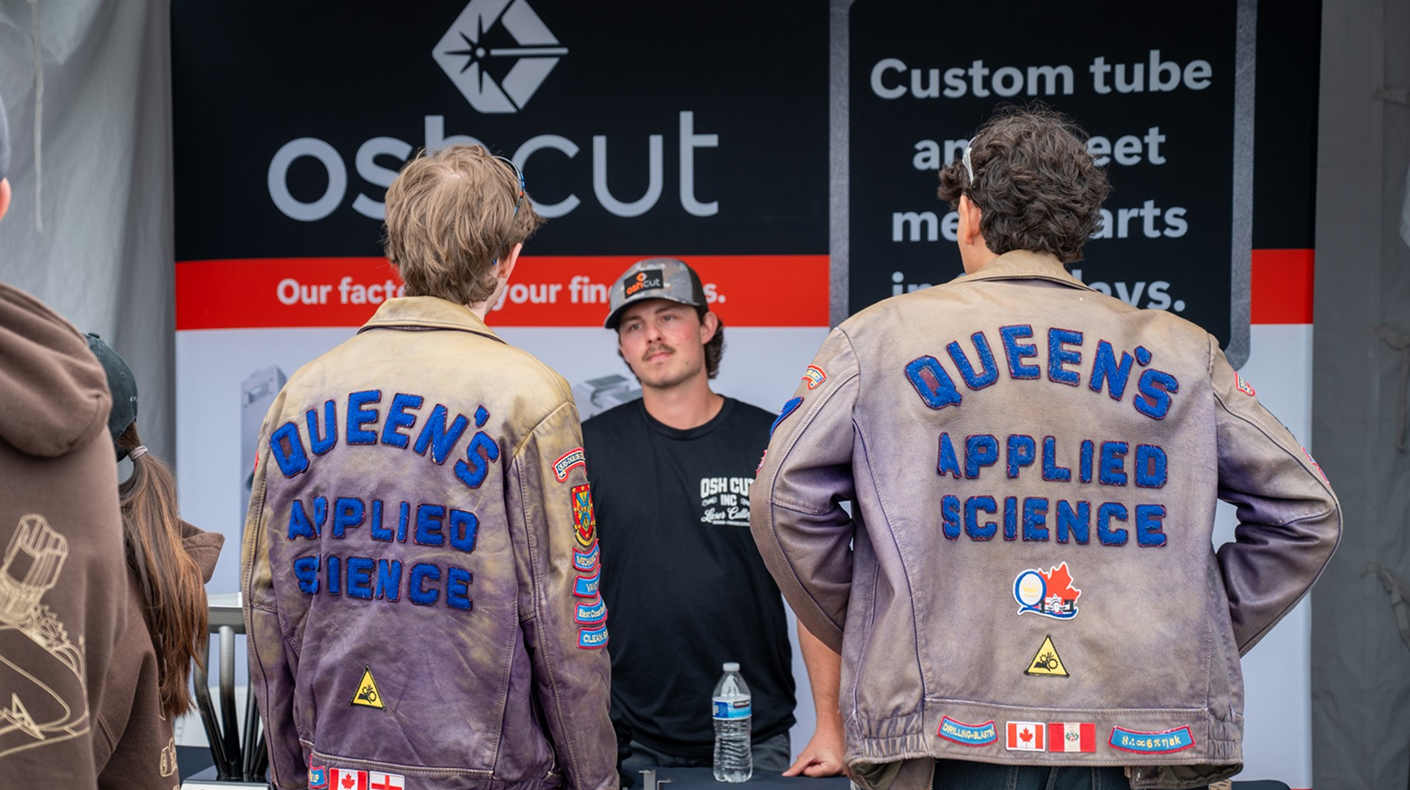
The success of SAE University Programs depends on more than the students who participate. Faculty advisors, alumni, technical volunteers and industry partners contribute the knowledge, resources and encouragement that make these experiences possible.
For some teams, donated materials, equipment or technical guidance can determine what's possible within a season. For others, a conversation with an industry professional can open the door to an internship or career opportunity.
That exchange benefits both sides: students gain access to expertise they might not otherwise encounter, while companies connect with emerging talent and support skills relevant to their businesses. For organizations in automotive performance, aftermarket manufacturing, and motorsports, the connection is natural, since these students have already chosen to solve the kinds of technical challenges industry professionals face every day.
Building on the Experience
For many students, participating in an SAE competition becomes one of the defining experiences of their university education. The vehicle they build may eventually be retired, but the lessons learned often carry into internships, first jobs and future projects, along with connections to teammates, mentors and industry professionals who may continue to influence their careers.
The next generation of automotive engineers, product developers and mobility innovators is already gaining practical experience through programs like Baja SAE, Formula SAE and SAE Aero Design. With continued industry involvement, those opportunities can reach even further.
Interested in supporting the next generation of engineering talent? Explore SAE International's University Programs partnership opportunities and access the 2027 sponsorship prospectus to learn more about getting involved.
EXPLORE UNIVERSITY PROGRAMS PARTNERSHIP OPPORTUNITIES at sae.org/events/student/sponsor.