Massive Changes Coming for Hyundai Kona
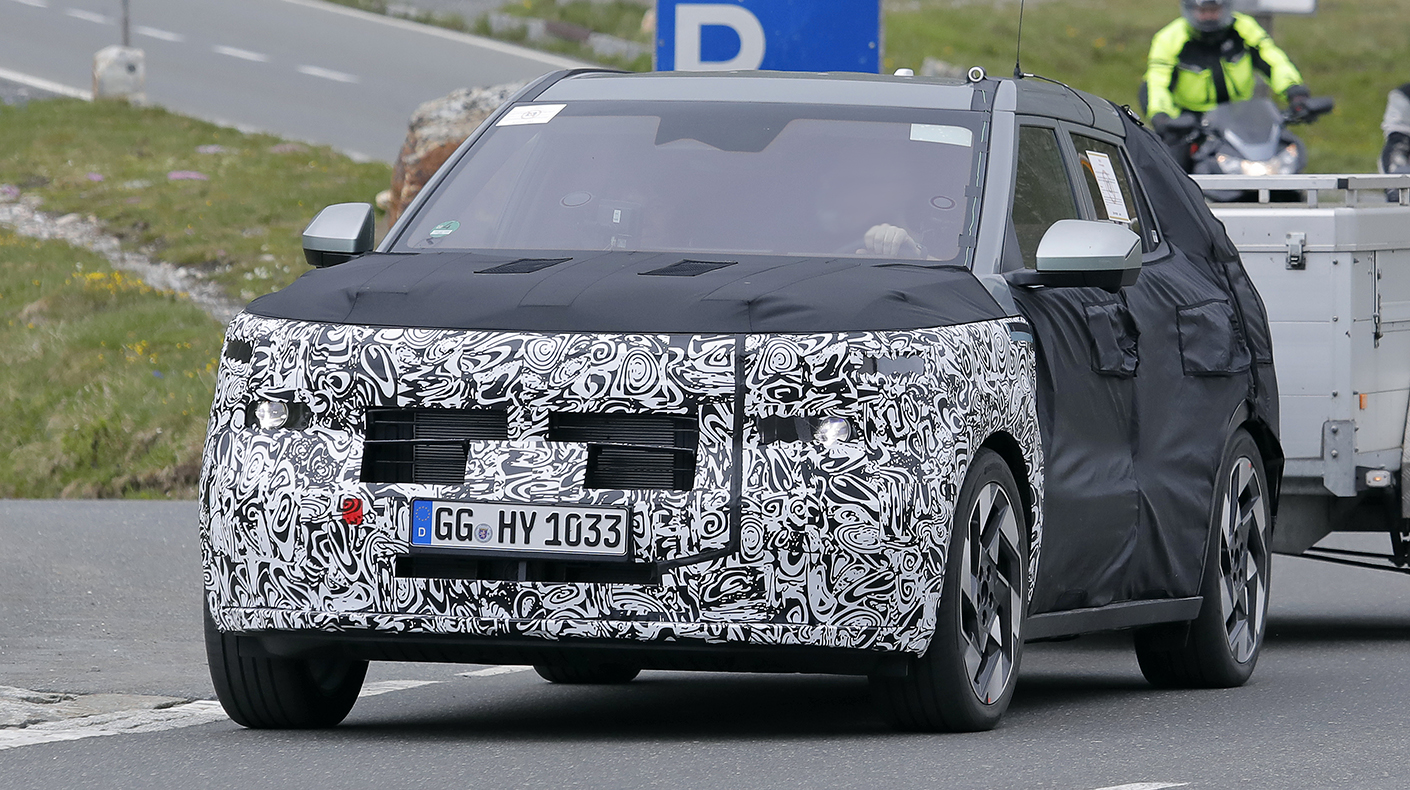
One of Hyundai's most popular small SUVs is about to undergo major changes. It was previously understood that the Hyundai Kona was due for a minor facelift, but it now appears it will receive a comprehensive set of updates, effectively making it an all-new generation.
There is no official word yet on when this next-generation Kona will come to market, but it is rumored to arrive next year, with testing appearing to be at an advanced stage.
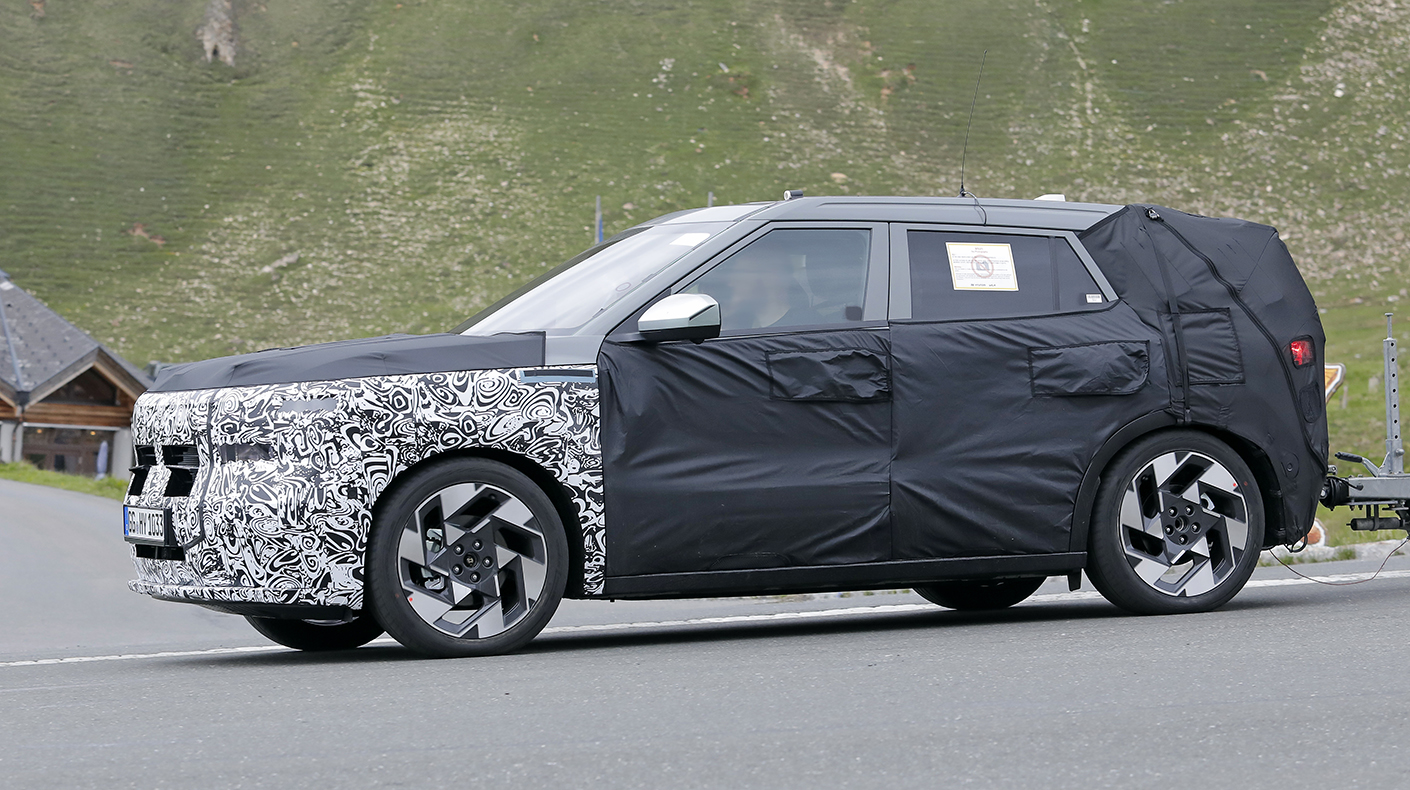
According to insiders, the new Kona will be dramatically redesigned compared to the outgoing model. It features boxy proportions and sharp bodywork creases, similar to the Crater concept revealed by Hyundai late last year. This gives it a more imposing stance than the current Kona. There is also a new front lighting and grille design to further distinguish the model.
Hybrid variants of the Kona are expected to receive the same setup found in the recently unveiled Kia Seltos SUV. The new Seltos is available with a 1.6L turbocharged gasoline engine and electric motor setup, ditching conventional gasoline variants for the new generation.
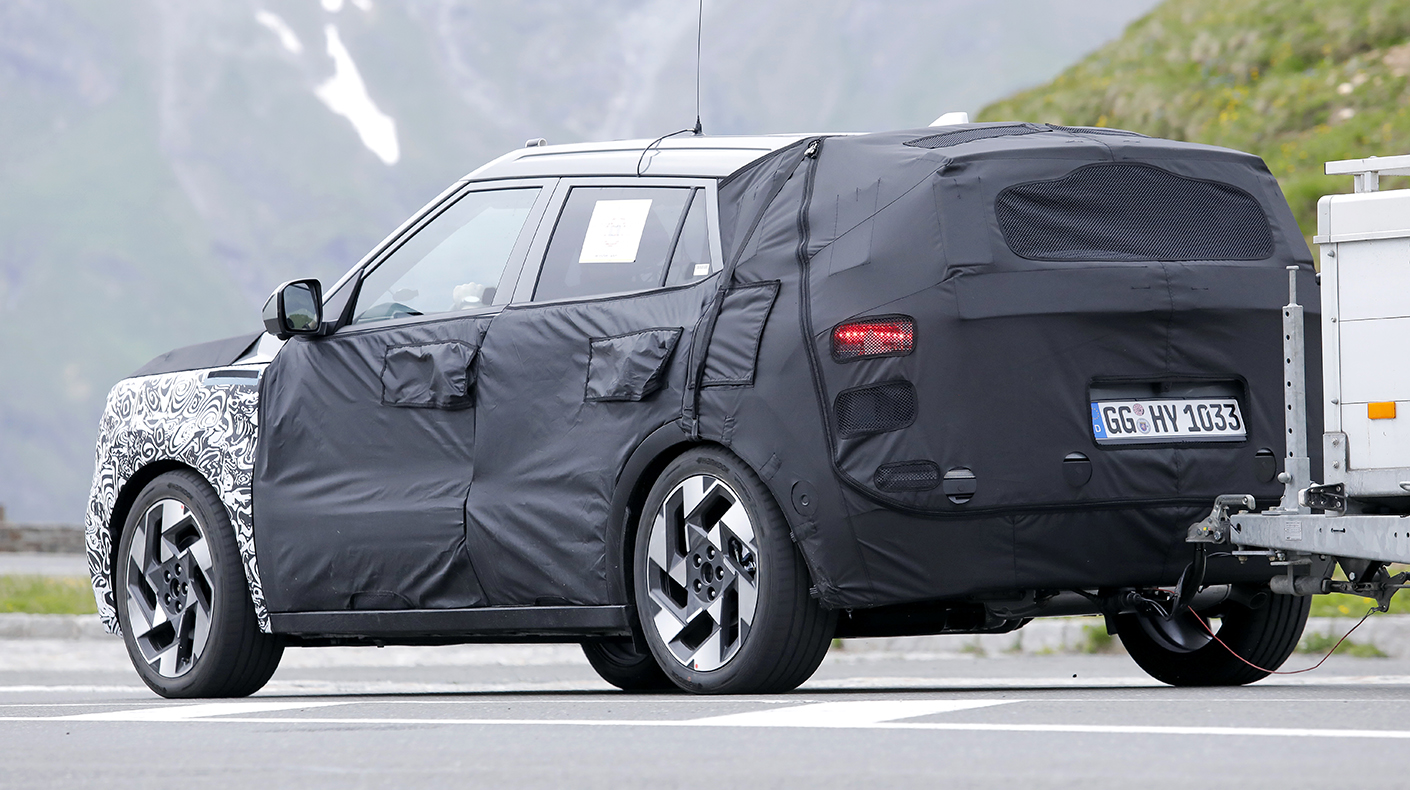
This could foreshadow a similar move for the next-generation Kona. The current version is available with gasoline, hybrid and fully electric powertrains. The vehicle will target tech-savvy buyers with a new software system and a combined 12.3-in. digital driver display and 12.3-in. central touchscreen.
Performance Variant of the VW ID. 3 Neo Under Development
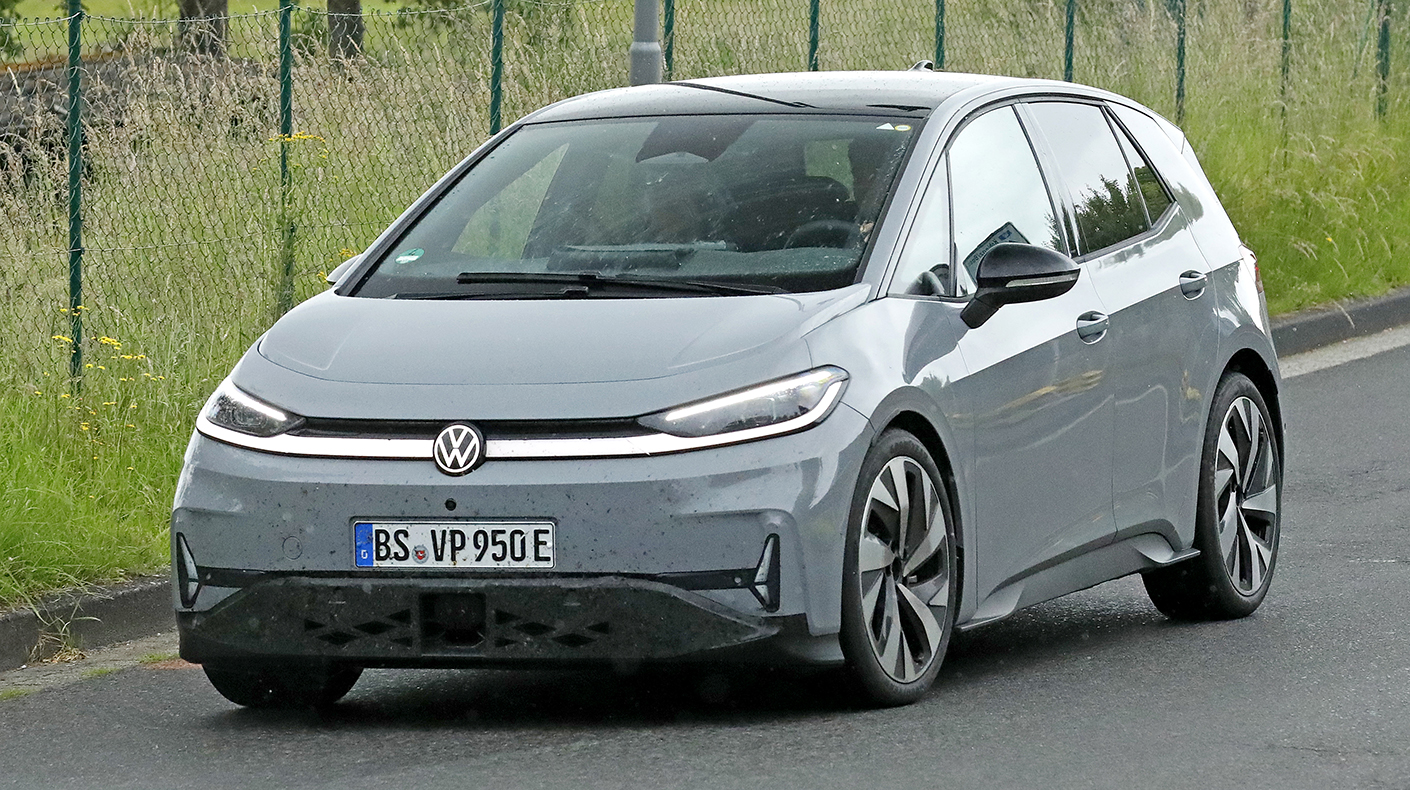
Volkswagen hasn't revealed the ID.3 Neo GTX yet, and given the introduction of the ID. Polo GTI last month, its name could be changed to ID.3 Neo GTI to better align the newcomer with Volkswagen's smaller electric performance hatchback.
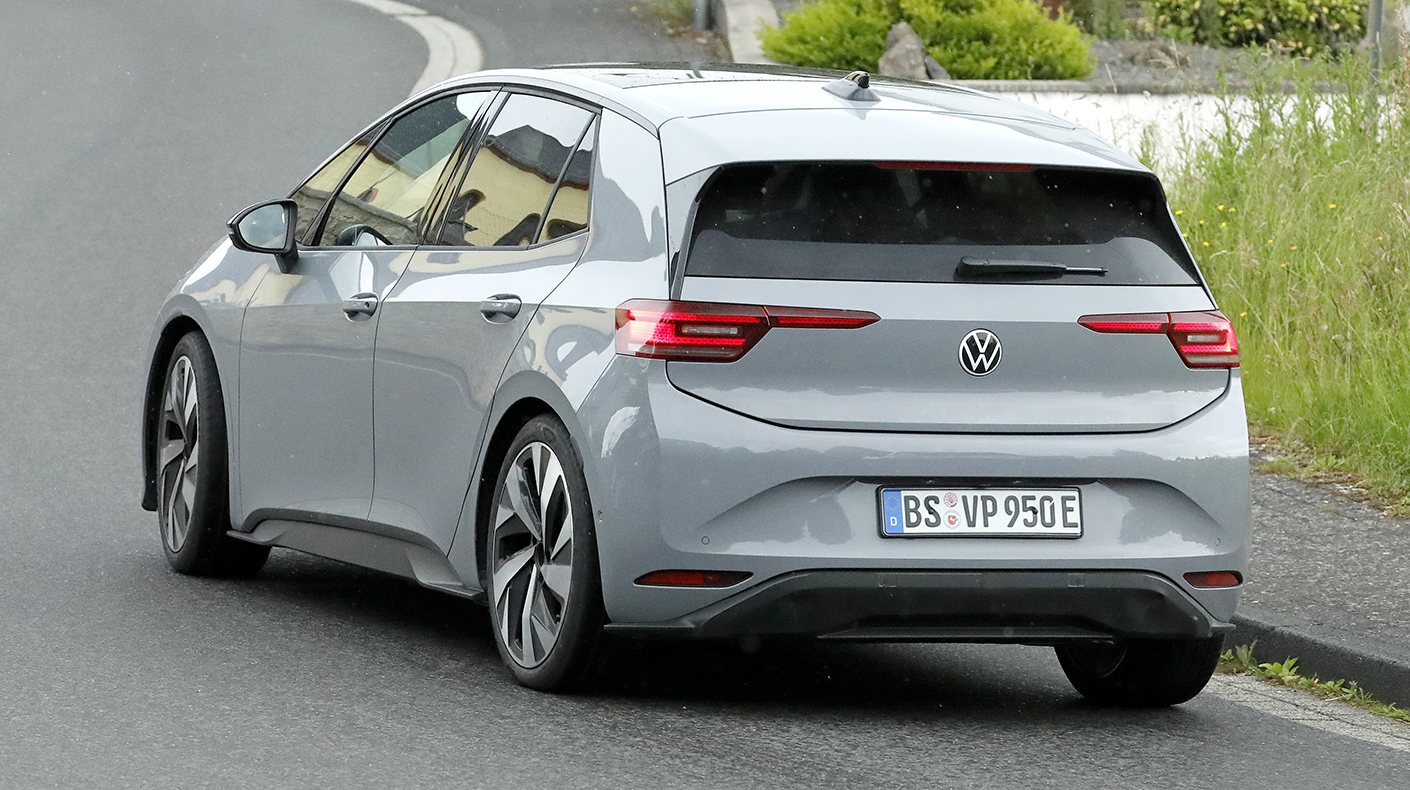
Spied largely devoid of camouflage and stickers on German streets, the successor to the ID.3 GTX adopts a mouth-like design for the lower front bumper intake. Moving away from the diamond-mesh setup of the previous iteration, the redesign also features an optimized rear bumper with a revised aerodynamic diffuser.
The ID.3 Neo GTI prototype in this photo set appears sharper overall, trading softer lines for more angular styling. The interior should largely mirror the non-GTI models, including material-quality upgrades that incorporate higher-grade materials on the door panels and dashboard.
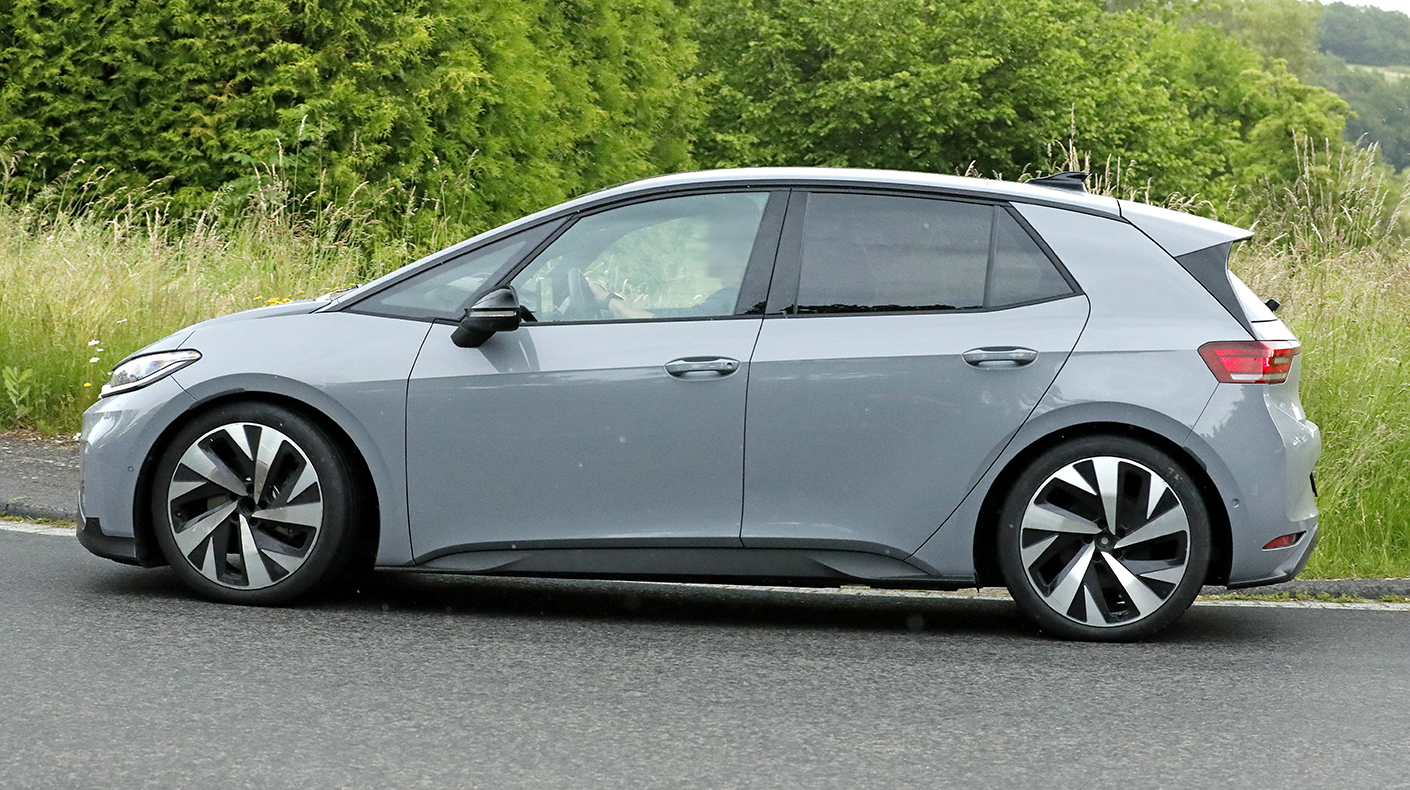
To match its potential new badge, Volkswagen may also incorporate GTI accents throughout the cabin, along with plaid upholstery and red accents for added flair. With the second facelift, Europe's largest automaker has also reintroduced several physical controls. Naturally, an updated software architecture should be included among the standard features.
Considering that Volkswagen gave the ID.3 GTX rear-wheel drive and the ID. Polo GTI front-wheel drive, chances are the automaker hasn't changed the powertrain formula for the ID.3 Neo GTI. The performance model could utilize the APP550 drive unit with more than 322 hp and 402 lb.-ft. of torque on tap.
This drive unit features a stator with hairpin technology that allows more copper to be packed into the slots. Cast and machined specifically to withstand the higher structural loads created by the additional torque compared to the previous design, the APP550's case houses a dual-circuit cooling system in which heated oil is cooled externally via a dedicated heat exchanger.
The stator's outer casing is also enclosed in a water-cooled heat-sink jacket, ensuring proper cooling even under high loads. Produced at the Kassel plant in Germany, this drive unit is connected to a 79-kWh battery that supports DC fast charging at up to 183 kilowatts. The battery is expected to carry over to the '27 ID.3 Neo GTI with few, if any, improvements to either the pack or charging system.
Capable of accepting 11 kW of AC power, the ID.3 Neo also features a vehicle-to-load system that can discharge up to 3.6 kilowatts through the official Type 2 adapter. While it may be a performance model, the ID.3 Neo GTI could offer this functionality as well.
Story and photos by Andreas Conradt, Automedia