New Body, Same Heart: Porsche 911 GT4 to Replace Cayman GT4
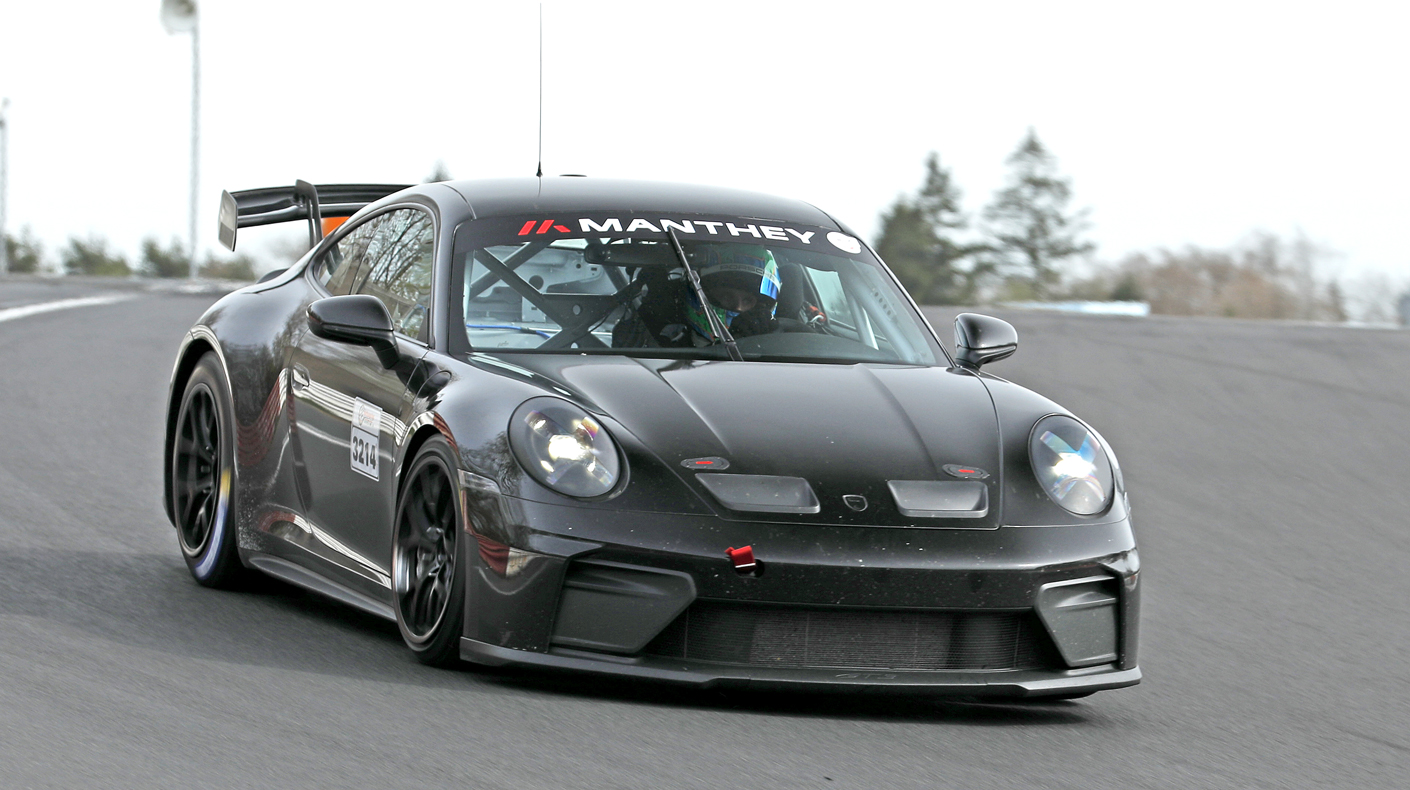
Porsche is reportedly developing a successor to the Cayman GT4––the new Porsche 911 GT4. Its debut is not expected before 2027.
Working alongside Manthey Racing, Porsche recently tested the new Porsche 911 GT4 Challenge on several international racetracks. A prototype was spotted at Spa-Francorchamps in Belgium, with additional vehicles appearing during a Manthey Trackday at the Nürburgring, held alongside testing and setup sessions for the third round of the Nürburgring Endurance Series. Porsche fielded the prototype with three factory drivers at the Nürburgring and completed endurance testing on the Nordschleife, including the short link to the GP circuit.
The vehicle photographed is a race-spec version derived from a stripped-down Porsche 911 GT3. A road-going variant––badged as the 911 GT4––is expected to follow to meet homologation requirements for the race car. The "Challenge" designation, visible on the rear wing, will likely remain exclusive to the competition model, similar to naming conventions such as Carrera, Trophy, Lightweight or Clubsport.
Production of the current Porsche Cayman ended in 2025. With the next-generation Cayman set to become a fully electric vehicle, Porsche will lose the only GT4 model in its lineup that has played a significant role in both road and motorsports applications. The Cayman GT4 has maintained strong demand and remains a popular model.
In motorsports, the current Porsche Cayman GT4 CS competes in several series, including the Porsche Endurance Trophy Nürburgring (PETN), where it runs in a dedicated class. The PETN grid includes both the Cayman GT4 CS and the Porsche 911 GT3 Cup (992).
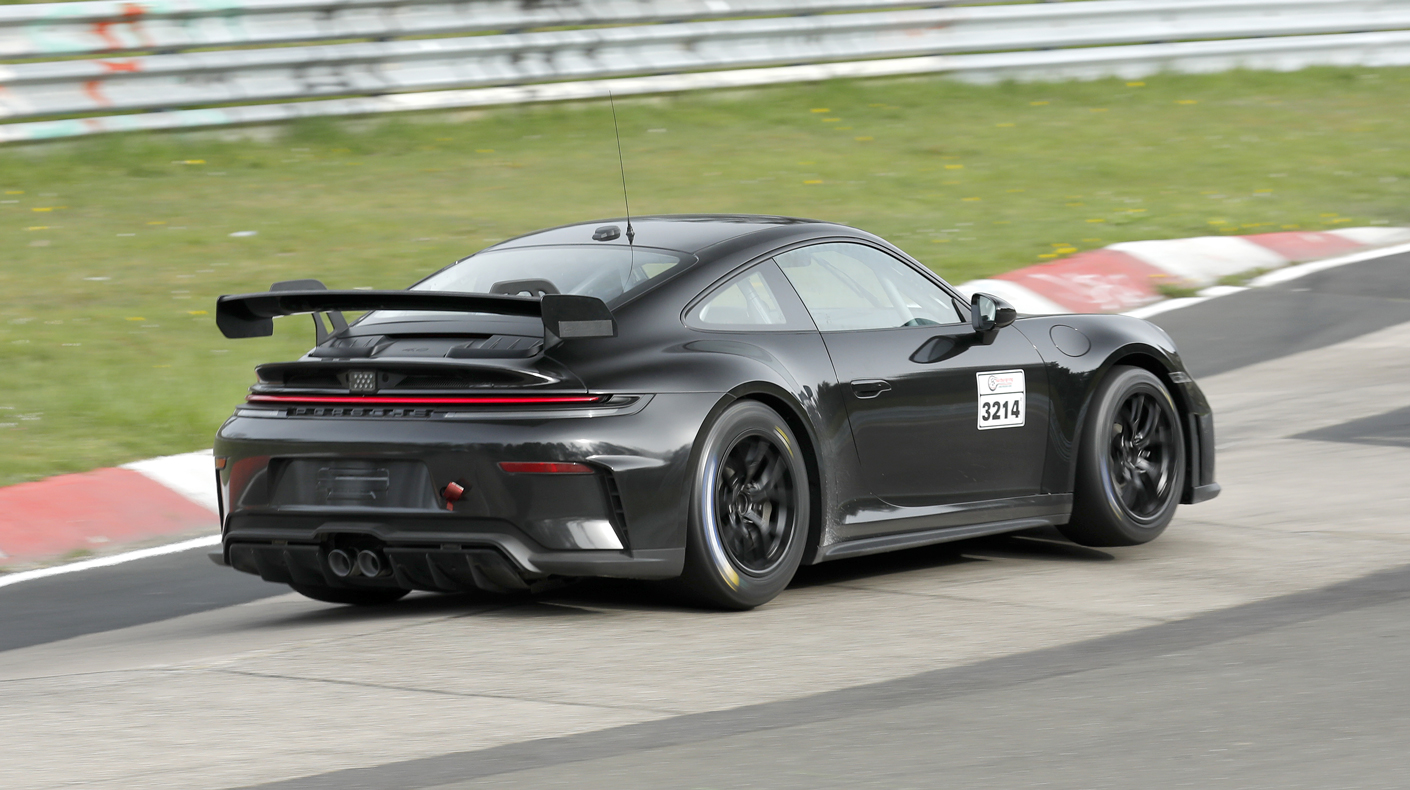
At first glance, the 911 GT4 Challenge prototype closely resembles a current GT3. On closer inspection, however, differences become clear: black camouflage wrap, the absence of badging, quick-release wheel hardware, and taped-over headlights. One of the most notable distinctions is the wheel setup. Unlike the GT3 and GT3 RS––which use a single center-lock wheel nut––this prototype features a five-lug configuration.
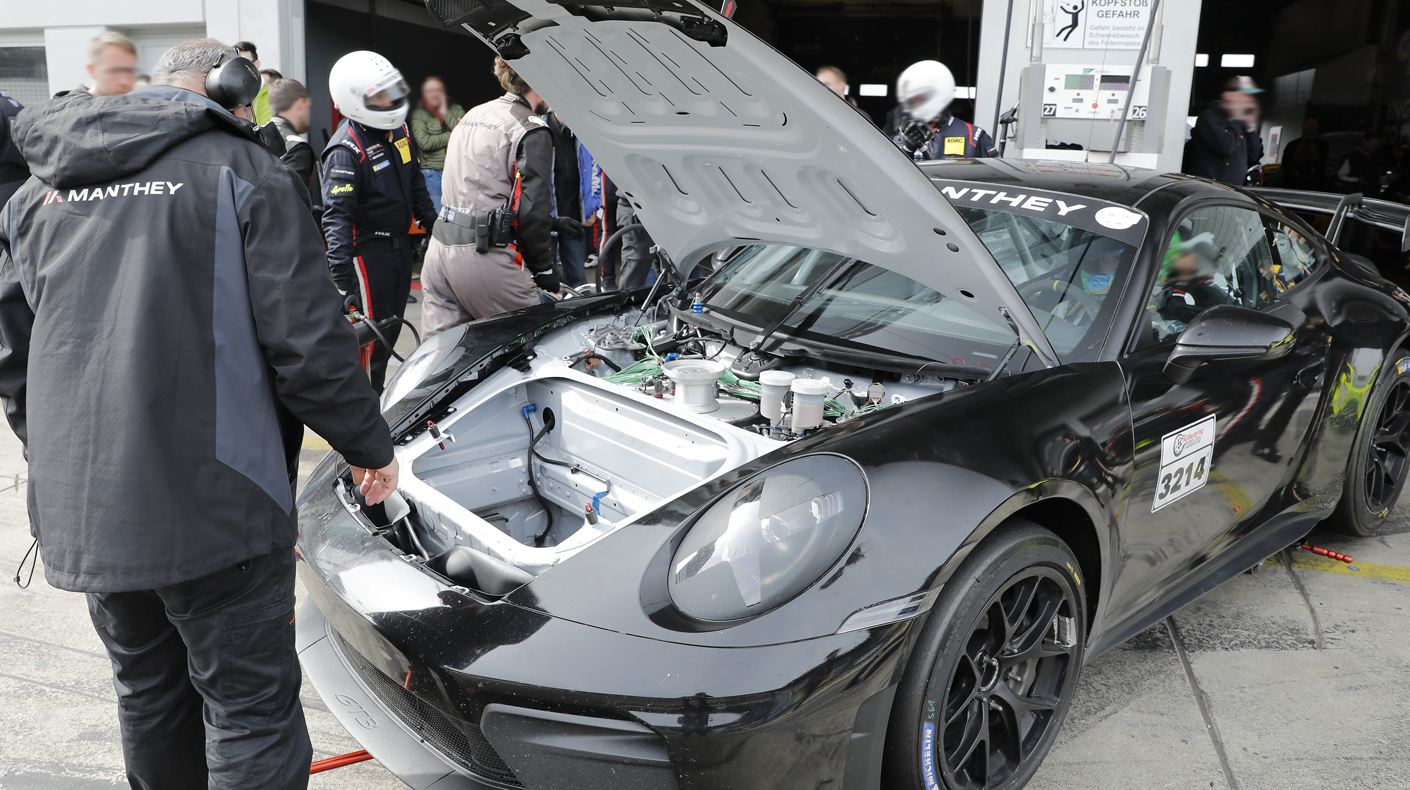
The rear wing has also been revised, with updated side plates compared to the GT3. The fuel system has been reengineered and repositioned beneath the front hood, while the visible fuel filler cap on the prototype is non-functional. As expected, both the braking system and suspension have been modified for racing duty. The exhaust system sits slightly lower than on the GT3, and a signature racing rain light is mounted above the rear lamps.
The prototype's sound profile is also noteworthy. The Porsche 911 GT4 produces a tone similar to the current Cayman GT4 CS rather than the higher-revving GT3. Both models use six-cylinder boxer engines with different displacements. The current Porsche 911 GT3 Cup and its road-going counterpart feature a 4.0L engine (3,996 cc), while the Cayman GT4 uses a 3.8L engine with lower output. As a result, the new GT4––positioned below the GT3––will likely adopt a 3.8L engine with reduced power.
Originally conceived as a cost-effective, production-based alternative to the GT3 class, the GT4 category was designed for amateur and entry-level drivers. Porsche was among the first manufacturers to enter the segment with the Cayman. Other automakers followed, including BMW with the M4 GT4, Audi with the R8 LMS GT4, Aston Martin with the Vantage GT4, McLaren with the 570S GT4, Toyota with the Supra GT4, and Mercedes-AMG with its GT4 entry.
Porsche is not expected to exit the GT4 category simply because the Cayman is transitioning to electric power. Instead, the automaker appears poised to evolve the formula with a 911-based GT4––retaining internal combustion while delivering an all-new platform for both road use and customer racing.
Even More Extreme: The Lamborghini Revuelto SV
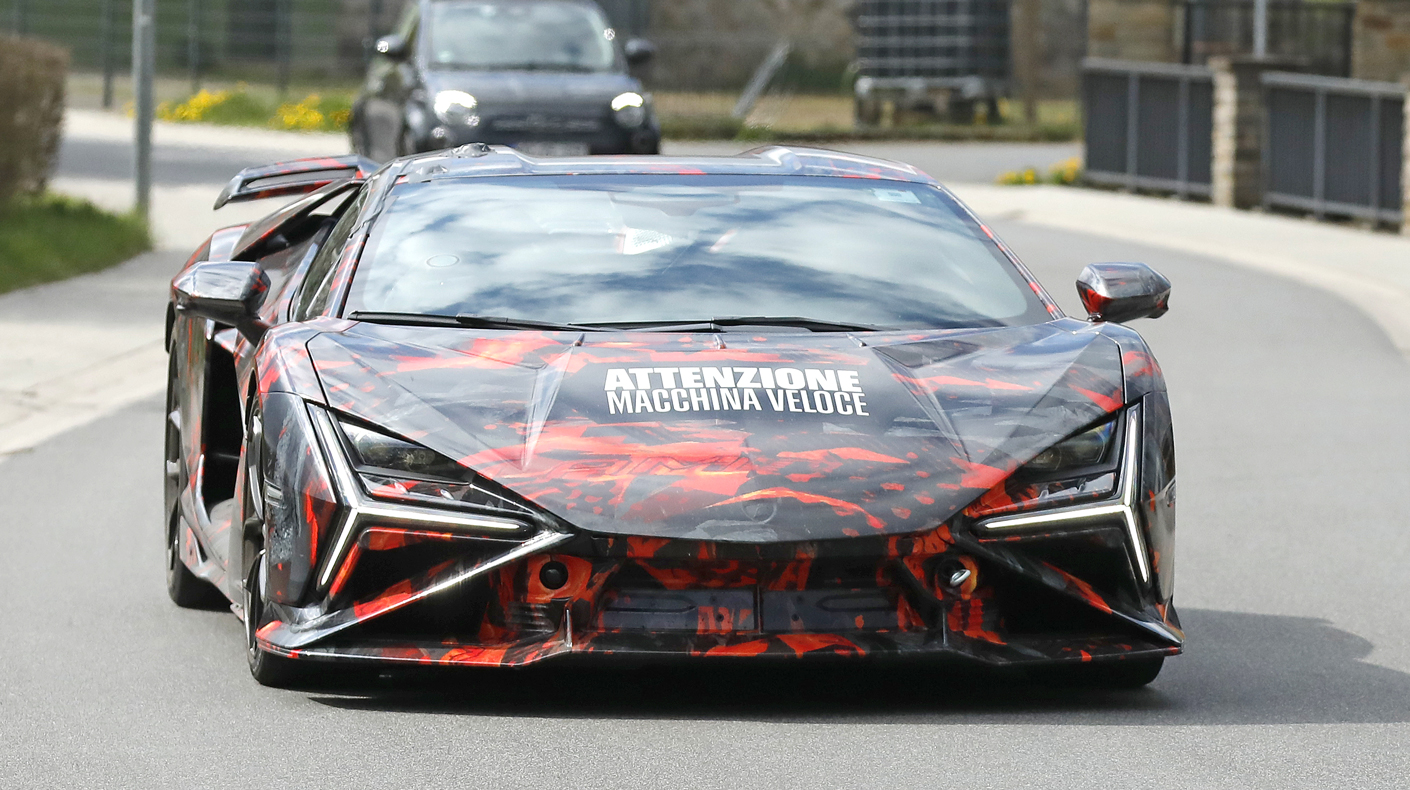
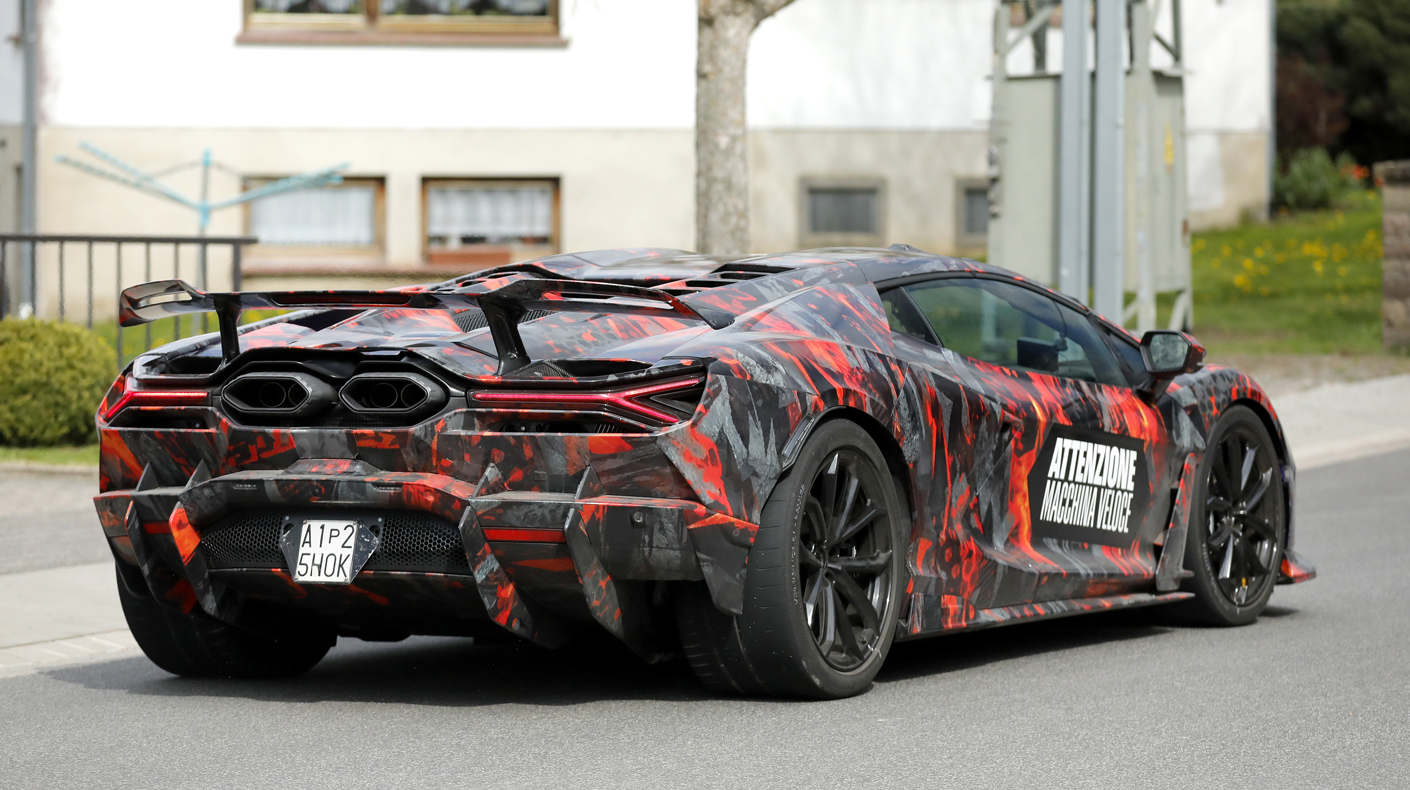
The Lamborghini Revuelto Super Veloce (SV) is expected to arrive later this year as a more extreme, higher-performance version of the current 1,015hp hybrid V12 model. By further optimizing the internal combustion engine––and potentially the three electric motors––total system output could climb beyond 1,100 hp.
Externally, the Revuelto SV is expected to stand out with a more aggressive design, highlighted by a large rear wing and additional aerodynamic enhancements. Weight reduction measures are also likely, pushing performance beyond that of the already formidable base model, which is capable of speeds exceeding 217 mph.
Bella Italia: The Lamborghini Temerario Spyder
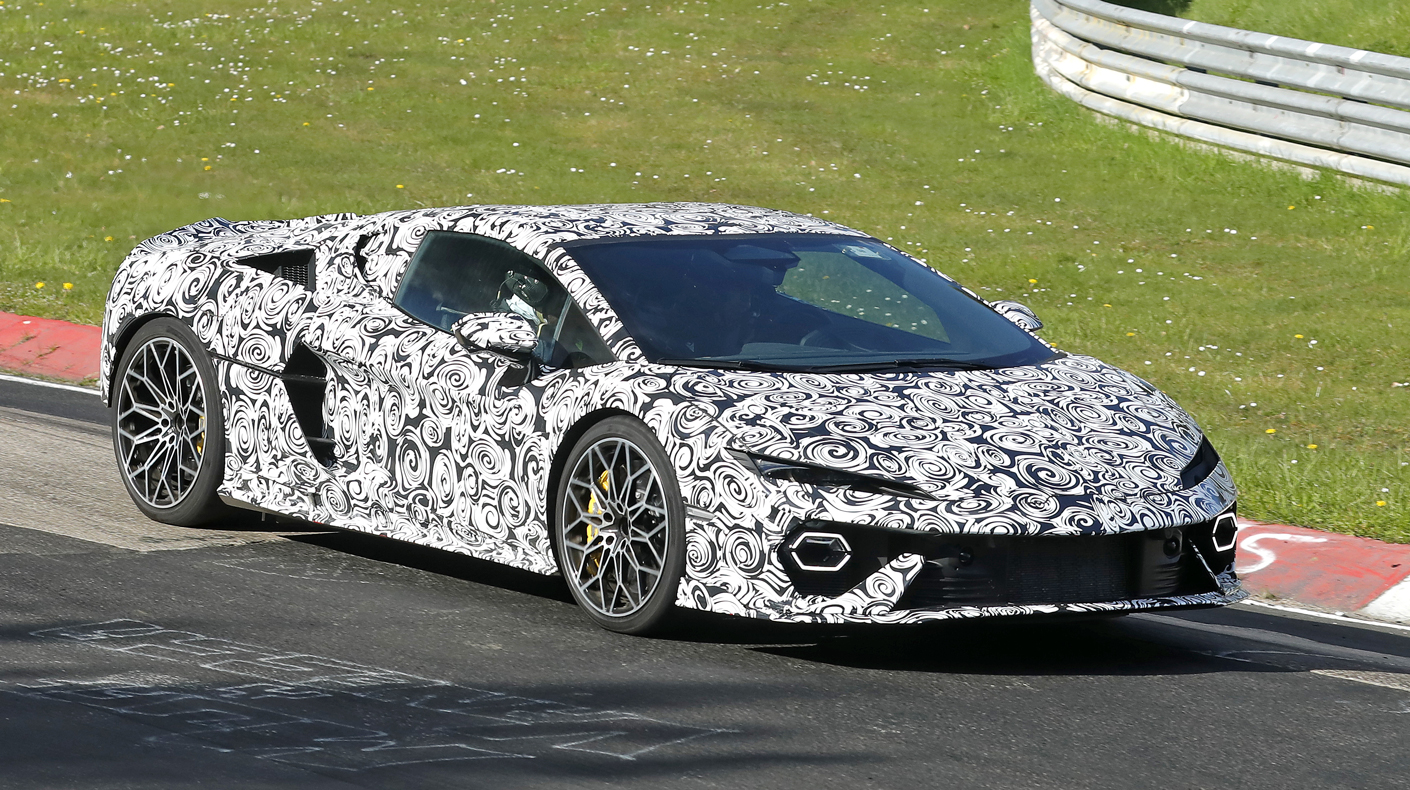
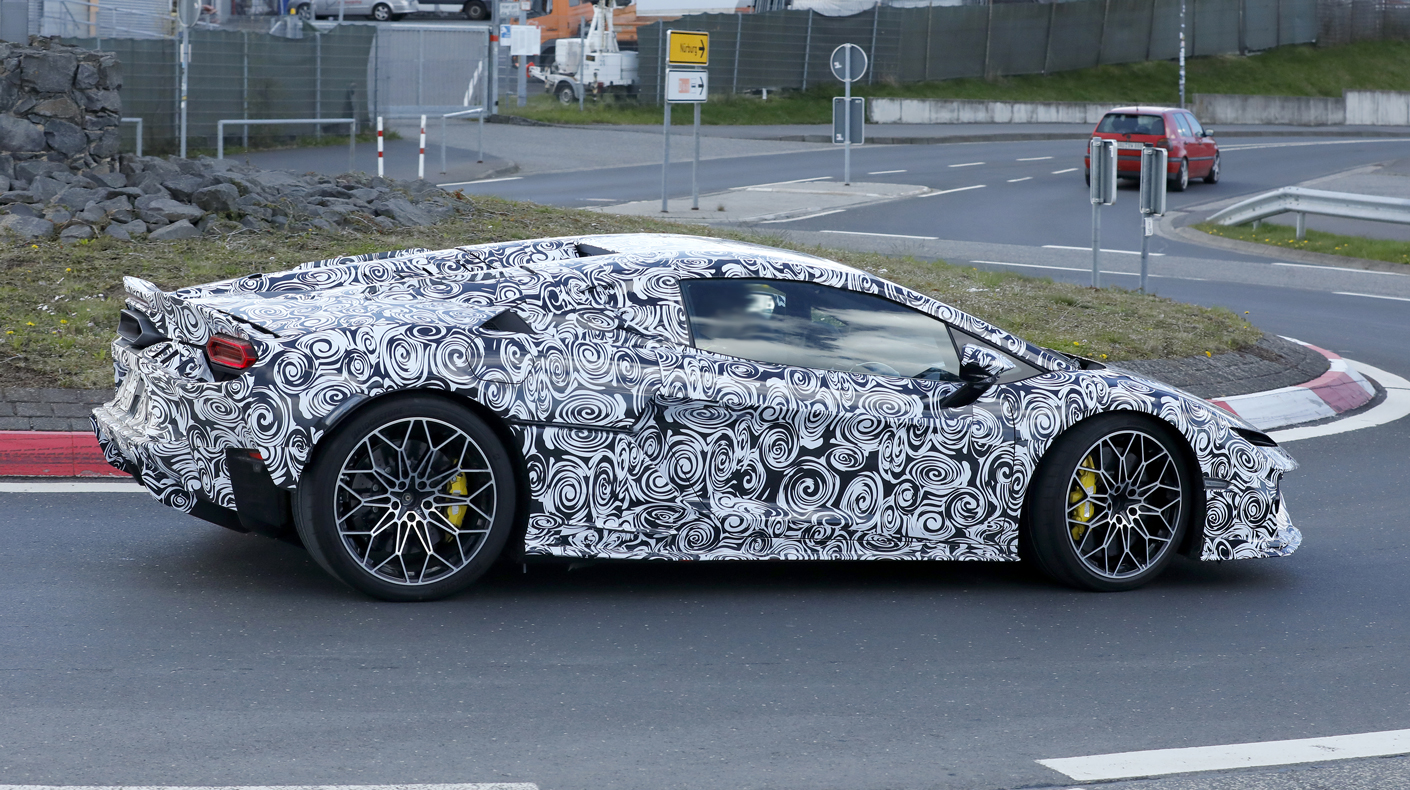
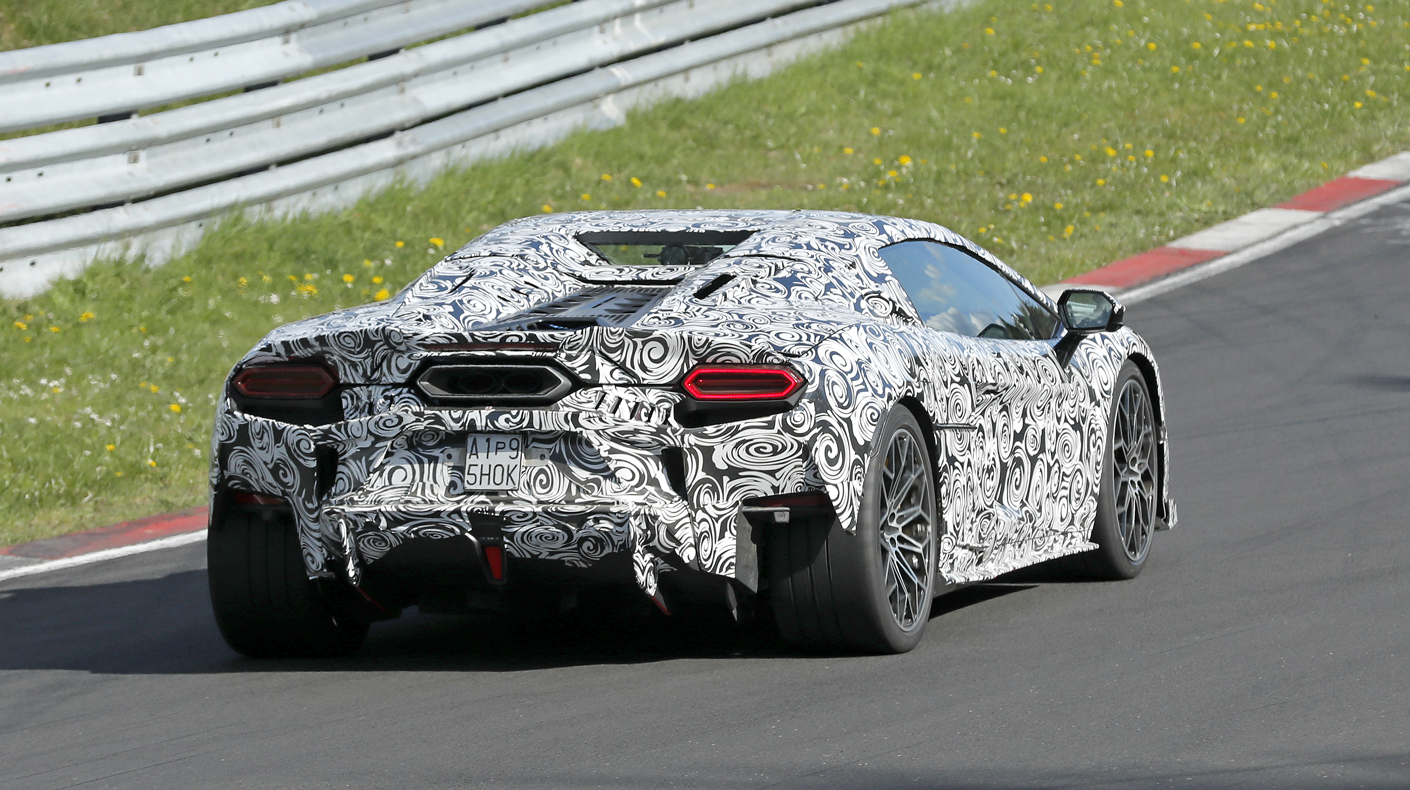
Presented on August 16, 2024, the Lamborghini Temerario marked a turning point for the brand from Sant’Agata Bolognese. The end of the V10 era made way for an all-new twin-turbocharged V8 plug-in hybrid delivering 920 hp, all-wheel drive, and a carbon-fiber monocoque. As the successor to the Huracán, it established a strong technical foundation from the outset.
The first European deliveries arrived in summer 2025, while the first U.S. models followed in late 2025. As 2026 gets underway and Temerario deliveries continue to ramp up, anticipation for the Temerario Spyder is both expected and increasingly urgent. Lamborghini’s recent history suggests the convertible variant typically arrives 12 to 18 months after the coupe debut.
The 2026 calendar brings a dense lineup of major global automotive events. Lamborghini increasingly favors high-impact, emotionally charged venues over traditional auto shows. Early-year events such as Rétromobile, Amelia Island, or major Italian spring concours events appear less likely stages for the debut of an ultra-modern convertible supercar.
By contrast, summer 2026 presents a far more plausible window. The Goodwood Festival of Speed in early July remains one of Lamborghini’s preferred platforms for showcasing high-performance models in motion to an international audience of enthusiasts and media. Another strong candidate points to mid-August 2026––roughly two years after the coupe’s debut––during Monterey Car Week, where Pebble Beach Concours Week has become a key strategic moment for premium Italian brands.
The upcoming Temerario Spyder will face a familiar engineering challenge: preserving coupe-level performance despite the structural reinforcements required by an open-top design. With 920 hp, 0–62 mph in 2.7 seconds, and a top speed of 213 mph, Lamborghini has a comfortable performance buffer to develop a convertible version without major compromises. The carbon-fiber chassis and hybrid architecture are expected to help limit weight gain while maintaining high structural rigidity.
As of early 2026, all signs point to the Lamborghini Temerario Spyder being just months away from its official debut. Between July and August 2026––with a slight preference for Goodwood or Pebble Beach––Lamborghini appears to have an ideal window for a high-profile global unveiling.
Cheap. Small. Electric: The All-New Dacia EV
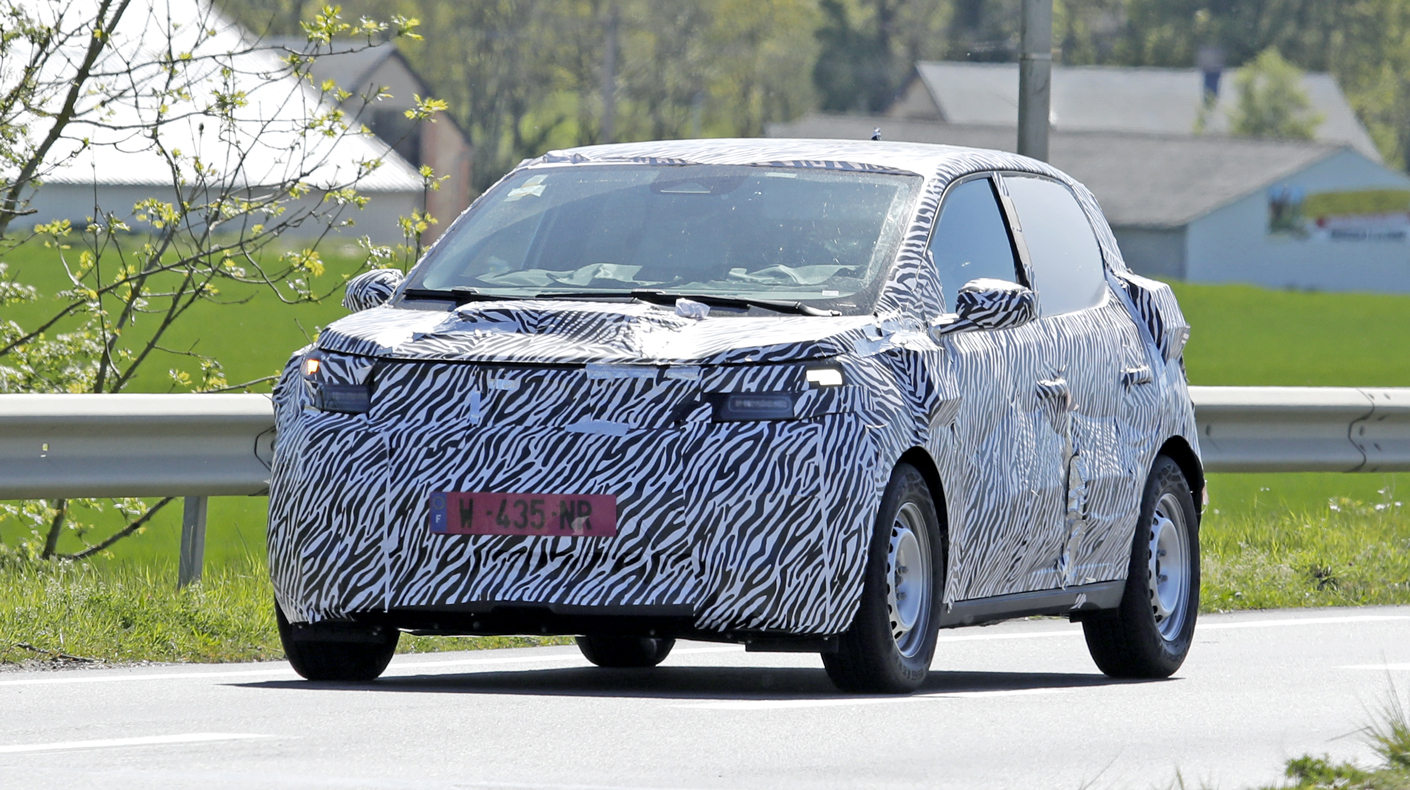
These first spy shots of Dacia's entry-level electric vehicle reveal far more detail than the previously released teaser image from the Renault Group. The Dacia EV is scheduled to hit the market at the end of 2026 and will join the Spring as the second electric car in the brand's lineup.
The spy images confirm the technical similarity to the Renault Twingo, which had already been hinted at in the teaser. This relationship is particularly evident in the side view. The roofline closely matches that of the well-known small car, as does the window line. A distinguishing feature appears at the C-pillar, where Dacia integrates a design element that visually breaks up the surface and gives the car a more distinctive appearance––something already suggested in the initial teaser image.
The side mirrors are mounted in the window triangle, as seen on the Twingo. Conventional pull-type door handles are also visible on the Dacia four-door model. The windshield is relatively flat, again recalling the Renault model.
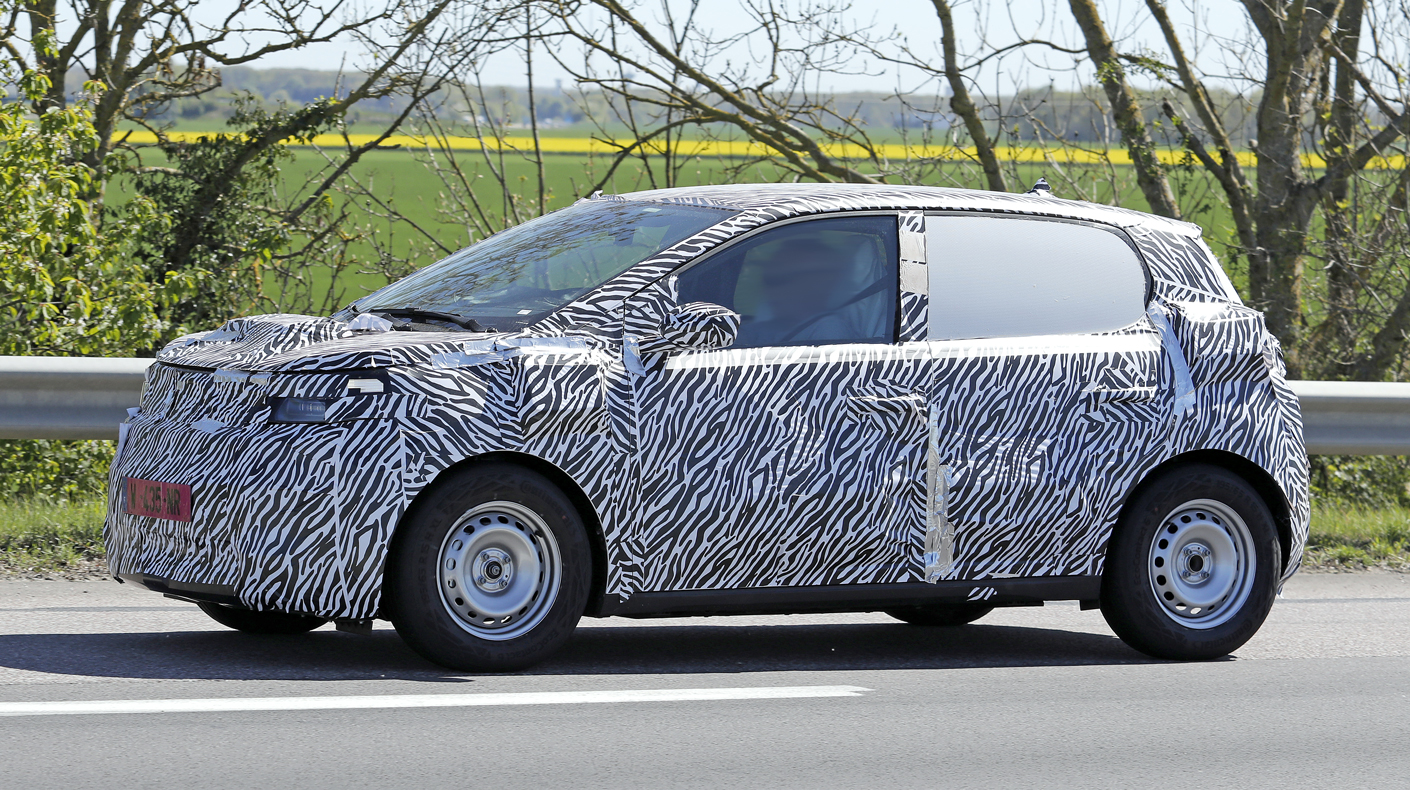
One difference appears in a detail from the teaser: the sharply rising, almost jagged lower window line shown there is not present in the latest spy images. Overall, the side profile looks calmer and more function-focused.
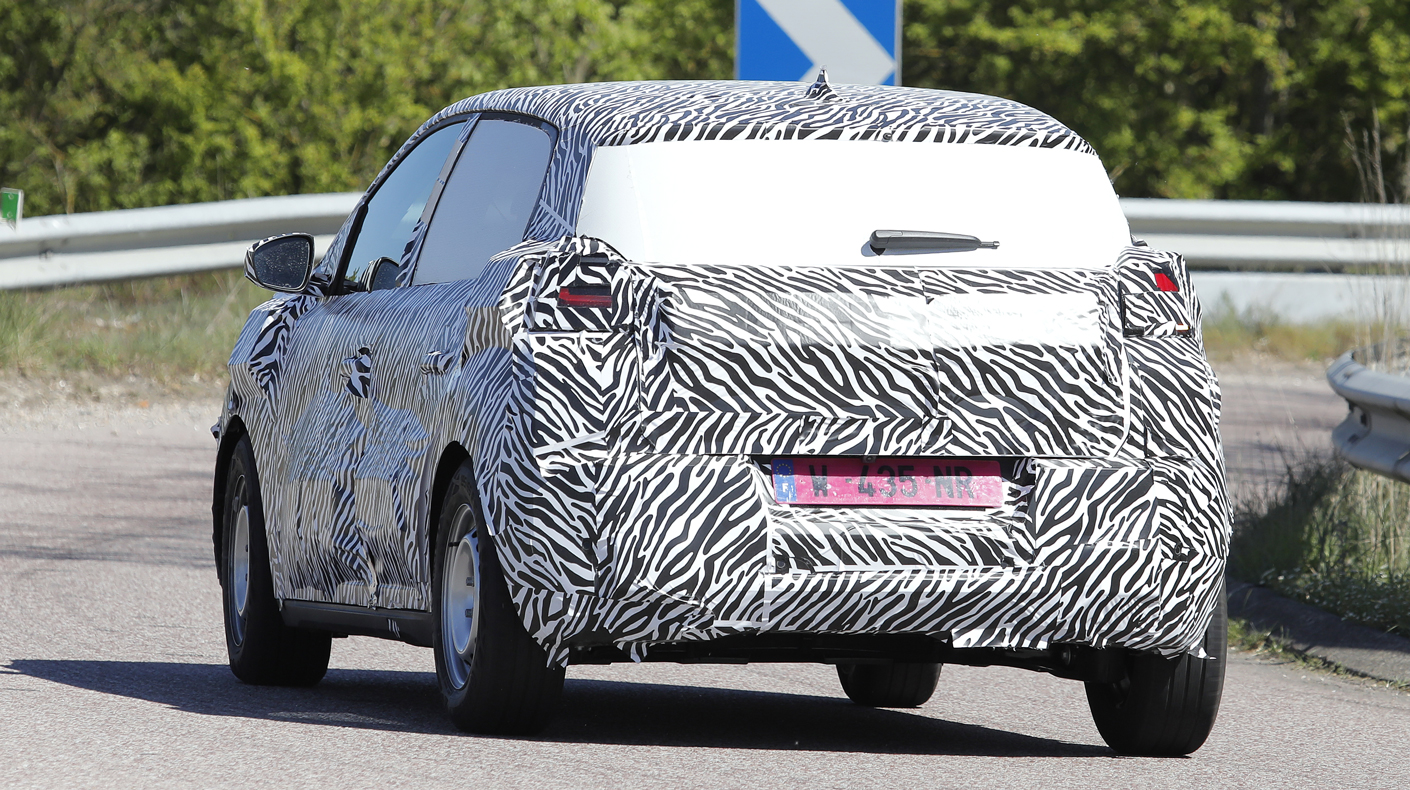
Up front, Dacia adopts a more independent design. The fascia appears flatter, with rectangular headlights featuring the brand's signature lighting. At the same time, the hood is less steeply angled, giving the vehicle a more rugged appearance. The rear follows a similar approach. The window is narrow and sits above a large tailgate. Small, square lights define the look, complemented by a subtle roof spoiler.
The technical foundation for the new Dacia EV comes from the Renault Group. The model is based on the AmpR Small platform, which also underpins the Renault Twingo, as well as the Renault 4 and 5. This positioning makes it clear the vehicle will target the lower end of the performance and price spectrum.
A look at the known specifications of the Twingo provides a sense of direction: the battery has a capacity of 27.5 kWh and delivers a range of up to 163 miles (WLTP). Charging is possible at up to 50 kW DC, with output around 60 kW. Compared to the Spring, this represents an improvement in both range and charging performance, while power remains in a similar range.
The new model will sit below the future electric Sandero and only slightly above the Spring, effectively closing the gap in the lower price segment. It is expected to measure about 151.6 inches in length, making it slightly larger than the Twingo. Up to four seats are planned, along with cargo capacity exceeding 10.6 cu. ft.
Production is expected to take place in Europe, with the Novo Mesto plant in Slovenia considered a possible location. The starting price is projected to be around $19,500 (converted from approximately 18,000 euros), positioning the model below the Twingo.
Story and photos by Andreas Conradt, Automedia