Story and photos by Andreas Conradt, Automedia
From Rugged to Polished: Hyundai Santa Fe Facelift
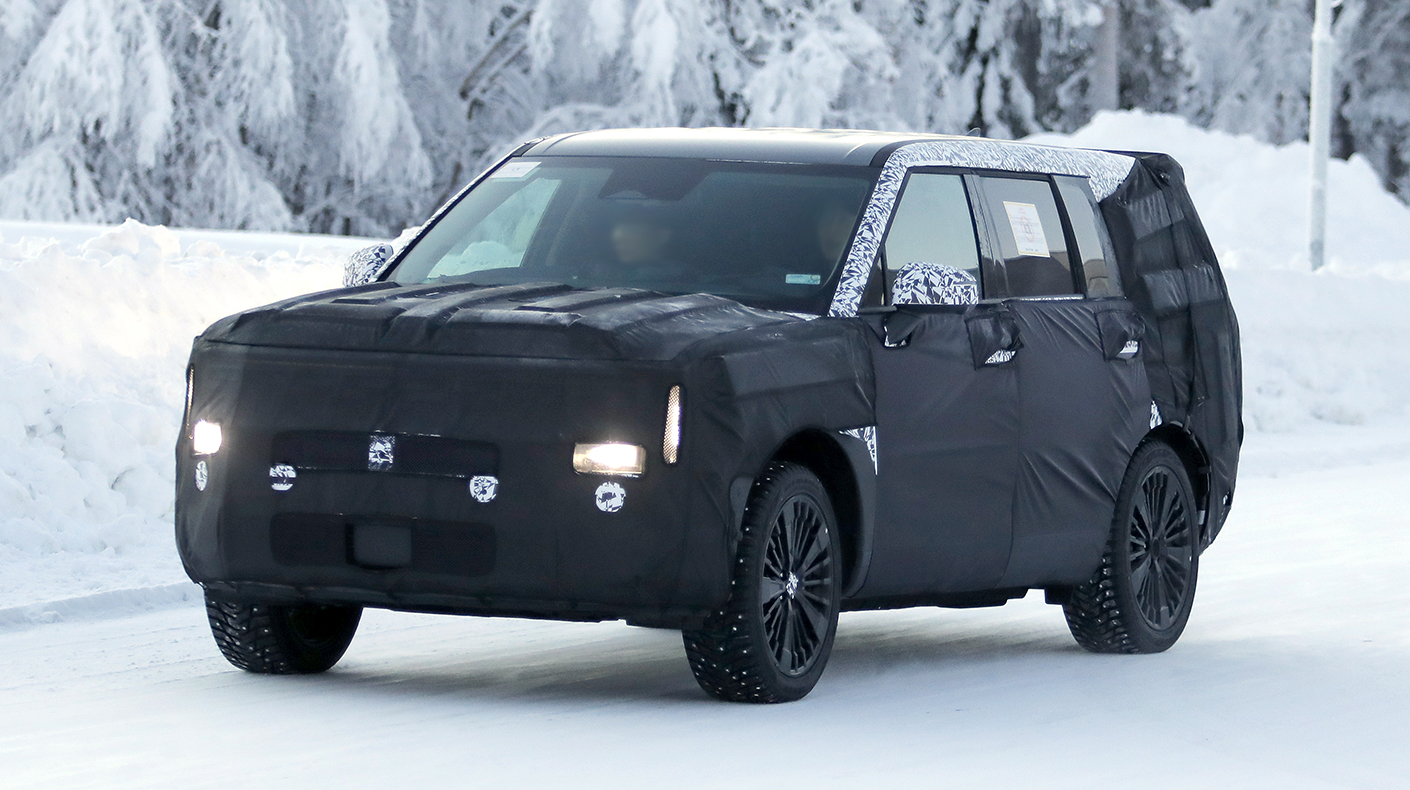
Hyundai's '27 Santa Fe facelift has been caught for the first time out in the open. Despite the thick camouflage, the spy shots confirm how the design is set to evolve. The Santa Fe has always been a key player in Hyundai's SUV lineup, yet the fifth-generation model introduced in 2023 struggled to meet expectations. These spy photos confirm that Hyundai is taking feedback seriously and will try to change the most criticized area--the rear design.
The facelifted Santa Fe is expected to undergo one of the most radical mid-cycle design updates in Hyundai's recent history. The SUV will incorporate Hyundai's latest "Art of Steel" design language, first showcased on the next-generation NEXO.
Key changes include a redesigned front fascia with slimmer headlights and side-mounted DRLs, replacing the current chunky setup, plus a more refined four-bar grille with cleaner integration that moves away from the rugged Land Rover-inspired look.
Also new will be sleeker body sides with horizontal molding that emphasizes width instead of bulk. At the rear, vertical taillights will be linked by a full-width horizontal brake light bar, plus a relocated license plate for a more upscale feel.
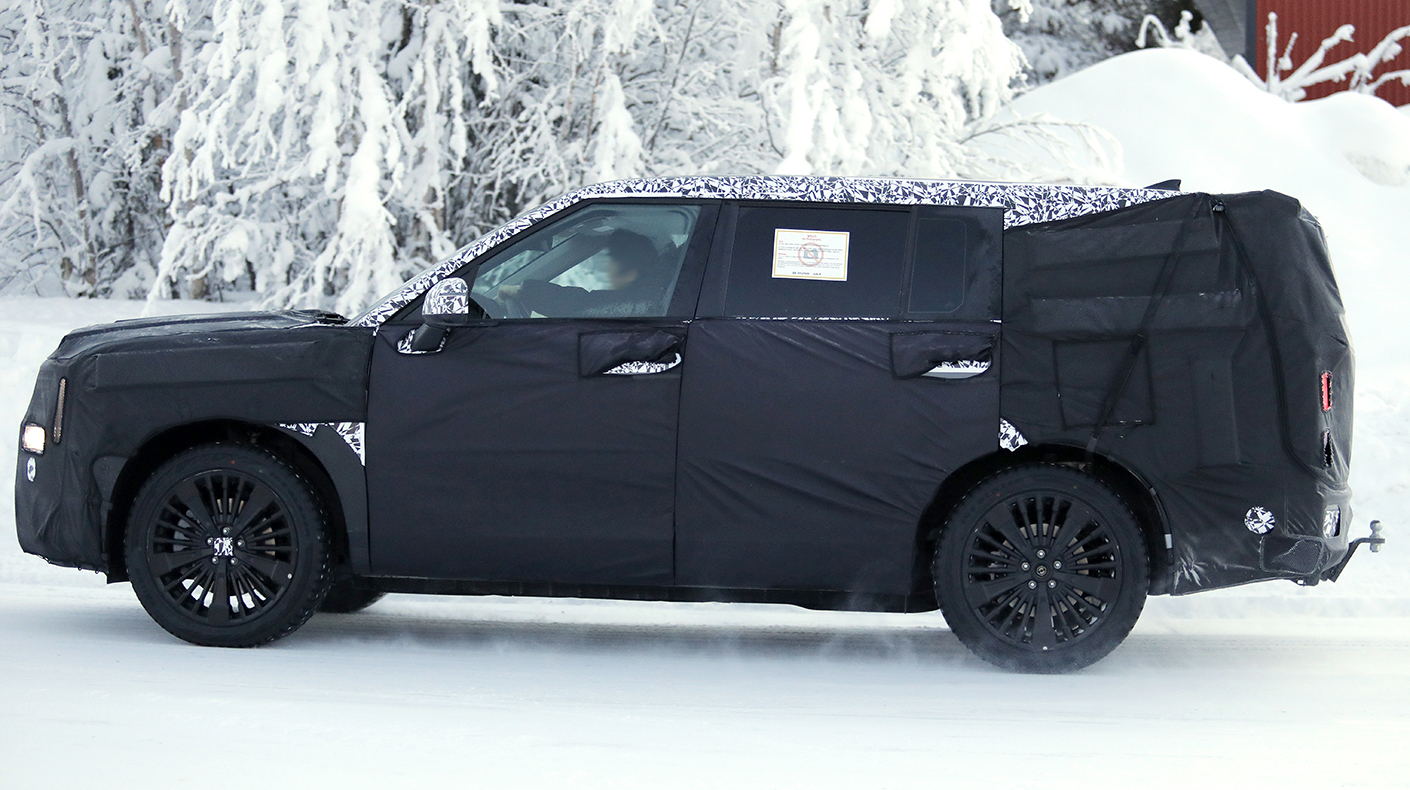
The overall effect is a less boxy, more aerodynamic stance, giving the Santa Fe a premium SUV appearance closer to the Tucson and even Hyundai's flagship Palisade.
The current Santa Fe's rugged, off-road-inspired look was meant to distinguish it in a crowded midsize SUV market. Instead, it alienated buyers who preferred the sleeker designs of rivals like the Kia Sorento or Toyota Highlander. With sales dropping steadily through early 2025--even after the introduction of the hybrid--the facelift represents a critical chance for Hyundai to win back customers.
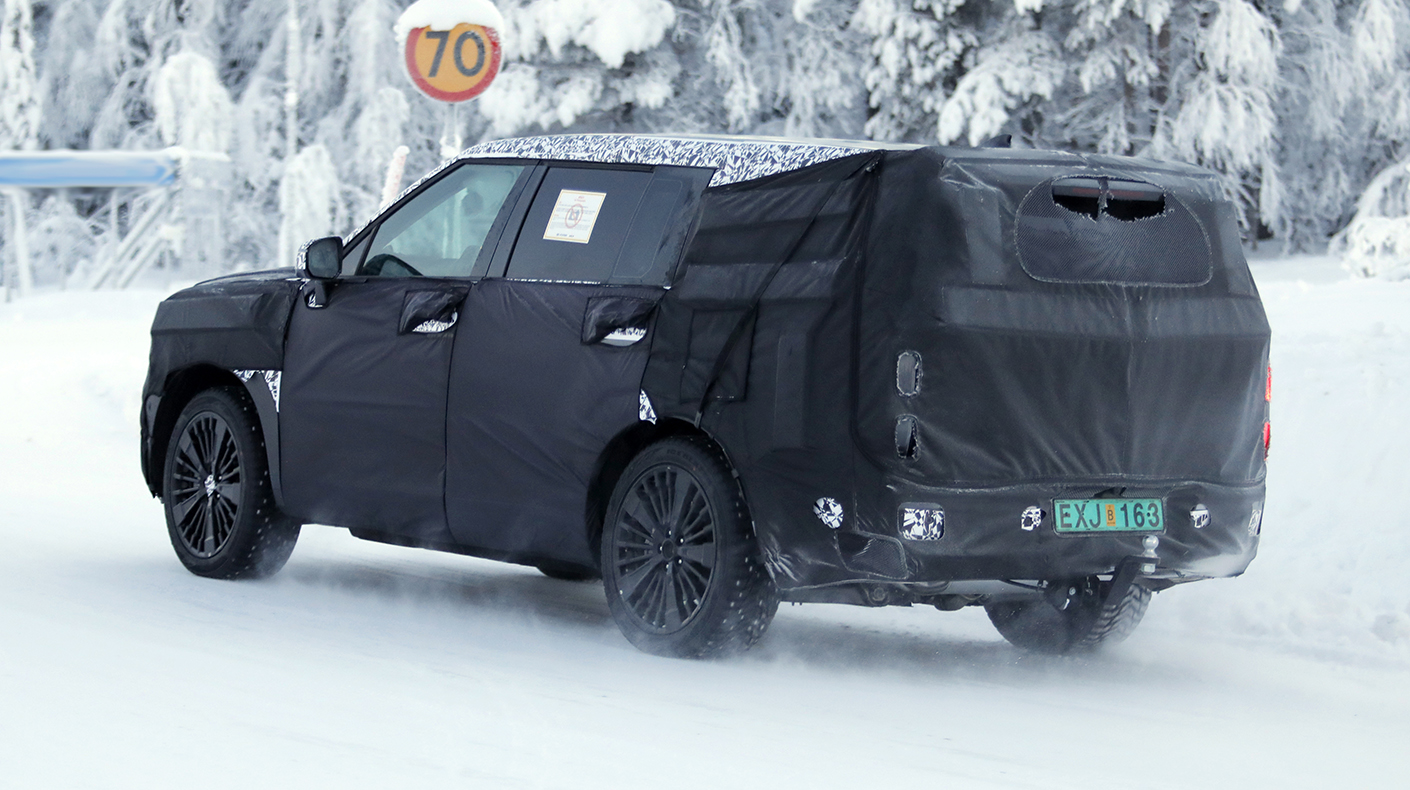
By aligning the Santa Fe with Hyundai's more modern design philosophy, the facelift should broaden its appeal, especially among families and urban drivers who want a stylish but practical SUV.
Alongside the design refresh, Hyundai confirmed a major mechanical upgrade: all 2.5L turbo Santa Fe models will drop the controversial eight-speed dual-clutch transmission (DCT) in favor of a torque-converter automatic transmission. The move comes after years of consumer complaints about jerky low-speed driving, clunky shifts and warranty claims.
The hybrid Santa Fe will continue with its 1.6L turbo engine and smooth six-speed automatic. The '27 Hyundai Santa Fe facelift is expected to debut in late 2026 or early 2027, with the new torque-converter automatic and refreshed styling leading the way.
Next-Gen Hyundai Bayon Growing Significantly
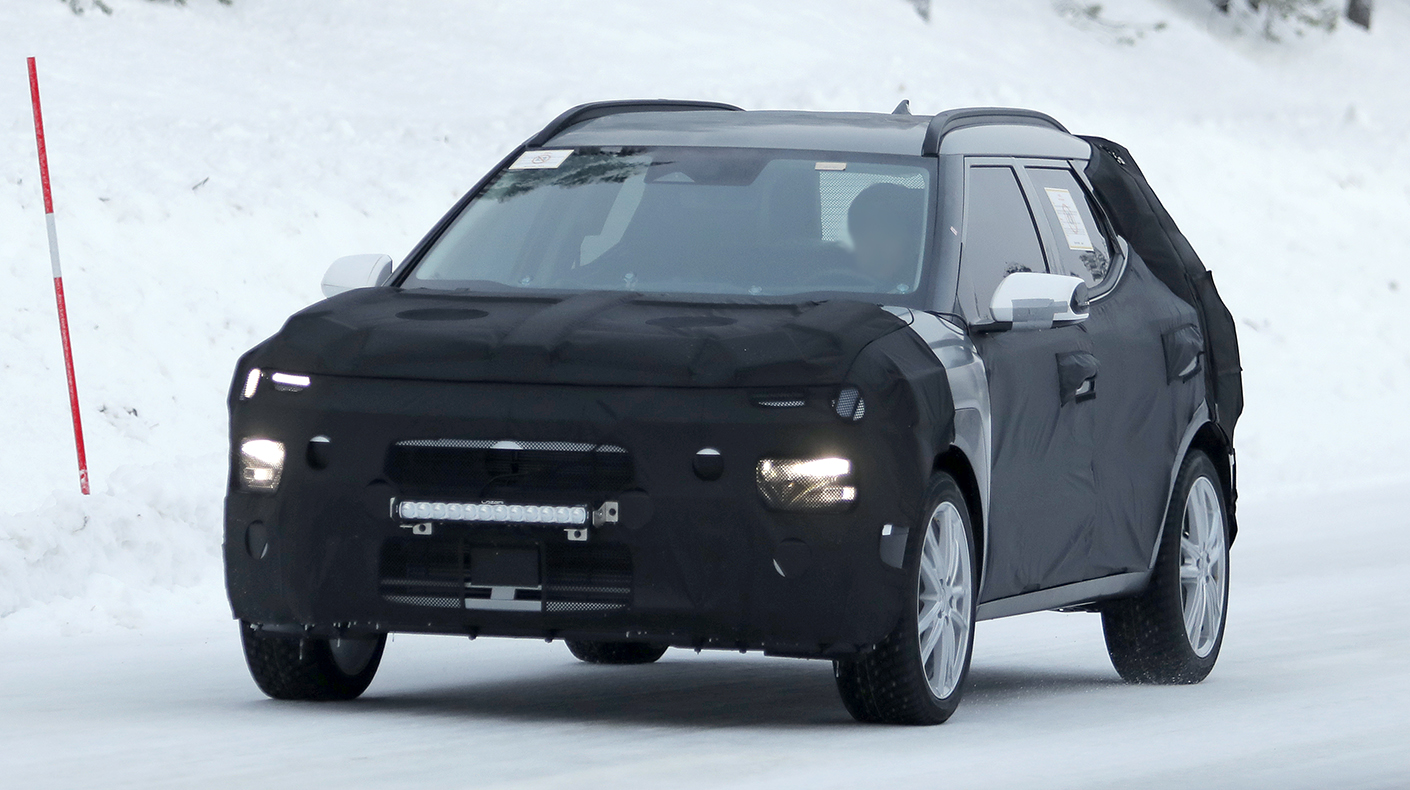
Hyundai is accelerating the growth of its global SUV lineup with the next-generation Hyundai Bayon, codenamed BC4, recently spied testing in Scandinavia in prototype form, showing hybrid powertrain hardware and an N Line performance-inspired trim. Thanks to these spy shots, we can now position the new Bayon as a potential game changer in the subcompact SUV segment, with fresh styling, more space than its predecessor and equipment and powertrain levels that edge into territory occupied by the current Hyundai Kona.
Unlike the outgoing Bayon, which has often been described as a hatchback-based crossover, the BC4 generation appears to have grown in size and presence. The spy shots indicate a boxier silhouette and a more conventional SUV stance, moving beyond its earlier design roots.
While exact dimensions for the BC4 are not yet confirmed, industry insiders suggest Hyundai has given the new Bayon a longer wheelbase and broader track to improve interior space, cargo capacity and overall road presence. This positions it as a more mature SUV choice and could make it more competitive against rivals that offer vehicles with a similar footprint.
Early reports also hint at a significant interior overhaul, with a fully digital instrument cluster, a larger touchscreen display and an upgraded suite of safety tech. These enhancements would not only modernize the Bayon but also align it with current segment leaders in features and comfort.
One of the most intriguing implications of the next-gen Bayon's evolution is its potential impact on Hyundai Kona sales. Traditionally, the Kona sits above the Bayon in the lineup, offering more powertrain options, including full EV variants in some markets. However, with the Bayon BC4 becoming larger, better equipped and available with a hybrid powertrain and sportier N Line trim, it may attract buyers who might otherwise have stepped up to the Kona--especially those prioritizing efficiency, price and everyday usability.
A larger, more refined Bayon could especially appeal in markets where pricing sensitivity is high and hybrid efficiency is a strong selling point. If Hyundai positions the BC4 competitively, it could shrink the Kona's sweet spot, particularly for consumers who don't need the full performance or EV capabilities of the Kona lineup.
Hyundai has not formally confirmed specifications or launch dates for the next-generation Bayon, but automotive news outlets expect a global debut in 2026, with production versions appearing first in Europe and Korea before rolling out to other markets. Given Hyundai's aggressive electrification and SUV expansion plans, the BC4 Bayon may play a key role in its strategy to capture more of the compact SUV segment worldwide.