Story and photos by Andreas Conradt, Automedia
Porsche Cayenne Retaining ICE Power
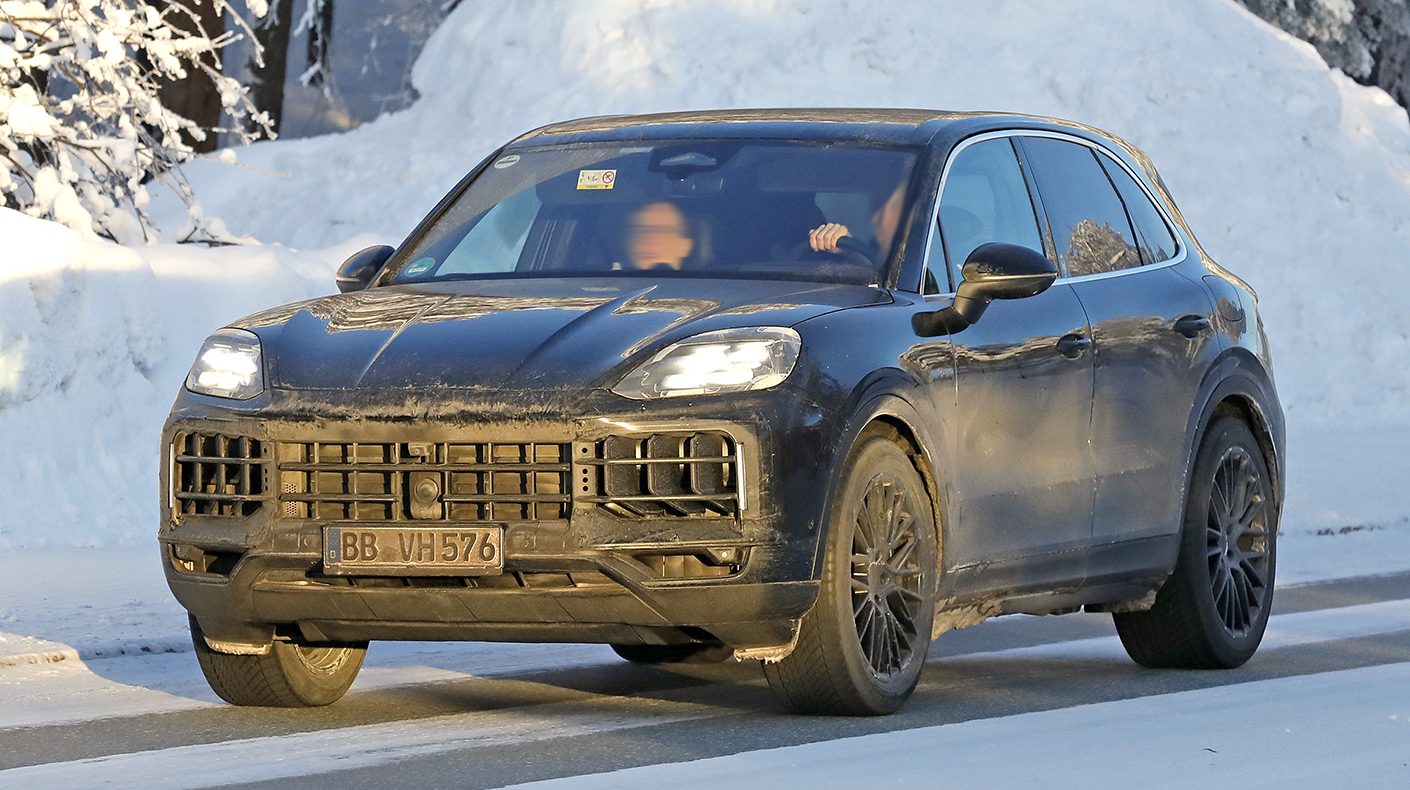
The Cayenne was Porsche's best-selling model in 2023, accounting for 87,553 of the 320,201 cars the firm sold across the globe. And the Cayenne is only going to become more popular when it finally gets an electric-vehicle (EV) variant in 2026, but these pictures prove that it's far from the end of the road for the ICE-powered SUV.
Porsche facelifted the Cayenne three years ago--its first refresh in seven model years--and the overhaul was not the usual bumper massage and DRL tweak, as it included new powertrains, new chassis tech and improved driver assistance gadgets. But since Porsche hopes to keep the ICE Cayenne on the road beyond the end of the decade, only a serious overhaul like that would cut it.
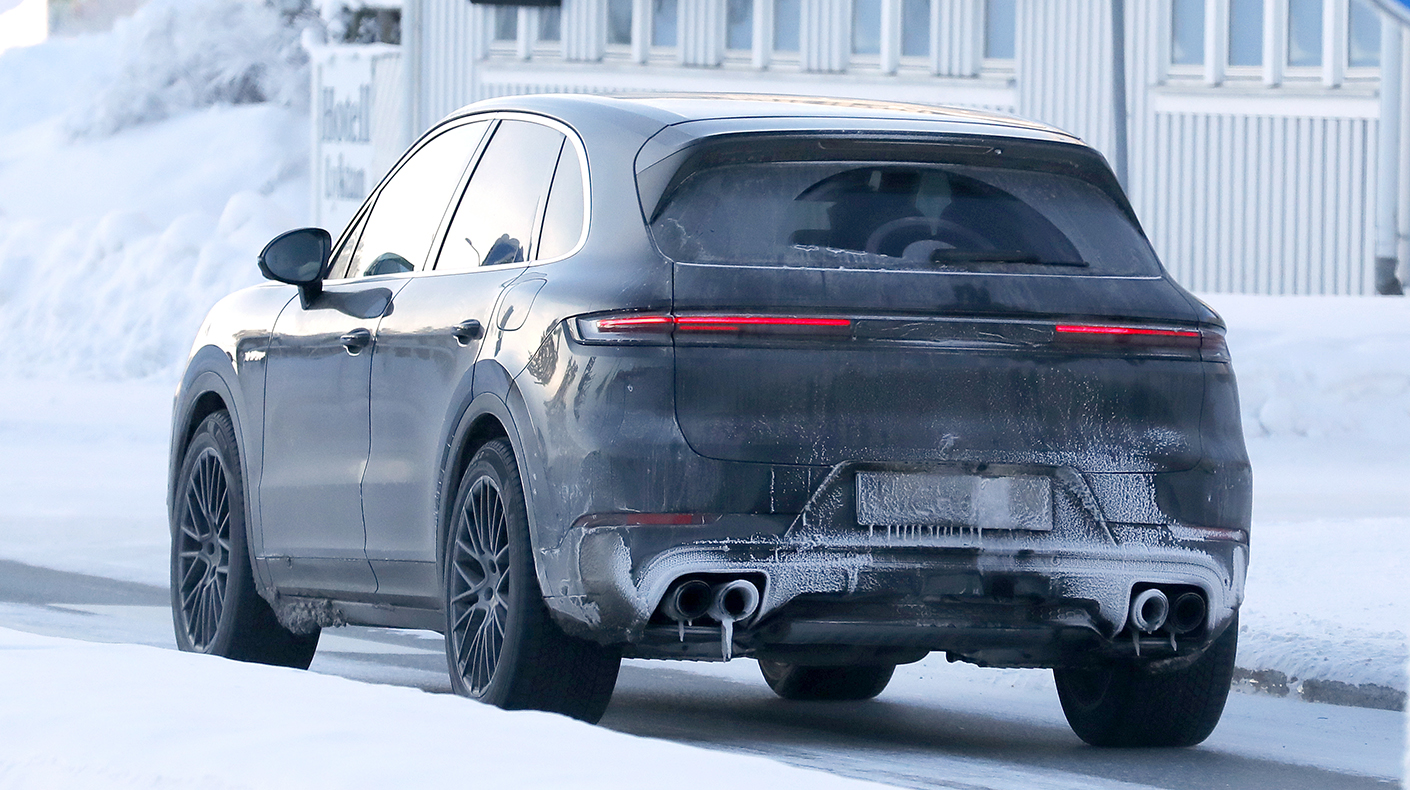
But it looks like Porsche hasn't given the ICE Cayenne its final update yet. The quad exhaust setup and huge front air intakes tell us it's not a mule for the upcoming EV, which we know from previous spy shots is already testing wearing production sheetmetal.
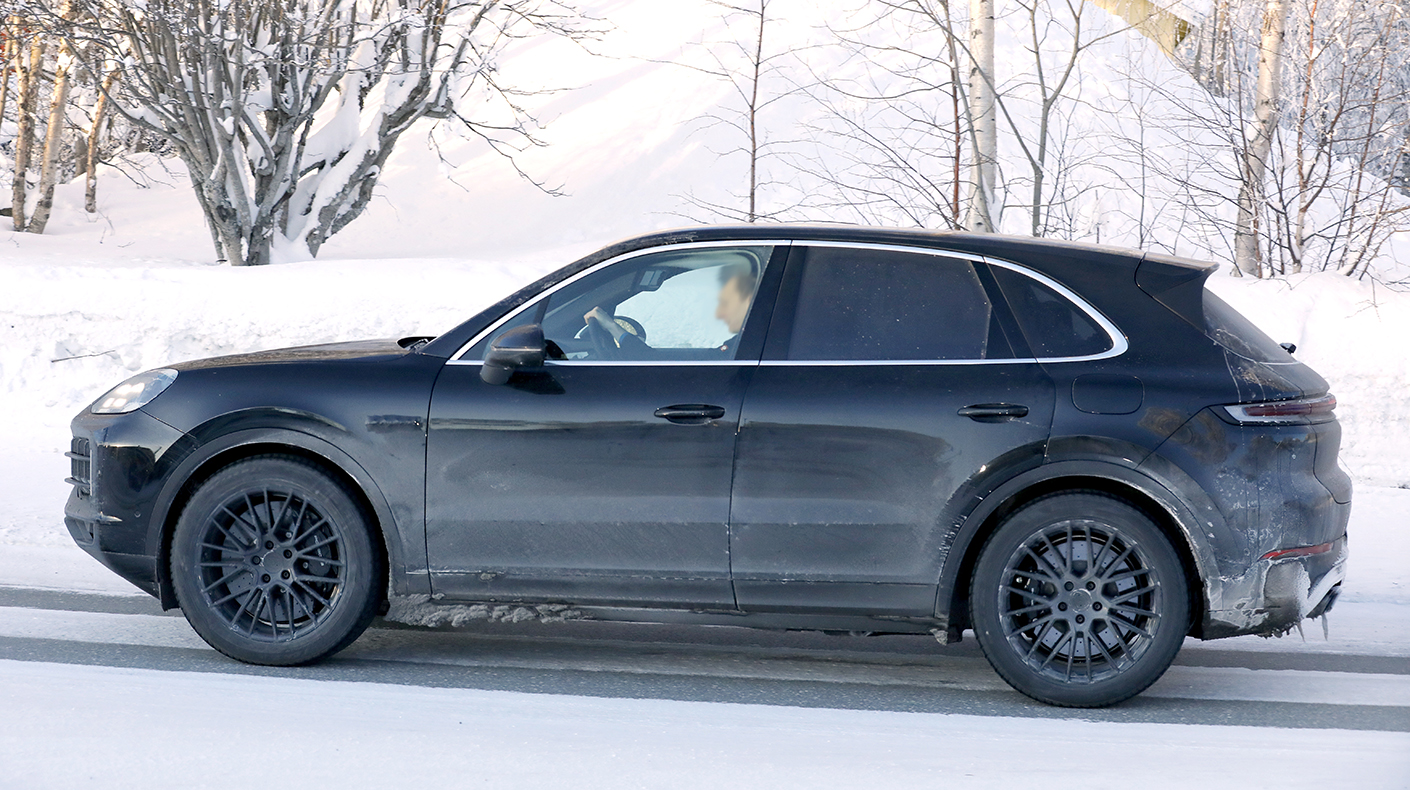
Porsche has said that it wants 80% of its output to be EVs by 2030, and since we already know that the 911 isn't going electric before that date, it's logical to assume that most of the 20% that isn't an EV is a 911. Given this, it doesn't make sense that Porsche would go to the trouble of engineering an all-new ICE Cayenne for 2030 and then stick around for the eight years needed to recover the investment despite legislation in California and Europe outlawing the sale of combustion cars starting in 2035.
It doesn't make sense, or it didn't, until stories about a slowdown in EV adoption and a rise in demand for hybrids started appearing last year. And it's also worth remembering that the Audi Q7, which has traditionally shared the Cayenne's platform, will get one final ICE generation around 2026 or 2027. Porsche has led us to believe that the 2023 facelift car was meant to last years in the market, but maybe it's due to be retired sooner than we thought, leaving space for an ICE encore in 2028.
More likely, however, is that the current-generation Cayenne will receive yet another facelift in 2026--when the all-electric Cayenne hits the market--and stays with us until 2030 or longer for those who prefer ICE over EV.
True Facelift Coming for BMW X1, iX1
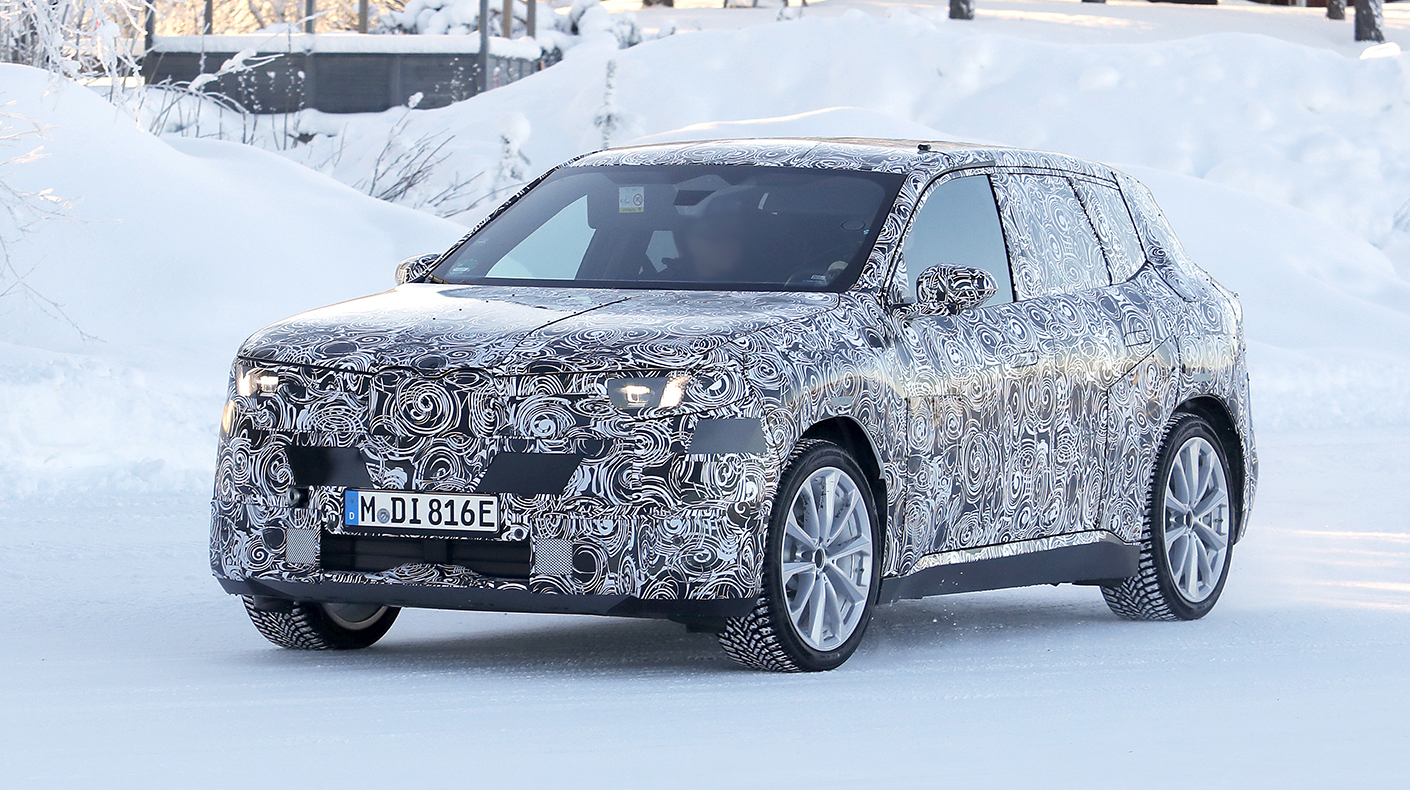
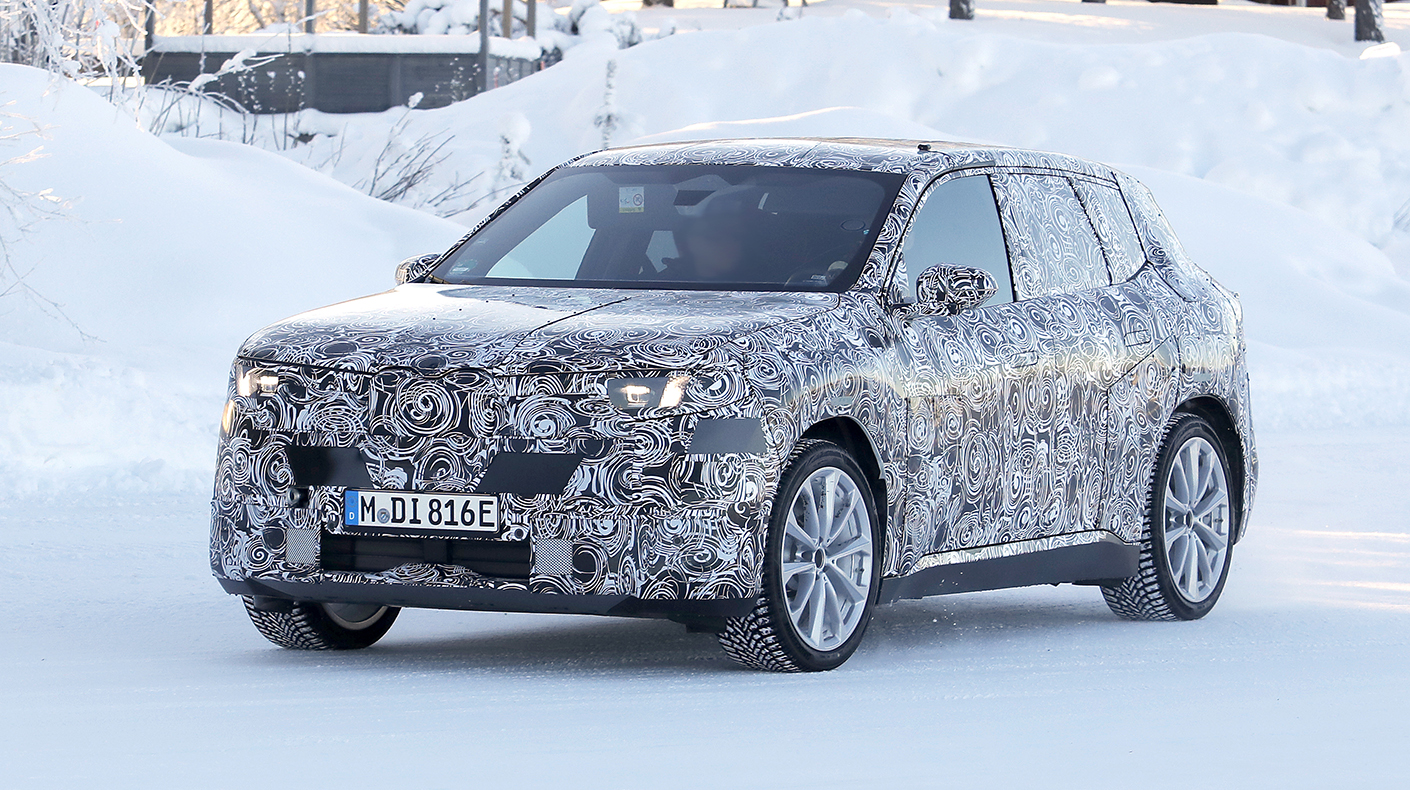
BMW introduced the current X1 in June 2022 for the '23 model year. In the latter part of 2026 or early 2027, the smallest utility vehicle in the automaker's lineup will undergo a makeover that clearly leverages the Neue Klasse design language of the all-new iX3.
Spied under heavy camouflage in the form of a full-electric iX1 prototype, the makeover includes thin kidneys and completely new headlights. The kidneys and headlight clusters are connected by two contrasting panels that may be offered with backlighting for extra visual pizzazz.
The front grille is understandably closed, yet the lower part of the bumper integrates an intake for the adaptive cruise control sensor and cooling purposes. Look closer and you will notice a flat underbody that extends all the way to the rear bumper.
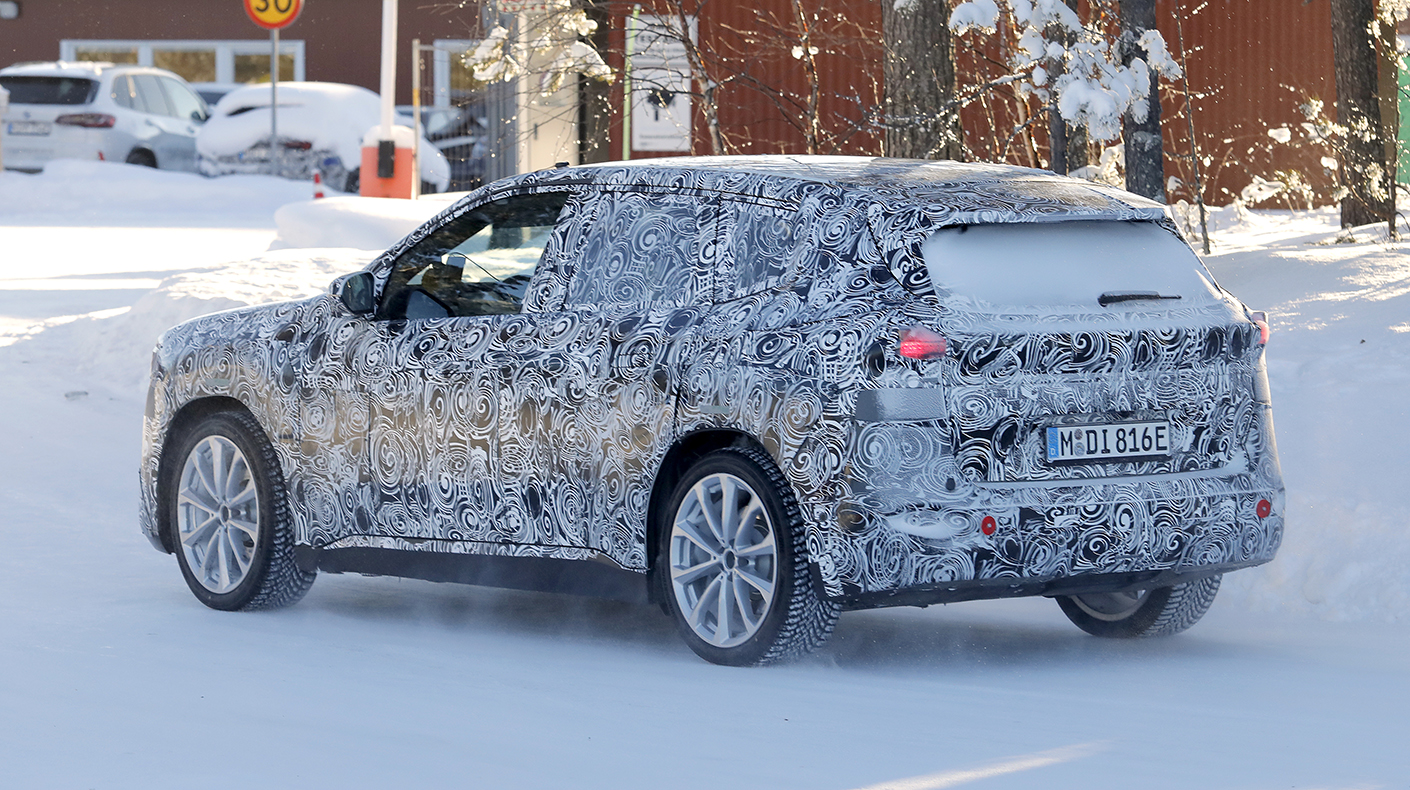
Equipped with low rolling-resistance tires, the camouflaged electric utility vehicle also flaunts a slightly different rear bumper from the pre-facelift iX1. The final piece of the puzzle comes in the form of new taillights, although these clusters appear to be placeholders rather than production lights.
Although the next iterations of the X1 and its electric sibling will retain the UKL2 front-biased platform, their cabins will also integrate a number of Neue Klasse features from the iX3 and the forthcoming i3. From the dash-spanning BMW Panoramic iDrive system to a strange-looking steering wheel and fewer physical controls, a lot will change inside.
The iX1 is also certain to benefit from Neue Klasse battery-electric technology, and Neue Klasse components should also help BMW develop stronger hybrid setups for the 48-volt and plug-in hybrid powertrains of the surprisingly popular X1.
Twinned with the X2 and 2 Series Active Tourer as well as the MINI brand's Countryman, the X1 is available in Germany with three- and four-cylinder engines from the B38, B48 and B47 families. The B47 turbo diesel of the xDrive23d is particularly notable, as it produces 295 lb.-ft. of torque.
Its 48-volt system contributes a further 41 lb.-ft. whenever necessary at low engine speeds for improved fuel economy. The X1 can also be had in M Performance trim. In the M35i, the B48-series engine produces diesel-rivaling torque and 296 hp.
There is, however, an even punchier X1 available in Germany. That X1 is the plug-in hybrid xDrive30e, whose maximum system output is estimated at 322 hp by the Munich-based automaker. The iX1, meanwhile, tops 309 hp for the xDrive30.
Given that Mercedes-Benz AG is considering BMW AG four-cylinder engines for certain models, most of the X1's current engines will surely be updated to comply with Euro 7 regulations. We also imagine that BMW will continue offering the X1 with two plug-in hybrid and two fully electric powertrain choices.