

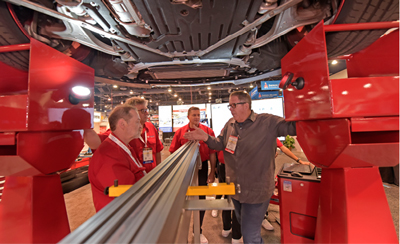
 It should come as no surprise that new proposals threatening cars and trucks can be of significant concern to automotive enthusiasts, who face the task of customizing and preserving classic cars while staying within evolving legal limits. History has shown that even well-intended bills can have a detrimental effect on the automotive community—but it’s also true that focused constituent awareness can often make a difference.
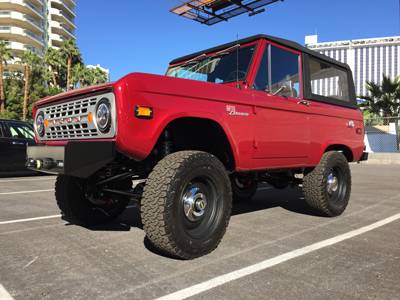 For most of the country’s automotive enthusiasts, drilling holes into the front bumper of a prized possession is both a sad and unavoidable occurrence. To them, the legal mandate to equip a license plate on their front bumper is like painting a mustache on the Mona Lisa.
President Trump announced that he will impose 10% tariffs on September 1 on the remaining $300 billion worth of Chinese goods not already subject to 25% tariffs.
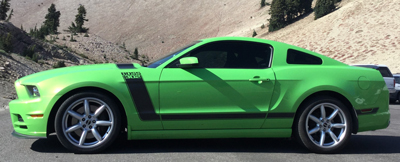 While there are more than a few automotive enthusiasts in Congress, the zeal of U.S. Representative Doug LaMalfa (R-CA) for the hobby and collection of classic vehicles puts him in a class by himself. LaMalfa started wrenching on cars during his formative years, and his passion for buying and personalizing vehicles continued to grow during the following decades.
After more than a decade of exemplary service as the chairman of the industry’s legislative watchdog, SEMA PAC Chairman Doug Evans has officially handed over the reins to John Hotchkis of Hotchkis Performance.
The California Coastal Commission heard the voices of thousands of OHV enthusiasts when it voted to continue permitting OHV use at the Oceano Dunes State Vehicular Recreation Area (SVRA).
The Rhode Island legislature passed SEMA-supported bills (S.B. 621/H.B. 5888) to allow vehicles with year of manufacture (YOM) tags to display a single license plate on the rear of the vehicle.
The Aftermarket IP Forum will be held Thursday, August 15, from 10:30 a.m.–4:30 p.m., at the Ford Conference and Events Center in Dearborn, Michigan.
Initially limited to 50 guests, an additional 25 tickets have been made available due to demand.
The U.S. House of Representatives passed a bill to gradually increase the federal minimum hourly wage from $7.25 to $15 by 2024.