Showing 10 of 30084

1975 SEMA Hall Of Fame Inductee

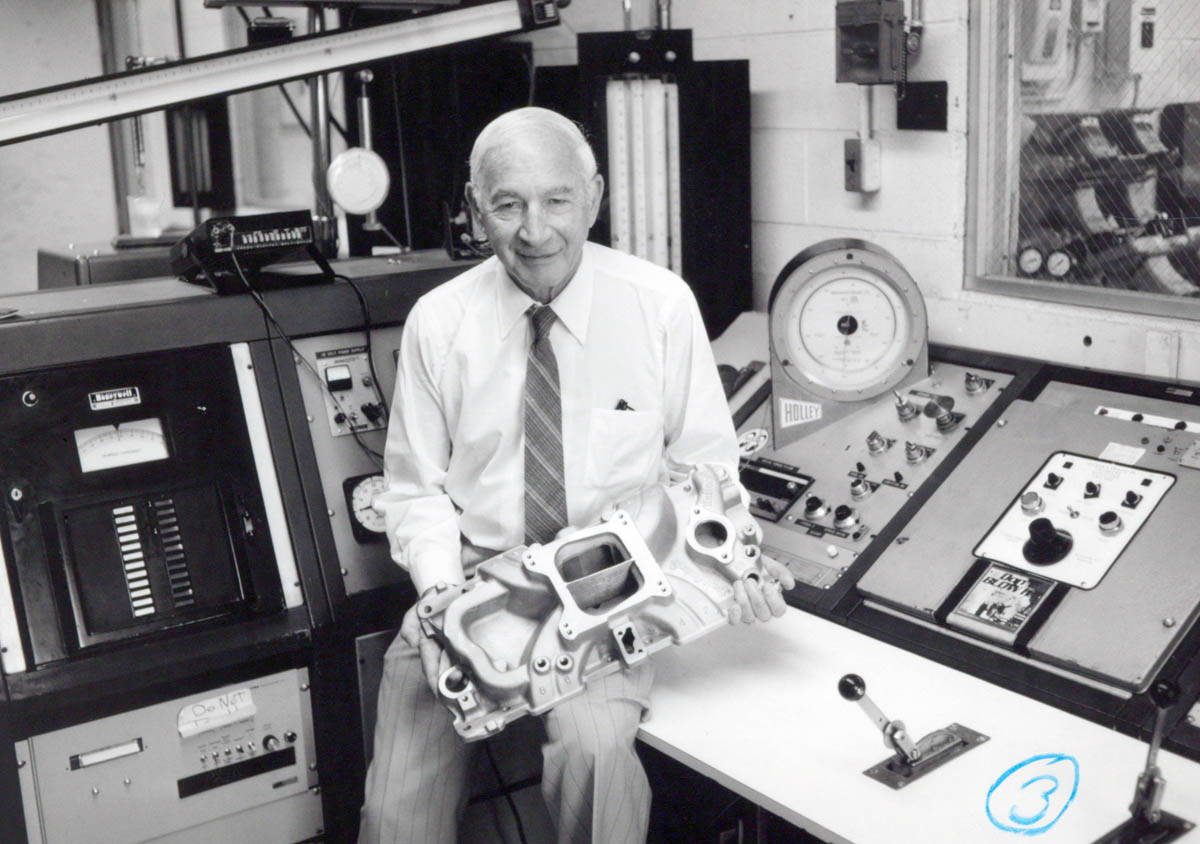
 SEMA Hall Of Fame Inductee - Phil Weiand

Phil Weiand

Weiand Automotive Industries

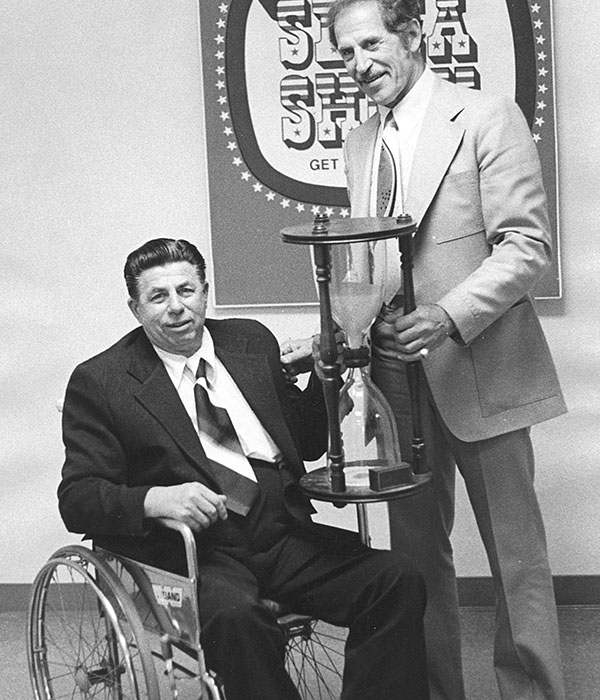
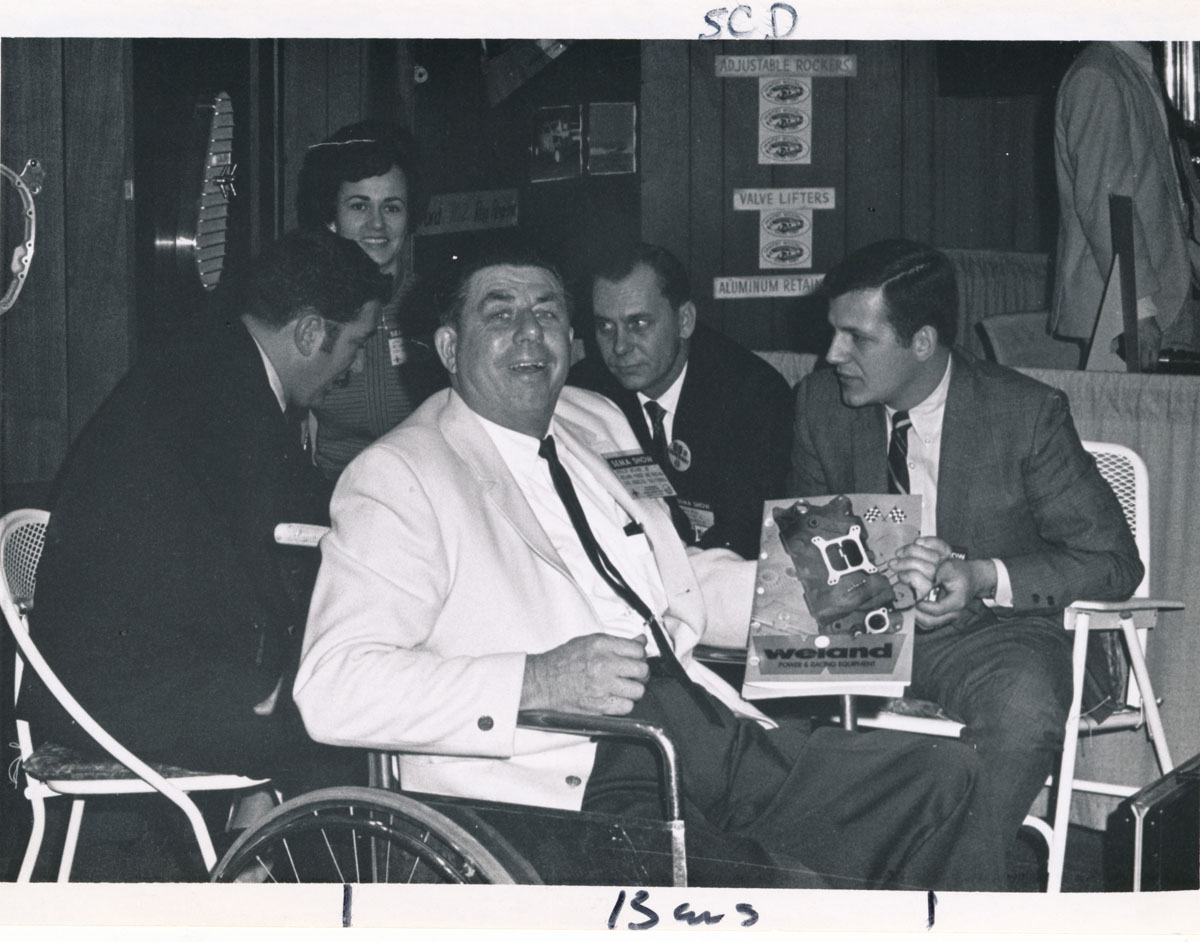
Phil’s company got its start by producing heads and intake manifolds for flathead V8s during the early days of hot rodding. His company grew to become one of the foremost suppliers of speed equipment in the 1950s, making a full assortment of products for early and late-model engines. The “high Weiand” (a manifold with tall carburetor stacks) was extremely popular with racers. A racer at heart, Phil didn’t allow paralysis from polio to interfere with his lust for cars; he converted a 1929 Ford Model A coupe and a 1934 Ford coupe to utilize hand controls.

1974 SEMA Hall Of Fame Inductee

 SEMA Hall Of Fame Inductee - Ed Elliott

Ed Elliott

Elliott-McMullen Advertising

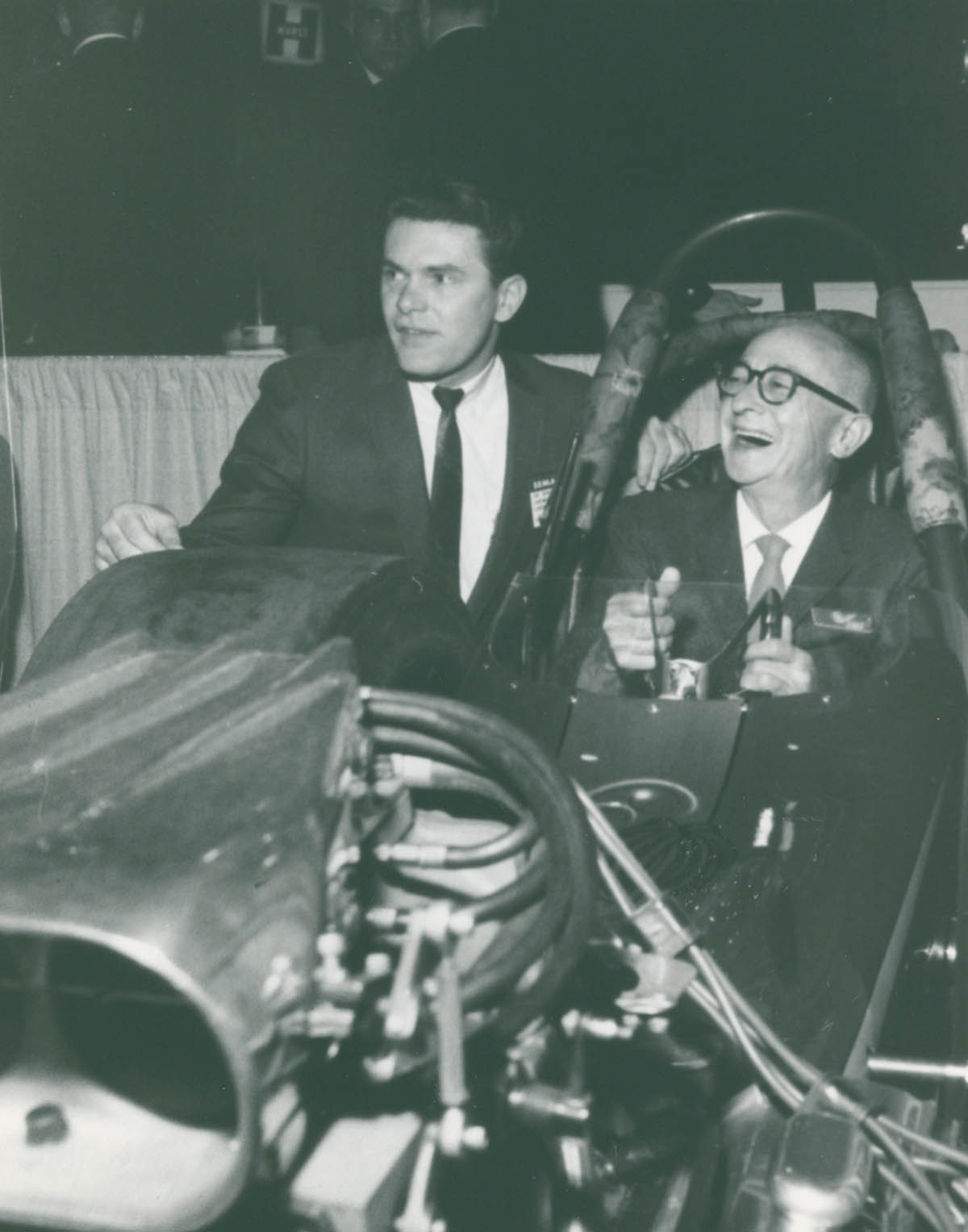
Remembered as the force behind the founding of SEMA in 1963, then known as the Speed Equipment Manufacturers Association, Ed devoted much of his time to the association and its organizational start-up. He was a partner in Elliott-McMullen Advertising, an agency serving the fledgling performance market, representing high-performance clients. It has long been said that the concept of SEMA was first discussed in the Elliott-McMullen offices.

1974 SEMA Hall Of Fame Inductee

 SEMA Hall Of Fame Inductee - Roy  Richter

Roy Richter

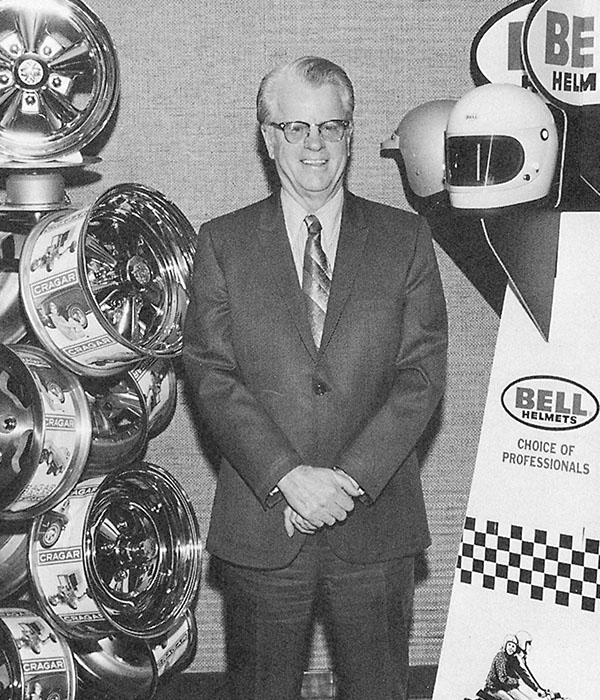
Cragar Industries

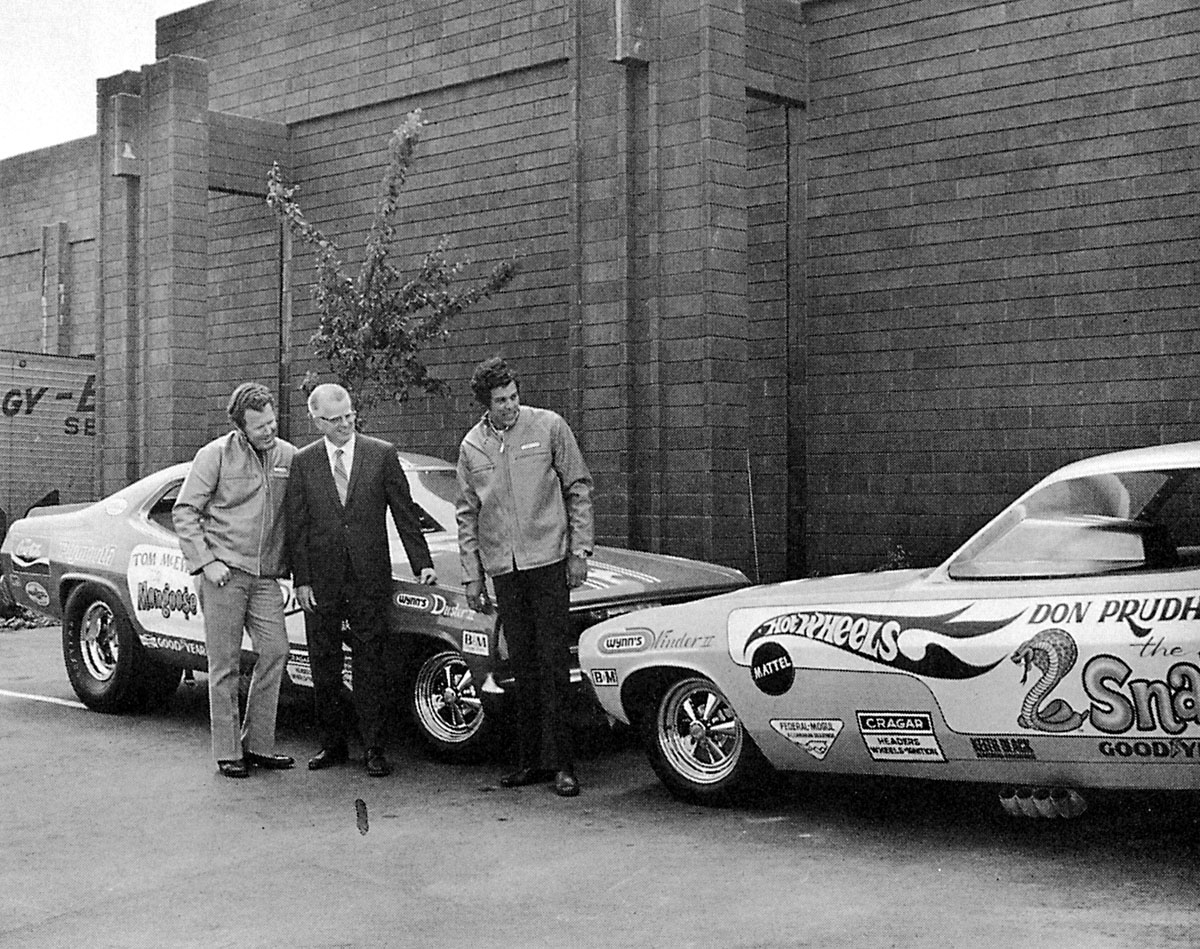
Roy owned and operated one of the first speed shops in Southern California. Roy’s innovative character inspired him to expand into manufacturing. He formed Cragar Wheels, one of the most popular aluminum alloy wheels to be sold in America from the 1960s on. Bell Helmets produced state-of-the-art head protection; Bell made its first helmet in 1954, known as the 500, and it was quickly accepted by the racing community. The original Bell 500 helmet and Cragar S/S Competition wheel are two products for which he’s best known. Cragar was one of SEMA’s 36 charter member companies, and Roy filled a number of positions within the association, including president from 1969-1971.

1973 SEMA Hall Of Fame Inductee

 SEMA Hall Of Fame Inductee - Zora Arkus-Duntov

Zora Arkus-Duntov

Chevrolet Motor Division

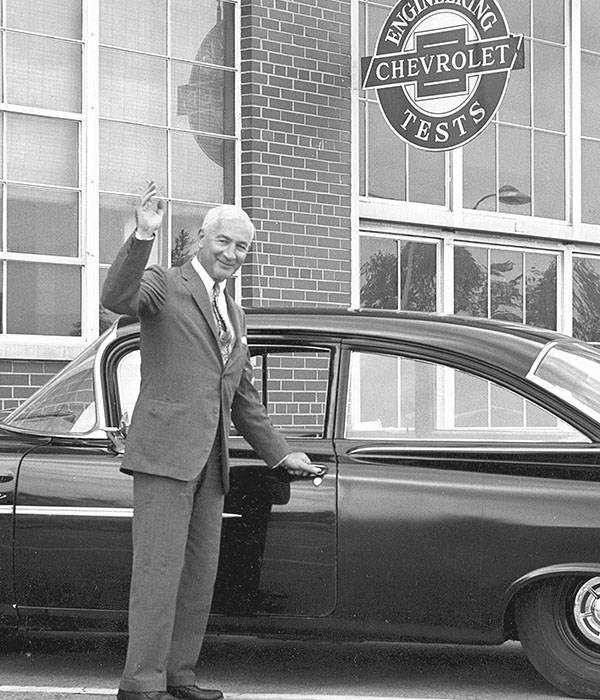
Acknowledged as the “Father of the Corvette,” Zora was a longtime employee of Chevrolet. He became popular as the designer of performance equipment for the ubiquitous small-block Chevy V8, including parts that carried his name, such as the Duntov high-lift camshaft. He also is credited with helping to introduce fuel injection to the Corvette in 1957. Showcasing the Corvette, Zora drove Pikes Peak in 1956 in a pre-production prototype Chevy, setting a stock car hill climb record. He also is credited with helping to bring fuel injection to the Corvette in 1957 and for introducing four-wheel disc brakes on a mass-produced American car. Zora is a member of the Drag Racing Hall of Fame, the Chevrolet Legends of Performance, the International Drag Racing Hall of Fame, the Automotive Hall of Fame and the National Corvette Museum Hall of Fame.

1972 SEMA Hall Of Fame Inductee

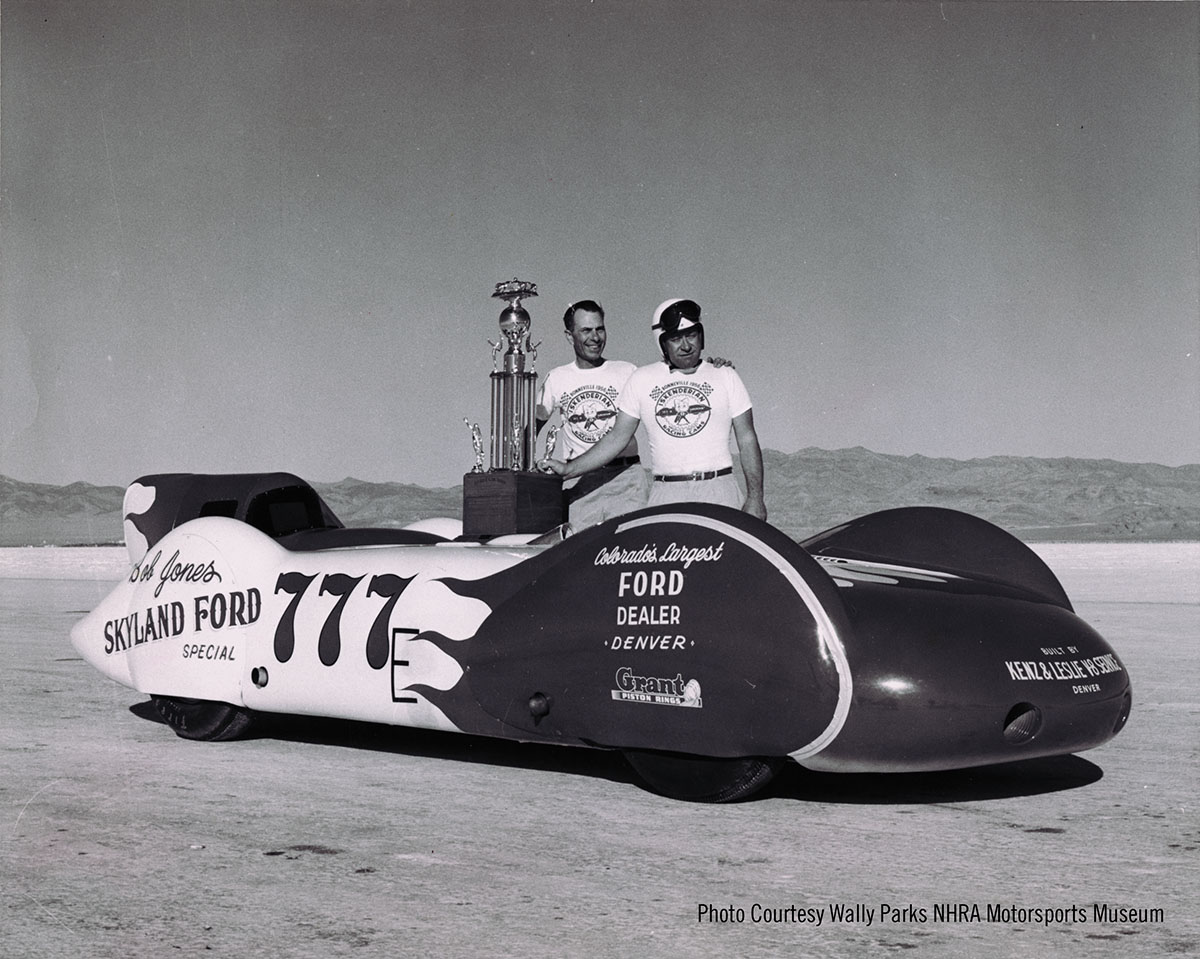
 SEMA Hall Of Fame Inductee - Roy  Leslie

Roy Leslie

Kenz & Leslie Accessories Ltd.

Former auto mechanic Roy Leslie partnered in business and racing with longtime friend Bill Kenz—the Kenz & Leslie parts business in Denver, as well as a streamliner of the same name that set records on the Bonneville Salt Flats. In fact, he had set a new world’s land speed record, and had the quickest speed on record for an American driver in an American car. Roy imparted the integrity and virtue of an honorable businessman.

1971 SEMA Hall Of Fame Inductee

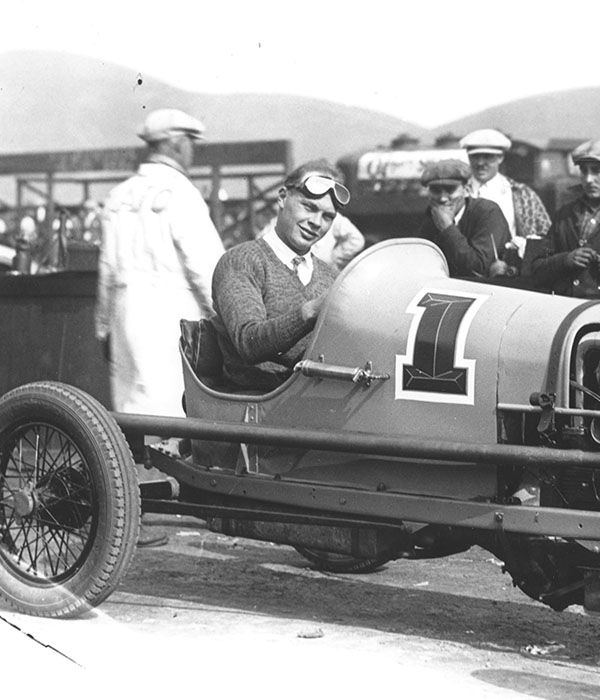
 SEMA Hall Of Fame Inductee - Ed Winfield

Ed Winfield

Winfield Carburetors

Winfield carburetors were commonly found on race cars of the 1940s through 1970s, as were cams for Indy Novi engines, all uniquely designed for all-out competition by Ed Winfield. Ed’s innovative design earned him the title “Carburetor Wizard.” He’s considered by many to be a performance pioneer; the Winfield Carburetor Company began in 1924, and its carburetors were an Indianapolis 500 staple. Ed also dabbled in fuel systems and is credited with designing the first harmonic balancer. He was also at the forefront of the high-performance camshaft grinder.

1970 SEMA Hall Of Fame Inductee

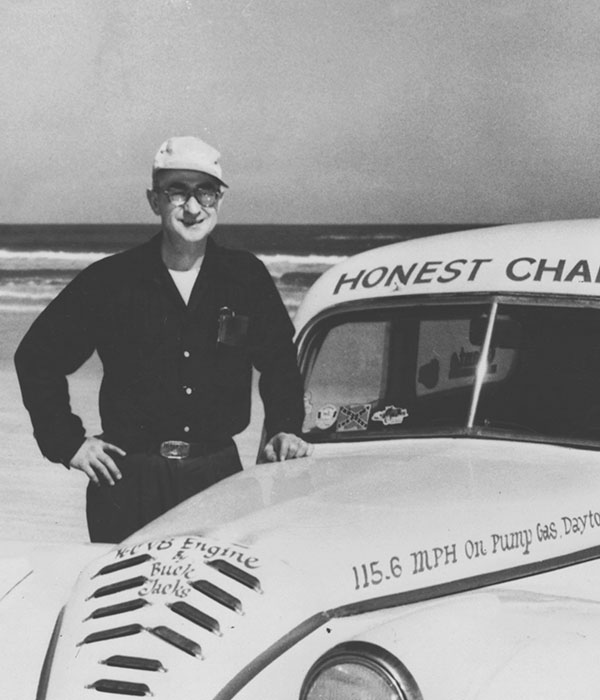
 SEMA Hall Of Fame Inductee - Charley Card

Charley Card

Honest Charley's

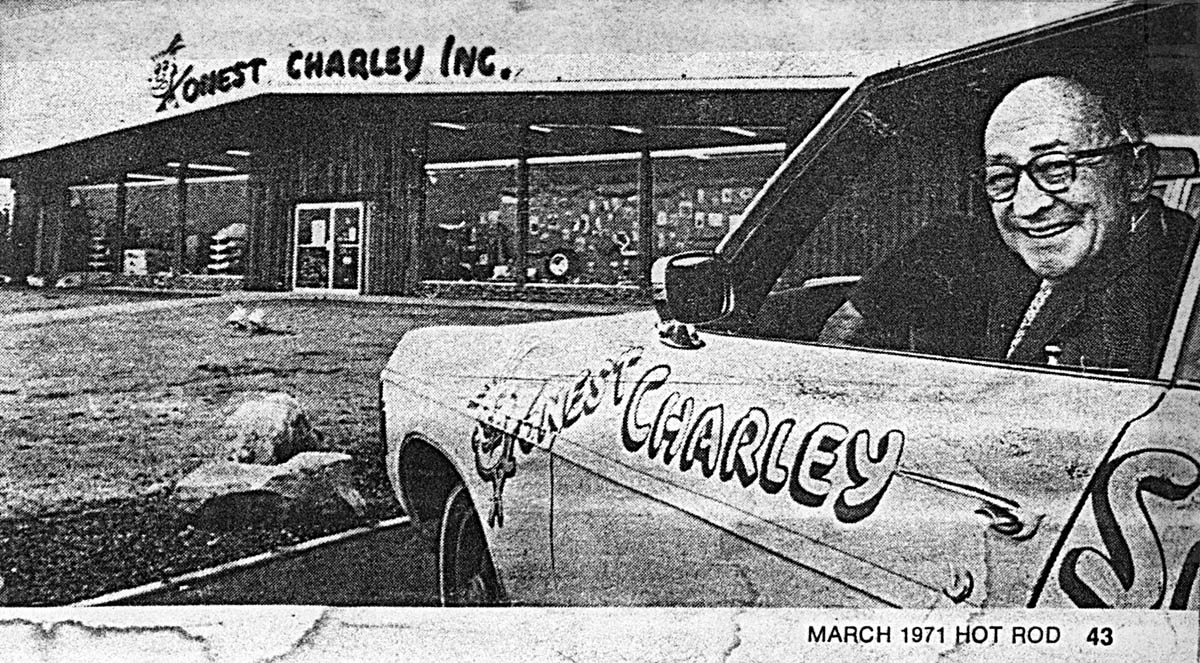
“Honest Charley’s” was one of the first speed shops to distribute a “wish book,” an accessories catalog. “Honest Charley” Card was an innovative marketer and celebrity of the speed and custom equipment trade. Charley, a life-long car guy, grew his local speed shop into a successful coast-to-coast mail-order business. As a pioneer of the retail business, he was one of the first to publish a parts catalog—back in 1948. He also was among the earliest adopters of computers, proud of the IBM 360 his company used to track inventory and orders.

1969 SEMA Hall Of Fame Inductee

 SEMA Hall Of Fame Inductee - Paul Schiefer

Paul Schiefer

Schiefer Equipment Co.

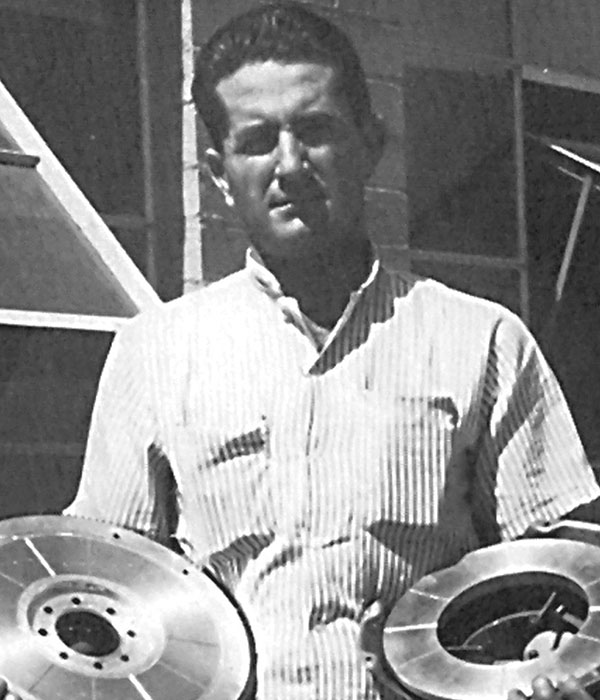
A speed equipment industry pioneer, Paul developed the earliest flywheels and clutches for all-out racing and high performance. He owned and operated Schiefer Manufacturing Company; it became the largest manufacturer of specialty drivetrain components in the world. Paul was also instrumental in the formation of SEMA and some of its earliest initiatives. He was the recipient of the first SEMA Hall of Fame Award in 1969. He so much embodied the directives set down by the Board of Directors to honor the founders of the industry that the award was originally called the “Paul Schiefer Old Timer's Memorial Award.”

2015 SEMA Hall Of Fame Inductee

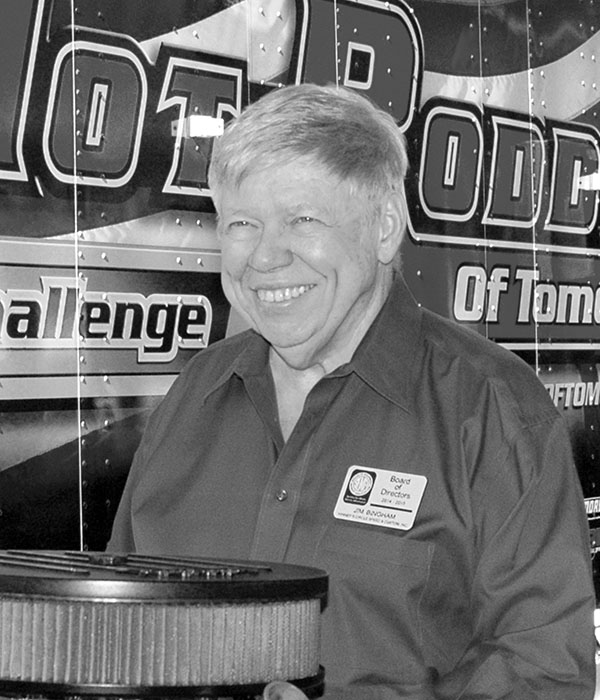
 SEMA Hall Of Fame Inductee - Jim  Bingham

Jim Bingham

Winners Circle Speed & Custom Inc.

Profiles of SEMA Hall of Fame inductees are not typically love stories. But you cannot tell the journey of Jim Bingham without it being one: Love of father. Love of wife. Love of aftermarket.


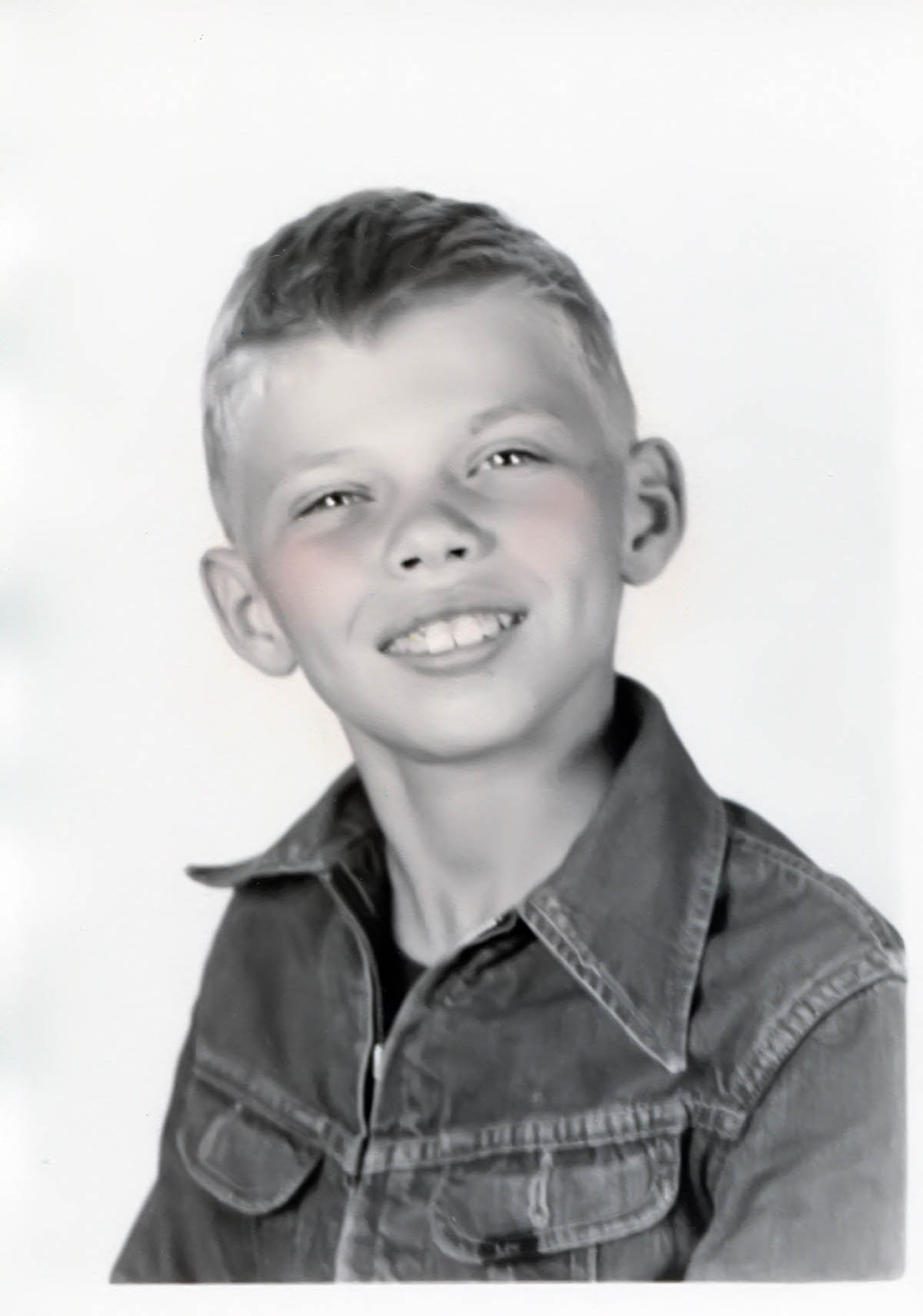
It began in Indiana. Bingham grew up on a farm in Enos, which was small-town life to the fullest.


“I went to a two-room schoolhouse for the first eight grades, and there were only two of us in my class,” Bingham said.


His first employer was his dad, Leonard James. At the age of nine, Bingham was driving a hay baler on the family farm. By about 13, he was doing everything, acting as Leonard James’s right arm.


“I was his best bud,” Bingham said. “I was everywhere he went. I was always assisting him in whatever he did, and I think that’s where I learned to help people.”


Bingham went to nearby Morocco High School, and he pondered a career as a civil engineer building roads and bridges. But after a tour of Purdue, he told his father his plan, “and I could see the look in his eyes,” so Bingham stayed on the farm, then enlisted in the U.S. Army and served three years, specializing in missile defense.


Outside the farm work and the military, Bingham had brief stints piecing together electronic circuit boards, working at a steel mill, putting up farm buildings across America, and as a specialty collection teller at a bank. But around 1966, he had an itch to come back to the farm. Thanks to that decision—as well as an opportunity to go along with his father to look at some farmland—he met his future wife, Linda. Soon, she would act as his right arm.


By 1968, Bingham realized that he wasn’t making it financially by farming and joined a construction company that was building highway I-65 in Indiana. But it was not what he wanted to do.


“I always thought it would be neat to look up parts,” he said. “Whenever I went to a parts store or an implement dealer, I thought the guys who went through catalogs had a really neat job, an important job.”


He answered a help-wanted ad for a counterman trainee at Lang Auto Parts and got the job.


“Lang had performance parts, and when those customers would come in, the other guys didn’t want to wait on them,” he said. “They thought it was a fad, and because I was young and those customers were young, it was my job to wait on them. I didn’t know what headers were or even intake manifolds.”


But Bingham did recognize supply and demand and suggested that the owner expand the store to ensure that parts were always in stock. The owner did not share Bingham’s vision, but a drag racer named Don Wiley did.


“If you took our business plan to a bank today, they’d laugh you out,” Bingham said. “But I’ve always been a risk taker.”


By now, Bingham was 26 years old with a wife and twin daughters. So he and Wiley immediately found a building—directly across the street from Lang, their competition. They opened Winner’s Circle Speed and Custom in 1970 in Kankakee, Illinois.


“That first summer, we were so determined, our hours were 8:00 a.m.–10:00 p.m.,” Bingham said. “We were young and willing to work tons of hours.”


The business took off fast, and they opened a second store in Joliet later that year. A few months later, they had a third in Peoria.


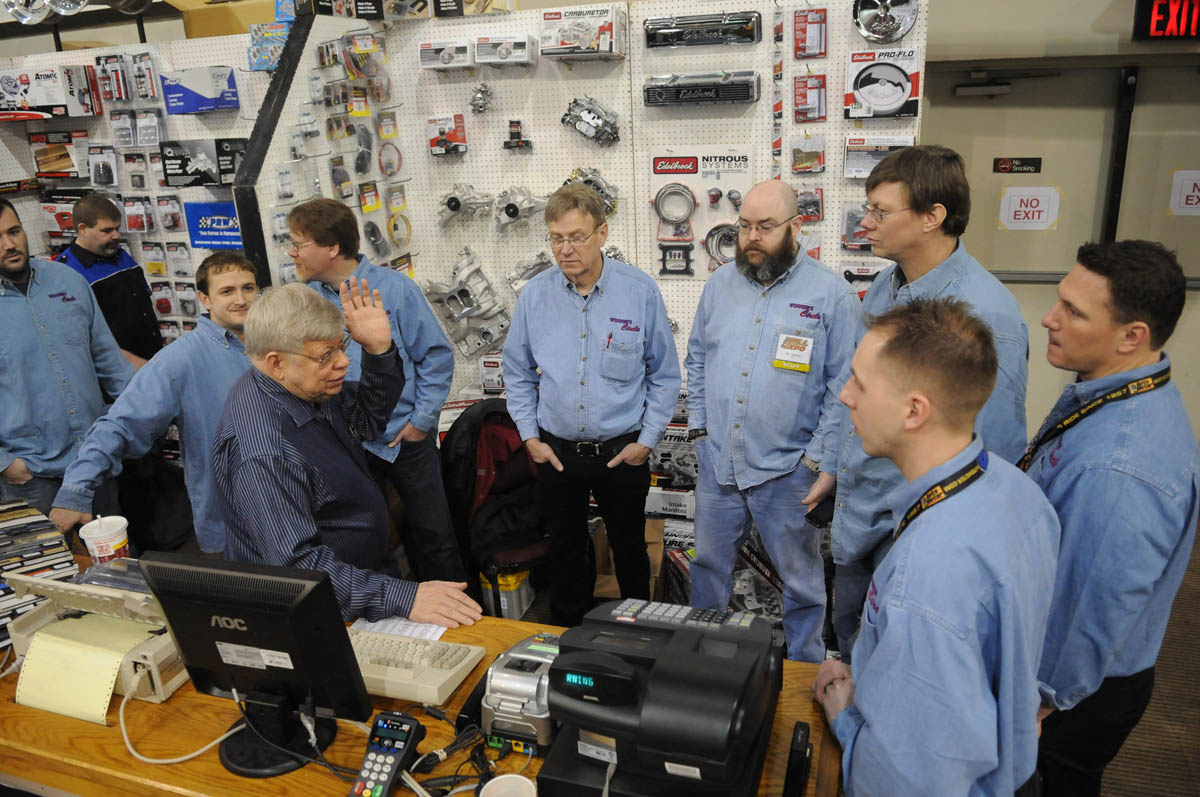
Bingham and Wiley parted ways about a decade later, and now Jim and Linda own three retail stores: Joliet, Peoria and East Moline. Linda is the controller and has been working at the company since day one.


“I think it’s improved our marriage,” Bingham said. “She raised our kids, she’s been my bookkeeper, and she’ll sometimes stay behind with the business to make sure there are no problems when I travel. God brought me the best woman in the world.”


Bingham’s father passed away in 1993. “All of a sudden, the light started clicking,” he said. “I’m next and haven’t done what I want to do.” That translated into helping get Route 66 Raceway in Joliet built, followed by Chicagoland Speedway, also in Joliet. Bingham is one of the owners.


He attended his first SEMA Show one year after Winner’s Circle took flight, and through the years, he has volunteered with the SEMA Membership Committee and various other committees, and he has been a board member for the Performance Warehouse Association. He has been active on the SEMA Board of Directors and received the association’s Chairman’s Service Award.


One of his greatest passions is his involvement in the Hot Rodders of Tomorrow Engine Challenge.


“I’m selfish—I love this industry and I want more people to come to this industry,” he said. “I want them to go work for performance people.”


In fact, Bingham currently has four members of the Hot Rodders Joliet team working for his company. And he is lucky enough to have members of his family at his side, too. His son Rodney James has taken the reigns of the Challenge, and grandson Noah works in the store.


Despite his significant contributions, being inducted into the SEMA Hall of Fame was not on his radar.


“I thought it would be neat, but I didn’t feel I was on that path,” he said.


Deep down, he is still simply an industrious farm boy. Yet he will have been in the aftermarket industry for 45 years in June, noting, “I’d like to make it to 50!”