Thu, 07/11/2019 - 11:46

Jaguar
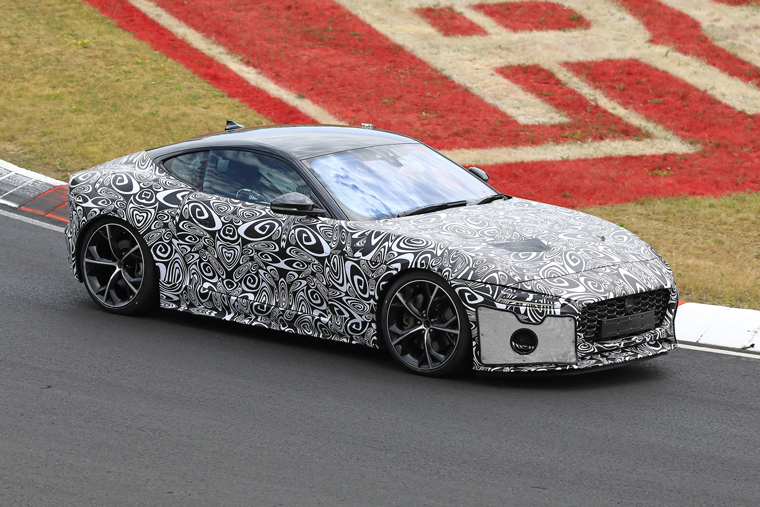
It may not seem six years old, but the Jaguar F-type has been around since 2013, and hence work on its replacement is well underway. Prototypes for the coupe and Cabrio have been caught testing at the German Nürburgring.

As expected, the new car looks to move away from the E-type lines the current car riffs on; the grille is larger, the headlights slimmer and sharper, while the rear lights look svelte and squared-off, too.

This is certainly going to be a sharper, more aggressive-looking F-type, and that could be more proof that JLR is indeed moving it into the path of the Porsche 911. However, the two-seater snapped here isn’t the one that will directly go against Stuttgart’s flagship. In fact, there will be a 2+2 versions of the F-type as well.

This is not an all-new model; instead, expect it to take the aluminum structure of today’s car and evolve it for service well into the next decade.

That means a series of technical upgrades to make the F-type cleaner, more economical and easier to produce, as well as a refreshed wardrobe and a sprinkling of the latest gadgets, including more sophisticated self-driving tech.

The photos show the direction that Jaguar is taking its sports car for the next generation. Thin, horizontal headlamps are ushered in, replacing the more vertical arrangements today, helping to give the F a fresh, more modern face. But as the prototype shows, this is still recognizably an F-type, given a 911-style evolutionary polish.

Both bodystyles will continue: the coupe and a soft-top roadster will again be offered, as Jaguar mops up sales in different parts of the world. Sports-car sales globally have been in decline for many years, but bosses back in Coventry argue that halo effect of such a sports car outweighs the financial cost of developing such a niche proposition.

All spy photos to date capture what looks like a two-seater, so the 2+2 is expected to be a separate project.

This has the benefit of extending the F’s practicality, and arguably moving the price point 911-wards, away from the cheaper Porsche 718 Cayman and Boxster twins. The outgoing F has been positioned deliberately halfway between the two Porsches.

So-called Project Jennifer is the codename for the BMW-supplied 4.4L 560-hp twin-turbo V8, which is due to kick out the long-running supercharged 5.0L V8 originally patented by Ford.

The notably more economical new engine will eventually also find its way into the high-end Range Rovers and Jaguars. Four-cylinder models will again be offered, using JLR’s inhouse Ingenium models.

The new ’21 F-type will remain a front-engine sports car; recent speculation it could go mid-engined refers to a possible additional model, not the F-type successor.

There is even talk of a purely electric Jaguar F-type featuring a 100kWh energy cell and two e-motors rated at 150kW/350Nm each. An electric F-type wouldn’t launch before 2023, and this powertrain is still up in the air, given that battery tech is moving apace.

Jaguar

Photo credit: Brian Williams, SpiedBilde

Thu, 07/11/2019 - 11:35

By SEMA Editors

Tom GattusoThe Facebook Live videos are designed to provide transparency for attendees and exhibitors and offer insight on what Showgoers should be keying on before they get to Las Vegas.

SEMA's Vice President of Events Tom Gattuso held a Facebook Live session this week to provide attendees with a sense of where they should be in planning for the 2019 SEMA Show, which is 118 days away.

View the Facebook Live video.

Here are some examples of what Gatusso discussed.

Planning Time on the Show Floor
The average buyer attends the Show for about 16 hours, which is about two Show days. Over the period of two days, buyers can only interact with a certain number of exhibitors, so making a plan that allows you to hit the Show floor with a method for generating new business and interacting with existing contacts is crucial.

Put together a plan with a goal and a gameplay before you arrive in Las Vegas to make efficient use of your time while you're at the Show.

Show Resources
Start using the resources—such as social media, eNews, and the SEMA News magazine—that will help you research and deploy your plan. Gattuso also encourages Showgoers to download the SEMA Show mobile app when it becomes available in mid- to late-August. "The app really puts the Show in palm of your hand," said Gattuso. "We want buyers to start with the app and carry that with them to the Show floor."

SEMAShow.com
The SEMA Show website (www.SEMAShow.com) is not only where attendees and exhibitors can register for the Show, the site also includes a map of the Show's floorpan, the education sessions available for the week, information on ground transportation, simple access the Show's Official Hotels, and much more.

For exhibitors, the site includes the Exhibitor Services Manual (ESM), the online exhibitor resource that contains all of the pertinent information and forms to prepare for a successful SEMA Show. The ESM also contains information on early bird rates for booth services, deadline and budget check lists, shipping information, sponsorship opportunities and much more.

eNews
Pay closer attention to SEMA eNews, the association's weekly newsletter, which regularly contain updates and breaking news about the Show and exhibitors, education previews, new product previews, celebrity appearances, and Show attractions.

Social Media Channels
The Facebook Live videos are designed to provide transparency for attendees and exhibitors and offer insight on what Showgoers should be keying in on before they get to Las Vegas.

SEMA News Magazine
A monthly update with planning tips and news about the Show.

Education Sessions
There are more than 100 sessions planned for the Show designed to provide tips or best practices that can be applied for the next 12 to 24 months.

Visit www.SEMAShow.com to learn more about the 2019 SEMA Show.

Thu, 07/11/2019 - 11:35

By SEMA Editors

Tom GattusoThe Facebook Live videos are designed to provide transparency for attendees and exhibitors and offer insight on what Showgoers should be keying on before they get to Las Vegas.

SEMA's Vice President of Events Tom Gattuso held a Facebook Live session this week to provide attendees with a sense of where they should be in planning for the 2019 SEMA Show, which is 118 days away.

View the Facebook Live video.

Here are some examples of what Gatusso discussed.

Planning Time on the Show Floor
The average buyer attends the Show for about 16 hours, which is about two Show days. Over the period of two days, buyers can only interact with a certain number of exhibitors, so making a plan that allows you to hit the Show floor with a method for generating new business and interacting with existing contacts is crucial.

Put together a plan with a goal and a gameplay before you arrive in Las Vegas to make efficient use of your time while you're at the Show.

Show Resources
Start using the resources—such as social media, eNews, and the SEMA News magazine—that will help you research and deploy your plan. Gattuso also encourages Showgoers to download the SEMA Show mobile app when it becomes available in mid- to late-August. "The app really puts the Show in palm of your hand," said Gattuso. "We want buyers to start with the app and carry that with them to the Show floor."

SEMAShow.com
The SEMA Show website (www.SEMAShow.com) is not only where attendees and exhibitors can register for the Show, the site also includes a map of the Show's floorpan, the education sessions available for the week, information on ground transportation, simple access the Show's Official Hotels, and much more.

For exhibitors, the site includes the Exhibitor Services Manual (ESM), the online exhibitor resource that contains all of the pertinent information and forms to prepare for a successful SEMA Show. The ESM also contains information on early bird rates for booth services, deadline and budget check lists, shipping information, sponsorship opportunities and much more.

eNews
Pay closer attention to SEMA eNews, the association's weekly newsletter, which regularly contain updates and breaking news about the Show and exhibitors, education previews, new product previews, celebrity appearances, and Show attractions.

Social Media Channels
The Facebook Live videos are designed to provide transparency for attendees and exhibitors and offer insight on what Showgoers should be keying in on before they get to Las Vegas.

SEMA News Magazine
A monthly update with planning tips and news about the Show.

Education Sessions
There are more than 100 sessions planned for the Show designed to provide tips or best practices that can be applied for the next 12 to 24 months.

Visit www.SEMAShow.com to learn more about the 2019 SEMA Show.

Thu, 07/11/2019 - 11:27

By SEMA Washington, D.C., Staff

The U.S. Trade Representative (USTR) will exclude certain items from the 25% tariffs imposed on July 6, 2018, on $34 billion worth of products from China. The so-called List 1 tariffed products cover 818 Harmonized Tariff System code listings, including miscellaneous metal and rubber parts for auto equipment, machinery, tools, measurement and medical devices.  

The USTR has granted exclusion requests for 110 separate HTS code listings. They range from compression-ignition engines with maximum power within the 50–120 kW range to motor vehicle oil pump housings, plastic pump parts and certain steel valves along with a variety of non-auto-related products. View specific items here.

To be eligible for an exclusion, companies had to demonstrate that the product is available only from China, that the duties will cause severe economic harm and that the good is strategically important. The exclusions cover all imports under the HTS listing number, not just the request filed by an individual importer.  

In related news, the USTR has yet to begin reviewing exclusion requests for List 2 products valued at $16 billion. Tweny-five-percent tariffs were imposed August 23, 2018, and cover 279 HTS code listings, including many types of plastics.   

The USTR has just begun accepting exclusion requests for List 3 products imported from China. Requests must be submitted by September 30, 2019. Click here for additional information about List 3 extension requests. The List 3 group are subject to 25% tariffs and cover nearly $200 billion worth of products including many auto parts, from engines and metal fasteners to tires, transmission belts, brake pads and suspension springs.  

For more information, contact Stuart Gosswein at stuartg@sema.org.

Thu, 07/11/2019 - 11:27

By SEMA Washington, D.C., Staff

The U.S. Trade Representative (USTR) will exclude certain items from the 25% tariffs imposed on July 6, 2018, on $34 billion worth of products from China. The so-called List 1 tariffed products cover 818 Harmonized Tariff System code listings, including miscellaneous metal and rubber parts for auto equipment, machinery, tools, measurement and medical devices.  

The USTR has granted exclusion requests for 110 separate HTS code listings. They range from compression-ignition engines with maximum power within the 50–120 kW range to motor vehicle oil pump housings, plastic pump parts and certain steel valves along with a variety of non-auto-related products. View specific items here.

To be eligible for an exclusion, companies had to demonstrate that the product is available only from China, that the duties will cause severe economic harm and that the good is strategically important. The exclusions cover all imports under the HTS listing number, not just the request filed by an individual importer.  

In related news, the USTR has yet to begin reviewing exclusion requests for List 2 products valued at $16 billion. Tweny-five-percent tariffs were imposed August 23, 2018, and cover 279 HTS code listings, including many types of plastics.   

The USTR has just begun accepting exclusion requests for List 3 products imported from China. Requests must be submitted by September 30, 2019. Click here for additional information about List 3 extension requests. The List 3 group are subject to 25% tariffs and cover nearly $200 billion worth of products including many auto parts, from engines and metal fasteners to tires, transmission belts, brake pads and suspension springs.  

For more information, contact Stuart Gosswein at stuartg@sema.org.

Thu, 07/11/2019 - 11:27

By SEMA Washington, D.C., Staff

The U.S. Trade Representative (USTR) will exclude certain items from the 25% tariffs imposed on July 6, 2018, on $34 billion worth of products from China. The so-called List 1 tariffed products cover 818 Harmonized Tariff System code listings, including miscellaneous metal and rubber parts for auto equipment, machinery, tools, measurement and medical devices.  

The USTR has granted exclusion requests for 110 separate HTS code listings. They range from compression-ignition engines with maximum power within the 50–120 kW range to motor vehicle oil pump housings, plastic pump parts and certain steel valves along with a variety of non-auto-related products. View specific items here.

To be eligible for an exclusion, companies had to demonstrate that the product is available only from China, that the duties will cause severe economic harm and that the good is strategically important. The exclusions cover all imports under the HTS listing number, not just the request filed by an individual importer.  

In related news, the USTR has yet to begin reviewing exclusion requests for List 2 products valued at $16 billion. Tweny-five-percent tariffs were imposed August 23, 2018, and cover 279 HTS code listings, including many types of plastics.   

The USTR has just begun accepting exclusion requests for List 3 products imported from China. Requests must be submitted by September 30, 2019. Click here for additional information about List 3 extension requests. The List 3 group are subject to 25% tariffs and cover nearly $200 billion worth of products including many auto parts, from engines and metal fasteners to tires, transmission belts, brake pads and suspension springs.  

For more information, contact Stuart Gosswein at stuartg@sema.org.

Thu, 07/11/2019 - 11:24

By SEMA Washington, D.C., Staff

Hawaii
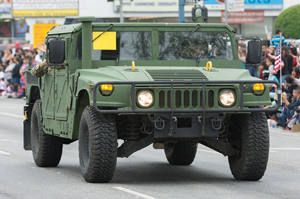
Hawaii Governor David Ige vetoed legislation (H.B. 323) that would have allowed for the titling and registration of former military vehicles.

Hawaii Governor David Ige vetoed legislation (H.B. 323) that would have allowed for the titling and registration of former military vehicles. The bill unanimously passed both chambers of the legislature.

The bill defined a former military vehicle as a Pinzgauer, Kaiser Jeep M715, Humvee or DUKW (Duck) that is 25 years old or older.

In announcing his intent to veto the legislation, Governor Ige explained that he believed the bill would result in vehicles that do not conform to emissions and federal safety standards operating on Hawaii’s roadways.

For more information, visit the SEMA Action Network (SAN) website.

For details, contact Christian Robinson at stateleg@sema.org.


Thu, 07/11/2019 - 11:24

By SEMA Washington, D.C., Staff

Hawaii
Hawaii Governor David Ige vetoed legislation (H.B. 323) that would have allowed for the titling and registration of former military vehicles.

Hawaii Governor David Ige vetoed legislation (H.B. 323) that would have allowed for the titling and registration of former military vehicles. The bill unanimously passed both chambers of the legislature.

The bill defined a former military vehicle as a Pinzgauer, Kaiser Jeep M715, Humvee or DUKW (Duck) that is 25 years old or older.

In announcing his intent to veto the legislation, Governor Ige explained that he believed the bill would result in vehicles that do not conform to emissions and federal safety standards operating on Hawaii’s roadways.

For more information, visit the SEMA Action Network (SAN) website.

For details, contact Christian Robinson at stateleg@sema.org.


Thu, 07/11/2019 - 11:24

By SEMA Washington, D.C., Staff

Hawaii
Hawaii Governor David Ige vetoed legislation (H.B. 323) that would have allowed for the titling and registration of former military vehicles.

Hawaii Governor David Ige vetoed legislation (H.B. 323) that would have allowed for the titling and registration of former military vehicles. The bill unanimously passed both chambers of the legislature.

The bill defined a former military vehicle as a Pinzgauer, Kaiser Jeep M715, Humvee or DUKW (Duck) that is 25 years old or older.

In announcing his intent to veto the legislation, Governor Ige explained that he believed the bill would result in vehicles that do not conform to emissions and federal safety standards operating on Hawaii’s roadways.

For more information, visit the SEMA Action Network (SAN) website.

For details, contact Christian Robinson at stateleg@sema.org.


Thu, 07/11/2019 - 11:24

By SEMA Washington, D.C., Staff

Hawaii
Hawaii Governor David Ige vetoed legislation (H.B. 323) that would have allowed for the titling and registration of former military vehicles.

Hawaii Governor David Ige vetoed legislation (H.B. 323) that would have allowed for the titling and registration of former military vehicles. The bill unanimously passed both chambers of the legislature.

The bill defined a former military vehicle as a Pinzgauer, Kaiser Jeep M715, Humvee or DUKW (Duck) that is 25 years old or older.

In announcing his intent to veto the legislation, Governor Ige explained that he believed the bill would result in vehicles that do not conform to emissions and federal safety standards operating on Hawaii’s roadways.

For more information, visit the SEMA Action Network (SAN) website.

For details, contact Christian Robinson at stateleg@sema.org.