Mon, 04/07/2025 - 07:58

Story and photos by Andreas Conradt, Automedia


BMW X5 Gets Neue Klasse Design Update
BMW X5 Neue Klasse


As part of BMW's expansion of the Neue Klasse design to models not using the Neue Klasse architecture, the German brand was recently spotted testing the upcoming X5/iX5 SUV bearing the unmistakable Neue Klasse look.

Built on the CLAR platform, which can accommodate both electric and combustion powertrains, the midsize SUV is expected to be offered in both gas-powered and electric variants.

BMW X5 Neue Klasse


The prototype in new images captured by SEMA News sources show a vehicle that is much longer and wider than the previously spotted BMW iX3, as well as the Vision Neue Klasse X reveal. The split rear window, possibly followed by a fourth window in the rear quarter panel area, emphasizes the longer wheelbase. The headlights and the kidney grille, which is likely hidden under the heavy camo wrap, took inspiration from the Neue Klasse X design.

Although not immediately obvious, the prototype spied near the Arctic Circle features intriguing door handles that resemble those seen on the Neue Klasse concepts cars. These are positioned at the base of the door pillars.

The upcoming BMW X5 (G65) is expected to start production in Spartanburg, South Carolina, toward the end of 2026. The electric iX5 will feature the sixth-generation BMW eDrive technology introduced with the Neue Klasse. The same goes for the advanced driver assistance systems (ADAS), with no less than Level-3 autonomy features expected.

Porsche Prepares Cayenne Coupe EV at the 'Ring
Porsche Cayenne Coupe EV


Porsche was recently spotted testing the first-ever Cayenne Coupe electric vehicle (EV) at the Nürburgring.

The battery-powered Cayenne EV is expected to bear more than a passing resemblance to the gas-powered variant, according to sources. The Cayenne EV is also expected to ride on the same platform as the new Macan EV and will slot below the still unseen flagship electric SUV "K1" that Porsche has confirmed to arrive sometime in 2028 or 2029.

Porsche Cayenne Coupe EV


What's not going to change with the new generation Cayenne is the split of the range into the standard SUV and the Cayenne Coupe. While the first has been photographed in various locations throughout the last months, these are the best shots yet of the Coupe, which will hit dealers a couple of months after the SUV's debut.

While the two cars are virtually identical from front bumper to B-pillar, the Coupe features a sloping roofline with lower rear side doors and a very tiny rear side window. The entire back will be different, too, and give the Cayenne a much sportier appearance.

The electric Cayenne SUV will be an all-new vehicle for the Porsche brand, and we expect to see it debut in late 2025 as a '26 model. The coupe is believed to follow some six to 12 months later. As of now, there's no word on powertrain options, range or performance.

Thu, 04/03/2025 - 22:27

From the SEMA Washington, D.C., office
Tariffs


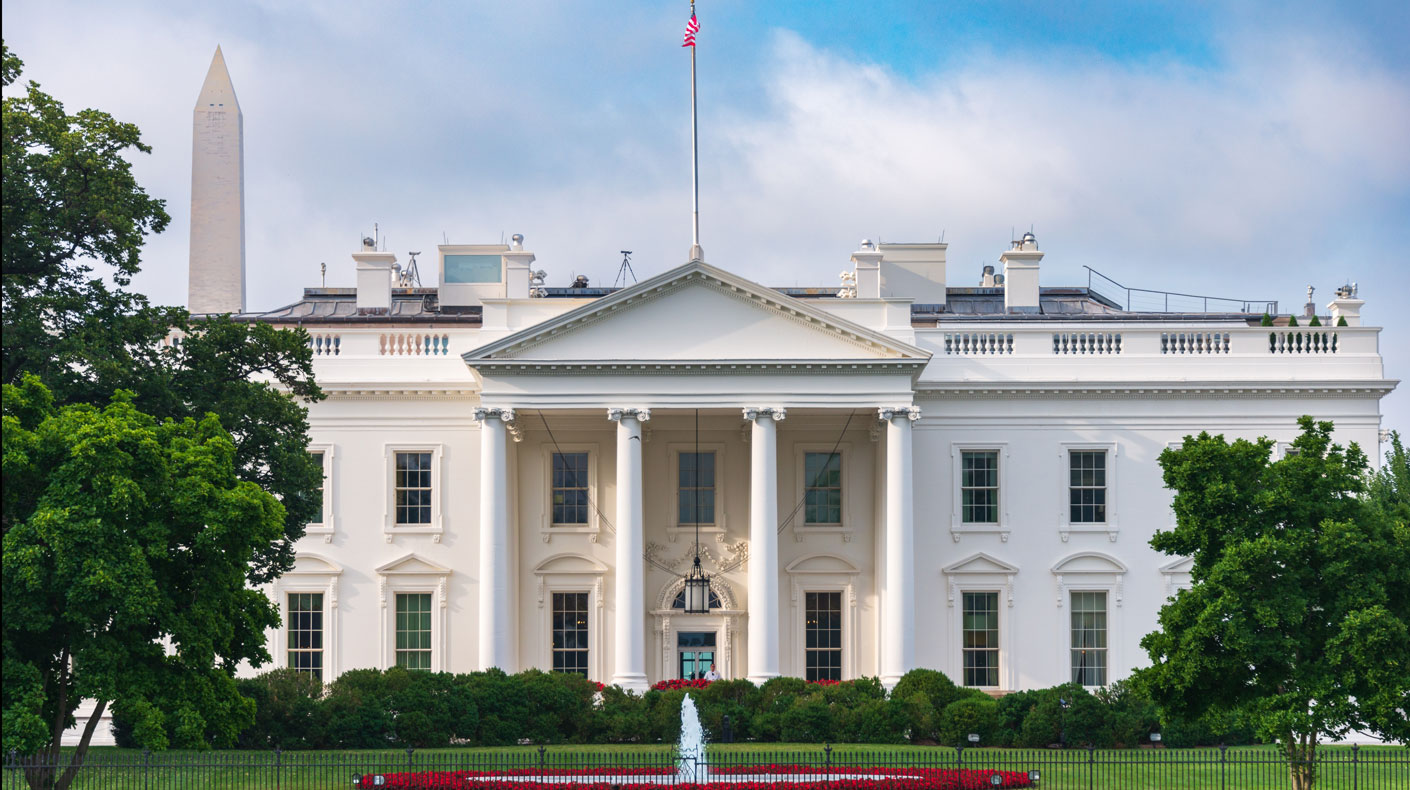
President Trump late Wednesday unveiled his reciprocal tariff plans at the White House, imposing via Executive Order (E.O.) a minimum 10% baseline tariff on imports from all countries (taking effect on Saturday, April 5) along with reciprocal tariffs on roughly 60 countries that subject the U.S. to tariff and non-tariff trade barriers (in effect on Wednesday, April 9).  

Take Our Tariffs Survey SEMA button

Tariffs are a complicated issue; SEMA is working to understand this evolving issue and update members with the best and latest information. Please take the survey above (also linked here) to provide valuable information to the D.C. team. If you have any additional questions, contact Eric Snyder in SEMA’s D.C. office at erics@sema.org.  
 

Here’s what we know so far: 
  • The E.O. exempts several categories of items that have been recently subject to tariffs, including: 
     
    • Articles subject to 50 USC 1702(b) (IEEPA general exclusions for donations, goods in personal effects/baggage, information transfers, postal and other transactions that do not involve the transfer of anything of value); 
       
    • Steel/aluminum articles and autos/auto parts already subject to Section 232 tariffs; 
       
    • Copper, pharmaceuticals, semiconductors and lumber articles; 
       
    • All articles that may become subject to future Section 232 tariffs; 
       
    • Bullion; and 
       
    • Energy and other certain minerals that are not available in the United States
       
  • The country-by-country reciprocal rates are assessed at approximately 50% of the Trump Administration's estimate of their combined tariffs/non-tariff barriers and taxes. The minimum tariff is 10%. (We’ve listed the country-by-country reciprocal tariff rates at the bottom of this article.)
     
  • The E.O. allows President Trump to either increase reciprocal tariffs if a given country retaliates or decrease the tariffs if a country takes significant steps to remedy non-reciprocal trade elements and aligns with the U.S. on economic and national security matters. 
     
Resources 
Additional Action 

The Trump Administration also expanded upon the President’s March 26 E.O., which placed 25% tariffs on automobiles (effective on Thursday, April 3) and auto parts (effective on Saturday, May 3), by providing a listing of Harmonized Tariff Codes (HTS) that are covered by the tariffs. The HTS codes are provided on pages 9-12 here.  

Meanwhile, Automotive News published a list of products it anticipates will be impacted. 

Additionally, President Trump’s Wednesday, April 2, E.O. eliminates the duty-free de minimis treatment of imports from China and Hong Kong (imports under $800 were previously not subject to tariffs).  

Individual Country Tariff Rates 
  • E.U. - 20% 
  • China - 34% 
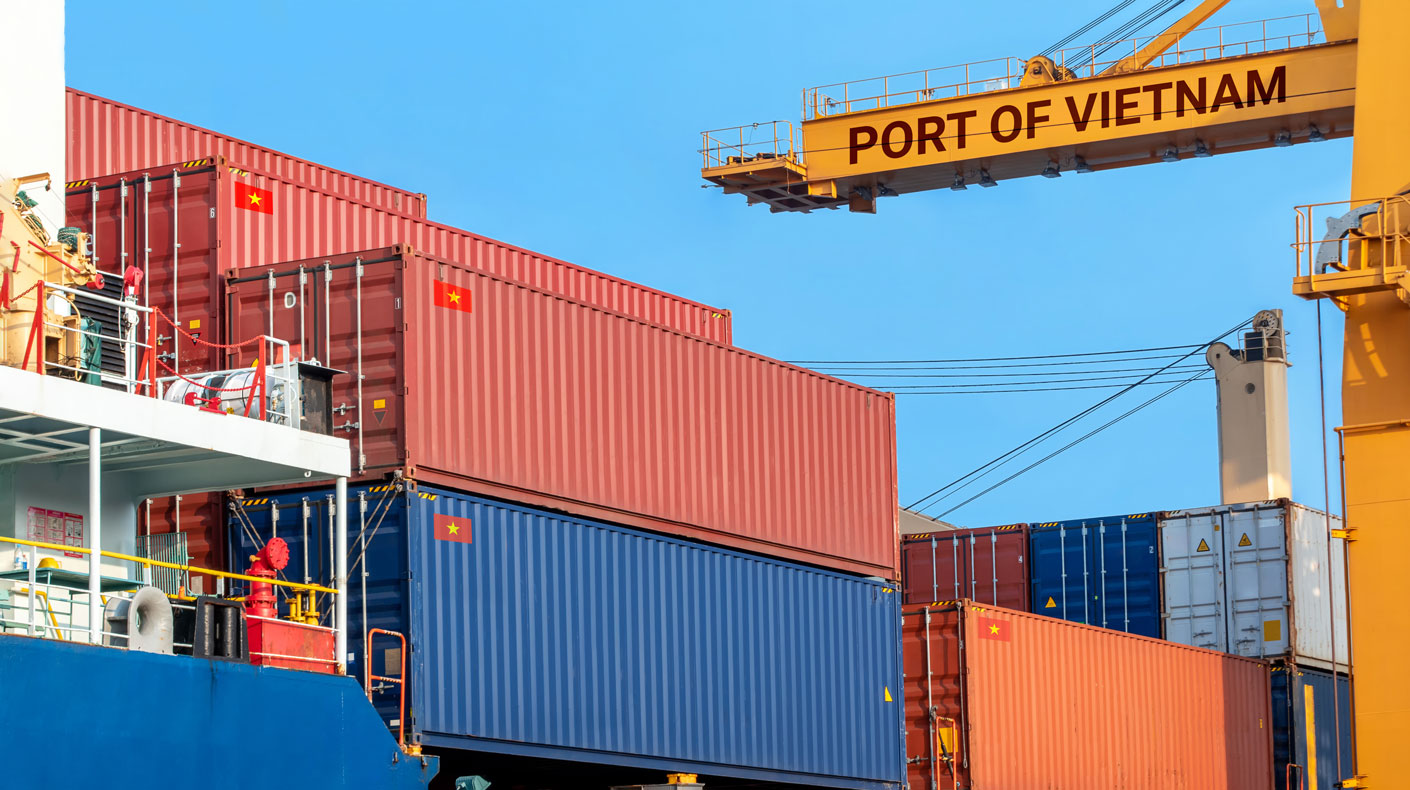
  • Vietnam - 46% 
  • Taiwan - 32% 
  • Japan - 24% 
  • India - 26% 
  • Switzerland- 31% 
  • South Africa - 30% 
  • Brazil - 10% 
  • South Korea - 25% 
  • Indonesia - 32% 
  • Malaysia - 24% 
  • Cambodia - 49% 
  • United Kingdom - 10% 
  • Bangladesh - 37% 
  • Singapore - 10% 
  • Israel - 17% 
  • Philippines - 17% 
  • Chile - 10% 
  • Australia - 10% 
  • Pakistan - 29% 
  • Turkey - 10% 
  • Sri Lanka - 44% 
  • Colombia - 44% 
  • Peru - 10% 
  • Nicaragua - 18% 
  • Norway - 15% 
  • Costa Rica - 10% 
  • Jordan - 20% 
  • Dominican Republic - 10% 
  • UAE - 10% 
  • New Zealand - 10% 
  • Argentina - 10% 
  • Ecuador - 10% 
  • Guatemala - 10% 
  • Honduras - 10% 
  • Madagascar - 47% 
  • Myanmar (Burma) - 44% 
  • Tunisia - 28% 
  • Kazakhstan - 27% 
  • Serbia - 37% 
  • Egypt - 10% 
  • Saudi Arabia - 10% 
  • El Salvador - 10% 
  • Cote d’Ivorie - 21% 
  • Laos - 48% 
  • Botswana - 37% 
  • Trinidad and Tobago - 10% 
  • Morocco - 10% 
  • Moldova - 31% 
  • Angola - 32% 
  • Democratic Republic of the Congo - 11% 
  • Jamaica - 10% 
  • Mozambique - 16% 
  • Paraguay - 10% 
  • Zambia - 17% 
  • Lebanon - 10% 
  • Tanzania - 10% 
  • Iraq - 39% 
  • Georgia - 10% 
  • Senegal - 10% 
  • Azerbaijan - 10% 
  • Cameroon - 11% 
  • Uganda - 10% 
  • Albania - 10% 
  • Armenia - 10% 
  • Nepal - 10% 
  • Sing Maarten - 10% 
  • Falkland Islands - 41% 
  • Gabon - 10% 
  • Kuwait - 10% 
  • Togo - 10% 
  • Suriname - 10% 
  • Belize - 10% 
  • Algeria - 30% 
  • Oman - 10% 
  • Uruguay - 10% 
  • Bahamas - 10% 
  • Lesotho - 50% 
  • Ukraine - 10% 
  • Bahrain - 10% 
  • Qatar - 10% 
  • Mauritius - 40% 
  • Fiji - 32% 
  • Iceland - 10% 
  • Kenya - 10% 
  • Liechtenstein - 37% 
  • Guyana - 38% 
  • Haiti - 10% 
  • Bosnia and Herzegovina - 35% 
  • Nigeria - 14% 
  • Namibia - 21% 
  • Brunei - 24% 
  • Bolivia - 10% 
  • Panama - 10% 
  • Venezuela - 15% 
  • North Macedonia - 33% 
  • Ethiopia - 10% 
  • Ghana - 10%  


Updated on Thursday, April 3.

Image courtesy of Shutterstock
Thu, 04/03/2025 - 22:27

From the SEMA Washington, D.C., office

Tariffs


President Trump late Wednesday unveiled his reciprocal tariff plans at the White House, imposing via Executive Order (E.O.) a minimum 10% baseline tariff on imports from all countries (taking effect on Saturday, April 5) along with reciprocal tariffs on roughly 60 countries that subject the U.S. to tariff and non-tariff trade barriers (in effect on Wednesday, April 9).  

Take Our Tariffs Survey SEMA button

Tariffs are a complicated issue; SEMA is working to understand this evolving issue and update members with the best and latest information. Please take the survey above (also linked here) to provide valuable information to the D.C. team. If you have any additional questions, contact Eric Snyder in SEMA’s D.C. office at erics@sema.org.  
 

Here’s what we know so far: 
  • The E.O. exempts several categories of items that have been recently subject to tariffs, including: 
     
    • Articles subject to 50 USC 1702(b) (IEEPA general exclusions for donations, goods in personal effects/baggage, information transfers, postal and other transactions that do not involve the transfer of anything of value); 
       
    • Steel/aluminum articles and autos/auto parts already subject to Section 232 tariffs; 
       
    • Copper, pharmaceuticals, semiconductors and lumber articles; 
       
    • All articles that may become subject to future Section 232 tariffs; 
       
    • Bullion; and 
       
    • Energy and other certain minerals that are not available in the United States
       
  • The country-by-country reciprocal rates are assessed at approximately 50% of the Trump Administration's estimate of their combined tariffs/non-tariff barriers and taxes. The minimum tariff is 10%. (We’ve listed the country-by-country reciprocal tariff rates at the bottom of this article.)
     
  • The E.O. allows President Trump to either increase reciprocal tariffs if a given country retaliates or decrease the tariffs if a country takes significant steps to remedy non-reciprocal trade elements and aligns with the U.S. on economic and national security matters. 
     
Resources 
Additional Action 

The Trump Administration also expanded upon the President’s March 26 E.O., which placed 25% tariffs on automobiles (effective on Thursday, April 3) and auto parts (effective on Saturday, May 3), by providing a listing of Harmonized Tariff Codes (HTS) that are covered by the tariffs. The HTS codes are provided on pages 9-12 here.  

Meanwhile, Automotive News published a list of products it anticipates will be impacted. 

Additionally, President Trump’s Wednesday, April 2, E.O. eliminates the duty-free de minimis treatment of imports from China and Hong Kong (imports under $800 were previously not subject to tariffs).  

Individual Country Tariff Rates 
  • E.U. - 20% 
  • China - 34% 
  • Vietnam - 46% 
  • Taiwan - 32% 
  • Japan - 24% 
  • India - 26% 
  • Switzerland- 31% 
  • South Africa - 30% 
  • Brazil - 10% 
  • South Korea - 25% 
  • Indonesia - 32% 
  • Malaysia - 24% 
  • Cambodia - 49% 
  • United Kingdom - 10% 
  • Bangladesh - 37% 
  • Singapore - 10% 
  • Israel - 17% 
  • Philippines - 17% 
  • Chile - 10% 
  • Australia - 10% 
  • Pakistan - 29% 
  • Turkey - 10% 
  • Sri Lanka - 44% 
  • Colombia - 44% 
  • Peru - 10% 
  • Nicaragua - 18% 
  • Norway - 15% 
  • Costa Rica - 10% 
  • Jordan - 20% 
  • Dominican Republic - 10% 
  • UAE - 10% 
  • New Zealand - 10% 
  • Argentina - 10% 
  • Ecuador - 10% 
  • Guatemala - 10% 
  • Honduras - 10% 
  • Madagascar - 47% 
  • Myanmar (Burma) - 44% 
  • Tunisia - 28% 
  • Kazakhstan - 27% 
  • Serbia - 37% 
  • Egypt - 10% 
  • Saudi Arabia - 10% 
  • El Salvador - 10% 
  • Cote d’Ivorie - 21% 
  • Laos - 48% 
  • Botswana - 37% 
  • Trinidad and Tobago - 10% 
  • Morocco - 10% 
  • Moldova - 31% 
  • Angola - 32% 
  • Democratic Republic of the Congo - 11% 
  • Jamaica - 10% 
  • Mozambique - 16% 
  • Paraguay - 10% 
  • Zambia - 17% 
  • Lebanon - 10% 
  • Tanzania - 10% 
  • Iraq - 39% 
  • Georgia - 10% 
  • Senegal - 10% 
  • Azerbaijan - 10% 
  • Cameroon - 11% 
  • Uganda - 10% 
  • Albania - 10% 
  • Armenia - 10% 
  • Nepal - 10% 
  • Sing Maarten - 10% 
  • Falkland Islands - 41% 
  • Gabon - 10% 
  • Kuwait - 10% 
  • Togo - 10% 
  • Suriname - 10% 
  • Belize - 10% 
  • Algeria - 30% 
  • Oman - 10% 
  • Uruguay - 10% 
  • Bahamas - 10% 
  • Lesotho - 50% 
  • Ukraine - 10% 
  • Bahrain - 10% 
  • Qatar - 10% 
  • Mauritius - 40% 
  • Fiji - 32% 
  • Iceland - 10% 
  • Kenya - 10% 
  • Liechtenstein - 37% 
  • Guyana - 38% 
  • Haiti - 10% 
  • Bosnia and Herzegovina - 35% 
  • Nigeria - 14% 
  • Namibia - 21% 
  • Brunei - 24% 
  • Bolivia - 10% 
  • Panama - 10% 
  • Venezuela - 15% 
  • North Macedonia - 33% 
  • Ethiopia - 10% 
  • Ghana - 10%  


Updated on Thursday, April 3.

Image courtesy of Shutterstock
Thu, 04/03/2025 - 22:26

From the SEMA Washington, D.C., office

CRA


SEMA issued the following statement in response to the introduction of Senate and House resolutions to overturn California's Clean Air Act waiver for the state's Advanced Clean Cars II policy:

"LFG."

SEMA represents the specialty-equipment industry, a third of which are businesses that are entirely dependent on products for internal-combustion-engine (ICE) vehicles. To enact an ICE-vehicle ban through electric-vehicle (EV) mandates would represent a significant hit to the nation's economy by causing irreparable harm to an industry that annually delivers a $337 billion economic impact and supports more than 1.3 million American jobs through domestic manufacturing and sales.

In fact, 33% of the nation's automotive aftermarket industry is ICE-dependent, representing more than $100 billion in economic impact to the U.S. economy and impacting roughly 330,000 jobs.

SEMA in January was among the first organizations to call upon federal lawmakers to utilize their authority under the Congressional Review Act to overturn the Clean Air Act waiver granted in the final days of the Biden-Harris administration to authorize the state's Advanced Clean Cars II policy. California’s action represents a regulatory land grab that will kill the nation's economy by banning the sale of internal combustion engines in California and 11 other states.

And just this week, SEMA and a coalition of 335 small businesses from the automotive aftermarket urged House of Representatives and Senate leadership to hold votes to put an immediate stop to the implementation of the Advanced Clean Cars II regulation.

Background

SEMA is not anti-EV; rather, it champions a technology-neutral approach that fosters innovation and ingenuity. The association will continue efforts to preserve Americans' rights to vehicle choice and the automotive aftermarket industry's ability to design, manufacture, and bring to market products that help solve the emissions challenge.

During the 2024 presidential campaign, SEMA, through its Driving Force Action SuperPAC, educated voters about the damaging impact of EV mandates and the profound importance of empowering the automotive aftermarket to develop innovative solutions to carbon emissions using American ingenuity.

Thu, 04/03/2025 - 22:26

From the SEMA Washington, D.C., office

CRA


SEMA issued the following statement in response to the introduction of Senate and House resolutions to overturn California's Clean Air Act waiver for the state's Advanced Clean Cars II policy:

"LFG."

SEMA represents the specialty-equipment industry, a third of which are businesses that are entirely dependent on products for internal-combustion-engine (ICE) vehicles. To enact an ICE-vehicle ban through electric-vehicle (EV) mandates would represent a significant hit to the nation's economy by causing irreparable harm to an industry that annually delivers a $337 billion economic impact and supports more than 1.3 million American jobs through domestic manufacturing and sales.

In fact, 33% of the nation's automotive aftermarket industry is ICE-dependent, representing more than $100 billion in economic impact to the U.S. economy and impacting roughly 330,000 jobs.

SEMA in January was among the first organizations to call upon federal lawmakers to utilize their authority under the Congressional Review Act to overturn the Clean Air Act waiver granted in the final days of the Biden-Harris administration to authorize the state's Advanced Clean Cars II policy. California’s action represents a regulatory land grab that will kill the nation's economy by banning the sale of internal combustion engines in California and 11 other states.

And just this week, SEMA and a coalition of 335 small businesses from the automotive aftermarket urged House of Representatives and Senate leadership to hold votes to put an immediate stop to the implementation of the Advanced Clean Cars II regulation.

Background

SEMA is not anti-EV; rather, it champions a technology-neutral approach that fosters innovation and ingenuity. The association will continue efforts to preserve Americans' rights to vehicle choice and the automotive aftermarket industry's ability to design, manufacture, and bring to market products that help solve the emissions challenge.

During the 2024 presidential campaign, SEMA, through its Driving Force Action SuperPAC, educated voters about the damaging impact of EV mandates and the profound importance of empowering the automotive aftermarket to develop innovative solutions to carbon emissions using American ingenuity.

Thu, 04/03/2025 - 22:25

From the SEMA Washington, D.C., office

Mike Spagnola SEMA and Jay Leno's Law

SEMA President and CEO Mike Spagnola, left, recently met with Jay Leno in support of SB 712, known as Leno's Law.


Next week, on Tuesday, April 8, California Senate Transportation Committee members will consider Senate Bill (SB) 712—better known as Leno's Law—which seeks to exempt collector motor vehicles at least 35 model years old from the biennial smog check program. Introduced by Senator Shannon Grove, this critical legislation is sponsored by renowned car enthusiast Jay Leno and supported by SEMA.

Looking to support this important cause? Click here to send a letter to your lawmakers.

SB 712 would provide a rolling exemption for collector vehicles, incorporating new classics such as JDM, early '80s muscle and European cars. This exemption is crucial as it addresses the challenges classic car owners face, including the difficulty and expense of finding smog stations equipped to test older vehicles. Currently, only 7% of California smog checks are performed on pre-OBD II vehicles, and many STAR-certified stations test fewer than one of these vehicles per day. Classic cars are typically driven only on special occasions, weekends and car shows, minimizing their environmental impact compared to daily-driven vehicles.

Leno, a lifelong collector and advocate for automotive culture, is backing the bill as its official sponsor.

"California's rich classic car culture, sparked by the post-war hot rod boom and boosted by Hollywood's love for chrome and horsepower, has made it a paradise for enthusiasts like me," said Leno. "California's smog check laws for classic cars need to be updated—they vary too much from state to state, and California's rules don't match up with neighboring ones. Our classic cars are only driven for special occasions, weekend drives and car shows. I am excited to work with Senator Grove on SB 712 to make it simpler for us to preserve these pieces of history."

SEMA President and CEO Mike Spagnola strongly supported the bill, highlighting its significance to the classic car community and the specialty automotive aftermarket industry.

"SEMA is proud to support SB 712. Senator Grove's bill provides a practical solution for collector vehicle owners, allowing them to enjoy their passion without the burden of unnecessary regulations," said Spagnola. "These vehicles are rarely driven, meticulously maintained and represent only a fraction of the cars on the road."

SEMA, based in Diamond Bar, represents approximately 1,066 member businesses in California. This thriving aftermarket industry significantly contributes to California's economy, generating $40.44 billion in economic impact, supporting 149,325 jobs, $13.47 billion in wages and benefits, and $6.16 billion in taxes.

For more information on how to support SB 712 and to stay updated on its progress, sign up to be a SEMA Action Member or contact Muñoz at victorm@sema.org.  

Thu, 04/03/2025 - 22:25

From the SEMA Washington, D.C., office

Mike Spagnola SEMA and Jay Leno's Law

SEMA President and CEO Mike Spagnola, left, recently met with Jay Leno in support of SB 712, known as Leno's Law.


Next week, on Tuesday, April 8, California Senate Transportation Committee members will consider Senate Bill (SB) 712—better known as Leno's Law—which seeks to exempt collector motor vehicles at least 35 model years old from the biennial smog check program. Introduced by Senator Shannon Grove, this critical legislation is sponsored by renowned car enthusiast Jay Leno and supported by SEMA.

Looking to support this important cause? Click here to send a letter to your lawmakers.

SB 712 would provide a rolling exemption for collector vehicles, incorporating new classics such as JDM, early '80s muscle and European cars. This exemption is crucial as it addresses the challenges classic car owners face, including the difficulty and expense of finding smog stations equipped to test older vehicles. Currently, only 7% of California smog checks are performed on pre-OBD II vehicles, and many STAR-certified stations test fewer than one of these vehicles per day. Classic cars are typically driven only on special occasions, weekends and car shows, minimizing their environmental impact compared to daily-driven vehicles.

Leno, a lifelong collector and advocate for automotive culture, is backing the bill as its official sponsor.

"California's rich classic car culture, sparked by the post-war hot rod boom and boosted by Hollywood's love for chrome and horsepower, has made it a paradise for enthusiasts like me," said Leno. "California's smog check laws for classic cars need to be updated—they vary too much from state to state, and California's rules don't match up with neighboring ones. Our classic cars are only driven for special occasions, weekend drives and car shows. I am excited to work with Senator Grove on SB 712 to make it simpler for us to preserve these pieces of history."

SEMA President and CEO Mike Spagnola strongly supported the bill, highlighting its significance to the classic car community and the specialty automotive aftermarket industry.

"SEMA is proud to support SB 712. Senator Grove's bill provides a practical solution for collector vehicle owners, allowing them to enjoy their passion without the burden of unnecessary regulations," said Spagnola. "These vehicles are rarely driven, meticulously maintained and represent only a fraction of the cars on the road."

SEMA, based in Diamond Bar, represents approximately 1,066 member businesses in California. This thriving aftermarket industry significantly contributes to California's economy, generating $40.44 billion in economic impact, supporting 149,325 jobs, $13.47 billion in wages and benefits, and $6.16 billion in taxes.

For more information on how to support SB 712 and to stay updated on its progress, sign up to be a SEMA Action Member or contact Muñoz at victorm@sema.org.  

Thu, 04/03/2025 - 11:41

By SEMA News Editors 

SEMA Plus individual membership graphic


SEMA+ is the new movement to unite the industry and amplify its collective voice. Formerly known as SEMA Individual Membership, SEMA+ is now for ANYONE, whether an industry professional, student or enthusiast passionate about their rides. (Join here). 

Not only does SEMA+ bring industry members together to build community, but it also comes with a slate of benefits, including access to automotive aftermarket discounts from brands like Summit Racing, Addictive Dessert Designs, OMP, Edelbrock, VP Fuels and Trim Illusion, plus lifestyle deals from top names like Ray-Ban, Garmin, Oakley and 5.11 Tactical, among many others. Furthermore, SEMA+ members can also grab discounted passes to industry events, like $10 off multiple tickets (and reserved seating) to the NHRA Grand Nationals at Summit Motorsports Park in Norwalk, Ohio, June 27-29.* In fact, the SEMA+ member portal features more than 100 brands available to the SEMA community.*  

For those who want to help protect the future of automotive, SEMA+ also gives members a chance to get involved with the SEMA Political Action Committee (PAC) to help drive real change. 

Best of all, the cost is just $40 per year (which comes to $3.33 per month). In short, joining SEMA+ is a no-brainer for anyone passionate about the automotive aftermarket. Those interested in joining SEMA+ can visit sema.org/plus to join the community, gain immediate access to discounted brands and events (and so much more)!  

Questions? Contact Director of Individual Membership AJ Carney at ajc@sema.org

*As of April 3, 2025.

Thu, 04/03/2025 - 10:20

By SEMA News Editors

SEMA Show Hotels


Housing reservations are now open for the 2025 SEMA Show, November 4-7, Las Vegas, including several new hotels, available at the lowest possible nightly rates through SEMA's official hotel provider, onPeak.

Driving to the Show? See the list below for hotels offering free parking during the Show and book through onPeak to secure your stay.  

Nightly Rate (11/5) Hotel Name
$139 Downtown Grand Las Vegas
$155 Golden Nugget Las Vegas Hotel & Casino
$249 Hilton Grand Vacations Club Strip
$129 Palace Station
$224 Palms
$149 Plaza
$126 Rio Hotel & Casino
$229 SAHARA


SEMA Show and onPeak offer attendees and exhibitors the best rates at an extensive list of the best hotels in Las Vegas, as well as numerous other benefits for Showgoers.

Hotel reservations for the 2025 SEMA Show--November 4-7, Las Vegas--are now open online here. Registration for the 2025 SEMA Show will open on Monday, April 28.

Keep an eye on SEMA News and semashow.com for the latest deadlines, updates and opportunities for the 2025 SEMA Show.

Photo courtesy of Shutterstock

Thu, 04/03/2025 - 09:50

By Ashley Reyes

Austen Knight Antigravity Batteries


The SEMA Future Leaders Network (FLN) has named Austen Knight, social media and partnerships coordinator at Antigravity Batteries, as the network's newest spotlight member.  

Get to know Knight in his interview with SEMA News below.  

SEMA News: What is the best advice you have ever received?  

Austen Knight: Never let fear decide your fate. Things can be scary both professionally and personally; that knot in the pit of your stomach speaks up and makes you want to quit. Don't. That knot can often mean that you're doing something right--don't let it decide your fate. Take that calculated risk, do something different and trust that in the end, everything will be okay.

SN: What keeps you in the industry?  

AK: The automotive industry is my passion and always has been. Even before my full-time gig was in the industry, I had many side jobs in the industry and always found myself doing something with cars. Fast forward to now, and it's no different; you will find me in my free time still enjoying car stuff, be that at a stage rally snapping pictures or turning wrenches on my own cars. The other aspect that keeps me coming back is the people; some of the best people I have met in this life have been through the industry, including many of my now close friends.

SN: Where can you be found on a Saturday?  

AK: Last year would have been a mix of Formula Drift events, rallies and working on my truck. For 2025, I have a new rally-x car that I plan to race at DirtFish as my time allows around my work masters schedule.

SN: How do you prepare for an important meeting?  

AK: Before an important meeting, I always review the topic of the meeting and spend some time researching it further on the internet in order to be familiar with the topic being discussed. I also make sure to take a few minutes to myself beforehand to center and be mentally checked in so that I am ready to listen and participate in the meeting.

SN: If you could go to lunch with one industry leader, living or dead, who would it be?  

AK: Jim Farley, hands down. I think I would thoroughly enjoy working with him at some point in the future based on what I know about him.

Fill out an FLN member spotlight form to be eligible to be featured on FLN's social media, SEMA News and FLN member updates.