By Michael Imlay
Launched in 2014, the SEMA Garage Program Continues to Evolve, Keeping SEMA Members at the Forefront of Innovation
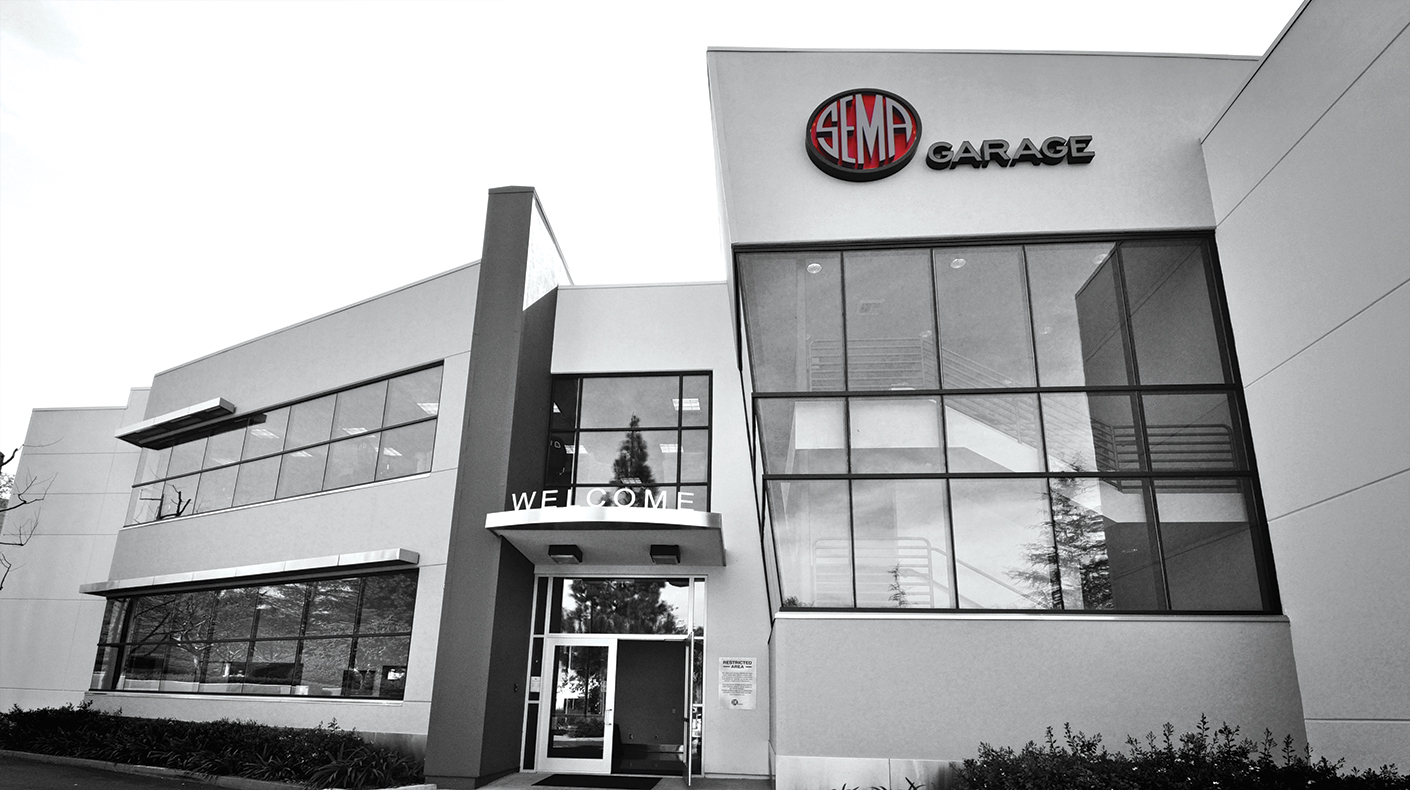
When the SEMA Garage first opened in Diamond Bar, California, in 2014, attendees came to new-vehicle measuring sessions toting items like cardboard, tracing paper, calipers, yardsticks and pencils. Today, they come armed with laser scanners.
Held regularly throughout the year, these SEMA Garage gatherings offer aftermarket businesses of all sizes first-hand access to new OEM vehicles, enabling them to design, develop, prototype and speed new parts to market early in a vehicle's production cycle. And while the purpose of these sessions hasn't changed over time, the tools that today's attendees utilize underscore not only the rapid technological advancements transforming the automotive space, but the SEMA Garage's ongoing mission to keep the aftermarket at the leading edge of the tech evolution.
"Our mission is no different now than it was back then in 2014," says Jim Moore, SEMA vice president, OEM and product development. "We support companies that manufacture products so they can put the best possible products they can make into the market and give end users the best possible experience that they can have with their vehicles. We view the SEMA Garage as a sort of 'member skunkworks' where all SEMA-member companies can leverage modern research and development assets quickly, easily and affordably."
What has evolved are the tools in SEMA's arsenal. The Garage program now encompasses two facilities—the original 15,000-sq.-ft. Diamond Bar Garage at SEMA's headquarters, and a second, 45,000-sq.-ft. facility that opened four years ago in Detroit. Both locations offer a large array of services to SEMA members, including Tech Transfer, 3D scanning and printing, emissions-compliance testing, measuring sessions, and installation and training centers (see sidebar, p. 75). Additionally, both SEMA Garage facilities are equipped with ADAS Research Centers, where experts explore the implications of advanced driver assistance systems and their interplay with aftermarket vehicle modifications.
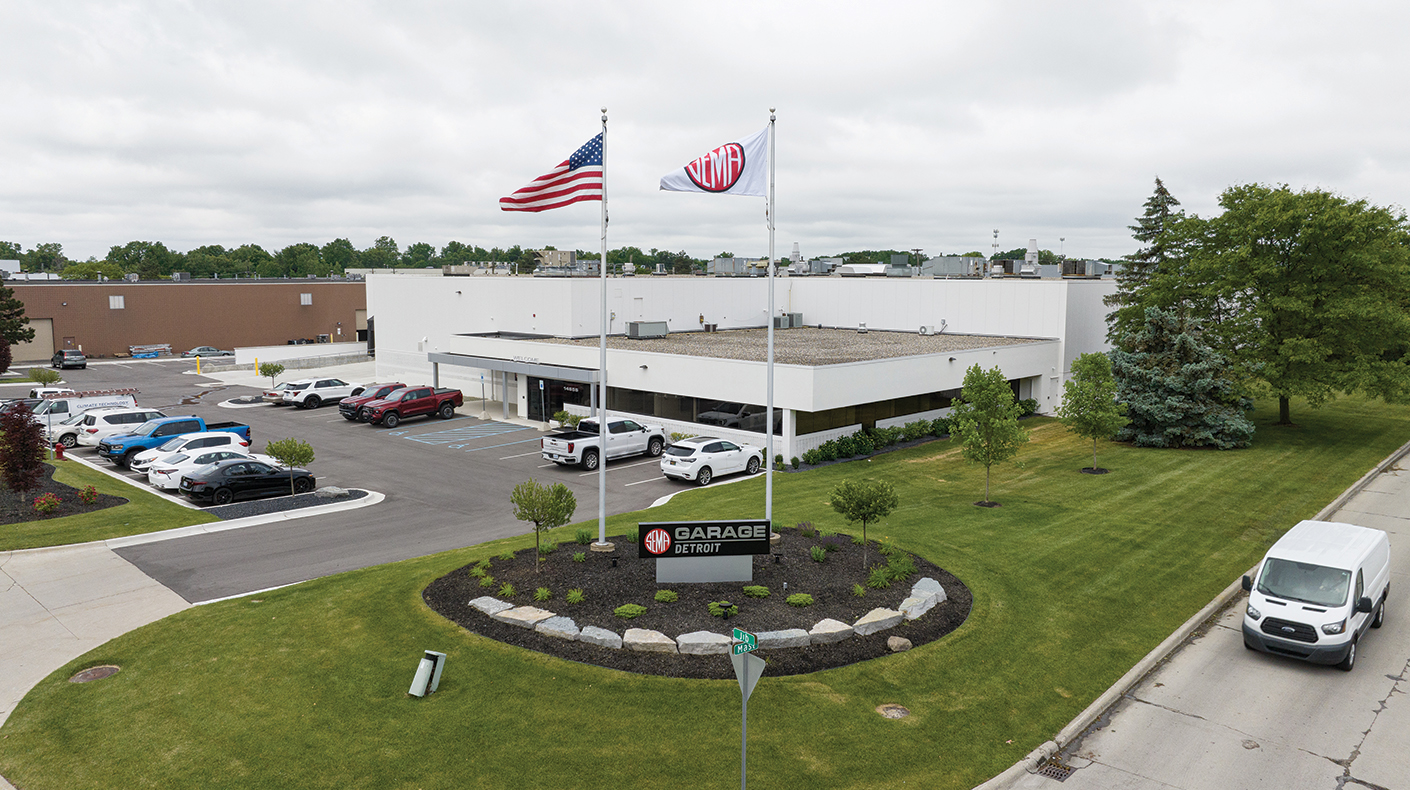
The 45,000-sq.-ft. Detroit SEMA Garage facility was added in 2022. Its close proximity to major American OEMs assists collaboration on the transformative technologies and issues that are rapidly reshaping the automotive space.
Moore notes that a key goal of the SEMA Garage program is to anticipate and identify new automotive trends and technologies to help SEMA members stay ahead of the curve and future-proof their businesses.
"We're creating a portfolio of tools that's expanding at the rate at which our market is demanding new access, new tools and new pathways," he explains, adding that exposure to the latest innovations can also accelerate their adoption among SEMA-member businesses.
Take, for example, laser scanners and 3D printers. When the first SEMA Garage opened, many smaller aftermarket parts makers were unfamiliar with such tools, let alone their capabilities and value for even a small operation. But after experiencing their potential through the Garage, more and more shops and companies began investing in these devices. Today they're common tools of the trade for builders, garages and parts manufacturers alike.
FROM ANALOG TO SOFTWARE-DEFINED
Yet these innovations pale in comparison to what's coming down the pike. According to Moore, the automotive industry is on the verge of a "macro technology shift" that will soon transform the "analog" cars and trucks of yesterday into the "software-defined vehicle [SDV] platforms" of tomorrow. From emissions-controlled internal-combustion engines (ICE) to electric powertrains and autonomous systems, "technology is going to redefine how we build, modify, enjoy and interact with our vehicles," he observes.
"What we're seeing now is really a radically new interpretation of what a vehicle can be," continues Moore. "All of the inputs in the vehicle are effectively becoming software-driven systems. What was once primarily an ecosystem of hardware upgrades is quickly expanding to include entirely new software-generated performance and user experiences."
And that radical shift is coming faster than perhaps any previous development in the automobile's 140-year history, requiring equally rapid adaption from SEMA and its members. As a critical hub in the association's response, the SEMA Garage is now working to expand its tools, research expertise and policy influence to ensure that aftermarket manufacturers can continue to innovate safely, legally and profitably as they navigate this evolution.
Meanwhile, Moore says the Garage also continues to build on the successes of existing services. Notably among them is the SEMA emissions compliance program, which has helped product developers achieve nearly 1,000 California Air Resources Board (CARB) executive orders (EOs) over the past 12 years.
This is no small achievement. The passage of the federal Clean Air Act in the '70s presented a major challenge to automotive parts manufacturing. Any product that might adversely impact vehicle emissions became illegal unless it could demonstrate compliance with clean-air standards. The main path to doing so meant undergoing CARB-prescribed emissions testing and documentation to obtain a CARB EO, effectively clearing a part for legal sale. The stakes were high: fines for noncompliance before sale could reach tens of thousands of dollars per part.
But many aftermarket manufacturers found CARB testing complicated, expensive and time consuming. The uncertainties around the entire process threatened to stifle the performance industry. Launched with the opening of the first SEMA Garage and expanded with the addition of the Detroit facility, the SEMA Garage emissions testing and certification program helped streamline the process, rein in costs and offer a surer path to compliance.
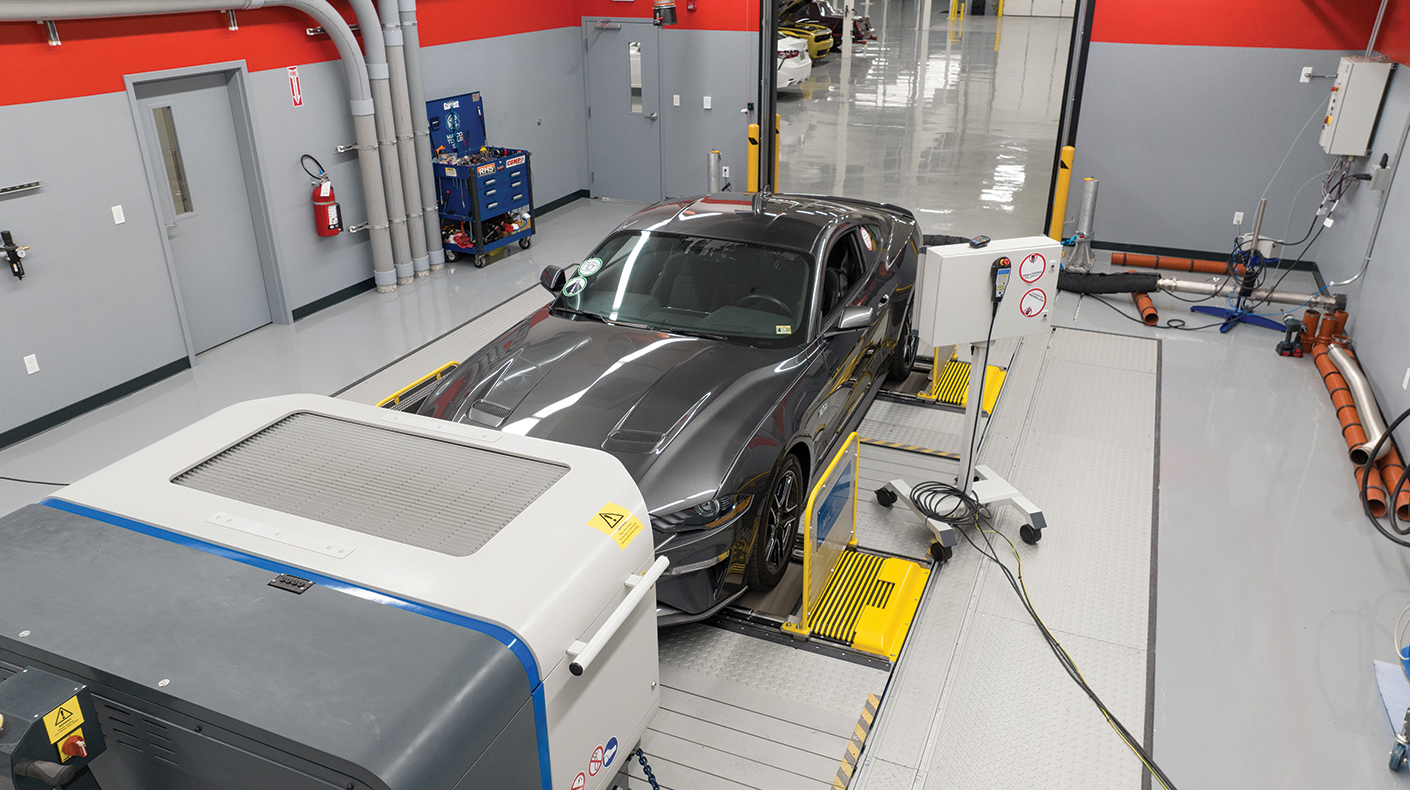
Both SEMA Garage locations also include state-ofthe- art emissions testing labs. SEMA's emissions compliance program has become a game-changer for performance parts makers, streamlining the process of obtaining a CARB EO.
More recently, the SEMA Garage also introduced the SEMA Certified program, an EPA-accepted process for "49-state legality" that further fast-tracks the certification and sale of parts in all other states while a manufacturer awaits a final CARB EO for California. This has been a tremendous boon for speeding new parts to market, with approximately 200 certifications approved to date. Moreover, thanks to SEMA Garage testing and awareness programs targeted to the industry, aftermarket emissions compliance has grown dramatically.
"Our industry has made incredible progress in, frankly, a short amount of time," says Eric Snyder, SEMA senior director, federal government affairs. "The amount of demonstrated compliance has risen dramatically over the last 15 years, and SEMA has been at the forefront of that. The association has made significant investments to make it easier for SEMA member companies to do the testing to demonstrate emissions compliance, and that has given us tremendous credibility when we advocate for the industry in both Sacramento and Washington, D.C."
Moore is quick to underscore that SEMA Garage's emissions and other programs help level the playing field for smaller aftermarket businesses which might otherwise lack the resources for emissions testing and costly research and development efforts.
"We're one of the largest, most diverse communities of small-business manufacturers in the world," he explains. "We have some 3,500 companies that are making, innovating, creating and following dreams—doing things that normally only larger companies could do. By democratizing innovation across such a large base, we're empowering these small businesses to find new pathways and scale. That's one of our duties as an association—to connect people to resources, socialize ideas and give them a voice at the table."
FUTURE-PROOFING AN INDUSTRY
According to Moore, emissions compliance was a defining issue for SEMA, which learned a major lesson from its experiences safeguarding the industry's right to modify. "We were somewhat reactive on emissions. It taught us we need to be more proactive going forward," he observes, especially with the urgent challenge of addressing ADAS.
"ADAS systems are going to reshape the automotive experience and will have significantly greater impact on our industry than emissions did," Moore predicts.
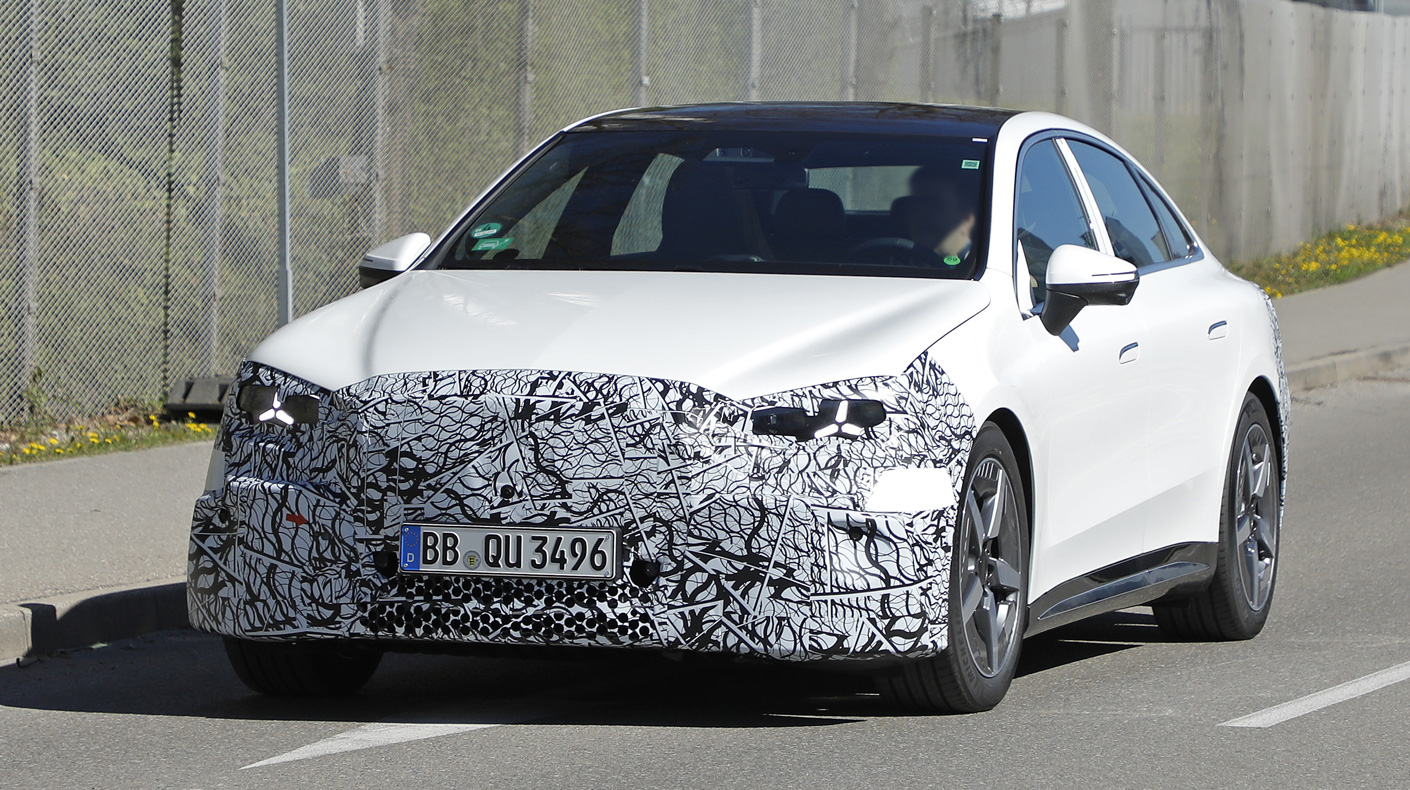
Utilizing cameras, lidar and radar, these systems automate such vehicle safety functions as emergency braking, lane-keeping and adaptive cruise control, among others. And while OEMs are rolling them out rapidly in their new vehicles, the systems have yet to be standardized across automakers. Moreover, government regulators have adopted a cautious approach to setting blanket standards, preferring to see how many of these technologies shake out before mandating them.
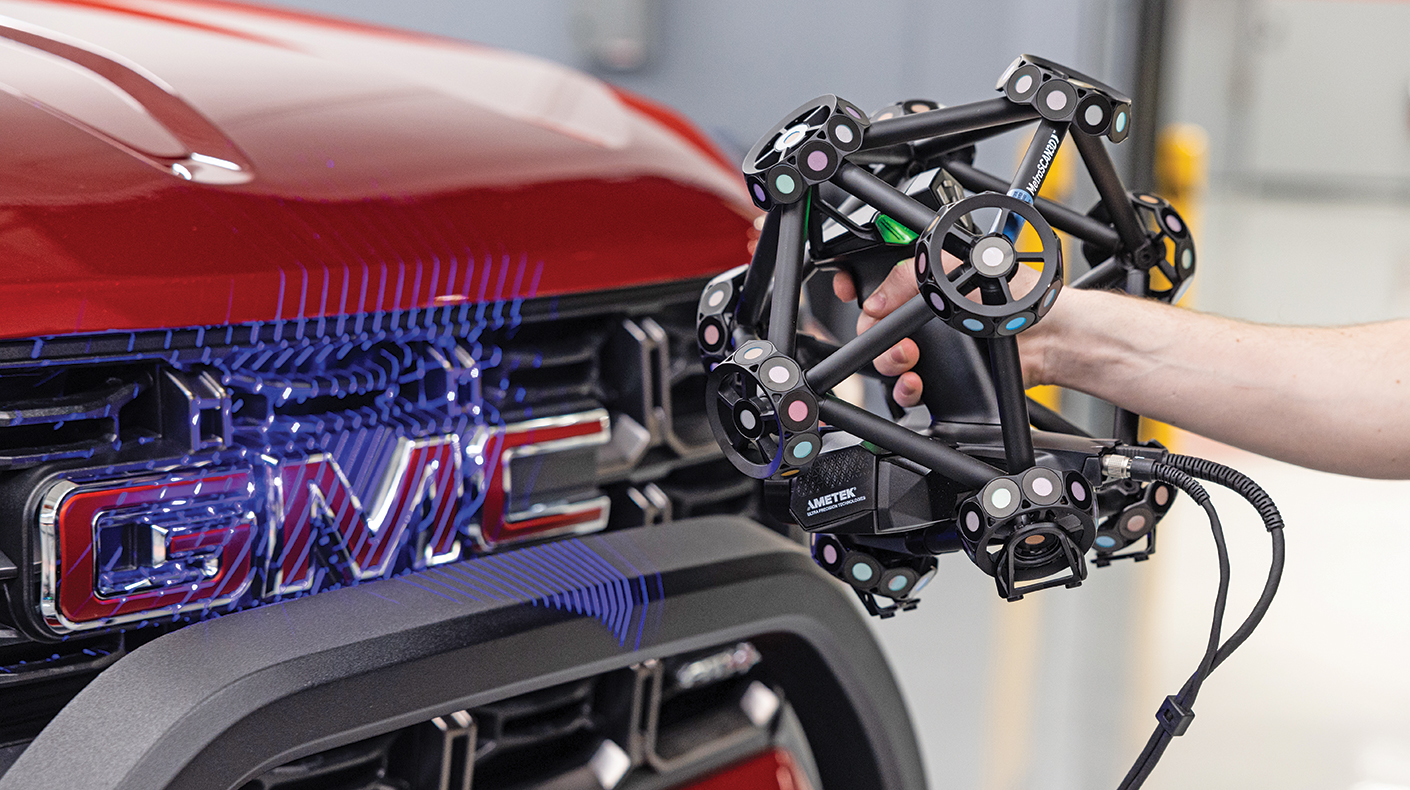
The SEMA Garage helped accelerate small-business adoption of laser scanning within the aftermarket. For those that still lack the technology, both Garage locations offer scanning services.
Regardless, these technologies have vast implications for vehicle modifications. As vehicles become further "software defined," ADAS is certain to become more deeply integrated within vehicle platforms. Even now, lifting, leveling or lowering a vehicle can interfere with ADAS sensors and their calibration. An aftermarket bumper or winch or a new wheel/tire combo can easily throw off ADAS features, rendering a vehicle unsafe. The wrong mods can void OEM warranties and raise huge liability issues.
"Many aftermarket manufacturers don't yet realize they're even affected," adds Luis Morales, SEMA director, vehicle technology and product development. "There's going to be a spike in urgency as ADAS features become federally mandated or undefeatable."
The SEMA Garage's response is the ADAS Research Centers located in both facilities. As ADAS "think tanks," the centers feature purpose-built environments, calibration systems and OEM scan tools so SEMA members can test, recalibrate and validate the fitment and function of their parts with ADAS features. The centers also research and produce white papers to help the aftermarket safely navigate these new technologies.
"We need to translate these concepts and educate our members so they can validate that their products aren't going to negatively impact how these systems work," explains Morales.
Keeping pace with propulsion technologies, the SEMA Garage has also been adding support for electrified vehicle (EV) and hybrid electrified vehicle (HEV) systems, including the specialized tools, safety and charging equipment required to work with such platforms. These updates will assist companies in developing parts for new- tech vehicles as well as the rapidly expanding EV conversion market.
But according to Morales, these additions are just the beginning of a larger range of programs the Garage is developing to help future-proof the aftermarket.
"EVs and HEVs are not the only vehicle propulsion solutions out there," he explains. "There are also new ICE opportunities emerging in hydrogen, gaseous fuels and commercial platforms. We're addressing this diversity to help assure our members that their product development won't just hit a dead end in five years. These technologies make the overall landscape of our industry much more colorful and present us with a lot more options."
From his vantage point in the SEMA government and public affairs office, Snyder views the SEMA Garage program as a vital pillar of the association's policy and advocacy work, lending credibility to discussions with regulatory agencies and lawmakers.
"One of our top legislative priorities right now is getting Congress to pass the ADAS Functionality and Integrity Act, a bill that would require the federal government to create guidelines for ADAS tolerances that would address calibration information gaps that currently exist," he notes, adding that SEMA Garage research and data is also crucial when engaging with the EPA, CARB, DOT, NHTSA and other agencies. Ultimately, he says, policy certainty reduces business risk and accelerates industry innovation.
STAYING AGILE, FINDING SOLUTIONS
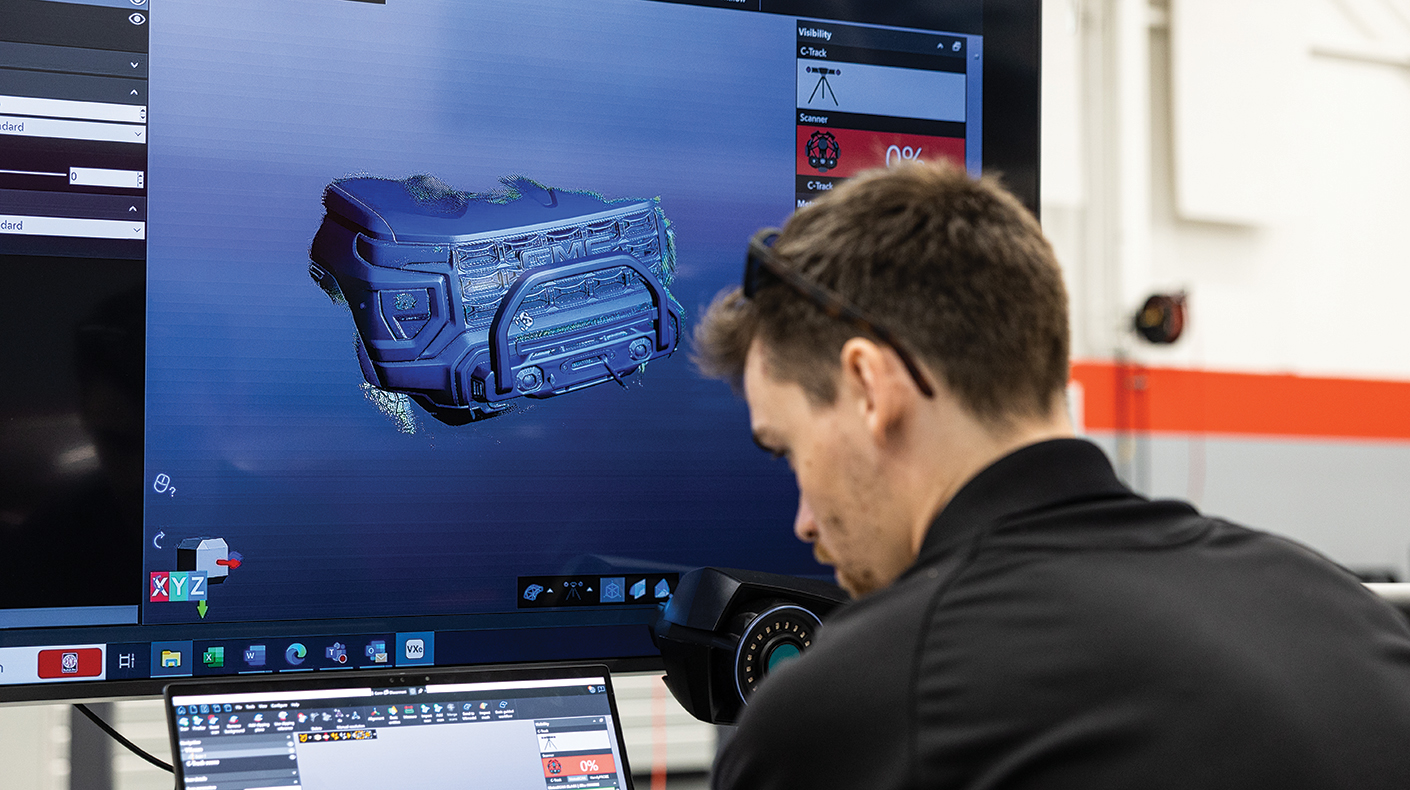
SEMA Garage plans to remain agile, investing in the right tools and talent for the drive forward while deepening relationships with OEMs and policymakers to protect aftermarket access.
Moore, Snyder and Morales all agree that the future of the automotive space will remain fast-moving and unpredictable—but most of all exciting. "It would be irresponsible to try to project that we know everything that's coming with precision, but we do know that technology is going to be moving quickly," Moore emphasizes.
Still, whatever twists and turns lie ahead, the SEMA Garage plans to remain agile, investing in the right tools and talent for the drive forward while deepening relationships with OEMs and policymakers to protect aftermarket access in the emerging SDV landscape.
"If we don't have those conversations," cautions Morales, "the aftermarket will find itself shut out very quickly." But as Snyder also hastens to add, through the SEMA Garage and association advocacy efforts "we now have a seat at the table, not just at local, state and national levels, but at a global level as well."
In the end, concludes Moore, "technology is about solving problems, and our job is to make sure the right people are paying attention to the right problems."