SEMA News—June 2020
LEGISLATIVE AND TECHNICAL AFFAIRS
By Stuart Gosswein
FEDERAL UPDATE
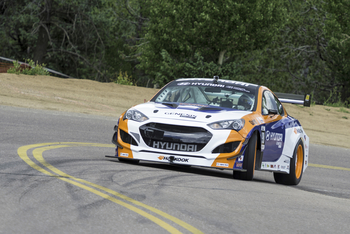 RPM Act: Congressional support for the Recognizing the Protection of Motorsports (RPM) Act, H.R. 5434/S. 2602, continues to grow. SEMA is working with lawmakers to pass the bill in 2020. There were 29 co-sponsors in the Senate and 58 co-sponsors in the House at press time for this issue of SEMA News. The bipartisan RPM Act protects the right to convert an automobile into a race car used exclusively at the track and to sell parts used to make the conversion and race the vehicle. SEMA asks its members to contact their lawmakers and urge their support. Visit www.sema.org/rpm. |
Federal Enforcement Practices: SEMA submitted comments to the White House Office of Management and Budget on ways to improve regulatory enforcement practices employed by the federal government. The comments included examples of excessive practices being employed by the U.S. Environmental Protection Agency, such as unscheduled inspections, failure to inform company employees of the right to deny entry and consult with an attorney, overly broad investigations, and the threat of exorbitant fines as a negotiating strategy. SEMA recommended that the Office of Management and Budget issue guidelines requiring that government enforcement procedures take small-business size into consideration.
Small-Business Loans: In response to coronavirus, the U.S. Small Business Administration (SBA) established a “Paycheck Protection Loan” program providing companies up to $10 million to cover payroll, rent and other expenses. The SBA is forgiving that portion of the loan used to cover payroll, rent, mortgage interest and utilities for a period of eight weeks if a small business retains its employees and payroll levels. In a separate program, the SBA is issuing an emergency coronavirus disaster loan of up to $2 million at 3.75% interest to be used to pay fixed debts, payroll, accounts payable and other bills that can’t be paid because of the disaster’s impact. Small-business owners in all U.S. states and territories are eligible to apply for a coronavirus loan.
Tariffs: SEMA joined with other members of the Americans for Free Trade Coalition in asking for a suspension of the tariffs on steel and aluminum imports and Chinese products as part of coronavirus emergency economic measures. The tariff relief request has significant bipartisan support on Capitol Hill.
Paperwork Violations: The U.S. Senate Homeland Security and Government Affairs Committee passed a bill to prohibit federal government agencies from fining small businesses for first-time paperwork violations. The Harmless Error Lesser Penalty (HELP) for Small Businesses Act would apply to violations such as information collection requests. However, it would still allow government agencies to issue fines for certain violations, including interfering with the detection of criminal activity, IRS debt or tax collection, and endangerment of public health and safety (unless the endangerment is corrected within 24 hours of notification). The bipartisan bill has been sent to the U.S. Senate floor for consideration.
Apprenticeship Programs: The U.S. Department of Labor (DOL) issued a final rule to encourage companies, trade associations, colleges, unions and other entities to establish industry-recognized apprenticeship programs (IRAP). The apprenticeships will be paid positions that provide trainees with on-the-
job training and classroom education. IRAPs will use industry-driven approaches in providing pathways for workers to gain skills and start careers. The DOL program is intended to encourage a market-based approach while operating within DOL standards for training, structure and curricula. Federal funds may be available to supplement the program but have not yet been appropriated by Congress.
STATE UPDATE
Hawaii—Motorsports: The Hawaii legislature reintroduced SEMA-supported resolutions advocating for the construction of a new racetrack or raceway park on the island of Oahu. The racing community lost motorsports facilities on Oahu more than a decade ago. Similar resolutions were introduced last year but failed to pass the legislature. The resolutions are currently awaiting consideration in the House Transportation and Senate Energy Economic Development, and Tourism Committees.
Kansas—Historic Vehicles: The Kansas House of Representatives passed SEMA-supported legislation to redefine vehicles eligible to be registered as antiques. The Kansas Highway Patrol currently defines an antique vehicle as being more than 35 years old and as close to the original as possible, without any significant alterations to the major component parts. The bill would only require the vehicle to be more than 35 years old, regardless of the age or type of equipment installed and thereby allowing the use of non-original materials. The bill currently awaits consideration in the Senate Committee
on Transportation.
Louisiana—License Plates: The Louisiana House of Representatives introduced SEMA-supported legislation to create a classic black special prestige license plate, which would be available for display on all vehicles. The plate would cost an extra $25 annually and would require a minimum of 1,000 applicants to be produced. The bill currently awaits consideration in the House Transportation, Highways, and Public Works Committee.
Maryland—Historic Vehicles: The Maryland House of Delegates withdrew SEMA-opposed legislation that would have imposed an emissions inspection requirement on historic vehicles less than 40 years old. All historic vehicles are currently exempt. In Maryland, a historic vehicle is defined as being 20 years old or older and not substantially altered from the manufacturer’s original design.
Massachusetts—License Plates: The Massachusetts Joint Committee on Transportation passed SEMA-supported legislation to allow year-of-manufacture (YOM) registration plates to be restored to their original colors and designs. Vehicles registered as antiques may display YOM plates with DMV approval. However, current DMV regulations state that these plates must be in original condition. The bill awaits consideration in the Senate Rules Committee.
Minnesota—Ethanol: The Minnesota legislature introduced SEMA-opposed legislation to increase the state’s standard biofuel blend to 15% ethanol. There is currently a 10% state-wide standard. Minnesota currently has an exemption in place for those selling or dispensing limited quantities of nonoxygenated gas for collector vehicles. This legislation would create a similar exemption for vehicles not approved to use more than 10% biofuel, which includes all model-year 2000 and older vehicles. The bills await consideration in the House Agriculture and Food Finance and Policy Division and Senate Commerce and Consumer Protection Finance and Policy Committees, respectively.
New Jersey—Historic Vehicles: The New Jersey Assembly introduced SEMA-supported legislation to allow historic vehicles to be used for pleasure driving one day per week. Vehicles currently registered as historic must be at least 25 years old and may be driven solely for exhibition and educational purposes. The bill awaits consideration in the Assembly Transportation and Independent Authorities Committee.
Virginia—Motorsports: The Virginia legislature passed SEMA-supported legislation to create a motor vehicle racing heritage trail in order to promote tourism and economic development. The bill awaits approval by Governor Ralph Northam.
Washington—Vehicle Registration: SEMA-opposed legislation (H.B. 2373/S.B. 6156) in Washington that would have significantly restricted eligibility of collector vehicles and horseless carriages failed to pass as the legislature adjourned for the year. Under existing law, a collector vehicle must be at least 30 years old, while a horseless carriage must be at least 40 years old. If passed, collector vehicles would have been required to be at least 40 years old, while horseless carriages would have been defined as being manufactured prior to 1916. The bill would also have restricted the issuance of year-of-manufacture plates and considerably increased registration fees.
West Virginia—Military Vehicles: The West Virginia legislature passed a SEMA-supported bill to allow antique military vehicles to display an alternate registration insignia as opposed to a traditional license plate. Antique vehicle plates are currently available for vehicles that are more than 25 years old and owned solely as collector’s items. The bill awaits final approval by Governor Jim Justice.


 Tara Bloch, Marketing Manager, Diode Dynamics
 “We are sure to see continued growth in safety performance, high-end auto sound, connectivity and vehicle electrification this year. While car makers are delivering these technologies and features, there are nearly 280 million vehicles on the road that stand to benefit from the latest safety performance, connected and electrification technology offerings from innovative aftermarket companies.”