Thu, 06/12/2025 - 15:47

By SEMA News Editors
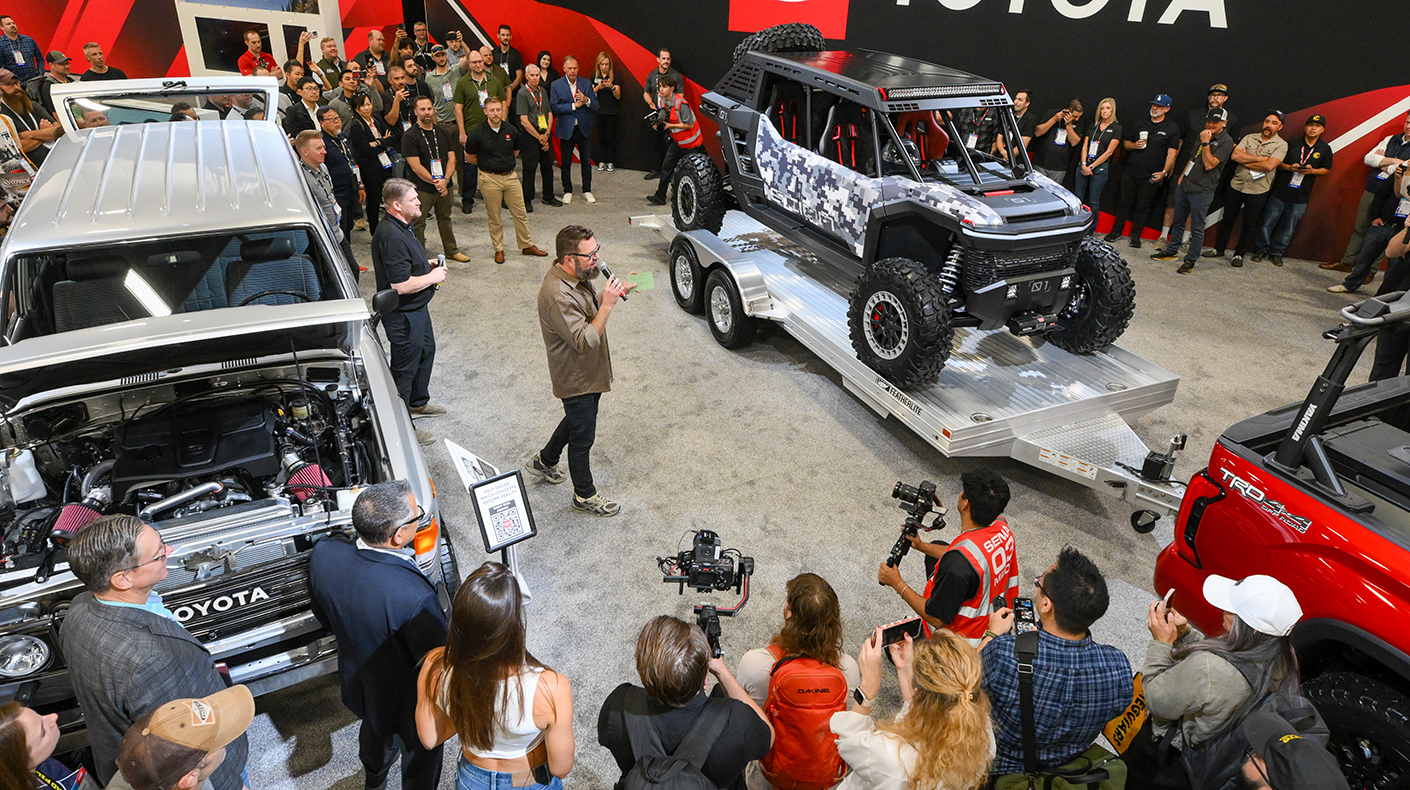
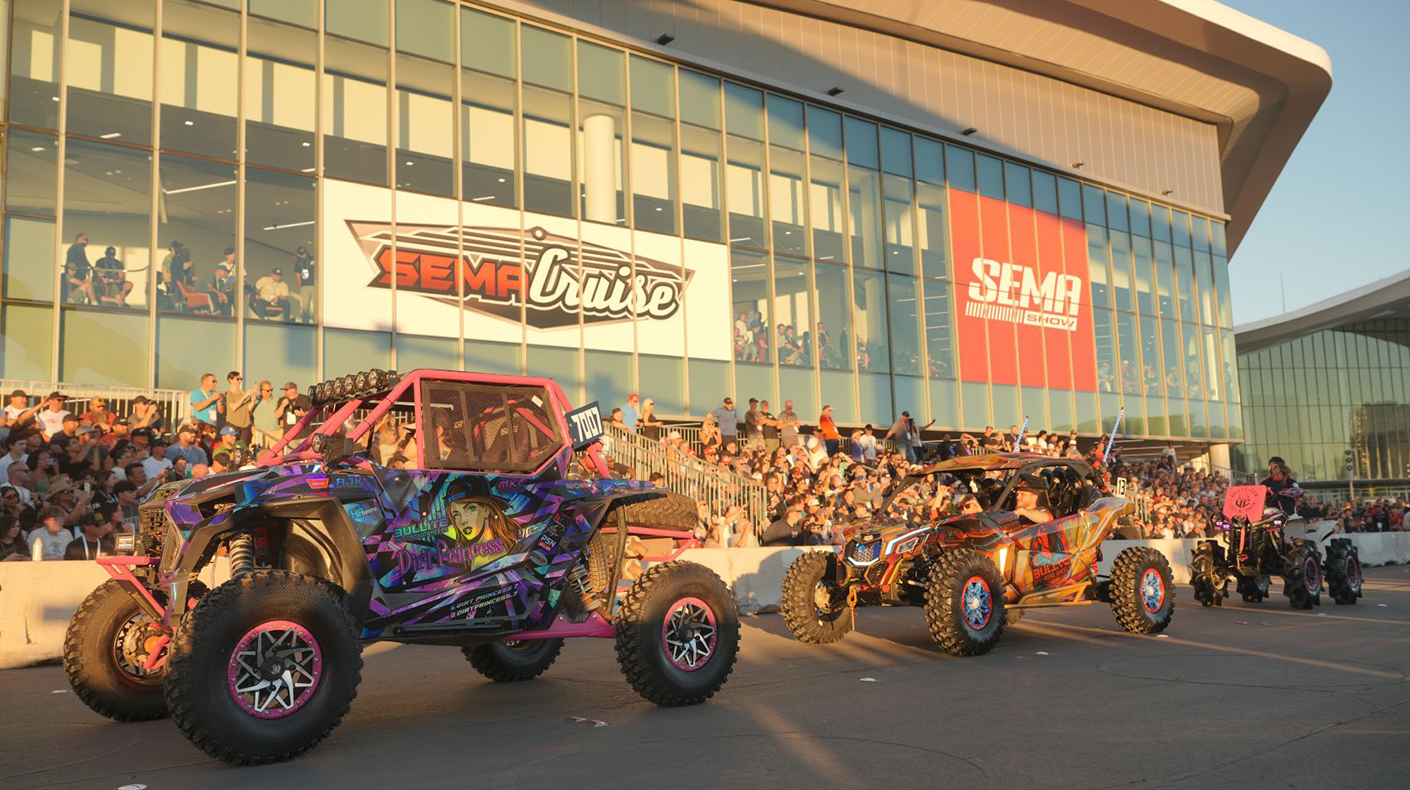
SEMA Show exhibitor showcasing a product demo car wrap from the Show floor


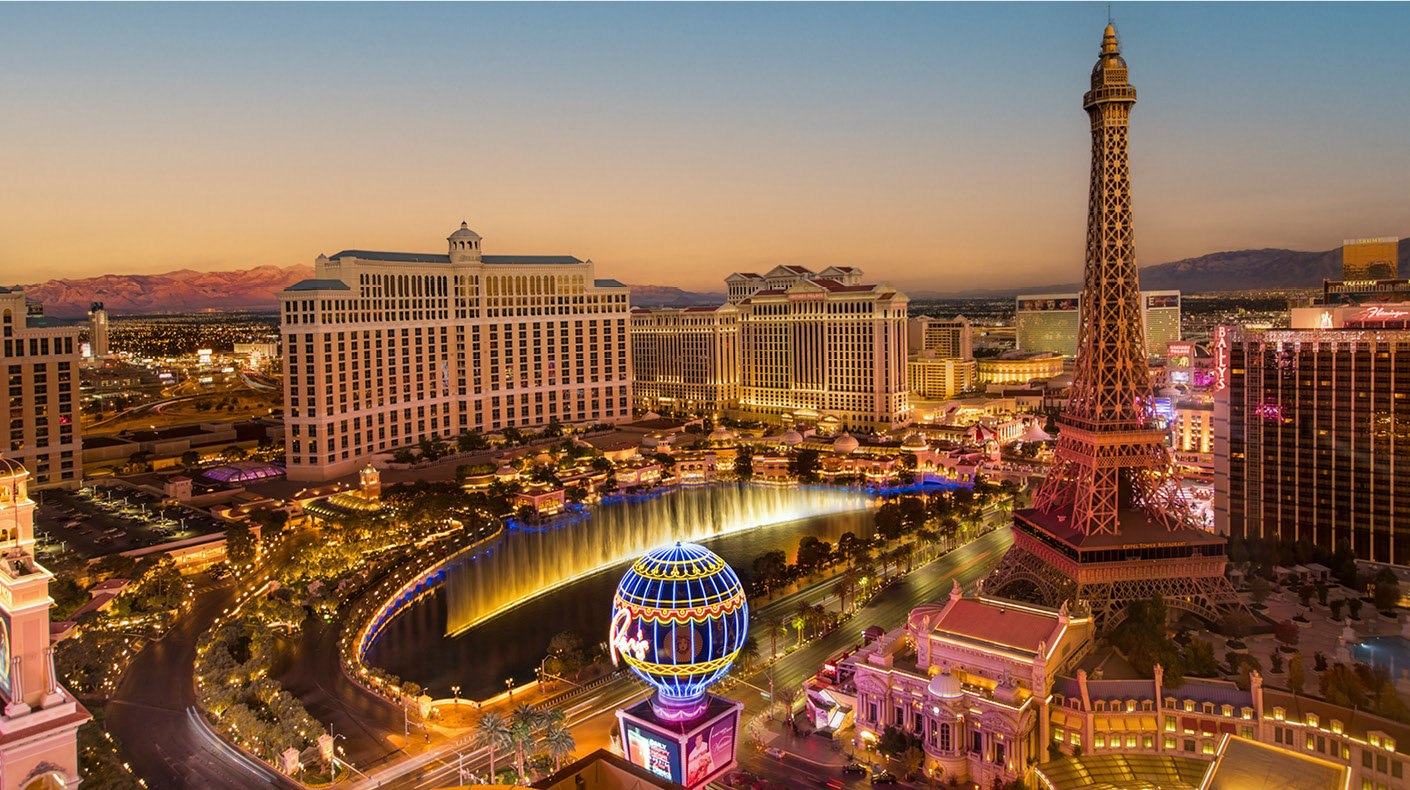
The automotive aftermarket's biggest event is back, November 4-7, in Las Vegas, and the case for attending has never been stronger.

From cutting-edge innovations to eye-catching custom builds, the SEMA Show is where the automotive aftermarket's future comes to life. This one-of-a-kind trade event brings together top professionals from all segments all around the world to explore the latest products, tools, accessories, techniques, trends and more shaping the industry.

All you need is a compelling case for your boss--and SEMA News has just the thing.
 

Make Your Case With a Custom Letter

We've created a customizable sample letter to help you secure approval to attend. The letter highlights how your time at the SEMA Show can directly benefit your team and company--whether through new vendor connections, hands-on education and product demos, skill-building sessions or business insights.

👉 Download the sample letter (PDF).

Act fast—share the sample letter with your boss now to get the green light before registration fees increase from $50 to $75 after Friday, June 27. Learn more at semashow.com/register
 

Show Features That Deliver Real Value

On top of aisles of countless automotive brand booths, this year's event is packed with immersive Show features and experiences designed to deliver ROI, including:

Below are seven reasons why you need to secure their registration (available online here and at the bottom of this article) for this year's SEMA Show:

  • Exhibitors: Discover the latest product and vehicle trends across dozens of product categories: Trucks, SUVs & Off-Road; Restyling & Car Care Accessories; Powersports & Utility Vehicles; Business Services; Mobile Electronics & Technology; Racing & Performance; Hot Rod Alley; Restoration Marketplace; Collision Repair & Refinish; Tools & Equipment; Global Tire Expo--Powered by TIA (tires) and Wheels & Accessories; and First-Time and Featured Exhibitors.
  • New Products Showcase: Visit the New Products Showcase to discover thousands of the latest exhibitor products displayed in one location. Use the SEMA Show mobile app's "Product Scanner" feature to scan and download product photos and exhibitor information that will remain on your app long after the SEMA Show has ended.
  • Education: SEMA Show Education is the single most crucial week of the year to power a professional development plan for your business and career. Through sessions and unique, immersive programs that explore the industry's most significant challenges and offer immediate takeaways, there is something for every automotive professional.
  • Networking: The SEMA Show is where connections are built--network with exhibitors, industry leaders and VIPs/celebrities from more than 140 countries and regions. Use the Show's mobile app to view lists of all events, seminars, conferences, celebrity appearances, and speakers, including date, time, and location. In addition, this year's program includes SEMA Council & Networks receptions, happy hours and meetings--all designed to help you advance your business and grow your network. You'll also have the opportunity to meet face-to-face with others in the industry and build meaningful relationships that'll lead to real results and high-quality connections.
  • Show Features: The SEMA Show is teeming with the latest innovations and trends, showcased in several dedicated areas like the SEMA Battle of the Builders presented by Mothers; the SEMA FutureTech Studio; the outdoors Optima Village; feature vehicle displays; SEMA Garage: ADAS, Emissions and Product Development; the Collision Repair & Refinish Stage; the Overland Experience; the SEMA Show Art Walk, the International Pavilion and more to be announced.
  • Show Events: Unique events and activations, such as the SEMA Show Kickoff Breakfast, the SEMA Industry Honors (formerly Banquet) now at the iconic Fontainebleau, and vehicle demonstrations will provide ample opportunities for the industry to unite.
  • And much more: Of course, attending the SEMA Show in Las Vegas is the best way to boost an automotive professional's business and career path, but be sure to make the most of your time in Vegas with ancillary events like after-hours networking and SEMA Fest, a celebration of motorsports, music and car culture. Note: Your SEMA Show badge does not provide access to SEMA Fest. Visit SEMAFest.com to stay up-to-date and discover when tickets will be available.

Online registration for qualified professional attendees is $50 per person through Friday, June 27. Starting June 28, the rate increases to $75, and as of September 27, registration online or on-site will be $100. A SEMA Show badge includes access to both the SEMA Show and AAPEX. Deadlines and fees for other registration categories can be found at semashow.com/register

Hotel reservations, including for several new properties in Las Vegas, are available at the guaranteed lowest rates exclusively for Show attendees through SEMA's official hotel provider, onPeak.

For more information about the 2025 SEMA Show, visit semashow.com. Sign up for updates on SEMA Fest at semafest.com.

Thu, 06/12/2025 - 15:45

By SEMA News Editors

SEMA Leaders & Legends Gala Returns for 2025 graphic


The SEMA community will gather on Friday, July 25, in Universal City, California, to honor four visionary leaders whose careers have shaped and elevated the specialty automotive aftermarket. During the SEMA Leaders & Legends Gala, the newest members of the SEMA Hall of Fame will be officially inducted, continuing a cherished tradition that dates back to 1976. Register for the 2025 event here or visit sema.org/gala to learn more.

This year's inductees—Luanne Brown, George Lathouris, John McLeod and Larry Pacey—have each made extraordinary, lasting contributions to the industry, from digital transformation and customer-first innovation to business leadership and legacy building.

"The automotive aftermarket industry has grown in remarkable ways thanks to the contributions of this year's Hall of Fame inductees," said SEMA President and CEO Mike Spagnola. "Through their leadership and innovation, they not only changed the course of the industry's history but inspired and shaped the success of those around them."  

Get to know the inductees below before you celebrate alongside them at the SEMA Leaders & Legends Gala next month.

Luanne Brown
Luanne Brown

Fueled by entrepreneurial drive and deep technical expertise, Brown founded eTool Developers in 2001, building proprietary platforms that filled critical gaps in website development and product data management. Her work empowered manufacturers, resellers, solution providers and rep agencies to adapt to an ever-changing digital landscape, streamlining operations, improving data exchange and driving real business growth.  

Brown served as a SEMA Board Member from 2008-2015 and has held leadership positions in multiple SEMA communities, including SEMA Cares, the SEMA Businesswomen's Network (SBN) and as board liaison to the Automotive Restoration Market Organization (ARMO). She has been a long-standing and supportive SEMA Political Action Committee (PAC) member over the years and is vice president of the Automotive Aftermarket Charitable Foundation (AACF).  

"To be honored in this way by my industry family is amazing. I am very grateful for SEMA. This is the highlight of my career," said Brown.  
 

George Lathouris
George Lathouris

A 45-year industry veteran, Lathouris is well known for his personal and professional success that has been built on customer relationships and partnerships. From his first job at American Speed Equipment in the late '70s to his last vice president position at The Warn Group, Lathouris is recognized by peers for always putting the customer first and exceeding expectations both with the customer and his fellow employees. 

Lathouris was named the 2013 SEMA Person of the Year, served as SEMA Light Truck Accessories Alliance (LTAA) (now the SEMA Truck & Off-Road Alliance) chair from 2009-2013, and is credited with driving considerable growth of the SEMA Pinewood Derby benefiting SEMA Cares charities. 

"I was stunned. Time seemed to pause, and I thought in that instant that I was able to stand alongside all of the great men and women who've made our industry such a powerhouse throughout the years," said Lathouris on receiving the news he'd been inducted into the SEMA Hall of Fame.  
 

John McLeod
John McLeod

McLeod has been actively involved in the automotive and SEMA community for more than 23 years, starting from his earliest days working with Classic Instruments in custom automotive builds in the late '90s, culminating with his acquisition of the company in 2021. Under his leadership, Classic Instruments evolved from a small niche operation into an industry cornerstone, continually pushing boundaries of design, technology and quality standards in automotive instrumentation. 

McLeod's personal ethos--founded on quality, integrity and community service--shaped his influential tenure volunteering within and leading the SEMA Hot Rod Industry Alliance (HRIA). His Education Days and Builders Panel initiatives fostered a culture of continuous learning and knowledge sharing, as well as provided industry veterans an opportunity to pass on critical insights, enhancing the professionalism and knowledge base of the automotive community. 

"When you look at the list of members like Dave McClelland, Smokey Yunik, Brian Applegate, Carroll Shelby and so many more amazing people that are my heroes--people I have looked up to for so long--I am honored to share this space with them," said McLeod. "I am hopeful that I can inspire at least one young person to be part of such an amazing industry like so many of them did for me."  
 

Larry Pacey
Larry Pacey

Pacey's 55 years of industry experience began in 1969 when he opened National Carburetor Exchange in a 600-sq.-ft. building, rebuilding and installing carburetors in South Florida. Over a five-year period, the business evolved into a retail parts store handling many performance lines in addition to the carburetor line. In 1974, the business became a warehouse distributor carrying all performance lines and selling wholesale only. The business's name changed to National Auto Parts Warehouse Dba National Performance Warehouse (NPW), and in the early '80s it continued to expand into traditional auto parts, with additional warehouses in Orlando and West Palm Beach, Florida. 

Pacey's vision united many regional distributors under one larger, more sustainable umbrella. Today, NPW operates in more than 1,500,000-sq.-ft. of warehouse space with 23 distribution centers. NPW services more than 30,000 accounts in North America and several international markets. Pacey served on the SEMA Board of Directors from 1994 to 1996.  

"After giving what I have given to this amazing industry, it feels like a full circle moment for me," said Pacey. "I am also elated to be able to share it with my wife and my sons because I could not have done it without them. I would also like to thank SEMA for this prestigious award and all the great employees at NPW that have helped me for 56 years."

In addition to formally inducting Brown, Lathouris, McLeod and Pacey as SEMA Hall of Fame members during the SEMA Leaders & Legends Gala, the event will include recognition of the newly elected and outgoing SEMA Board members.
 

2025 SEMA Leaders & Legends Gala
Date: Friday, July 25
Location: Sheraton Universal, just steps from Universal Studios Hollywood in Universal City, California. View on Google Maps.
Attire: Cocktail or semi-formal.
Details: Attendees must be at least 16 years old to participate in the event. 
Registration: Tickets are required to attend. Register here or click below.

REGISTER HERE button for SEMA Leaders and Legends Gala story
Thu, 06/12/2025 - 14:50

From the Washington, D.C., office

collector car


Editor's Note: This story was originally published on June 12, 2025. An update is available for this story here.


Leno's Law (SB 712) promises to be a spark for California's automotive collector community, providing a pathway for new collectors to get started and for enthusiasts to seek out the cars they love and feel a connection to. As the bill winds its way through the legislative process, many of you have questions about the bill, recent amendments, and what they mean for California's collector car community.  

SEMA is answering these and some of your other Frequently Asked Questions to walk you through those changes, explain the reasoning behind them, and clarify how the bill still delivers meaningful progress for vintage vehicles.  

First Things First: The Basics  

Before we dive into the details, here are a few quick answers to clear up some common questions about who this bill applies to—and who it doesn't.  

What exactly does Leno's Law do?  

Authored by Senator Shannon Grove and sponsored by Jay Leno, SB 712 creates a new smog check exemption for collector vehicles that meet specific criteria. Starting January 1, 2027, a vehicle will qualify for a full exemption from California's smog check program if it is at least 35 years old, insured as a collector vehicle, and displays Historical Vehicle license plates.  

Will this affect vehicles that are already exempt from smog checks?  

No, Leno's Law doesn't change any current exemptions.  

If your vehicle is already exempt under existing law, such as being manufactured before 1976, you won't be impacted. Nothing in Leno's Law takes away current exemptions or adds new requirements to vehicles that already qualify.  

Is this new program mandatory for older vehicles?  

Not at all. The program created by Leno's Law is entirely optional.  

If you have a vehicle that's 35 years or older and want to apply for the new smog-check exemption under SB 712, you can, but it's not required. This law simply creates a new path to exemption for eligible collector vehicles that don't qualify under the existing pre-1976 rule. If you're satisfied with the current system, you're free to continue using it.  

Leno's Law expands options; it doesn't limit them.  

What Changed

With the basics covered, let's get into the recent changes made to the bill. These amendments were added during the committee process to facilitate the bill's progress and address concerns from lawmakers regarding cost, enforcement, and eligibility. Here's what changed and why.  

What amendments were made to Leno's Law?  

Before it voted, the Senate Appropriations Committee made the following changes to the bill:  

  • Require vehicles to have collector car insurance  
  • Require vehicles to display historical vehicle license plates  
  • Sets the implementation date to January 1, 2027.  

So, the Senate Appropriations Committee can just change a bill?  

Yes. In California, specific committees, like the Senate Appropriations Committee, have the authority to amend bills without the author's (Sen. Grove's) approval.  

If committee leadership believes changes are needed for a bill to move forward, whether to reduce costs, clarify language, or address other concerns, they can make those amendments directly.  

It's a regular part of the legislative process, especially for bills with financial implications. While the bill's author may not always agree with every change, accepting committee amendments is often the only way to keep a bill alive and moving.  

Wait—aren't these new usage restrictions?  

No. These recent amendments don't add use restrictions. Instead, they clarify what's already been the intent from the start: Leno's Law is designed for true collector vehicles, not just any older car or truck.  

Why would historical plates and insurance now be mandatory?  

The Appropriations Committee made these changes to address an issue that some lawmakers had from the start: there needs to be a screening mechanism. Several lawmakers were clear that the bill was a nonstarter and would not garner the necessary support to pass unless a screening mechanism was included.  

During April's Senate Transportation Committee hearing, multiple legislators expressed concern that, without some guardrails, SB 712 could create a loophole for high-polluting vehicles that are not actual collector cars. As a result, the Appropriations Committee added the requirement that the vehicle have a collector's insurance policy and historical vehicle plates in order to qualify for a full smog exemption.  

But why delay implementation until 2027?  

The California Department of Motor Vehicles (DMV) is in the midst of a massive technology overhaul. Furthermore, the state is facing a significant budget deficit, and new programs with upfront costs are being heavily scrutinized or outright rejected.  

DMV officials informed lawmakers that implementing a new exemption system necessitates IT changes, staff training, and the development of new processes. These are things they simply can't do right now without major funding. Requesting immediate implementation would have incurred significant state costs, and in this budget climate, that's a fast track to a "no" vote or veto.  

Why isn't the exemption funded with a fee to cover the cost?  

Here's the issue: those fees only generate revenue after the program is up and running. The state would still need to spend a significant amount of upfront money to prepare everything, including upgrades to the DMV's systems and establishing the verification process.  

Instead of letting the potential of new costs derail SB 712, the Appropriations Committee amended the bill to clarify that implementation would be delayed until 2027. That gives the DMV time to prepare without forcing them to absorb costs they can't currently handle, and it keeps the bill moving forward instead of getting sidelined over funding concerns.  

Let's talk about the collector insurance requirement. Isn't this more expensive for the owner?  

Actually, it's not! Collector car insurance is typically less expensive than standard insurance because these policies are designed for low-mileage, limited-use vehicles. As a result, the premiums are often a fraction of what you'd pay to insure your daily driver. Companies like Hagerty, Grundy, CHUBB, USAA, and others offer policies with strong coverage and savings.  

So, What Happens Next?  

Will the bill be amended again?  

It's very possible.  

SB 712 is still in the early stages of the legislative process, and bills often undergo changes as they progress through both houses. Lawmakers, staff, and agencies may suggest additional changes, particularly as the bill progresses through the Assembly. That's normal.  

The key thing to remember is this: amendments are part of how a bill survives. It doesn't mean the core goal is lost. It means adjustments are being made to keep the bill alive and build support.  

This is just one step in a long process. So be patient, stay engaged, and, most importantly, make your voice heard. Lawmakers need to know this issue matters to real people in the collector car community. Your support now helps shape the final version of this bill.  

What are the next legislative milestones for SB 712?  

Leno's Law has more steps ahead before it can become law. After passing the Senate, it now moves to the Assembly for committee hearings and floor votes. Here are the key deadlines:  

  • July 18: Must be out of all Assembly policy committee(s).  
  • August 29: Must be out of the Assembly Appropriations (fiscal) committee.  
  • September 12: Final day for the legislature to pass the bill and send it to the Governor .

This process is a marathon, not a sprint. Each step brings new scrutiny, new conversations, and sometimes new amendments. Staying patient, engaged, and vocal will be key to getting this bill across the finish line.  

SEMA's Final Word  

Bottom line: Leno's Law is major progress.  

Leno's Law, as it stands today, is the most progress we've made in over 20 years. Currently, even a perfectly preserved 1988 car with collector plates and insurance still requires smog testing. SB 712 fixes that. It creates a path to an exemption for vehicles that are deserving of it.  

Help Leno's Law across the finish line.  

It only takes a minute to send a message to your lawmakers. Click here or the link below to use your voice. 

Sign A Letter SEMA button for Leno's Law


Thu, 06/12/2025 - 14:50

From the Washington, D.C., office

collector car


Editor's Note: This story was originally published on June 12, 2025. An update is available for this story here.


Leno's Law (SB 712) promises to be a spark for California's automotive collector community, providing a pathway for new collectors to get started and for enthusiasts to seek out the cars they love and feel a connection to. As the bill winds its way through the legislative process, many of you have questions about the bill, recent amendments, and what they mean for California's collector car community.  

SEMA is answering these and some of your other Frequently Asked Questions to walk you through those changes, explain the reasoning behind them, and clarify how the bill still delivers meaningful progress for vintage vehicles.  

First Things First: The Basics  

Before we dive into the details, here are a few quick answers to clear up some common questions about who this bill applies to—and who it doesn't.  

What exactly does Leno's Law do?  

Authored by Senator Shannon Grove and sponsored by Jay Leno, SB 712 creates a new smog check exemption for collector vehicles that meet specific criteria. Starting January 1, 2027, a vehicle will qualify for a full exemption from California's smog check program if it is at least 35 years old, insured as a collector vehicle, and displays Historical Vehicle license plates.  

Will this affect vehicles that are already exempt from smog checks?  

No, Leno's Law doesn't change any current exemptions.  

If your vehicle is already exempt under existing law, such as being manufactured before 1976, you won't be impacted. Nothing in Leno's Law takes away current exemptions or adds new requirements to vehicles that already qualify.  

Is this new program mandatory for older vehicles?  

Not at all. The program created by Leno's Law is entirely optional.  

If you have a vehicle that's 35 years or older and want to apply for the new smog-check exemption under SB 712, you can, but it's not required. This law simply creates a new path to exemption for eligible collector vehicles that don't qualify under the existing pre-1976 rule. If you're satisfied with the current system, you're free to continue using it.  

Leno's Law expands options; it doesn't limit them.  

What Changed

With the basics covered, let's get into the recent changes made to the bill. These amendments were added during the committee process to facilitate the bill's progress and address concerns from lawmakers regarding cost, enforcement, and eligibility. Here's what changed and why.  

What amendments were made to Leno's Law?  

Before it voted, the Senate Appropriations Committee made the following changes to the bill:  

  • Require vehicles to have collector car insurance  
  • Require vehicles to display historical vehicle license plates  
  • Sets the implementation date to January 1, 2027.  

So, the Senate Appropriations Committee can just change a bill?  

Yes. In California, specific committees, like the Senate Appropriations Committee, have the authority to amend bills without the author's (Sen. Grove's) approval.  

If committee leadership believes changes are needed for a bill to move forward, whether to reduce costs, clarify language, or address other concerns, they can make those amendments directly.  

It's a regular part of the legislative process, especially for bills with financial implications. While the bill's author may not always agree with every change, accepting committee amendments is often the only way to keep a bill alive and moving.  

Wait—aren't these new usage restrictions?  

No. These recent amendments don't add use restrictions. Instead, they clarify what's already been the intent from the start: Leno's Law is designed for true collector vehicles, not just any older car or truck.  

Why would historical plates and insurance now be mandatory?  

The Appropriations Committee made these changes to address an issue that some lawmakers had from the start: there needs to be a screening mechanism. Several lawmakers were clear that the bill was a nonstarter and would not garner the necessary support to pass unless a screening mechanism was included.  

During April's Senate Transportation Committee hearing, multiple legislators expressed concern that, without some guardrails, SB 712 could create a loophole for high-polluting vehicles that are not actual collector cars. As a result, the Appropriations Committee added the requirement that the vehicle have a collector's insurance policy and historical vehicle plates in order to qualify for a full smog exemption.  

But why delay implementation until 2027?  

The California Department of Motor Vehicles (DMV) is in the midst of a massive technology overhaul. Furthermore, the state is facing a significant budget deficit, and new programs with upfront costs are being heavily scrutinized or outright rejected.  

DMV officials informed lawmakers that implementing a new exemption system necessitates IT changes, staff training, and the development of new processes. These are things they simply can't do right now without major funding. Requesting immediate implementation would have incurred significant state costs, and in this budget climate, that's a fast track to a "no" vote or veto.  

Why isn't the exemption funded with a fee to cover the cost?  

Here's the issue: those fees only generate revenue after the program is up and running. The state would still need to spend a significant amount of upfront money to prepare everything, including upgrades to the DMV's systems and establishing the verification process.  

Instead of letting the potential of new costs derail SB 712, the Appropriations Committee amended the bill to clarify that implementation would be delayed until 2027. That gives the DMV time to prepare without forcing them to absorb costs they can't currently handle, and it keeps the bill moving forward instead of getting sidelined over funding concerns.  

Let's talk about the collector insurance requirement. Isn't this more expensive for the owner?  

Actually, it's not! Collector car insurance is typically less expensive than standard insurance because these policies are designed for low-mileage, limited-use vehicles. As a result, the premiums are often a fraction of what you'd pay to insure your daily driver. Companies like Hagerty, Grundy, CHUBB, USAA, and others offer policies with strong coverage and savings.  

So, What Happens Next?  

Will the bill be amended again?  

It's very possible.  

SB 712 is still in the early stages of the legislative process, and bills often undergo changes as they progress through both houses. Lawmakers, staff, and agencies may suggest additional changes, particularly as the bill progresses through the Assembly. That's normal.  

The key thing to remember is this: amendments are part of how a bill survives. It doesn't mean the core goal is lost. It means adjustments are being made to keep the bill alive and build support.  

This is just one step in a long process. So be patient, stay engaged, and, most importantly, make your voice heard. Lawmakers need to know this issue matters to real people in the collector car community. Your support now helps shape the final version of this bill.  

What are the next legislative milestones for SB 712?  

Leno's Law has more steps ahead before it can become law. After passing the Senate, it now moves to the Assembly for committee hearings and floor votes. Here are the key deadlines:  

  • July 18: Must be out of all Assembly policy committee(s).  
  • August 29: Must be out of the Assembly Appropriations (fiscal) committee.  
  • September 12: Final day for the legislature to pass the bill and send it to the Governor .

This process is a marathon, not a sprint. Each step brings new scrutiny, new conversations, and sometimes new amendments. Staying patient, engaged, and vocal will be key to getting this bill across the finish line.  

SEMA's Final Word  

Bottom line: Leno's Law is major progress.  

Leno's Law, as it stands today, is the most progress we've made in over 20 years. Currently, even a perfectly preserved 1988 car with collector plates and insurance still requires smog testing. SB 712 fixes that. It creates a path to an exemption for vehicles that are deserving of it.  

Help Leno's Law across the finish line.  

It only takes a minute to send a message to your lawmakers. Click here or the link below to use your voice. 

Sign A Letter SEMA button for Leno's Law


Thu, 06/12/2025 - 13:27

By Ellen McKoy 

Women Changing the Automotive Aftermarket, Melanie White, Lana Chrisman, Melissa Scoles and Joanna Agosta Shere

(From left to right) Melanie White, Lana Chrisman, Melissa Scoles and Joanna Agosta Shere. 


There was a time, not long ago, when the aftermarket industry was almost exclusively a man's world with few opportunities for women to break through the glass ceiling. Though challenges remain, thanks to changing perceptions, diminishing stereotypes and mentoring support, women have made significant strides. 

From CEOs and small-business owners to racecar drivers, innovators and beyond, professional women have transformed the face of the aftermarket industry. As women continue to redefine what it means to be a professional woman in the specialty automotive sector, we've singled out four go-getters: Melanie White, Lana Chrisman, Melissa Scoles and Joanna Agosta Shere

Their individual stories reflect dedication, passion and achievements as business leaders. Their journeys also share a common thread of family ties and volunteer leadership within the SEMA organization that helped pave their way to success. 

Perpetuating the Family Legacy 

Melanie White had no plans to join the family firm despite being the great-granddaughter of Hellwig Products' founder, Rudy Hellwig. Having graduated from college with a degree in psychology, she considered becoming a marriage and family therapist until she read an article in The Wall Street Journal. 

"It was all about rapid changes in business, that businesses are constantly challenged and you have to either evolve or die. I was fascinated, I was hooked," said White. "This was what I wanted to do." 

White joined the company in 2005. She got her start by cold-calling customers and ultimately rose to the position of vice president. She became the first female president and CEO in 2018. The fourth-generation company is now a certified women-owned business.  

"I was never pressured to come into the company," recalled White. "There's a lot of my family invested here. It's a gift to carry on this legacy. It's also a challenge because of the pressure to do the right thing every day for my family, for Hellwig and the team."  

White's involvement with SEMA began early in her career when she was introduced to the SEMA Businesswomen's Network (SBN), which had a mentoring program. She credits colleagues and former SEMA Board members Anne Johnson, then-owner of a truck-accessory business, and Luanne Brown, founder of eTool Developers, with taking her under their wing.  

Over the years, White served as chair of SEMA Cares and the Truck & Off-Road Alliance (TORA) and has advocated for the industry at Washington, D.C., rallies. She was elected to the SEMA Board, where, as chair-elect, she will assume the chairmanship in July, becoming only the second woman to helm SEMA's governing body. 

"I've been volunteering for 19 years," said White. "It was such a gift to have that level of mentorship. It was so important to my career. Being involved in councils, I learned about structure and how to run a meeting, leadership training and strategic planning—all things that I still apply in my business." 

A proven leader, White was named SEMA Person of the Year in 2018. Last year, in a testament to her achievements as a role model, small-business champion and her community engagement, White received national recognition. She was chosen as one of 130 Women MAKE Award honorees presented by The Manufacturing Institute, an affiliate of the National Association of Manufacturers (NAM). 

"It was a huge honor being on stage with all those women who represented companies in the billions. Manufacturing is not an easy job," noted White, who still faces occasional pushback from men unaccustomed to seeing a female in her position.  

"As a woman, I learned early on that I have to be more knowledgeable than anyone else and twice as prepared. For NAM to use these awards to show young women that manufacturing is a viable field is incredibly important. My family has been in the industry for more than 70 years. And I'm really proud of the fact that I could represent not only Hellwig but also SEMA as an industry." 

Finding Joy in Giving Back 

Growing up in Southern California, while most girls were playing with dolls, Lana Chrisman was playing with tools in her family's garage. That's where her dad, legendary drag racer Jack Chrisman, established Chrisman Driveline Components after retirement from racing. 

"My dad and I were extremely close. From early childhood, I grew up around the machines and learning about them," said Chrisman. While attending college, she was encouraged to come on board. To give Chrisman a leg up, her dad created California Gears in the mid-'80s. 

"California Gears was my connection to the family business. It was one of the first mail-order companies in that industry segment. My dad was the original male ally. He always encouraged me, said I could do anything a man could do, and helped me build the company. I was really fortunate." 

In 2006, she decided to shift gears. She joined John Force Racing as director of retail sales, where she established a warehouse distribution network and a second retail store. Six years later, Chrisman transitioned to McLeod Racing. She was promoted to vice president and played a pivotal role in the company's move to new headquarters and its acquisition of FTI Performance. 

While at McLeod, Chrisman got her first taste of volunteering when Rose Kawasaki, then with Exports International, suggested she join SBN. "Rose was SBN chair at the time. She encouraged me and opened up an entirely different world, which literally changed my life," said Chrisman. 

"I'd never been involved with SEMA except for attending the Show. I had spent my entire career working for small, for-profit companies. Getting involved in SBN gave me a different perspective on what SEMA has to offer as a nonprofit organization. I wanted to help make our industry stronger." 

During her tenure as chair of SBN—which boasts 750-plus members—Chrisman is credited with developing the group's resource program, including "#SheIsSEMA" and other initiatives to help women navigate their career paths. 

"Having a platform that gives women a voice and resources to advance their careers is very impactful," said Chrisman. "I'm so proud of SBN and that I was able to be part of that." 

She has since joined SEMA's Hot Rod Industry Alliance (HRIA) Select Committee and began volunteering at the Lions Automobilia Foundation and Museum founded by the late Rick Lorenzen.  

She was soon hired as executive director and continues to play a key role in preserving Southern California car culture and expanding the foundation's reach through education. A Pathways to Careers program, which includes seminars and workshops, aims to inspire high school and college students to explore career opportunities in the automotive and motorsports industries. 

"We need to bring young people into our industry," said Chrisman, "and I see this as an opportunity to open doors and give back at a different level. My biggest reward comes from being in service to others. The Lions Foundation is a platform where service plays a big part in giving back. It fills my heart with joy to continue doing that." 

Cultivating Community Engagement 

While in high school, Melissa Scoles got her first taste of the aftermarket industry working at QA1, the company her late father, Jim Jordan, founded in 1993. She started at the bottom of the ladder in the warehouse, folding rod boxes. During her college years, she worked QA1's booth at PRI Shows while earning a degree in marketing. 

"I started at QA1 to get some exposure to the industry, but it was at the PRI Show where I learned about the industry and met a lot of people. That's when I fell in love with the industry and went to work for the company full-time," said Scoles.  

Although she worked in various departments—customer service, accounting, material handling, and marketing—Scoles had considered other career paths, including teaching and even law school. But while acknowledging that marketing is her "passion," Scoles left the company in 2007 to earn a graduate degree in business administration. She then worked for a software development company.  

In 2011, her dad asked her to return. She started out running sales and marketing and worked her way up the ladder. She assumed the role of president and CEO of the multifaceted company in 2013. 

"My husband, Travis, and I have been running it ever since. He is the COO. We're very fortunate we trust one another and work well together. I couldn't be more thrilled with the path of my career.  

"I've worked in software in our industry and I'm really blessed with QA1. We do all things aftermarket, but have another side of our company that's involved in other industries—medical devices, playground equipment, agriculture—which prevents us from having blinders on," she said. 

Despite juggling multiple responsibilities, Scoles has been an active volunteer leader. She has served on the SEMA Scholarship Committee and as chair of the Motorsports Parts Manufacturers Council (MPMC), where she was instrumental in helping the council produce a virtual version of its annual Media Trade Conference during the pandemic.  

Last year, both QA1 and Scoles made headlines. In recognition of the company's achievements in innovation, product quality and contributions to the industry, QA1 was named SEMA Manufacturer of the Year.  

Scoles was elected to the SEMA Board, continuing her commitment to give back to the industry. "It's an honor to serve on the board and to have the opportunity to tackle challenges that affect our industry and to drive positive change," she said. That spirit of engagement is an integral part of the company's culture. 

"SEMA provides all kinds of opportunities to get involved and for personal and professional growth," said Scoles. Case in point: One of her team members sits on the select committee of SEMA's Future Leaders Network, while a Detroit Speed employee attended FLN's Professional Development Program.  

At the local level, QA1 supports volunteering and educational initiatives. Several years ago, they received a grant to host a program for fifth graders in their school district. Known as Engineered for Speed, the program connects students with QA1 team members. It was so successful that QA1 now funds the program. The company also welcomes class tours of its facility and participates in car cruises and other activities. 

"There are so many ways to give back," said Scoles. "I'm very fortunate. There's a real sense of community within our team.  Everyone wants to get involved. It's very rewarding." 

Taking the Reins 

Steele Rubber Products has deep roots in the restoration and hot rod markets. Founded by Lynn Steele in 1958, the third-generation family-owned company is now led by Steele's granddaughter Joanna Agosta Shere. 

Shere got her start working part-time while in high school. Unsure if she wanted to stay with the company, she considered becoming an attorney, but found it boring after shadowing Steele's corporate lawyer. She went off to college, earned a degree in public relations and journalism, and landed a job at American Airlines.  

"I worked in the frequent flyer department. I love to travel and thought it could be fun, but I didn't like working for a large organization." She then worked in sales for a small trade organization. With her dad contemplating retirement, she saw an opportunity to make Steele Rubber her career. But it took more than being the boss' daughter to ascend to the C-suite. 

Her dad, Matt Agosta, is well known throughout the industry. He helped to establish the Automotive Restoration Market Organization (ARMO), one of SEMA's original councils, has a long history as an industry advocate and is a member of the SEMA Hall of Fame.   

To hear Agosta Shere tell it, "He was a little resistant, because he knew how it might reflect on him and how complicated it can be to have family members as employees. He remembers what it was like to be the second generation working with my grandfather. I was the first one of the third generation to come on board. I had to prove myself. 

"I worked my way up in different departments and was put in a vice president role for two years so my dad and I could work together on a smooth transition once he retired in 2019, though he's still an owner and on our board." 

She took over as president in January 2020 and was soon confronted with another challenge: pandemic-related concerns. Luckily, Steele Rubber was able to declare itself an essential business, and the company remained operational. 

Anxious to follow in her dad's footsteps as a volunteer leader, she joined ARMO's Select Committee and now serves as council chair. She has found it very rewarding. "When you're working in your own organization, it's easy to be siloed within the walls. When you're volunteering within the SEMA organization, you get an industry perspective. You see the bigger picture and how what's going on affects the industry as a whole. 

"There's definitely a space in this industry for women. It's more welcoming than you might think. I'm the only woman on ARMO's Select Committee and they voted for me to be chair. I really enjoy being involved and would recommend it to anyone who wants a seat at the table. It helps you make better decisions for your own organization."

Thu, 06/12/2025 - 12:11

By SEMA News Editors


Toyota, Daimler Truck Announce Agreement to Integrate Mitsubishi Fuso and Hino Motors
Toyota Daimler


Toyota and Daimler Truck have announced a new agreement to integrate commercial vehicle manufacturers Mitsubishi Fuso and Hino Motors.

Further details on the scope and nature of the collaboration, including the name of the new holding company, are intended to be announced over the coming months. The deal will proceed to closing subject to approval from the relevant boards, shareholders and authorities, Toyota said.

The holding company will be headquartered in Tokyo, Japan, and be led by CEO Karl Deppen, the current CEO of Mitsubishi Fuso.

By integrating Mitsubishi Fuso and Hino Motors, the companies aim to improve business efficiency in areas such as development, procurement and production.

For more information, visit toyota.com.


Kahn Media Promotes Luke Walsh to Vice President
Luke Walsh Kahn Media


Kahn Media, the Moorpark, California-based marketing agency, has promoted longtime team member Luke Walsh to the role of vice president.

The move comes amid the firm's expansion into first-party email marketing, event production and promotion, and expanded creative and digital programs.

Walsh joined the firm in 2015 as an account coordinator and has spent the last decade rising through the ranks at the company. As vice president, Walsh will provide senior leadership across the agency’s internal teams and play a key role in scaling new capabilities and client verticals, the company said.

Walsh previously served as an account supervisor and account director, leading campaigns for marquee brands including King of the Hammers, BluePrint Engines and Velocity Restorations. In his expanded role, he will continue direct client engagement while also helping to oversee the rollout of integrated services spanning influencer strategy, content production, event execution, performance marketing and more.

For more information, visit kahnmedia.com.


DENSO Products and Services Americas Announces Promotions
DENSO


Kelly Dickens (left) and Mike Neal.

DENSO Products and Services Americas, Inc., an affiliate of global mobility supplier DENSO Corp., has made promotions to its national accounts management team to support the company's ongoing marketing initiatives.

Kelly Dickens has been promoted to senior manager of national accounts and marketing. Dickens has been with DENSO for eight years, most recently as manager of National Accounts. Her new responsibilities include leading the National Accounts teams, as well as overseeing marketing activities for DENSO's light- and heavy-duty aftermarket sales and commercial and industrial service business units.

Mike Neal has been promoted to manager of national accounts, commercial. Neal has been with DENSO for eight years, most recently as an account manager. Neal’s focus will be on growing business with DENSO's commercial-focused customers.

For information, visit denso.com.

Thu, 06/12/2025 - 09:54

By SEMA News Editors

SEMA Show TechForce


TechForce Foundation, a national 501(c)(3) nonprofit committed to building the pipeline of skilled technicians, has partnered with the SEMA Show, the automotive aftermarket industry’s premier trade event, to present the 7th annual Techs Rock Awards. For the first time in the program’s history, the awards will be presented live on stage at the 2025 SEMA Show, November 4-7, Las Vegas.

Each year, the Techs Rock Awards recognize standout students and working professionals in the technician field. This year marks a major milestone. Honorees/grand prize recipients will be celebrated live at the SEMA Show, the epicenter of the global automotive aftermarket. In front of thousands of manufacturers, employers, educators and media, the nation's top technicians will receive the recognition they have earned through their skill, dedication and impact.

Winners will be honored on November 5 during the SEMA Show. Finalists will be selected in six categories: automotive and motorsports; diesel; collision, restoration and welding; aviation, motorcycle and marine; evolving technologies; and HVAC. This year’s judging panel will include well-known voices in the industry, including ChrisFix, YouTube’s most-followed automotive DIY creator, and Humble Mechanic, a trusted voice in technician education and culture.

Technicians are the workforce behind every vehicle on the road, every aircraft in the sky and every delivery that reaches its destination. These careers are essential to our economy, but they are too often overlooked.

“Technicians don’t just fix things. They keep America moving,” said Jennifer Maher, CEO of TechForce Foundation. “The SEMA Show gives us a national platform to say, ‘We see you. We value you.’ And for the students preparing to join the workforce, it shows there is a future in this field that is respected and real.”

“The SEMA Show is where the automotive aftermarket industry’s future takes shape--through breakthrough products, new ideas and rising talent,” said RJ de Vera, SEMA vice president of marketing. “Technicians play a critical role in that future, and with the TechForce Foundation, we’re proud to spotlight and support those who will carry the torch forward.”

Nominations for the Techs Rock Awards open June 24 and close August 11. Anyone can nominate a deserving student or technician at techforce.org/techsrock. A panel of judges will review submissions and select the finalists. From September 24 through October 15, the public will vote to determine one student and one working technician as Grand Prize Winners. Both will receive an all-expenses-paid trip to Las Vegas to be honored on stage during the SEMA Show.

Since 2018, the Techs Rock Awards have recognized 77 outstanding students and technicians. The program highlights the value of technical careers and helps lift up role models who are shaping the future of the skilled trades.

For more information, visit techforce.org/techsrock.

Thu, 06/12/2025 - 09:29

By SEMA News Editors

SEMA Garage Detroit Ford Expedition


SEMA Garage Detroit, in collaboration with Ford Motor Company, is thrilled to offer an exclusive first look at the all-new '25 Ford Expedition and '25 Lincoln Navigator! Be among the first to access these next-generation vehicles during this special measuring session. Don’t miss this unique opportunity to get ahead in your product development!

   • 3D Scan and Measure

   • Develop Products

   • Test-Fit Prototypes

   • Exclusive Close-Up Experience

June 24 – June 25

SEMA Garage Detroit

14655 Jib St. 

Plymouth, MI 48170


Click here to RSVP!


For more information, contact productdevelopment@sema.org

Thu, 06/12/2025 - 08:12

From the SEMA Washington, D.C., office

Content Creator Spotlight Eric Bardach RamlanderNJ


Content Creator Spotlight: Eric Bardach
Instagram: @RamlanderNJ
Facebook: @RamlanderNJ
YouTube: @RamlanderNJ
Follower counts: 4,525 on Instagram; 317 on Facebook; 48 on YouTube.
Focus: Diesel, dually trucks, overlanding and camping, any form of racing and modified vehicles. 


Eric Bardach is a content creator and diesel fanatic who grew up around all things automotive. Whether it's racing with his father for small, grassroots race teams or taking cross-country camping trips in his custom-built overlanding rigs, Bardach lives and breathes cars.

A SEMA member since 2021, Bardach is dedicated to supporting all corners of the car world and is now using his platform to help SEMA fight for the specialty-equipment industry and enthusiasts everywhere. Read more about Bardach's passion for cars, as well as his experience visiting lawmakers in Washington, D.C., with SEMA staff, in the interview below.

SEMA News: How did you get into the automotive industry?

Eric Bardach: Growing up, I was always around cars and trucks, thanks to my dad. He was on a small, grassroots drag-racing team—he helped build the car and go racing—to his friends putting lift kits on their trucks, while also teaching me along the way. As I got older, he and I would watch Saturday morning car shows like "Horsepower TV," "This Week on MotorTrend" and "Trucks," to just name a few.

When it was time for me to start driving, I couldn't wait, and when I got my first truck—it was an '88 Chevrolet K5 Blazer—I realized all the custom car things those car shows would talk about were very expensive. My father, being the metal fabricator and carpenter that he is, showed me that we could build what we wanted with the materials we had. So we built a sub sound system for my Blazer and it worked great.

From that point forward, I understood that you don’t always need the latest and greatest to make it custom or make more horsepower. You can take used parts from other vehicles and make them work for what you want, or start from scratch, build it exactly how you want, while also saving money. That mentality still rings true today, even more so than ever.

Eric Bardach


SN: What's been your biggest motivator?

EB: One of my biggest motivators is to show that we are all in this car world together and that we should be supporting each other no matter what. Even if we don't like each other's vehicle or the custom work they have done, it doesn't matter—as long as the person whose car it is is proud of what they have done, that's all that matters. I respect what they have done and would appreciate that in return.

Another motivator is how can I build a vehicle using used parts to compete with someone who bought all the latest and greatest parts and still perform as well if not better than theirs? One of my current trucks is an '03 Dodge Ram 4x4 3500 dually Cummins, which I turned into an overlanding truck. It has a custom, 6-in. lift kit that I did with a mix of going to a truck suspension shop, plus ordering an add-a-leaf rear suspension to make the truck have the lift I need while not ruining the towing capability.

I also wanted to fit 37x12.5R17 tires in the rear while keeping it a dually and not using wheel spacers. Not having the money for fully custom new wheels, I found an old-school fabricator to modify my current wheels by changing the offset to have them fit. My other truck is an '00 Dodge Ram 2WD 3500, and I didn't like the tow mirrors. So I found a set of West Coast mirrors meant for a late '90s GMC/Chevrolet medium-duty truck that had similar body lines. Between my father and I, we modified them to make them fit, and they turned out great. It makes the truck stand out for being different while using used parts from one truck and putting them on a different truck.

SN: What's been your favorite part of being a part of the automotive community?

EB: My favorite part of being a part of the automotive community is exactly that—it is a community. When I am at the racetrack helping my friend set up his car and a complete stranger comes up and asks, "Hey, do you have a set of tools I can borrow?" or "Do you have a certain part I can use for the day?" we all collectively stop what we are doing and start going through our parts and toolboxes trying to help. Then we all go to their car and try and help them get the car back on the track for the next round.

Another time, I was off-roading and I bent my steering arm center link on a rock and couldn't turn my wheels. A complete stranger came by and started giving me a hand to bend the arm back into place so I could get the truck home. He took a few hours out of his time enjoying being out in the woods to help me and make sure I made it home. It's moments like that that make me happy to be a part of something so large, that we are all family and in this together.

SN: As a content creator in the industry, how do you hope to make an impact on your audience?

EB: As a content creator in the automotive industry, my goal is to show--even if it's just one person--that you don't need the newest car or the best tools to make your vision become reality, and if you think outside the box while getting creative with what you have, you can make it happen. That would be a good day for me.

Also, spreading the word on respecting all builds and letting people know if you like what you are building, and you put time, effort and your personality into whatever it is, then I support what you are doing. I've got your back and will help you along the way if I can.

Eric Bardach


SN: Why is advocacy important to you?

EB: By nature, I always want to help people in any way that I can. If a friend needs someone to go on a road trip to pick up the next vehicle project--what time are you picking me up? If I get a phone call that your car broke down and it's raining and we need it running in a few days--no problem. Have it towed to my house, push it into my garage, I'll order some pizza and we'll have it back on the road in no time.

I want to advocate for: if you win, I win. I want to see people around me--and myself--succeed in everything we do. When I post about stuff like that, I hope I can make someone start to do the same because there has been too much negativity going on in the automotive industry, and I hope to change that one day at a time.

SN: What's been the biggest moment of your career thus far?

EB: I have two that come to mind. One being when I built my camper--I had turned it into an off-road overlanding camper while building my '03 Dodge Ram 4WD 3500—and taking it on a two-week, 7,000-mile cross-country trip camping along the way. That was a pretty big moment for me. With all the long nights working on both for months, and two days before my girlfriend and I left, we finished the last thing, gave it a final once-over, and off we went.

The other one is actually when SEMA contacted me to be a part of their Washington, D.C., Fly-In to talk to Congress about the California electric vehicle (EV) mandates. That was such a huge honor to be a part of something so monumental and life-changing that I can say I was a part of; it really made an impact on my life. I have always been a person who has no problem rolling up my sleeves and getting to work, and not just complaining about a topic. I will take action, and going to D.C. was one of the top moments for sure.

SN: What is on the horizon for you in 2025? Anything you're looking forward to?

EB: I have a few things I would like to accomplish. One--as always--is to continue to grow my social media presence, and focus more on my YouTube channel, filming more on the projects I have going on and new projects I want to start.

I would also like to build another camping rig--like an RV on steroids--while also attending more car shows and getting more involved with my community at the same time. If it's in the cards, build a shop big enough to house all my trucks and build them indoors for a change. I will always do my best to achieve those goals but only time will tell.

Also, I can't wait to see what SEMA and PRI have planned this year and hope I can be a part of more, helping out any way that I can.

SN: What are you hoping to see from the industry in the next few years?

EB: My one concern that I hope to see in the next few years is that all these EV mandates get denied and our automotive freedom really stays free--from what engine we can have in our vehicles to working on our vehicles in our driveways to what fuel goes into them. I have no problem with EVs. If someone wants to drive them, that's great--just don't force me to do the same.


Are you a passionate automotive or racing content creator? Do you want to get involved with SEMA/PRI and spread the word about important advocacy initiatives? Contact Lauren Wilbor from the SEMA Washington, D.C., office at laurenpw@sema.org.

Thu, 06/12/2025 - 08:12

From the SEMA Washington, D.C., office

Content Creator Spotlight Eric Bardach RamlanderNJ


Content Creator Spotlight: Eric Bardach
Instagram: @RamlanderNJ
Facebook: @RamlanderNJ
YouTube: @RamlanderNJ
Follower counts: 4,525 on Instagram; 317 on Facebook; 48 on YouTube.
Focus: Diesel, dually trucks, overlanding and camping, any form of racing and modified vehicles. 


Eric Bardach is a content creator and diesel fanatic who grew up around all things automotive. Whether it's racing with his father for small, grassroots race teams or taking cross-country camping trips in his custom-built overlanding rigs, Bardach lives and breathes cars.

A SEMA member since 2021, Bardach is dedicated to supporting all corners of the car world and is now using his platform to help SEMA fight for the specialty-equipment industry and enthusiasts everywhere. Read more about Bardach's passion for cars, as well as his experience visiting lawmakers in Washington, D.C., with SEMA staff, in the interview below.

SEMA News: How did you get into the automotive industry?

Eric Bardach: Growing up, I was always around cars and trucks, thanks to my dad. He was on a small, grassroots drag-racing team—he helped build the car and go racing—to his friends putting lift kits on their trucks, while also teaching me along the way. As I got older, he and I would watch Saturday morning car shows like "Horsepower TV," "This Week on MotorTrend" and "Trucks," to just name a few.

When it was time for me to start driving, I couldn't wait, and when I got my first truck—it was an '88 Chevrolet K5 Blazer—I realized all the custom car things those car shows would talk about were very expensive. My father, being the metal fabricator and carpenter that he is, showed me that we could build what we wanted with the materials we had. So we built a sub sound system for my Blazer and it worked great.

From that point forward, I understood that you don’t always need the latest and greatest to make it custom or make more horsepower. You can take used parts from other vehicles and make them work for what you want, or start from scratch, build it exactly how you want, while also saving money. That mentality still rings true today, even more so than ever.

Eric Bardach


SN: What's been your biggest motivator?

EB: One of my biggest motivators is to show that we are all in this car world together and that we should be supporting each other no matter what. Even if we don't like each other's vehicle or the custom work they have done, it doesn't matter—as long as the person whose car it is is proud of what they have done, that's all that matters. I respect what they have done and would appreciate that in return.

Another motivator is how can I build a vehicle using used parts to compete with someone who bought all the latest and greatest parts and still perform as well if not better than theirs? One of my current trucks is an '03 Dodge Ram 4x4 3500 dually Cummins, which I turned into an overlanding truck. It has a custom, 6-in. lift kit that I did with a mix of going to a truck suspension shop, plus ordering an add-a-leaf rear suspension to make the truck have the lift I need while not ruining the towing capability.

I also wanted to fit 37x12.5R17 tires in the rear while keeping it a dually and not using wheel spacers. Not having the money for fully custom new wheels, I found an old-school fabricator to modify my current wheels by changing the offset to have them fit. My other truck is an '00 Dodge Ram 2WD 3500, and I didn't like the tow mirrors. So I found a set of West Coast mirrors meant for a late '90s GMC/Chevrolet medium-duty truck that had similar body lines. Between my father and I, we modified them to make them fit, and they turned out great. It makes the truck stand out for being different while using used parts from one truck and putting them on a different truck.

SN: What's been your favorite part of being a part of the automotive community?

EB: My favorite part of being a part of the automotive community is exactly that—it is a community. When I am at the racetrack helping my friend set up his car and a complete stranger comes up and asks, "Hey, do you have a set of tools I can borrow?" or "Do you have a certain part I can use for the day?" we all collectively stop what we are doing and start going through our parts and toolboxes trying to help. Then we all go to their car and try and help them get the car back on the track for the next round.

Another time, I was off-roading and I bent my steering arm center link on a rock and couldn't turn my wheels. A complete stranger came by and started giving me a hand to bend the arm back into place so I could get the truck home. He took a few hours out of his time enjoying being out in the woods to help me and make sure I made it home. It's moments like that that make me happy to be a part of something so large, that we are all family and in this together.

SN: As a content creator in the industry, how do you hope to make an impact on your audience?

EB: As a content creator in the automotive industry, my goal is to show--even if it's just one person--that you don't need the newest car or the best tools to make your vision become reality, and if you think outside the box while getting creative with what you have, you can make it happen. That would be a good day for me.

Also, spreading the word on respecting all builds and letting people know if you like what you are building, and you put time, effort and your personality into whatever it is, then I support what you are doing. I've got your back and will help you along the way if I can.

Eric Bardach


SN: Why is advocacy important to you?

EB: By nature, I always want to help people in any way that I can. If a friend needs someone to go on a road trip to pick up the next vehicle project--what time are you picking me up? If I get a phone call that your car broke down and it's raining and we need it running in a few days--no problem. Have it towed to my house, push it into my garage, I'll order some pizza and we'll have it back on the road in no time.

I want to advocate for: if you win, I win. I want to see people around me--and myself--succeed in everything we do. When I post about stuff like that, I hope I can make someone start to do the same because there has been too much negativity going on in the automotive industry, and I hope to change that one day at a time.

SN: What's been the biggest moment of your career thus far?

EB: I have two that come to mind. One being when I built my camper--I had turned it into an off-road overlanding camper while building my '03 Dodge Ram 4WD 3500—and taking it on a two-week, 7,000-mile cross-country trip camping along the way. That was a pretty big moment for me. With all the long nights working on both for months, and two days before my girlfriend and I left, we finished the last thing, gave it a final once-over, and off we went.

The other one is actually when SEMA contacted me to be a part of their Washington, D.C., Fly-In to talk to Congress about the California electric vehicle (EV) mandates. That was such a huge honor to be a part of something so monumental and life-changing that I can say I was a part of; it really made an impact on my life. I have always been a person who has no problem rolling up my sleeves and getting to work, and not just complaining about a topic. I will take action, and going to D.C. was one of the top moments for sure.

SN: What is on the horizon for you in 2025? Anything you're looking forward to?

EB: I have a few things I would like to accomplish. One--as always--is to continue to grow my social media presence, and focus more on my YouTube channel, filming more on the projects I have going on and new projects I want to start.

I would also like to build another camping rig--like an RV on steroids--while also attending more car shows and getting more involved with my community at the same time. If it's in the cards, build a shop big enough to house all my trucks and build them indoors for a change. I will always do my best to achieve those goals but only time will tell.

Also, I can't wait to see what SEMA and PRI have planned this year and hope I can be a part of more, helping out any way that I can.

SN: What are you hoping to see from the industry in the next few years?

EB: My one concern that I hope to see in the next few years is that all these EV mandates get denied and our automotive freedom really stays free--from what engine we can have in our vehicles to working on our vehicles in our driveways to what fuel goes into them. I have no problem with EVs. If someone wants to drive them, that's great--just don't force me to do the same.


Are you a passionate automotive or racing content creator? Do you want to get involved with SEMA/PRI and spread the word about important advocacy initiatives? Contact Lauren Wilbor from the SEMA Washington, D.C., office at laurenpw@sema.org.