Thu, 03/22/2018 - 13:57

By SEMA Washington, D.C., Staff

Minnesota
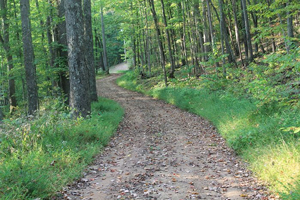
Legislation has been introduced in both the Minnesota House and Senate to help create and protect well-managed off-road vehicle (ORV) trails.

Legislation has been introduced in both the Minnesota House and Senate to help create and protect well-managed off-road vehicle (ORV) trails. The legislation would direct the commissioner of natural resources to establish a master ORV plan that identifies ways to develop a comprehensive trail system to serve regional and tourist destinations, and to better foster economic benefits for local communities. The bills have been assigned to House and Senate committees for consideration. 

For more information, visit the SEMA Action Network (SAN) website. For details, contact Daniel Ingber at stateleg@sema.org.


Thu, 03/22/2018 - 13:57

By SEMA Washington, D.C., Staff

Minnesota
Legislation has been introduced in both the Minnesota House and Senate to help create and protect well-managed off-road vehicle (ORV) trails.

Legislation has been introduced in both the Minnesota House and Senate to help create and protect well-managed off-road vehicle (ORV) trails. The legislation would direct the commissioner of natural resources to establish a master ORV plan that identifies ways to develop a comprehensive trail system to serve regional and tourist destinations, and to better foster economic benefits for local communities. The bills have been assigned to House and Senate committees for consideration. 

For more information, visit the SEMA Action Network (SAN) website. For details, contact Daniel Ingber at stateleg@sema.org.


Thu, 03/22/2018 - 13:57

By SEMA Washington, D.C., Staff

Minnesota
Legislation has been introduced in both the Minnesota House and Senate to help create and protect well-managed off-road vehicle (ORV) trails.

Legislation has been introduced in both the Minnesota House and Senate to help create and protect well-managed off-road vehicle (ORV) trails. The legislation would direct the commissioner of natural resources to establish a master ORV plan that identifies ways to develop a comprehensive trail system to serve regional and tourist destinations, and to better foster economic benefits for local communities. The bills have been assigned to House and Senate committees for consideration. 

For more information, visit the SEMA Action Network (SAN) website. For details, contact Daniel Ingber at stateleg@sema.org.


Thu, 03/22/2018 - 13:57

By SEMA Washington, D.C., Staff

Minnesota
Legislation has been introduced in both the Minnesota House and Senate to help create and protect well-managed off-road vehicle (ORV) trails.

Legislation has been introduced in both the Minnesota House and Senate to help create and protect well-managed off-road vehicle (ORV) trails. The legislation would direct the commissioner of natural resources to establish a master ORV plan that identifies ways to develop a comprehensive trail system to serve regional and tourist destinations, and to better foster economic benefits for local communities. The bills have been assigned to House and Senate committees for consideration. 

For more information, visit the SEMA Action Network (SAN) website. For details, contact Daniel Ingber at stateleg@sema.org.


Thu, 03/22/2018 - 13:54

By SEMA Washington, D.C., Staff

Idaho
The Idaho House and Senate approved a bill allowing a vehicle built for the United States Armed Forces to be registered and operated on public highways in Idaho, even if such a vehicle does not meet federal motor vehicle safety standards.

The Idaho House and Senate approved a bill allowing a vehicle built for the United States Armed Forces to be registered and operated on public highways in Idaho, even if such a vehicle does not meet federal motor vehicle safety standards. Presently, many military surplus vehicles do not meet current standards and cannot be legally registered in the state. The bill has been sent to the Governor to be signed into law. 

For more information, visit the SEMA Action Network (SAN) website. For details, contact Daniel Ingber at stateleg@sema.org.


Thu, 03/22/2018 - 13:54

By SEMA Washington, D.C., Staff

Idaho
The Idaho House and Senate approved a bill allowing a vehicle built for the United States Armed Forces to be registered and operated on public highways in Idaho, even if such a vehicle does not meet federal motor vehicle safety standards.

The Idaho House and Senate approved a bill allowing a vehicle built for the United States Armed Forces to be registered and operated on public highways in Idaho, even if such a vehicle does not meet federal motor vehicle safety standards. Presently, many military surplus vehicles do not meet current standards and cannot be legally registered in the state. The bill has been sent to the Governor to be signed into law. 

For more information, visit the SEMA Action Network (SAN) website. For details, contact Daniel Ingber at stateleg@sema.org.


Thu, 03/22/2018 - 13:54

By SEMA Washington, D.C., Staff

Idaho
The Idaho House and Senate approved a bill allowing a vehicle built for the United States Armed Forces to be registered and operated on public highways in Idaho, even if such a vehicle does not meet federal motor vehicle safety standards.

The Idaho House and Senate approved a bill allowing a vehicle built for the United States Armed Forces to be registered and operated on public highways in Idaho, even if such a vehicle does not meet federal motor vehicle safety standards. Presently, many military surplus vehicles do not meet current standards and cannot be legally registered in the state. The bill has been sent to the Governor to be signed into law. 

For more information, visit the SEMA Action Network (SAN) website. For details, contact Daniel Ingber at stateleg@sema.org.


Thu, 03/22/2018 - 13:54

By SEMA Washington, D.C., Staff

Idaho
The Idaho House and Senate approved a bill allowing a vehicle built for the United States Armed Forces to be registered and operated on public highways in Idaho, even if such a vehicle does not meet federal motor vehicle safety standards.

The Idaho House and Senate approved a bill allowing a vehicle built for the United States Armed Forces to be registered and operated on public highways in Idaho, even if such a vehicle does not meet federal motor vehicle safety standards. Presently, many military surplus vehicles do not meet current standards and cannot be legally registered in the state. The bill has been sent to the Governor to be signed into law. 

For more information, visit the SEMA Action Network (SAN) website. For details, contact Daniel Ingber at stateleg@sema.org.


Thu, 03/22/2018 - 13:49

By SEMA Washington, D.C., Staff

President Trump recently directed the United States to collect a 25% tariff on all covered steel imports and a 10% tariff on all covered aluminum imports starting on March 23, 2018. The tariffs apply to processed raw materials (steel/aluminum plate, sheets, bars, etc.), but not finished products (e.g., wheels, exhausts, etc.). U.S.-based companies seeking a tariff exclusion must demonstrate that the foreign-produced material is not produced in the United States in reasonably available quantity or satisfactory quality. The exclusion would last one year. 

For more information and to file an exclusion request, visit www.bis.doc.gov/index.php/232-steel or www.bis.doc.gov/index.php/232-aluminum

The tariffs are the result of a U.S. Department of Commerce study that raised concern about a potential threat to U.S. national security due to a dependence on foreign sources for these critical materials. The study cited excess global production, resulting in reduced prices and closure of many U.S. factories. SEMA supports free, fair and reciprocal trade, and is concerned that the tariffs may impose more harm on domestic companies forced to purchase higher-priced steel, making them less competitive in the global marketplace.  

Imports from Canada and Mexico are temporarily exempted from the tariffs, but are tied to a successful renegotiation of the NAFTA accord. Imports from Argentina, Australia, Brazil, the European Union and South Korea have also been temporarily exempted. Other countries will likely seek tariff exclusions based on significant merit (U.S. allies or lack of material availability). To date, exclusions have not been granted to Japan, Turkey and Russia. Some foreign governments have threatened to impose retaliatory tariffs on other U.S. products and challenge the U.S. tariffs at the World Trade Organization.

For more information, contact Stuart Gosswein at stuartg@sema.org.  

Thu, 03/22/2018 - 13:49

By SEMA Washington, D.C., Staff

President Trump recently directed the United States to collect a 25% tariff on all covered steel imports and a 10% tariff on all covered aluminum imports starting on March 23, 2018. The tariffs apply to processed raw materials (steel/aluminum plate, sheets, bars, etc.), but not finished products (e.g., wheels, exhausts, etc.). U.S.-based companies seeking a tariff exclusion must demonstrate that the foreign-produced material is not produced in the United States in reasonably available quantity or satisfactory quality. The exclusion would last one year. 

For more information and to file an exclusion request, visit www.bis.doc.gov/index.php/232-steel or www.bis.doc.gov/index.php/232-aluminum

The tariffs are the result of a U.S. Department of Commerce study that raised concern about a potential threat to U.S. national security due to a dependence on foreign sources for these critical materials. The study cited excess global production, resulting in reduced prices and closure of many U.S. factories. SEMA supports free, fair and reciprocal trade, and is concerned that the tariffs may impose more harm on domestic companies forced to purchase higher-priced steel, making them less competitive in the global marketplace.  

Imports from Canada and Mexico are temporarily exempted from the tariffs, but are tied to a successful renegotiation of the NAFTA accord. Imports from Argentina, Australia, Brazil, the European Union and South Korea have also been temporarily exempted. Other countries will likely seek tariff exclusions based on significant merit (U.S. allies or lack of material availability). To date, exclusions have not been granted to Japan, Turkey and Russia. Some foreign governments have threatened to impose retaliatory tariffs on other U.S. products and challenge the U.S. tariffs at the World Trade Organization.

For more information, contact Stuart Gosswein at stuartg@sema.org.