

Troy Wirtz sits down to explain what the TORA does and how members work together against harmful regulations that the industry faces.
Thu, 04/26/2018 - 09:06
Thu, 04/26/2018 - 09:06
Troy Wirtz sits down to explain what the TORA does and how members work together against harmful regulations that the industry faces.
Thu, 04/26/2018 - 09:03
By Kyle Cheng
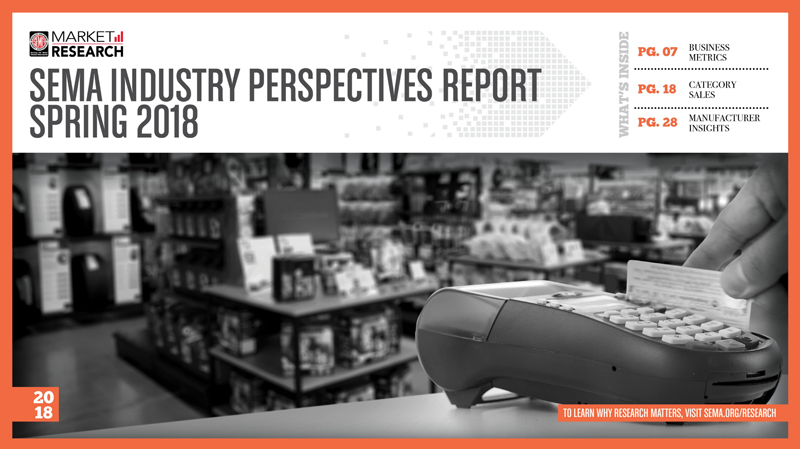 In a recent study conducted by SEMA Market Research, most manufacturers, distributors and retailers surveyed saw increased sales over the past year. In a recent study conducted by SEMA Market Research, most manufacturers, distributors and retailers surveyed saw increased sales over the past year. |
The overall outlook for the automotive specialty-equipment industry is strong. In a recent study conducted by SEMA Market Research, most manufacturers, distributors and retailers surveyed saw increased sales over the past year. They were even more optimistic for the future: 82% of manufacturers expect an increase in sales over the next 12 months, followed by distributors (74%) and retailers (68%). Across the board, the size, scope and consumer base of the industry is expected to grow.
International sales are increasingly becoming an important revenue source for U.S.-based manufacturers. Eighty-four percent of those surveyed sell products outside our borders, either directly or through channels that reach overseas markets. Leading markets include Canada, Australia and Europe.
Want to learn more about the state of the industry and find out the biggest barriers perceived within your segment? Interested in seeing current and projected product trends? Check out SEMA’s new free “Industry Perspectives Report.”
To see all of the reports available through SEMA Market Research, visit www.sema.org/research.
What do you think about the state of the industry? We need help from the SEMA community!
Some of you may have received an email from a company called Directions Research. If you receive a message from them inviting you to take a survey, rest assured that it is legitimate.
If you get this invitation, help us out and take a few minutes to provide your feedback. This will help us to provide the best information for our industry.
Thu, 04/26/2018 - 09:03
By Kyle Cheng
| In a recent study conducted by SEMA Market Research, most manufacturers, distributors and retailers surveyed saw increased sales over the past year. |
The overall outlook for the automotive specialty-equipment industry is strong. In a recent study conducted by SEMA Market Research, most manufacturers, distributors and retailers surveyed saw increased sales over the past year. They were even more optimistic for the future: 82% of manufacturers expect an increase in sales over the next 12 months, followed by distributors (74%) and retailers (68%). Across the board, the size, scope and consumer base of the industry is expected to grow.
International sales are increasingly becoming an important revenue source for U.S.-based manufacturers. Eighty-four percent of those surveyed sell products outside our borders, either directly or through channels that reach overseas markets. Leading markets include Canada, Australia and Europe.
Want to learn more about the state of the industry and find out the biggest barriers perceived within your segment? Interested in seeing current and projected product trends? Check out SEMA’s new free “Industry Perspectives Report.”
To see all of the reports available through SEMA Market Research, visit www.sema.org/research.
What do you think about the state of the industry? We need help from the SEMA community!
Some of you may have received an email from a company called Directions Research. If you receive a message from them inviting you to take a survey, rest assured that it is legitimate.
If you get this invitation, help us out and take a few minutes to provide your feedback. This will help us to provide the best information for our industry.
Thu, 04/26/2018 - 09:00
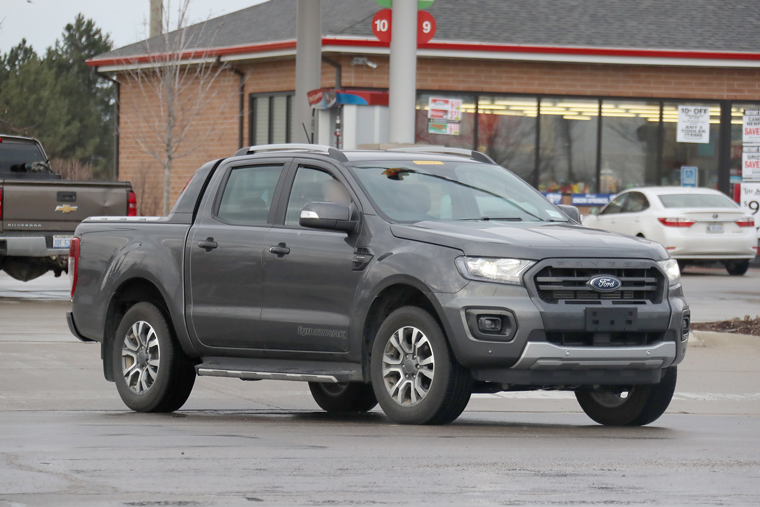
This is the ’19 Ford Ranger Wildtrak, making its unofficial global debut.
The latest iteration of the next-generation Ranger Wildtrak was caught completely undisguised (inside and out) in Metro Detroit. A popular ute substitute in Australia, the Wildtrak gets added ground clearance, a bedliner with a 12V socket, an innovative retractable tonneau cover (roller shutter), 18-in. alloy rims on P265/60 tires and additional styling interior/exterior tweaks to make it stand out from the standard Ranger.
In other markets, the current Wildtrak can be had with a 3.2L diesel engine found in the Transit, although the new model features the all-new twin turbo 2.0 diesel (confirmed by the bi-turbo badge on the front fender) good for 211 hp and 369 lb.-ft. of torque while being mated to a 10-speed automatic transmission or optional six-speed manual.
It’s still unclear if the Wildtrak will be offered stateside, but the relentless testing on U.S. soil clearly indicates Ford’s intent.
It wouldn’t be shocking if the Wildtrak makes a stateside debut alongside the Ranger Raptor.
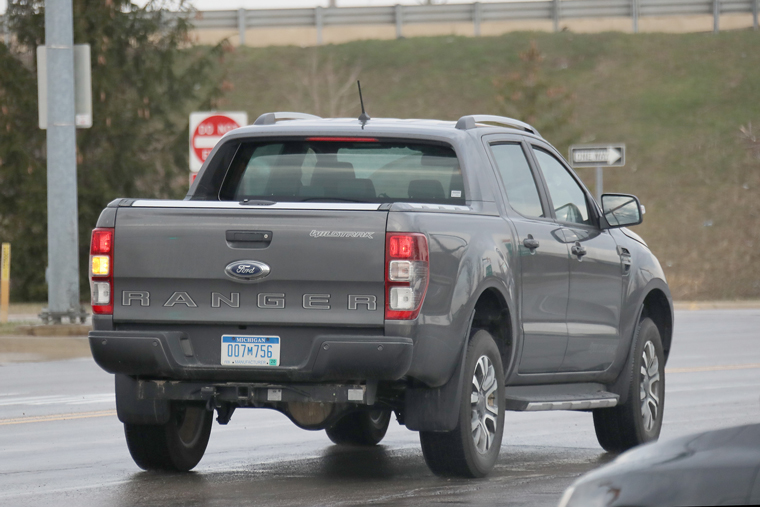
Photo credit: Brian Williams, SpiedBilde
Thu, 04/26/2018 - 09:00
This is the ’19 Ford Ranger Wildtrak, making its unofficial global debut.
The latest iteration of the next-generation Ranger Wildtrak was caught completely undisguised (inside and out) in Metro Detroit. A popular ute substitute in Australia, the Wildtrak gets added ground clearance, a bedliner with a 12V socket, an innovative retractable tonneau cover (roller shutter), 18-in. alloy rims on P265/60 tires and additional styling interior/exterior tweaks to make it stand out from the standard Ranger.
In other markets, the current Wildtrak can be had with a 3.2L diesel engine found in the Transit, although the new model features the all-new twin turbo 2.0 diesel (confirmed by the bi-turbo badge on the front fender) good for 211 hp and 369 lb.-ft. of torque while being mated to a 10-speed automatic transmission or optional six-speed manual.
It’s still unclear if the Wildtrak will be offered stateside, but the relentless testing on U.S. soil clearly indicates Ford’s intent.
It wouldn’t be shocking if the Wildtrak makes a stateside debut alongside the Ranger Raptor.
Photo credit: Brian Williams, SpiedBilde
Thu, 04/26/2018 - 09:00
This is the ’19 Ford Ranger Wildtrak, making its unofficial global debut.
The latest iteration of the next-generation Ranger Wildtrak was caught completely undisguised (inside and out) in Metro Detroit. A popular ute substitute in Australia, the Wildtrak gets added ground clearance, a bedliner with a 12V socket, an innovative retractable tonneau cover (roller shutter), 18-in. alloy rims on P265/60 tires and additional styling interior/exterior tweaks to make it stand out from the standard Ranger.
In other markets, the current Wildtrak can be had with a 3.2L diesel engine found in the Transit, although the new model features the all-new twin turbo 2.0 diesel (confirmed by the bi-turbo badge on the front fender) good for 211 hp and 369 lb.-ft. of torque while being mated to a 10-speed automatic transmission or optional six-speed manual.
It’s still unclear if the Wildtrak will be offered stateside, but the relentless testing on U.S. soil clearly indicates Ford’s intent.
It wouldn’t be shocking if the Wildtrak makes a stateside debut alongside the Ranger Raptor.
Photo credit: Brian Williams, SpiedBilde
Thu, 04/26/2018 - 09:00
This is the ’19 Ford Ranger Wildtrak, making its unofficial global debut.
The latest iteration of the next-generation Ranger Wildtrak was caught completely undisguised (inside and out) in Metro Detroit. A popular ute substitute in Australia, the Wildtrak gets added ground clearance, a bedliner with a 12V socket, an innovative retractable tonneau cover (roller shutter), 18-in. alloy rims on P265/60 tires and additional styling interior/exterior tweaks to make it stand out from the standard Ranger.
In other markets, the current Wildtrak can be had with a 3.2L diesel engine found in the Transit, although the new model features the all-new twin turbo 2.0 diesel (confirmed by the bi-turbo badge on the front fender) good for 211 hp and 369 lb.-ft. of torque while being mated to a 10-speed automatic transmission or optional six-speed manual.
It’s still unclear if the Wildtrak will be offered stateside, but the relentless testing on U.S. soil clearly indicates Ford’s intent.
It wouldn’t be shocking if the Wildtrak makes a stateside debut alongside the Ranger Raptor.
Photo credit: Brian Williams, SpiedBilde
Thu, 04/26/2018 - 09:00
This is the ’19 Ford Ranger Wildtrak, making its unofficial global debut.
The latest iteration of the next-generation Ranger Wildtrak was caught completely undisguised (inside and out) in Metro Detroit. A popular ute substitute in Australia, the Wildtrak gets added ground clearance, a bedliner with a 12V socket, an innovative retractable tonneau cover (roller shutter), 18-in. alloy rims on P265/60 tires and additional styling interior/exterior tweaks to make it stand out from the standard Ranger.
In other markets, the current Wildtrak can be had with a 3.2L diesel engine found in the Transit, although the new model features the all-new twin turbo 2.0 diesel (confirmed by the bi-turbo badge on the front fender) good for 211 hp and 369 lb.-ft. of torque while being mated to a 10-speed automatic transmission or optional six-speed manual.
It’s still unclear if the Wildtrak will be offered stateside, but the relentless testing on U.S. soil clearly indicates Ford’s intent.
It wouldn’t be shocking if the Wildtrak makes a stateside debut alongside the Ranger Raptor.
Photo credit: Brian Williams, SpiedBilde
Thu, 04/26/2018 - 09:00
This is the ’19 Ford Ranger Wildtrak, making its unofficial global debut.
The latest iteration of the next-generation Ranger Wildtrak was caught completely undisguised (inside and out) in Metro Detroit. A popular ute substitute in Australia, the Wildtrak gets added ground clearance, a bedliner with a 12V socket, an innovative retractable tonneau cover (roller shutter), 18-in. alloy rims on P265/60 tires and additional styling interior/exterior tweaks to make it stand out from the standard Ranger.
In other markets, the current Wildtrak can be had with a 3.2L diesel engine found in the Transit, although the new model features the all-new twin turbo 2.0 diesel (confirmed by the bi-turbo badge on the front fender) good for 211 hp and 369 lb.-ft. of torque while being mated to a 10-speed automatic transmission or optional six-speed manual.
It’s still unclear if the Wildtrak will be offered stateside, but the relentless testing on U.S. soil clearly indicates Ford’s intent.
It wouldn’t be shocking if the Wildtrak makes a stateside debut alongside the Ranger Raptor.
Photo credit: Brian Williams, SpiedBilde