Thu, 02/14/2019 - 10:27

By Washington, D.C., Staff

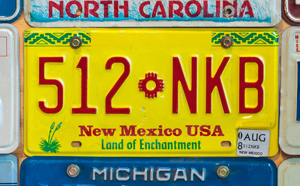
Legislation (H.B. 6973) has been introduced in the Connecticut House of Representatives to exempt vehicles without a designated place and mounting hardware from having to display a front license plate.

Under current law vehicles must display both front and rear license plates. The bill awaits consideration by the Joint Committee on Transportation.

For more information, visit the SEMA Action Network website.

For details, contact Christian Robinson at stateleg@sema.org.
 

This story was originally published on February 14, 2019. For more industry news, visit SEMANews.com and subscribe to SEMA News at the bottom of the webpage to get the latest updates straight to your inbox, twice a week.

Thu, 02/14/2019 - 10:27

By SEMA Editors

Kooks Headers and Exhaust Continues to Add to its Leadership Team

Kooks Headers and Exhaust (KHE) recently announced that Matt Hatfield is the most recent addition to the leadership team. Hatfield brings more than 20 years of C-level experience from the manufacturing industry. Matt will hold the chief operating officer role at KHE and will be tasked with steering the entire organization towards the goals that have been set forth by KHE CEO, George Kook Jr.  

Kevin Floody will continue to oversee the sales operation for the entire Kooks portfolio of brands that include Kooks Headers and Exhaust, Kooks Industries as well as maintaining the international dealer network.

Additionally, Brad Zimmerman will stay focused on providing overall marketing strategies for the Kooks brands as the company will focus its efforts on creating new and innovative content campaigns targeting the current and next generation of automotive enthusiasts.

Driven Brands Announces Acquisition of Super-Lube

Take 5 Oil Change, part of Driven Brands, announced its acquisition of Super-Lube, a chain of quick lube and automotive service centers with 48 total locations in Florida, Wisconsin, Indiana, Illinois and Alabama.

Take 5 Oil Change specializes in fast, friendly and simple drive-thru oil change services. Take 5 Oil Change has achieved significant growth since being acquired by Driven Brands, the nation's leading automotive franchisor, in 2016. Super-Lube is Driven Brands' 25th acquisition and expands Take 5's total footprint to 19 states.

The Super-Lube acquisition expands Take 5 Oil Change's total network to more than 350 U.S. locations. The acquired quick lube centers will be rebranded over time as Take 5 Oil Change. Since affiliates of Roark Capital acquired Driven Brands in 2015, it has executed eight major acquisitions, including Super-Lube, and continues to grow across all verticals, expanding the brands' footprint to more than 2,500 locations in North America.

Meyer Distributing Announces Chattanooga, Tennessee, Location

Meyer Distributing Inc. a leader in automotive specialty products marketing and distribution, announced the addition of a location in Chattanooga, Tennessee. The cross-dock will have a direct, next-day feed from Meyer's Jasper, Indiana, distribution hub which houses one of the largest inventories of automotive accessories and RV parts in the region.

“As truck lanes and routes grow, we are always looking at adding extra capacity to get in front of the growth,” says Jeff Braun, CEO of Meyer. “More lanes and trucks lead to improved delivery times and happier customers.  It sounds simple as a general goal, but that routing and sequencing logic gets complex at scale with every new location.  It’s a great problem to have.”

Have some company news you would like to share? Let us know and the news may appear in an upcoming issue of SEMA eNews. Send your items for consideration to editors@sema.org.

Thu, 02/14/2019 - 10:27

In May 1989, 26 industry folks—manufacturers, suppliers and retailers—met in Omaha, Nebraska, to consider a proposal to form a trade association that would represent the collective interests of the truck-cap industry. The result: 18 of those present became the core of the first board of directors of the Truck Cap Industry Association (TCIA).

In the ensuing years, TCIA focused on expanding its membership and services, including producing trade shows focused on the truck cap and light-truck accessory market. As the industry continued to evolve, and to better define its members’ interest in all aspects of light-truck accessories, the organization’s name was changed in 1992 to the Truck Cap & Accessory Association (TCAA).

Flash forward to early 2000. Following months of behind-the-scenes dialog and speculation, it was announced that SEMA and TCAA had formed a strategic alliance. Under the terms of the alliance, TCAA merged into SEMA as its largest niche-market council, and was renamed the Truck Cap & Accessory Alliance. A few years later, the name changed once again, this time to the Light Truck Accessory Alliance (LTAA). And so it has remained, until now.

LTAA Evolves Into TORA

If the name of your council is the Light Truck Accessory Alliance, it would seem at first glance to be representative of all segments of the truck-accessory market, both on- and off-road. But as LTAA leadership looked around at the evolving landscape, they realized the off-road market has been underserved. The group then began exploring opportunities to connect and expand its influence and community within the off-road sector.

During the past year, the LTAA hosted an event at the Easter Jeep Safari in Moab, Utah, offered Jeep measuring sessions and attended other segment-specific shows. The outreach efforts—combined with data contained in the “SEMA Jeep Wrangler Report”—brought to light the need for a “home” within SEMA for the off-road market.

That, said LTAA Chair Kathryn Reinhardt, led to a series of next steps. “We created an Off-Road Taskforce that involved some council members, non-LTAA members who belong to SEMA, and some non-SEMA members, and held a strategy session during the Off-Road Expo in September.”

As the first order of business, the group brainstormed how to define a truck. “There are all these different terminologies—a pickup truck, an SUV, a CUV, a UTV—that we’ve utilized and assumed that everybody thought were under LTAA’s umbrella. But, in reality, we found that a lot of people, when they think of the LTAA, think of a pickup. So it was important that all of our definitions matched, and we agreed a truck is a pickup, an SUV and a CUV.”

The taskforce also examined another aspect of the off-road market—motorcycles and ATVs—and came to a conclusion. “We had to draw the line between handlebars and steering wheels,” said Reinhardt. “We made a conscious decision at that meeting that a vehicle classified as a truck and with a steering wheel fits the profile. Motorcycles and powersports are outside our realm.”

Following an open meeting that included numerous stakeholders and a discussion with the council’s select committee, there was consensus. The LTAA would embrace the off-road market. To effect the change, the SEMA Board approved the council’s proposal to be more inclusive and rebrand the LTAA as TORA, the Truck and Off-Road Alliance.

The LTAA isn’t the first council to change its name to better reflect its identity, community and focus. HRIA, the Hot Rod Industry Alliance, for instance, used to be the Street Rod Market Alliance (SRMA). The Street Performance Council (SPC) morphed into the Emerging Trends and Technology Network (ETTN).

“A lot of people don’t realize the amount of effort, time and communication that has to happen before these changes happen,” noted Reinhardt. “It was tough and we wanted to make sure we did it right. We’re super excited. It’s a monumental change to be part of and have as a legacy, because I’m terming out.

“It represents a change in the market, and we have to be adaptable to those changes, because it’s not the same as it was 10 or 20 years ago. So it’s an exciting time to be a member of LTAA/TORA. It’s going to open the door for us to have more membership, but also to be more inclusive of any aftermarket company—jobbers, retailers, reps, media, manufacturers, distributors—that want to be part of the Truck and Off-Road Alliance. It’s really going to bring together a new community of people who want to be represented.”

Thu, 02/14/2019 - 10:27

In May 1989, 26 industry folks—manufacturers, suppliers and retailers—met in Omaha, Nebraska, to consider a proposal to form a trade association that would represent the collective interests of the truck-cap industry. The result: 18 of those present became the core of the first board of directors of the Truck Cap Industry Association (TCIA).

In the ensuing years, TCIA focused on expanding its membership and services, including producing trade shows focused on the truck cap and light-truck accessory market. As the industry continued to evolve, and to better define its members’ interest in all aspects of light-truck accessories, the organization’s name was changed in 1992 to the Truck Cap & Accessory Association (TCAA).

Flash forward to early 2000. Following months of behind-the-scenes dialog and speculation, it was announced that SEMA and TCAA had formed a strategic alliance. Under the terms of the alliance, TCAA merged into SEMA as its largest niche-market council, and was renamed the Truck Cap & Accessory Alliance. A few years later, the name changed once again, this time to the Light Truck Accessory Alliance (LTAA). And so it has remained, until now.

LTAA Evolves Into TORA

If the name of your council is the Light Truck Accessory Alliance, it would seem at first glance to be representative of all segments of the truck-accessory market, both on- and off-road. But as LTAA leadership looked around at the evolving landscape, they realized the off-road market has been underserved. The group then began exploring opportunities to connect and expand its influence and community within the off-road sector.

During the past year, the LTAA hosted an event at the Easter Jeep Safari in Moab, Utah, offered Jeep measuring sessions and attended other segment-specific shows. The outreach efforts—combined with data contained in the “SEMA Jeep Wrangler Report”—brought to light the need for a “home” within SEMA for the off-road market.

That, said LTAA Chair Kathryn Reinhardt, led to a series of next steps. “We created an Off-Road Taskforce that involved some council members, non-LTAA members who belong to SEMA, and some non-SEMA members, and held a strategy session during the Off-Road Expo in September.”

As the first order of business, the group brainstormed how to define a truck. “There are all these different terminologies—a pickup truck, an SUV, a CUV, a UTV—that we’ve utilized and assumed that everybody thought were under LTAA’s umbrella. But, in reality, we found that a lot of people, when they think of the LTAA, think of a pickup. So it was important that all of our definitions matched, and we agreed a truck is a pickup, an SUV and a CUV.”

The taskforce also examined another aspect of the off-road market—motorcycles and ATVs—and came to a conclusion. “We had to draw the line between handlebars and steering wheels,” said Reinhardt. “We made a conscious decision at that meeting that a vehicle classified as a truck and with a steering wheel fits the profile. Motorcycles and powersports are outside our realm.”

Following an open meeting that included numerous stakeholders and a discussion with the council’s select committee, there was consensus. The LTAA would embrace the off-road market. To effect the change, the SEMA Board approved the council’s proposal to be more inclusive and rebrand the LTAA as TORA, the Truck and Off-Road Alliance.

The LTAA isn’t the first council to change its name to better reflect its identity, community and focus. HRIA, the Hot Rod Industry Alliance, for instance, used to be the Street Rod Market Alliance (SRMA). The Street Performance Council (SPC) morphed into the Emerging Trends and Technology Network (ETTN).

“A lot of people don’t realize the amount of effort, time and communication that has to happen before these changes happen,” noted Reinhardt. “It was tough and we wanted to make sure we did it right. We’re super excited. It’s a monumental change to be part of and have as a legacy, because I’m terming out.

“It represents a change in the market, and we have to be adaptable to those changes, because it’s not the same as it was 10 or 20 years ago. So it’s an exciting time to be a member of LTAA/TORA. It’s going to open the door for us to have more membership, but also to be more inclusive of any aftermarket company—jobbers, retailers, reps, media, manufacturers, distributors—that want to be part of the Truck and Off-Road Alliance. It’s really going to bring together a new community of people who want to be represented.”

Thu, 02/14/2019 - 10:27

In May 1989, 26 industry folks—manufacturers, suppliers and retailers—met in Omaha, Nebraska, to consider a proposal to form a trade association that would represent the collective interests of the truck-cap industry. The result: 18 of those present became the core of the first board of directors of the Truck Cap Industry Association (TCIA).

In the ensuing years, TCIA focused on expanding its membership and services, including producing trade shows focused on the truck cap and light-truck accessory market. As the industry continued to evolve, and to better define its members’ interest in all aspects of light-truck accessories, the organization’s name was changed in 1992 to the Truck Cap & Accessory Association (TCAA).

Flash forward to early 2000. Following months of behind-the-scenes dialog and speculation, it was announced that SEMA and TCAA had formed a strategic alliance. Under the terms of the alliance, TCAA merged into SEMA as its largest niche-market council, and was renamed the Truck Cap & Accessory Alliance. A few years later, the name changed once again, this time to the Light Truck Accessory Alliance (LTAA). And so it has remained, until now.

LTAA Evolves Into TORA

If the name of your council is the Light Truck Accessory Alliance, it would seem at first glance to be representative of all segments of the truck-accessory market, both on- and off-road. But as LTAA leadership looked around at the evolving landscape, they realized the off-road market has been underserved. The group then began exploring opportunities to connect and expand its influence and community within the off-road sector.

During the past year, the LTAA hosted an event at the Easter Jeep Safari in Moab, Utah, offered Jeep measuring sessions and attended other segment-specific shows. The outreach efforts—combined with data contained in the “SEMA Jeep Wrangler Report”—brought to light the need for a “home” within SEMA for the off-road market.

That, said LTAA Chair Kathryn Reinhardt, led to a series of next steps. “We created an Off-Road Taskforce that involved some council members, non-LTAA members who belong to SEMA, and some non-SEMA members, and held a strategy session during the Off-Road Expo in September.”

As the first order of business, the group brainstormed how to define a truck. “There are all these different terminologies—a pickup truck, an SUV, a CUV, a UTV—that we’ve utilized and assumed that everybody thought were under LTAA’s umbrella. But, in reality, we found that a lot of people, when they think of the LTAA, think of a pickup. So it was important that all of our definitions matched, and we agreed a truck is a pickup, an SUV and a CUV.”

The taskforce also examined another aspect of the off-road market—motorcycles and ATVs—and came to a conclusion. “We had to draw the line between handlebars and steering wheels,” said Reinhardt. “We made a conscious decision at that meeting that a vehicle classified as a truck and with a steering wheel fits the profile. Motorcycles and powersports are outside our realm.”

Following an open meeting that included numerous stakeholders and a discussion with the council’s select committee, there was consensus. The LTAA would embrace the off-road market. To effect the change, the SEMA Board approved the council’s proposal to be more inclusive and rebrand the LTAA as TORA, the Truck and Off-Road Alliance.

The LTAA isn’t the first council to change its name to better reflect its identity, community and focus. HRIA, the Hot Rod Industry Alliance, for instance, used to be the Street Rod Market Alliance (SRMA). The Street Performance Council (SPC) morphed into the Emerging Trends and Technology Network (ETTN).

“A lot of people don’t realize the amount of effort, time and communication that has to happen before these changes happen,” noted Reinhardt. “It was tough and we wanted to make sure we did it right. We’re super excited. It’s a monumental change to be part of and have as a legacy, because I’m terming out.

“It represents a change in the market, and we have to be adaptable to those changes, because it’s not the same as it was 10 or 20 years ago. So it’s an exciting time to be a member of LTAA/TORA. It’s going to open the door for us to have more membership, but also to be more inclusive of any aftermarket company—jobbers, retailers, reps, media, manufacturers, distributors—that want to be part of the Truck and Off-Road Alliance. It’s really going to bring together a new community of people who want to be represented.”

Thu, 02/14/2019 - 10:24

By Washington, D.C., Staff

Legislation (A.B. 210) has been introduced in the California Assembly to exempt motor vehicles prior to the '83 model year from the state’s emissions inspection requirement.

Current law requires the biennial testing of all '76 and newer model-year vehicles. AB 210 awaits consideration by the Assembly Transportation Committee.

For more information, visit the SEMA Action Network website.  

For details, contact Christian Robinson at stateleg@sema.org.
Thu, 02/14/2019 - 10:24

By Washington, D.C., Staff

Legislation (A.B. 210) has been introduced in the California Assembly to exempt motor vehicles prior to the '83 model year from the state’s emissions inspection requirement.

Current law requires the biennial testing of all '76 and newer model-year vehicles. AB 210 awaits consideration by the Assembly Transportation Committee.

For more information, visit the SEMA Action Network website.  

For details, contact Christian Robinson at stateleg@sema.org.

Thu, 02/14/2019 - 10:21

By Washington, D.C., Staff

The U.S. House of Representatives passed a bill to create a commission that would recommend ways to commemorate the 100th anniversary of Route 66, which was commissioned in 1926 as the first all-paved U.S. highway. The “Route 66 Centennial Commission Act” (H.R. 66) creates a 19-person commission including governors of states through which the highway passed, from Illinois to California. The commission will have five years to recommend ways to celebrate the anniversary such as through writings, films and documentaries, education programs, artistic works and commemorative memorabilia.

The bipartisan H.R. 66 is sponsored by U.S. Rep. Rodney Davis (R-IL) and passed by a margin of 393 to 22. The bill now awaits consideration in the U.S. Senate Environment and Public Works Committee. "Route 66 is a symbol of American independence and prosperity. I am proud to have America’s most iconic road run through the middle of my district and it’s important we celebrate its history," said Rep. Davis. "This bill will create a commission to honor the 100th anniversary of Route 66 in 2026 and will create a plan to ensure the historic road is preserved for future generations.”

For more information, contact Eric Snyder at erics@sema.org.

Thu, 02/14/2019 - 10:21

By Washington, D.C., Staff

The U.S. House of Representatives passed a bill to create a commission that would recommend ways to commemorate the 100th anniversary of Route 66, which was commissioned in 1926 as the first all-paved U.S. highway. The “Route 66 Centennial Commission Act” (H.R. 66) creates a 19-person commission including governors of states through which the highway passed, from Illinois to California. The commission will have five years to recommend ways to celebrate the anniversary such as through writings, films and documentaries, education programs, artistic works and commemorative memorabilia.

The bipartisan H.R. 66 is sponsored by U.S. Rep. Rodney Davis (R-IL) and passed by a margin of 393 to 22. The bill now awaits consideration in the U.S. Senate Environment and Public Works Committee. "Route 66 is a symbol of American independence and prosperity. I am proud to have America’s most iconic road run through the middle of my district and it’s important we celebrate its history," said Rep. Davis. "This bill will create a commission to honor the 100th anniversary of Route 66 in 2026 and will create a plan to ensure the historic road is preserved for future generations.”

For more information, contact Eric Snyder at erics@sema.org.

Thu, 02/14/2019 - 10:19

By Washington, D.C., Staff

Collector Car Appreciation DayWest Virginia’s Knobley Mountain Auto Club proudly recognized the day at its event in Keyser, shown displaying the 2018 CCAD Congressional Resolution.

At the request of SEMA and the SEMA Action Network (SAN), a resolution (H. Res. 108) was introduced in the U.S. House of Representatives to recognize July 12, 2019, as Collector Car Appreciation Day (CCAD). H. Res. 108 is sponsored by Congressional Automotive Performance and Motorsports Caucus House Co-Chairs Rep. Bill Posey (R-FL) and Rep. Sanford D. Bishop, Jr. (D-GA). The date marks the 10th commemoration in what has become an annual event to celebrate and raise awareness of the vital role automotive restoration and collection plays in American society.

Intended to celebrate the classics of the past and the future, the U.S. Congress has helped launch CCAD by introducing resolutions each year at SEMA’s request.  The previous resolutions were sponsored by co-chairs of the SEMA-supported Congressional Automotive Performance and Motorsports Caucus.  These Congressional leaders have been strong advocates for the automotive hobby in Washington, D.C., and recognize the integral role collector cars have played in fostering our nation’s appreciation for the automobile’s unique historical place in our history.

A list of officially scheduled events to commemorate America’s time-tested love affair with the automobile is posted in the link below.  Individuals, car clubs and business owners interested in publicizing events may submit the details of their July celebration at no cost using this link.

States, local governments and Canadian provinces have adopted similar commemorative declarations, making it an international recognition of the collector-car hobby and the millions of individuals who support it. Several jurisdictions are pursuing similar initiatives.

Download the official logo and flyer from the homepage and help promote this special day. As always, the SAN welcomes any level of participation and encourages everyone to spread the word about our hobby’s “holiday.”

For questions, contact SAN Director Colby Martin at 909-978-6721 or san@sema.org.