Thu, 12/01/2016 - 10:46

By SEMA Washington, D.C., Staff

The U.S. Environmental Protection Agency (EPA) issued final targets for the amount of ethanol to be blended into gasoline in 2017, relying on expanded voluntary sales of E15 (gas that contains 15% ethanol) in order to meet the targets. The EPA is required to set ethanol targets under the Renewable Fuel Standard (RFS), a law designed to reduce the nation’s dependency on foreign oil. 

Ethanol produced from corn has been the primary fuel used to meet the RFS mandates. However, ethanol can cause metal corrosion and dissolve certain plastics and rubbers in automobiles produced before 2001 that were not constructed with ethanol-resistant materials, especially when the ethanol is in higher concentrations, such as E15. SEMA is hopeful that 2017 will provide an opportunity to reform the RFS in ways that protect the industry and the enthusiast community from E15. 

For more information, contact Eric Snyder at erics@sema.org

Thu, 12/01/2016 - 10:46

By SEMA Washington, D.C., Staff

The U.S. Environmental Protection Agency (EPA) issued final targets for the amount of ethanol to be blended into gasoline in 2017, relying on expanded voluntary sales of E15 (gas that contains 15% ethanol) in order to meet the targets. The EPA is required to set ethanol targets under the Renewable Fuel Standard (RFS), a law designed to reduce the nation’s dependency on foreign oil. 

Ethanol produced from corn has been the primary fuel used to meet the RFS mandates. However, ethanol can cause metal corrosion and dissolve certain plastics and rubbers in automobiles produced before 2001 that were not constructed with ethanol-resistant materials, especially when the ethanol is in higher concentrations, such as E15. SEMA is hopeful that 2017 will provide an opportunity to reform the RFS in ways that protect the industry and the enthusiast community from E15. 

For more information, contact Eric Snyder at erics@sema.org

Thu, 12/01/2016 - 10:46

By SEMA Washington, D.C., Staff

The U.S. Environmental Protection Agency (EPA) issued final targets for the amount of ethanol to be blended into gasoline in 2017, relying on expanded voluntary sales of E15 (gas that contains 15% ethanol) in order to meet the targets. The EPA is required to set ethanol targets under the Renewable Fuel Standard (RFS), a law designed to reduce the nation’s dependency on foreign oil. 

Ethanol produced from corn has been the primary fuel used to meet the RFS mandates. However, ethanol can cause metal corrosion and dissolve certain plastics and rubbers in automobiles produced before 2001 that were not constructed with ethanol-resistant materials, especially when the ethanol is in higher concentrations, such as E15. SEMA is hopeful that 2017 will provide an opportunity to reform the RFS in ways that protect the industry and the enthusiast community from E15. 

For more information, contact Eric Snyder at erics@sema.org

Thu, 12/01/2016 - 10:43

By SEMA Washington, D.C., Staff

The U.S. Environmental Protection Agency (EPA) identified 10 chemicals to be evaluated as potentially hazardous compounds under the new Toxic Substances Control Act (TSCA). The law was updated last summer to provide the agency with new duties and powers to regulate hazardous substances and override a patchwork of state rules. Under the revised TSCA, the EPA has three years to determine if a chemical poses an “unreasonable risk” and, if so concluding, then another two years to mitigate that risk through regulations, which could include banning use of the substance.  

The agency’s full 10-chemical list:

  • 1,4-Dioxane
  • 1-Bromopropane
  • Asbestos
  • Carbon tetrachloride
  • Cyclic aliphatic bromide cluster
  • Methylene chloride
  • N-methylpyrrolidone
  • Pigment violet 29
  • Tetrachloroethylene, also known as perchloroethylene
  • Trichloroethylene

For more information, contact Stuart Gosswein at stuartg@sema.org.

Thu, 12/01/2016 - 10:43

By SEMA Washington, D.C., Staff

The U.S. Environmental Protection Agency (EPA) identified 10 chemicals to be evaluated as potentially hazardous compounds under the new Toxic Substances Control Act (TSCA). The law was updated last summer to provide the agency with new duties and powers to regulate hazardous substances and override a patchwork of state rules. Under the revised TSCA, the EPA has three years to determine if a chemical poses an “unreasonable risk” and, if so concluding, then another two years to mitigate that risk through regulations, which could include banning use of the substance.  

The agency’s full 10-chemical list:

  • 1,4-Dioxane
  • 1-Bromopropane
  • Asbestos
  • Carbon tetrachloride
  • Cyclic aliphatic bromide cluster
  • Methylene chloride
  • N-methylpyrrolidone
  • Pigment violet 29
  • Tetrachloroethylene, also known as perchloroethylene
  • Trichloroethylene

For more information, contact Stuart Gosswein at stuartg@sema.org.

Thu, 12/01/2016 - 10:43

By SEMA Washington, D.C., Staff

The U.S. Environmental Protection Agency (EPA) identified 10 chemicals to be evaluated as potentially hazardous compounds under the new Toxic Substances Control Act (TSCA). The law was updated last summer to provide the agency with new duties and powers to regulate hazardous substances and override a patchwork of state rules. Under the revised TSCA, the EPA has three years to determine if a chemical poses an “unreasonable risk” and, if so concluding, then another two years to mitigate that risk through regulations, which could include banning use of the substance.  

The agency’s full 10-chemical list:

  • 1,4-Dioxane
  • 1-Bromopropane
  • Asbestos
  • Carbon tetrachloride
  • Cyclic aliphatic bromide cluster
  • Methylene chloride
  • N-methylpyrrolidone
  • Pigment violet 29
  • Tetrachloroethylene, also known as perchloroethylene
  • Trichloroethylene

For more information, contact Stuart Gosswein at stuartg@sema.org.

Thu, 12/01/2016 - 10:40

By SEMA Washington, D.C., Staff

The National Highway Traffic Safety Administration (NHTSA) issued proposed voluntary guidelines intended to help address driver distraction associated with mobile and other electronic devices in vehicles. The agency has already issued voluntary “Phase 1” guidelines covering devices installed in new vehicles, such as “information, navigation, communications and entertainment” products that require the driver to take their eyes off the road and hands off the wheel. These guidelines recommend that operating a device not require more than two seconds at one time (12 seconds total to perform) and one hand to achieve.

The voluntary “Phase 2” guidelines will focus on cell phones, smartphones and other mobile devices. Among other recommendations, the proposed guidelines encourage manufacturers to design products that incorporate pairing (linking to the vehicle’s infotainment system), “driver mode” or other features to help keep drivers’ eyes and hands engaged in operating the vehicle. Certain functions would be disabled once the phone is paired to the vehicle, such as video and texting. 

For more information, contact Stuart Gosswein at stuartg@sema.org.

Thu, 12/01/2016 - 10:40

By SEMA Washington, D.C., Staff

The National Highway Traffic Safety Administration (NHTSA) issued proposed voluntary guidelines intended to help address driver distraction associated with mobile and other electronic devices in vehicles. The agency has already issued voluntary “Phase 1” guidelines covering devices installed in new vehicles, such as “information, navigation, communications and entertainment” products that require the driver to take their eyes off the road and hands off the wheel. These guidelines recommend that operating a device not require more than two seconds at one time (12 seconds total to perform) and one hand to achieve.

The voluntary “Phase 2” guidelines will focus on cell phones, smartphones and other mobile devices. Among other recommendations, the proposed guidelines encourage manufacturers to design products that incorporate pairing (linking to the vehicle’s infotainment system), “driver mode” or other features to help keep drivers’ eyes and hands engaged in operating the vehicle. Certain functions would be disabled once the phone is paired to the vehicle, such as video and texting. 

For more information, contact Stuart Gosswein at stuartg@sema.org.

Thu, 12/01/2016 - 10:40

By SEMA Washington, D.C., Staff

The National Highway Traffic Safety Administration (NHTSA) issued proposed voluntary guidelines intended to help address driver distraction associated with mobile and other electronic devices in vehicles. The agency has already issued voluntary “Phase 1” guidelines covering devices installed in new vehicles, such as “information, navigation, communications and entertainment” products that require the driver to take their eyes off the road and hands off the wheel. These guidelines recommend that operating a device not require more than two seconds at one time (12 seconds total to perform) and one hand to achieve.

The voluntary “Phase 2” guidelines will focus on cell phones, smartphones and other mobile devices. Among other recommendations, the proposed guidelines encourage manufacturers to design products that incorporate pairing (linking to the vehicle’s infotainment system), “driver mode” or other features to help keep drivers’ eyes and hands engaged in operating the vehicle. Certain functions would be disabled once the phone is paired to the vehicle, such as video and texting. 

For more information, contact Stuart Gosswein at stuartg@sema.org.

Thu, 12/01/2016 - 10:05

Compiled by SEMA Editors

NHRA News

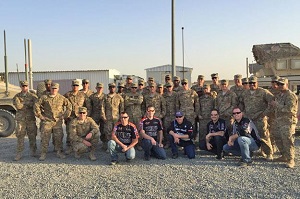
nhra troops

NHRA MELLO YELLO DRAG RACING SERIES DRIVERS TO VISIT TROOPS IN MIDDLE EAST: Once a year since 2011, Operation Appreciation has brought a taste of home to American troops stationed overseas. Sponsored by Summit Racing and Armed Forces Entertainment, Operation Appreciation sends some of motorsports’ best drivers to talk racing and cars with our servicemen and women. This year, Operation Appreciation returns to Kuwait to visit the troops during the last week of November. After a full racing season, Summit Racing NHRA Pro Stock drivers Greg Anderson and Jason Line; Summit Racing/Bigfoot monster truck racers Dan Runte and Larry Swim; and Harley-Davidson NHRA Pro Stock Motorcycle racers Andrew Hines and Eddie Krawiec look forward to the trip and the chance to visit our troops.
pro mod

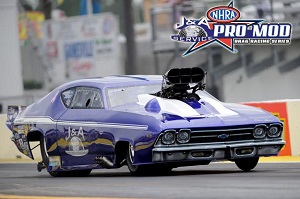
J&A SERVICE PRO MOD SERIES SET TO RACE AT NHRA KANSAS NATIONALS: NHRA officials have announced that the 12th additional race for the J&A Service Pro Mod Drag Racing Series will be contested at the NHRA Kansas Nationals at Heartland Park Topeka, May 19–21. J&A Service, a leader in oil and gas well-servicing exploration, had signed an agreement to extend their series sponsorship of the NHRA Pro Mod Drag Racing Series earlier this year. Along with the sponsorship extension, it was announced the 2017 racing schedule would add two new events to expand to 12 for the coming season.
victory motorcycles

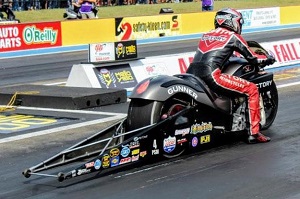
VICTORY MOTORCYCLES RETURNS TO PARTNER WITH MATT SMITH RACING FOR 2017: Victory Motorcycles will return to the NHRA Mello Yello Drag Racing Series in 2017, as the company will again partner with two-time Pro Stock Motorcycle champion Matt Smith and his successful Matt Smith Racing team. Victory joined the NHRA in 2015 with Smith and has been running a two-motorcycle team for the last two years, with Smith's wife Angie also racing a Victory Gunner.

“It means a lot to me that Victory is coming back,” Matt Smith said. “We've been developing a new motor for the last several months, and we’re doing new bodywork for the 2017 season. We should be even better next year.”

He Said, She Said

cory reed

“There’s a lot to be done before next March, and I’m excited about the challenge. It’s not going to be easy, and we all know that and everyone on the team understands how much work this is going to be. Angelle [Sampey] is going to be an amazing team manager, and she’s been working nonstop since we decided to start our own team, and it’s already started paying off. Chris Rivas is joining our team to handle all the tuning along with providing knowledge and advice. Having another person with as much experience and ambition is only going to elevate the team and bring everyone up to that next level that we all want to be on.”

—Cory Reed on the work Team Liberty Racing has done since the final race. Reed and Sampey will compete Victory-manufactured motorcycles with Chip Rivas serving as the crew chief.

Inside the Numbers

force

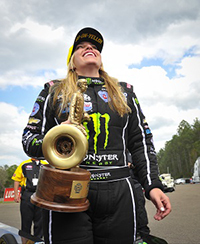
3: Number of wins Brittany Force claimed during the 2016 season. Her first win came at the Amalie Motor Oil NHRA Gatornationals when she defeated Terry McMillen in the finals.

“My breakout moment in the 2016 season was my first win at the Gatornationals in Gainesville, Florida,” said Force. “I had been chasing that first win since my rookie season in 2013, and finally capturing that is something I will never forget. That day is one of the proudest moments in my career and was also JFR’s first Top Fuel win and first-ever double-up win with teammate Robert Hight.”

Force also raced to two runner-up finishes during the season and two No. 1 qualifying positions.

Did You Know

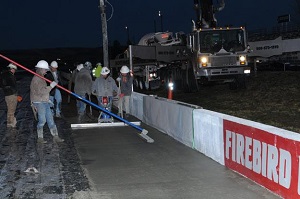
firebird

FIREBIRD RACEWAY COMPLETES UPGRADES AND IMPROVEMENTS: The new crew at Firebird Raceway outside of Boise, Idaho, has completed upgrades and improvements at the facility—work that began at Firebird following the final event of the season in late October. A-1 Quality Concrete earned the bid to handle the concrete finishing, which involved 220 tons of concrete over a 430-ft. distance from behind the starting line and down track to create a full concrete surface “wall-to-wall” to the 600-ft. mark. Additionally, this fall, new asphalt went into several pit-area roadways and at the head of staging. Compulink also installed the new TruSTART system and added start-line dial in boards.