The Society of Collision Repair Specialists (SCRS) has announced session II of the OEM Collision Repair Technology Summit with a focus on vehicle research and trends.
Ryan McMahon, vice president of insurance and government affairs at Cambridge Mobile Telematics, will present at the Summit providing insights into the driver behavior and loss analysis telematics provides. McMahon will review the many use cases different industries have to leverage telematics data collected from connected vehicles, smartphones, and IoT devices.
For example, telematics provides visibility into crash severity by identifying the vehicle’s change in velocity. This information can benefit collision repair facilities in many ways, such as resolving repair disputes and automatically identifying a total loss—even before ever leaving the scene of the accident.
To register to attend the Summit held Thursday, November 4, during the 2021 SEMA Show, visit www.scrs.com/2021RDE.
The OEM Collision Repair Technology Summit will take place in the Upper South Hall of the Las Vegas Convention Center, just down the hall from the Collision Repair & Refinish section of the SEMA Show.
McMahon’s session on “Vehicle Research and Trends: Telematics,” will be held from 11:00 a.m.–12:30 p.m.
“Our objective with these Summit sessions has always been to give our audience perspective into the innovation and emerging trends in the automotive and collision repair fields,” shared SCRS Chairman, Bruce Halcro. “Sessions like this are critical to understand how access to information is going to change both the collision repair and claims environments.”
Mobile telematics didn’t exist a decade ago. It has seen explosive growth across many industries over the past few years. Analysts forecast it will be a $125 billion industry by 2026.
Cambridge Mobile Telematics is a leading telematics company. The platform combines sensor fusion, artificial intelligence and behavioral science to provide organizations with driving data that measures driving risk, helps drivers become safer and detects car crashes in real-time.
The data is evolving, and industry segments can better study and leverage the predictive power of speed, braking, cornering and other driving behaviors both on their own and in the context of other factors. Consumers, regulators, and government officials also continue to adjust their views on privacy.
In this session, McMahon will outline the moving scope of insight gleaned from telematics—the trends, habits, research and use cases—and give the collision industry a look into what is being utilized today and at what the future might hold.
Summit sessions can be selected individually, or as part of the Full Series Pass at www.scrs.com/rde.
The 2021 OEM Collision Repair Technology Summit is made possible with support from BASF, CCC, Enterprise, Reliable Automotive Equipment, Toyota Wholesale Parts and SEMA.
To learn more about SCRS’ education series at the SEMA Show visit www.scrs.com/2021RDE.
Power Automedia Celebrates 15 Years of Automotive Digital Media
Power Automedia was an innovator in digital automotive media in 2006, when the concept of a digital magazine was still mostly unexplored. Fifteen years later, Power Automedia continues to be a resource for enthusiasts. Power Automedia’s editorial division comprises eight digital publications that each service a unique market of automotive enthusiast, publishing relevant and interesting tech articles, news, event coverage, car features and product reviews on a daily basis. More than 60,000 articles have been published throughout the lifetime of the company, growing from three to eight digital magazines, which have garnered well over 20 million readers.
“The last 15 years have been an amazing run, and we are excited about the future of automotive media,” said James Lawrence, Power Automedia CEO. “We are deeply appreciative of all of the creative people who have helped us over the years since our founding in 2006. We truly have been blessed to have so many people on our team, and so many partners, who believe in the magic of the automobile.”
Australian Auto Aftermarket Expo to Launch in 2022
The Australian Automotive Aftermarket Association (AAAA) has announced the launch of the 2022 Australian Auto Aftermarket Expo (AAAE). Taking place at the Melbourne Convention & Exhibition Centre (MCEC) and co-located with the Collison Repair Expo (CRE), the Expo will serve as a comprehensive exhibition for Australia’s $25 billion aftermarket industry from April 7–9, 2022. The three-day event will showcase the latest vehicle repair and servicing equipment, parts, tools and accessories, new technology and trends, and will also feature an awards evening plus a comprehensive training and education program. For more information and to register, visit autoaftermarketexpo.com.au.
Have some company news you would like to share? Let us know and the news may appear in an upcoming issue of SEMA eNews. Send your items for consideration to editors@sema.org.
President Joe Biden announced that the Port of Los Angeles will begin operating around the clock as part of an effort to help speed up shipping delays arising from global supply-chain backlogs. Issues up and down the supply chain, from ships waiting days longer than usual to come to port, to goods waiting at the dock to be picked up, and truckers being unable to unload at warehouses, have created massive delays and concerns about inflation and the coming rush of Christmas shopping.
The Port of Long Beach, which along with the Port of Los Angeles handles 40% of shipping containers entering the U.S., began 24/7 operations last month. However, shortages of available truckers and warehouse operators stalled much of the progress expected from the extended hours.
President Biden created a Supply Chain Disruptions Task Force in June to identify transportation bottlenecks across the nation and identify solutions. The Task Force has been meeting with business and union leaders to help coordinate actions by the many private firms that control the country’s transportation and logistics supply chain.
To help address the problem, the International Longshore and Warehouse Union announced its members are willing to work the extra shifts created by the extended hours of operations at the Ports of LA and Long Beach. Large shippers and retailers such as UPS, FedEx, Walmart and Target have made commitments to use the extended hours of operation to unload cargo, which will allow ships to dock quicker. Additional measures across the country will be pursued in the coming weeks to address transportation congestion and delays.
For more information, contact Caroline Fletcher at carolinef@sema.org.
Whether you are a veteran SEMA Show attendee or going for the first time, there is always something new to see and a lot to learn at the event.
Wheel and tire members are invited to a webinar, Thursday, October 21, at 12:00 p.m. (PDT) to join Greg Parker, prior SEMA Wheel & Tire Council (WTC) chairman and national account sales, marketing and product management director at WEGMANN; Heather Tausch of Mickey Thompson Tires; and Ryan Fuller of Standard Testing Labs as they share information and tips on what companies in the wheel and tire industry can do to prepare for a successful SEMA Show.
Parker has participated in the SEMA Show for 17 consecutive years as either a booth director, buyer or show participant. He will share his experience and knowledge to help members understand how to make the most out of their experience, from pre-Show prep to on-site activities at the Show. Parker, Tausch and Fuller will also share effective strategies for how to follow up and maintain relationships with new contacts weeks and months after the Show concludes on November 5.
Register here for Wheel and Tire Prep for SEMA Show.
The official 2021 SEMA Show mobile app is now available for download from the Apple App Store, Google Play Store or via the QR code below.
A great tool to maximize your time at the Show, the official SEMA Show app contains detailed exhibitor information, interactive floorplans and up-to-date event and education information—all from the convenience of your mobile device. This year, the SEMA Show app will feature a scanning function that will allow attendees to quickly capture product and exhibitor information from feature vehicles on display throughout the Show as well as the ability to scan and save products from the New Products Showcase. The app puts the entire SEMA Show in your pocket.
2021 SEMA Show mobile app features include:
Interactivity: Users can receive detailed information about feature vehicles displayed throughout the Las Vegas Convention Center. By simply scanning a vehicle’s QR code, located on a feature vehicle sticker attached to the vehicle during check-in, the app will display the vehicle’s year, make and model; information on the exhibitor displaying the vehicle; and a list of products used on the vehicle. The app also allows users to access a list of exhibitors from 2019 and any saved product information.
Turn-By-Turn Directions: Find the quickest route from one place to another without the need of a GPS or data service. Simply enter an exhibitor name or room nearest to you and where you want to go, and the app will provide directions.
My Schedule: Create a schedule to keep track of the events you wish to attend.
New Products Showcase: View all of the products entered into the New Products Showcase, complete with detailed information and photos, exactly where within the Showcase the product is displayed, and directions to the exhibitor’s booth on the Show floor.
Product Scanner: Use your smartphone as a scanner at the New Products Showcase to create a list and map of the scanned products.
Maps: View floorplans of all SEMA Show halls and how/where they connect to make passage from hall to hall as easy as possible.
Exhibitors: Look up all 2021 SEMA Show exhibitors by name, Show section or product category.
Events, Celebrity Appearances and Speakers: See lists of all the events, seminars, conferences, celebrity appearances and speakers, including day, time and location.
Social Media: Keep up with the feeds of the official SEMA Show social media accounts, including Instagram, Facebook, Twitter and YouTube.
Ground Transportation: Find the best way to arrive at the Las Vegas Convention Center. Obtain information on the Las Vegas Monorail, rideshare and hotel shuttles, including pickup locations.
SEMA eNews: Stay up to date with the latest news before, during and after the Show.
For more information about the 2021 SEMA Show, taking place November 2–5, in Las Vegas, visit www.semashow.com.
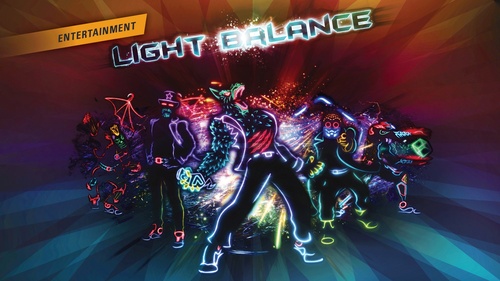
A performance by Light Balance—a hi-tech neon and LED show with elements of acrobatic and dance choreography—will entertain all those attending the 2021 SEMA Industry Awards Banquet, taking place Thursday, November 4, at the nearby Westgate Las Vegas Resort and Casino. Hosted by Jarod DeAnda and Kevin Oeste, the annual event is the industry’s premier celebration, and follows three full days of activity at the Las Vegas Convention Center.
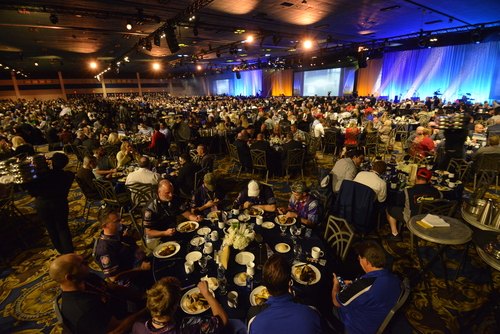
The SEMA Industry Awards Banquet is the automotive specialty-equipment market’s premier awards ceremony where industry excellence and achievements are celebrated. Held annually, the event is the industry’s single largest gala attended by automotive icons, professionals, supporters and celebrities. Winners of the SEMA Person of the Year, Manufacturer of the Year, WD of the Year and Gen-III Innovator of the Year will be announced at the event. Tributes will be made to this year’s SEMA Hall of Fame inductees: Jessi Combs, Rick Love, Bob Moore and Carl Schiefer. The evening will feature a cocktail hour, formal sit-down dinner, a performance by Light Balance and comedy by Adam Ferrara. Attendees will also have the opportunity to watch the top two SEMA Launch Pad finalists compete live on stage and vote for their favorite product.
All SEMA Show exhibitors qualify to obtain a limited number of free tickets to the banquet based on their booth size. All Showgoers are also able to purchase banquet tickets at www.semashow.com/banquet. If you are already registered for the Show, please proceed to your exhibitor dashboard to RSVP for this and other events offered during the week of the Show.
The 2021 SEMA Show takes place November 2–5, 2021, in Las Vegas. The annual trade-only show brings manufacturers of automotive parts and accessories together with industry buyers from all over the world.
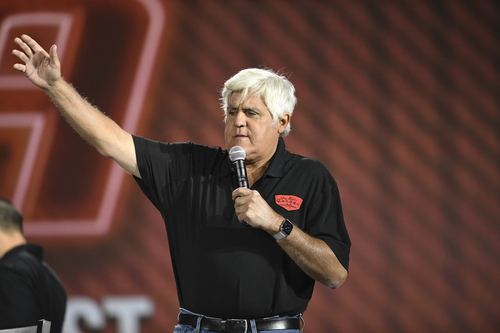
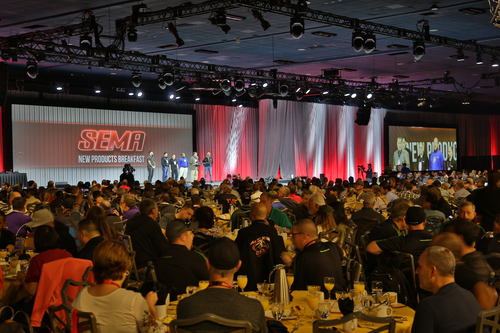
Jay Leno will kick off the 2021 SEMA Show as the featured guest of the New Products Breakfast, Tuesday, November 2. Taking place before the SEMA Show floor officially opens that same day, the New Products Awards Breakfast is akin to an opening ceremony for the four-day event, where automotive innovation, technology and advancement take center stage.
As the featured guest of the New Products Breakfast, Leno will inspire and motivate show attendees as the best new product award winners are announced.
“Leno is an automotive expert whose high energy and passion represents that of the industry’s,” said Tom Gattuso, SEMA vice president of events. “Like the exhibitors at the SEMA Show, Leno pushes the boundaries and continually raises the bar. We’re thrilled to have him join us for the opening breakfast of what is likely to be one of the most iconic SEMA Shows ever.”
Tickets to the New Products Breakfast are available to all SEMA Showgoers at no cost by visiting www.semashow.com/banquet. If you are already registered for the Show, please proceed to your exhibitor dashboard to RSVP for this and other events offered during the week of the Show. Tickets are free to all credentialed attendees, but must be reserved in advance as seating is limited.
In addition to a sit-down breakfast served beginning at 7:30 a.m. at the Westgate Las Vegas Resort & Casino, the event includes announcements and introductions of the best new product winners. Awards are presented in 16 categories and will be showcased in the New Products Showcase throughout the week of the SEMA Show. The New Products Showcase, voted on by buyers and media as the No. 1 SEMA Show destination, includes exhibitors’ new and featured products displayed in a single location. All exhibitors may enter an unlimited number of products into the Showcase, with the first entry offered at no cost.
The SEMA Show takes place November 2–5, in Las Vegas, with the Show floor opening at 9:00 a.m. More than 1,300 exhibiting companies are set to participate throughout the Las Vegas Convention Center. To date, more than 40,000 buyers have signed up to attend.
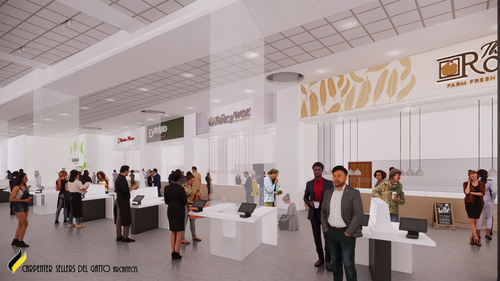
The new Las Vegas Convention Center West Hall expansion has
a food court, offering a large selection of dining options for
Showgoers.
You definitely won’t go hungry at the SEMA Show. Each part of the Las Vegas Convention Center (LVCC) has its own concessions, and with the food court in the new West Hall expansion, Showgoers have even more options. Please note, due to COVID-19, all LVCC concessions will be cashless, so be sure to bring your credit cards.
Outlined in the next couple of pages are your dining choices and locations.
Member Lounges
The SEMA Members Lounge has three locations—one in the Upper North Hall room N251, South Hall booth #49031, and another one in the new West Hall, booth #58065. All three are exclusively for SEMA, SEMA Hall of Fame, Tire Industry Association and Society of Collision Repair Specialists members only. Members can sit down and enjoy a hot meal at the Members Lounge–North, while Grab ’n’ Go lunches are available during Show hours Tuesday–Friday in all three lounges. All locations offer a place for a quick break, charging stations for phones and laptops and opportunities to network with fellow Showgoers. Private rooms are available for meetings. Reserve yours in advance by visiting www.SEMAShow.com/mlmeetings.
Exhibitor Lunch and Appreciation Reception Monday
During Show setup days, SEMA staff will be handing out vouchers to exhibitors for sandwich lunches. Present your exhibitor badge and redeem your voucher at the nearest meal station to receive a sandwich and a bottle of water. The lunches are available Sunday, October 31, and Monday, November 1, from 11:00 a.m.–1:00 p.m.
Don’t miss the Exhibitor Appreciation Reception on Monday night, November 1, at 5:00 p.m. Located just outside of Central Hall on Silver Drive, it’s a great time to get to know other exhibitors, enjoy live music and good food, and preview some of the most exciting vehicles you’ll see at this year’s Show.
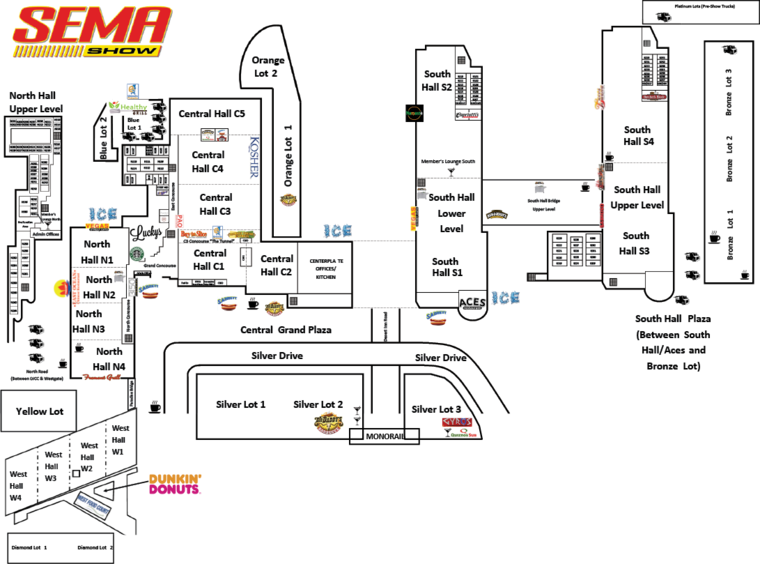
For the following food options, reference the below map.
You definitely won’t go hungry at the SEMA Show. Each part of the Las Vegas Convention
Center (LVCC) has its own concessions, and with the food court in the new West Hall expansion,
Showgoers have even more options.
Blue Lot
Big Daddy’s BBQ Food Truck
American BBQ, Mexican food, hot dogs, etc.
Big Daddy’s Taco Food Truck
Tacos, chips, parfaits
50 Shades Food Truck
Organic, burgers, salads, vegetarian
The Healthy Grill Kosher
Sin City Pizza Food Truck
Pizza, etc.
Bronze Lot
Five Spot Coffee Cart (two locations)
Coffee, espresso, tea, quick bites
Central Hall
Brookwood Farms BBQ
American BBQ, sandwiches
Buy the Slice Pizza & Sandwiches
Pizza, hot dogs, deli sandwiches, etc.
Capriotti’s Cart
Six-inch submarine sandwiches, snacks
Market Fresh Express
Grab ’n’ go sandwiches, salads, assorted snacks
Quizno’s
Sandwiches, etc.
Sabrett’s Hot Dogs
All-beef hot-dogs, chili cheese dogs, etc.
7th Heaven Kosher Cart
Kosher food, hot dogs, salmon, salads, etc.
Wetzel’s Pretzels
Pretzels by Wetzel’s
Concourse
3150 Snacks To-Go
Honey Salt
Farm-to-table gourmet breakfast and lunch
Lucky’s Restaurant
Burgers, sandwiches, salads, etc.
Prima Stampa
Fast-pressed paninis, etc.
Starbucks North
Coffee and espresso drinks
Walla Pao Express
Asian-American fusion meals to go
Grand Plaza and Central Plaza
Big Daddy’s BBQ 1
American BBQ, Mexican food, hot dogs, etc.
Five Spot Coffee Cart
Coffee, espresso, tea, quick bites
Sabrett’s Hot Dog Cart (two locations)
All-beef hot dogs, chili cheese dogs, etc.
North Hall
East Ocean Stand
Chinese food
Five Spot Coffee Cart
Coffee, espresso, tea, quick bites
Fremont Grill Stand
American food, burgers, etc.
Mobile Vendor
Vegas Street Eats North
Fast food
North Road
5 Spot Coffee Cart
Coffee, espresso, tea, quick bites
Truk-n-Yaki Food Truck
Japanese BBQ plates
Orange Lot
Big Daddy’s BBQ 4
American BBQ, Mexican food, hot dogs, etc.
Silver Lot 1–3
Addonis Cart
Gyros, falafel, baklava, etc.
Big Daddy’s BBQ 3
American BBQ, Mexican food, hot dogs, etc.
Quizno’s Cart
Sandwiches, etc.
Skybridge
Five Spot Coffee Cart
Coffee, espresso, tea, quick bites
Mobile Vendor
South Hall
Aces Restaurant
High-end food court
Butcher’s Block Stand
American BBQ, sandwiches, salads
Capriotti’s
Six-inch submarine sandwiches, snacks
Five Spot Coffee Cart
Coffee, espresso, tea, quick bites
Gourmet Grill Stand
Burgers and beyond
Mobile Vendor
Jose’s Taco Tijuana
Mexican food, combos, chips and salsa
Namaste Indian Stand
Chicken tikka, gulab jamun, tandoori
Sabroso Stand
Pizza, BBQ sandwiches, parfaits
SEMA Members Lounge–South, Booth #49031
Grab ’n’ go meals, charging stations (members only)
Vegas Street Eats South
Fast food
South Plaza
Curbside Café Food Truck
BBQ bacon burgers, Hawaiian burgers, etc.
Freshfest Food Truck
Lobster rolls, salads, shrimp po’boys, etc.
Sabrett’s Hot Dog Cart
All-beef hot dogs, chili cheese dogs, etc.
Sausagefest Food Truck
Breakfast burritos, variety sausage, chorizo fries, etc.
SEMA members can sit down and enjoy a hot meal at the Members
Lounge–North, while Grab ’n’ Go lunches are available during Show
hours Tuesday–Friday in all three lounges.
West Hall
Brand Burgers & Fries
Hamburgers, french fries, etc.
Dunkin’ Express
Donuts, muffins, Munchkins, eclairs, hot coffee, iced coffee, iced tea, etc.
The Fancy Wok
Asian food
Go Natural
Healthy fast food
Metro Pizza
Pizza, pasta, salads, calzones, etc.
The Roost
Farm-fresh fried chicken
Banquets and Receptions
Special events are a great way to combine a meal or a cocktail with productive networking and learning. All of the events below will have something edible available and offer a host of different learning and networking opportunities.
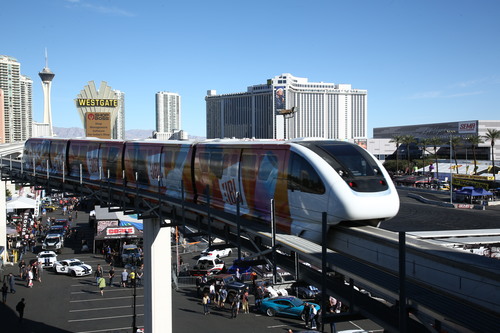
There are six hotels in the SEMA Show block with easy access
to monorail stations.
SEMA Showgoers who want to stay close to monorail stations are encouraged to make their hotel reservations while rooms are still available.
With a quick look on the www.SEMAShow.com/travel homepage, Showgoers can see a list of hotels available along with the star rating, rate per night and distance from the Las Vegas Convention Center. Here are six hotels in the SEMA Show block with easy monorail access:
SAHARA
Westgate
Harrah’s/LINQ
Flamingo
Bally’s/Paris
MGM Grand
Showgoers booking through the SEMA Show housing partner receive guaranteed low rates on a wide range of hotel properties at locations on and off the Las Vegas Strip.
When making your hotel reservations through the SEMA Show Travel & Lodging page, you are receiving the most affordable and convenient hotel options through our partnership with onPeak, the only official hotel provider for the 2021 SEMA Show. All negotiated rates provided by onPeak include resort fees and will allow you to change or cancel your reservation without any financial penalties.
More information about the SEMA Show, Tuesday–Friday, November 2–5, is available on www.SEMAShow.com.
Exhibitors of the 2021 SEMA Show are invited to expand their reach, product exposure and Show-floor presence by offering products to builders through the Products for Project-Vehicle Builders list. The list connects manufacturers with builders looking to create or complete a vehicle project.
The list, which will be updated in SEMA eNews, features product offers and contact information provided by confirmed SEMA Show exhibitors. Builders interested in obtaining a product use the information to contact exhibitors directly. With each project vehicle required to be supported by a current 2021 SEMA Show exhibitor, all product-placement decisions, negotiations and agreements are the responsibility of the exhibiting manufacturer and the builder.
The list is open to exhibitors of the 2021 SEMA Show only. To be included in the list, complete the form.
Exhibitors: Each submission will appear on a first-come, first-served basis. As participation increases, all submissions will also be archived on www.SEMAShow.com.
Note: For verification purposes, the Project-Vehicle Builders form must be used to participate in the program; email submissions will not be included in the list. Participation in the list does not guarantee product or vehicle placement at the 2021 SEMA Show.



 Whether you are a veteran SEMA Show attendee or going for the first time, there is always something new to see and a lot to learn at the event.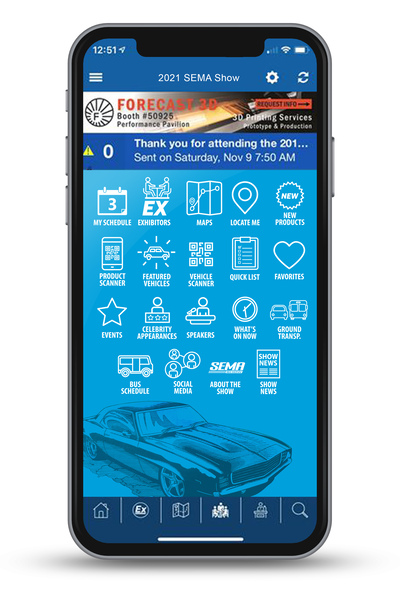
 Exhibitors: Look up all 2021 SEMA Show exhibitors by name, Show section or product category.