Eight of SEMA's council and network communities are accepting nominations for their prestigious awards that will be presented at the 2026 SEMA Show, November 3-6, in Las Vegas. Industry members can recognize a leading company or individual for exceptional contributions to their niche industry segment during the past year by submitting nominations by Friday, September 4, at sema.org/cn-awards.
Celebrating businesses, leaders, innovators, mentors and more, SEMA Council and Network Awards not only spotlight achievements made in various pillars of the industry but provide a platform in which members are honored for their unique strengths, dedication to excellence and unwavering passion that drives the automotive aftermarket forward.
Below are tips for submitting a standout nomination:
Be specific. Avoid broad statements like "they're a great leader" or "they work hard." Review the award criteria and list the nominee's specific achievements that align with the goal of the award. For example, was there a specific product that they helped innovate or launch? What initiative did they lead that improved their industry segment? Were there specific people they helped mentor? Providing concrete examples will help the nominee stand out.
Highlight their impact. Share what makes the nominee a hero of their segment.Describe the state of the industry before their contributions were made, and where the industry is now because of them. Highlighting their impact will make the nomination memorable and meaningful.
Tie their contributions to the mission of the Council or Network. SEMA Councils and Networks exist to advance, promote and protect the industry segments and communities that they represent. Share how your nominee's efforts supported the broader goals of the council or network. Emphasize any volunteerism or advocacy efforts that contributed to the council or network's growth and reach.
Award winners will be announced and honored at each Council's and Network's respective events at the 2026 SEMA Show. These celebrations bring members together to network and celebrate standout contributors in their respective industries. With the 2026 SEMA Show quickly approaching, now is the time to make sure that your nominations are submitted for consideration.
To view the list of SEMA Council and Network awards and submit your nomination, visit sema.org/cn-awards.
As the 2026 SEMA Show approaches, the SEMA Truck & Off-Road Alliance (TORA) is hosting a virtual event to help members prepare for a successful week in Las Vegas.
"TORA Connect: Member Updates and SEMA Show Panel Discussion" will take place Tuesday, October 6, at 11:30 a.m. PDT/2:30 p.m. EDT via Zoom.
Designed for truck and off-road industry professionals looking to grow their business, the meeting will cover the latest council updates, key initiatives and opportunities to get involved. Following the membership update, attendees will hear directly from TORA volunteer leaders during a panel discussion focused on TORA's SEMA Show events.
Why attend:
Preview TORA events and activations planned for members at the 2026 SEMA Show.
Learn how truck and off-road businesses can increase their SEMA Show ROI by participating in TORA events.
Gain valuable SEMA Show insights from veteran attendees in the truck and off-road space.
With the SEMA Show less than three months away, now is the time to secure your spot and learn how TORA can help your business succeed in Las Vegas and beyond.
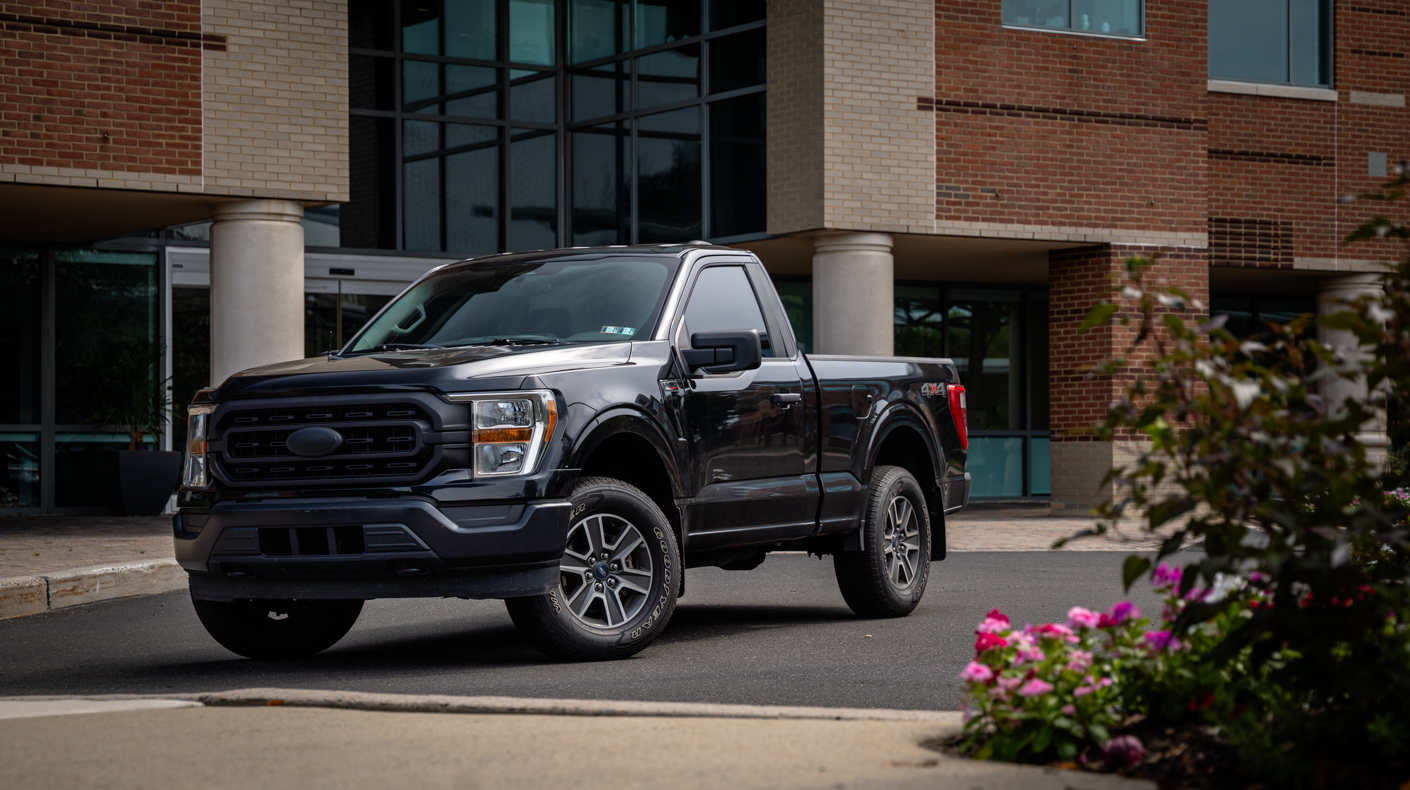
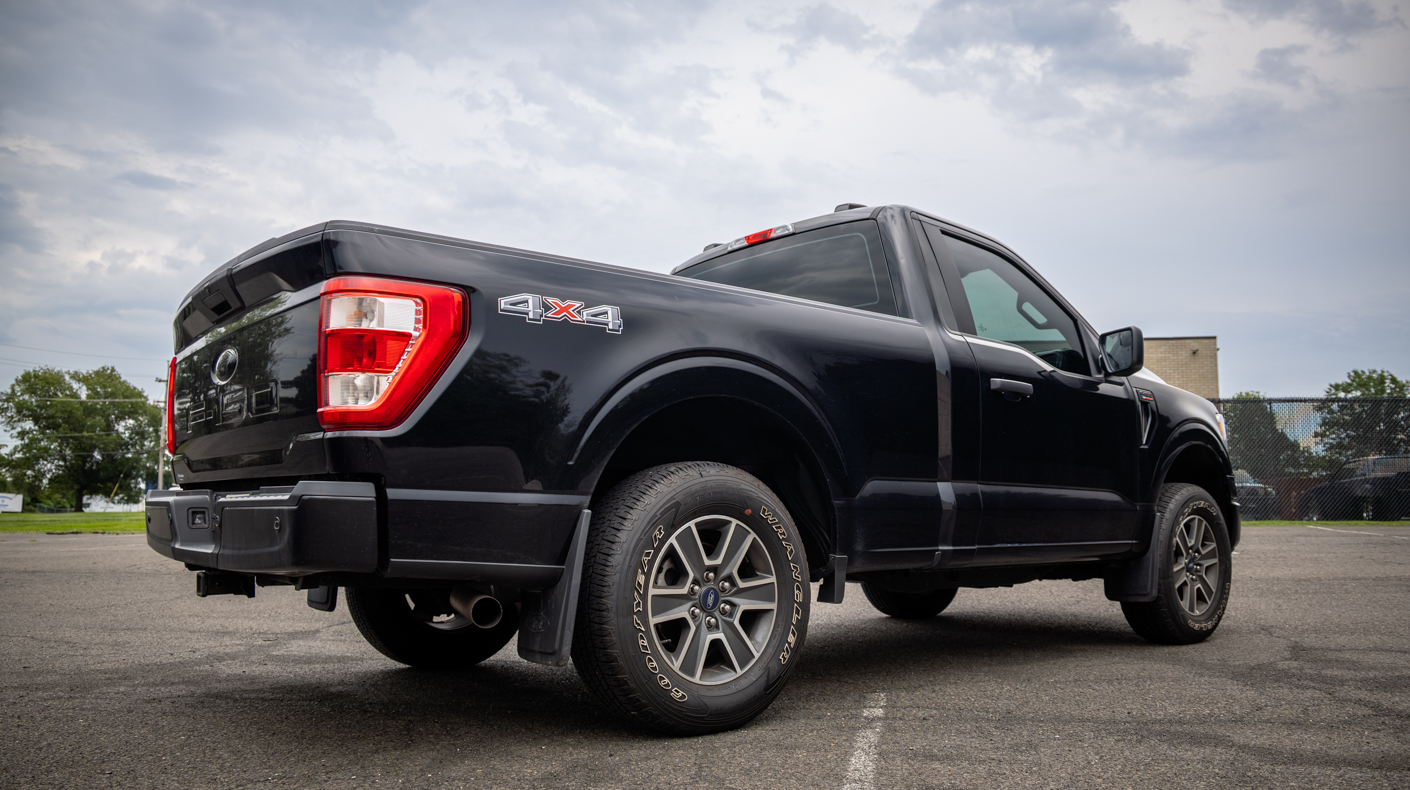
Turn 14 Distribution is turning a single-cab Ford F-150 into the ultimate blend of performance and utility with a fully built Yamaha YZ250F riding in the bed.
Most shop trucks spend their lives hauling parts across the lot or making supply runs. Turn 14 is building one with a power-hungry alter ego that can put down a pass after clocking out.
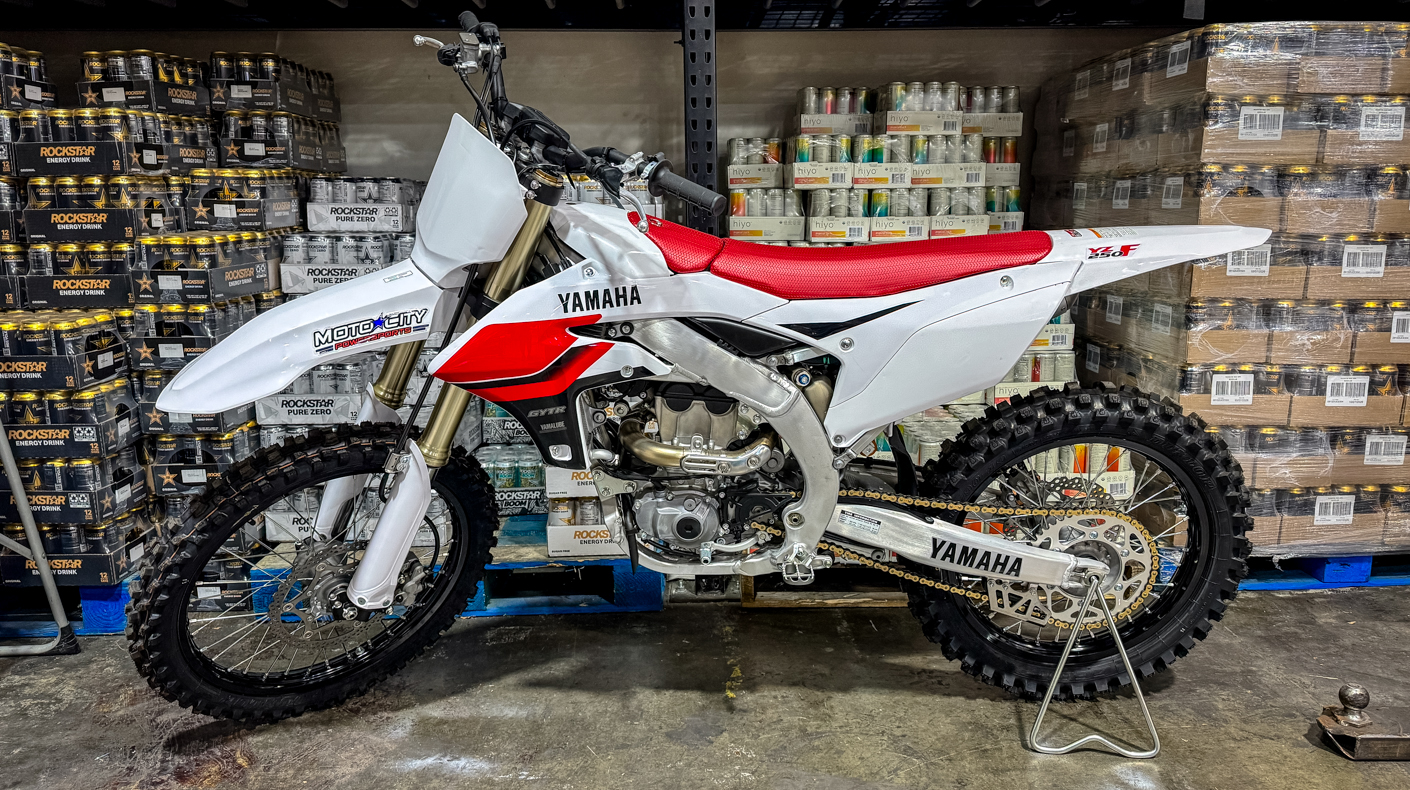
The plan for The Ultimate Shop Truck pairs a single-cab, short-bed Ford F-150 powered by a 5.0L Coyote V8 with a '25 Yamaha YZ250F 70th Anniversary Edition riding in the bed. This tag-team creation brings leading automotive and powersports partners together for a one-of-a-kind build destined for one lucky Turn 14 dealer.
Party in the Front
The shop truck has always been a utility tool. It's the workhorse designated for transporting supplies and keeping the shop moving. Turn 14's latest build keeps that working-class identity intact, then adds enough power to make the trip back to the shop far more interesting.
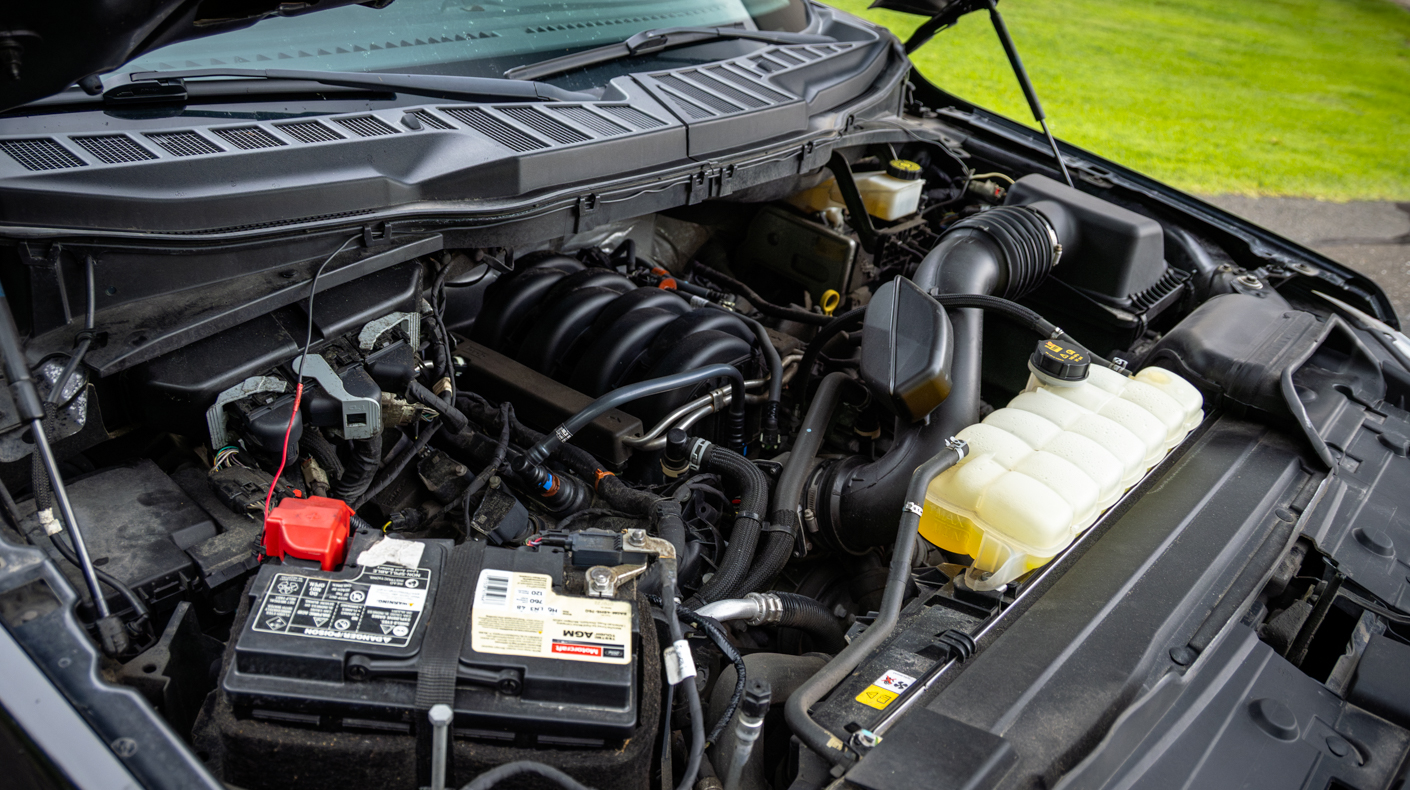
Under the hood, Ford's 5.0L Coyote V8 provides muscle car grunt and a proven performance foundation for the F-150. While big power is the plan, the project is also intended to balance dependable utility with the joy of driving. The combination is being developed with EPA and CARB requirements in mind, proving what's possible when substantial performance is built for the street.
The F-150 may still look at home outside a performance shop, but it will be ready to hold its own at the dragstrip.
Party in the Back
This performance-packed truck is only half of the story. When it's not hauling supplies, it will carry a fully built '25 Yamaha YZ250F 70th Anniversary Edition dirt bike.
The YZ250F is already a proven motocross platform straight from the factory. Turn 14 will build on that foundation using products available through its expanding powersports line card, turning the anniversary-edition bike into a proper counterpart for the Coyote-powered F-150.
This Yamaha won't be just a display piece strapped into the bed. While the F-150 is being built to perform on pavement, the YZ250F will be ready to take over once the pavement ends.
Built by Rockstar Performance Garage
To ensure both builds deliver more than show-floor looks, Turn 14 is once again turning to its trusted build partner, Rockstar Performance Garage. With experience spanning both sides of the aftermarket, the team is the ideal choice to transform the Yamaha and its Yamahauler into a cohesive pair.
Transforming a basic F-150 into a street-friendly drag contender is only part of the challenge. The YZ250F needs to feel like an extension of the same project without compromising what makes each vehicle functional.
Rockstar Performance Garage will oversee the transformation of both machines, giving them a shared identity and the same show-level attention. The finished pair will be built for use well beyond the convention floor.
Worlds Collide
The Ultimate Shop Truck reflects the crossover already found in plenty of enthusiasts' garages. Motorcycles often sit beside highly modified project cars, and the shops supporting those customers rarely limit themselves to one corner of the industry.
By pairing the F-150 with the YZ250F, Turn 14 is showcasing the breadth of its automotive and powersports offerings through two vehicles built for completely different forms of performance.
One hauls. The other gets hauled. Both are being built to perform.
The finished pair will make its official debut at the 2026 SEMA Show in Las Vegas, November 3-6. Turn 14 will reveal the project's build partners and share behind-the-scenes updates as The Ultimate Shop Truck comes together.
Turn 14 Distribution is a privately-owned, 100% wholesale distributor of performance automotive and powersports aftermarket parts focused on supporting small businesses. Committed to long-term partnerships, Turn 14 delivers proprietary technology that streamlines ordering, improves inventory control, and strengthens cash flow management. Seven-day operations enable delivery to 100% of continental U.S. dealers within two days or less. Learn more at turn14.com.
SEMA Showgoers don't have to choose between earning hotel rewards and securing the best rates for the SEMA Show, November 3-6, Las Vegas.
Attendees who book through the official 2026 SEMA Show hotel block, managed by onPeak, can earn eligible hotel loyalty rewards points while taking advantage of discounted rates, flexible reservation policies and convenient access to Las Vegas' top hotels.
Hotel reservations for the 2026 SEMA Show, November 3-6 in Las Vegas, are available at semashow.com/hotel.
Whether you're traveling solo or coordinating accommodations for your entire team, booking through the official SEMA Show housing provider offers benefits you won't find through many third-party booking sites.
Earn Hotel Loyalty Rewards
One of the biggest advantages of booking through the official SEMA Show hotel block is that eligible reservations can earn hotel loyalty rewards points. Simply enter your rewards program information during the booking process, then confirm it again at check-in to receive eligible credit for your stay.
For example, Marriott Bonvoy members can earn points by:
Booking a participating Marriott or MGM property through the official onPeak reservation system.
Entering their Marriott Bonvoy membership number in the "Hotel Rewards" section during checkout.
Providing the same membership number again when checking in at the hotel.
It's one more way your trip to the SEMA Show can continue delivering value long after you leave Las Vegas.
Exclusive Rates With Price-Match Protection
SEMA negotiates discounted hotel rates exclusively for attendees, often below publicly available pricing. Instead of spending hours comparing booking sites, attendees can reserve with confidence through the official hotel block.
If you happen to find a lower qualifying rate elsewhere, the official housing provider also offers price-match protection, giving you another reason to book early through semashow.com/hotel.
Flexible Reservations
Travel plans can change, and the official SEMA Show hotel block is designed with that in mind. Reservations can be modified or canceled without penalty through October 8, and full prepayment is not required at the time of booking, offering flexibility that many online travel sites don't.
Simple Group Booking
Managing hotel reservations for multiple employees doesn't have to be complicated. The onPeak system allows companies to reserve multiple rooms with immediate confirmation, assign guest names later and choose whether to manage payments centrally or individually.
Sustainable Travel Options
Attendees interested in making more environmentally conscious travel decisions can also explore sustainability information for participating hotels through onPeak. The platform provides resources that help travelers identify properties and practices that align with their sustainability goals.
SEMA Fest has been confirmed for Friday, November 6, and industry members will get the lowest rate on tickets through the registration portal and Attendee Resource Center. Sign up for updates at semafest.com.
Exhibiting at the 2026 SEMA Show, November 3-6, in Las Vegas, is a significant investment, and the most successful exhibitors tap into available resources to help save money and maximize their return. (Still need a booth? Discover why to exhibit in 2026 here.)
By using the Exhibitor Service Manual (semashow.com/esm) to follow deadlines, use approved vendors, plan move-in and move-out, and take advantage of opportunities, companies can get more value from their SEMA Show investment.
And after reading this article, make time for these other must-read exhibitor resources. Each offers practical tips to help companies maximize their SEMA Show plan:
Many SEMA Show services offer advance pricing, so waiting to plan can mean paying more. Use the SEMA Show budget checklist to estimate booth, services, logistics and other company expenses, then review the exhibitor deadlines checklist (semashow.com/deadlines) to identify upcoming dates and rate increases.
Both the checklist and deadline list, along with additional resources, are in the About the Show section of the SEMA Show Exhibitor Service Manual (semashow.com/esm).
Plan for Breakdown Before the Show Starts
Review the move-out instructions and material-handling information in advance to understand when a booth can be dismantled, how materials should be shipped and details about services that may be helpful.
Keep in mind that move-out begins at 4:00 p.m. PST Friday, November 6. Early teardown is prohibited and may result in penalties, including loss of seniority or future eligibility.
A booth feature vehicle can give exhibitors an additional way to showcase products and attract attention on the busy SEMA Show floor. Exhibitors considering displaying a vehicle inside the booth should review the requirements in advance, including the rules surrounding the presence and branding of products from non-exhibiting companies. Booth vehicle guidelines also cover move-in, move-out and check-in procedures.
The Exhibitor Service Manual (semashow.com/esm) is the place to find Freeman Booth Services and other approved vendors for services ranging from electrical, flooring, furnishings, signs and graphics to internet, insurance, catering, lead retrieval and much more.
Take Advantage of the FREE New Products Showcase Entry
For companies introducing new products, no marketing opportunity delivers greater exposure than the New Products Showcase.
The first new product submission is always free for exhibitors, making participation an easy decision. Additional entries are $95 each through October 2, after which the price increases to $175.
New for 2026, exhibitors can also enter products into the new Powersports | SxS | Lifestyle category, expanding opportunities for companies serving those growing markets. Exhibitors can get all the details and enter products at semashow.com/newproducts, also seen in the Marketing, Advertising and Sponsorships section of the Exhibitor Service Manual.
Save on Hotels, Airfare and Las Vegas Travel
SEMA Showgoers have several ways to save on hotels, airfare and transportation in Las Vegas. From discounted hotel rates and airline fares to special pricing on the Las Vegas Monorail and Vegas Loop, planning ahead can help attendees keep more of their budget intact. The SEMA Show's official hotel provider, onPeak, also offers exclusive rates and booking perks. Book a hotel here.
SEMA Fest has been confirmed for Friday, November 6, and industry members will get the lowest rate on tickets through the registration portal and Attendee Resource Center. Sign up for updates at semafest.com.
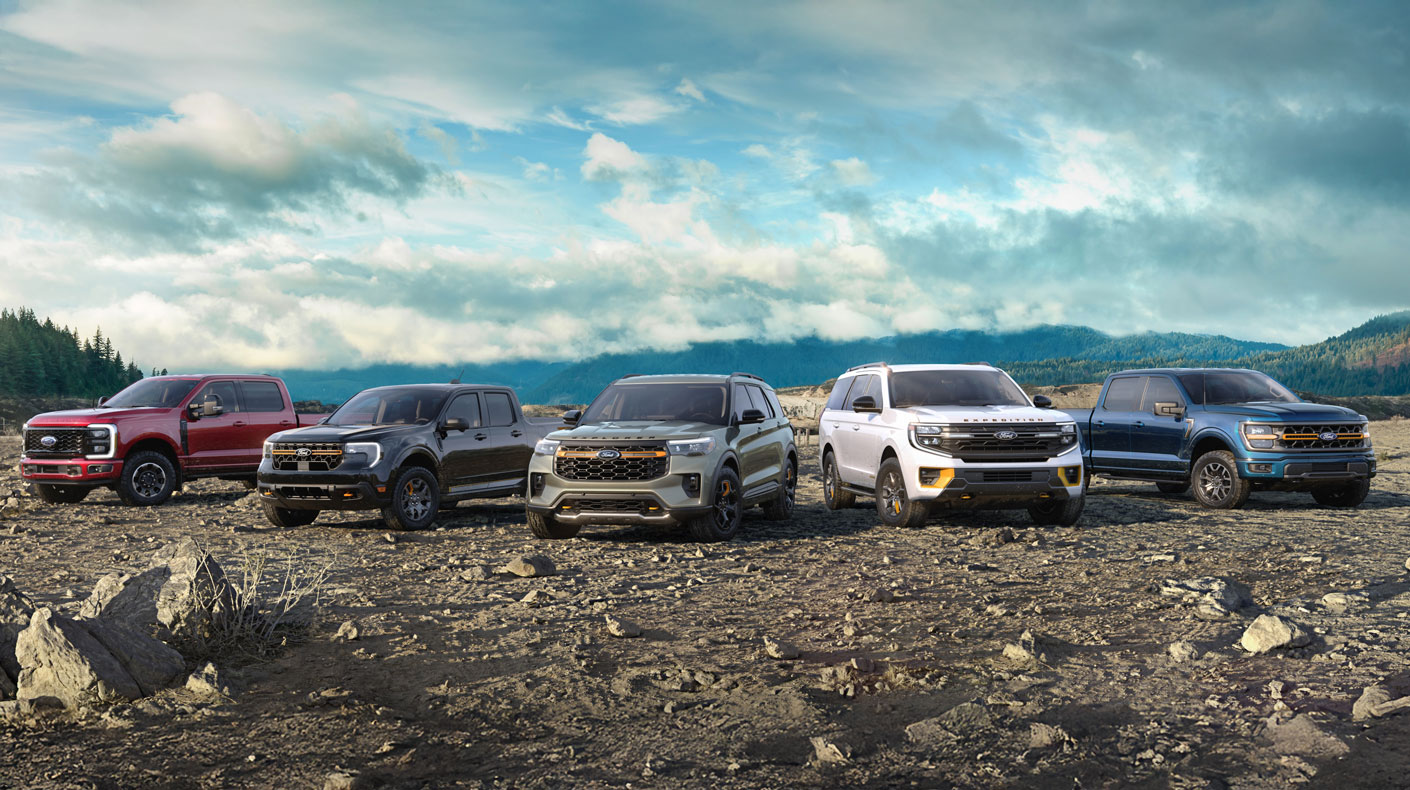
In partnership with Ford, SEMA Garage in Detroit is inviting aftermarket suppliers to participate in an upcoming measuring session featuring five Ford vehicles on Thursday, September 24. RSVP now.
The session will feature the '26 Ford F-150, '26 Ford Expedition, '26 Ford Explorer, '26 Ford Raptor and '26 Ford Super Duty Tremor models, providing suppliers with an opportunity to gather measurements and evaluate vehicles for new aftermarket product development.
Participants will have access to 3D scanning and measurement capabilities to support product development and prototype test-fitting, along with an exclusive close-up look at the vehicles.
Reserve your time slot now––space is limited, and advance RSVP is required. Each company should RSVP for only one session.
SEMA Garage Ford Measuring Session
September 24
14655 Jib St.,
Plymouth, MI 48170 View on Google Maps. RSVP Now.
Two Championship-Style Trucks From Ram, UFC and RealTruck to Be Auctioned for Charity
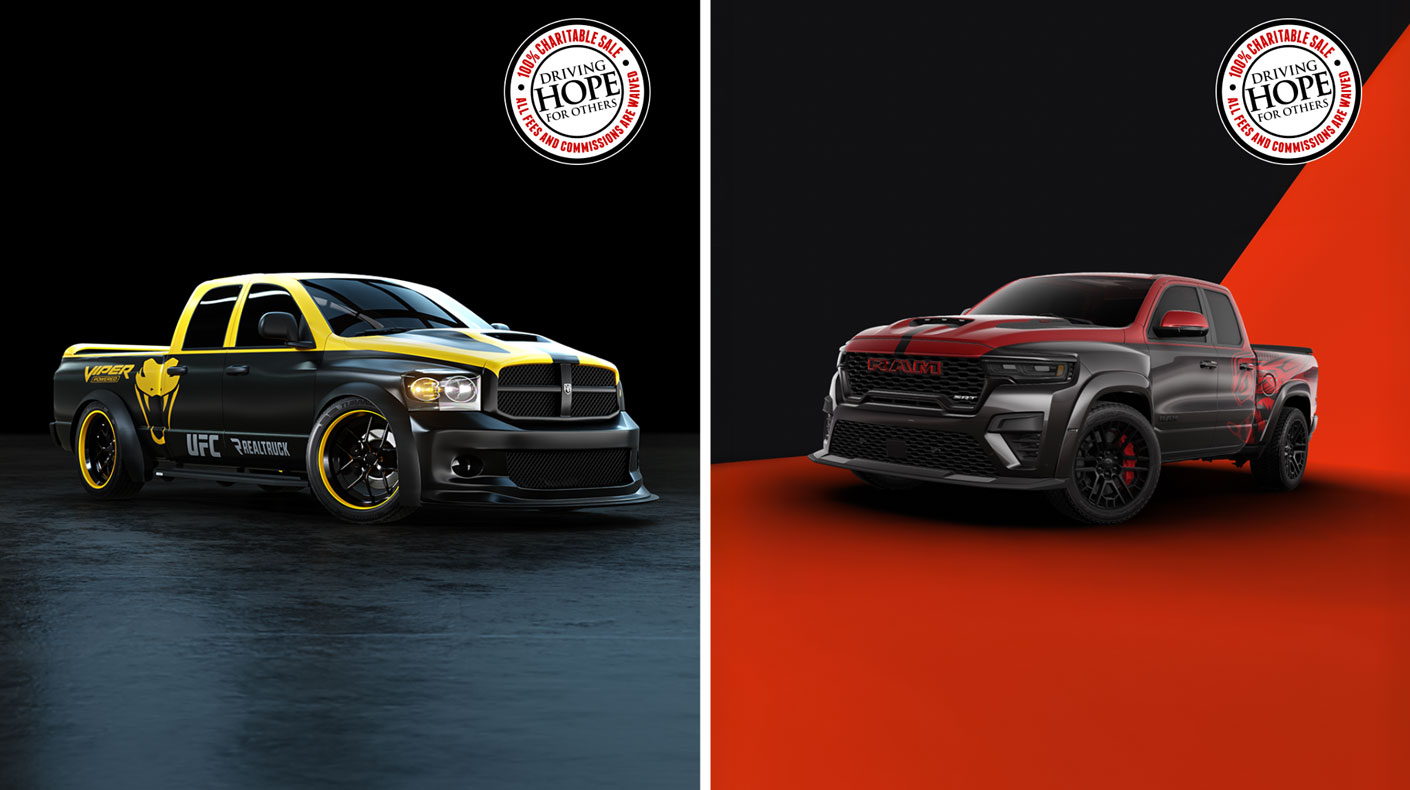
A collaboration between Ram, Ultimate Fighting Championship (UFC), RealTruck and Barrett-Jackson will send two custom Ram trucks to the Barrett-Jackson 2026 Las Vegas Auction to benefit the Folds of Honor Foundation and UFC Foundation. The trucks will cross the auction block as a pair Friday, September 11, at approximately 3:30 p.m. PDT in the West Hall of the Las Vegas Convention Center.
With Barrett-Jackson waiving all fees and commissions, 100% of the hammer price from the sale of both vehicles will benefit the Folds of Honor Foundation, providing educational scholarships to the families of America's fallen or disabled military and first responders. A portion of the proceeds will also benefit Hispanic charities via the UFC Foundation in recognition of Mexican Independence Day weekend.
The two Ram trucks––a one-of-one '27 Ram 1500 Rumble Bee SRT and a '05 Ram 1500 SRT-10––are being auctioned on the 25th anniversary of the September 11, 2001, terrorist attacks. As the nation pauses to remember the nearly 3,000 lives lost, the partnership honors the courage and selflessness of first responders, military service members and everyday citizens who answered the call.
UFC President and CEO Dana White will be on the Barrett-Jackson auction block to help drive bids, alongside Barrett-Jackson Chairman and CEO Craig Jackson. In addition to the vehicles, the winning bidder will also receive a VIP UFC Experience to the future event of their choice.
"Barrett-Jackson has a long history of uniting automotive passion with incredible charitable causes," said Craig Jackson, chairman and CEO of Barrett-Jackson. "Partnering with global powerhouses like Ram, UFC and RealTruck allows us to amplify our fundraising efforts."
The unique trucks are custom builds from two generations, each pushing the limits of performance, craftsmanship and customization.
The First Retail Production and Custom One-of-One '27 Ram 1500 Rumble Bee SRT
The '27 Ram 1500 Rumble Bee lineup creates a new performance pickup segment, featuring the industry's only Quad Cab, short-bed, widebody configuration and three available HEMI V8 powertrains. The Rumble Bee SRT is powered by a supercharged 6.2L Hellcat Hemi V8 engine that delivers 777 hp and 680 lb.-ft. of torque. The truck accelerates from 0 to 60 mph in 3.4 seconds, covers the quarter mile in 11.6 seconds and has a targeted top speed of 170 mph.
The Rumble Bee SRT crossing the Barrett-Jackson auction block will be the first retail-production model built and will receive additional customization to create a one-of-one collector truck. Planned details include:
Direct Connection 3.0L supercharger upgrade capable of more than 900 horsepower.
Direct Connection MagnaFlow stainless-steel cat-back performance exhaust.
Hand-painted two-tone paint scheme with a Molten Red Pearl-Coat upper body and Diamond Black Crystal Pearl-Coat lower body.
Custom bedside graphics and Diamond Black Crystal Pearl-Coat fender flares.
Black center hood stripe.
Flame Red "RAM" grille badge and Brembo brake calipers.
Satin-black 22-in. wheels.
Custom one-of-one center console badge that authenticates the build.
A Pristine Custom '05 Ram 1500 SRT-10 Pickup
The '05 Ram 1500 SRT-10, customized by RealTruck, is powered by an 8.3-liter, 500-horsepower V10 engine originally found in the Dodge Viper. The truck still holds the Guinness World Record as the "World's Fastest Production Pickup Truck."
Built by ProMotorsports in collaboration with Mark Trostle, vice president of Ram, SRT and Mopar Design, the SRT-10 includes:
Two-tone paint scheme with a yellow upper body and black lower body.
Black hood graphics.
Custom wheels in matching yellow and black.
Viper-inspired bedside graphics.
Alea black leather seats with yellow accents.
RealTruck PowerStep running boards.
RealTruck Pro X15 soft roll-up tonneau cover.
Husky Liners floor liners and bed protection.
"Every build tells a story. This one tells three. It's a '05 truck, the same year UFC's Ultimate Fighter launched under Dana White and this SRT-10 became the inspiration for the new Rumble Bee it's paired with," said RealTruck Inc. Vice President of Marketing Lee Riser. "We took RealTruck's product lineup, Ram's performance DNA and UFC's massive platform, and pointed it all at something bigger: raising real money for Folds of Honor and the UFC Foundation through Barrett-Jackson's stage."
The September 10–12 Las Vegas Auction will be broadcast live on History and FYI, Barrett-Jackson.com and Barrett-Jackson's YouTube channel. To learn more about bidding on these vehicles or attending the event, visit barrett-jackson.com/bidders.
FIA American Congress to Bring Mobility and Motorsports Leaders Together in Buenos Aires
The Fédération Internationale de l'Automobile (FIA) will bring representatives from 32 Member Clubs across North, Central and South America and the Caribbean to Buenos Aires, Argentina, August 31-September 2 for the FIA American Congress.
Hosted by the Automóvil Club Argentino, the three-day gathering will focus on issues affecting mobility and motorsports across the Americas, including road safety, sustainable transportation, accessibility to motorsports and collaboration among FIA Member Clubs.
Argentina President Javier Milei is scheduled to officially open the Congress.
The event also will recognize FIA Member Clubs for their work in mobility and motorsports. The FIA Innovation Challenge 2026 Regional Champions for Regions III and IV will be announced during the Congress, along with the recipient of the José Abed Award. The award honors the late José Abed, former president of OMDAI and promoter of the Formula 1 Mexican Grand Prix, and recognizes a sporting club that has advanced motorsports participation, knowledge, regional development or the relationship between motorsports and mobility.
"The passion for motorsport and mobility in Argentina runs deep, and this provides a fitting backdrop for these discussions as we consider how to continue strengthening and growing global motorsport, and delivering safer, more affordable, and more sustainable mobility," said FIA President Mohammed Ben Sulayem.
Argentina provides a significant backdrop for discussions about the future of mobility. The country has more than 15 million vehicles and an extensive road network supporting communities, industries and export markets. Its domestic automotive industry, along with increasing adoption of hybrid and electric vehicles, is helping shape the country's transportation landscape.
PBS News Hour: As Tracks Close, States Push 'Right to Race' Laws
By SEMA News Editors
Across the country, local race tracks are facing pressure from noise complaints, nuisance lawsuits and development encroaching on established motorsports facilities. As tracks fight to stay open, more states are considering legislation aimed at protecting them from those challenges.
According to a SEMA report, roughly a quarter of operating motorsports facilities have closed over the past 25 years. The issue is receiving increasing attention from state lawmakers, with four states having enacted "Right to Race" laws and similar legislation advancing in others. (Learn more at sema.org/right-to-race and get involved at semahq.org/campaigns/right-to-race.)
A recent PBS News Hour report takes a closer look at the issue, visiting Shenandoah Speedway in Page County, Virginia, speaking with the track manager Chris Lilly, racers and fans about the challenges of keeping motorsports facilities open.
PBS also connected with Joshua Vadeboncouer, assistant professor at Gardner-Webb University, who shared his perspective on nuisance laws from neighboring communities. "The track didn't necessarily move close to neighborhoods; Neighborhoods gradually moved closer to the track," he said, pointing out that nuisance lawsuits can be detrimental to tracks.
Doug Bresnahan, managing director of PRI, said, "The tracks were there first; they should have the right to operate."
Watch now: See how track owners, racers and industry leaders are working to protect local motorsports facilities––and why "Right to Race" laws are gaining momentum across the country.
Valvoline to Open New Global Headquarters in Cincinnati
Valvoline, the lubricant brand currently located in Lexington, Kentucky, is planning to open a new global headquarters in Cincinnati, Ohio, the company announced.
The company's current base in Lexington, Kentucky, will remain its central hub for operations in the United States, Canada and Latin America, and will continue to employ more than 400 people.
The company's new global headquarters will be located in downtown Cincinnati, where it expects to invest in a complete revitalization of the 50,000 sq. ft. it will occupy. The move positions executive leadership and global functions minutes away from the company's largest production facility while also providing the space, infrastructure and connectivity necessary for the company's continued growth, Valvoline representatives said. The new space will be designed to accommodate up to 120 employees.
"Today marks an important moment for our company," said Jamal Muashsher, president and CEO of Valvoline Global Operations. "Expanding our presence in Cincinnati and creating our Americas Hub in Lexington provides the space for our teams to better collaborate, innovate and operate more effectively, which will ensure we continue providing top-tier support for our customers worldwide."
The planned renovation and transition to the new global headquarters will happen over the coming months, with the new facility expected to open in the spring of 2027.
Two Championship-Style Trucks From Ram, UFC and RealTruck to Be Auctioned for Charity
A collaboration between Ram, Ultimate Fighting Championship (UFC), RealTruck and Barrett-Jackson will send two custom Ram trucks to the Barrett-Jackson 2026 Las Vegas Auction to benefit the Folds of Honor Foundation and UFC Foundation. The trucks will cross the auction block as a pair Friday, September 11, at approximately 3:30 p.m. PDT in the West Hall of the Las Vegas Convention Center.
With Barrett-Jackson waiving all fees and commissions, 100% of the hammer price from the sale of both vehicles will benefit the Folds of Honor Foundation, providing educational scholarships to the families of America's fallen or disabled military and first responders. A portion of the proceeds will also benefit Hispanic charities via the UFC Foundation in recognition of Mexican Independence Day weekend.
The two Ram trucks––a one-of-one '27 Ram 1500 Rumble Bee SRT and a '05 Ram 1500 SRT-10––are being auctioned on the 25th anniversary of the September 11, 2001, terrorist attacks. As the nation pauses to remember the nearly 3,000 lives lost, the partnership honors the courage and selflessness of first responders, military service members and everyday citizens who answered the call.
UFC President and CEO Dana White will be on the Barrett-Jackson auction block to help drive bids, alongside Barrett-Jackson Chairman and CEO Craig Jackson. In addition to the vehicles, the winning bidder will also receive a VIP UFC Experience to the future event of their choice.
"Barrett-Jackson has a long history of uniting automotive passion with incredible charitable causes," said Craig Jackson, chairman and CEO of Barrett-Jackson. "Partnering with global powerhouses like Ram, UFC and RealTruck allows us to amplify our fundraising efforts."
The unique trucks are custom builds from two generations, each pushing the limits of performance, craftsmanship and customization.
The First Retail Production and Custom One-of-One '27 Ram 1500 Rumble Bee SRT
The '27 Ram 1500 Rumble Bee lineup creates a new performance pickup segment, featuring the industry's only Quad Cab, short-bed, widebody configuration and three available HEMI V8 powertrains. The Rumble Bee SRT is powered by a supercharged 6.2L Hellcat Hemi V8 engine that delivers 777 hp and 680 lb.-ft. of torque. The truck accelerates from 0 to 60 mph in 3.4 seconds, covers the quarter mile in 11.6 seconds and has a targeted top speed of 170 mph.
The Rumble Bee SRT crossing the Barrett-Jackson auction block will be the first retail-production model built and will receive additional customization to create a one-of-one collector truck. Planned details include:
Direct Connection 3.0L supercharger upgrade capable of more than 900 horsepower.
Direct Connection MagnaFlow stainless-steel cat-back performance exhaust.
Hand-painted two-tone paint scheme with a Molten Red Pearl-Coat upper body and Diamond Black Crystal Pearl-Coat lower body.
Custom bedside graphics and Diamond Black Crystal Pearl-Coat fender flares.
Black center hood stripe.
Flame Red "RAM" grille badge and Brembo brake calipers.
Satin-black 22-in. wheels.
Custom one-of-one center console badge that authenticates the build.
A Pristine Custom '05 Ram 1500 SRT-10 Pickup
The '05 Ram 1500 SRT-10, customized by RealTruck, is powered by an 8.3-liter, 500-horsepower V10 engine originally found in the Dodge Viper. The truck still holds the Guinness World Record as the "World's Fastest Production Pickup Truck."
Built by ProMotorsports in collaboration with Mark Trostle, vice president of Ram, SRT and Mopar Design, the SRT-10 includes:
Two-tone paint scheme with a yellow upper body and black lower body.
Black hood graphics.
Custom wheels in matching yellow and black.
Viper-inspired bedside graphics.
Alea black leather seats with yellow accents.
RealTruck PowerStep running boards.
RealTruck Pro X15 soft roll-up tonneau cover.
Husky Liners floor liners and bed protection.
"Every build tells a story. This one tells three. It's a '05 truck, the same year UFC's Ultimate Fighter launched under Dana White and this SRT-10 became the inspiration for the new Rumble Bee it's paired with," said RealTruck Inc. Vice President of Marketing Lee Riser. "We took RealTruck's product lineup, Ram's performance DNA and UFC's massive platform, and pointed it all at something bigger: raising real money for Folds of Honor and the UFC Foundation through Barrett-Jackson's stage."
The September 10–12 Las Vegas Auction will be broadcast live on History and FYI, Barrett-Jackson.com and Barrett-Jackson's YouTube channel. To learn more about bidding on these vehicles or attending the event, visit barrett-jackson.com/bidders.
FIA American Congress to Bring Mobility and Motorsports Leaders Together in Buenos Aires
The Fédération Internationale de l'Automobile (FIA) will bring representatives from 32 Member Clubs across North, Central and South America and the Caribbean to Buenos Aires, Argentina, August 31-September 2 for the FIA American Congress.
Hosted by the Automóvil Club Argentino, the three-day gathering will focus on issues affecting mobility and motorsports across the Americas, including road safety, sustainable transportation, accessibility to motorsports and collaboration among FIA Member Clubs.
Argentina President Javier Milei is scheduled to officially open the Congress.
The event also will recognize FIA Member Clubs for their work in mobility and motorsports. The FIA Innovation Challenge 2026 Regional Champions for Regions III and IV will be announced during the Congress, along with the recipient of the José Abed Award. The award honors the late José Abed, former president of OMDAI and promoter of the Formula 1 Mexican Grand Prix, and recognizes a sporting club that has advanced motorsports participation, knowledge, regional development or the relationship between motorsports and mobility.
"The passion for motorsport and mobility in Argentina runs deep, and this provides a fitting backdrop for these discussions as we consider how to continue strengthening and growing global motorsport, and delivering safer, more affordable, and more sustainable mobility," said FIA President Mohammed Ben Sulayem.
Argentina provides a significant backdrop for discussions about the future of mobility. The country has more than 15 million vehicles and an extensive road network supporting communities, industries and export markets. Its domestic automotive industry, along with increasing adoption of hybrid and electric vehicles, is helping shape the country's transportation landscape.
PBS News Hour: As Tracks Close, States Push 'Right to Race' Laws
By SEMA News Editors
Across the country, local race tracks are facing pressure from noise complaints, nuisance lawsuits and development encroaching on established motorsports facilities. As tracks fight to stay open, more states are considering legislation aimed at protecting them from those challenges.
According to a SEMA report, roughly a quarter of operating motorsports facilities have closed over the past 25 years. The issue is receiving increasing attention from state lawmakers, with four states having enacted "Right to Race" laws and similar legislation advancing in others. (Learn more at sema.org/right-to-race and get involved at semahq.org/campaigns/right-to-race.)
A recent PBS News Hour report takes a closer look at the issue, visiting Shenandoah Speedway in Page County, Virginia, speaking with the track manager Chris Lilly, racers and fans about the challenges of keeping motorsports facilities open.
PBS also connected with Joshua Vadeboncouer, assistant professor at Gardner-Webb University, who shared his perspective on nuisance laws from neighboring communities. "The track didn't necessarily move close to neighborhoods; Neighborhoods gradually moved closer to the track," he said, pointing out that nuisance lawsuits can be detrimental to tracks.
Doug Bresnahan, managing director of PRI, said, "The tracks were there first; they should have the right to operate."
Watch now: See how track owners, racers and industry leaders are working to protect local motorsports facilities––and why "Right to Race" laws are gaining momentum across the country.
Valvoline to Open New Global Headquarters in Cincinnati
Valvoline, the lubricant brand currently located in Lexington, Kentucky, is planning to open a new global headquarters in Cincinnati, Ohio, the company announced.
The company's current base in Lexington, Kentucky, will remain its central hub for operations in the United States, Canada and Latin America, and will continue to employ more than 400 people.
The company's new global headquarters will be located in downtown Cincinnati, where it expects to invest in a complete revitalization of the 50,000 sq. ft. it will occupy. The move positions executive leadership and global functions minutes away from the company's largest production facility while also providing the space, infrastructure and connectivity necessary for the company's continued growth, Valvoline representatives said. The new space will be designed to accommodate up to 120 employees.
"Today marks an important moment for our company," said Jamal Muashsher, president and CEO of Valvoline Global Operations. "Expanding our presence in Cincinnati and creating our Americas Hub in Lexington provides the space for our teams to better collaborate, innovate and operate more effectively, which will ensure we continue providing top-tier support for our customers worldwide."
The planned renovation and transition to the new global headquarters will happen over the coming months, with the new facility expected to open in the spring of 2027.
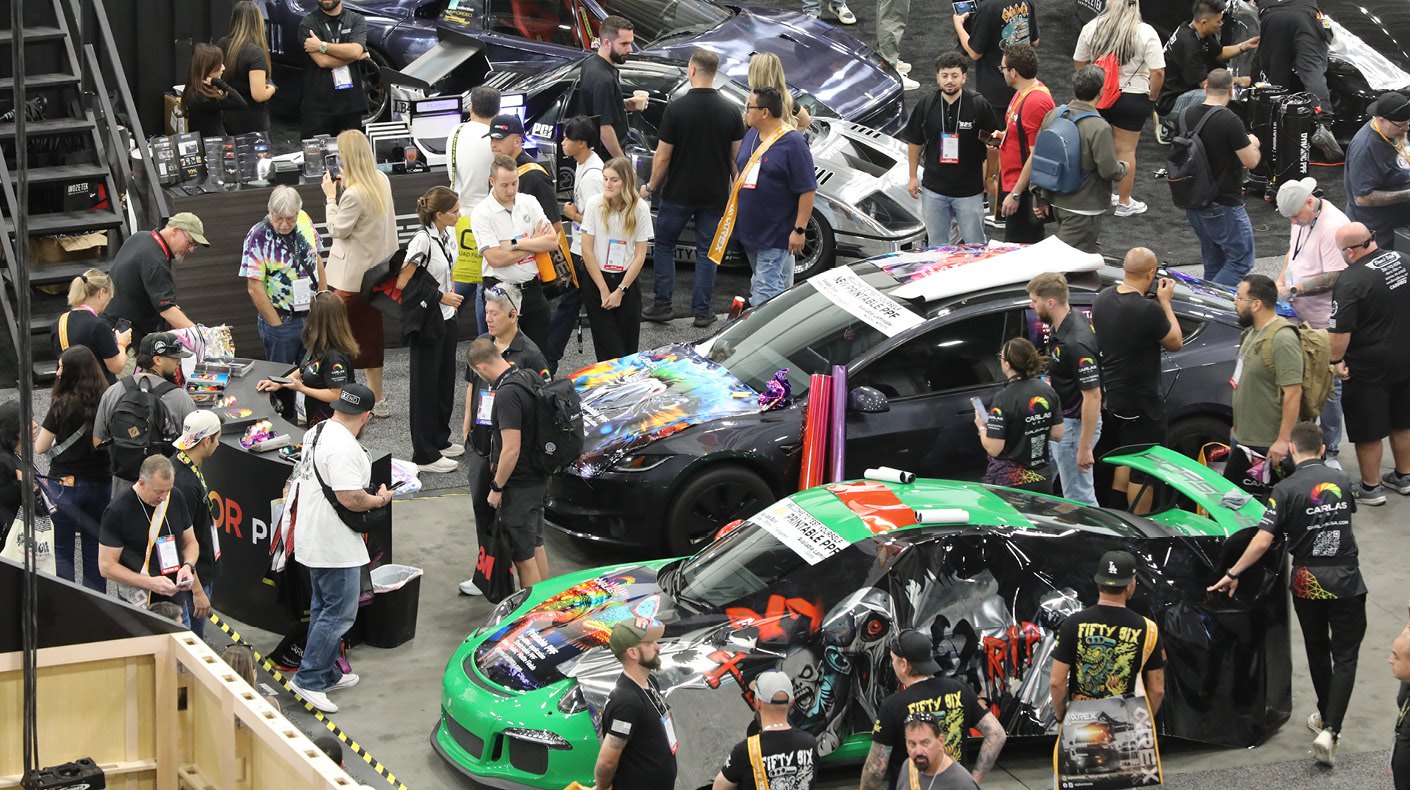
The 2026 SEMA Show, November 3-6, Las Vegas, is building momentum across key categories, including collision repair and vehicle restyling. For repair and refinishing professionals, this year's Show will deliver a comprehensive look at the latest products, equipment and technologies shaping the industry.
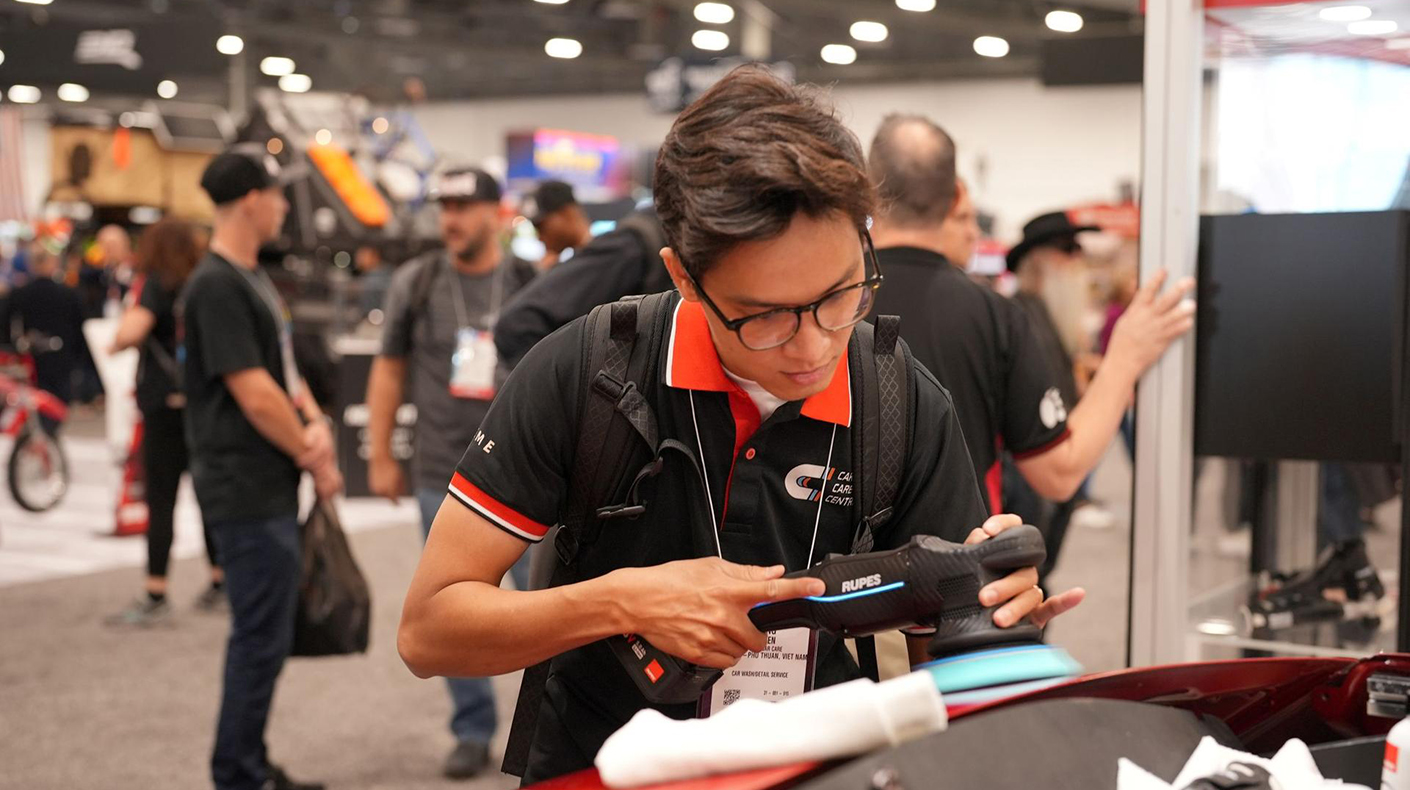
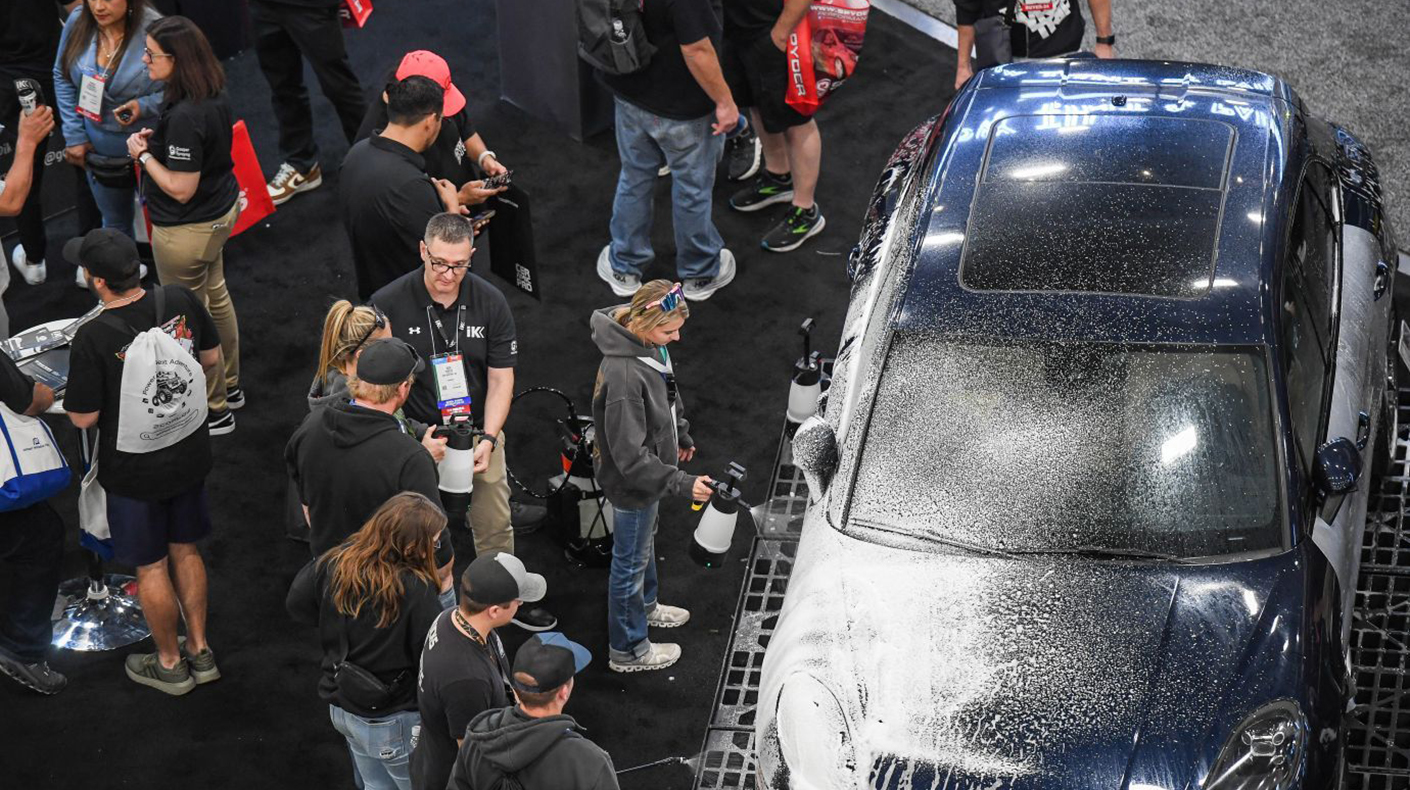
The SEMA Show's dedicated Restyling & Car Care Accessories and Collision Repair & Refinish sections will feature hundreds of exhibiting brands, giving shop owners, technicians and builders access to solutions designed to improve efficiency, quality and turnaround times. From advanced repair equipment to refinishing components, attendees will find a full spectrum of products designed to meet the evolving needs of modern repair and car care facilities.
The recently released SEMA Market Report estimates the repair and refinishing-related aftermarket represents roughly $9 billion in annual consumer spending, driven by demand for body upgrades, appearance products, paint and refinishing materials, wraps, window tint and lighting products. The report underscores the strength of these categories within the broader automotive aftermarket and highlights their importance to repair, refinishing, and customization businesses.
Within that broader market, exterior restyling remains a major growth area, exceeding $6 billion in annual consumer spending, reflecting sustained consumer demand for vehicle personalization through products such as grilles, body upgrades, wraps, graphics, lighting, running boards, exterior trim and other appearance enhancements.
The Restyling & Car Care Accessories and Collision Repair & Refinish sections are anchored by long-standing industry brands, including 3M, Avery Dennison, Katzkin Automotive Leather, Pro Spot, Rust-Oleum, SATA, Snap-on, Sonax Premium Car Care and XPEL. Their continued participation highlights both the heritage and innovation that drive this critical segment of the aftermarket.
"The collision repair and restyling segments are essential to keeping vehicles safe, functional and looking their best," said SEMA Vice President of Events Tom Gattuso. "From cutting-edge repair technologies to craftsmanship-driven restyling and car-care products, these sections demonstrate how the industry continues to evolve. Long-standing leaders and new innovators alike reinforce the strength, expertise and forward momentum of this category."
Overall, exhibitor commitments for the 2026 SEMA Show have surpassed 1 million net sq. ft., with more than 2,000 brands preparing to connect with a global audience November 3-6, in Las Vegas. The event remains one of the largest and most influential trade shows in the country, reflecting sustained growth and investment across the automotive aftermarket.
In addition to collision repair and restyling, the 2026 SEMA Show will feature strong participation across performance, trucks, powersports, mobile electronics, tools, and emerging technologies. Major OEMs, including Toyota, Ford, Honda, Mitsubishi, Nissan and Stellantis, will also return, strengthening the connection between factory engineering and aftermarket solutions.
Attendees can also explore signature features such as the New Products Showcase, Battle of the Builders and FutureTech Studio, offering valuable insights into the trends, skills and technologies shaping the future of vehicle repair and car care.
The 2026 SEMA Show will take place November 3-6 in Las Vegas as part of the broader "SEMA Week" experience, which includes public access on Friday and the high-energy SEMA Fest.
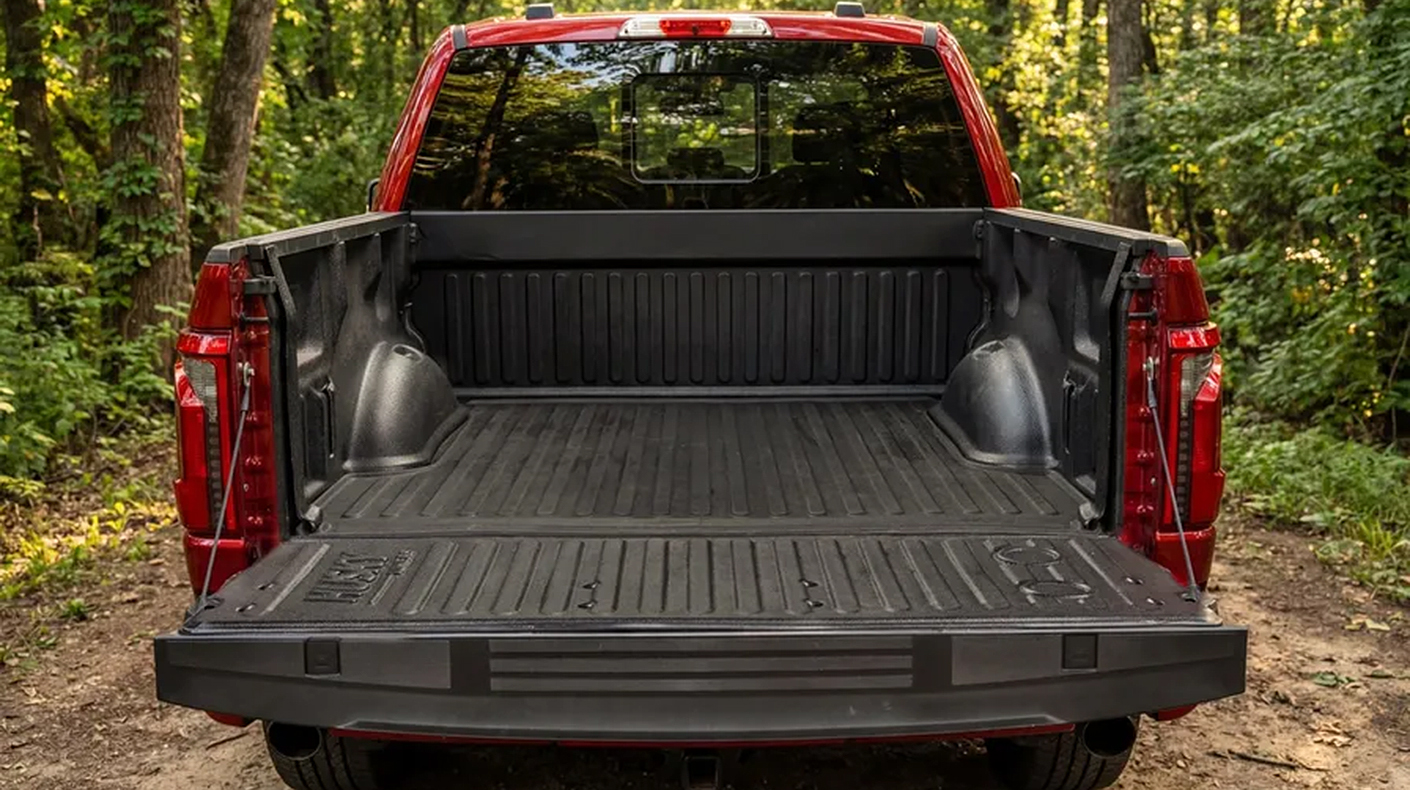
Husky Liners has launched its new Freedom Bed Liner, a durable, lift‑out bed protection system. The Freedom Bed Liner combines a rugged ProGard bed floor with heavy‑duty interlocking side panels, delivering protection against wear, rust and everyday damage with a non‑permanent design that installs easily and lifts out when needed, according to the company.
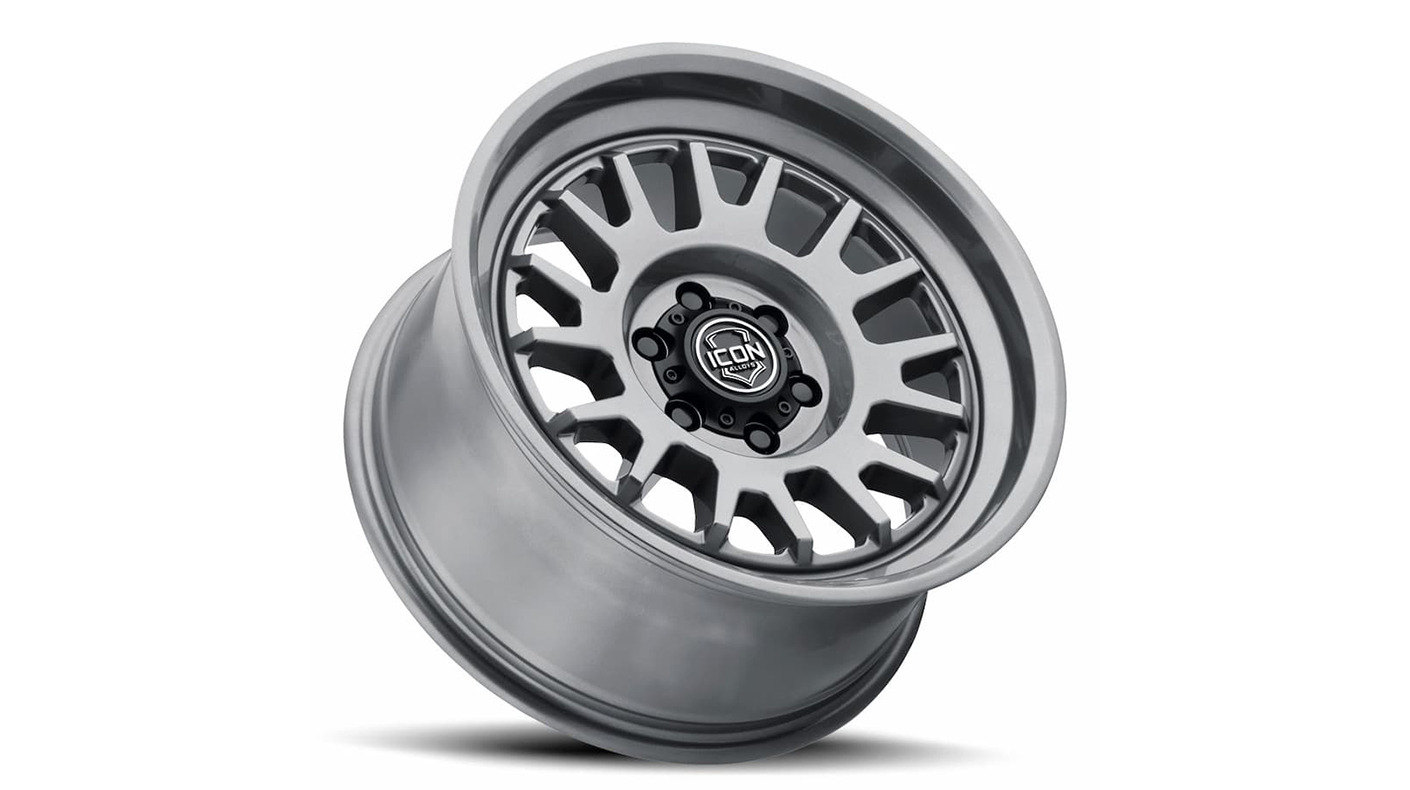
ICON Alloys is now offering two new finishes for its Anza wheel 6 on 135mm bolt pattern: Gun Metal and Silver Machined. Anza is offered in a 17-in. diameter and 8.5-in. width. These new bolt pattern and finish combinations join our full lineup of Anza wheels featuring multiple offsets, bolt patterns and finishes including Satin Black, Gun Metal and Silver Machined.
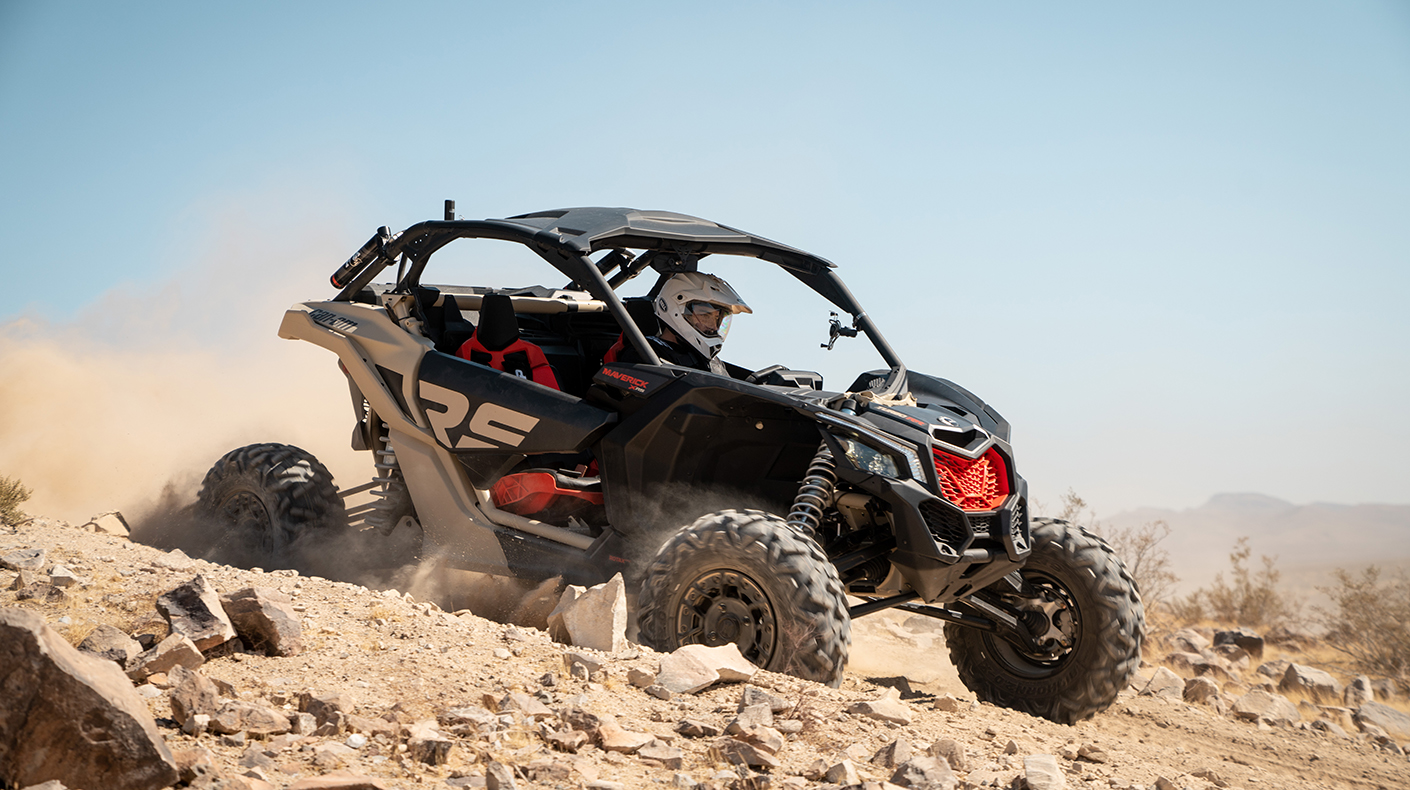
Eibach is offering expanded coverage for '26 UTVs with its expanded lineup of PRO-UTV spring kits. Available in four different stages, the PRO-UTV spring kits with varying levels of performance capabilities and applications. Kits are offered for Can-Am, Polaris, Honda, Kawasaki, Yamaha and Wildcat.
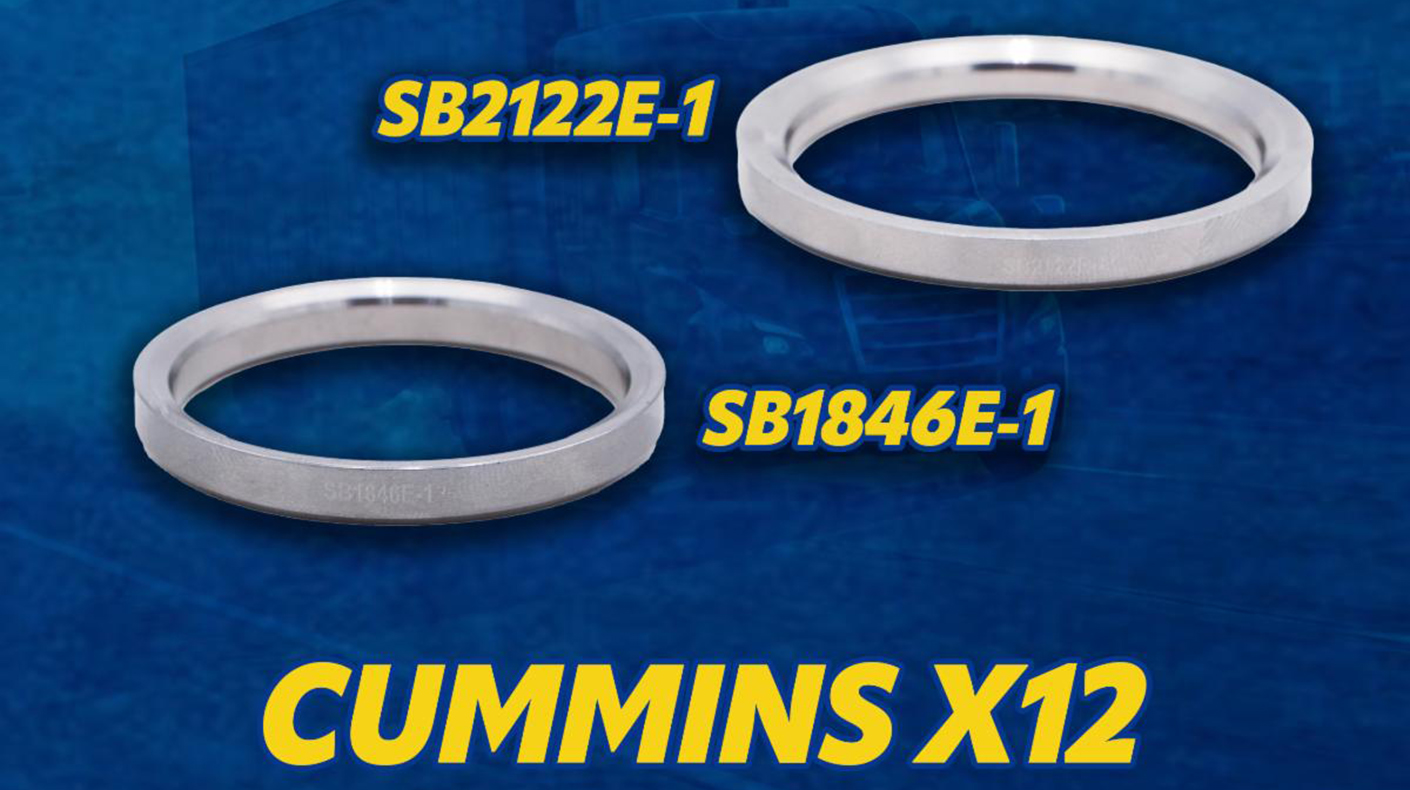
S.B. International has released new intake and exhaust valve seats for Cummins X12 applications. The new product expands S.B. International's lineup of products for Cummins X12 applications.