

Host of the Velocity Channel, Steve Magnante shares some of the projects he has been working on with Velocity.
Thu, 03/15/2018 - 11:28
Thu, 03/15/2018 - 11:26
By SEMA Washington, D.C., Staff
SEMA-supported legislation (H.R. 5212/S. 2519) has been introduced in the U.S. House of Representatives and Senate to cap the amount of ethanol that is required to be blended into the U.S. fuel supply at 9.7%. The bills phase out the federal government’s ethanol mandates under the Renewable Fuel Standard (RFS) by reducing the amount of corn ethanol blended into gasoline by 2 billion gallons per year until the requirement is eliminated in 2030.
While the RFS was intended to reduce the nation’s dependency on foreign oil, the 2007 law has translated into ever-increasing corn production so that the ethanol byproduct can be blended into gasoline. The EPA has turned to sales of E15 (15% ethanol blended into gasoline) to achieve the law’s artificial mandate. Ethanol, especially in higher concentrations, such as E15, can cause metal corrosion and dissolve certain plastics and rubbers in automobiles produced before 2001 that were not constructed with ethanol-resistant materials.
Tell your federal lawmakers to support H.R. 5212/S. 2519 by sending them a letter. For details, contact Eric Snyder at erics@sema.org.
Thu, 03/15/2018 - 11:26
By SEMA Washington, D.C., Staff
SEMA-supported legislation (H.R. 5212/S. 2519) has been introduced in the U.S. House of Representatives and Senate to cap the amount of ethanol that is required to be blended into the U.S. fuel supply at 9.7%. The bills phase out the federal government’s ethanol mandates under the Renewable Fuel Standard (RFS) by reducing the amount of corn ethanol blended into gasoline by 2 billion gallons per year until the requirement is eliminated in 2030.
While the RFS was intended to reduce the nation’s dependency on foreign oil, the 2007 law has translated into ever-increasing corn production so that the ethanol byproduct can be blended into gasoline. The EPA has turned to sales of E15 (15% ethanol blended into gasoline) to achieve the law’s artificial mandate. Ethanol, especially in higher concentrations, such as E15, can cause metal corrosion and dissolve certain plastics and rubbers in automobiles produced before 2001 that were not constructed with ethanol-resistant materials.
Tell your federal lawmakers to support H.R. 5212/S. 2519 by sending them a letter. For details, contact Eric Snyder at erics@sema.org.
Thu, 03/15/2018 - 11:26
By SEMA Washington, D.C., Staff
SEMA-supported legislation (H.R. 5212/S. 2519) has been introduced in the U.S. House of Representatives and Senate to cap the amount of ethanol that is required to be blended into the U.S. fuel supply at 9.7%. The bills phase out the federal government’s ethanol mandates under the Renewable Fuel Standard (RFS) by reducing the amount of corn ethanol blended into gasoline by 2 billion gallons per year until the requirement is eliminated in 2030.
While the RFS was intended to reduce the nation’s dependency on foreign oil, the 2007 law has translated into ever-increasing corn production so that the ethanol byproduct can be blended into gasoline. The EPA has turned to sales of E15 (15% ethanol blended into gasoline) to achieve the law’s artificial mandate. Ethanol, especially in higher concentrations, such as E15, can cause metal corrosion and dissolve certain plastics and rubbers in automobiles produced before 2001 that were not constructed with ethanol-resistant materials.
Tell your federal lawmakers to support H.R. 5212/S. 2519 by sending them a letter. For details, contact Eric Snyder at erics@sema.org.
Thu, 03/15/2018 - 11:26
By SEMA Washington, D.C., Staff
SEMA-supported legislation (H.R. 5212/S. 2519) has been introduced in the U.S. House of Representatives and Senate to cap the amount of ethanol that is required to be blended into the U.S. fuel supply at 9.7%. The bills phase out the federal government’s ethanol mandates under the Renewable Fuel Standard (RFS) by reducing the amount of corn ethanol blended into gasoline by 2 billion gallons per year until the requirement is eliminated in 2030.
While the RFS was intended to reduce the nation’s dependency on foreign oil, the 2007 law has translated into ever-increasing corn production so that the ethanol byproduct can be blended into gasoline. The EPA has turned to sales of E15 (15% ethanol blended into gasoline) to achieve the law’s artificial mandate. Ethanol, especially in higher concentrations, such as E15, can cause metal corrosion and dissolve certain plastics and rubbers in automobiles produced before 2001 that were not constructed with ethanol-resistant materials.
Tell your federal lawmakers to support H.R. 5212/S. 2519 by sending them a letter. For details, contact Eric Snyder at erics@sema.org.
Thu, 03/15/2018 - 11:02
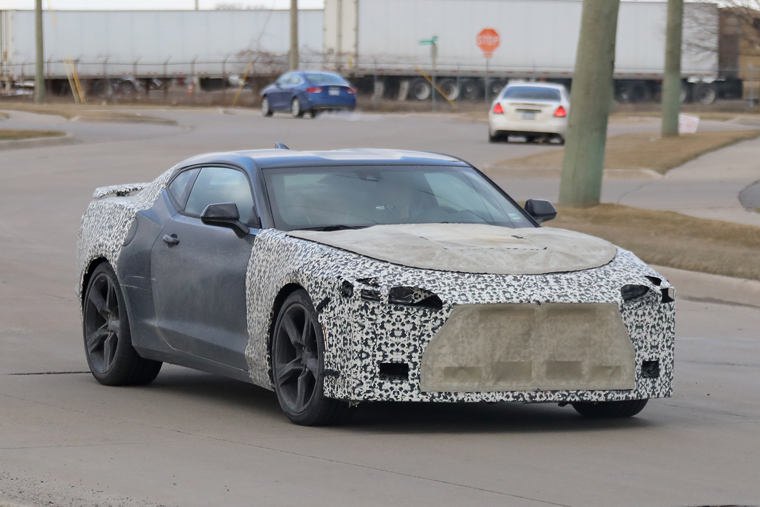
The ’19 Chevy Camaro will retain the six-speed manual (at least in some trims). Rumors have been swirling about a seven-speed manual (borrowed from the C7) mated to the 6.2L Camaro, since Autoguide discovered documents from CARB earlier this year.
The Camaro will get an extensive mid-cycle facelift. Based on the camo on this prototype, the front end on standard models will receive some comprehensive changes from the A-pillar forward. From the shots, it appears that the Camaro will get a more modern, yet aggressive look up front. Around back is a revised rear fascia, along with new taillights.
To keep pace with the Ford Mustang, expect minor engine enhancements and more widespread use of the 10-speed automatic that is now offered on the ZL1. More technology features lifted from the Cadillac ATS are also likely to appear.
There is still the rumor of the return of the Z/28 on the sixth-generation Camaro, too.
Expect to see the revised Camaro fairly soon.
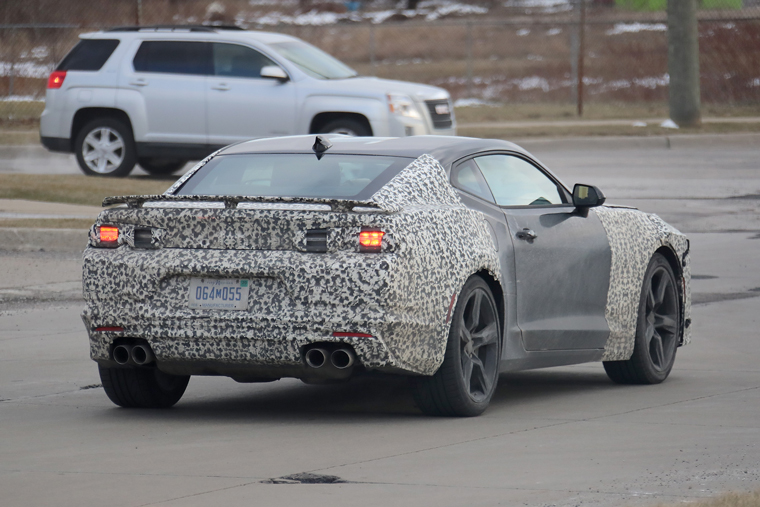
Photo credit: Brian Williams, SpiedBilde
Thu, 03/15/2018 - 11:02
The ’19 Chevy Camaro will retain the six-speed manual (at least in some trims). Rumors have been swirling about a seven-speed manual (borrowed from the C7) mated to the 6.2L Camaro, since Autoguide discovered documents from CARB earlier this year.
The Camaro will get an extensive mid-cycle facelift. Based on the camo on this prototype, the front end on standard models will receive some comprehensive changes from the A-pillar forward. From the shots, it appears that the Camaro will get a more modern, yet aggressive look up front. Around back is a revised rear fascia, along with new taillights.
To keep pace with the Ford Mustang, expect minor engine enhancements and more widespread use of the 10-speed automatic that is now offered on the ZL1. More technology features lifted from the Cadillac ATS are also likely to appear.
There is still the rumor of the return of the Z/28 on the sixth-generation Camaro, too.
Expect to see the revised Camaro fairly soon.
Photo credit: Brian Williams, SpiedBilde
Thu, 03/15/2018 - 11:02
The ’19 Chevy Camaro will retain the six-speed manual (at least in some trims). Rumors have been swirling about a seven-speed manual (borrowed from the C7) mated to the 6.2L Camaro, since Autoguide discovered documents from CARB earlier this year.
The Camaro will get an extensive mid-cycle facelift. Based on the camo on this prototype, the front end on standard models will receive some comprehensive changes from the A-pillar forward. From the shots, it appears that the Camaro will get a more modern, yet aggressive look up front. Around back is a revised rear fascia, along with new taillights.
To keep pace with the Ford Mustang, expect minor engine enhancements and more widespread use of the 10-speed automatic that is now offered on the ZL1. More technology features lifted from the Cadillac ATS are also likely to appear.
There is still the rumor of the return of the Z/28 on the sixth-generation Camaro, too.
Expect to see the revised Camaro fairly soon.
Photo credit: Brian Williams, SpiedBilde
Thu, 03/15/2018 - 11:02
The ’19 Chevy Camaro will retain the six-speed manual (at least in some trims). Rumors have been swirling about a seven-speed manual (borrowed from the C7) mated to the 6.2L Camaro, since Autoguide discovered documents from CARB earlier this year.
The Camaro will get an extensive mid-cycle facelift. Based on the camo on this prototype, the front end on standard models will receive some comprehensive changes from the A-pillar forward. From the shots, it appears that the Camaro will get a more modern, yet aggressive look up front. Around back is a revised rear fascia, along with new taillights.
To keep pace with the Ford Mustang, expect minor engine enhancements and more widespread use of the 10-speed automatic that is now offered on the ZL1. More technology features lifted from the Cadillac ATS are also likely to appear.
There is still the rumor of the return of the Z/28 on the sixth-generation Camaro, too.
Expect to see the revised Camaro fairly soon.
Photo credit: Brian Williams, SpiedBilde
Thu, 03/15/2018 - 11:02
The ’19 Chevy Camaro will retain the six-speed manual (at least in some trims). Rumors have been swirling about a seven-speed manual (borrowed from the C7) mated to the 6.2L Camaro, since Autoguide discovered documents from CARB earlier this year.
The Camaro will get an extensive mid-cycle facelift. Based on the camo on this prototype, the front end on standard models will receive some comprehensive changes from the A-pillar forward. From the shots, it appears that the Camaro will get a more modern, yet aggressive look up front. Around back is a revised rear fascia, along with new taillights.
To keep pace with the Ford Mustang, expect minor engine enhancements and more widespread use of the 10-speed automatic that is now offered on the ZL1. More technology features lifted from the Cadillac ATS are also likely to appear.
There is still the rumor of the return of the Z/28 on the sixth-generation Camaro, too.
Expect to see the revised Camaro fairly soon.
Photo credit: Brian Williams, SpiedBilde