Thu, 04/05/2018 - 07:25

Nissan Murano

This is the ’19 Nissan Murano, caught testing for the first time in Arizona.

The Murano will get some minor revisions for the ’19 model year to keep it looking fresh, specifically, a new front design inspired by the ’19 Nissan Altima that is scheduled to debut at the New York Auto Show. New headlights and taillights will also be part of the package.

Expect minor interior revisions, too, along with some technology upgrades that should incorporate Nissan’s ProPilot Assist driver safety tech, as well as a new infotainment system.

As far as the powertrain goes, the V6 engine will likely be replaced by a turbocharged or supercharged four-cylinder.

The ’19 Murano should appear this spring/summer.

Nissan Murano

Photo credit: Brian Williams, SpiedBilde

Thu, 04/05/2018 - 07:25

Nissan Murano

This is the ’19 Nissan Murano, caught testing for the first time in Arizona.

The Murano will get some minor revisions for the ’19 model year to keep it looking fresh, specifically, a new front design inspired by the ’19 Nissan Altima that is scheduled to debut at the New York Auto Show. New headlights and taillights will also be part of the package.

Expect minor interior revisions, too, along with some technology upgrades that should incorporate Nissan’s ProPilot Assist driver safety tech, as well as a new infotainment system.

As far as the powertrain goes, the V6 engine will likely be replaced by a turbocharged or supercharged four-cylinder.

The ’19 Murano should appear this spring/summer.

Nissan Murano

Photo credit: Brian Williams, SpiedBilde

Thu, 04/05/2018 - 07:25

Nissan Murano

This is the ’19 Nissan Murano, caught testing for the first time in Arizona.

The Murano will get some minor revisions for the ’19 model year to keep it looking fresh, specifically, a new front design inspired by the ’19 Nissan Altima that is scheduled to debut at the New York Auto Show. New headlights and taillights will also be part of the package.

Expect minor interior revisions, too, along with some technology upgrades that should incorporate Nissan’s ProPilot Assist driver safety tech, as well as a new infotainment system.

As far as the powertrain goes, the V6 engine will likely be replaced by a turbocharged or supercharged four-cylinder.

The ’19 Murano should appear this spring/summer.

Nissan Murano

Photo credit: Brian Williams, SpiedBilde

Thu, 04/05/2018 - 07:25

Nissan Murano

This is the ’19 Nissan Murano, caught testing for the first time in Arizona.

The Murano will get some minor revisions for the ’19 model year to keep it looking fresh, specifically, a new front design inspired by the ’19 Nissan Altima that is scheduled to debut at the New York Auto Show. New headlights and taillights will also be part of the package.

Expect minor interior revisions, too, along with some technology upgrades that should incorporate Nissan’s ProPilot Assist driver safety tech, as well as a new infotainment system.

As far as the powertrain goes, the V6 engine will likely be replaced by a turbocharged or supercharged four-cylinder.

The ’19 Murano should appear this spring/summer.

Nissan Murano

Photo credit: Brian Williams, SpiedBilde

Wed, 04/04/2018 - 15:04

By SEMA Editors

SEMA Garage

SEMA Garage
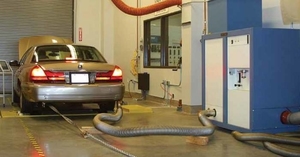
Manufacturers of air intakes, superchargers, exhaust systems and diesel auto parts can now test for emissions compliance at the SEMA Garage following a recent renovation that included the addition of particulate matter (PM) measuring equipment.

Manufacturers of air intakes, superchargers, exhaust systems and diesel auto parts can now test for emissions compliance at the SEMA Garage following a recent renovation that included the addition of particulate matter (PM) measuring equipment. The remodel allows for more SEMA members to simultaneously test-fit prototypes, install components and perform emissions tests.

Diesel emissions testing is particularly useful for manufacturers that create products that affect engine performance, air flow or fuel delivery, because the parts must comply with emissions standards set by the U.S. Environmental Protection Agency (EPA) and the California Air Resources Board (CARB).

The renovation also included enhancements to the installation center and emissions lab, resulting in more space to better serve SEMA-member companies that depend on these services.

In addition to the emissions lab and installation center, the SEMA Garage offers member companies several other services and programs to help bring their products to market, including measuring sessions, custom scanning and 3D printing, a training center, and a CAD tech transfer program.

For more information about the SEMA Garage, visit www.semagarage.com.


Wed, 04/04/2018 - 15:04

By SEMA Editors

SEMA Garage

SEMA Garage
Manufacturers of air intakes, superchargers, exhaust systems and diesel auto parts can now test for emissions compliance at the SEMA Garage following a recent renovation that included the addition of particulate matter (PM) measuring equipment.

Manufacturers of air intakes, superchargers, exhaust systems and diesel auto parts can now test for emissions compliance at the SEMA Garage following a recent renovation that included the addition of particulate matter (PM) measuring equipment. The remodel allows for more SEMA members to simultaneously test-fit prototypes, install components and perform emissions tests.

Diesel emissions testing is particularly useful for manufacturers that create products that affect engine performance, air flow or fuel delivery, because the parts must comply with emissions standards set by the U.S. Environmental Protection Agency (EPA) and the California Air Resources Board (CARB).

The renovation also included enhancements to the installation center and emissions lab, resulting in more space to better serve SEMA-member companies that depend on these services.

In addition to the emissions lab and installation center, the SEMA Garage offers member companies several other services and programs to help bring their products to market, including measuring sessions, custom scanning and 3D printing, a training center, and a CAD tech transfer program.

For more information about the SEMA Garage, visit www.semagarage.com.


Sun, 04/01/2018 - 15:26

SEMA News—April 2018

SDC User Forum Is Live and Waiting for You

By Craig Schmutzler
 
Every year, the SEMA Data Co-op (SDC) conducts a user group meeting at the SEMA Show. This face-to-face meeting serves as a great opportunity for our team to ask the following questions:
  1. What is working well?
  2. What needs to be fixed?
  3. How can we do a better job for you?

Our members provide us with good, usable feedback, and we work hard to ensure that we are meeting their needs. Our desire is to help our members grow their businesses through the services that we offer, and their feedback helps us meet that goal.

Over the past few years, we have received multiple requests for a user forum to allow for better and more-immediate communication between members. Last year, we identified the development of a user forum as one of our key projects. The forum was completed and launched in late December and allows our members to easily connect with each other and with us.

Here are four important reasons to visit the SDC forum:

Ask Questions: The forum provides an environment to ask questions and receive quick answers from other users or from SDC staff. We have a good number of savvy business people among our members. Don’t feel as though your questions need to be limited to topics of product information or SDC systems use. You may have a question on how to launch your next marketing campaign or how best to find that next stellar employee. The forum is a great place to find resources to help make important business decisions.

Exchange Ideas: SDC thrives on the ideas of our members. We launched a new user interface last year that incorporates the ideas put forth by our members. We want the forum to serve as a platform for promoting the constructive exchange of ideas. We all have those “Wouldn’t it be cool if…” thoughts. Your thought may be related to our systems, our industry or your individual business. Sharing ideas allows for productive discussions that help formalize plans and move businesses forward.

Don’t be shy; we aren’t judgmental. Some of the best ideas sound a bit far-fetched when first presented. If you need an example to bolster your courage, consider the fact that there is a successful business out there that sells plastic wishbones. It was established to avoid the sibling rivalry and family disputes that result from everyone’s desire to get that lone Thanksgiving turkey wishbone. When deciding whether to share your “crazy” idea, consider the plastic wishbone—and then share your idea.

Share Best Practices: A best practice is a procedure that has been shown by research and experience to produce optimal results and that is established or proposed as a standard suitable for widespread adoption. (At least, that is what Merriam-Webster says.) From our perspective, a best practice is something that works for you and your business. Other members may well benefit from your experience as they work to make decisions and establish processes. If you have a process or procedure that works well for you, share it in the forum to help other members. As forum participation grows, you may well find yourself seeing value in the ideas that others are posting.

Receive Important Announcements: Finally, we use the forum as a vehicle through which to communicate important information to our members. We may have new system functionality, a cool update, or an upcoming event. Along with Facebook and our newsletters, the forum is one of the places we post that information. Be sure to check in often.

The SDC forum is available to all SDC members and can be accessed through our user interface by clicking the SDC User Forum link on the left side of the screen. If you have questions regarding how to become an SDC member or need help accessing the forum, please feel free to contact us. We stand ready to assist.

Sun, 04/01/2018 - 15:26

SEMA News—April 2018

REQUIRED READING

By Juan Torres

New Aftermarket Products

Every year, the automotive world converges at the trade-only SEMA Show in Las Vegas where attendees learn about the latest trends and emerging technology in the aftermarket industry. Exhibitors also take the opportunity to introduce their latest product offerings, many of which are displayed in the New Products Showcase, making it the number-one destination for attendees at the event and the subject of many articles (as seen below) by the more than 3,500 journalists covering the SEMA Show.

Diesel Power
Diesel PowerJohn Lehenbauer roamed the aisles and New Products Showcase at the 2017 SEMA Show to find the newest innovative parts accessories for diesel enthusiasts. Additionally, his article gave readers a pictorial glimpse of the New Products Showcase at the trade-only event.
Hot Rod
Hot RodBecause the SEMA Show is not open to the public, Chris Shelton put together an article for the readers of Hot Rod on his favorites new products at the event. His products list ranged from what he thought were the coolest parts in the performance categories to those that improve the driving experience.
 
BodyShop Business
BodyShop BusinessEvery year, the Society of Collision Repair Specialists makes a presentation during its open board meeting on new collision-repair products found at the SEMA Show. The products detailed in Josh Cable’s article were put to the test before being presented to SCRS members.
Heard in Social Media

“One of the highlights of our SEMA experience is getting exclusive access to the New Products gallery. Here’s an insider’s look from Team APW!”—Auto Parts Warehouse, via Facebook

“Here’s a rundown of the best new off-road and 4x4 products introduced at SEMA 2017.”—RacingJunk, via Twitter

“Take a peek at some of the new high-performance & racing products we came across! #SEMA2017”—Summit Racing Equipment, via Facebook

Four Wheeler scoured the floors of SEMA 2017 to find these 10 new products for you to enjoy!”—Four Wheeler, via Twitter


Sun, 04/01/2018 - 15:18

SEMA News—April 2018

Driver-Assist Technologies

New SEMA Research to Guide Your Business Strategies

ADAS
Advanced Driver Assistance Systems (ADAS) and Connected Vehicle Technologies (CVT) are poised for a disruptive transformation of the aftermarket. Now is the ideal time to assess your readiness for this revolution, and the latest SEMA research can help you seize the rapidly emerging business opportunities.

SEMA research indicates that the U.S. aftermarket for advanced driver assistance systems (ADAS) and connected vehicle technologies (CVT) can be expected to grow into a $1.5 billion industry within the next five years, even though the emerging segment is still in its infancy. The impact of these new systems can’t be overstated. Hard as it may be to imagine, they will eventually affect virtually everything from wheel and tire modifications and vehicle electronics tweaks to the addition of custom bumpers, running boards, grilles and other hard parts. With so much at stake in these rapid-breakthrough technologies, SEMA has made identifying ADAS/CVT opportunities for association members a key priority.

According to the recently released “SEMA Advanced Vehicle Technology Report,” the current supplier landscape for these technologies is limited, spelling plenty of growth potential for new participants ready to enter the marketplace and stake out a strong presence in multiple product categories. In the meantime, channel and service providers must start now to acquire proper education, equipment and skilled personnel if they are to successfully adapt to this changing market and truly thrive.

While slow in the early adoption of ADAS/CVT products, American consumers are now not only warming to but also increasingly embracing them. As they become more and more accustomed to the added safety and conveniences offered by OEM ADAS/CVT packages in their new-model cars, drivers are expected to eagerly seek out similar supplemental products for all of their vehicles. The reason is obvious: The National Safety Council recently estimated that 20% of all motor-vehicle-related injuries can be tied to distracted driving. ADAS/CVT products can dramatically cut such risks. Add to that the substantially reduced risks of backover- and blind-spot-related accidents, and it’s easy to see why the more consumers learn about these technologies, the more they demand them.

The following are highlights of key overall findings from the “SEMA Advanced Vehicle Technology Report,” available for download at www.sema.org/avt-opportunities. Upcoming issues of SEMA News will continue to break down report specifics, topic by topic.

Key ADAS Aftermarket Systems

(total million dollars upfit)

ADAS
The ADAS/CVT market had an estimated worth of $977 million in 2016 and is expected to reach $1.5 billion by 2021—a 9.1% annual compound growth rate. Source: Market Feedback, Ducker Analysis and CAR

Market Share by Manufacturer Segmentation

(by total revenue)

ADAS


Advanced systems manufacturers can expect to split the revenue pie almost equally between leading, secondary and specialty manufacturers. Source: Market Feedback, Ducker Analysis and CAR

Key ADAS Aftermarket Systems

(total million units upfit)

ADAS


The estimated compound annual growth rate of aftermarket ADAS-product upfitments in millions over the current five-year term is 4.5%. Source: Market Feedback, Ducker Analysis and CAR

ADAS Channel Evolution
ADAS

Although independent repair and specialty businesses currently take the lion’s share of ADAS sales and servicing, parts chains will gain a significant footing by 2022. Source: Market Feedback and Ducker Analysis

New Opportunities

Based on its research, SEMA encourages its manufacturing and installing members to explore the opportunities presented by the fast-growing, high-margin ADAS/CVT markets. In making its “SEMA Advanced Vehicle Technology Report” available, the association hopes to help guide product and service planning and entry strategies for this emerging market. The SEMA analysis can help members understand the current market and its forecasted growth potential.

Amid this growth and rapid adoption of ADAS/CVT technologies, the specialty-equipment market will experience an unprecedented disruptive trend. These new systems are becoming increasingly common across OEM platforms, with consumers already weighing them in their buying decisions. Driver-assist technologies may currently represent only a relatively small share of the motor-vehicle aftermarket, but there can be little doubt that they are poised for rapid gains. Consider that electronic content in new vehicles is now greater than 40%. With current gross margins for these technologies between 40%–60% and rising, there will be increasing interest to replace, retrofit and modify the vehicle electronics systems on all cars.

Charting ADAS Strategies

In forming a market game plan, aftermarket businesses will want to fully understand not just the advanced technologies but also the timelines and channels of their rollouts.

  • Systems: Passive systems such as forward-collision, lane-departure and blind-spot warning, among others, will likely grow first and fastest. More complex active systems such as adaptive cruise control and automated braking may offer greater revenue potential, but they carry legislative and liability concerns, making them less attractive for the specialty-equipment industry.
  • Adoption: Aftermarket suppliers will wish to carefully monitor OEM adoption rates as leading indicators of market acceptance. Today’s OEM penetration is already estimated at $7–$8 billion. Meanwhile, future legislation may determine access to OEM systems data, which will directly affect the aftermarket’s ability to offer OEM-level calibrated products.
  • Channels: There will be many ways to engage ADAS/CVT business opportunities, including through part and component manufacturing, distribution, installation, repair and service. For example, aftermarket ADAS products are currently sold mainly through independent vehicle customization, repair and specialty-equipment shops. As the ADAS market expands, sales channel patterns will likely evolve toward traditional aftermarket models, with parts chains taking an increasing share.

For now, fleets account for the adoption of about 70% of current ADAS aftermarket products and will continue to drive sales in the near term. However, consumer awareness, needs and marketing will gain traction for ADAS products in passenger vehicles over the next two to three years.

Key Drivers and Technologies

The ADAS aftermarket is on target to grow from 5.3 million total unit upfits in 2016 to 6.6 million units upfitted by 2021. Passive parking assist—a relatively simple technology—accounts for the majority of market growth. In addition, SEMA market research has identified blind-spot warning and passive forward-collision warning systems as high-growth categories. Key aftermarket growth drivers will include:

  • The lower cost of aftermarket systems relative to OEM products, which are often included mainly in higher trim levels.
  • The ability to utilize ADAS products on older vehicles, as well as late-model trim levels that do not offer the same options.
  • The increased interest in safety systems on the part of end users.
  • The ease of self-installation by customers for certain systems, such as passive parking assistance.
Stay Informed!

The tremendous potential ahead for the specialty-equipment industry is detailed in “SEMA Advanced Vehicle Technology Opportunities.” To download a copy of the report, go to
www.sema.org/avt-opportunities.

Visit the SEMA Garage Vehicle Technology webpage at www.semagarage.com/services/vehicletechnology for additional information about ADAS technologies and how they may impact your business. 

The Bottom Line

To sum up, the aftermarket for ADAS is being driven by a blend of consumer demand for safety systems, new product availability and the growing ability of installers to offer these innovative and increasingly vital products for older vehicles. In addition, the aftermarket is positioned to offer cost-effective alternatives for newer vehicles whose ADAS options may be deemed by consumers too costly or insufficiently robust.

With a presently limited supplier landscape, there are real opportunities for new entrants into the aftermarket. Moreover, SEMA-sponsored research finds that the financing community is already welcoming ADAS participants with strong, forward-looking valuations. This research further suggests that the marketplace will evolve organically, with participants innovating new and unique value propositions and/or migrating to ADAS from other vehicle and sensor-technology segments. In other words, now is the ideal time to evaluate your business readiness for the ADAS/CVT revolution and consider how you can tap into this new segment’s tremendous potential.

Sun, 04/01/2018 - 15:18

SEMA News—April 2018

Driver-Assist Technologies

New SEMA Research to Guide Your Business Strategies

ADAS
Advanced Driver Assistance Systems (ADAS) and Connected Vehicle Technologies (CVT) are poised for a disruptive transformation of the aftermarket. Now is the ideal time to assess your readiness for this revolution, and the latest SEMA research can help you seize the rapidly emerging business opportunities.

SEMA research indicates that the U.S. aftermarket for advanced driver assistance systems (ADAS) and connected vehicle technologies (CVT) can be expected to grow into a $1.5 billion industry within the next five years, even though the emerging segment is still in its infancy. The impact of these new systems can’t be overstated. Hard as it may be to imagine, they will eventually affect virtually everything from wheel and tire modifications and vehicle electronics tweaks to the addition of custom bumpers, running boards, grilles and other hard parts. With so much at stake in these rapid-breakthrough technologies, SEMA has made identifying ADAS/CVT opportunities for association members a key priority.

According to the recently released “SEMA Advanced Vehicle Technology Report,” the current supplier landscape for these technologies is limited, spelling plenty of growth potential for new participants ready to enter the marketplace and stake out a strong presence in multiple product categories. In the meantime, channel and service providers must start now to acquire proper education, equipment and skilled personnel if they are to successfully adapt to this changing market and truly thrive.

While slow in the early adoption of ADAS/CVT products, American consumers are now not only warming to but also increasingly embracing them. As they become more and more accustomed to the added safety and conveniences offered by OEM ADAS/CVT packages in their new-model cars, drivers are expected to eagerly seek out similar supplemental products for all of their vehicles. The reason is obvious: The National Safety Council recently estimated that 20% of all motor-vehicle-related injuries can be tied to distracted driving. ADAS/CVT products can dramatically cut such risks. Add to that the substantially reduced risks of backover- and blind-spot-related accidents, and it’s easy to see why the more consumers learn about these technologies, the more they demand them.

The following are highlights of key overall findings from the “SEMA Advanced Vehicle Technology Report,” available for download at www.sema.org/avt-opportunities. Upcoming issues of SEMA News will continue to break down report specifics, topic by topic.

Key ADAS Aftermarket Systems

(total million dollars upfit)

ADAS
The ADAS/CVT market had an estimated worth of $977 million in 2016 and is expected to reach $1.5 billion by 2021—a 9.1% annual compound growth rate. Source: Market Feedback, Ducker Analysis and CAR

Market Share by Manufacturer Segmentation

(by total revenue)

ADAS


Advanced systems manufacturers can expect to split the revenue pie almost equally between leading, secondary and specialty manufacturers. Source: Market Feedback, Ducker Analysis and CAR

Key ADAS Aftermarket Systems

(total million units upfit)

ADAS


The estimated compound annual growth rate of aftermarket ADAS-product upfitments in millions over the current five-year term is 4.5%. Source: Market Feedback, Ducker Analysis and CAR

ADAS Channel Evolution
ADAS

Although independent repair and specialty businesses currently take the lion’s share of ADAS sales and servicing, parts chains will gain a significant footing by 2022. Source: Market Feedback and Ducker Analysis

New Opportunities

Based on its research, SEMA encourages its manufacturing and installing members to explore the opportunities presented by the fast-growing, high-margin ADAS/CVT markets. In making its “SEMA Advanced Vehicle Technology Report” available, the association hopes to help guide product and service planning and entry strategies for this emerging market. The SEMA analysis can help members understand the current market and its forecasted growth potential.

Amid this growth and rapid adoption of ADAS/CVT technologies, the specialty-equipment market will experience an unprecedented disruptive trend. These new systems are becoming increasingly common across OEM platforms, with consumers already weighing them in their buying decisions. Driver-assist technologies may currently represent only a relatively small share of the motor-vehicle aftermarket, but there can be little doubt that they are poised for rapid gains. Consider that electronic content in new vehicles is now greater than 40%. With current gross margins for these technologies between 40%–60% and rising, there will be increasing interest to replace, retrofit and modify the vehicle electronics systems on all cars.

Charting ADAS Strategies

In forming a market game plan, aftermarket businesses will want to fully understand not just the advanced technologies but also the timelines and channels of their rollouts.

  • Systems: Passive systems such as forward-collision, lane-departure and blind-spot warning, among others, will likely grow first and fastest. More complex active systems such as adaptive cruise control and automated braking may offer greater revenue potential, but they carry legislative and liability concerns, making them less attractive for the specialty-equipment industry.
  • Adoption: Aftermarket suppliers will wish to carefully monitor OEM adoption rates as leading indicators of market acceptance. Today’s OEM penetration is already estimated at $7–$8 billion. Meanwhile, future legislation may determine access to OEM systems data, which will directly affect the aftermarket’s ability to offer OEM-level calibrated products.
  • Channels: There will be many ways to engage ADAS/CVT business opportunities, including through part and component manufacturing, distribution, installation, repair and service. For example, aftermarket ADAS products are currently sold mainly through independent vehicle customization, repair and specialty-equipment shops. As the ADAS market expands, sales channel patterns will likely evolve toward traditional aftermarket models, with parts chains taking an increasing share.

For now, fleets account for the adoption of about 70% of current ADAS aftermarket products and will continue to drive sales in the near term. However, consumer awareness, needs and marketing will gain traction for ADAS products in passenger vehicles over the next two to three years.

Key Drivers and Technologies

The ADAS aftermarket is on target to grow from 5.3 million total unit upfits in 2016 to 6.6 million units upfitted by 2021. Passive parking assist—a relatively simple technology—accounts for the majority of market growth. In addition, SEMA market research has identified blind-spot warning and passive forward-collision warning systems as high-growth categories. Key aftermarket growth drivers will include:

  • The lower cost of aftermarket systems relative to OEM products, which are often included mainly in higher trim levels.
  • The ability to utilize ADAS products on older vehicles, as well as late-model trim levels that do not offer the same options.
  • The increased interest in safety systems on the part of end users.
  • The ease of self-installation by customers for certain systems, such as passive parking assistance.
Stay Informed!

The tremendous potential ahead for the specialty-equipment industry is detailed in “SEMA Advanced Vehicle Technology Opportunities.” To download a copy of the report, go to
www.sema.org/avt-opportunities.

Visit the SEMA Garage Vehicle Technology webpage at www.semagarage.com/services/vehicletechnology for additional information about ADAS technologies and how they may impact your business. 

The Bottom Line

To sum up, the aftermarket for ADAS is being driven by a blend of consumer demand for safety systems, new product availability and the growing ability of installers to offer these innovative and increasingly vital products for older vehicles. In addition, the aftermarket is positioned to offer cost-effective alternatives for newer vehicles whose ADAS options may be deemed by consumers too costly or insufficiently robust.

With a presently limited supplier landscape, there are real opportunities for new entrants into the aftermarket. Moreover, SEMA-sponsored research finds that the financing community is already welcoming ADAS participants with strong, forward-looking valuations. This research further suggests that the marketplace will evolve organically, with participants innovating new and unique value propositions and/or migrating to ADAS from other vehicle and sensor-technology segments. In other words, now is the ideal time to evaluate your business readiness for the ADAS/CVT revolution and consider how you can tap into this new segment’s tremendous potential.