By Jack Haworth
Packaging is more important than ever to delivering your brand concept--are you keeping up?
We'll be honest—packaging is not a topic of conversation that'll fire up most people within the aftermarket automotive industry. Collectively, our conversations revolve around the cars, parts, performance and innovations that drive this industry forward.
Nevertheless, disregarding its importance to a product's ultimate success is a perilous gamble. In fact, product packaging can be a key difference maker between success and failure in a retail environment.
"Packaging is the first intimate contact that the end-user has with your product," said Jarrett Wolf, senior product manager at Gearwrench. "Many times that packaging is the cause of a make-or-break purchasing decision, especially in a retail presence. If [companies] don't make that investment, many times the customer is going to walk right past that product because it didn't inspire them."
Packaging oversight is an issue that can affect any business within our industry, but especially those with limited resources and bandwidth. In today's competitive marketplace, business owners need to invest in quality packaging that serves a dual role—protecting the product and promoting the brand.
"We spend so much money on innovation and what differentiates the product," said Wolf. "However, that packaging needs to make it crystal clear to the end user that this [product] is something they need."
To better understand how packaging can improve sales and grow a brand, we talked to various sources to get their advice on optimizing package messaging, fundamental mistakes to avoid, and whether those influencer unboxing videos will grow your brand.
Packaging Fundamentals
The most important rule of packaging is simple—protect the product.
"The number-one thing is that you can have the best-looking packaging and it looks perfect on your desk, but you should always, always, always test for shipability," said Wolf.
Designing flashy packaging that looks impressive and clearly explains the product's benefits is great, but not if that box is in tatters by the time it reaches its final destination.
"You've over-engineered it for looks and put every single piece of marketing copy you can on it, but you didn't think about how it was going to transition through the hands of FedEx or UPS or across the ocean," said Wolf. "The moment you forget that it's not just going to be you touching it, you're in danger."
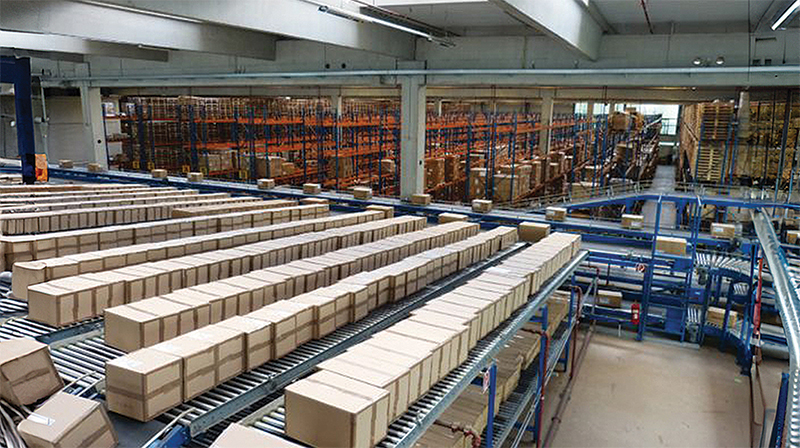
This is especially true in the aftermarket automotive industry, where companies are often shipping heavy and oversized products. Delivering a broken product is a great way to receive a negative review online, so package durability needs to be priority number one.
"Shipping heavy parts in a robust and well-engineered package, with proper package filler to keep the product secure and safe in transit is important, and can make or break the consumer's experience," said Luke Walsh, account director at Kahn Media.
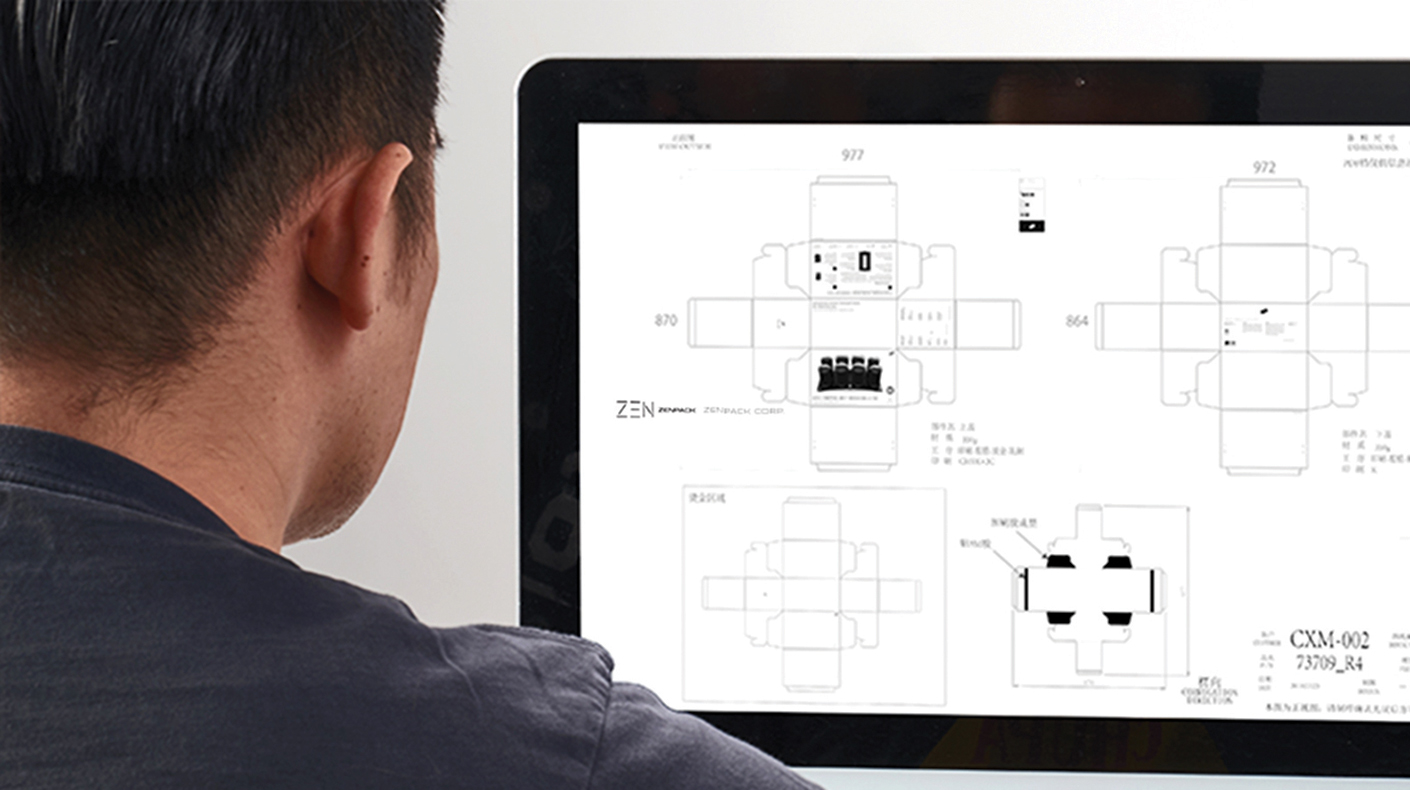
Designing a high-end package may look great on the computer screen, but it won't matter if the materials exceed your budget. In fact, it's best to avoid designing a package prior to sourcing the materials and understanding the cost.
"We get a lot of calls from customers who call us and say, 'I have a design ready, but it ends up to be X amount for one unit and I can't afford it,'" said Robin Tan, managing partner at Zenpack, an award-winning packaging design company based in San Jose, California. "That happens all the time, and then they have to go back to the drawing board. It's a time and money suck."
To help their clients avoid that outcome, Tan's team specializes in working with brands to both develop the packaging design and execute the manufacturing. "We identify the open box experience to meet the target audience need and then provide a material spec to meet customers' target cost."
For companies looking to handle packaging themselves, structural integrity should be the initial focus. Once the product is secure, Wolf suggests shifting focus to communicating with the customer.
"Once you are guaranteed that your product is going to arrive in perfect condition to the end user, your number-two [focus] is how you can leverage as much of the space on that packaging to tell your best story possible."
Telling the Story
Packaging is more than just a vessel for a product, it's an opportunity to convert customer interest into a sale.
"Packaging is how we put our best foot forward with our product," said Wolf. "We want it to scream to the customer all the features and benefits of what makes the product inside that box so great and why it deserves a coveted spot in that end user's toolbox."
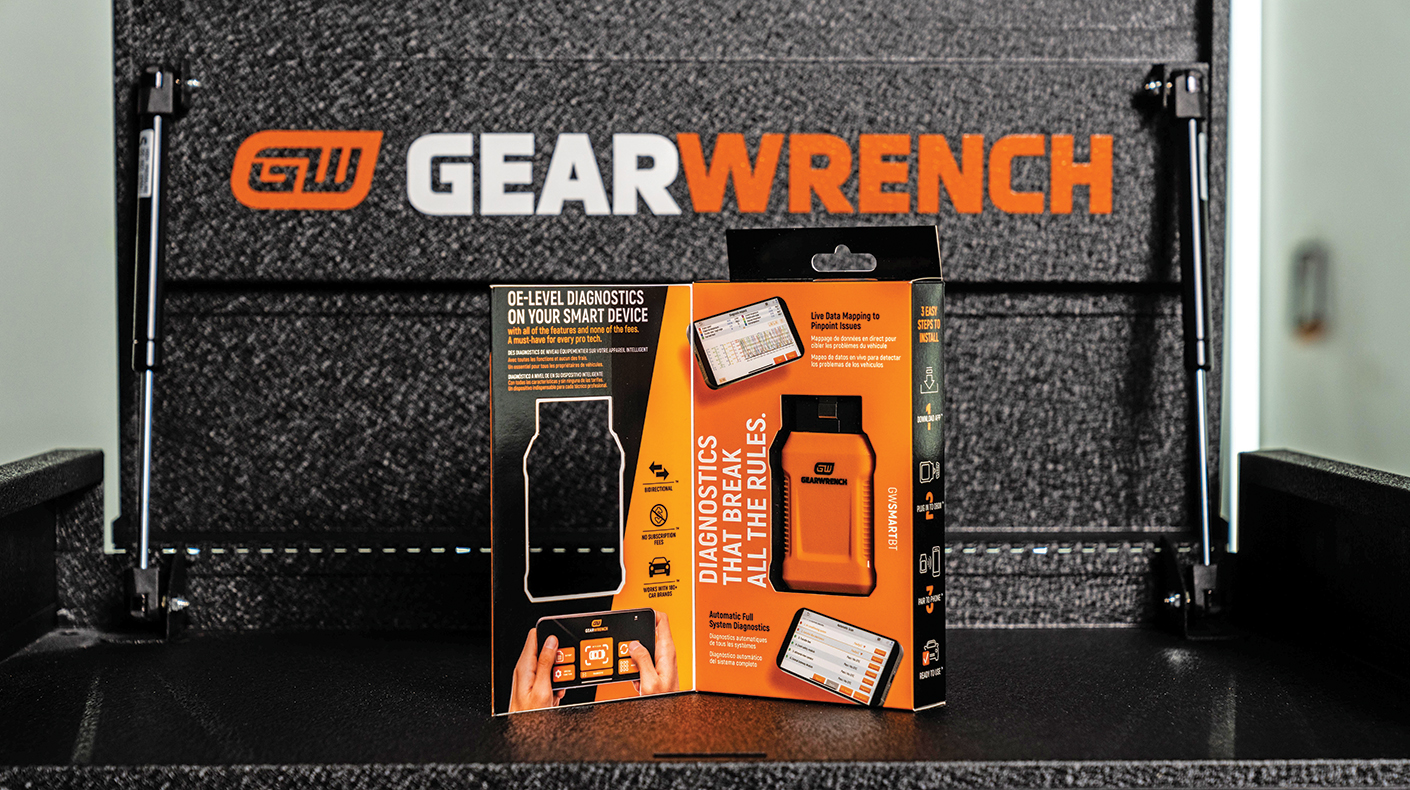
While traditionally focused on mechanic's hand tools, Gearwrench recently decided to introduce a new product line of diagnostic tools. Wolf explained their goal was to offer an affordable but versatile product—the Professional Bi-Directional Diagnostic Scan Tool—that appealed to both experienced automotive technicians and casual enthusiasts.
Packaging would play a major role in introducing the product to the market.
"We challenged ourselves to look at it differently than any other package we had done before," said Wolf. "We created this packaging structure as if it was a storybook. It had a magnetic front to it, so when [customers] opened it, there was more information inside the front cover page of that package to tell them about the features and benefits of that product."
In fact, the innovative design earned the Gearwrench team a runner-up award for Packaging Design at the 2024 SEMA Show New Product Awards.
"We have people in our packaging department and people on our product team that come from various disciplines and different product backgrounds," said Wolf. "All those disciplines coming together is what really helped the diversity of thought and helped put these packages together."
On the other end of the spectrum, a small business usually won't have the resources to invest significant time and capital into designing innovative packages. However, business owners should not overlook the marketing potential of packaging.
"If I'm already going to spend a dollar on this box, let's spend another 10 or 15 cents to give this box a marketing value to communicate to their target audience when they receive the box," said Tan. "That 10 or 15 cents is cheap compared to the marketing dollar they will be spending to promote their company."
Ultimately, packaging is a golden opportunity to communicate with the customer—to tell your brand story and convince them to invest in your product.
"We just need to help [customers] understand the journey of what these tools really do," said Wolf. "Because if it's just sitting there hanging on a hang tag without walking them through what all these tools can do, the customer just isn't going to get it."
Easy to Understand
In a retail environment, the best tool doesn't always make it into the cart. Eye-catching packaging with concise, clear messaging is the best bet to sell well.
"You have literally less than five seconds, especially in a store aisle, to grab someone's attention if they're not looking for something," said Wolf.
As a collective industry, packaging was an afterthought for many years. However, companies can no longer afford to cede ground in the race for customer's attention.
"Ten years ago, many products were packed in simple poly bags with a UPC code on it," said Wolf. "As an industry, I think it's definitely gotten a lot better. There's still room for improvement, but I think if you go look at a planogram at a lot of these retailers, it's much easier to shop than where we were 10 years ago."
Gearwrench uses focus groups to test consumer reaction to packaging ideas, but for smaller companies without as many resources, Wolf suggested a simpler testing strategy.
"If you don't have brand guidelines, packaging engineers or time to bring in a ton of focus groups, don't worry about it. Get out in the field and talk to a couple of users. The voice of the customer is very important. Put the product in a customer's hand and talk to them but look at their facial expressions."
He added that interacting with customers allows you to gauge whether they're truly interested in the product, or just saying they're interested. "I've seen many times in meetings where groupthink rules the day, and you start leaving behind what the user really means."
Instead, he suggests developing a product that solves a customer's needs and an accompanying package that clearly communicates your message. Everything else will just get in the way.
"It's the moment that you start adding innovation for innovation's sake or packaging for packaging's sake, and don't do it for what matters to the user, that you're going to have a dud on your hands."
Designing packaging that delivers a simple message that resonates with consumers is easier said than done. Lines of multilingual text may seem important to explain all the product's features, but too much text can obscure your message.
"Sometimes iconography is really your best way to go forward," said Wolf. "I think the phrase, 'a picture says a thousand words' really rings true in packaging."
For example, Gearwrench used this approach on the diagnostic tool packaging to clearly communicate the ease of use for that product.
"There are three icons that go down the spine of the package that show it's as easy as downloading the app, pairing the device with your phone, and plugging it into the car and you're ready to go."
In fact, Wolf has a term for this simplicity. "We call it 'grandma-speak.' How would you explain this product to someone, who had absolutely no idea what it was, from the package without talking to them."
The Final Presentation
Good packaging is about effectively communicating with the customer. With the importance of social media and product reviews, companies also need to consider how a product will be presented in an unboxing video from an influencer.
"Unboxing videos have become more and more important in our space," said Wolf. "But if you would have asked me 10 years ago, I would have said unboxing videos are not that important."
From a marketing agency perspective, Walsh agreed that unboxing videos are growing in importance. Especially in the e-commerce space, where customers are looking for validation before purchasing a product.
"With so many purchases being made online, unboxing videos are a fantastic tool," said Walsh. "They're a great way for consumers to get a virtual demo and better understanding of what to expect, before actually having the [product] in-hand."
Walsh explained that while influencer videos are valuable for their third-party validation, companies don't have to rely on social-media stars to produce unboxing videos. This content can be produced from a variety of sources, including in-house.
"Whether it's owned content produced by the manufacturer or content created by influencers or other consumers, unboxing videos can help build trust with prospective customers and help them make a more informed decision from the comfort of their own homes."
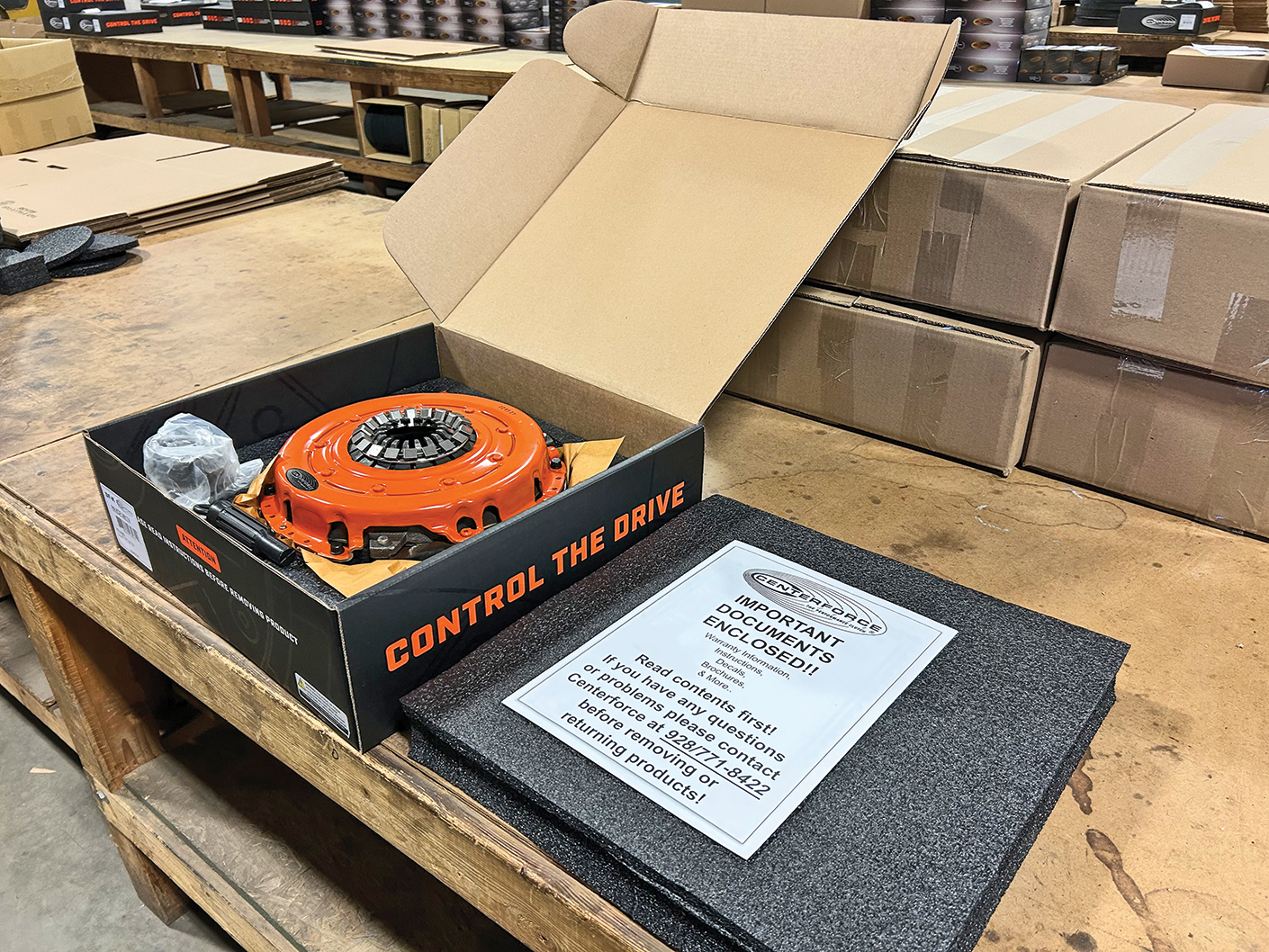
From his viewpoint, Walsh pointed to Centerforce Clutches as a great example. "Centerforce Clutches stands out as a company that has done a great job packaging and presenting its product. The clutch kit is bolted together inside the box and has molded foam inserts keeping it safe and secure."
For companies with tighter budgets, Tan suggests enhancing their open-box experience with small touches that customers will appreciate.
"On the outside is a very simple brown box," said Tan. "But when you open it, you can laminate a nice piece of paper onto the corrugated cardboard to present the branding color, brand voice and what you are trying to tell your client. Even a CEO message, for example, 'Thank you for contributing to this community and purchasing this product.' I think that little touch matters; to certain communities that weighs a lot."
No matter the size of your company or the products you make, the days of barebones packaging are over. Customer attention and loyalty is hard to attain, but Wolf believes packaging is key for making that valuable connection.
"The package is now such a critical part of the user experience with these products, you can't leave it out."