By Jason Mulroney
Photography by Jason Mulroney
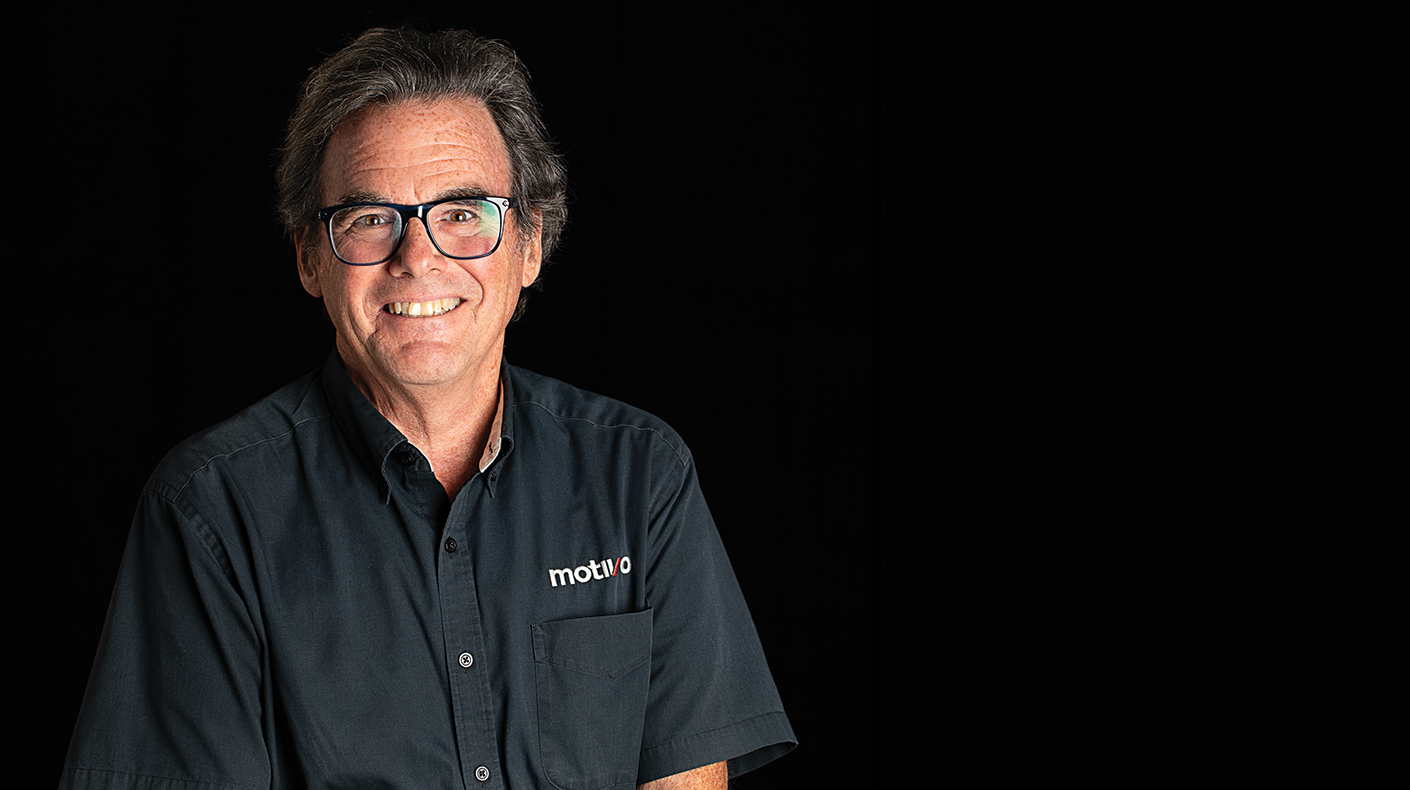
2025 SEMA Person of the Year Dean Case Talks Mentorship, Collaboration and Engineering the Industry's Future
If you don't know Dean Case personally, it's safe to bet that you know someone who does. A respected automotive engineer and communications strategist, Case is known for his deep involvement with the Society of Automotive Engineers (SAE) International and his ability to connect people across the industry. A two-time author of SAE technical papers and recipient of the SAE International Contributor of the Year Award (2020), Case has played a leading role in advancing industry collaboration, mentoring young professionals and supporting collegiate engineering programs nationwide.
He managed the inaugural Formula SAE West Collegiate Design Competition, recruiting more than 250 industry volunteers and coordinating vendors and logistics to deliver one of SAE's most impactful student events. As a featured speaker at more than 60 engineering universities, Case has helped bridge the gap between OEMs, suppliers and the next generation of automotive engineers.
In addition to his technical leadership, Case's career includes key roles in motorsports and OEM communications—serving as Mazda Motorsports' communications officer for more than eight years, leading Nissan's largest global media ride-and-drive event—as well as its North American launches of both the 350Z and Nismo product line and managing the Ford Mustang Trans-Am team's undefeated championship season.
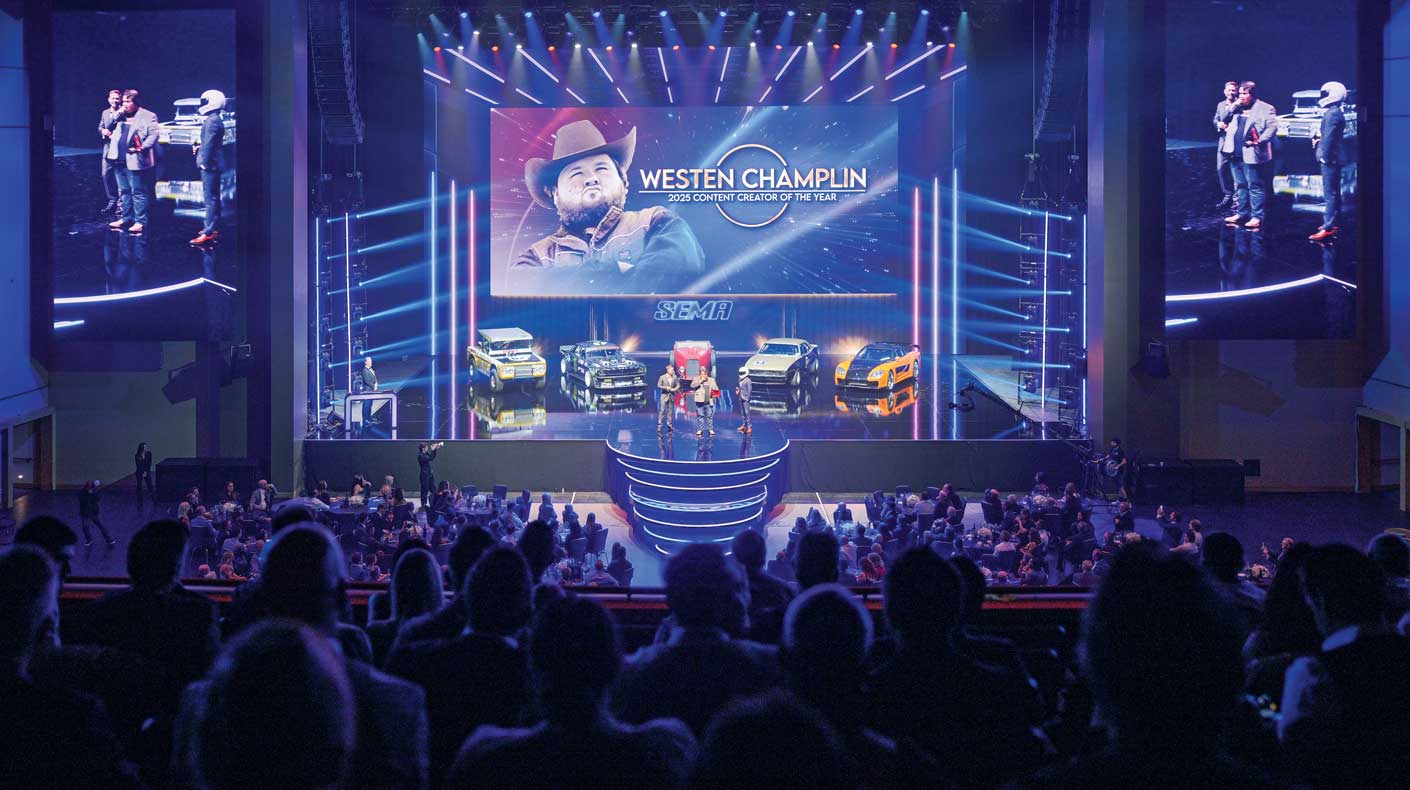
For all this and more, Case was named the SEMA Emerging Trends & Technology Network (ETTN) 2025 Engineer of the Year and SEMA Person of the Year at the 2025 SEMA Show's Industry Honors event. We sat down with him to learn what fuels his passion and remarkable list of industry achievements.
SEMA Magazine: You're obviously very passionate about the aftermarket industry, where does that come from and how did you get started?
Dean Case: From a hands-on standpoint, my first car was a '67 MINI Cooper that I bought when I was in high school. I paid $1,300 for it, and it was rough. I immediately discovered that things like OEM replacement trim parts were crazy expensive, so my dad and brother taught me how to fabricate alternatives. Why buy overpriced vinyl-wrapped cardboard when you can use much nicer materials for the door liners and such? I guess it was an '81 restomod!
I autocrossed the car at Cal Poly San Luis Obispo where I joined the SAE student chapter that was competing in both the Baja SAE and Baja 1000 at the time. We raced a Toyota in SCORE class 7S, and
I crewed for both the Baja 1000 and Mint 400.
SM: When did you first attend the SEMA Show?
DC: 1987, and I was overwhelmed by the Show. I still am.
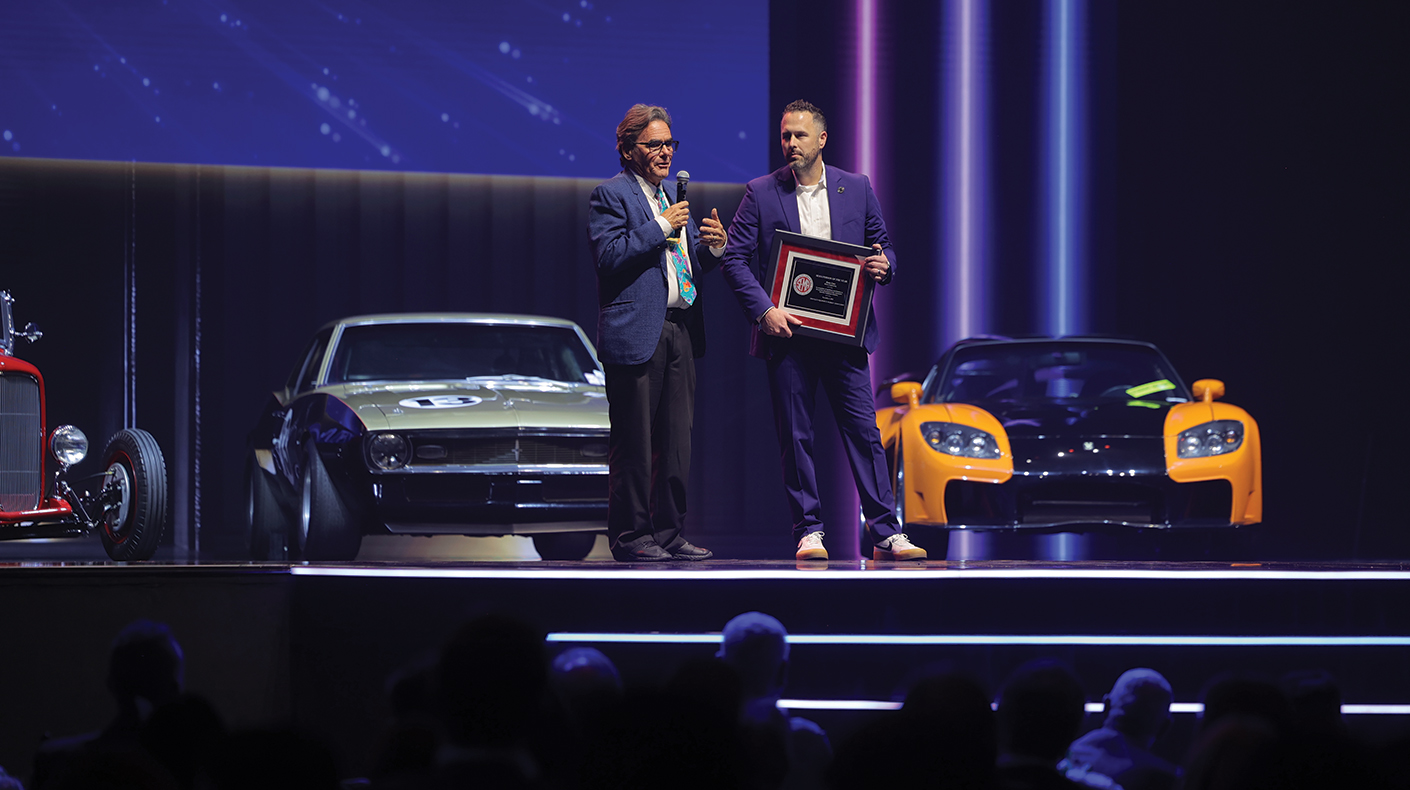
Dean Case received his Person of the Year award from Colby McLaughlin (right), the 2024 honoree, at the 2025 SEMA Show’s Industry Honors ceremony.
SM: You've spent a significant part of your career working with students and young enthusiasts looking for ways to get into the industry. What is it about these youth that drives you so much?
DC: I think back to when I was their age. My family had no industry connections, or so I thought, and I was amazed at how many people were willing to help me. I figured the best way to repay them was to help others. While working in motorsports, I noticed a parallel between aspiring race drivers and aspiring race engineers—great technical skills but lacking the bigger picture that you only acquire through experience.
SM: So what are key bits of advice you give to the students?
DC: I emphasize communications. A brilliant engineering idea means nothing if you can't explain it. I stress the importance of follow-through and making meaningful connections. I explain the value of finding, joining and becoming active with key organizations. I urge them to invest in their career by joining SAE International and not just their school Formula or Baja team. I now get to mention the newly created SEMA+ and PRI student memberships. I also give a shout out to my friends behind CADIA.org, aaaassoc.com and womeninmotorsportsna.com as there is no one perfect organization, and we all need great partners. My final slide of my presentation simply says "Work Hard. Be Nice. Find Partners. Volunteer." Those are the things that have made my career.
SM: You took a rather long path to the most recent SEMA Show. What can you tell us about the road trip and the schools you visited?
DC: I am a part of the SAE Industrial Lecture Program. If an SAE Student Chapter invites me to speak, the travel costs are covered by the SAE Foundation. I've been doing a lot of these over the years but sometimes the requests back up. With the full support of my wife, who is an excellent driver, we covered 7,300 miles and 15 presentations on the way to the SEMA Show. Toyota, who is a big SAE supporter, loaned us a car and away we went.
The common thread was great students who have a passion for the industry and sport. The key differences were the shop facilities and faculty/admin support which varies wildly. There were two standout visits for me on this trip. The University of New Mexico has an 8,000-sq.-ft. shop designed by a former IndyCar crew chief. It's spectacular. The other is an extremely small, but extremely strong engineering program at Smith College in Northampton, Massachusetts. The students at Smith are completing the paperwork to become the first-ever all-women SAE student chapter. They already have an alumna working on the McLaren IndyCar team.
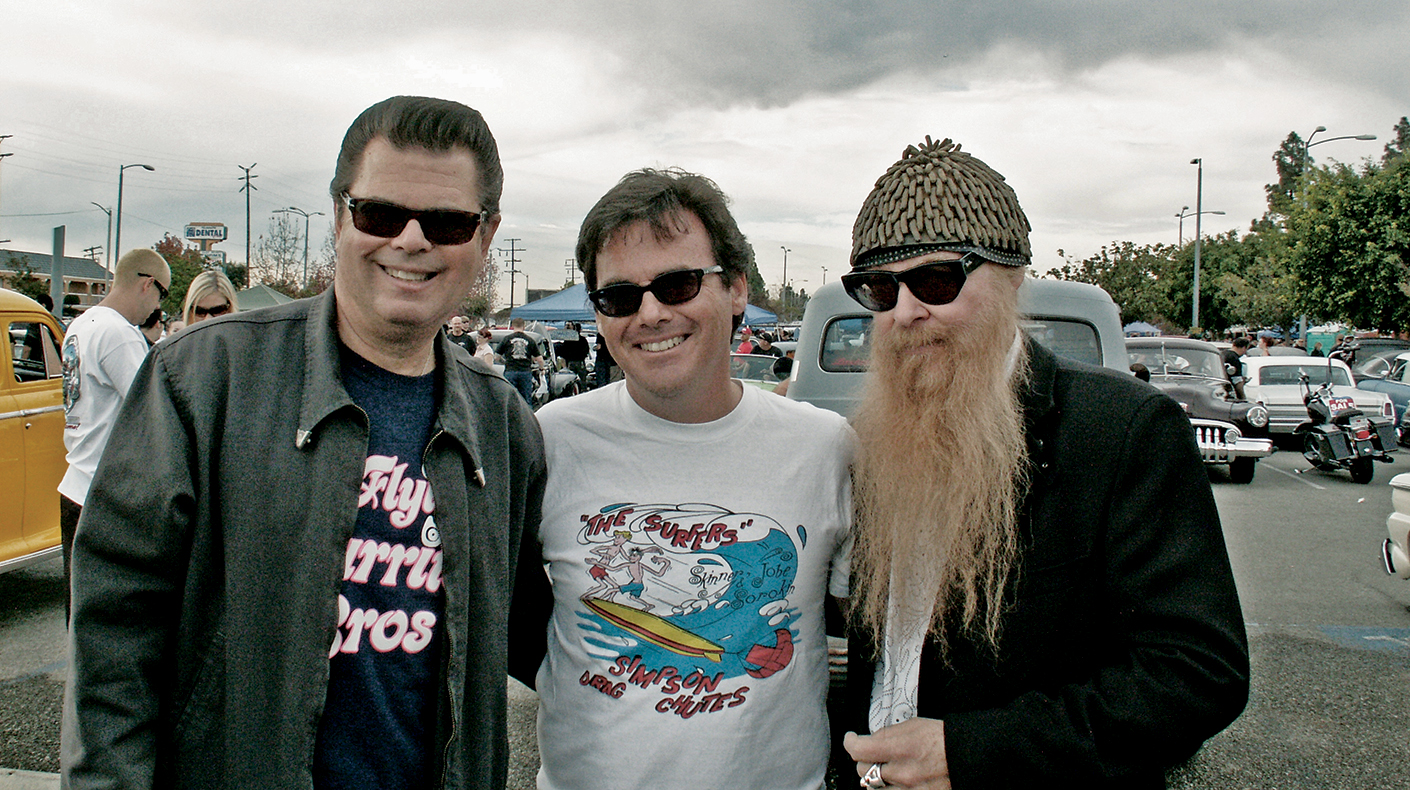
In the late '90s, Dean, seen here with Billy Gibbons (right), worked with James Austin (left) on the Rhino Records four-CD box set of hot-rod songs.
SM: Let's talk about Formula SAE. It's kind of an obscure college program that many people in the industry may not be familiar with. Why do you love it?
DC: It's obscure for a reason. It's meant to showcase student talent in front of a very focused audience, companies seeking talent. It's not meant to be a spectator event. You can't talk about Formula SAE without Baja SAE, which predates it and just celebrated its 50th anniversary. These programs teach three critical skills: to be able to produce a product on time, on budget, as a team. We remind students that this is not a motorsports competition. It is an engineering and project-management showcase wrapped in motorsports. The competitions really took off in the '90s when the automakers discovered they were a better place to recruit than visiting dozens of schools.
SM: You also co-created the SEMA-SAE SoCal Student Career Fair Program. How is that going?
DC: Amazing. This never would have happened without the combined efforts of people like Luis Morales, Ian Lehn, Karen Salvaggio, the entire ETTN, and strong support from Mike Spagnola, Melanie White, Nicole Bradle and many others. I share the honor with my fellow SAE SoCal board members Chris Bachman, Mike Moyer, John Steiner, Ben Highfill, Emily Sharp and Vanessa Belk. It was the strength of both organizations that made this a success. Last year, we attracted 425 students from 30 schools with 13 companies coming to recruit. We hope to break those records this year. Thanks to TJ Keon we have some great videos from all four of our career fairs on the SAE SoCal YouTube channel.
SM: How does your work at Motivo interact with SAE or SEMA?
DC: It does in multiple ways. Back in 2006 I met Praveen Penmetsa when he was working for Rod Millen at Millenworks. We met at the Formula SAE competition. Six years later, after he co-founded Motivo, he reached out to me for some PR support. I've been part-time at Motivo ever since and they are very active with both SAE and SEMA. Many of the engineers at Motivo are Baja SAE and Formula SAE alums, and Motivo is a big supporter of the SEMA FutureTech program. We made a perfect Venn diagram intersection by featuring a Motivo focused SEMA FutureTech panel discussion at a recent SAE SoCal meeting. You can find it on the SAE SoCal YouTube channel. I tell people that Motivo is the poster child for SAE as they have worked on one-wheel, two-wheel, three-wheel, four-wheel and 18-wheel vehicles. Plus, some that fly, float or farm. All projects are approached with a motorsports mindset that deadlines are firm—the green flag will drop whether you are ready or not.
SM: What are the key advantages that both platforms present companies within the automotive aftermarket?
DC: If you go to work for an OEM, you are likely to be a design engineer, test engineer or manufacturing engineer. At most aftermarket companies the same engineer is involved in every facet from concept, design, testing, manufacturing to helping create the training or installation materials. Students who worked on a Baja SAE or Formula SAE team, especially on the smaller teams, likely did everything, so they are ideal candidates for companies that need one person to be able to manage multiple areas of the business.
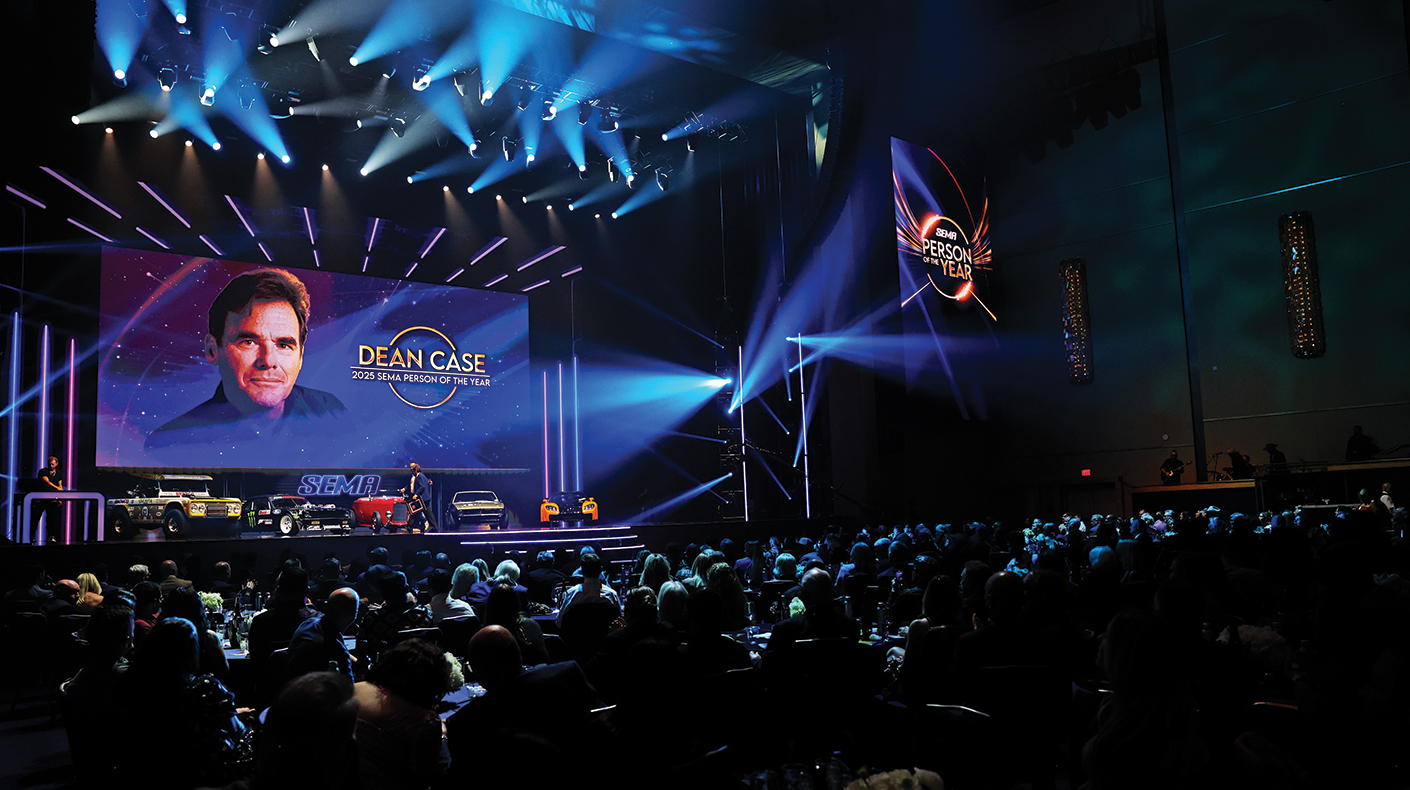
Dean Case shared, "Helping launch careers gives me great enjoyment. It's great to run into someone [and] remember that I mentored them..."
SM: Do you have advice for aftermarket companies that want to get involved with an SAE student group?
DC: This is very much location dependent. Here in Southern California, we now have 21 schools with SAE programs. If you are in more remote parts of the country there may only be one or two schools nearby. A key to success is making sure the faculty advisor is in the loop. Any group of students is capable of capturing magic for one year, but a strong faculty advisor will ensure continuity over many years.
SM: What if a company doesn't hire engineers?
DC: Great question. The best SAE teams have a wide variety of majors. We've seen business majors, graphic designers, video production students and much more.
SM: You've spent a good portion of your career working with OEMs. What can aftermarket businesses learn from the big automakers and vice versa?
DC: When attending the SEMA Show wearing my OEM hat, we were always looking for trends. The aftermarket is often the catalyst for trends which the OEMs then adopt. I think the OEMs often struggle with the aftermarket from simple fear of warranty issues. Great aftermarket parts can improve a car. Bad aftermarket parts or good parts poorly installed can cause a wide assortment of problems for the OEM. When an OEM can work closely with a high-quality aftermarket company, those parts can become sought-after OEM-supplied additions. I recently had a tour of Fox Factory and learned about how they work with OEMs like Ford.
SM: Being also heavily involved with automotive media, how do you think that media landscape has changed in recent years? And what should today's journalists understand about the changing automotive sector?
DC: I guess I'll show my age on this one, but I miss old-school magazines where an editor had to decide what was worth including. The internet and video have changed everything—much of it good—but there is a lot of slop out there. Trying to sort out the value of a content creator can be more challenging than working with the toughest magazine editor. I always loved working with the editors at magazines like Grassroots Motorsports, Import Tuner and Sport Compact Car. I'm happy that Grassroots Motorsports continues to thrive.
SM: Doing a SWOT (Strength, Weakness, Opportunities, Threats) analysis with emerging vehicle technologies, what tech offers the greatest new/untapped opportunities for the aftermarket? Conversely, what emerging tech presents the greatest challenge or threat to the aftermarket?
DC: While the electric vehicle (EV) future draws strong opinions for and against, this will be a growing market that should not be ignored. For me the inherent quietness of an EV means that you can enjoy audio more than in an internal-combustion engine (ICE) vehicle. That could be an opportunity for better audio systems from the aftermarket. A real challenge will be in making certain that vehicle modifications do not interfere safety wise with advanced driver assistance systems (ADAS) systems.
SM: How different do you think vehicles and the automotive industry will be in 25–50 years? Do you have any future predictions?
DC: There will always be people that love cars. But we also need to understand that for many people, a car is no different than a washing machine or refrigerator. Autonomous cars are coming, but there are many technical and legal challenges ahead. I still prefer a manual transmission whenever possible.
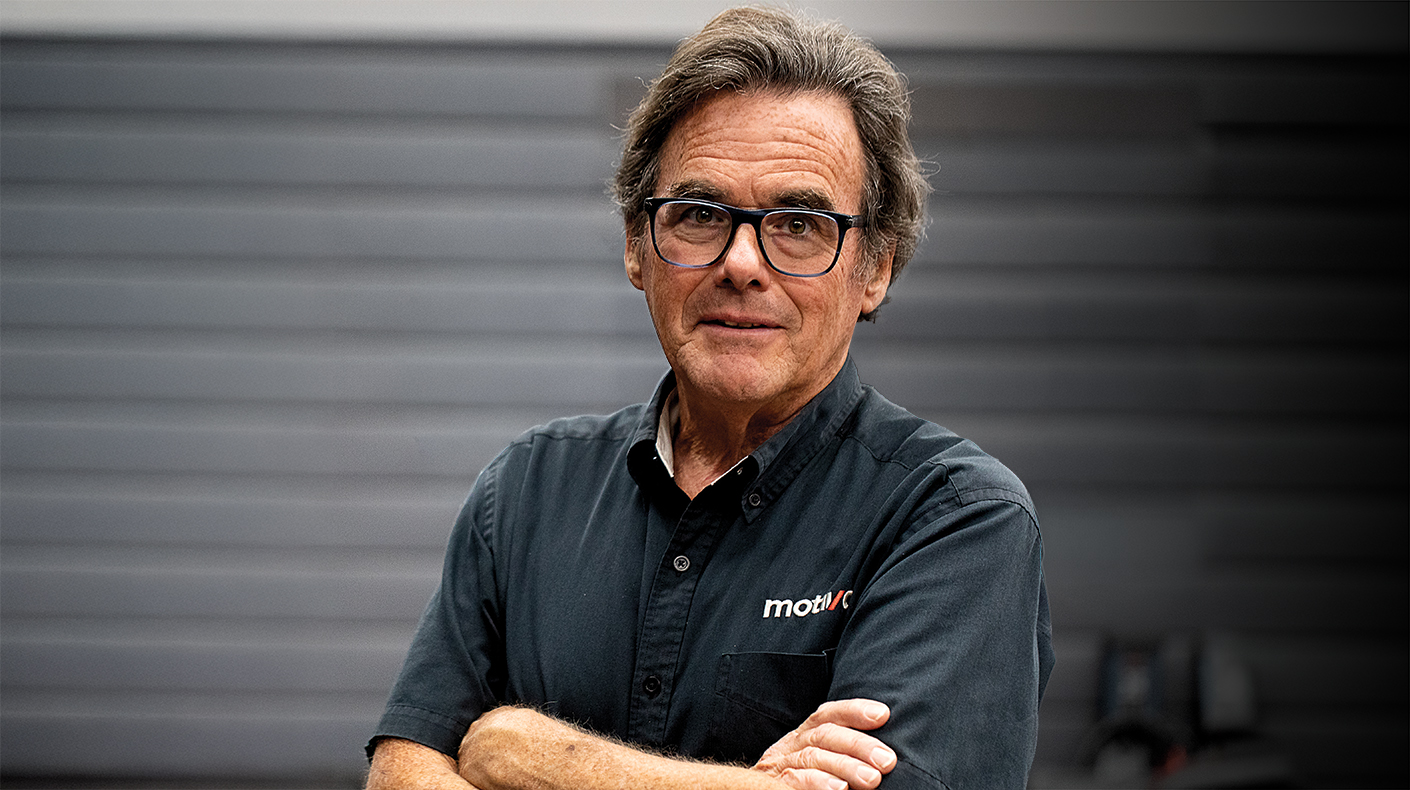
Dean Case was a key part of both the Mazda Miata and Nissan 350Z launches in North America.
SM: You were a key part of both the Mazda Miata and Nissan 350Z launches in North America. Which one did you enjoy more and why?
DC: That's like asking a parent which kid they like best. I was fresh out of school when I joined Mazda. Bob Hall, the real catalyst behind the Miata, became a friend and mentor, so that car is a favorite. My role years later at Nissan was quite different, but the 350Z launch was a blast. A highlight there was loaning a pre-production Z to Jay Leno and taking Mr. K [Yutaka Katayama], who was about 95 years old at the time, to a taping of the The Tonight Show and Jay's Garage.
SM: Having an interest in automotive history, if you could go back in time to witness any one event or period in that history, what would it be?
DC: For racing, the '60s were simply amazing. I love the radical changes that took place in F1, the Indy 500 and the mind-blowing cars of the original unlimited CanAm series. From a production car standpoint, going even further back to 1900 when it was gasoline versus electric versus steam would be fascinating.
SM: Your résumé includes an extensive list of impressive career achievements. Which one or ones are you most proud of?
DC: Helping launch careers gives me great enjoyment. It's great to run into someone at a race, SAE meeting or the SEMA Show and remember that I mentored them years or decades in the past. I've also done fun things like using motorsports to promote shelter animal adoptions with the SPCA for Monterey County, across the highway from Laguna Seca, and a distracted-driver awareness program with Project Yellow Light. Combining my love of cars and music I worked on a four-CD box set of hot-rod songs with Rhino Records.
SM: How does SEMA Person of the Year rank among them and what does it mean for you?
DC: My LinkedIn page blew up the day after the SEMA Show announcement! I'm humbled to be on the list of amazing people who have helped build our industry, sport and community. To be recognized by my peers like that was amazing.
SM: Outside of work, where would we find you and what would you be doing?
DC: I'm a person of deep but limited interests. We can talk about cars and racing, music or animals. That's about it. Most every vacation includes at least one car museum visit, a used CD store and a stop at a cat cafe.
SM: What's next for Dean Case?
DC: Having recently moved to Carlsbad [California] I have a lot of San Diego to explore. I still love working with the brilliant folks at Motivo and want that to continue. I also want to continue connecting great SEMA companies with great SAE students.