By Victor Muñoz
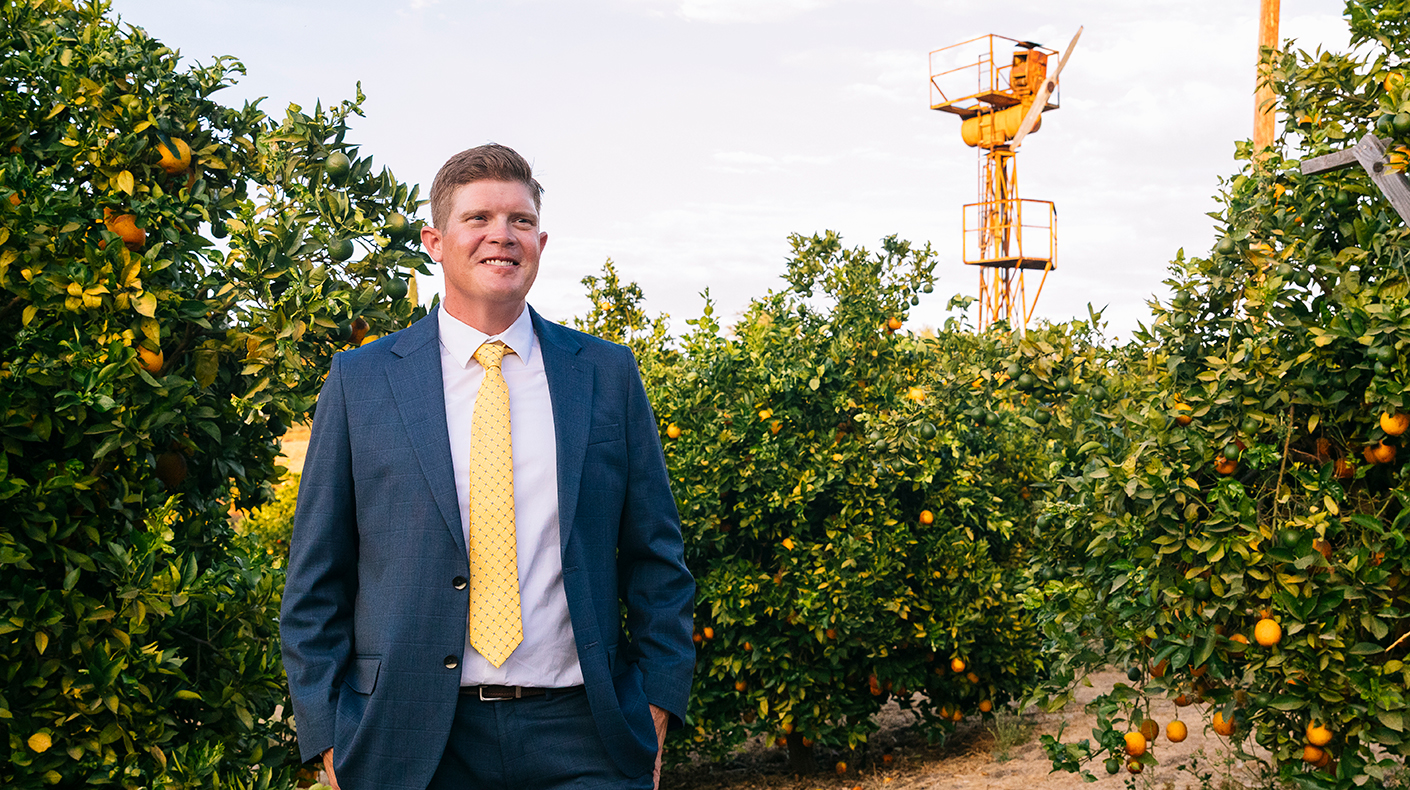
Longtime SEMA volunteer and automotive-industry professional Rory Connell is taking his experience beyond the aftermarket and into his hometown.
Connell, a former chair of the SEMA Future Leaders Network (FLN), is running for City Council in Corona, California. His decision grew from years of volunteering, listening and learning how organizations bring people together to solve problems.
Connell spoke with SEMA News about his automotive career, his time with SEMA and King of the Hammers, and why industry members should consider stepping up in their own communities.
SEMA News (SN): You grew up in Corona and built much of your automotive career there. How did the community shape your path?
Rory Connell (RC): I already had a passion for anything that burned gasoline when I was in elementary school: dirt bikes, four-wheelers, whatever I could get my hands on. Then I became friends with a kid whose family was involved in go-kart racing. I started going to the track with them, became a mechanic and tuner, and eventually traveled to races around the country and the world.
After attending WyoTech, I came back to California and worked at Barry's Speed Shop, West Coast Customs, Callaway Cars and Gibson Performance. Corona gave me those opportunities because so many people and businesses here are involved in motorsports. Automotive history has long been part of Corona's identity. The city held major road races on Grand Boulevard more than a century ago. You see so many custom vehicles around Corona because there are so many companies here that help people build them. My career was bred and built here.
SN: What first drew you to volunteer with SEMA?
RC: George Lathouris was the first person who explained SEMA volunteerism to me. He told me that members give their time so the association can accomplish its work. He suggested that I get involved with FLN. I eventually joined the FLN Select Committee, became chair and served on scholarship, youth-engagement and awards committees. My desire to volunteer probably comes from my mom. She always gave her time to her church, school and community. I saw my parents do it, and it became natural for me. It is nice to be nice.
SN: What did those volunteer leadership roles teach you?
RC: When I started, I wanted to make drastic changes right away. I learned that big organizations are like aircraft carriers: They take time to turn. Not every challenge can be resolved in one fight. Progress comes over time.
I also learned that civil discourse is necessary. People will not always share your opinion. If I could revisit some decisions I made when I was younger, I would listen more. The most important thing a leader can do is listen. If you do not know what people have to say, you are representing your own interests, not theirs.
SN: Which SEMA accomplishments mean the most to you?
RC: Launch Pad is something I am very proud of. It was not my idea, but I was in the room when it was created, and I took carrying that legacy forward very personally. It has lasted for more than a decade and has been a literal launch pad for people's careers and companies. Being a small part of creating those opportunities means a lot.
I am also proud of the Honda Talon student build that was auctioned for charity. We were drawing attention to off-road and UTV opportunities years ago. Seeing SEMA continue to expand its work in powersports and off-road makes it feel like we helped move that rock uphill.
SN: What has King of the Hammers taught you about leadership?
RC: King of the Hammers involves government agencies at the federal, state and county levels, so it has taught me a lot about working with government. More importantly, it reinforced that you have to listen to get anything done.
If people do not feel heard, they stop caring. Planning an event of that scale requires our entire team to listen. That is reflected in the racers, fans and partners who keep coming back every year.
SN: How did your industry experience lead you to run for city council, and what do you hope other SEMA members take from your decision?
RC: I was not planning to run for city council. I hoped I could inspire somebody else to do it, but nobody did. Eventually, I decided I would step forward myself.
I have been in leadership positions for decades, and I had to learn some lessons the hard way when I was younger. Those experiences made me a better leader and taught me the importance of listening. Anyone who pays taxes deserves a voice, even if they do not always want to use it publicly. A good leader listens to the people they represent.
I would rather this story inspire SEMA members to get involved than simply try to get me elected. If something is happening in their community that threatens automotive shops or the industry, I want them to speak up and do something about it.
Sometimes you step forward because there is no other person willing to do it.