From the SEMA Washington, D.C., office
Editor's Note: This story was originally published on September 1, 2026. A newer story is available as of September 17, 2026: VICTORY: Leno's Law Signed by California Governor Newsom.
Leno's Law (Senate Bill 1392), an important touchpoint in the fight to preserve California's rich automotive heritage, has passed the California Legislature with a historic, bipartisan 49-4 vote. The bill, sponsored by noted car enthusiast and namesake Jay Leno and SEMA, now heads to Gov. Gavin Newsom for consideration.
- Leno's Law seeks to provide a narrow, phased-in, collector-only pathway to smog check exemptions for qualifying collector vehicles manufactured between 1976 and 1985. The exemption would be phased in over several years and would apply only to vehicles that meet specific collector-use requirements.
Leno's Law is authored by Sen. Dave Cortese, with Sen. Shannon Grove as a principal coauthor. Its passage through both chambers of the California Legislature represents the most significant progress in more than 20 years to deliver collector-vehicle smog check reform on behalf of California's car enthusiasts, automotive restorers and anyone for whom a vehicle has represented a cultural or family touchstone. Importantly, support for Leno's Law has transcended party lines, uniting Democrats and Republicans, lowrider groups and car clubs, collectors, preservationists, automotive businesses and enthusiasts.
"This bipartisan victory is a product of California's automotive community uniting to remind the state's lawmakers of the cultural significance of our cars and trucks, and of our sacred charge to pass this shared heritage on to the next generation," said SEMA CEO Mike Spagnola. "We are grateful for Senators Cortese and Grove for their stewardship of this bill, and to Jay Leno for lending his name and passion on behalf of every car enthusiast and small business with a personal stake in preserving our automotive heritage. SEMA and California's automotive community have one more request, and we respectfully ask Governor Newsom to finish the job and sign Leno's Law."
"California can protect clean air without erasing our automotive history. A classic car that spends most of its life in a garage and comes out for a parade, car show or charity event is not the same as a daily commuter, and our laws should recognize that," said Sen. Dave Cortese. "SB 1392 brings common sense back to the smog-check system, protects a treasured part of California culture and gives classic car owners a fair shot at preserving these pieces of history. We've cleared the Legislature. Now it's time to put 'Leno's Law' on the Governor's desk and get it signed."
"For generations of California families, classic cars have brought grandfathers, fathers, sons and daughters together, from the shade-tree mechanic working side by side with their grandchild, to the enthusiast who gets behind the wheel and is instantly taken back to their glory days," said Sen. Shannon Grove. "After years of working to find a solution that protects California's classic car culture while addressing the state's requirements, Leno's Law gets us there. It is a focused, common-sense bill that keeps true collector vehicles in California, supports the small businesses that restore and celebrate them and removes a burdensome requirement so enthusiasts can get back to what they do best, restoring and enjoying these pieces of California history. I am proud to stand with Sen. Cortese, Jay Leno, SEMA and collectors across the state as we take this effort to the finish line."
Background
Leno's Law establishes a narrow, phased-in, collector-only pathway to a smog-check exemption for certain older vehicles. Under the bill, beginning January 1, 2028, qualifying collector vehicles (those manufactured before model-year '81) would be exempt from smog-check requirements. This exemption would annually expand by one model year until 2033, when it would apply to vehicles manufactured before model-year '86. To qualify, vehicles must meet the bill's collector-use requirements, and owners must either carry collector-car insurance or be able to verify the vehicle is driven fewer than 1,000 miles per year. The bill does not change California's existing exemption for pre-'76 vehicles.
The effort to secure passage of this bill won support from all corners of California's automotive culture and reached enthusiasts and preservationists from other countries. California's lowrider community sent more than 1,700 letters in support of the legislation, while the Fédération Internationale de l'Automobile's (FIA) International Historical Commission backed the bill, highlighting its balanced approach to automotive preservation and California's environmental objectives.
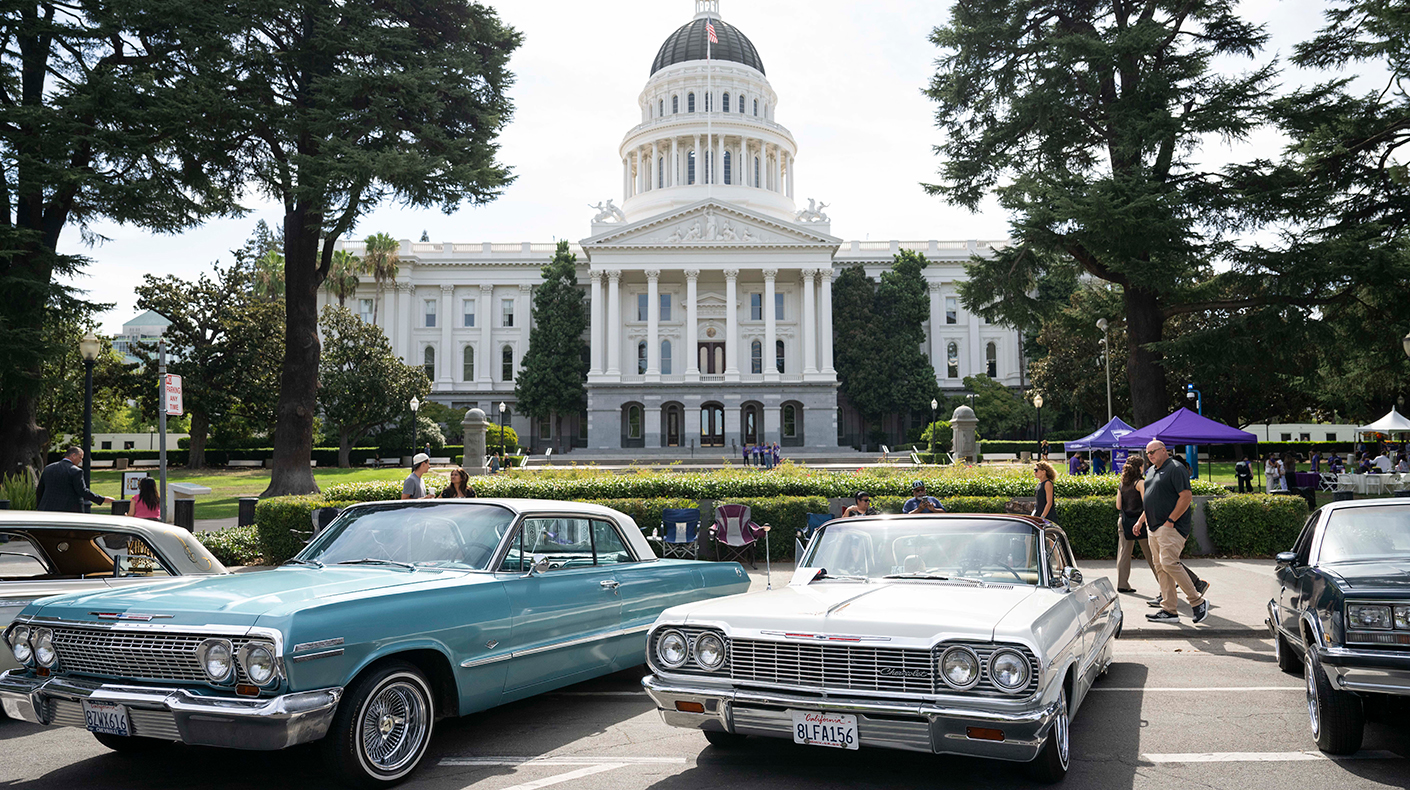
California remains a globally recognized cultural epicenter for America's automotive heritage, immediately identifiable through decades of images of classic cars and trucks traversing on California's roads and highways, from the desert to the coast and the urban landscapes in between. Appropriately, the state is home to more than 1,500 SEMA member businesses, and the state's automotive aftermarket industry supports nearly 150,000 jobs, annually generates more than $40 billion in economic impact and delivers $13 billion in wages and benefits while contributing $6 billion in taxes.