From the SEMA Washington, D.C., office
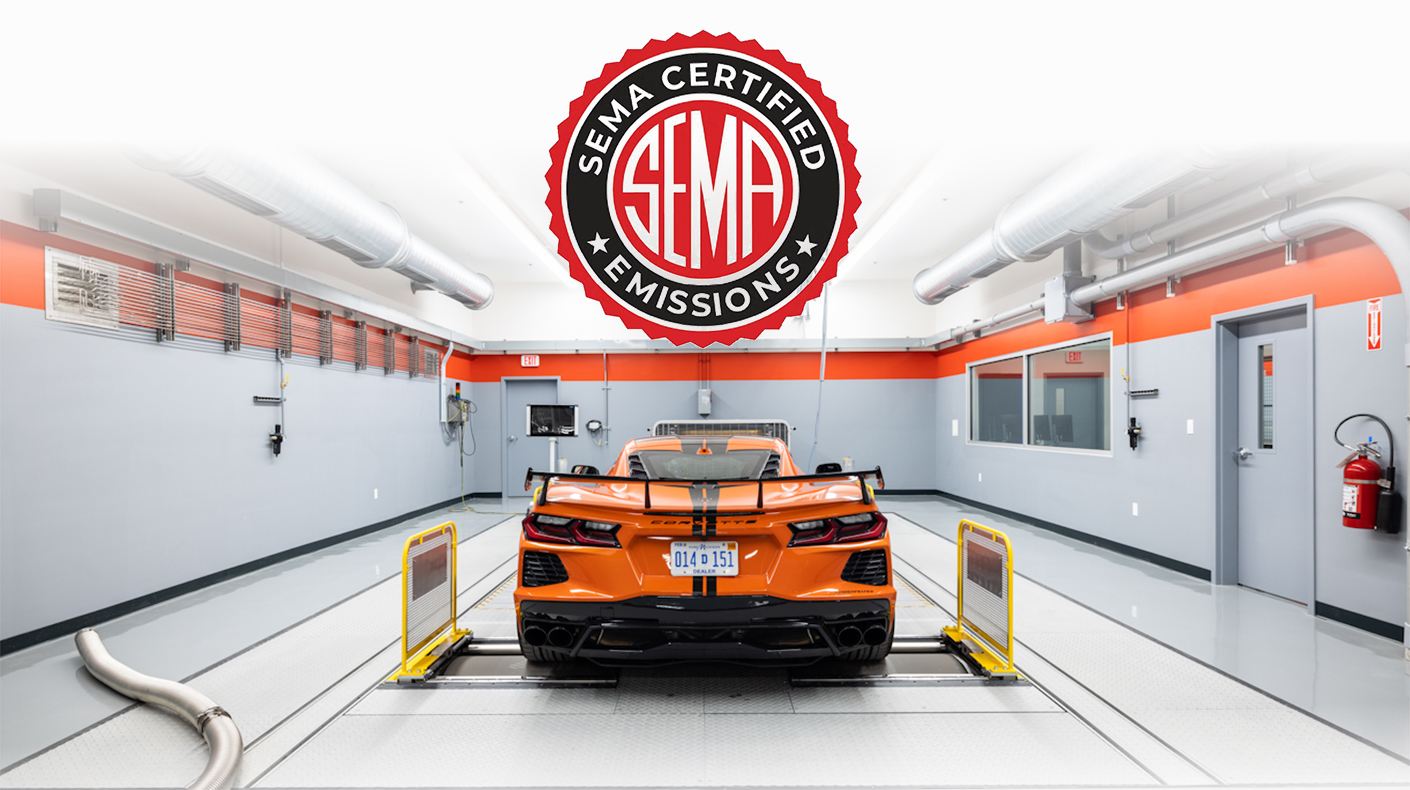
If you missed the big news earlier this month, the U.S. Environmental Protection Agency (EPA) has issued a groundbreaking advisory opinion that states that a SEMA Certified-Emissions certification qualifies as a reasonable basis under the Tampering Policy and companies can rely on this certificate to demonstrate compliance with federal emissions requirements. With this formal recognition, the EPA is establishing a regulatory pathway allowing for companies to meet emissions standard in 49 states (excluding California) and reasserts federal leadership on emissions issues.
To help members understand what the announcement means for manufacturers, compliance efforts and the industry at large, SEMA's Washington, D.C., advocacy team has compiled the following FAQs, a source of answers from the experts who work every day on behalf of the industry, advocating for policies that help businesses succeed and bringing clarity to complex regulatory issues.
So what's the big news here?
The EPA announced that the SC-E program provides a recognized pathway for manufacturers to establish the "documented reasonable basis" described in EPA's 2020 Tampering Policy. That reasonable basis is the technical evidence that aftermarket manufacturers and vendors may ordinarily rely on to support the conclusion that an aftermarket product does not adversely affect vehicle emissions.
Ok, now tell me how this happened?
President Trump issued a presidential memorandum on June 29 within which was a request that “the Administrator of the EPA shall encourage the submission of, expeditiously consider, and act on any requests from organizations capable of testing aftermarket parts for conformance with the [Clean Air Act (CAA)]." The EPA on July 1 responded by recognizing SEMA "as an alternative certification authority for aftermarket vehicle parts. Moving forward, Americans will be able to use SEMA's Certified Emissions Program to show compliance with the [CAA] and verify that approved aftermarket parts do not negatively impact vehicle emissions."
This is what you saw in the news, but below the surface, SEMA has been paddling like crazy for nearly a decade to secure much-needed clarity on what constitutes a "reasonable basis." We've worked across several administrations to show what SC-E can provide, how it's done, the methodology and rigor, and demonstrate the value to the automotive aftermarket by providing certainty in an otherwise nebulous process.
Really? A decade?
Yup. We’ll give you a rundown below. But let's address your other questions first.
So what's so different about SEMA Certified-Emissions?
SC-E is the first non-governmental emissions compliance program that EPA has publicly recognized as satisfying the Tampering Policy’s "reasonable basis" framework. Rather than relying solely on a manufacturer's internal engineering analysis, SC-E provides standardized emissions testing together with an independent technical review to document that a product does not adversely affect emissions.
Unlike a California Air Resources Board (CARB) Executive Order (EO), SC-E is not a California regulatory approval. Instead, it is designed to help manufacturers demonstrate federal, 49-state emissions compliance under EPA's existing enforcement framework while also generating technical data that can support a future CARB EO application where applicable.
Why not California?
A SEMA Certified-Emissions Certificate of Compliance does not provide access to sell regulated aftermarket products in California because California law requires a CARB EO for applicable aftermarket parts. SC-E is an alternative emissions compliance program designed to establish a documented "reasonable basis" under EPA's Tampering Policy for all other states, but it is not a substitute for CARB's requirement of obtaining an EO in California.
SC-E and EO are complementary, not competing, compliance pathways. In fact, SEMA explicitly states that SC-E testing is designed so that, in many cases, the same test data can later be used to obtain a CARB EO.
Aren't compliance costs still too high?
Depending on the product and the application, costs vary. In some cases, good engineering judgement can be used to prove compliance. In other cases, actual testing must be conducted. Yes, those costs can be significant. Based on regulatory language and testing precedent, testing must be conducted pursuant to applicable processes using suitable test equipment. While that is not an inexpensive endeavor, producing irrefutable data is the goal.
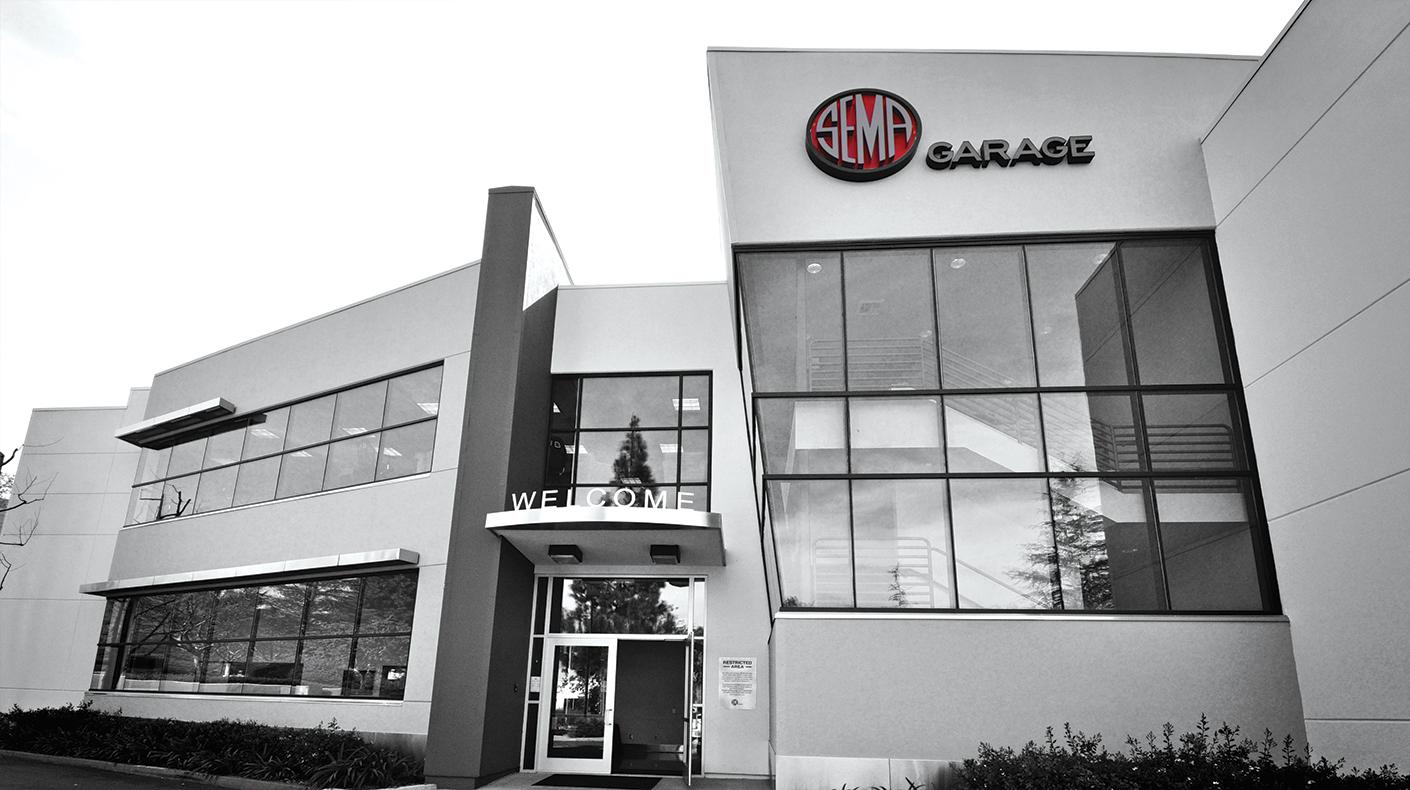
The SEMA Garage for the SC-E program is at or below the standard industry rate for testing. Depending on the complexity of the project, the application cost to manufacturers is somewhere between $500 and $3,500. The SEMA Garage tests to the applicable standards, and we do so at a competitive rate that also includes the premium customer support that other labs charge tens of thousands of dollars for. Independent analysis shows that our prices are at or below others in the industry. And guess what: the SEMA Garage operates at a loss. The services the SEMA Garage provides (which go beyond just emissions compliance) are made possible through reinvestment of the organization’s revenues to help our members.
Product testing is one of the ways we help the industry. Most SEMA members don’t have the budgets that larger manufacturers have to do this work (every test requires skilled technicians to operate the equipment and engineers to analyze and understand the data that's being generated) and that's a big part of why the SEMA Garage and SC-E program exist.
You might have heard numbers circulating in the ballpark of $18,000 per product for emissions certification. These are accurate, but here’s some important context: they’re on the higher side––and a clear exception to most product certifications––with good reason, once you understand the breakdown of SC-E costs.
An SC-E application costs on average $1,500, but that can range between $500 and $3,500, depending on the complexity of the application (factors of which include vehicle coverage or special features that the SEMA Garage doesn’t see as frequently). There are no surprises here––applicants know these costs at the front end of their certification process.
CARB's EO application costs an additional $1,500 to $3,500, and the lower end of that range reflects a discount for companies who sought an SC-E certification first.
Emissions testing is typically the largest project expense. The cost depends on the type of product and vehicle being tested. On average, emissions testing costs range from $8,000 to $17,000, depending on the project scope and testing requirements.
Testing costs can also vary depending on the product type, required mileage accumulation, fuel type, baseline testing requirements and other project-specific factors. For example, emissions testing for a diesel vehicle is generally more expensive than for a gasoline vehicle; testing an ECU calibration typically costs more than testing a cold air intake, due to the additional testing and evaluation requirements.
Does this action actually help fix the issue of knock-offs and counterfeit products?
Here's an undeniable fact: counterfeit products are flooding into the United States, bypassing testing and compliance, while American manufacturers wait for approval to sell to their customers. Earlier this year, SEMA, along with one of our members, examined a counterfeit version of one of their products, available through a major online retailer. In one year, this one product, sold on a single e-commerce platform, generated $12 million in sales. We know the issue is widespread, and our data indicates that this one product is just the tip of the iceberg.
Meanwhile, American companies seeking emissions testing and compliance can be hindered by the time it takes to complete this process. Based on SEMA Garage data, in California, the average EO approval period is approximately six months, with some taking as long as two years to complete. While American manufacturers navigate that process, they are deprived of significant revenue and market share.
Meanwhile, the aforementioned counterfeits continue to flood the marketplace, grabbing what is not rightfully theirs while bypassing the emissions certification processes that compliant manufacturers must navigate.
Because SC-E is a faster process, manufacturers gain a streamlined, efficient path for testing and compliance. The SC-E program further helps regulators, distributors, installers and consumers to identify products that meet established emissions requirements.
Why can't companies just label these products for "off-road use only" and bypass the emissions compliance process?
"Off-road use only" does not mean "off limits" from emissions standards. Every UTV, dirt bike, earth mover and Bobcat tractor has certification standards that they were certified to. Over time, the "off-road use only" title was slapped on everything in sight, with people thinking it was a clever workaround. Turns out it just positioned a bunch of folks up for enforcement by the EPA. In most cases, those off-road parts found their way to on-road applications, which is not Clean Air Act compliant. A close cousin to "off-road use only" is "race use only". This can be a legitimate label, when used correctly, and when the manufacturer (or retailer) tracks the destination to ensure it's not a workaround for on-road applications.
How are small businesses supposed to benefit from this, anyway?
1. Faster access to the U.S. market
Historically, many small manufacturers delayed product launches until a CARB EO was issued. SC-E provides manufacturers with a documented "reasonable basis" under EPA's Tampering Policy to support sales in states that do not require a CARB EO.
2. A clear compliance pathway
Small businesses often lack in-house regulatory expertise. SC-E provides a structured process built around EPA's Tampering Policy, helping manufacturers understand what testing and documentation are needed to support emissions compliance.
3. Independent verification
Instead of relying solely on internal engineering assessments, manufacturers receive an independent evaluation of their product's emissions performance. This can increase confidence among distributors, installers and consumers making purchasing decisions.
4. Better market credibility
A SEMA Certified product gives manufacturers a recognized way to substantiate claims that a product meets EPA's "reasonable basis" criteria, reducing uncertainty for customers and business partners.
5. A bridge to California compliance
In many cases, the emissions data collected through the SC-E program can also support a subsequent CARB EO application, reducing duplication of testing and creating a more efficient path to nationwide market access.
6. Opportunities for products without a CARB pathway
Some product categories may not have a practical or available path to a CARB EO. The SC-E program provides a means to document compliance under EPA's Tampering Policy for products that can legally be marketed federally but are not eligible for California approval.
Did this just create a federal regulation for compliance, apart from CARB's regulations?
No. The EPA announcement did not create a new federal regulation. The announcement recognizes that manufacturers participating in the SEMA Certified-Emissions program can establish the documented "reasonable basis" contemplated by EPA's Tampering Policy for concluding that a product does not adversely affect emissions. This gives manufacturers a practical pathway to demonstrate compliance with the existing federal tampering provisions of the Clean Air Act.
Is SEMA now regulating its own members?
No. EPA remains the regulator and sets the standards. EPA agreed that, as described, emissions testing performed through the SC-E program satisfies the Tampering Policy's criteria.
Does EPA review every SC-E determination?
The EPA certainly has the authority to do so––EPA retains discretion to evaluate each case independently and may consider all relevant facts and circumstances when determining compliance. "Reasonable basis" means you are obligated to produce the methodology and testing used to determine compliance if requested. If you are unable to demonstrate this basis, the EPA can pursue civil and/or criminal charges against you.
Can the EPA still take enforcement action against an SC-E-certified product?
Yes, the EPA expressly stated that it retains its enforcement discretion. If the EPA determines a product violates the Clean Air Act, or if fraud was committed during the certification process, it may still take enforcement action. But that's one area where SC-E is unique: we will stand behind our testing, and if a certification is challenged, we'll defend it on behalf of the member.
Why should consumers trust industry-run testing?
Because it's already happening in other industries, and you’ve probably been the beneficiary of it without realizing it. Industries ranging from healthcare to education to finance and technology evaluate products, services and programs to ensure they meet standards set by the federal government. And these are big-deal organizations that have the resources and expertise to help facilitate accreditation and certification, like the American Medical Association and the American Society of Mechanical Engineers.
In these cases, the government sets the law and the regulation, but not necessarily the standards by which compliance with those regulations is achieved. That's the role organizations like SEMA can play; they develop rigorous technical programs that manufacturers can use to demonstrate compliance with the law. SC-E is built on documented methodology, engineering rigor, reproducibility and auditability. These are all things the SEMA Garage had to show to the EPA before gaining this recognition.
Does this weaken emissions protections?
No. The EPA explicitly stated the action does not change emissions standards or compliance obligations; it simply provides an additional documented pathway for demonstrating emissions compliance via SC-E, and any future organization that can demonstrate that its testing has sufficient rigor can do the same.
Is SC-E equivalent to a CARB EO?
No, they serve similar functions under different legal frameworks. In all states except California, a CARB EO and an SC-E represent the same thing: a documented reasonable basis under EPA's Tampering Policy that aftermarket manufacturers and vendors may ordinarily rely on as documentation that a product does not adversely affect emissions. Because CARB has exclusive jurisdiction over the state of California, SC-E can serve only as the basis for an EO application.
So again, you worked on this for how long?
A very long time. It's been a long haul!
On April 22, 2026, SEMA made a formal request to the EPA via letter seeking recognition of SEMA Certified-Emissions as a "reasonable basis" under its Tampering Policy, but this has been in the works for nearly a decade, with a recent, sustained push toward this resolution over the last 18 months.
SEMA has advocated for nearly a decade for clearer federal guidance on what constitutes a "reasonable basis" under the Clean Air Act. This has been a consistent part of our federal advocacy through multiple presidential administrations. For instance, the RPM Act was one piece of that effort, an effort to "solve" ambiguity issues within federal regulations, but was tabled when the originally proposed legislation became wholly unworkable for our industry (which often happens during the legislative process––sometimes you have to recognize a bad deal and step away from the table).
But, regardless of the outcome of the RPM Act legislative effort, SEMA has continued its talks with EPA across numerous administrations to get to where we are today.
Over the years, we've raised this topic with EPA staff who have participated in our emissions compliance panels at the SEMA Show (often alongside CARB staff), consistently encouraging the agency to provide greater clarity around the "reasonable basis" standard. We have also encouraged EPA to recognize the SEMA Certified Emissions program as a means of demonstrating compliance with applicable emissions requirements.
The June 29 Presidential Memorandum was the first formal federal action directing EPA to consider alternative certification organizations. We learned of the White House’s announcement via social media and caught the livestream in progress. And like everyone else, we first reviewed the memorandum after it was publicly released.
Separately, we've had similar discussions with CARB since 2017 regarding the SEMA Certified-Emissions program and the EO process. After the openings of the SEMA Garages in California and Michigan, we hosted CARB leaders for tours and discussions of how the SEMA Certified-Emissions program could complement the EO process by providing complete, technically robust applications that help reduce CARB's workload. We sought to expedite the CARB EO process, so between 2021 and 2022 we collaborated with CARB to determine appropriate fees that could fund additional staff who could help with reviews and approvals.
And currently, we've got legislation advancing through the California legislature that would enable a "conditional sales designation" while companies' EO applications are under consideration––again, the product of discussions and negotiations with CARB to solve a shared concern of how to get clean products to market.
From our perspective, the White House memorandum and California's EO program address two separate compliance frameworks. SB 1069 is focused exclusively on improving California's EO process and does not alter federal emissions requirements or EPA's authority.
SEMA greatly appreciates CARB's willingness to work collaboratively with us on SB 1069. We believe the bill represents a thoughtful approach that maintains California's emissions standards while creating meaningful improvements for manufacturers that invest in compliance.
Like we said, a long time coming, but we're thrilled with this new pathway to support the industry and help it thrive!
Visit semahq.org to sign up for advocacy updates and access additional information and resources.