An All-Electric 2-Ton SUV with Extra Performance: The BMW iX5 M
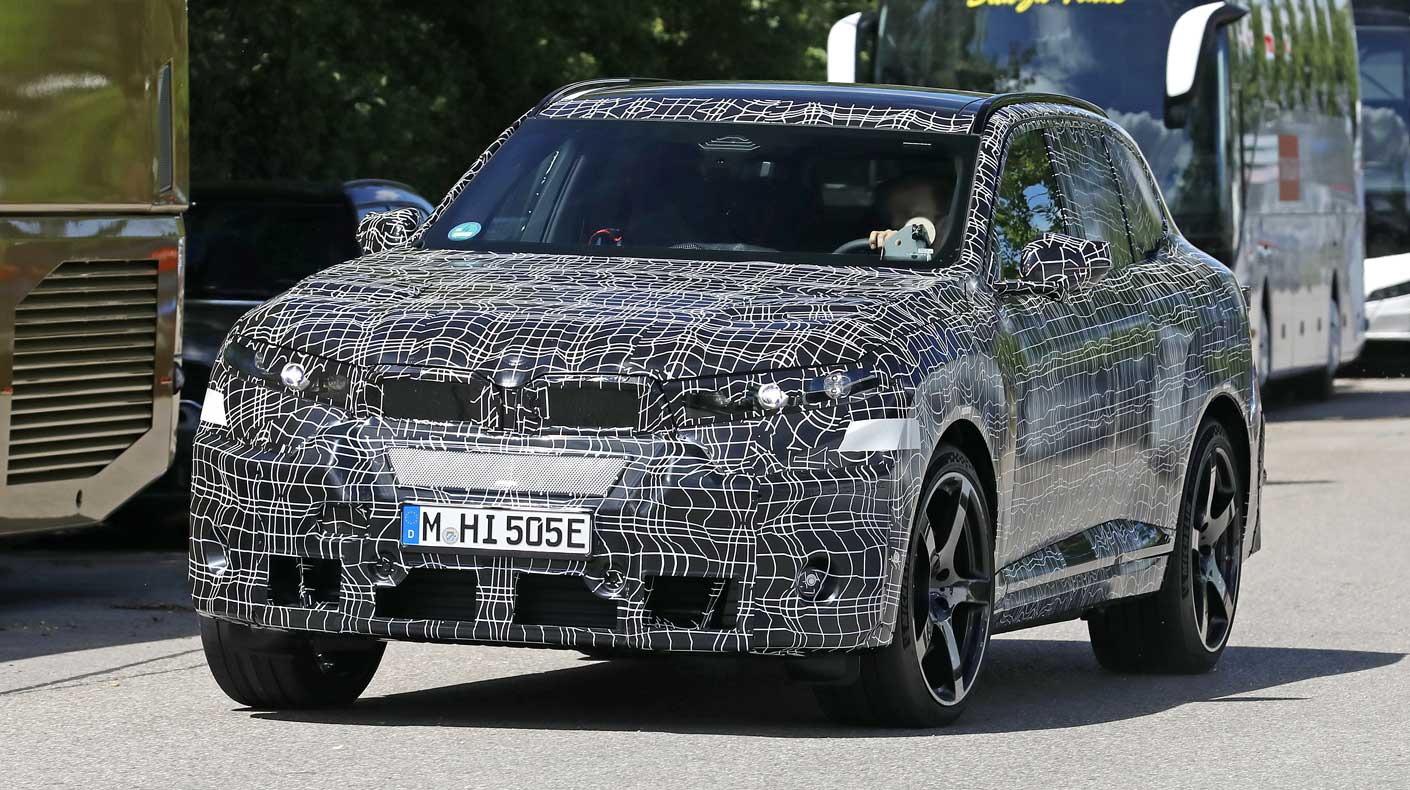
The BMW X5 is due for a major redesign inside and out, and while several prototypes of the upcoming model have been spotted recently, photographers in Munich have now captured what appears to be the new BMW iX5 M for the first time.
The prototype features a significantly more aggressive front fascia thanks to larger, sportier air intakes. The grille and headlights are similar to those seen on other variants and appear to incorporate design elements that will help usher the model into BMW's Neue Klasse era.
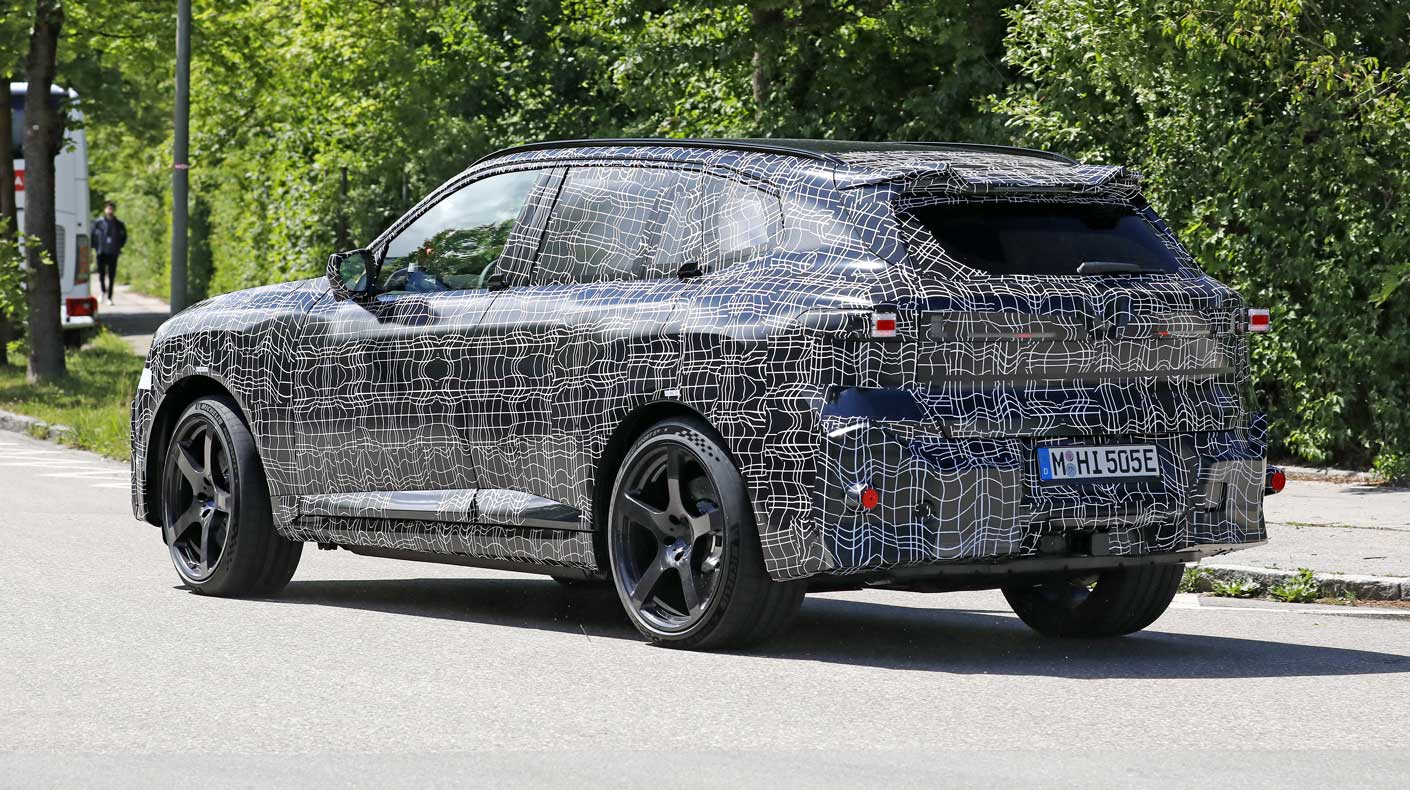
Compared to the front fascia, the rear of this test vehicle appears relatively understated. The taillights and bumper-mounted reflectors are temporary units. Despite what the camouflage may suggest, the next-generation BMW X5 is expected to eliminate the split-opening tailgate. The change is also expected to apply to the battery-electric vehicle (BEV) and hydrogen-powered variants.
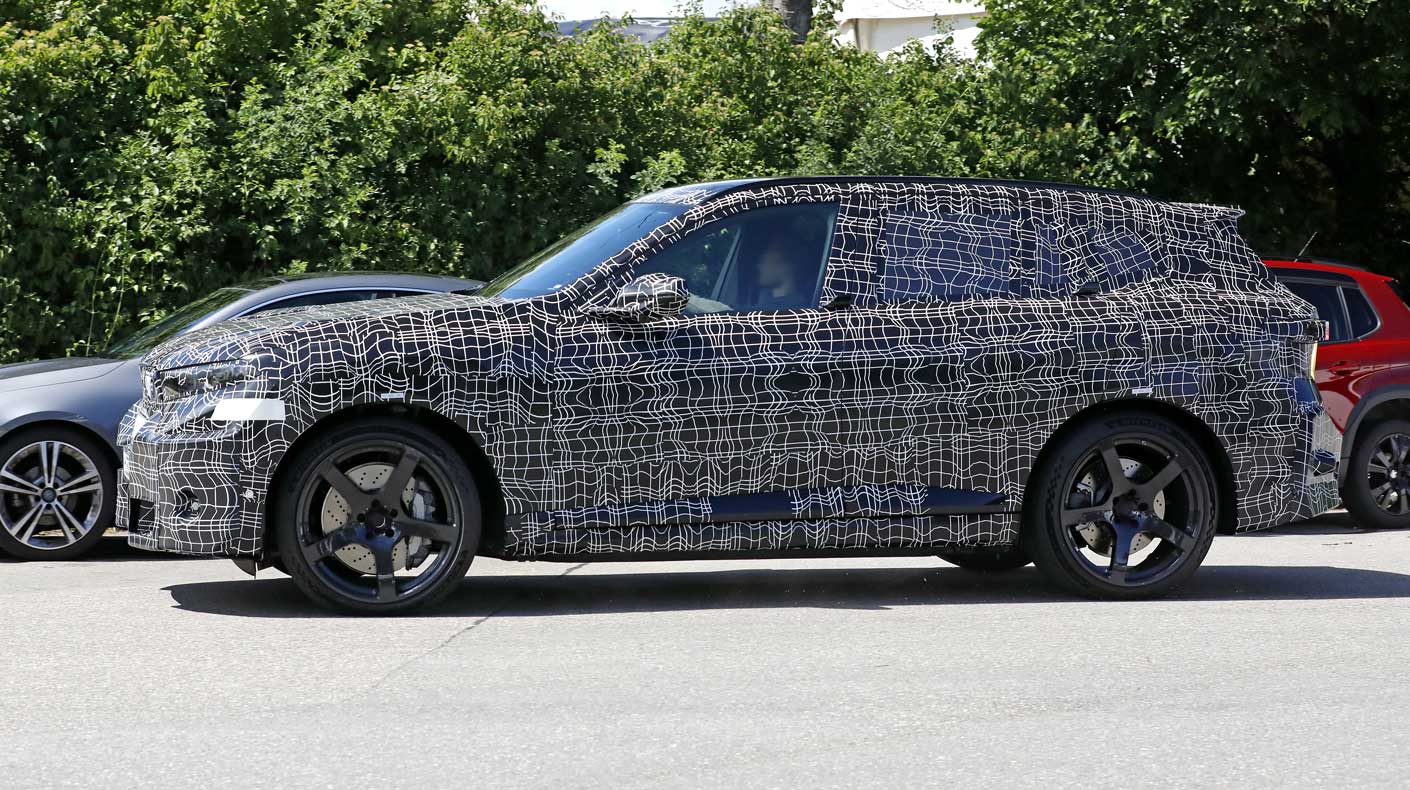
In addition to its more aggressive styling, the prototype rides on a set of lightweight-looking five-spoke alloy wheels. Equipped with Michelin Pilot Sport tires for enhanced grip, the vehicle also features upgraded brakes, including large front calipers and cross-drilled brake rotors. These details further suggest this is the BMW iX5 M rather than a standard version of the electric premium midsize crossover.
BMW has not released powertrain specifications for the new iX5 M. However, the iX5 60 is expected to feature a dual-motor setup producing 569 hp and a 147.8-kWh battery pack. The iX7 M70 is rumored to produce more than 800 hp, raising questions about the performance potential of the iX5 M. More details are expected closer to launch.
In addition to battery-electric power, the next-generation BMW X5 lineup is expected to include hydrogen-powered, gasoline-powered and plug-in hybrid variants.
More Art of Steel: The Next-Generation Hyundai i20
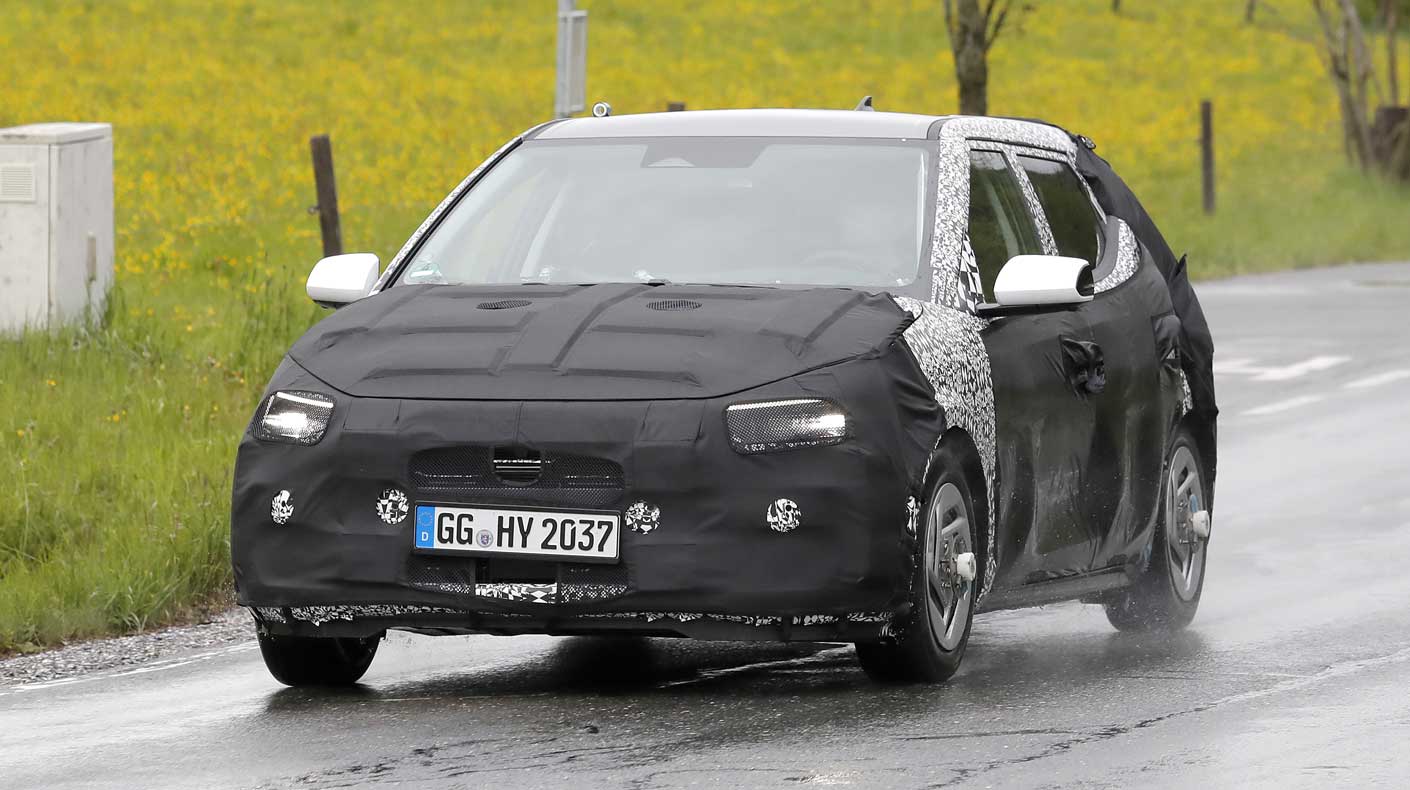
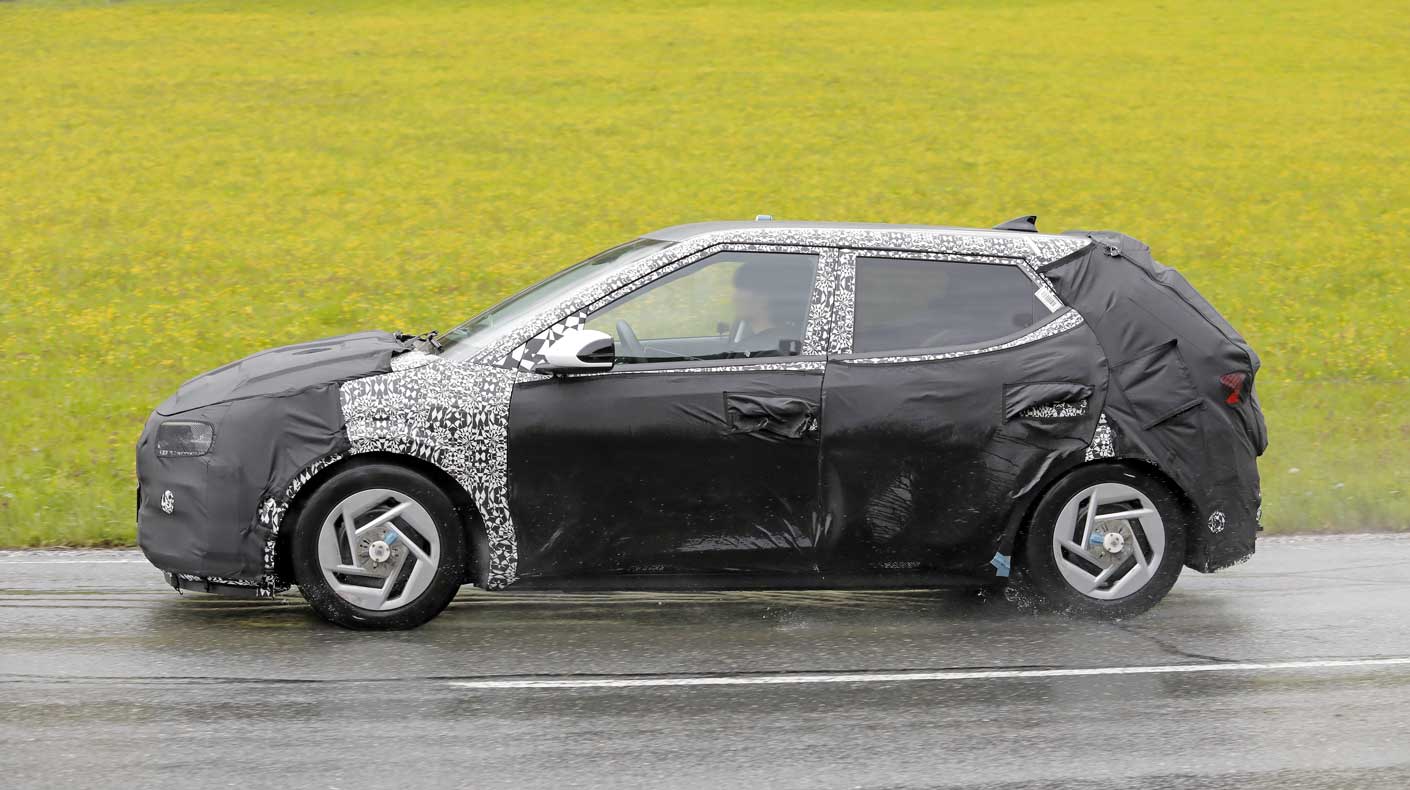
While it is not a major player in the subcompact hatchback segment, the Hyundai i20 is expected to undergo a complete redesign later this year. Scheduled to arrive at European dealerships in 2027, the new model builds on the current third-generation platform while incorporating Hyundai's evolving Art of Steel design language.
The latest-generation Nexo introduced Art of Steel to production vehicles, shifting away from complex surface details in favor of cleaner proportions and stronger visual presence. One of the design language's key elements is its front lighting signature, and these spy photos suggest a clear departure from the current Hyundai i20.
Art of Steel is also intended to create a more unified design identity across Hyundai's lineup. Like the Nexo, the next-generation i20 appears to replace the traditional grille with a thin, wide opening and a separate lower intake. New alloy wheel designs and more pronounced wheel arches are also expected.
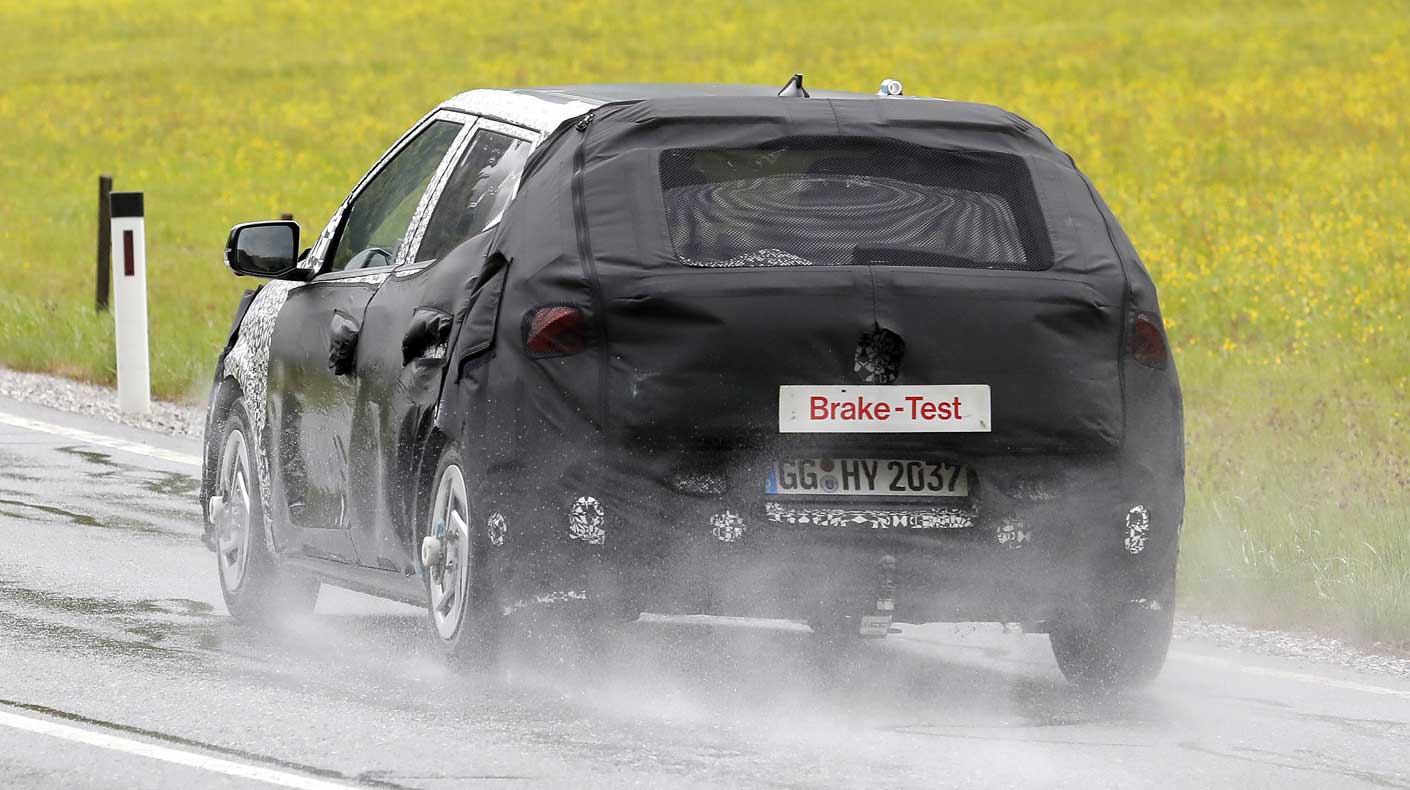
One notable difference between the upcoming model and the current i20 is the window line, which rises more sharply toward the C-pillar. The rear quarter windows appear to have been eliminated in favor of thicker pillars, and Hyundai has also revised the rear lighting design. A small exhaust outlet visible beneath the passenger-side underbody suggests the use of a relatively small-displacement engine.
Despite its size, the engine is capable of towing. The current i20 is rated to tow up to 1,110 kg (2,447 lbs.) with the 1.0L T-GDi engine and manual transmission, while versions equipped with the dual-clutch transmission are rated at 1,000 kg (2,205 lbs.). In some markets, a naturally aspirated 1.2L MPi engine is available exclusively with a manual transmission.
Inside, the '27 Hyundai i20 is expected to feature a simplified dashboard layout, updated trim and revised infotainment technology. One of the most significant changes could be a panoramic glass display that combines the digital instrument cluster and central infotainment screen into a single integrated unit.
Like Hyundai's newer models, the i20 is also expected to replace its four-spoke steering wheel with a more compact three-spoke design. The model may also adopt Hyundai's Pleos Connect infotainment system in place of the current Navigation System.
The next-generation i20 is expected to offer multiple powertrain options, including three-cylinder and four-cylinder engines. A hybrid powertrain is also anticipated, particularly in response to upcoming Euro 7 emissions regulations. Reports further suggest that the i20 N could return with some form of electrified assistance.
While the 1.2L MPi engine may remain available in emerging markets, it could be discontinued in Europe. Aside from the i20 N, most versions are expected to be powered by the 1.0L T-GDi engine paired with 48-volt mild-hybrid technology.
Story and photos by Andreas Conradt, Automedia