Story and photos by Andreas Conradt, Automedia
British Statement: Rolls-Royce's All-Electric SUV
Rolls-Royce began sales of its first electric vehicle in 2023 with the launch of the Spectre coupe. It has proven to be a major success, with order books filled through 2025 even before production began.
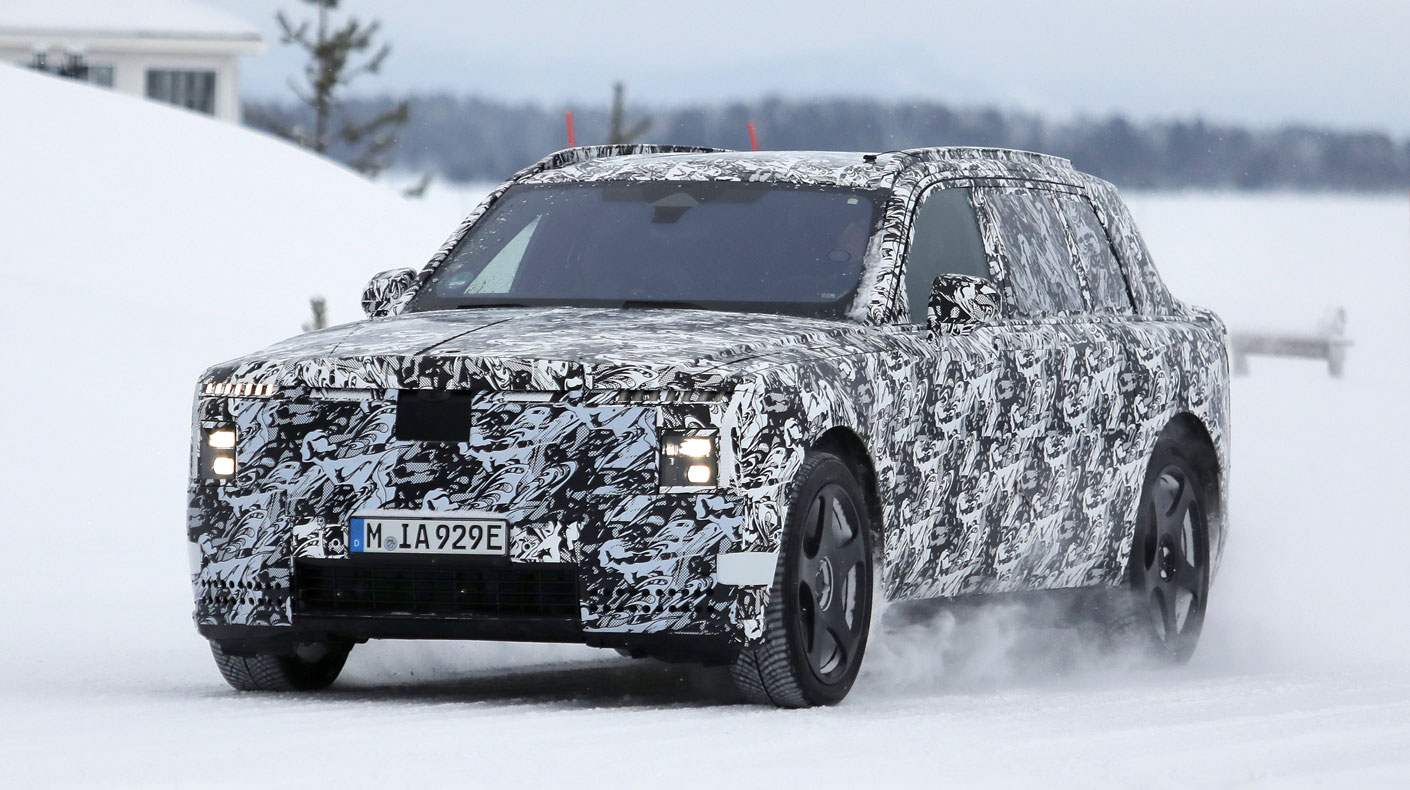
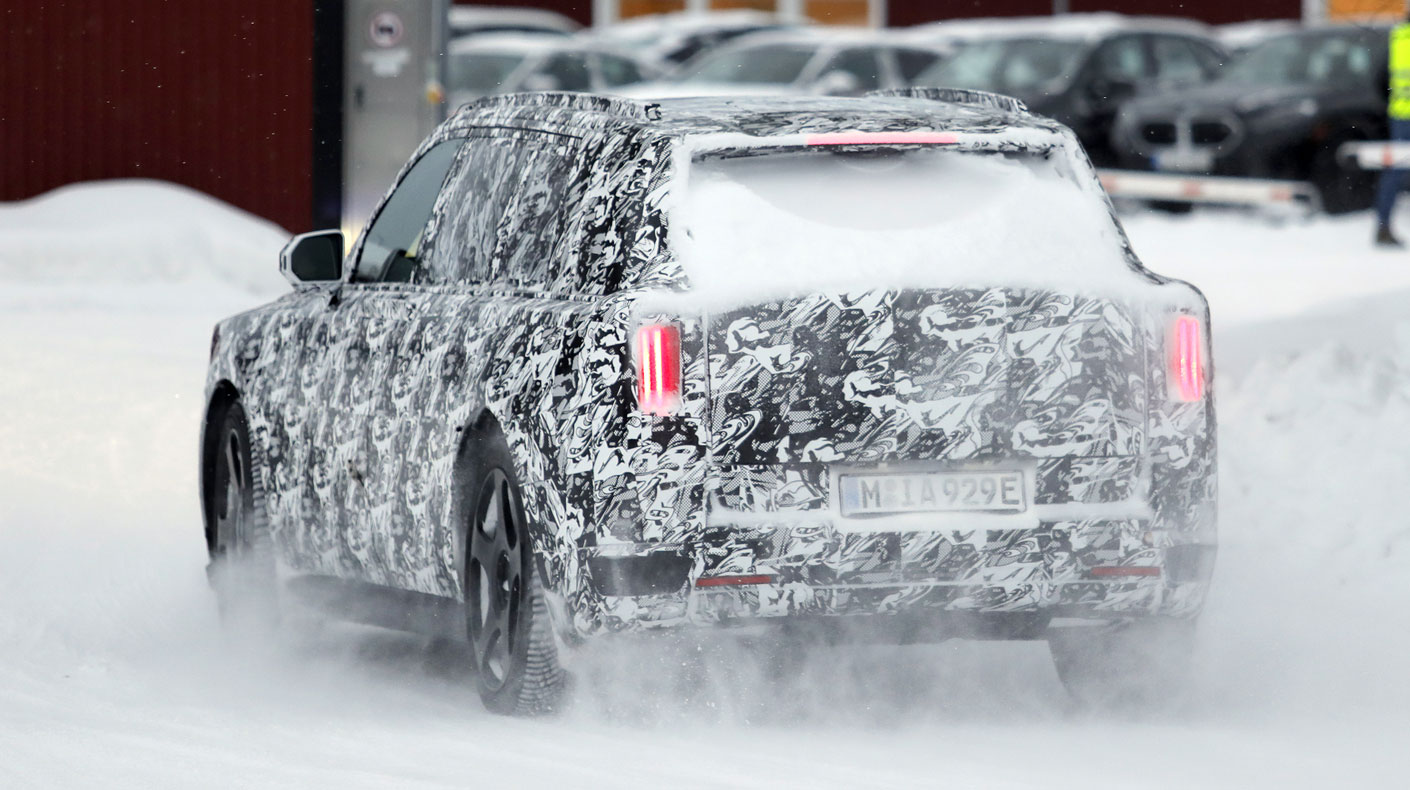
The automaker is not resting on its laurels. According to Automotive News, Rolls-Royce is already developing two additional EVs: a sedan and an SUV. The latter was recently snapped by our photographer braving frigid conditions near the Arctic Circle in Sweden.
The news comes as little surprise. During the Spectre's reveal in 2022, Rolls-Royce announced plans to transition exclusively to electric vehicles by the end of 2030. That said, several automakers that made similar pledges have since backtracked due to slower-than-expected EV demand growth, and Rolls-Royce could ultimately follow suit.
Automotive News reports that the electric SUV is slated to launch in early 2027. It will reportedly be smaller than the current Cullinan but still occupy the full-size segment. The sedan is expected to arrive in late 2028, replacing the Phantom.
It remains unclear whether the new EVs will ride on a dedicated electric platform or continue using Rolls-Royce's aluminum space-frame architecture, which underpins both its gas-powered models and the Spectre. What does seem likely is a notable range increase over the Spectre's 425-km rating, driven by ongoing advancements in battery technology. Parent company BMW Group recently launched the iX3, the first model in a new generation of BMW EVs, delivering a 30% range improvement thanks to cylindrical battery cells instead of current prismatic designs.
Same Same but Different: The VW ID.4 Becomes the ID.Tiguan
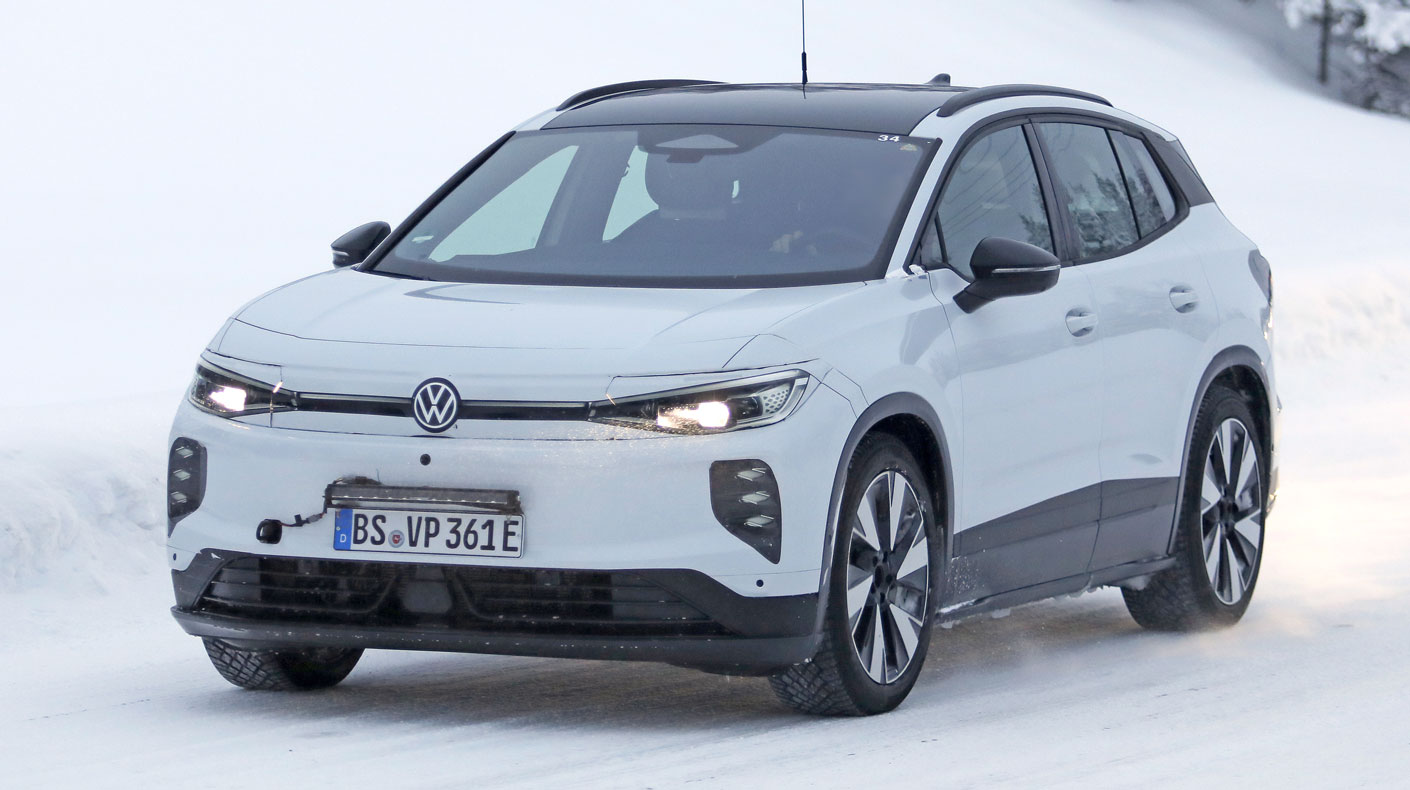
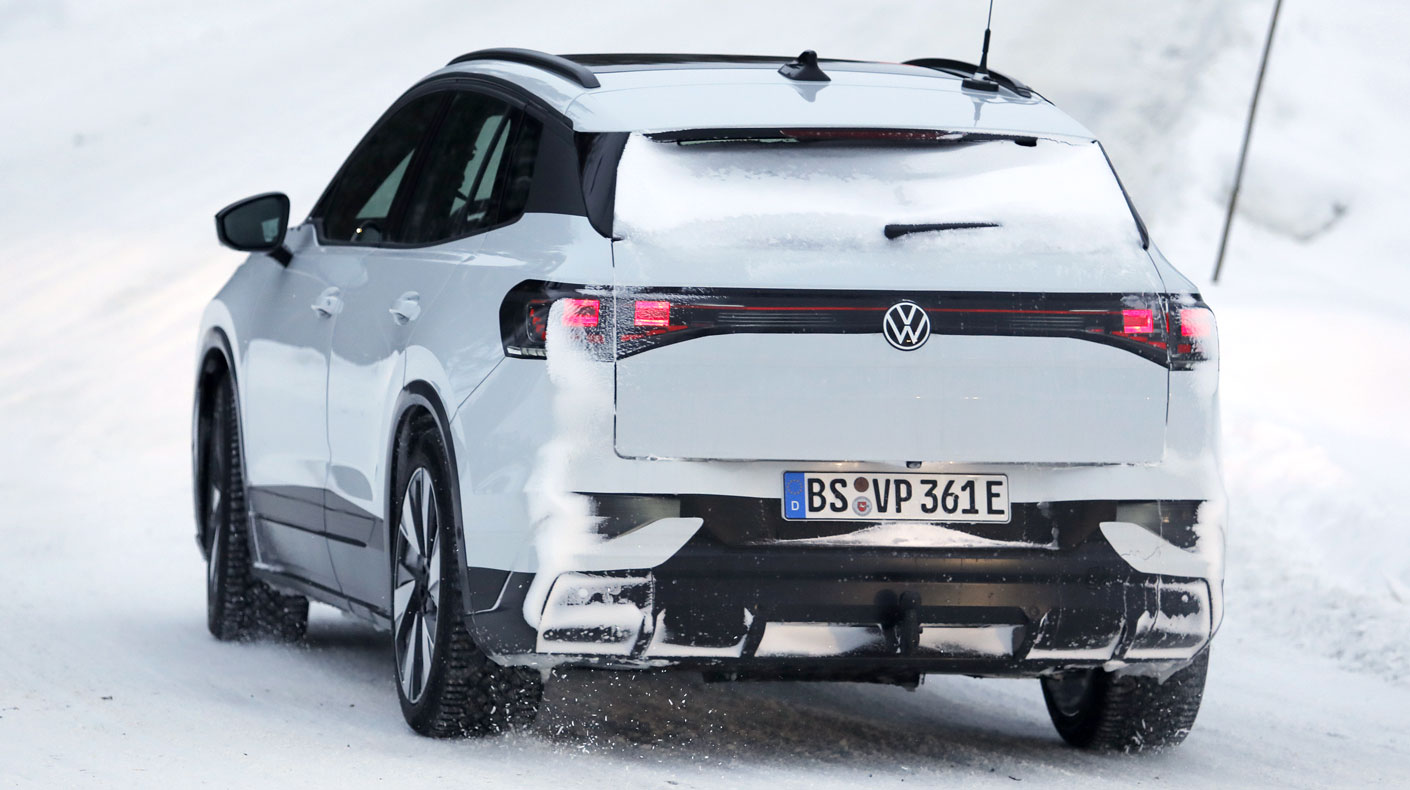
The next-generation Volkswagen ID.4 has been spotted sporting a dramatically revised look ahead of its official debut later this year. In fact, the changes are said to be so extensive that the model may receive an entirely new name: ID.Tiguan. Volkswagen has yet to confirm what its midsize electric SUV will ultimately be called.
The nearly all-new model will compete with major EV rivals, including the Hyundai Ioniq 5, Skoda Enyaq and new Chinese entries such as the BYD Sealion 7. Pricing is expected to start just under $47,000. The rumored renaming aligns with a completely new body design, though the ID.4's core proportions appear to remain intact.
The prototype reveals a fresh design language characterized by cleaner surfaces and sharper lines. One criticism of the current ID.4 is its bulky appearance, which some argue clashes with VW's traditional emphasis on solidity and stability. That perception appears to be addressed here. Beneath the camouflage, flatter door sills and more angular lower bumpers are visible, giving the vehicle a stronger, more grounded stance.
Up front, the ID.Tiguan features an entirely new fascia, with headlights set within a distinctive frame. As seen on the ID.Polo and ID.Cross, this lighting element is expected to span the vehicle's width and be accented by a large, illuminated VW badge at the center.
At the rear, the lighting signature mirrors that of the ID.Polo and ID.Cross, housed within a gray surround. The unusual fins flanking the license plate are merely camouflage elements and will not carry over to production. Beyond the exterior, the ID.Tiguan is also expected to receive a refreshed interior. A VW insider confirmed updates consistent with recent brand changes, including a return to physical buttons for key functions such as climate and steering wheel controls, moving away from touch-sensitive interfaces.
Details surrounding battery and motor configurations remain under wraps. Currently, the ID.4 is offered with 52-kWh and 77-kWh battery options, paired with either a single rear-mounted motor or a dual-motor all-wheel-drive setup.
VW is expected to introduce lithium iron phosphate (LFP) batteries for the ID.Tiguan, a move that could significantly reduce costs and help lower entry-level pricing across future ID models. While LFP batteries are less energy-dense than nickel-manganese-cobalt (NMC) units, VW plans to offset this with a new cell-to-pack design that allows more cells to be packaged within the vehicle.
It is unlikely the ID.Tiguan will receive the smallest 38 kWh LFP battery slated for the upcoming ID.Polo. However, increased capacity could allow the SUV to achieve a range of nearly 250 miles (400 km) or more on a single charge.
This layout eliminates the need for a battery frame. Three rows of prismatic cells are positioned side by side, with a cooling plate mounted atop the pack, helping reduce overall costs. Longer-range versions of the ID.Tiguan are expected to retain NMC batteries, delivering an estimated range of around nearly 342 miles (550 km) for top-tier variants.
Just a Few Changes: The Mercedes CLE Coupe Receives a Facelift
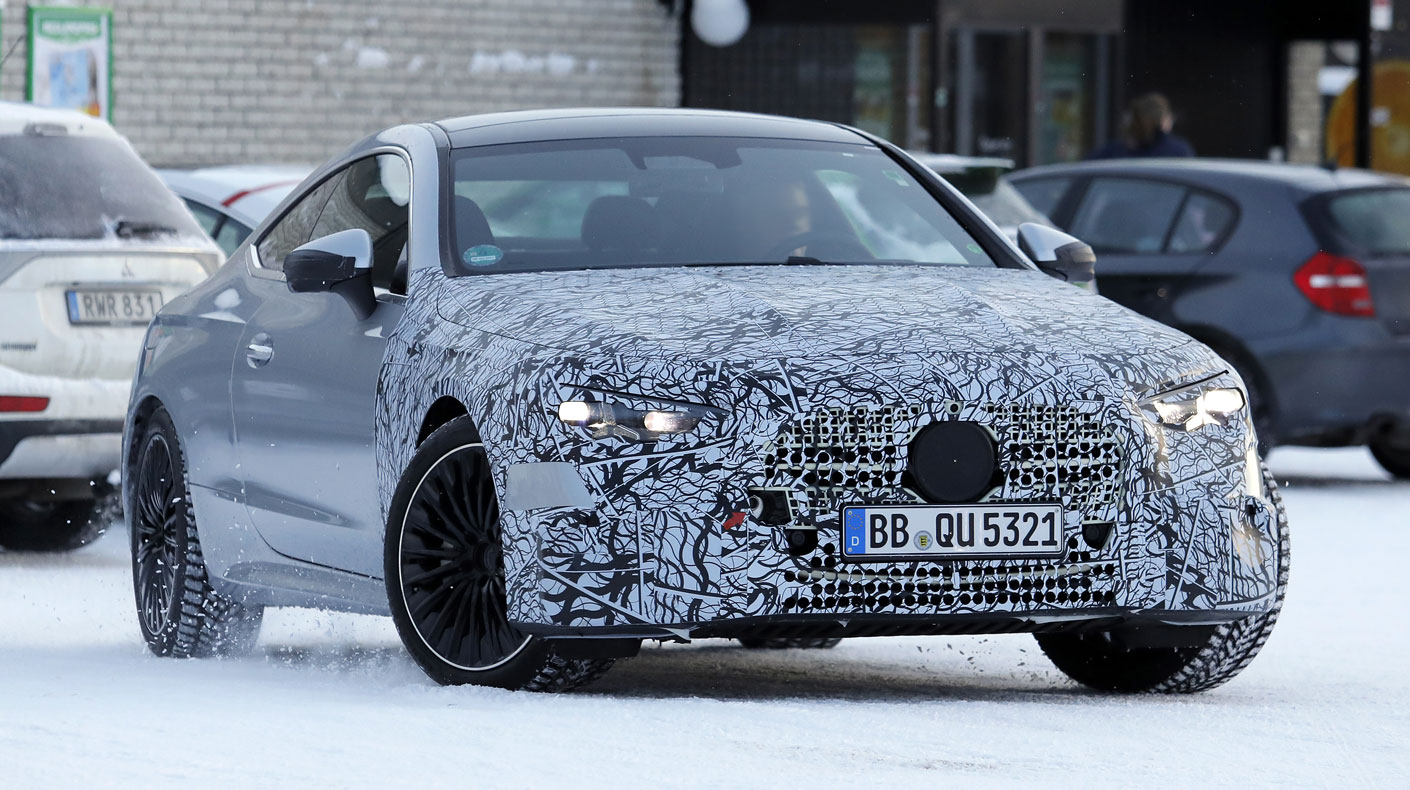
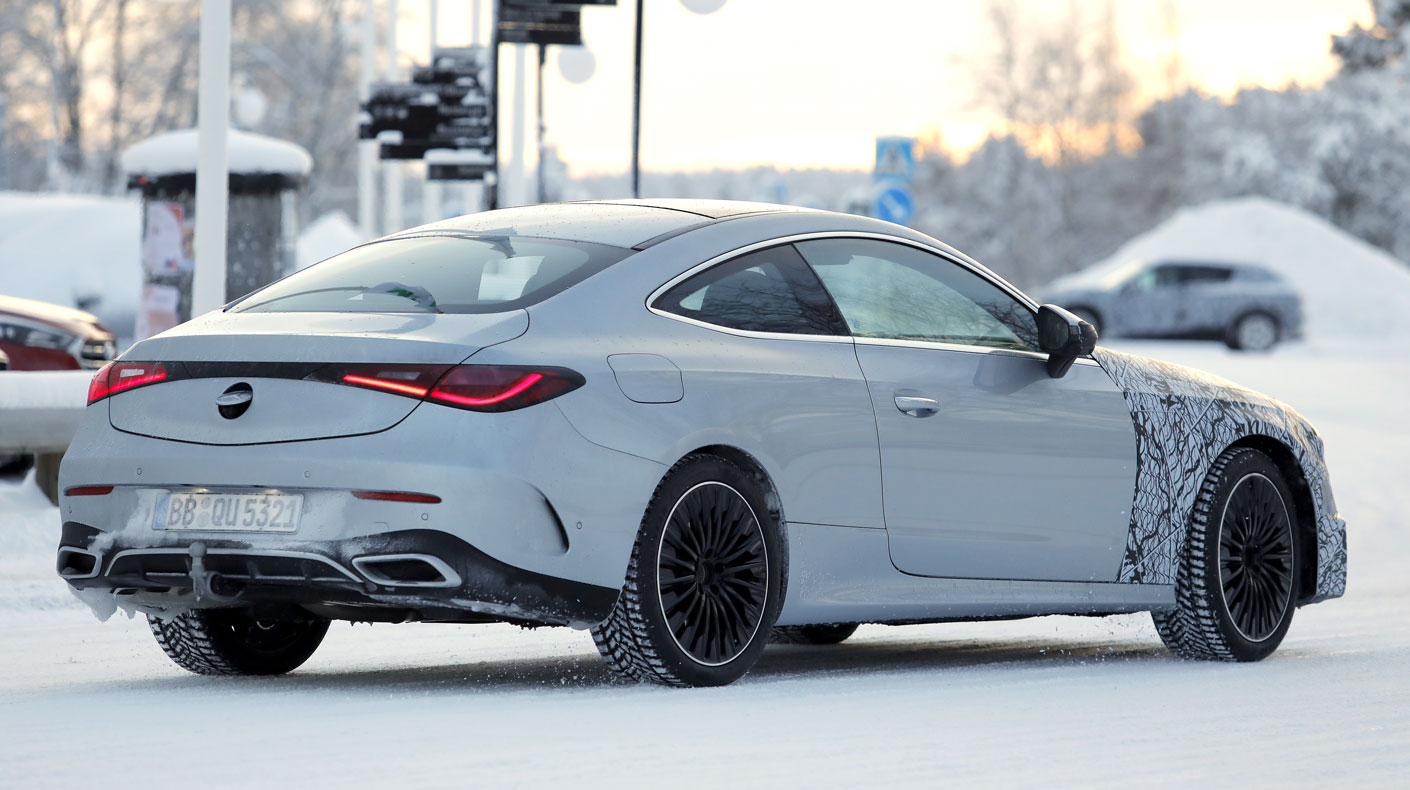
Our spy photographers captured a prototype of the refreshed Mercedes CLE Coupe during on-road testing in Scandinavia.
Visual differences between the upcoming '27 CLE Coupe and the outgoing '26 model are easy to spot, particularly up front. The updated model features star-pattern headlights, along with a revised grille and what appears to be a redesigned front bumper with new air intakes and trim elements.
The scooped test vehicle may suggest an unchanged rear end, but appearances are deceiving. As an early pre-production prototype, the car is expected to receive visual updates at the back as well, including new taillights likely incorporating the star motif, along with a revised bumper, diffuser and possibly updated tailpipe trim.
Given that the CLE entered production just over two years ago, the interior remains relatively fresh. As a result, major cabin updates are unlikely. Instead, changes may be limited to new software for the portrait-oriented infotainment screen and digital instrument cluster, along with a revised steering wheel and refreshed ADAS features.
Powertrain updates remain uncertain, though sources suggest the facelifted CLE will retain the same engine lineup. Expect pricing to increase slightly when the updated model debuts, likely for the '27 or '28 model year.