

The emergence of advanced driver-assistance systems (ADAS) has been a boon to automotive consumers. Among other benefits, ADAS is credited with a 1.2% drop in vehicle fatalities last year, along with significantly reduced injuries. What’s more, consumer comfort with these technologies is increasing as OEMs build ADAS into an expanding number of vehicle platforms. The result is a growing aftermarket customer base that expects specialty-equipment products and modifications to integrate seamlessly with their high-tech factory ADAS packages. But is the industry up to the task?
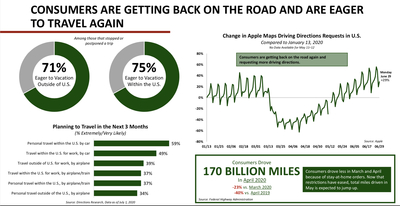 Despite the COVID-19 disruption, consumers are more confident, optimistic and in a better financial position today than they were during the Great Recession of 2007–2009. They are shopping more and, as restrictions ease, returning to in-store retail. In May 2020, retail sales at motor vehicle and parts dealers jumped 44% from April—the highest increase ever recorded. Additionally, most consumers think that now is a good time to consider buying a car.
 As retail businesses reopen across the country and customers gradually return to stores, companies are rolling out new policies to adapt to the “new normal” business climate afforded by the COVID-19 coronavirus pandemic. Foremost among those are new protocols for workplace cleaning and sanitation.
Since 2012, SEMA News has sought to identify the industry’s young rising stars. In spotlighting talented individuals age 35 and under, we hoped to show both younger and older generations alike that new people with new ideas and drive not only have a home in the industry but also are already achieving great things. In the following pages, we are again pleased to present 35 young trendsetters representing diverse industry segments. In order to make our “35 Under 35” list, honorees must first be nominated by one or more industry peers.
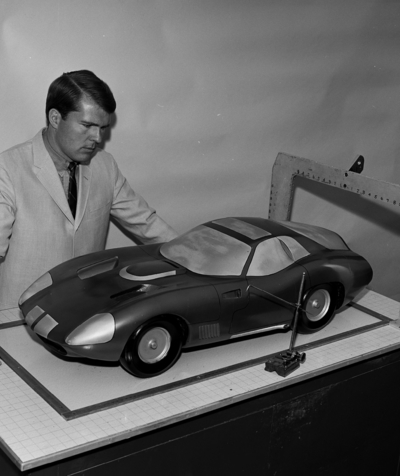 The film Ford v Ferrari gave us a taste of the turbulent relationship Carroll Shelby had with the Ford Motor Company. Despite nearly constant friction between the maverick in Los Angeles and management in Dearborn, there were great successes, to be sure. But there were also some missed opportunities. Such was the case with the Type 65, also known as the Daytona Super Coupe.
 SEMA is offering an online marketplace to allow manufacturers and resellers in the specialty automotive segment to connect and conduct business. Taking place November 2-6, SEMA360 was created after industry members expressed a need for a viable marketplace solution in the absence of the 2020 SEMA Show.
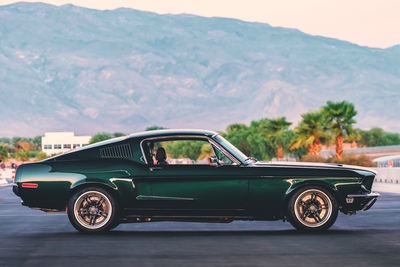 The industry’s reaction in 2015 to enactment of the replica car law could be described in two words: giddy enthusiasm. Companies would soon be able to produce and sell new turnkey vehicles that resembled classic vehicles produced at least 25 years ago. Passage of the law had taken just four years following the bill’s introduction—a relatively short period on Capitol Hill—but who knew that it would take five years of lobbying and a lawsuit before companies could begin selling replica cars?
 “Make Bonneville Great Again” is no longer just a cheeky slogan that land-speed racers have printed on hats. SEMA is proud to announce that a joint state/federal program to save the Bonneville Salt Flats has been created to dramatically increase the amount of salt pumped onto those hallowed grounds.
Rich Barsamian got word that he was indeed one of the 2020 SEMA Hall of Fame honorees, and he was still speechless one week later. “Yeah, I was trying to think—because I’m still sort of in shock,” he said. The SEMA Hall of Fame will do that to you. It will take your breath away and leave you speechless, even if you’re Rich Barsamian. And that is saying something, because it takes quite a bit to see him speechless.
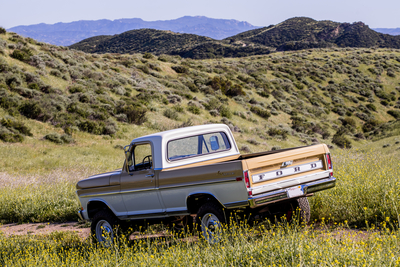 Undeterred by a sluggish economy brought on by COVID-19, demand for classic-car restoration is still soaring, and it’s likely to continue as long as parts suppliers can keep up. The clients are typically “car people” and are faithful to a particular make and model. While there are still those who insist on accurate restoration of classic cars, growth is to be found in those who want to retain the classic-car look but are thirsty for modern performance upgrades that improve drivability and promote individualism.