
Thu, 11/05/2020 - 08:21

By SEMA Washington, D.C., Staff

The California Air Resources Board (CARB) recently issued a letter inviting companies to disclose by December 31, 2020, any unapproved hardware or software programs that impact emissions-control systems in vehicles sold in California. The letter specifically cited auxiliary emission-control devices (AECDs) installed on vehicles. An AECD is defined as any element of design which senses temperature, vehicle speed, engine RPM, transmission gear, manifold vacuum or any other parameter for the purpose of activating, modulating, delaying or deactivating the operation of any part of the emission control system.

In 2015, regulators discovered that Volkswagen had installed a program on turbocharged direct-injection diesel engine vehicles that activated emissions controls in a testing situation but not in real-world driving conditions. Other automakers were subsequently found to have installed AECDs whereby the vehicles produced different emissions results for highway use versus in regulatory test conditions. The violations resulted in settlements with substantial fines and recall mandates.  

CARB notes that some AECDs change the operation of emissions-control equipment when required by specific, sometimes extreme driving conditions, such as pulling a maximum load uphill in hot weather. CARB would consider the AECD legal if fully disclosed and if there is a technically justified rationale for its limited use.

CARB is scheduled to open a new state-of-the-art testing facility in Riverside, California, in 2021 that will include sophisticated detection and testing techniques to identify undisclosed AECDs and other unapproved changes in software and hardware that can affect emissions. CARB’s letter offers manufacturers an opportunity to voluntarily inform the agency of any previously undisclosed software devices or hardware for both on- and off-road applications. While CARB may still pursue an enforcement action, monetary penalties would likely be reduced 25%-75%.

While AECDs installed on automobiles may be a primary focus of the CARB letter, the agency’s voluntary disclosure offer also applies to aftermarket parts manufacturers. Companies may wish to conduct an internal audit in case there is a need to contact CARB before the December 31deadline. Issues to consider would include:

  • Products being sold in California that don’t have an Executive Order (EO).
  • Newer year models or part numbers that need to be updated for products with an EO.
  • EO product changes/updates that change functionality for which CARB should be aware.
  • Recalls or field fixes that have not been disclosed.

With respect to obtaining California EOs, the SEMA Garage was established to assist members in testing their emissions-related parts. The SEMA Garage makes experts and resources available to help members navigate the compliance process, including:

  • Evaluation of your product and recommendations for compliance procedures.
  • Assistance with the CARB EO process.
  • Interaction with CARB staff on your behalf.
  • Review and evaluation of test data.

The SEMA Garage includes a laboratory where members can have their products tested at an affordable cost. The lab capabilities cover all tests (except evap) that may be required by CARB for the purposes of obtaining an EO for both gasoline and diesel vehicles. There are other test laboratories around the country as well. SEMA encourages it members to pursue testing of applicable emissions-related products for highway vehicles. For more information: www.semagarage.com.
Thu, 11/05/2020 - 08:21

By SEMA Washington, D.C., Staff

The California Air Resources Board (CARB) recently issued a letter inviting companies to disclose by December 31, 2020, any unapproved hardware or software programs that impact emissions-control systems in vehicles sold in California. The letter specifically cited auxiliary emission-control devices (AECDs) installed on vehicles. An AECD is defined as any element of design which senses temperature, vehicle speed, engine RPM, transmission gear, manifold vacuum or any other parameter for the purpose of activating, modulating, delaying or deactivating the operation of any part of the emission control system.

In 2015, regulators discovered that Volkswagen had installed a program on turbocharged direct-injection diesel engine vehicles that activated emissions controls in a testing situation but not in real-world driving conditions. Other automakers were subsequently found to have installed AECDs whereby the vehicles produced different emissions results for highway use versus in regulatory test conditions. The violations resulted in settlements with substantial fines and recall mandates.  

CARB notes that some AECDs change the operation of emissions-control equipment when required by specific, sometimes extreme driving conditions, such as pulling a maximum load uphill in hot weather. CARB would consider the AECD legal if fully disclosed and if there is a technically justified rationale for its limited use.

CARB is scheduled to open a new state-of-the-art testing facility in Riverside, California, in 2021 that will include sophisticated detection and testing techniques to identify undisclosed AECDs and other unapproved changes in software and hardware that can affect emissions. CARB’s letter offers manufacturers an opportunity to voluntarily inform the agency of any previously undisclosed software devices or hardware for both on- and off-road applications. While CARB may still pursue an enforcement action, monetary penalties would likely be reduced 25%-75%.

While AECDs installed on automobiles may be a primary focus of the CARB letter, the agency’s voluntary disclosure offer also applies to aftermarket parts manufacturers. Companies may wish to conduct an internal audit in case there is a need to contact CARB before the December 31deadline. Issues to consider would include:

  • Products being sold in California that don’t have an Executive Order (EO).
  • Newer year models or part numbers that need to be updated for products with an EO.
  • EO product changes/updates that change functionality for which CARB should be aware.
  • Recalls or field fixes that have not been disclosed.

With respect to obtaining California EOs, the SEMA Garage was established to assist members in testing their emissions-related parts. The SEMA Garage makes experts and resources available to help members navigate the compliance process, including:

  • Evaluation of your product and recommendations for compliance procedures.
  • Assistance with the CARB EO process.
  • Interaction with CARB staff on your behalf.
  • Review and evaluation of test data.

The SEMA Garage includes a laboratory where members can have their products tested at an affordable cost. The lab capabilities cover all tests (except evap) that may be required by CARB for the purposes of obtaining an EO for both gasoline and diesel vehicles. There are other test laboratories around the country as well. SEMA encourages it members to pursue testing of applicable emissions-related products for highway vehicles. For more information: www.semagarage.com.
Wed, 11/04/2020 - 15:22

By Mike Imlay

Matt Kennedy
SEMA Market Research Manager Matt Kennedy
Gavin Knapp
SEMA Market Research Director Gavin Knapp

They don’t make ‘em like they used to. Classic cars and trucks represent a vital piece of the aftermarket, but understanding opportunities in the space poses some unique challenges. SEMA360 attendees got a sneak peek at the latest market research surrounding vintage vehicles and their accessorization, thanks to a Wednesday seminar presented by SEMA Market Research Director Gavin Knapp and SEMA Market Research Manager Matt Kennedy.

Entitled “Classic Cars, Modern Markets,” the seminar aimed to arm attendees with the latest data on market sizing, consumer demographics, their purchasing habits and vehicle usage, and even the shifting definition of what constitutes a vintage model.

“We’re talking about a significant volume of cars still driving around, still being cherished and loved by their owners, and of course that means they need to buy parts from our industry,” said Knapp. “Obviously classic vehicles are a great, great platform for accessorization and modification. We estimate that last year, 2019, consumers spent almost $1 billion buying accessories and customization parts for older cars.”

Kennedy also presented some of the most noteworthy takeaways from a still-unreleased SEMA research report on the market:

  • First, retail automotive chains account for most consumer purchase, but there is untapped opportunity for independents as well.
  • Although the consumer demographic skews older, a younger customer base is steadily emerging. Moreover, consumers in this space may research online, but prefer to purchase from retail outlets where they can have meaningful conversations about their vehicles and the parts they seek.
  • Most of all, the demographic see their vehicles as drivers to be enjoyed and shown off on the road. Alongside full restorations, the restomod trend continues to grow.
  • Once dominated by ’60s and mid’‘70s musclecars, the vintage category is now expanding to include late ’70s, ’80s and even ’90s vehicles. There is an especially interesting trend toward trucks as well, notably among younger enthusiasts.

The full seminar can be viewed on SEMA360.

This session represents just a few of the many educational opportunities being served up at SEMA360, which continues through Friday, November 6. The SEMA Week event also offers exclusive manufacturer-buyer connections, industry networking, new-product and technology introductions, project vehicle builds and more. Additional details about the innovative e-marketplace can be found at www.sema360.com.

Wed, 11/04/2020 - 15:22

By Mike Imlay

Matt Kennedy
SEMA Market Research Manager Matt Kennedy
Gavin Knapp
SEMA Market Research Director Gavin Knapp

They don’t make ‘em like they used to. Classic cars and trucks represent a vital piece of the aftermarket, but understanding opportunities in the space poses some unique challenges. SEMA360 attendees got a sneak peek at the latest market research surrounding vintage vehicles and their accessorization, thanks to a Wednesday seminar presented by SEMA Market Research Director Gavin Knapp and SEMA Market Research Manager Matt Kennedy.

Entitled “Classic Cars, Modern Markets,” the seminar aimed to arm attendees with the latest data on market sizing, consumer demographics, their purchasing habits and vehicle usage, and even the shifting definition of what constitutes a vintage model.

“We’re talking about a significant volume of cars still driving around, still being cherished and loved by their owners, and of course that means they need to buy parts from our industry,” said Knapp. “Obviously classic vehicles are a great, great platform for accessorization and modification. We estimate that last year, 2019, consumers spent almost $1 billion buying accessories and customization parts for older cars.”

Kennedy also presented some of the most noteworthy takeaways from a still-unreleased SEMA research report on the market:

  • First, retail automotive chains account for most consumer purchase, but there is untapped opportunity for independents as well.
  • Although the consumer demographic skews older, a younger customer base is steadily emerging. Moreover, consumers in this space may research online, but prefer to purchase from retail outlets where they can have meaningful conversations about their vehicles and the parts they seek.
  • Most of all, the demographic see their vehicles as drivers to be enjoyed and shown off on the road. Alongside full restorations, the restomod trend continues to grow.
  • Once dominated by ’60s and mid’‘70s musclecars, the vintage category is now expanding to include late ’70s, ’80s and even ’90s vehicles. There is an especially interesting trend toward trucks as well, notably among younger enthusiasts.

The full seminar can be viewed on SEMA360.

This session represents just a few of the many educational opportunities being served up at SEMA360, which continues through Friday, November 6. The SEMA Week event also offers exclusive manufacturer-buyer connections, industry networking, new-product and technology introductions, project vehicle builds and more. Additional details about the innovative e-marketplace can be found at www.sema360.com.

Wed, 11/04/2020 - 15:22

By Mike Imlay

Matt Kennedy
SEMA Market Research Manager Matt Kennedy
Gavin Knapp
SEMA Market Research Director Gavin Knapp

They don’t make ‘em like they used to. Classic cars and trucks represent a vital piece of the aftermarket, but understanding opportunities in the space poses some unique challenges. SEMA360 attendees got a sneak peek at the latest market research surrounding vintage vehicles and their accessorization, thanks to a Wednesday seminar presented by SEMA Market Research Director Gavin Knapp and SEMA Market Research Manager Matt Kennedy.

Entitled “Classic Cars, Modern Markets,” the seminar aimed to arm attendees with the latest data on market sizing, consumer demographics, their purchasing habits and vehicle usage, and even the shifting definition of what constitutes a vintage model.

“We’re talking about a significant volume of cars still driving around, still being cherished and loved by their owners, and of course that means they need to buy parts from our industry,” said Knapp. “Obviously classic vehicles are a great, great platform for accessorization and modification. We estimate that last year, 2019, consumers spent almost $1 billion buying accessories and customization parts for older cars.”

Kennedy also presented some of the most noteworthy takeaways from a still-unreleased SEMA research report on the market:

  • First, retail automotive chains account for most consumer purchase, but there is untapped opportunity for independents as well.
  • Although the consumer demographic skews older, a younger customer base is steadily emerging. Moreover, consumers in this space may research online, but prefer to purchase from retail outlets where they can have meaningful conversations about their vehicles and the parts they seek.
  • Most of all, the demographic see their vehicles as drivers to be enjoyed and shown off on the road. Alongside full restorations, the restomod trend continues to grow.
  • Once dominated by ’60s and mid’‘70s musclecars, the vintage category is now expanding to include late ’70s, ’80s and even ’90s vehicles. There is an especially interesting trend toward trucks as well, notably among younger enthusiasts.

The full seminar can be viewed on SEMA360.

This session represents just a few of the many educational opportunities being served up at SEMA360, which continues through Friday, November 6. The SEMA Week event also offers exclusive manufacturer-buyer connections, industry networking, new-product and technology introductions, project vehicle builds and more. Additional details about the innovative e-marketplace can be found at www.sema360.com.

Wed, 11/04/2020 - 15:22

By Mike Imlay

Matt Kennedy
SEMA Market Research Manager Matt Kennedy
Gavin Knapp
SEMA Market Research Director Gavin Knapp

They don’t make ‘em like they used to. Classic cars and trucks represent a vital piece of the aftermarket, but understanding opportunities in the space poses some unique challenges. SEMA360 attendees got a sneak peek at the latest market research surrounding vintage vehicles and their accessorization, thanks to a Wednesday seminar presented by SEMA Market Research Director Gavin Knapp and SEMA Market Research Manager Matt Kennedy.

Entitled “Classic Cars, Modern Markets,” the seminar aimed to arm attendees with the latest data on market sizing, consumer demographics, their purchasing habits and vehicle usage, and even the shifting definition of what constitutes a vintage model.

“We’re talking about a significant volume of cars still driving around, still being cherished and loved by their owners, and of course that means they need to buy parts from our industry,” said Knapp. “Obviously classic vehicles are a great, great platform for accessorization and modification. We estimate that last year, 2019, consumers spent almost $1 billion buying accessories and customization parts for older cars.”

Kennedy also presented some of the most noteworthy takeaways from a still-unreleased SEMA research report on the market:

  • First, retail automotive chains account for most consumer purchase, but there is untapped opportunity for independents as well.
  • Although the consumer demographic skews older, a younger customer base is steadily emerging. Moreover, consumers in this space may research online, but prefer to purchase from retail outlets where they can have meaningful conversations about their vehicles and the parts they seek.
  • Most of all, the demographic see their vehicles as drivers to be enjoyed and shown off on the road. Alongside full restorations, the restomod trend continues to grow.
  • Once dominated by ’60s and mid’‘70s musclecars, the vintage category is now expanding to include late ’70s, ’80s and even ’90s vehicles. There is an especially interesting trend toward trucks as well, notably among younger enthusiasts.

The full seminar can be viewed on SEMA360.

This session represents just a few of the many educational opportunities being served up at SEMA360, which continues through Friday, November 6. The SEMA Week event also offers exclusive manufacturer-buyer connections, industry networking, new-product and technology introductions, project vehicle builds and more. Additional details about the innovative e-marketplace can be found at www.sema360.com.

Wed, 11/04/2020 - 14:18

By John Stewart

Customer Journey
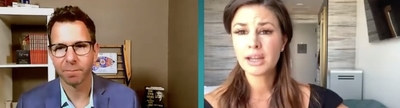
The session was led by speakers Katie Mares (right), Brand Experiment Expert, and Corey Perlman (left), ImpactSocialMedia.com.

Today on SEMA360, attendees received practical strategies on how to use digital assets to attract customers and how to earn their loyalty. Because today’s customer journey is a blend of online and offline interactions, it’s important to know how to generate new leads and how to hold on to customers you earn. In the COVID-19 era, you need to create an ad budget and presence more than ever, because you have to stay in touch with your customers. The session was led by speakers Katie Mares, Brand Experiment Expert, and Corey Perlman, ImpactSocialMedia.com.

Among the key points:

Remarketing: Sending an ad to someone who visits your site and shops, but does not buy. Remarketing is a powerful way to stay in touch with a potential customer.

Create a Look-Alike Audience: Facebook, for example, will take a look at your current audience demographics and habits and create a similar audience for you. This is another very powerful way to create a new population of people to market to. That’s why it’s so important to get folks on your digital platforms and social channels in the first place—you must develop an email database. Have a place to collect information about your customers.

Don’t Tell Me, Show Me: Tell your digital story, be authentic. Use video. This gives you the opportunity to build an audience over time, doing episodic, consistent shows over the next few months. Just be you; if you mess up, that’s OK—you’re human. It’s like a video newsletter.

Make Your Customer the Hero: Interview your customers and let them relate their experiences. People trust people, not necessarily what is written. And then, if you have video content, you can re-use it in print.

Connect on a Personal Level: Care about the person, not about getting their business. You must be genuinely interested in your customer. Your customer is the person who keeps the lights on at the shop. If you can’t care about the customer, you’re in the wrong business. People crave actual human interaction right now.

Collect Golden Nuggets: A customer will tell you everything about them if you give them a chance, so collect those nuggets and use them. Vacations, kids, preferred ways to be contacted—use that to tailor the customer experience.

Seamless Brand Promise: Have standards in place for every touchpoint, and make sure everyone on your team is on board to support those standards.
Silent Selling—your drip campaign, your website, etc.

View the session on SEMA360.

Wed, 11/04/2020 - 14:18

By John Stewart

Customer Journey
The session was led by speakers Katie Mares (right), Brand Experiment Expert, and Corey Perlman (left), ImpactSocialMedia.com.

Today on SEMA360, attendees received practical strategies on how to use digital assets to attract customers and how to earn their loyalty. Because today’s customer journey is a blend of online and offline interactions, it’s important to know how to generate new leads and how to hold on to customers you earn. In the COVID-19 era, you need to create an ad budget and presence more than ever, because you have to stay in touch with your customers. The session was led by speakers Katie Mares, Brand Experiment Expert, and Corey Perlman, ImpactSocialMedia.com.

Among the key points:

Remarketing: Sending an ad to someone who visits your site and shops, but does not buy. Remarketing is a powerful way to stay in touch with a potential customer.

Create a Look-Alike Audience: Facebook, for example, will take a look at your current audience demographics and habits and create a similar audience for you. This is another very powerful way to create a new population of people to market to. That’s why it’s so important to get folks on your digital platforms and social channels in the first place—you must develop an email database. Have a place to collect information about your customers.

Don’t Tell Me, Show Me: Tell your digital story, be authentic. Use video. This gives you the opportunity to build an audience over time, doing episodic, consistent shows over the next few months. Just be you; if you mess up, that’s OK—you’re human. It’s like a video newsletter.

Make Your Customer the Hero: Interview your customers and let them relate their experiences. People trust people, not necessarily what is written. And then, if you have video content, you can re-use it in print.

Connect on a Personal Level: Care about the person, not about getting their business. You must be genuinely interested in your customer. Your customer is the person who keeps the lights on at the shop. If you can’t care about the customer, you’re in the wrong business. People crave actual human interaction right now.

Collect Golden Nuggets: A customer will tell you everything about them if you give them a chance, so collect those nuggets and use them. Vacations, kids, preferred ways to be contacted—use that to tailor the customer experience.

Seamless Brand Promise: Have standards in place for every touchpoint, and make sure everyone on your team is on board to support those standards.
Silent Selling—your drip campaign, your website, etc.

View the session on SEMA360.

Wed, 11/04/2020 - 14:18

By John Stewart

Customer Journey
The session was led by speakers Katie Mares (right), Brand Experiment Expert, and Corey Perlman (left), ImpactSocialMedia.com.

Today on SEMA360, attendees received practical strategies on how to use digital assets to attract customers and how to earn their loyalty. Because today’s customer journey is a blend of online and offline interactions, it’s important to know how to generate new leads and how to hold on to customers you earn. In the COVID-19 era, you need to create an ad budget and presence more than ever, because you have to stay in touch with your customers. The session was led by speakers Katie Mares, Brand Experiment Expert, and Corey Perlman, ImpactSocialMedia.com.

Among the key points:

Remarketing: Sending an ad to someone who visits your site and shops, but does not buy. Remarketing is a powerful way to stay in touch with a potential customer.

Create a Look-Alike Audience: Facebook, for example, will take a look at your current audience demographics and habits and create a similar audience for you. This is another very powerful way to create a new population of people to market to. That’s why it’s so important to get folks on your digital platforms and social channels in the first place—you must develop an email database. Have a place to collect information about your customers.

Don’t Tell Me, Show Me: Tell your digital story, be authentic. Use video. This gives you the opportunity to build an audience over time, doing episodic, consistent shows over the next few months. Just be you; if you mess up, that’s OK—you’re human. It’s like a video newsletter.

Make Your Customer the Hero: Interview your customers and let them relate their experiences. People trust people, not necessarily what is written. And then, if you have video content, you can re-use it in print.

Connect on a Personal Level: Care about the person, not about getting their business. You must be genuinely interested in your customer. Your customer is the person who keeps the lights on at the shop. If you can’t care about the customer, you’re in the wrong business. People crave actual human interaction right now.

Collect Golden Nuggets: A customer will tell you everything about them if you give them a chance, so collect those nuggets and use them. Vacations, kids, preferred ways to be contacted—use that to tailor the customer experience.

Seamless Brand Promise: Have standards in place for every touchpoint, and make sure everyone on your team is on board to support those standards.
Silent Selling—your drip campaign, your website, etc.

View the session on SEMA360.

Wed, 11/04/2020 - 14:07

By SEMA PR

Several Manufacturers are offering limited-time discounts on SEMA360. Below are some of the discounts attendees will find in SEMA360.

For more, sign up for SEMA360 at www.sema360.com and begin meeting with Manufacturers today:

  • Performance Electronics is offering a discount on all Performance Electronics ECUs, wire harnesses, digital displays, PE-wideband and apparel.

  • 1-800EveryRim OEM Wheels is offering qualifying companies a one-time, 10% discount valid through 2020 on any non-special order wheel(s). During SEMA360, the company will be featuring its RimText system (951-RimText/951-746-8398) and online portal EveryRim.com.

  • Bishop Innovations – HOZEEZ has a discount code available for download from its Showcase, which can be used on their website after SEMA360. The company offers HOZEEZ, which allows consumers to wash cars without the hose getting stuck under tires, and Merchandising Display to display HOZEEZ.

  • Spark Lines Inc. is offering a 10% discount and invites media to learn more about their high quality, shatterproof Goodyear window deflectors.


  • Sharpline Converting Inc. is offering special discounted pricing on its latest products of roll striping, graphics, paint protection film, and chemical protection products.

  • Blud Lubricants is offering special pricing on products designed for professional level racing and includes suspension fluids, auto and moto engine oils, gear oils, differential fluid, chain lube, 2 stroke pre-mix, automatic transmission fluids, power steering fluid and a variety of cleaning products.

  • Bully Dog & SCT Performance is offering specials and giving away $50,000 in tuners as part of its Great Tuner Giveaway.

  • Pareto Point Industries is offering special low prices for its TopDog-V Parallel-Flow Advanced Oil Filtration System, as well as adding a second premium advanced filter and six magnets with caps for additional capture of ferrous debris.

SEMA360 continues until Friday, November 6, at 5:00 p.m. (PST). To learn more about what manufacturers are highlighting on their Showcases, visit the SEMA360 Manufacturer News and Highlights Page.