The SEMA Members Lounges offer a place to rest, grab a bite to eat and drink, charge devices, hold private meetings and learn more about member benefits.
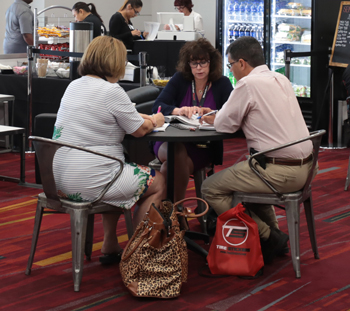
Two SEMA Members Lounges offer a place to rest, grab a bite to eat and drink, charge devices, hold private meetings, learn more about member benefits and more. The South Lounge is located in the east end of the Lower South Hall lobby (Booth #46000) and the North Lounge is located in room N251. No matter where you are during the Show, a Members Lounge will be close by.
Both Members Lounges will feature the following benefits:
A place to relax and network with fellow SEMA members.
Charging stations.
“Grab N’ Go” food items available for purchase during Show hours.
The North Lounge offers additional perks, including:
Hot lunches available for purchase Tuesday–Friday, 11:30 a.m.–2:00 p.m.
Computer and printer access.
If you need a place to meet during the SEMA Show, the SEMA Members Lounges North and South have dedicated meeting spaces available at no charge to member exhibitors and buyers.* The meeting rooms can accommodate small groups (10 or fewer).
Reserve your meeting room prior to the Show, or to check room availability during the Show, visit the meeting room check-in counter located inside the Members Lounge.
*Non-exhibiting manufacturers and members otherwise eligible to exhibit are not permitted to use the meeting rooms.
Questions about the Members Lounge North or South? Contact Elizabeth Munoz at 909-978-6725.
The SEMA Members Lounges offer a place to rest, grab a bite to eat and drink, charge devices, hold private meetings and learn more about member benefits.
Two SEMA Members Lounges offer a place to rest, grab a bite to eat and drink, charge devices, hold private meetings, learn more about member benefits and more. The South Lounge is located in the east end of the Lower South Hall lobby (Booth #46000) and the North Lounge is located in room N251. No matter where you are during the Show, a Members Lounge will be close by.
Both Members Lounges will feature the following benefits:
A place to relax and network with fellow SEMA members.
Charging stations.
“Grab N’ Go” food items available for purchase during Show hours.
The North Lounge offers additional perks, including:
Hot lunches available for purchase Tuesday–Friday, 11:30 a.m.–2:00 p.m.
Computer and printer access.
If you need a place to meet during the SEMA Show, the SEMA Members Lounges North and South have dedicated meeting spaces available at no charge to member exhibitors and buyers.* The meeting rooms can accommodate small groups (10 or fewer).
Reserve your meeting room prior to the Show, or to check room availability during the Show, visit the meeting room check-in counter located inside the Members Lounge.
*Non-exhibiting manufacturers and members otherwise eligible to exhibit are not permitted to use the meeting rooms.
Questions about the Members Lounge North or South? Contact Elizabeth Munoz at 909-978-6725.
The SEMA Members Lounges offer a place to rest, grab a bite to eat and drink, charge devices, hold private meetings and learn more about member benefits.
Two SEMA Members Lounges offer a place to rest, grab a bite to eat and drink, charge devices, hold private meetings, learn more about member benefits and more. The South Lounge is located in the east end of the Lower South Hall lobby (Booth #46000) and the North Lounge is located in room N251. No matter where you are during the Show, a Members Lounge will be close by.
Both Members Lounges will feature the following benefits:
A place to relax and network with fellow SEMA members.
Charging stations.
“Grab N’ Go” food items available for purchase during Show hours.
The North Lounge offers additional perks, including:
Hot lunches available for purchase Tuesday–Friday, 11:30 a.m.–2:00 p.m.
Computer and printer access.
If you need a place to meet during the SEMA Show, the SEMA Members Lounges North and South have dedicated meeting spaces available at no charge to member exhibitors and buyers.* The meeting rooms can accommodate small groups (10 or fewer).
Reserve your meeting room prior to the Show, or to check room availability during the Show, visit the meeting room check-in counter located inside the Members Lounge.
*Non-exhibiting manufacturers and members otherwise eligible to exhibit are not permitted to use the meeting rooms.
Questions about the Members Lounge North or South? Contact Elizabeth Munoz at 909-978-6725.
With the 2019 SEMA Show just five days away, Show management’s exhibitor update provides companies with the latest news and key deadlines, including early-bird and advance rates available for several booth services, as well as checklists to keep you on track and on budget.
The video below features Tom Gattuso, SEMA vice president of events, offering suggestions on how to prepare and what to pack for a week at the SEMA Show.
The deadlines checklist provides a breakdown of all of the deadlines for booth orders, rentals, booth vehicle applications, celebrity appearance notifications and much more.
The budget checklist form allows you to keep track of all your costs and ensures that you are adequately prepared for your experience at the SEMA Show.
The SEMA Show New Products Showcase puts the spotlight on new and signature products from exhibitors representing the segments of the specialty-equipment industry.
The New Products Showcase features a Promo Package, which is offered to exhibitors through the new products entry form as an optional upgrade. This is a great opportunity for exhibitors to add value and additional exposure to their presence in the New Products Showcase—the SEMA Show’s No. 1 buyer and media destination.
The cost is $499 per product and includes the following:
Company logo carpet ad (2x2 ft.) in the New Products Showcase.
A meter panel listing at the New Products Showcase entrance.
Enhanced product listing in the January 2020 issue of SEMA News.
The New Products Showcase area serves as an extra avenue for exhibitors to reach new customers, and remains enormously popular with buyers and media seeking the latest product advancements and innovations. All of the products in the Showcase are photographed, featured in SEMA News and hosted on the SEMA website, www.SEMAphotos.com. The images are also promoted to the media and used for the product information available to buyers at the Show.
The first entry in the New Products Showcase is free. All additional entries are $150. Entries submitted on-site will be accepted on a space-available basis.
Executive Vice President of Vintage Air Rick Love explains why the company always has a display in the SEMA Show's New Products Showcase.
The SEMA Show App includes links to the Show’s essential info—a list of Show hours, details on ground transportation, maps of the Show grounds and halls, a list of special events with times and locations and feeds from the official SEMA Show social-media accounts. To quickly navigate the Las Vegas Convention Center, the app will take you where you want to go from anywhere on the Show floor. Simply enter your current location by booth number, exhibitor name or room number, then enter your destination and the app will supply you with the best route. Download the app at www.SEMAShow.com/app.
Scan the QR code in the picture to download the SEMA Show app today.
Exhibitor Appreciation Reception–Featuring SEMA Show Vehicle Reveal.
Exhibitors can meet with colleagues and other exhibitors and enjoy food and beverages, compliments of SEMA, during the Exhibitor Appreciation Reception, beginning 4:00 p.m., Monday, November 4. During the reception, the SEMA Show Vehicle Reveal, one of the Show’s newest attractions, will take place. The Vehicle Reveal will feature several Show builders introducing their vehicles and sharing stories of how the projects were brought to life. SEMA Awards will be presented.
Exhibitors who have not yet secured hotels for the 2019 SEMA Show can take advantage of the guaranteed low rates offered at www.SEMAShow.com/travel. SEMA Show management works with one official hotel provider, OnPeak, to ensure that all Showgoers receive guaranteed low rates and an extra level of service.
There are still several properties available that accommodate the style and budget of all business types making the trip to Vegas for the Show. Visit www.SEMAShow.com/travel to book rooms now—space is limited and available on a first come, first-served basis.
SEMA Show management encourages exhibitors, attendees and media to be vigilant if approached by any company or service other than OnPeak that claims to be a housing provider for the SEMA Show or AAPEX. Leading up to the Show, Showgoers might be contacted by other travel agencies or housing companies to book guest rooms. SEMA has no affiliation with these organizations and cannot vouch for their services in any way.
For booking assistance, contact OnPeak at 866-611-8831, Monday–Friday, 8:00 a.m.–5:00 p.m. Companies with existing reservations need to have their OnPeak attendance/group ID number handy.
The Freeman Exhibit Transportation Caravan saves companies money by consolidating shipments with other exhibitors.
SEMA Show to PRI Freight-Transportation Special
Exhibitors who are participating in the 2019 SEMA Show and the 2019 Performance Racing Industry (PRI) Trade Show can take advantage of a special shipping offer through the Freeman Exhibit Transportation Caravan, which saves companies money by consolidating shipments with other exhibitors. The caravan will carry freight from the Las Vegas Convention Center to the Fern Expositions Advance Warehouse in Indianapolis.
For added convenience, exhibitors can call 800-995-3579 to schedule in advance, or make arrangements at the SEMA Show through the Freeman transportation team, who are also available to assist with any shipping needs.
Open to all SEMA Showgoers on Tuesday, November 5, 7:30 a.m., the SEMA Show New Products Breakfast is where winners of the Best New Products awards are announced. Buyers can get a jump on what’s hot in the marketplace and winning exhibitors can promote the honor. Tickets are free, but space is limited and must be reserved in advance.
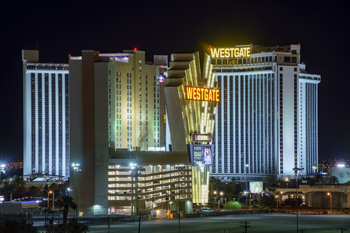
The iconic Blue Man Group will join attendees at this year's SEMA Industry Awards Banquet, the industry’s premier celebration taking place Thursday, November 7, at the Westgate Las Vegas Resort and Casino.
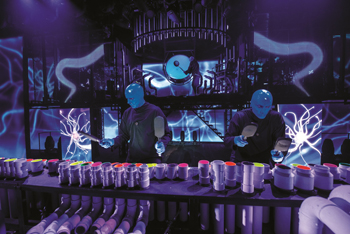
Held annually on Thursday evening of the SEMA Show, this year’s SEMA Show Industry Awards Banquet will feature The Blue Man Group. The banquet is where the industry’s most prestigious awards are presented. With 3,000 industry professionals and celebrities in attendance, winners are announced for the SEMA Person of the Year, Manufacturer of the Year, WD of the Year, Rep Agency of the Year and Gen-III Innovator of the Year. The 2019 Hall of Fame inductees are also honored.
With the 2019 SEMA Show just five days away, Show management’s exhibitor update provides companies with the latest news and key deadlines, including early-bird and advance rates available for several booth services, as well as checklists to keep you on track and on budget.
The video below features Tom Gattuso, SEMA vice president of events, offering suggestions on how to prepare and what to pack for a week at the SEMA Show.
The deadlines checklist provides a breakdown of all of the deadlines for booth orders, rentals, booth vehicle applications, celebrity appearance notifications and much more.
The budget checklist form allows you to keep track of all your costs and ensures that you are adequately prepared for your experience at the SEMA Show.
The SEMA Show New Products Showcase puts the spotlight on new and signature products from exhibitors representing the segments of the specialty-equipment industry.
The New Products Showcase features a Promo Package, which is offered to exhibitors through the new products entry form as an optional upgrade. This is a great opportunity for exhibitors to add value and additional exposure to their presence in the New Products Showcase—the SEMA Show’s No. 1 buyer and media destination.
The cost is $499 per product and includes the following:
Company logo carpet ad (2x2 ft.) in the New Products Showcase.
A meter panel listing at the New Products Showcase entrance.
Enhanced product listing in the January 2020 issue of SEMA News.
The New Products Showcase area serves as an extra avenue for exhibitors to reach new customers, and remains enormously popular with buyers and media seeking the latest product advancements and innovations. All of the products in the Showcase are photographed, featured in SEMA News and hosted on the SEMA website, www.SEMAphotos.com. The images are also promoted to the media and used for the product information available to buyers at the Show.
The first entry in the New Products Showcase is free. All additional entries are $150. Entries submitted on-site will be accepted on a space-available basis.
Executive Vice President of Vintage Air Rick Love explains why the company always has a display in the SEMA Show's New Products Showcase.
The SEMA Show App includes links to the Show’s essential info—a list of Show hours, details on ground transportation, maps of the Show grounds and halls, a list of special events with times and locations and feeds from the official SEMA Show social-media accounts. To quickly navigate the Las Vegas Convention Center, the app will take you where you want to go from anywhere on the Show floor. Simply enter your current location by booth number, exhibitor name or room number, then enter your destination and the app will supply you with the best route. Download the app at www.SEMAShow.com/app.
Scan the QR code in the picture to download the SEMA Show app today.
Exhibitor Appreciation Reception–Featuring SEMA Show Vehicle Reveal.
Exhibitors can meet with colleagues and other exhibitors and enjoy food and beverages, compliments of SEMA, during the Exhibitor Appreciation Reception, beginning 4:00 p.m., Monday, November 4. During the reception, the SEMA Show Vehicle Reveal, one of the Show’s newest attractions, will take place. The Vehicle Reveal will feature several Show builders introducing their vehicles and sharing stories of how the projects were brought to life. SEMA Awards will be presented.
Exhibitors who have not yet secured hotels for the 2019 SEMA Show can take advantage of the guaranteed low rates offered at www.SEMAShow.com/travel. SEMA Show management works with one official hotel provider, OnPeak, to ensure that all Showgoers receive guaranteed low rates and an extra level of service.
There are still several properties available that accommodate the style and budget of all business types making the trip to Vegas for the Show. Visit www.SEMAShow.com/travel to book rooms now—space is limited and available on a first come, first-served basis.
SEMA Show management encourages exhibitors, attendees and media to be vigilant if approached by any company or service other than OnPeak that claims to be a housing provider for the SEMA Show or AAPEX. Leading up to the Show, Showgoers might be contacted by other travel agencies or housing companies to book guest rooms. SEMA has no affiliation with these organizations and cannot vouch for their services in any way.
For booking assistance, contact OnPeak at 866-611-8831, Monday–Friday, 8:00 a.m.–5:00 p.m. Companies with existing reservations need to have their OnPeak attendance/group ID number handy.
The Freeman Exhibit Transportation Caravan saves companies money by consolidating shipments with other exhibitors.
SEMA Show to PRI Freight-Transportation Special
Exhibitors who are participating in the 2019 SEMA Show and the 2019 Performance Racing Industry (PRI) Trade Show can take advantage of a special shipping offer through the Freeman Exhibit Transportation Caravan, which saves companies money by consolidating shipments with other exhibitors. The caravan will carry freight from the Las Vegas Convention Center to the Fern Expositions Advance Warehouse in Indianapolis.
For added convenience, exhibitors can call 800-995-3579 to schedule in advance, or make arrangements at the SEMA Show through the Freeman transportation team, who are also available to assist with any shipping needs.
Open to all SEMA Showgoers on Tuesday, November 5, 7:30 a.m., the SEMA Show New Products Breakfast is where winners of the Best New Products awards are announced. Buyers can get a jump on what’s hot in the marketplace and winning exhibitors can promote the honor. Tickets are free, but space is limited and must be reserved in advance.
The iconic Blue Man Group will join attendees at this year's SEMA Industry Awards Banquet, the industry’s premier celebration taking place Thursday, November 7, at the Westgate Las Vegas Resort and Casino.
Held annually on Thursday evening of the SEMA Show, this year’s SEMA Show Industry Awards Banquet will feature The Blue Man Group. The banquet is where the industry’s most prestigious awards are presented. With 3,000 industry professionals and celebrities in attendance, winners are announced for the SEMA Person of the Year, Manufacturer of the Year, WD of the Year, Rep Agency of the Year and Gen-III Innovator of the Year. The 2019 Hall of Fame inductees are also honored.
Showgoers are guaranteed low rates with no hidden fees when booking through the official SEMA Show housing partner, OnPeak. The Travel & Lodging page on www.SEMAShow.com features a real-time listing of the hotel deals and discounts available for the 2019 SEMA Show, November 5–8, in Las Vegas. The page also offers information, such as price, location and shuttle availability, to help Showgoers determine the hotel that best accommodates their needs.
Showgoers are guaranteed low rates with no hidden fees when booking through the official SEMA Show housing partner, OnPeak. The Travel & Lodging page on www.SEMAShow.com features a real-time listing of the hotel deals and discounts available for the 2019 SEMA Show, November 5–8, in Las Vegas. The page also offers information, such as price, location and shuttle availability, to help Showgoers determine the hotel that best accommodates their needs.
The SEMA Data Co-op (SDC) is offering free data-management consultations at the 2019 SEMA Show in booth #20679.
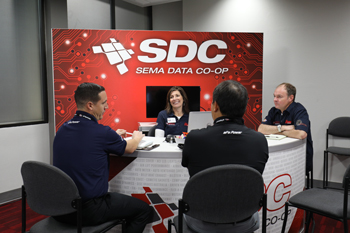
The SEMA Data Co-op (SDC) team will be out in full force during SEMA Show week, offering free data-management consultations in booth #20679, upstairs in Central hall.
“We are very excited about this year’s SEMA Show,” said Gigi Ho, SDC director of operations. “With new programs and system functionality to reveal, we are looking forward to talking to our manufacturer and reseller members, as well as those looking to learn more about how SDC can help their businesses.
“We are also spotlighting manufacturers who have achieved Platinum data status throughout the Show floor. Platinum status means that buyers can expect the best and most complete data for their websites, point-of-sale systems, or wherever else they need content-rich data. Make sure to stop by these manufacturers’ booths and tell them you’d like to receive their product data through the SDC.”
To learn more about how to receive data or become an SDC member, stop by the SDC booth in SEMA Central for a free demo or to sign up and start using the industry’s most complete product data.
“The SDC is the only industry-owned and -operated database with more than 450 brands and all the tools and expert assistance to get your data in order,” Ho said. “Resellers love our program, which provides unlimited exports at no charge to our members.”
The SEMA Data Co-op (SDC) is offering free data-management consultations at the 2019 SEMA Show in booth #20679.
The SEMA Data Co-op (SDC) team will be out in full force during SEMA Show week, offering free data-management consultations in booth #20679, upstairs in Central hall.
“We are very excited about this year’s SEMA Show,” said Gigi Ho, SDC director of operations. “With new programs and system functionality to reveal, we are looking forward to talking to our manufacturer and reseller members, as well as those looking to learn more about how SDC can help their businesses.
“We are also spotlighting manufacturers who have achieved Platinum data status throughout the Show floor. Platinum status means that buyers can expect the best and most complete data for their websites, point-of-sale systems, or wherever else they need content-rich data. Make sure to stop by these manufacturers’ booths and tell them you’d like to receive their product data through the SDC.”
To learn more about how to receive data or become an SDC member, stop by the SDC booth in SEMA Central for a free demo or to sign up and start using the industry’s most complete product data.
“The SDC is the only industry-owned and -operated database with more than 450 brands and all the tools and expert assistance to get your data in order,” Ho said. “Resellers love our program, which provides unlimited exports at no charge to our members.”
The SEMA Data Co-op (SDC) is offering free data-management consultations at the 2019 SEMA Show in booth #20679.
The SEMA Data Co-op (SDC) team will be out in full force during SEMA Show week, offering free data-management consultations in booth #20679, upstairs in Central hall.
“We are very excited about this year’s SEMA Show,” said Gigi Ho, SDC director of operations. “With new programs and system functionality to reveal, we are looking forward to talking to our manufacturer and reseller members, as well as those looking to learn more about how SDC can help their businesses.
“We are also spotlighting manufacturers who have achieved Platinum data status throughout the Show floor. Platinum status means that buyers can expect the best and most complete data for their websites, point-of-sale systems, or wherever else they need content-rich data. Make sure to stop by these manufacturers’ booths and tell them you’d like to receive their product data through the SDC.”
To learn more about how to receive data or become an SDC member, stop by the SDC booth in SEMA Central for a free demo or to sign up and start using the industry’s most complete product data.
“The SDC is the only industry-owned and -operated database with more than 450 brands and all the tools and expert assistance to get your data in order,” Ho said. “Resellers love our program, which provides unlimited exports at no charge to our members.”