By SEMA Editors
SEMA members: Let the industry know about your company's status and responses to the Coronavirus by sending press releases and information to Carr Winn.
New This Week
Anderson Composites Employees Working Remotely
Anderson Composites employees are working remotely. The company is still taking orders, shipping and its customer service team members are answering phone calls. For more information, visit www.andersoncomposites.com.
2020 CAN Connect Conference Cancelled
The CAN Board of Directors has made the difficult decision to cancel the upcoming 2020 CAN Connect conference scheduled for September 13–16. With the continued COVID-19 advice regarding social distancing, unpredictable future outbreaks, ongoing company travel restrictions and the financial impact on its members’ businesses, CAN feels this is the best decision for its members and the association. The 2021 CAN Connect event is scheduled for September 12–15, in Frisco, Texas. For all currently registered 2020 attendees, the 2020 fees will be honored for the 2021 CAN Connect event. Unless otherwise requested, CAN will automatically transfer all current registrations and apply all prepaid registration fees, including CAN Expo fees, to your company’s 2021 registration. For those requiring a refund, contact Tracie Nunez at 760-346-5647 or tracie@customautomotivenetwork.com. Any fees prepaid will remain fully refundable up until August 2, 2021, in the event your company is unable to attend the 2021 event. For more information, visit www.customautomotivenetwork.com.
Kargo Master Resumes Operations
In an effort to limit the impact of COVID-19, California has imposed a “shelter-in-place” order for the entire state. As an essential business, Kargo Master locations are resuming operation with precautionary processes activated to support customers while ensuring a safe workplace. These measures include the mobilization of remote workstations for all applicable roles, and balancing of shift operations to reduce the volume of individuals on duty simultaneously, allowing for increased social distance. For more information, visit www.kargomaster.com.
Mountune Begins to Re-open Workshop Services
Mountune has confirmed it is beginning to implement steps to re-open certain aspects of its workshop services. As of May 11, Mountune will re-instate a limited level of workshop support, beginning with any work already scheduled, before all servicing work for vehicles previously supported by Mountune, which is subject to confirmation from a member of the workshop team. In accordance with the latest government guidance, Mountune has implemented a series of changes to the workshop and its procedures, ensuring that work is carried out in a safe manner for both staff and customers. The measures are built around three key areas. The key process changes impact all areas of the workshop, with a two-meter distance being maintained at all times, both in the workshop and during customer drop-offs and collections. The measures will ensure Mountune staff stay as safe as possible at all times with PPE being provided wherever necessary. There will also be an enhanced cleaning routine between customer appointments. For more information, visit www.mountunestore.com.
PPE Diesel Providing Parts and Service to First Responders
PPE Diesel is providing automotive parts and service to first responders, healthcare professionals, automotive repair shops and people who rely on their vehicles to get to the pharmacy or grocery store. The company is closely following the guidance of the Centers for Disease Control and Prevention and the World Health Organization. PPE headquarters in Montclair, California, is no longer open to the public at this time. A small onsite staff is supporting shipping and receiving, as well as technical support and ordering. Associates are practicing responsible social distancing and hygiene. PPE continues to do service work by appointment only. The website remains active for orders and includes free shipping to the continental U.S. on orders more than $20.
May 7, 2020
Billet Specialties Now Open for Business
Billet Specialties has welcomed back its staff and is now open for business. Office hours are Monday–Friday, 8:00 a.m.–4:30 p.m. (CDT). For more information, visit www.billetspecialties.com.
Classic Performance Parts Functioning With Skeleton Crew
Due to the universal uncertainty surrounding COVID-19, Classic Performance Parts (CPP) is following the updated California Governor’s “Safer-at-Home” order to shut down operations until further notice. The showroom, including will calls, is currently closed to the public. The company is currently functioning with a skeleton crew at this time. Orders are only being taken via the company's website.
Gear Vendors Overdrive Deemed Essential Business
Gear Vendors Overdrive has been deemed an essential business. In the company’s 40-year history, it has supplied both OE and aftermarket overdrives for the transportation and personal car/truck market. The company is shipping and manufacturing on weekdays with just a couple of social distancing changes. For more information, visit www.gearvendors.com.
HMS Motorsport Showrooms Still Closed
In compliance with CDC recommendations, both HMS Motorsport showrooms are still closed. The Mooresville, North Carolina, location will maintain full operation for phone, online, curbside pickup and professional orders. For more information, visit www.hmsmotorsport.com.
Original Parts Group Limits On-Site Operations to Essential Staff
The majority of Original Parts Group (OPGI) sales and customer service team have been working remotely since the middle of March, in accordance with California’s statewide stay-at-home order. The company has temporarily limited on-site business operations to essential staff in its fulfillment center offices and warehouse to ensure delivery of customer orders with minimal interruption. These essential employees adhere to recommended hygiene and social distancing practices, and janitorial services have been increased to preserve a clean, healthy work environment. The showroom and all OPGI events and car shows have been cancelled or postponed. The website is open 24/7 to accept online orders.
PRW Industries Limits On-Site Operations to Essential Staff
In accordance with California’s statewide stay-at-home order, some employees in PRW Industries’ Los Angeles area headquarters are working from home. The company has temporarily limited on-site business operations to essential staff in the office and warehouse to ensure fulfilment and delivery of customer orders with minimal interruption. These essential employees adhere to recommended hygiene and social distancing practices, and janitorial services have been enhanced to preserve a clean, healthy work environment. PRW will continue to provide customer service and technical support via telephone on a limited basis. For more information, visit www.prw-usa.com.
April 30, 2020
Hellwig Deemed Essential Business
Hellwig Suspension Products has been deemed essential and is open for business. Our facility in Visalia, California is fully operational and is manufacturing and shipping product. All employees are adhering to CDC guidelines. For more information, visit www.hellwigproducts.com.
Rock Jock 4x4 by John Currie Completing and Shipping Orders
Rock Jock 4x4 by John Currie remains open and is taking orders and shipping parts as efficiently as possible with an abbreviated staff. For more information, visit www.rockjock4x4.com.
Vintage Air Completing and Shipping Orders
Vintage Air sales, tech and customer service staff are working remotely and available by phone and email during standard business hours: Monday–Thursday, 7:45 a.m.–4:45 p.m. (CDT); Friday, 7:45 a.m.–3:45 p.m. (CDT). Its facility is currently receiving materials and components, and orders are being completed and shipped daily. The showroom is closed. For more information, visit www.vintageair.com.
Yokohama Reopening Mississippi Commercial Truck Tire Plant
Yokohama Corporation of North America (YCNA) has announced that its plant in West Point, Mississippi, has reopened. Yokohama Tire Manufacturing Mississippi (YTMM), which produces commercial truck tires, went back online April 27. The plant temporarily closed as a precautionary measure in light of the COVID-19 pandemic. To ensure the health and welfare of all personnel upon their return, YTMM has implemented several new safety procedures at the plant based on the latest guidelines from the Centers for Disease Control and Prevention (CDC), as well as from local authorities. Several preventative measures are also in effect at all Yokohama facilities. For more information, visit www.yokohamatire.com.
April 23, 2020
Bullet Proof Diesel Closed to the Public, Continues to Produce and Ship Product
Bullet Proof Diesel has temporarily closed its facility to the general public. Operations are currently unaffected, and the company will continue to produce and ship product within 24 hours. For more information, visit www.bulletproofdiesel.com.
Centerforce Clutches Open and Operating
Centerforce Clutches is currently fully operational and still manufacturing products and shipping orders. According to the company, it is monitoring the situation around the virus closely and adhering to local, state and federal guidelines, and extra precautions have been taken to ensure customer and employee safety. Centerforce has been determined an essential business and will continue to meet demand. There may be some delays due to the safety precautions currently in place. For more information, visit www.centerforce.com.
Eagle Enterprises Shifts to Four-Day Work Week
Due to the COVID-19 pandemic, Eagle Enterprises will shift to a four-day work week. New hours are Monday–Thursday, from 8:00 a.m.–4:00 p.m. For more information, visit www.eagleict.com.
EXEDY in Full Operation
EXEDY is in full operation and following Michigan guidelines. The company is still processing and fulfilling daily shipments. Orders can be placed during normal daily hours of 8:30 a.m.–5:00 p.m. (EDT). For more information, contact AMSales@exedyusa.com or 800-346-6091.
JE Pistons Open for Business
JE Pistons has announced that it is still open and available to support its customers. For more information, visit www.jepistons.com.
Legendary Companies Not Accepting Walk-Ins
Legendary Companies and its subsidiary Coker Tire is fully staffed, but no longer accepting walk-in customers. Will-call pickup is available. For more information, visit www.legendarycompanies.com.
MAHLE Motorsport North America Continues to Operate
MAHLE Motorsport North America continues to operate, although many of its employees are working from home or taking the highest precautions to allow parts to be available for its suppliers. Tech support and the sales department are up and running to discuss any needs you may have. For more information, visit www.us.mahle.com/en/motorsports.
Rod End Supply Still Operating
Rod End Supply will be open during the stay at home order that has been issued for the Kansas City metro area. The company falls under the warehouse/distributing/manufacturer of essential products for essential business, as it is a supplier of parts to farm equipment manufacturers. The company is not accepting walk-in counter sales. Only call ahead, email or text orders will be permitted. The front door and back door will remain locked during business hours with a phone number posted for those who need to phone in. Call-ahead/email orders will be placed at the back dock door for pick up. Only those who have an open charge accounts or pay with a credit card will be allowed to pick up products or have products delivered. No cash allowed. For more information, visit www.rodendsupply.com.
Summit Racing Equipment Open for Business
As an essential business, Summit Racing Equipment is open and providing its customers with parts, tools and accessories for their project vehicles and daily drivers. The company is taking measures to keep employees, customers and community safe, and to minimize any disruption in service. The majority of its workforce is working from home or with flexible schedules to reduce the number of people in its facilities. Anyone who enters our facility is screened for health and must wear a mask at all times. Work stations are appropriately distanced, with cleaning and sanitizing efforts appropriately increased. All four Summit Racing Distribution Centers in Ohio, Georgia, Nevada and Texas are open, but offer curbside-only pickup. Customers must place orders online or by phone, and parts will be delivered directly to their vehicles outside the store. According to the company, it is shipping orders as quickly as possible, but there may be some delivery delays due to the pandemic. For more information, visit www.summitracing.com.
April 16, 2020
4 Wheel Parts Rising to Challenges of COVID-19
4 Wheel Parts (4WP) has announced a number of proactive measures taken in response to the COVD-19 situation. To ensure customer safety, 4WP stores have taken safety precautions against COVID-19 according to CDC guidelines, including increased cleaning, social distancing and offering hand sanitizers. As an additional measure to ensure social distancing, 4WP has begun offering free curbside pick-up or free shipping on all orders over $75. Most 4WP retail stores remain open are operating with reduced hours: 10:00 a.m.–5:00 p.m., Tuesday through Friday, and varying hours on Saturdays. Most stores are temporarily closed on Sundays and Mondays. 4WP Distribution Centers in California, Pennsylvania, Colorado, Texas, Florida and Idaho remain open. For more information, visit 4WP’s website.
In appreciation for first responders and essential workers during the COVID-19 crisis, 4WP is offering free inspections, alignment and tire rotations throughout the month of April. For a free service, the aforementioned customers can call or email their local store for an appointment.
4WP’s Truck & Jeep Fest events have been put on hold through the end of May. To help all the homebound DIYers and enthusiasts with their rigs, the next event will go online for the first ever 4WP Virtual Truck & Jeep Fest, Monday, April 20.
AEM Performance Electronics Still Operating
AEM Electronics announced that it has taken all the recommended precautions to protect its employees. There are still some essential staff at its headquarters, assembling, packing and shipping parts. For more information, visit www.aemelectronics.com.
Crower Cams & Equipment Co. Still Shipping and Manufacturing
Crower continues to ship products and manufacture with a reduced staff. The company has implemented remote work where possible, temporarily suspended visitors to the facility, established social distancing, and have taken additional sanitizing measures. The company continues to manufacture products and is taking new orders, although some materials and products may have increased lead times. Visit www.crower.com for more information.
Drake Automotive Group Deemed Essential Business
Drake Automotive Group has been deemed an essential business and its facilities in Henderson, Nevada; Riverside, California; and Mesa, Arizona, remain open. For more information, visit www.drakeautomotivegroup.com.
G-FORCE Racing Gear Remains Open
G-FORCE Racing Gear remains open with all teams currently working remotely and adhering to local, state and federal shelter-in-place guidelines. The company’s new warehouse and office facilities are on schedule for reopening and will ship products out with all proper safety precautions in place shortly after mid-month. For more information, visit www.gforce.com.
Giant Loop LLC Still Shipping and Receiving Product
Giant Loop LLC is able to continue shipping and receiving in its Oregon warehouse, while the rest of the company is working from home. According to a statement from the company, Giant Loop will share supplier contacts with other companies, nonprofits or groups if they are interested in producing personal protective equipment and need help sourcing materials. For more information, visit www.giantloopmoto.com.
Go Rhino Operates During Normal Business Hours
Go Rhino has implemented protocols to limit group exposure by developing systems whereby office employees who are able can work from home. All offices and facilities have been treated with special cleaning agents to ensure a safe working environment for those who work in the plant and warehouses. All precautions have been taken in accordance with Health Department directives to avoid the spread of the virus. Travel has been postponed; however, the company continues to support customers and partners via phone, virtual meeting platforms and electronic communications to function as normally as possible. The company has also created a business continuity plan to ensure its supply chain continues without disruptions. Hours of operation and shipping schedule remains the same. For more information, visit www.gorhino.com.
Painless Performance Continues to Produce
To maintain employee safety, all Painless Performance employees able to work from home are doing so. Production staff has been split into smaller groups, allowing the company to keep producing high-quality products, but at a slower rate. During this time, customers may experience some slight delays reaching the company due to a limited staff and high call volume. For more information, visit www.painlessperformance.com.
Racing Power Co. Continues to Operate
Racing Power Co. is subject to a shelter-in-place order in California but will continue to operate with minimum warehouse staff on site. USRPC.com will still accept online retail orders, but fulfillment may take up to 24 hours.
RANDYS Worldwide Open for Business
RANDYS Worldwide is open for business during regular hours. RANDYS continues to ship its Yukon, USA Standard and Zumbrota manufactured brands from all seven warehouses with a full sales, warehouse and tech support staff nationwide. RANDYS is following CDC guidelines to keep employees safe. The company has distributed gloves, masks and cleaning supplies, and the executive team is meeting daily and communicating cautionary measures to its staff. All employees are working from the company’s executive offices and distribution centers, supply chains are up and running and inventory levels are secure. RANDYS continues to ship overnight to its dealer network throughout the country with no service interruptions. For more information, visit www.randysworldwide.com.
Sport Truck USA Resumes Shipping
Sport Truck USA is open for business and shipping has resumed. For the safety of its employees and compliance with orders from the state of Michigan, the company has limited staffing. The backlogged orders have begun to be processed first in the order received up through the new orders being placed. Business hours have been updated to Monday–Friday, from 9 a.m.–5:00 p.m. (EDT). Several temporary staffing changes have been made. If your sales representative is currently not available, another has already been assigned to you temporarily and will be monitoring all emails hourly. For more information, visit www.sporttruckusainc.com.
Visteon Protecting Global Employees
Visteon continues to implement policies and procedures that ensure the protection of its global employees, while identifying a solid strategy for successful business continuity. As well as the donation from the China team, the company is also exploring additional actions to support the needs of the local communities in regions with a Visteon presence. For more information, visit www.visteon.com.
Voxx Wheel Operating as Normal
Voxx Wheel is open and operating as normal during the current COVID-19 pandemic. Open Monday–Friday to support its dealers, distributors and private-label partners, the company is following the advice of the CDC and many staff members are working remotely. Ordering and inventory checks are available via phone, login at www.voxxwheel.com or via pre-existing links for customers that have credentials.
April 9, 2020
Advanced Clutch Technology Open for Business
Advanced Clutch Technology (ACT) is open Monday–Friday, from 7:45 a.m.–4:30 p.m. (PDT). The company has reduced its staff to minimize exposure to COVID-19. There may be delays in shipping. If you need customer service or tech support, staff is working remotely and can be reached at the company’s temporary call center at 661-886-9033 during normal business hours or via Live Chat or email at sales@advancedclutch.com. For more information, visit www.advancedclutch.com.
Air Flow Research Resumes Operations
Air Flow Research has resumed operations and is fulfilling orders and shipping products to customers. All staff members have received training according to the CDC and OSHA guidelines to protect themselves, their families and the community. For more information, visit www.airflowresearch.com.
Classic Industries Resumes Shipping Orders
Classic Industries has resumed shipping orders as of April 6. In response to COVID-19, the company has made important modifications to its fulfillment facilities to accommodate CDC guidelines for social distancing, ensuring a safe working environment for warehouse professionals. The company has also distributed nitrile gloves, masks and hand sanitizer while implementing a vigorous sanitizing regimen, along with other precautionary measures to ensure staff is well protected. Sales and customer service personnel are now working remotely and are available by phone during regular business hours. Longer than normal wait times are expected. For further assistance, contact info-desk@classicindustries.com. For more information, visit www.classicindustries.com.
Engine Performance Warehouse Remains Open
Engine Performance Warehouse (EPWI) facilities are currently open and the company continues to accept and ship orders as normal. The company has experienced some minimal delays and supply-chain disruptions. EPWI also asks that all order be called in or ordered through its website.
Keystone Automotive Operations Continues to Fulfill Orders
Keystone Automotive Operations has announced that employees are currently following CDC guidelines and instituting more frequent disinfecting of delivery vehicles and facilities. Employees are now working from home where possible, but the company continues to process and fulfill orders. For more information, visit www.keystoneautomotive.com.
Nexen Tire Continues Support to Dealer Network During COVID-19 Situation
Nexen Tire has announced that it is continuing to provide support to its nationwide network of tire dealers during the COVID-19 quarantine and shutdown of non-essential businesses. The support includes full tire distribution capabilities from all Nexen Tire’s distribution facilities, mileage warranty support, roadside assistance and all customer service functions for dealers. Additionally, Nexen has created special dealer incentives through its Next Level Program to help extend its support though the economic slowdown and nationwide quarantine associated with the COVID-19 outbreak. Nexen Tire is also supporting dealers through the continued operation of Nexen Tire’s call centers, which are still available to provide critical services to include sales support, corporate social responsibility, marketing and other important functions. For more information, visit www.nexentireusa.com.
ProCharger Deemed Essential Business
ProCharger, along with its parent company Accessible Technologies, has been deemed an essential business and is fully operational at all its facilities. Sales and tech support are also still available and 80% of all supercharger orders are currently ready to ship within two business days. For more information, visit www.procharger.com.
Rhino Linings Deemed Essential Business
Rhino Linings has been deemed an essential business and its three manufacturing facilities remain operational with some staff working remotely. For more information, visit www.rhinolinings.com.

Dr. Jean Dellamore |
|
Stertil-Koni USA Inc. Fully Open for Business
Dr. Jean Dellamore, president of Stertil-Koni, has emphasized that the company is fully open for business. “Stertil Koni is a global company with outreach to more than 80 countries. We have over 12 subsidiaries worldwide and we have countless distributors. Our supply chain is also global and we are doing everything to minimize the interruptions that this virus has caused,” Dellamore said.
He continued, “Because we are part of an essential industry, which is taking care of public transportation and public works’ needs, we will remain open to take care of our valued customers and the people they serve so well.”
As part of its customer-first approach, Stertil-Koni maintains a 24/7 hotline—800-336-6637—with live customer support in the event of an emergency. For more information, visit www.stertil-koni.com.
Tenneco Remains Open for Business
Many of Tenneco’s facilities on the motorparts side of the business remain open. Transportation-related businesses, including auto-manufacturing and assembly, auto-supply, auto-repair and other related facilities, have been classified essential businesses in many states, and they continue to operate and support customers that remain operational. The company has taken precautions to implement rigorous cleaning and sanitation protocols. In an effort to further protect employees, the company is also performing wellness checks on team members, including taking their temperatures at the beginning of each shift, and implementing changes within the plant to comply with social distancing requirements. Additionally, members of the company’s global teams are working from home. Travel restrictions and other guidelines for self-quarantine are being enforced. For more information, visit www.tenneco.com.
April 2, 2020
Champion Oil Provides Coronavirus Update
All Champion Brands LLC facilities are open, according to the company. Champion will continue to accept and ship orders as normal. As of now, shipping carriers are operating as normal, as restrictions differ from state to state, there are some minimal delays and supply-chain disruptions across the country. The company has adjusted internally, including social distancing, frequent sanitizing of facilities, transitioning some employees to work from home who are not part of the essential day-to-day manufacturing and warehouse functions. On-site visits from non-employees has also been suspended. For more information, visit www.championbrands.com.
Covercraft Experiencing Delays in Order Fulfillment
Covercraft is experiencing delays in order fulfillment following recent shelter-in-place orders in various locations. The company advises that placing an order immediately will ensure more rapid fulfillment once restrictions are lifted. For more information, visit www.covercraft.com.
Impact Racing Inc. Open for Business
Impact Racing Inc., which includes the MasterCraft Safety and MasterCraft Defense brands are open. As outlined by the Department of Defense, as a defense sector manufacturer and now medical PPE manufacturer, Impact Racing Inc. is considered as essential business, and will remain open for business. The company’s manufacturing facility in Indianapolis is open, accepting deliveries and manufacturing as normal. The showroom is closed, but curbside pickup is available. Sales staff is available from 8:00 a.m.–4:30 p.m. to take calls and answer emails. The company is following CDC-recommended guidelines for social distancing, cleaning the environment, work from home options and restricted travel. For more information, visit www.impactraceproducts.com.
Pacific Performance Engineering Still Operational
According to Pacific Performance Engineering, the company is exempt from California’s shelter-in-place mandate and is still operational. The company continues to practice social distancing and is disinfecting its facilities throughout the day. Staff is also working on flexible, alternating hours to reduce the number of employees on site. Several departments have been approved to work remotely and sales representatives are conducting business through phone and email only. For more information, visit www.ppediesel.com.
ProMedia Events & Publishing Closes Office
ProMedia Events & Publishing, the parent company of the Holley NMRA Ford Nationals and NMCA Muscle Car Nationals, has closed its office, but remains operational as staff is working remotely. Personnel will be available via email only. Longer processing times are expected for merchandise orders, memberships, rule requests and other inquiries. For more information, visit www.promediapub.com.
Racecar Engineering Open for Business
Racecar Engineering, based in Lakeland, Florida, is still 100% operational, fully staffed, receiving and shipping parts and operating under all current city, county, state and federal mandated guidelines and best practices (self-distancing, cleaning, etc.) due to the COVID-19 pandemic. The company’s satellite midwest fulfilment center is also still operating and shipping parts to customers daily and is also working closely with all product manufacturers to keep its shelves full. Daily operations are subject to change at any time. For more information, visit www.racecareng.com.
Racequip Open for Business
Racequip has activated a plan that adheres to government guidelines while remaining open and in full operation. Most employees are working from home and the warehouse continues to ship product with safety precautions in place. For more information, visit www.racequip.com.
SpeedDirect Remains Open for Business
SpeedDirect remains open for business with no changes in levels of service or supply. All necessary precautions have been implemented, including remote work, sanitation and social distancing. Business can continue to be conducted by phone, email or via the company’s website. For more information, visit www.speeddirect.com.
SuperSprings Remains Operational
SuperSprings remains operational and open for orders. The company has implemented remote working for sales, customer service and order fulfillment departments, potentially impacting timeliness of order fulfillment. For more information, visit www.supersprings.com.
Transfer Flow to Focus on Making Critical Items
Transfer Flow manufactures several products that are considered essential, including fuel systems and components for wheelchair adaptive vans, DOT legal refueling tank systems, generator tanks and hydraulic tanks. The company’s production facility will focus on manufacturing these critical items during the COVID-19 pandemic. For more information, visit www.transferflow.com.
March 26, 2020
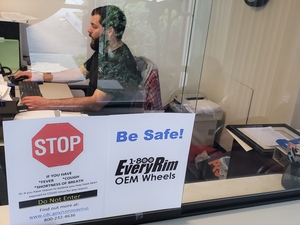 1-800EveryRim OEM Wheels will remain open in order to support essential national transportation needs during the COVID-19 pandemic. 1-800EveryRim OEM Wheels will remain open in order to support essential national transportation needs during the COVID-19 pandemic. |
|
1-800EveryRim OEM Wheels Remains Open Through Coronavirus Crisis
1-800EveryRim OEM Wheels will remain open in order to support essential national transportation needs during the COVID-19 pandemic. The company stated that as per the March 19 CISA memorandum, which refers to “Critical Infrastructure Workforce” and “Employees supporting or enabling transportation functions,” it takes its responsibility seriously.
“Besides being open to provide factory original replacement wheels to our obvious essential need accounts, just two weeks ago, one of our tire dealer customers asked us to allow their customer, a nurse, to will call his own wheel as he was in a hurry to get to work. We were proud to provide the help," said President Billy Eordekian.
In response to the national emergency, the company has implemented precautionary measures to safeguard the well-being of customers, employees, and the community as it aligns with current recommendations from the CDC. For more information, visit www.1800everyrim.com.
Air Flow Research Temporarily Shuts Down
Air Flow Research (AFR) has temporarily shut down due to California Governor Gavin Newsome’s “Stay at Home Order” issued March 19. The shutdown means the company will not be fulfilling any outgoing shipments until the order is lifted. AFR is also formulating a plan to provide some services to customers remotely and will resume answering phones, e-mails and processing orders as soon as possible. For more information, visit www.airflowresearch.com.
Billet Specialties Closed Until April 7
Due to a state-wide shelter-in-place order in Illinois, Billet Specialties has closed until April 7 and will resume operations on April 8. Orders placed after March 20 will not be processed or shipped until the week of April 8. For more information, visit www.billetspecialties.com.
BorgWarner to Suspend Manufacturing Operations
BorgWarner will suspend manufacturing operations in North America and Europe, citing reduction in OEM manufacturing, which accounts for 70% of the company’s revenue. For more information, visit www.borgwarner.com.
Bridgestone Americas Announces Temporary Phased Shutdown of Manufacturing Facilities in North America and Latin America
Bridgestone Americas has announced a temporary phased shutdown of its manufacturing facilities in North America and Latin America. The temporary shutdown will began last weekend with all facilities planning to resume normal operations on or before Sunday, April 12. The company will continue to monitor the situation closely and adjust response plans and activities as necessary. The company has sufficient supply of product to meet customer demand and its distribution centers, plant warehouses and logistics teams will continue to fill orders, but is executing this temporary shutdown to align supply to the predicted demand in the market. For more information, visit www.bridgestoneamericas.com.
Bully Dog Performance Implements Remote Work Policy
Bully Dog Performance, as well as its parent company, Derive Systems, is implementing remote work and virtual collaboration and has cancelled all large gatherings and non-essential business travel. The company is also limiting visitors to all office locations. Advance approval is needed for any office visits. Sales and customer service is available and the company is shipping orders as usual. For more information, visit www.bullydog.com.
Classic Industries Suspends Operations
Due to the current executive order (N-33-20) issued March 19, by California Governor Gavin Newsom, Classic Industries is suspending all operations and implementing the “shelter at home” policy for all employees. Offices, the showroom and warehouse will be temporarily closed, and shipping orders will cease. The Classic Industries website remains available 24/7, and all orders placed after March 20 will be processed and shipped once operations resume. For further assistance, contact info-desk@classicindustries.com.
Collision Industry Foundation Announces Fund Established for COVID-19 Victims
The Collision Industry Foundation (CIF) has announced the formation of a specific fund to assist those within the industry impacted by the Coronavirus, or COVID-19. On behalf of the industry, CIF has committed to initially fund $100,000 in assistance to help individual collision-repair professionals and their immediate families dealing with the effects of the virus.
“Our hearts go out to all those impacted by this worldwide pandemic,” expressed Michael Quinn, CIF board president and senior vice president of business development at AirPro Diagnostics. “The CIF is prepared to step forward with an initial commitment of $100,000 and encourages all stakeholders in the industry to contribute and support collision-repair employees, technicians and their families in the face of this crisis. One-hundred percent of your tax-deductible donations to CIF from now through May will be added to this COVID-19 fund, so we can help as many members of our industry as possible.”
If you need help, know someone that needs help or want to make a tax-deductible donation, visit www.collisionindustryfoundation.org.
Daystar Alters Production Schedule
Daystar has altered its production schedule, in addition to taking several other precautions to protect employees. While the company is still distributing products, it has shifted to a three-day-per-week, 12-hour workday production schedule and is encouraging remote work when possible. It has also provided employees with sanitizer and is following CDC guidelines. The company currently expects no disruption of production or distribution. For more information, visit www.daystar.com.
Factory Five Racing Closed Until April 8
Factory Five Racing will be closed for two weeks, effective March 24. The business plans to reopen on April 8. The closure could result in some shipping delays, according to President Dave Smith. For more information, visit www.factoryfive.com.
Fluidampr Continues to Manufacture and Ship Products
Fluidampr continues to operate and ship products, according to the company. However, it has cancelled all travel, implemented remote work where possible, temporarily suspended any visitors to its facility and instituted social distancing and additional sanitizing measures. The company continues to manufacture product and is taking and fulfilling orders. For more information, visit www.fluidampr.com.
Goodguys Rod and Custom Association Temporarily Closes Corporate Office
Goodguys Rod and Customs Association has temporarily closed its corporate office due to a shelter-in-place order currently being implemented in the San Francisco Bay area. During the shutdown, Goodguys employees will work remotely, causing longer than usual response times to any inquiries. New membership cards, event confirmations and refund requests will also not be processed or sent out until the office reopens. For more information, visit www.good-guys.com.
Harbor Freight Donating Protective Gear to Hospitals
Harbor Freight Tools has announced that it will donate its entire inventory of N95 masks, face shields and 5- and 7-mil nitrile gloves to hospitals with 24-hour emergency rooms due to an ongoing shortage of the equipment. The company has asked that hospital procurement departments contact the retailer via an online portal to determine if the company can make a donation. If you or someone you know does not work at a hospital, but would like to give the name of a hospital with a 24-hour emergency room, email the company at hospitalhelp@harborfreight.com with the hospital’s city and state in the subject line and Harbor Freight will follow up. Hospitals that can be assisted will be provided vouchers when the supplies are available for pickup at their local Harbor Freight store. For more information, visit www.harborfreight.com.
Industry Leaders Come Together to Help Career and Technical Education (CTE) Students Continue Learning During COVID-19 Crisis
The manufacturing industry is already facing a skilled labor shortage, and the onset of the COVID-19 crisis has presented an additional challenge for educational institutions, temporarily closing schools across the nation and interrupting face-to-face learning. To help meet the challenge of building the industry’s future workforce, the newly formed CTE Coalition, led by Lincoln Electric, Tooling U-SME, NC3, camInstructor, Haas Automation and SkillsUSA, mobilized to create the website Keep CTE Moving—a central portal where instructors and students can go to access much-needed resources, including hundreds of online classes, videos and instructional materials in areas such as machining, welding, mechatronics, industry 4.0 and programming. All online materials are produced and supplied by the coalition partners with the majority being available at no charge for the next 30 days. The goal is to help career and technical education faculty and students continue their teaching and learning in a new virtual environment as quickly as possible. Coalition partners are also providing recorded sessions with CTE instructors highlighting best practices in how to effectively utilize eLearning and online resources to educate students and quickly transition to a virtual learning environment.

Ernst Prost |
|
LIQUI MOLY Offers Bonus for Every Employee Instead of Short-Time Work
LIQUI MOLY is not reacting to the coronavirus crisis with short-time work or layoffs, but is instead paying a bonus of EUR 1,000 to each employee. The company now has almost its entire administration working from home. This move is intended to protect employees while keeping production running.
“Today, we have largely been able to ensure in all corporate areas that we are mastering this balancing act between preventive health care and continued work,” LIQUI MOLY Managing Director Ernst Prost wrote to the workforce.
While other companies are having to deal with short-time work or are considering making cuts, the LIQUI MOLY boss is setting a counterpoint. “The current developments are not leaving us unaffected either; the economic consequences will be brutal. That is precisely why we must now do our part to solve this crisis with our brains and wits, with commitment and diligence, and definitely with courage and confidence.”
All employees worldwide will receive the same amount for this bonus, from the department manager in Germany to the warehouse clerk in South Africa. For more information, visit www.liqui-moly.com.
Livernois Motorsports and Engineering Deemed “Essential”
Livernois Motorsports and Engineering has been deemed “essential” and will continue to function, but will operate on a limited schedule with limited staff. Staff will also not give walk-throughs to new or existing customers unless it is a pre-approved appointment. For more information, visit www.livernoismotorsports.com.
McLeod Racing Fully Operational
McLeod Racing remains fully operational and continues to build and ship product, while practicing safe protocols to protect employees. Tech and sales lines continue to operate normally while staff works remotely. For more information, visit www.mcleodracing.com.
Melling Engine Parts to Minimize Operations
Melling Engine Parts announced it will minimize operations for the next three weeks following a stay at home order from Michigan Governor Gretchen Whitmer, but will remain open and shipping product with a reduced staff. Customers may experience a delay in shipments. For more information, visit www.melling.com.
Mittler Bros. Machine & Tool Continues Operations
Mittler Bros. Machine & Tool continues to operate, according to a letter from Paul Mittler, although upcoming metal-shaping and metal-working classes, hosted by the company, for March and April have been postponed. For more information visit www.mittlerbros.com.
Neuspeed Closes Retail Location
Neuspeed, located in California, is still operating, but has closed its retail location. The company will also not accept personal or will-call pick up, except by shipping carriers. Reduced on-site staff has also led the company to extend its shipping time from 24 to 48 hours, but will continue to process and ship orders as long as parcel carries are still in operation. For more information visit www.neuspeed.com.
Pep Boys Deemed Essential Business by Federal Government, Remains Open
As a major employer and provider of essential products and services as deemed by the Federal Government and the applicable local, county and state orders, Pep Boys remains open and committed to providing the critical parts and services in its communities. The company continues to support the vehicles of first responders, medical professionals and delivery drivers who provide food, medicine and other essential items during this difficult time. Because local curfews may be in place, patrons should call their local store before visiting. The company has also launched the following measures:
- A touchless drop-off and pick-up process in its service bays, while also providing gloves, seat and steering wheel covers and floor mats for vehicles.
- Curbside pickup is now available, where permitted, for parts orders placed online.
- All stores and distribution centers have implemented enhanced cleaning and disinfecting practices, while also practicing social distancing.
- Team members have been advised not to come to work if they are feeling ill and have been provided a medical hotline if they are experiencing symptoms.
- Corporate offices are all working hard remotely to continue to support the business.
For more information, visit www.pepboys.com.
Racing Power Co. Operates With Minimum Staffing
Racing Power Co. is subject to a shelter-in-place order in California, but will continue to operate with minimum warehouse staff on site. USRPC.com will still accept online retail orders, but fulfillment may take up to 24 hours.
SuperPro Still Operational
SuperPro is still operating but has taken precautionary measures to facilitate remote work where possible and social distancing for staff still operating at its California, Australia and New Zealand facilities. For more information, visit www.superpro.com.au.
Turn 14 Distribution Centers Remain Operational
According to Turn 14 Distribution, its distribution centers in Pennsylvania, Nevada and Texas remain fully operational, while sales, accounting and support staff work remotely. Employees on the job at the distribution centers are now working on separated shifts, the company said, and professional cleaners have been hired to clean high-traffic and high-contact areas of its facilities between shifts. Will Call service at all three distribution centers has also been suspended until further notice. For more information, visit www.turn14.com.
UMI Performance Closes
Pennsylvania-based UMI Performance has closed, citing the state’s mandatory shutdown. The company is closed until further notice and will fulfill any in-process or new orders once production is allowed to resume. For more information, visit www.umiperformance.com.
VP Racing Fuels Continues to Power Global Motorsports
VP Racing Fuels Inc. continues to supply race fuels, coolants and lubricants to race series and teams, despite the economic challenges caused by COVID-19. According to the company, VP has maintained sufficient inventory and transportation to supply all professional and amateur race customers around the world. Over the past several weeks, VP has signed new agreements with World Racing League and American Flat Track and continues to fuel series and events that are recognized around the world. For more information, visit www.vpracingfuels.com.
SEMA members: Let the industry know about your company's status and responses to the Coronavirus by sending press releases and information to Carr Winn.