EVENTS
Compiled by SEMA News Editors
Battle of the Builders
A Survey of This Year’s Aspirants
Inaugurated in 2014, the SEMA Show’s annual Battle of The Builders (BOTB) event, a nationwide competition series that culminates at the Show each November, has become an essential element of the Show-week experience. Even though this year’s Show will not take place as planned, we wanted share some of the entries we’ve received as a way of providing recognition to the many builders and fabricators who spend thousands of shop-hours each year to transform their automotive dreams into reality. Many of these vehicles are among those you would have seen as an attendee of the 2020 SEMA Show.
As of press time, some of these vehicles were only renderings, while some were completed builds and others still were in various stages of progress. Some of our builders are young and still learning, and others are veteran professionals. Regardless, each vehicle showcases its builder’s unique vision, while offering a glimpse into the depth and breadth of automotive customization and the dedication builders have for their craft. We hope to update this review of builds once again as progress is made, but for now, here’s a peek at what builders are doing in the industry.
Jeff Jones, Monroe Center, Illinois, ’53 Ford Customline
 With a chop of 5 in., a notched chassis and an Air Ride suspension, this Ford stands 50 in. tall. The canted quad ’59 Ford headlights and ’56 Olds 98 taillights have been incorporated with custom fabrication to the hood, quarters and fenders.
Also included in the build are ’56 Lincoln door buttons and a ’58 Packard rear bumper and front bumper highlighted with a custom clear Lexan tube grille. Inside is a ’53 Mercury dash, a ’56 Lincoln steering wheel, and bucket seats sourced from a ’65 T-Bird.
The interior is custom-dyed with square pleats and one-off buttons and knobs. Outside, the Customline is adorned with a coat of Tamco Paint Metallic Monroe’s Dress Pink, and the roof is a classic white with violet ice pearl accenting the custom 36x48-in. glass sunroof.
Aidan Stenkamp, Klamath Falls, Oregon, ’65 GMC C10
 Riding on a fully bagged chassis, this home-garage-built Chevy sports its original bodywork with new floor pans. Under the hood sits a built 350ci small-block with a built TH350 transmission behind it. In back is a fully custom raised bed made of rustic alder, with numerous doors and compartments.
By Show week, the interior was set to be completely refurbished with a new dash, paint, stereo, carpet and seat. The entire truck has been built, in Stenkamp’s words, “with limited knowledge and tools and a whole lot of help and learning.”
Mike Norrbom, Sonoma, California, ’70 Chevrolet Camaro
 This orange Chevy rides on a custom Hotchkis suspension to create a custom stance, Norrbom said. Inside, a one-off interior features six-way-adjustable seats, a Vintage Air A/C system and custom gauges. Outside, several body lines were deleted, and the bodywork was treated to custom paint.
Under the hood is a Holley-injected hand-built engine that utilizes a custom-fabricated serpentine system for the drive belt. Built to race, it has won an NHRA national championship as well as several local car show awards.

Christopher Varner, Manahawk, New Jersey, ’51 Ford F1
The list of modifications and custom touches applied to this classic Ford is long indeed, starting with a swapped-in 6.0L Power Stroke diesel with a Mishimoto intercooler, radiator and fans, as well as an upgraded turbo and a custom intercooler piping kit. An Exit74 Fab custom fuel cell rides in the back, and an SCS 12-in.-drop transfer case and Drivelines Plus driveshafts send power to the wheels.
The Varnbilt/Exit74 Fab custom sheetmetal frame sports a custom-triangulated 16-in.-travel four-link suspension equipped with King 3.0 coil-overs, all of which provide articulation for ’06 F-350 Dana 60 front and ’06 F-350 Sterling rear differentials.
The rolling stock is comprised of 30x16 TIS Forged black and gold forged wheels and 42x16.50R30 tires. PSC full hydro steering with a double-ended ram and a Wilwood big-brake kit help with handling and stopping, respectively.
Cole Hardman, Irwin, Pennsylvania, ’17 Ram 4500
 This 11/4-ton Cummins is built for work as well as for show. The Cummins engine sports performance parts from ARP, EZ-Lynk, Glacier Diesel, FASS and Flo-Pro. A custom 21/2-in. leveling kit and adjustable track bar help to accommodate 37x13.50/22 Toyo Open Country M/Ts mounted on American Force dually wheels.
An aluminum flatbed hosts a custom gooseneck, and all of the ceramic-coated exterior’s badging, lights and grille were replaced with OE blackout trim.
A Road Armor Stealth front bumper mounts Rigid Midnight lights and Monster Hooks Reaper shackles. The running boards are ICI Magnum issue, and the rear flaps are from Duraflaps.
Eric Susa, Buffalo, Minnesota, ’52 GMC 3100
 A three-year project undertaken when Susa was 15, the original truck was, he said, “pulled out of a tree line.” An S-10 frame was sourced as a foundation for the build and then chopped 5 in. to match the ’52’s wheelbase.
To achieve the desired ride height, the frame was then given a Z modification—2.5 in. in the front and 3 in. in the rear—and the fenders were widened 21/4 in. to accommodate a four-link/air suspension.
This build was fully self-funded, even if “that meant working three jobs to have the money to buy needed parts and supplies.”
Kevin Cantu, Edinburg, Texas, ’12 Ford F-150
 Riding on a 14-in. Bulletproof suspension, this Ford rolls on 28x16 RBP forged rims and 40-in. Dakar MT tires.
The exterior sports a ’17 Raptor widebody front-end swap, custom paint and a leather interior, and double spoiler sunroofs provide eye appeal and creature comforts.
Jonas Neels, Harrison Hot Springs, British Columbia, Canada, ’08 GMC Sierra
 This GM fullsize runs a fully custom, builder-fabricated, 24-in.-lift cantilevered suspension with hydraulic ride-height control that locates Ford axles with fabricated trusses.
The IFS frontend has received a straight-axle conversion, and King coil-overs have been added to the rear suspension.
The GMC sits on 40x15.50 Toyo MTs mounted to 24x14 American Force rims. The custom bumpers and grille were builder-fabricated, as were the rear hitch, turbo pipes and horn brackets housing HornBlasters horns.
Jonathan Michael, Dickson, Tennessee, ’94 Jeep Wrangler
 According to Michael, who uses this Jeep as his daily driver, “Everything is aftermarket or custom from the frame down.” Swapped-in Ford axles ride on a custom suspension.
The transmission and transfer case have been rebuilt, and aftermarket body armor with custom paint has been applied to the exterior. A new custom fuel system, brake system and hydraulic-assist steering are all incorporated, as are the fabricated front bumper and side armor.
Metalcloak fenders finish the sides. All of that work has been done solely on weekends. “I’m a full-time engineering student,” the builder explained.
Tyler Merriman, Cleveland, Oklahoma, ’52 Ford F1
 Begun when Merriman was 14 years old, this daily-driver F1 has never spent a day in a shop, “so I built it outside with what I had,” he said. Under the sheetmetal resides an ’83 S-10 frame that came equipped with power steering, and that allowed four-wheel power disc brakes.
The engine is a homebuilt 350 with a 72mm custom turbo and a TH400 transmission. The truck sits on 295/50 tires wrapped around 15x10 old-school Eagle Alloy Torque Thrust rims.
All paint and logos were applied by the builder, who described his creation as “a never-ending project.”
 Darin Smith, Huntington Beach, California, ’70 AMC Javelin Trans Am Race Car
“A real race car as well as a badass show car” is how this AMC’s builder, a 2019 BOTB finalist, described his latest SEMA project—an SCCA-legal racer that rides on Goodyear bias-plies wrapped around old-school Superlite rims.
A built 401 V8 powers the Javelin, and a four-speed transmission sends the ponies to a narrowed Dutchman 9-in. axle located by a custom torque-arm rear suspension.
Inside, AutoMeter gauges reside in a custom aluminum dash, and a fiberglass Ram Air hood, fiberglass front and rear bumpers and a custom aluminum air dam help to reduce weight and improve aerodynamics.
Dylon DaSilva, Canton, Michigan, ’90 Nissan 300ZX 2+2
 A college build project, this 300ZX 2+2 hosts an impressive array of underhood parts, starting with the swapped-in, twin-turbocharged Toyota Supra 2JZ VVTi engine with a built head, aftermarket cams, aftermarket intake and exhaust manifolds (the rear extended to accommodate the 2+2’s length), a 69mm Borg-Warner turbo, 2,000cc injectors, and a builder-tuned AEM Infinity 6 ECU.
Combined, they send an estimated 700 hp through a CD009 six-speed transmission actuated by a Collins 850-lb.-ft. clutch to the twin-turbo Z32 rear axle and Z33 differential.
The interior remains largely stock, but the exterior features a Stillen GTZ bumper, side skirts and rear bumper, an F40 wing, Volk Racing GT-7 wheels, and a custom Z33 paint scheme.
Aaron Ngo, Sacramento, California, ’95 Mazda Miata M-Edition
 This rare ’95 M-Edition (only 3,500 were built) is powered by a Haag Performance-built NA 13b rotary engine running a Haltech Elite 1000 EDU and harness and cooled by a Davies Craig EWP 150 water pump. An EFI Hardware ITB intake and custom headers provide upgrades to the aspiration, and the setup is said to deliver 215 hp to the rear wheels on 91 octane. A Stop Tech big-brake kit helps slow the Workmeisters S1S 15x9 front and 15x10 rear wheels. Rocket Bunny fender flares enhance exterior styling, and an AIM MXP dash logger provides an upgrade from the stock dash display inside.
Photo: Sn_1120_BOTB_Vehicles_11
Bryan Escamilla, Live Oak, Texas, ’67 Ford Mustang
This Mustang, which is being built as a track/street car, is powered by a 302 small-block with a Lunati cam, roller rockers, SVO aluminum heads, stainless-steel headers, a high-rise intake, an aluminum pulley set and other bolt-ons. An AOD transmission with a B&M shifter backs the engine, and a disc-brake-converted 8.8 Explorer rearend turns Weld Racing wheels. A hydro-boost braking system stops it, an Aeromotive fuel system feeds it, and five-point harnesses protect its occupants.
 Lonnie Bridges, Plant City, Florida, ’70 Ford Mustang
“Helleanor” is, Bridges said, “a ’70s Trans Am-inspired factory race car—if Ford had produced one.”
The car features extensive metal body modifications, including a ’68 Shelby-inspired rear wing and taillight panel with Aventador-style splitters; widened rear quarter panels; hand-formed steel fender flares at all four corners; a one-off hood with a custom power dome and heat extractors; and an oversized air intake to feed a 852hp Jon Kaase Racing Lamborghini-orange Boss Nine engine with Borla stacked injection.
The Art Morrison Max G chassis sports Boyd wheels, and custom paint and interior work are coming soon.
Brandon Hayward, Kelowna, British Columbia, Canada, ’28 Ford Model A
 This Ford features a builder-fabricated and TIG-welded one-off 1/4-in.-wall aluminum Pro-/Street-style frame, which incorporates a fabricated steel bolt-in-style independent front suspension and crossmember.
In the center section, two side-by-side sections of aluminum tubing allow the running of 21/2-in. exhaust pipes clear to the back while maintaining a 5-in. ride height.
The Model A sports a built Chevy 454 bored .030 over, and it’s matched to a rebuilt Borg Warner T5 transmission. Other quality components utilized in the build come courtesy of Wilwood, Weld Racing and Mickey Thompson.
Kaylee Crayton, Parker, Arizona, ’13 Scion FR-S
 Modified by its 19-year-old builder for drag racing, this Scion has logged five bracket wins and the title of Import Face Off West Coast Point Bracket Champion in addition to making a recent appearance on “All Girls Garage.”
The engine has been rebuilt to produce an estimated 600 hp, and a supercharger is said to be in the works. However, its builder’s favorite modification to date has been its candy purple FA20 paint.
Graham Adams, Monroe, Georgia, ’85 AM General Hummer
 A Hummer rat rod? Seeing is believing. “This Hummer is a one-of-a-kind build,” Adams noted. “Defiant” will be powered by a high-performance diesel that rides in an open engine bay and on a custom-built frame and Air Ride suspension.
Plenty of new tech will be found on this build, including keyless entry and pushbutton start, digital gauges and an upgraded sound system.
Bedlining materials for both the exterior and interior are courtesy of Bullet Liner.
Garret Kitchen, Columbus, Ohio, ’33 Ford Speedstar
 Penned by Bobby Alloway of Alloway’s Hot Rod Shop, this Speedstar coupe is, in its builder’s words, “a legendary and unique design.” The car was redesigned to sport the look of a World War II fighter plane.
The powerplant is an LS 376 producing 525 hp and featuring a warplane side-cutout exhaust. Plans for the car include British Racing Green paint.
Kitchen’s last SEMA Show build, a ’68 Hemi-0S Barracuda, was a BOTB Top 10 finalist in 2019, so a quality build should be expected upon the completion of the ’33.
Mike Norrbom, Sonoma, California, ’64 Pontiac Tempest
 Built to race as well as to show, this Pontiac was in rough shape when Norrbom undertook the project, so he cut out the floor, the firewall, the frame and the rear quarter-panels and replaced them with one-off fabrications.
A fully fabricated suspension was installed, as were a fiberglass front clip mount, engine mounts, headers, transmission mounts, a steering column and linkage, a shifter, a wiring harness, brake components, a fuel system and a cooling system.
Because the car was built for racing, every component installed had to be planned and NHRA-approved. “Very few parts were just bolted on,” Norrbom noted. In a similar vein, all components were fabricated and installed to achieve proper weight distribution.
Mitchell Stapleton, Butler, Pennsylvania, ’13 Cadillac Escalade
 A unique 4x4 drag racer, the “LSXcalade” was the builder’s daily driver in college for three years before he began customizing it. The stock GM 6.2L was replaced by a 2,000hp twin-turbo Dart 427 block backed by an Extreme Automatics-prepped 4L80 transmission sporting a stronger billet gear set. The engine is assisted by CP Carrillo internals and a set of Woolf Aircraft headers, and the setup is said to turn in 9.5-sec. quarter-mile times with the Hoosier racing slicks inflated to 20 psi.
A QA1 suspension locates the ride, Weld Racing wheels provide pizzazz and performance, and an 8.50 certified rollcage sports two main hoops designed around the Cadillac’s third-row seating. All in all, it’s an impressive effort from a self-taught wrench. “I didn’t go to tech school or come from a car family,” Stapleton noted. “I just had to learn as I went.”
 Ryan Basseri, Huntington Beach, California, ’07 Honda S2000
Last year’s “SEMA Electrified” exhibit gave Showgoers a glimpse into the future of propulsion, and this S2000 follows up with a large-drive Tesla motor under the hood, along with a 36kW battery pack.
The Honda rides on Ohlins suspension, and the Tesla power drives a set of Toyo tires and Vikhari wheels equipped with Stoptech brakes.
Other manufacturers providing parts and support for the build include LIQUI MOLY, AEM, Driveshaft Shop, Sparco, CSF Radiators, Casale Designs and Turn 14 Distribution.
Ron Hinshaw, East Bethel, Minnesota, ’57 Chevrolet Pickup
 Built to perform as an auto-crosser and a road-rally truck, this ’57 sports a custom four-wheel independent suspension along with a custom chassis.
ProCharger and Holley components provide the forced-induction LS with fuel, a hand-fabricated 3-in. stainless exhaust system exhales spent gases, and a Baer big-brake kit provides stoppage.
Vintage Air A/C keeps the cabin climate-controlled, and custom exterior work abounds, including smoothed and tucked bumpers, deleted rain gutters and wing windows, a custom front splitter, a custom bed floor, and a one-off paint scheme.
 Arthur Ross, Carbondale, Illinois, ’94 Chevrolet Camaro
This Camaro has appeared on five Hot Rod Power Tours and sports a built 383 LT1 stroker with a custom GM P59 PCM, a custom fuel system and a hand-built exhaust.
A six-speed transmission powers a Ford 8.8 rear end equipped with 31-spline axles and 4.10 gears. Viking dual adjustable shocks and lowering springs are incorporated into a tubular adjustable suspension.
Outside, the front clip has been swapped out for a ’02 Camaro clip, and other components—from the bumpers and hood to the intake and brakes—are painted the original factory blue. The striping and vinyl work are custom one-offs.
Austin Phipps, Hermiston, Oregon, ’66 Chevrolet Nova
 Homebuilt (“Not at a shop,” its builder said), this ’66 Nova runs a supercharged LS3 and a six-speed manual transmission. Also homebuilt were the custom front inner fenders and a matching core support.
Among the many mods on this ride are a firewall taken from an early Chevy pickup, a molded-in ’59 Impala dash, and a narrowed and raised rear suspension.
An AccuAir E-Level suspension system helps locate the custom Rushforth Prowler wheels. Bluetooth capabilities, including air suspension and A/C controls, will be plumbed into the vehicle’s electronics.
Jesmar Mangual, Hillside, New Jersey, ’95 Acura RS
 This bright-red Acura is built to show and go. It’s powered by a K20A2 engine equipped with RDX 410cc injectors, a ported RCA 70mm intake manifold, a 70mm K-Tuned throttle body and PLM headers, which provide power to the Z3 transmission.
The car rides on Tune K2 coil-overs mounted to a Function 7 subframe and control arms and a host of Hardrace components, including ball joints, a traction bar, front lower control arms, a rear camber kit, a rear toe kit and bushings.
Porsche Boxster 986 front brakes are connected to Goodridge stainless brake lines and a K-Tuned clutch master cylinder. Inside, a Buddy Club driver seat uses an NRG six-point harness, and the ride rolls on bronze TE37 wheels.
Armen Sadegi, Sun Valley, California, ’69 Chevrolet Camaro
 This ’69 hosts a broad array of one-off parts, including the grille, mirrors, hood, emblems, floorpan, body panels and fenders, with extensive use of carbon fiber and CNC machining throughout.
The car is powered by a Mercury Racing engine equipped with nitrous, and it powers a six-speed paddle-shift transmission located between the rails of a Roadster Shop IRS chassis fitted with custom ceramic brakes.
Sadegi estimates some 3,000 hours have already gone into the project.
John Wargo, Flanagan, Illinois, ’66 Chevrolet Nova
This ’66 Nova Pro Touring will sport a host of custom touches, including a channeled body with a narrowed rear end and custom air suspension, one-off carbon-fiber ground effects, a molded carbon-fiber rear spoiler, shaved Tesla door handles and drip rails, a flip-forward hood and a custom Procharger on an LSX engine with a stacked, injected blow-off valve system. (“Never been done!” its builder exclaimed.)
One-off custom wheels will be incorporated into the build, LED custom lighting will be molded into the body, and custom one-off grilles, carbon-fiber mirrors, and a dual-tone side-exit exhaust will all be included in the mix.
Custom-faded paint with detailed graphics and striping will finish the build, and all of the work will be done in-house at The Custom Shop in Flanagan, Illinois.
James Thomas, Chico, California, ’49 Ford F1
 The builder describes this truck as a learning platform that taught him TIG welding, 3-D modeling and metal forming—“Basically, how to fabricate.”
A fair amount of mechanical skill was surely needed to build the 600hp 2JZ Supra turbo engine and mate it to the T56 transmission with a custom bellhousing.
That system sits between the framerails of the 70% custom chassis. The suspension is a 3-D-modeled four-wheel independent setup utilizing builder-modified Mercedes struts, and the interior makes use of CAN-bus electronics with a tablet dash and an ECU master controller.
Joe Wilder, Woodstock, Georgia, ’69 Chevrolet Camaro
 Though it sports original SS 396 badging, this ’69 Camaro is powered by a built 502 big-block with a Comp Cams cam, FAST 2.0 fuel injection, a Concept 1 pulley system, and a TIG-welded stainless Borla exhaust.
All underhood wiring and hoses were rerouted through the frame or behind the fenders for a clean engine bay. Complete Hotchkis front and rear sport suspension systems have been installed, and Wilwood six-piston front and four-piston rear brakes equipped with stainless brake lines bring the Chevy to a halt.
Additional upgrades come courtesy of components from Ringbrothers, Ron Davis, Eddie Motorsports, Hydra-Tech, Vintage Air and Detroit Speed.
Len Boschman, MacGregor, Manitoba, Canada, ’61 Ford Econoline
 One of two Canadian entries in this year’s International Ratical Rod Build Off/Drive Off, this ’61 Econoline (once owned by NASA and stationed in the Northwest Territories) is being transformed into a “Mystery Machine.”
The van will sport a custom frame with a swing-arm-style rear suspension and will host a mid-engine 6.0L Power Stroke diesel.
An 5R110 automatic transmission and narrowed Dana 80 rear differential will turn dual 50-series Toyo Tires. Performance parts from BD Diesel and refinishing products from Axalta and 3M will be incorporated into the build as well.
Sean Puz, Davenport, Florida, ’63 Jeep Replica
 According to its creator, this Jeep will be completely hand-built from the ground up with a cab-over design fabricated from mirror-polished aluminum and a chassis and suspension made of two-tone polished stainless steel.
Power will be courtesy of an LS3 crate engine mounted aft of the cab to a 700-R4 transmission. A Frankland Racing Supply quick-change rearend will complete the drivetrain. The Jeep will also sport a custom hydraulic suspension to raise and lower the truck 8 in.
The Jeep will be an entry in the Ratical Rod Build Off/Drive Off competition, which commences in Lincoln, Nebraska.
Marcus Gibber, Vacaville, California, ’70 Chevrolet C10
 This 3-in.-chopped ’70 C10 riding on a ’91 Nissan chassis runs a KA24E SOHC engine sourced from a Nissan Hardbody. The truck is bagged with Air Ride suspension incorporated with a custom four-link and a set of 20x12 Dropstar wheels.
The front bumper is a modified ’88/’98 Chevy unit that’s molded into the front fenders, and the side tilt hood with shaved cowl helps it stands out from the crowd.
In back, the sheetmetal houses a hand-bent hardline setup for the suspension. Inside, custom upholstery abounds, and a custom speaker box adorns the center console.
Reg Garnett, Huntsville, Ontario, Canada, ’36 Buick Century Coupe
 Riding on a custom-fabricated frame with a dropout mid-engine powertrain assembly, this ’36 is powered by an LS3 backed by an upgraded Porsche six-speed transmission. The body has been treated to a 11/2-in. angle chop with a sectioned and angled grille, raised side-window openings to match the front glass, and widened rear fenders.
The front fenders from a ’36 Ford were incorporated into the build, and the running boards, hood and hood sides, floors and recessed lighting at all four corners are all hand-made items.
Other parts making their way into the build include components from Lokar, Stewart Warner, Amsoil and Racing Power Co.
Zaak Delbridge, Fontana, California, ’62 Chevrolet C10
 In the words of its builder, this ride sports a “definitive old-school hot-rodder aesthetic blended with modern race-car and rat-rod qualities.” The longbed stepside’s chassis was shortened while the wheelbase was kept stock.
The rear fenders and hood were removed, the latter most likely to accommodate the 327 Corvette engine that’s been transformed into a 383 stroker. Dual 600-cfm Holleys sit on a tunnel ram, with a 69mm GT45 turbo providing further oomph.
A built TH350 transmission with a high-stall converter and a full manual valve body backs the engine. The custom suspension and steering were sourced from Custom Performance Products, and the truck features other custom touches such as the body paneling and aero kit, racing seats, fuel cell and gauges. A rollcage and rear half cage are being fabricated.
Shawn Dunn, Shawnee, Oklahoma, ’73 Volkswagen Beetle
 This VW rides on a custom suspension with dual airbags front and rear. The narrowed front beam and narrowed rear suspension arms and axles enable proper fitment of custom-made wheels riding under ’66 fenders.
Four-wheel disc brakes bring the Bug to a stop, and a turbocharged EFI engine provides motive power.
The Beetle sports shaved drip rails and door hinges, a ’66 hood, deck lid and valances, a sliding ragtop with custom matching materials, and LED lighting.
Shannon Waltz, Colorado Springs, Colorado, ’77 Jeep Wagoneer
 This custom-built Wagoneer is powered by a ’08 Hemi backed by an automatic transmission.
The custom chassis and suspension have been designed to suggest the proportions of a modern-day Grand Cherokee SRT8 package. The suspension has been chopped, and the vehicle was shortened three different ways.
A custom interior and custom paint are also incorporated into the build.
Andrew Barra, Fishkill, New York, ’69 Chevrolet Corvette
 This sharp-looking ‘Vette is powered by a 410hp 454 big-block backed by a Tremec five-speed transmission. The suspension utilizes Vette Base Products rear shock towers and high-performance front and rear camber/toe adjustment arms.
Coil springs and Bilstein shocks damp the ride. Coys C-5 chrome 17-in. wheels and Diamondback Red Line Flame high-performance tires make up the rolling stock, and a Steeroids power rack-and-pinion setup points it in the right direction.
Inside is a custom stereo, and Dapper Lighting 575 30W LED halogen headlights provide illumination outside.
Cesar Leija, Pasadena, Texas, ’66 Ford Mustang
 “Legion” is a ’66 Mustang that’s receiving a complete engine swap: a twin-turbocharged 3.5L EcoBoost V6 sourced from a Ford F-150. In order to fit the relatively big six-cylinder into the engine bay, the Mustang’s stock steering system was removed and replaced by a Mustang II rack-and-pinion setup.
The pony will ride on an air suspension—“giving it a bit of eye candy,” in its 16-year-old builder’s words—along with tucked rims and tires. It’ll be running some beefy tires that will necessitate a mini tub job.
Leija looks to incorporate modern tech into the ’60s musclecar, so a full interior swap that uses the dash, seats and center console from a ’15 Mustang is in the works.
Brandon Henness, Westport, Washington, ’72 Datsun 240Z
 According to the builder, “every part of my car has been restored and/or modified.” The old inline-six engine was swapped out in favor of an LS1 and a T-56 transmission, and a rear disc-brake conversion was added.
Suspension comes courtesy of coil-overs and big swaybars, and drivetrain mods include chromoly axles, a CV shaft conversion, and a custom five-lug bolt pattern to accommodate custom 18-in. CCW wheels.
Carbon exterior components include the fender flares, bumpers and air dam, and they’ll all be treated to a coat of charcoal gray paint.
Bryan Escamilla, Live Oak, Texas, ’67 Ford Mustang
 scamilla describes this project as “a simple retrofit of modern upgrades and mods packed into a classic body of the late ‘60s.”
It’s powered by a 302 small-block with aftermarket accessories and is backed by a T5 five-speed manual and a Ford 9-in. rearend. Inside the engine bay, cut and shaped aviation sheetmetal was hydrodipped to create a unique custom look.
The Mustang retains its classic leather interior design with modern accents such as carbon-fiber gauge pods and a retro sound system. The suspension utilizes lowering springs and traction bars, and a disc-brake conversion has been included.
Bradley Belcher, Jonesboro, Indiana, ’65 Ford Mustang
 “Maxine” is a ’65 Fastback GT that, its builder said, “pays tribute to the original design.” The car runs a 289 V8 bored .030 over with an upgraded camshaft, a medium-rise intake, a Holley carburetor and ceramic-coated shorty headers.
Inside is a full custom UltraLeather interior with embroidered ponies incorporated into the scheme. The dash has been painted red and sports a chrome ididit steering column and a wood steering wheel.
The car sits on 17-in. front and 18-in. rear Foose rims.
Other features include a Flowmaster Delta Flow 40-series exhaust, coil-over front suspension, and various metal work to improve overall fit and finish.
Connor Chanter, Grayslake, Illinois, ’70 Mercury Cougar XR-7
 This car belonged to Connor Chanter’s father, and the son started restoring it at age 11 by building a 408 stroker and rebuilding the transmission. The following year, a Wilwood big-brake kit, Eibach racing springs and a Hellwig sway bar were installed, and the 9-in. axle was rebuilt and equipped with a Positraction limited-slip.
Within the last year, sections of the floor pans were replaced, a Heidts rollcage was welded in, and a Nitrous Express wet shot NO2 system was plumbed.
Also finding their way into the build were Sparco seats, a wood custom dash, new Pro Comp gauges, and a booming sound system. “I’m always finding new ways to keep adding to it,” Chanter said.
Eli DeWitt, Cedar Rapids, Iowa, ’67 Pontiac LeMans
 Purchased from its original owner in 2010 when Eli DeWitt was 14 years old, this LeMans underwent an eight-year frame-off restoration, culminating in 2018 when DeWitt was awarded a degree in automotive restoration and collision from Iowa Central Community College.
After the car was painted, 100 hours of wet sanding and buffing were applied for its mirror-like finish. Under the hood, the stock OHC six-cylinder was swapped out in favor of a Pontiac 408 backed by a manual four-speed, and the suspension was lowered 2 inches in front and 11/4 in. in the rear.
The interior is all original except for the headliner and carpet, and every piece of chrome and stainless trim was painted to match the U.S. Mag wheels.
Matteo Medoro, Edmonton, Alberta, Canada, ’47 Dodge 4x4
 Built with a ’47 Dodge cab atop a ’91 4x4 12V Cummins chassis, this truck features a custom deck built from scratch. The entire drivetrain was pulled, rebuilt, repainted and reinstalled along with a custom radiator and intercooler brackets, a 5-in. exhaust and copper cooling lines.
It is now said to transfer some 580 hp and 1,000 lb.-ft. of torque to Toyo 38x15.5 tires and 20-in. rims riding on a Skyjacker suspension with custom air bags.
Inside rests a custom leather interior with custom logos, shifters, ’47 pedals and custom body step mounts. The installation took all of seven months and was 98% completed by its 19-year-old builder.
Kiesha Foulds, Trevorton, Pennsylvania, ’73 Ford Bronco
 This hot-pink pearl Bronco is a full frame-off restomod. The original grille and radiator support are the only stock parts remaining, but the original sheetmetal was repurposed into the resto’s floor panels.
The electrical and fuel systems, brakes and glass are all new throughout. The original three-speed shifter is still on the column, and a 31/2-in. suspension lift fits 33-in. TSL Super Swampers.
The rear fenders were custom fabricated using flares off the front fenders, and tons of body work was performed by its builder in what turned out to be a six-year project.
Reagan Brandon, El Cajon, California, ’64 Ford Falcon
 This home-garage-built Falcon Sprint rides on coil-overs at all four corners. It sits on custom three-piece RSV 18-in. forged wheels, and four-wheel Wilwood disc brakes stop it safely.
Under the hood is a homebuilt, self-machined 302 sporting AFR aluminum heads, a high-rise intake and custom one-off headers.
The factory trim was restored, “and resides right where Ford designed it to be,” Brandon noted. A hand-built rollcage is integrated inside the passenger compartment, and all electrical wiring is new and builder-installed.
Felipe Chavarria, Grand Junction, Colorado, ’53 Chevrolet 3100
 This ’53 Chevy five-window truck was a full frame-off restoration. It’s powered by an LS3 engine and a 6L90E automatic transmission.
The truck rides on a Mustang II IFS and a four-link rear suspension with a Camaro rear axle. Four-wheel disc brakes have been incorporated into the build, along with Coys aluminum C-33 wheels.
Lexus Desert Sage Metallic PPG paint adorns the exterior, a custom oak bed rides in the back, and interior features include Dolphin gauges, custom A/C and power windows.
Maninder Vahra, Surrey, British Columbia, Canada, ’70 Plymouth Barracuda
 This Plymouth was, Vahra said, “a full rotisserie restoration,” starting with the Air Ride suspension with tubular A-arms and a four-link rear.
The 465hp Magnum 408 stroker is paired with a TF 727 automatic, and spent gases are sent through a custom 3-in. stainless exhaust with electric exhaust cutouts.
Daytona Black-series rims provide performance and style, and the ride’s destroyer-gray paint, accented with a black satin wrap on the hood, spoiler and tail, is meant as an homage to the newer Chargers and Challengers.
Inside, Kenwood and Rockford-Fosgate components deliver audio upgrades.
Tierney Redford, Roseville, Michigan, ’79 Pontiac Trans Am
 This restomodded Trans Am with unique deep-burgundy custom paint and a matte finish was purchased by Redford two years ago. A daily driver at first, it soon turned into “an obsession to restore the car to all its past glory, as fast as possible!”
To that end, the “Fire Chicken” has undergone a complete restoration of its interior, exterior and drivetrain.
Once powered by an Olds 403 (which Redford “loved dearly but didn’t provide enough horsepower, sadly”), the Pontiac has been upgraded to an Olds 455 featuring FAST fuel injection, a March serpentine conversion kit, a new Edelbrock intake and cam, and customized Hedman headers.
Brandon Melvin, West Orange, New Jersey, ’18 Ram 1500
 “Color matching” are the magic words for this sharp-looking Ram. Among the components that have been custom matched are the Alpharex USA headlights, the Spyder LED taillights with flush-mounted Rigid Ignite pods, the Recon third brake light, the front and rear bumpers, the mesh grille, the mirrors, and even the rear axle.
A Wet Sounds sound bar resides in the bumper, and six Rigid Radiance LED pods and 24 pure-white rock lights are planned for the build. RBP power steps enable ingress and egress, and a gold powdercoated hitch receiver and gold vinyl wrap further dress up the exterior.
Andre Hunter, Las Vegas, Nevada, ’00 Honda Accord Euro R
 A rare example of a Euro-spec Accord in the United States, this unique Honda was imported from Japan in 2017 and has received plenty of modifications stateside.
Among the upgrades are an Accuair E Level suspension system with D2 air struts, a full custom trunk setup with hard lines for the air suspension, Lock Smice 18-in. mesh aluminum wheels, and a custom sound system featuring an Alpine head unit, speakers and a new sub/amp combo.
The freshly shaved and painted engine bay sports a white/blue pearl color scheme.
A custom aluminum radiator/intake and retrofitted A2000 brake master cylinder can be found in the engine bay.
Cole Marten, Penticton, British Columbia, Canada, ’91 Nissan Skyline R32 GTR
 Claimed by Marten to be the world’s first custom AWD-converted with a 2JZ-GTE Supra engine swap, this build incorporates a host of custom underhood work, including JE pistons and shotpeened rods for the engine, a custom front diff, a handmade oil pan, a custom trans adapter and axles, custom motor mounts, and a raised transmission tunnel.
Left-hand steering is also custom, as these cars were manufactured with only right-hand drive. The dual exhaust setup required removing the stock fuel tank, cutting out the spare tire space and running a fuel cell. Outside, a custom rear bumper and handmade lower splitters are among the many mods.
Jennifer D’Erasmo, Bronx, New York, ’65 Buick Riviera
 This eye-catching Buick features a custom three-stage candy paint job with custom graphics.
Incorporated into the build are custom bumpers and a Kicker sound system.
Additional plans in the works include new wheels and numerous engine-bay modifications to accommodate Hilborn-style stack fuel injection.
James Schuck, Downey, California, ’13 Chevrolet Camaro SS
 A six-year labor of love, this ’13 Camaro SS sports a Vortech V7 supercharger atop the 6.2 V8, which was equipped with a Texas Speed cam and an auxiliary fuel system with larger injectors and fuel pump. Carbon-fiber body panels are found on the hood, trunk, fenders, lips, diffuser and side skirts.
The wheels are HRE S101 three-piece units, and lurking inside them are R1 Concepts eight-piston front and six-piston rear bakes. The suspension is comprised of an entire Detroit Speed engineering kit, including toe links, tie rods, engine mounts, control arms, sway bars, end links and traction arms.
The interior features a custom rollcage with Sparco Ergo II seats. “I primarily track this car and take lots of pride in it,” Schuck said.
Joseph Guglielmo, Brookfield, Connecticut, ’06 Audi A4
 This A4 started as a stock 2.0T Audi A4. It has since been repainted and equipped with DTM-option S4 bumpers, widened quarter-panel arches and numerous carbon-fiber accents.
Under the hood is a 2.7TT sourced from a B5 Audi S4 with upgraded turbos, injectors, plumbing and intercoolers.
The interior was reupholstered by NW Crafted Upholstery in Seattle. “Nearly every aspect of this car has been modified,” Guglielmo said.
Juan David Padilla, Goshen, Indiana, ’05 Subaru WRX
 This WRX sports an impressive number of exterior modifications, including a custom mix of sunset candy gold paint and a custom hood scoop to accommodate the rotated Garrett GTX turbocharger in a .63A/R stainless housing that rests in the shaved and tucked engine bay.
Numerous Chase Bays components are incorporated, including the clutch line, the power steering and the ABS delete. Under the hood, the custom intercooler pipe was fabricated from bronze titanium.
Both the interior and the exterior are treated with lots of carbon-fiber parts. A one-off molded duckbill adorns the trunk, and a modified rollcage and sunroof are said to be in the works.
Tim Tannhauser, Norridge, Illinois, ’04 Subaru Forester
 This custom-painted ’04 showcases Nardo gray paint with white crystal and teal pearl accents. The custom carbon-fiber wing, mid-wing and mirror covers enhance exterior appeal and improve aerodynamics.
Beneath the sheetmetal resides a full ’06 STI drivetrain, and the Forester rides on an Air Lift suspension with a custom trunk hard-line setup.
Workmeister S1 3P 18x11 rims with +20 offsets are shod with Toyo R888 315/30R18 tires. Inside, Recaro seats provide a performance upgrade.
Sabra Johnson, Spring, Texas, ’72 Chevrolet Chevelle
 The list of performance parts awaiting this Chevelle are impressive and include an LS9 powertrain package with a Griffin BeCool radiator, RideTech front and rear air suspension with custom ’20 Fortiago rims, a Speedtech Performance chassis reinforcement kit, and a Moser Engineering Fab 9-in. rearend.
PPG DBC paint and DCU2021 urethane clear provide a sleek black mirror finish, and a custom Pro-Touring interior will feature custom front and rear bucket seats and a custom middle console.
Vintage Air A/C will keep the occupants cozy.






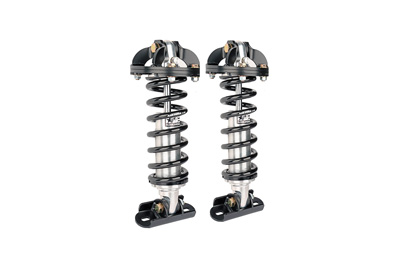 ’62–’67 Chevy II/Nova Coilover Kits
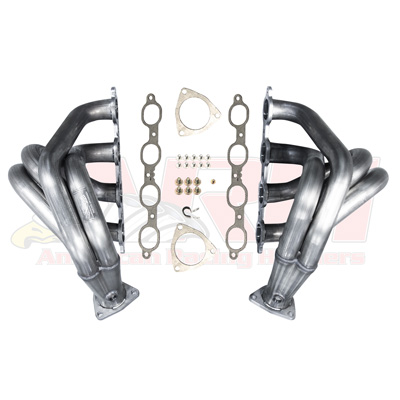 The New C8 Corvette Headers From American Racing Headers!
 ALLDATA Shop Manager
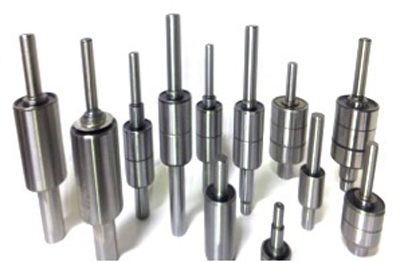 High-performance bearings and seals!
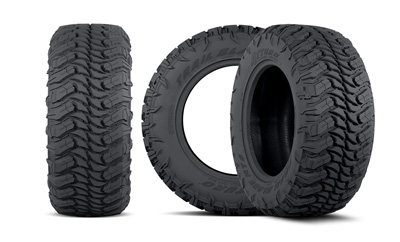 The new Atturo Trail Blade MT Sport is a race-inspired extension of the Trail Blade M/T featuring new sizes and an alternate design borrowing from modifications done by Atturo’s short-course off-road teams.
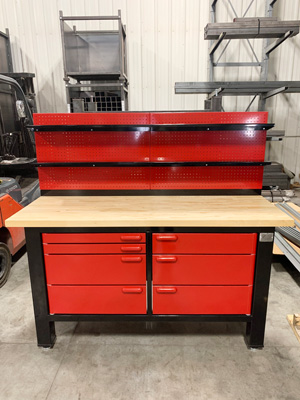 Badass Workbench 2BAY
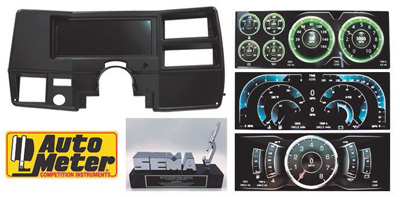 The new InVision Digital Dash System allows drivers to monitor the speedometer, tachometer, fuel level, oil pressure, water temperature and volts all in one place.
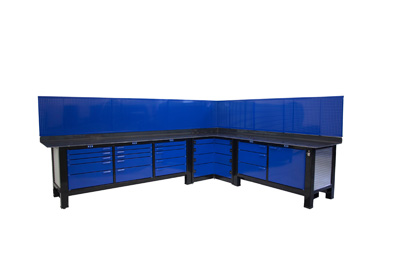 Badass Workbench 2X3 Corner Unit With Keyed Locks and Pegboard
 Billet Connection is developing the future of oil filtration with its patented See Through Filter Assemblies.
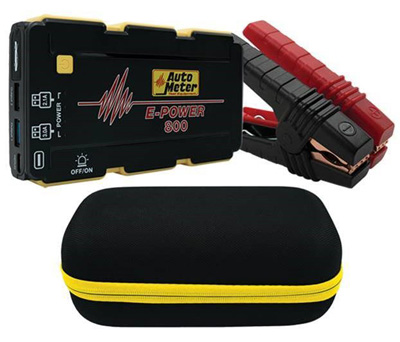 The E-Power 800 Jump Starter is a versatile unit that can jump-start your auto, marine, powersports and lawn tractor up to 20 times on one charge.
.jpg) Billet Connection’s Priming System installs on the vehicle; no more dry start-ups!
Billet Connection’s Priming System installs on the vehicle; no more dry start-ups!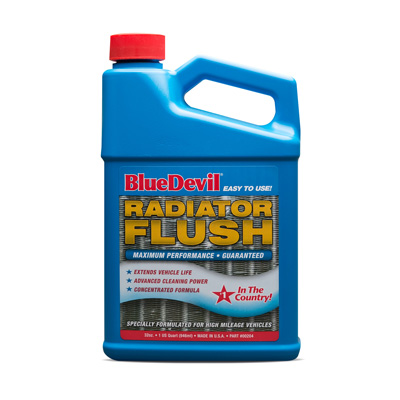 BlueDevil Radiator Flush
 Auto Shocker
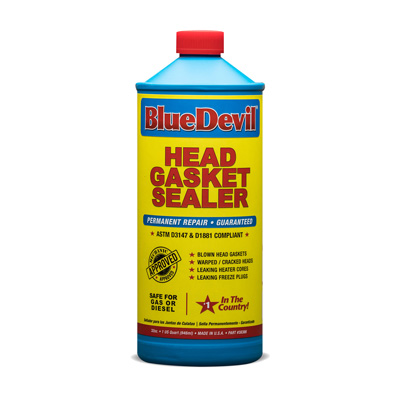 BlueDevil Head Gasket Sealer
 Bio-Shocker
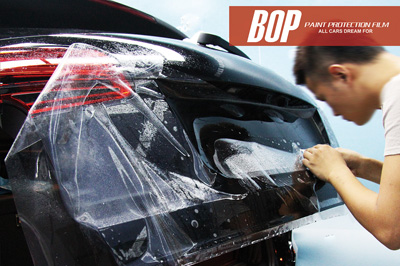 BOP-MIT Series Clear Paint Protection Film
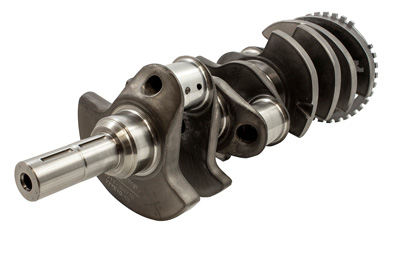 Callies Compstar Gen III Center Counterweight Hemi Crankshaft
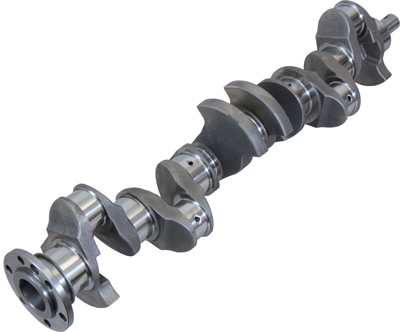 Eagle is proud to introduce a complete line of crankshafts, connecting rods, and rotating assemblies for Jeep 4.0L and 4.2L straight-six engines.
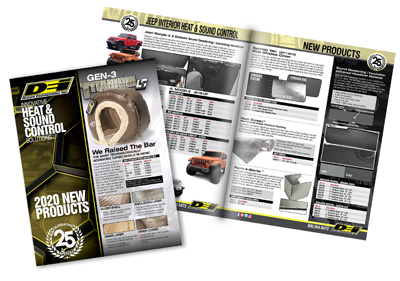 DEI’s New Products Brochure gives you a first-hand look at our new innovative heat and sound-control products.
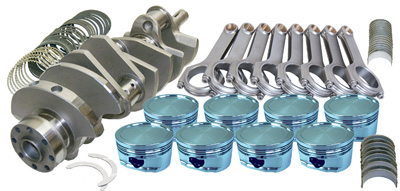 Eagle is proud to introduce forged steel crankshafts, H-Beam rods and full rotating assemblies for Ford 5.0L Coyote engines.
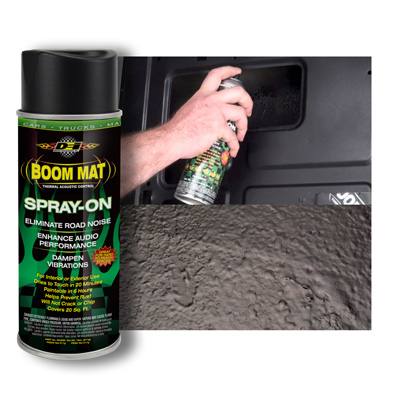 Boom Mat Spray-On is an aerosol spray that is an easy and quick way to reduce road noise and vibration, add a layer of thermal protection, or as an undercoating to protect against damage from rust, rocks, gravel and other debris.
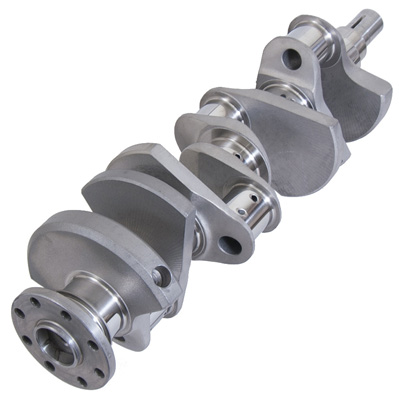 Eagle is adding many new forged 4340 steel big-block cranks for 2021. A 4.625-in. stroke is now available for Ford 460 and Mopar RB engines.
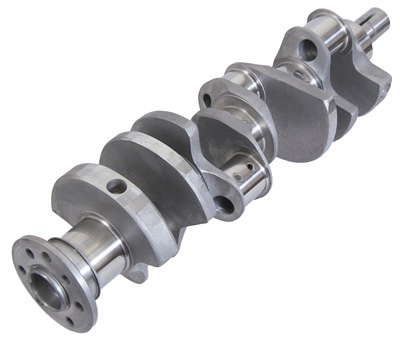 Eagle is expanding its lineup of Chrysler small-block forged 4340 crankshafts.
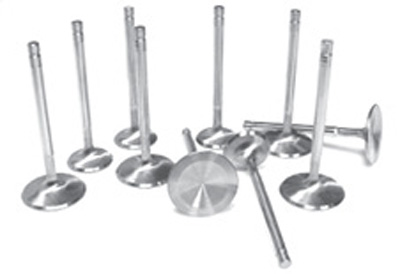 Erson Valves
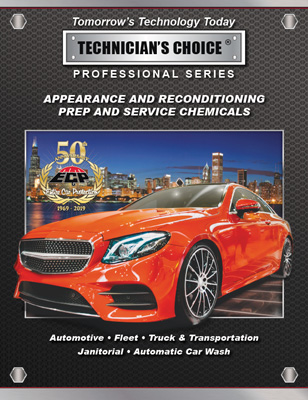 ECP Inc., one of the oldest and most trusted names in the automotive industry, features its Technician’s Choice program.
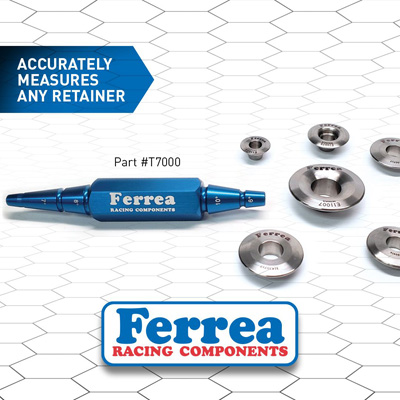 Introducing Our New Retainer Degree Gauge
 Cummins 5.9L/6.7L Common Rail–Competition Series
 TORNADOR Car Cleaning Tools are the fastest and easiest way to clean all automotive surfaces. The TORNADOR works with your air compressor to blast cleaning solution into crevices you can’t reach by hand. Clean carpet, plastics and upholstery inside the car.
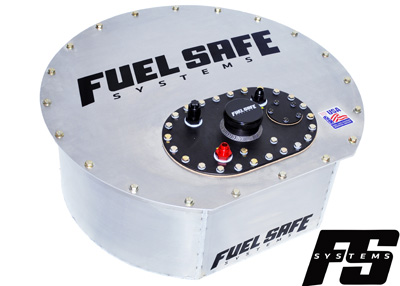 Fuel Safe Systems delivers improved performance and safety with the FIA-FT3-certified Spare Tire Fuel Cell.
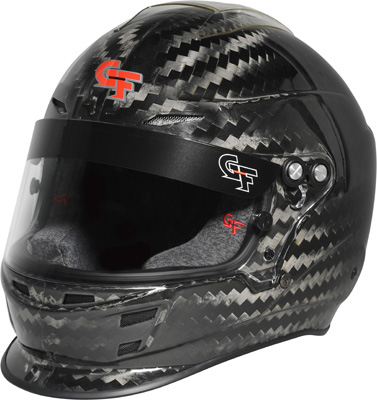 G-FORCE Racing Gear has set a new standard for helmet excellence: the SuperNova. This 100%-T800 carbon-fiber helmet is the lightest full-faced helmet we’ve ever offered.
 In addition to our premium car-care products, the summer series of Griot’s Garage catalogs feature new products and showcase our Best of Show System (BOSS), which includes an innovative foaming car-wash system, a line of industry-leading orbital polishers, and proprietary pads and creams.
 Heise LED Lighting by Metra Electronics is the installer’s trusted source for automotive and marine LED lighting solutions.
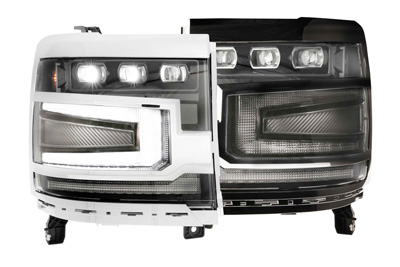 Chevrolet Silverado 1500 (’16–’18) Morimoto XB LED Headlights
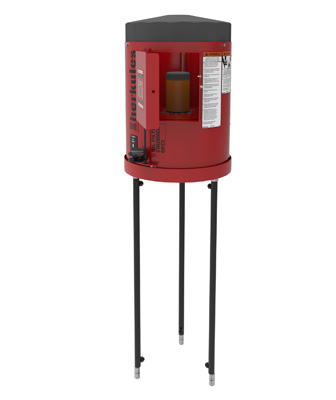 Oil Filter Crusher OFC1
 Metra’s RGB LED underglow lighting, the RGB1-UNDGLED, is designed for all terrain on powersports vehicles, boats, cars and more!
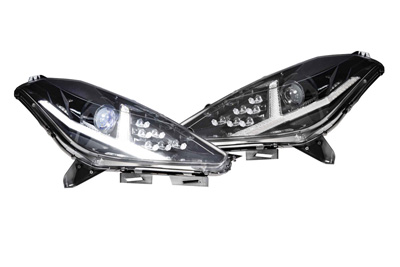 Chevrolet Corvette (’14–’19): Morimoto XB LED Headlights
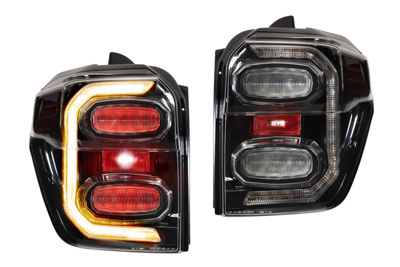 Toyota 4Runner (’10–’21): Morimoto XB LED Tails
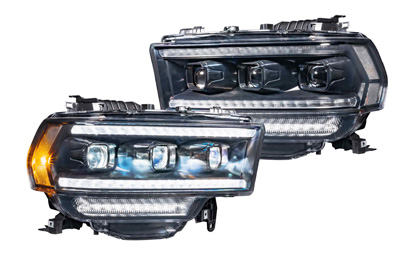 Ram 1500 (’19–’20): Morimoto XB LED Headlights
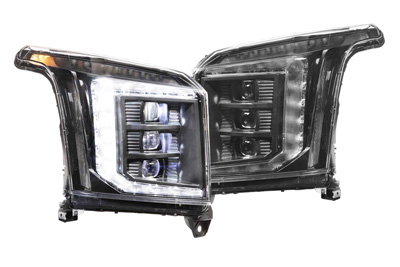 GMC Yukon (’15–’20): Morimoto XB LED Headlights
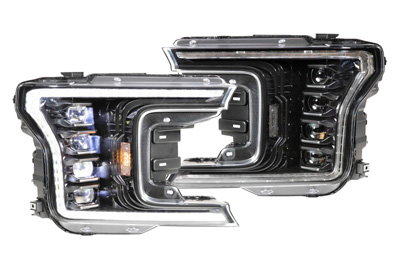 Ford F-150 (’18–’20): Morimoto XB LED Headlights
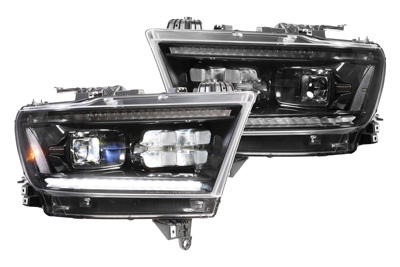 Ram 2500HD (’19–’20): Morimoto XB LED Headlights
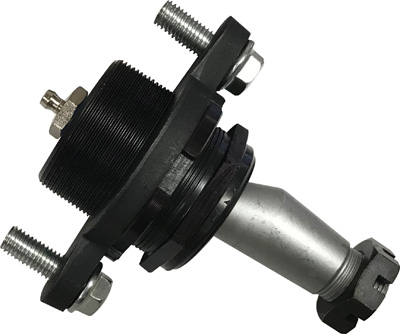 Ford Transit Adjustable Lower Ball Joint
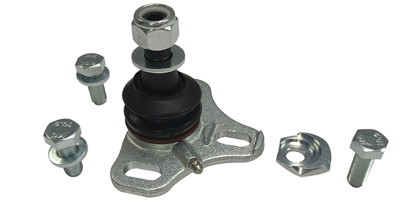 RAM Promaster Adjustable Lower Ball Joint
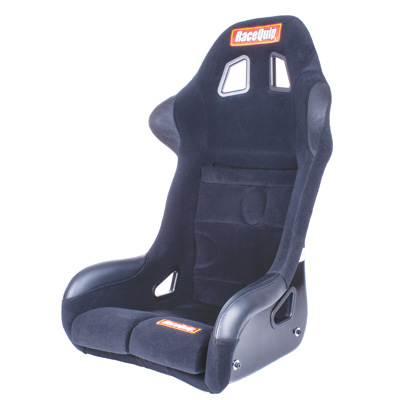 RaceQuip FIA-Rated Composite Seats
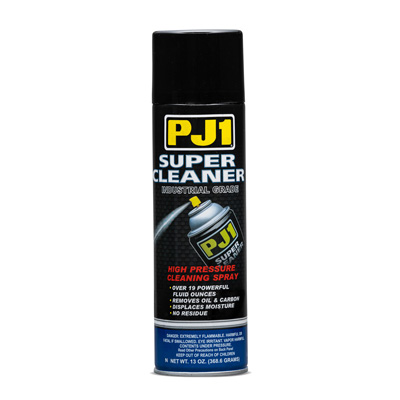 PJ1 Super Cleaner
 New SpeedSmoke improves shop efficiency with the ability to perform all types of leak testing in a single machine; low pressure for EVAP and high pressure for turbo/boosted systems.
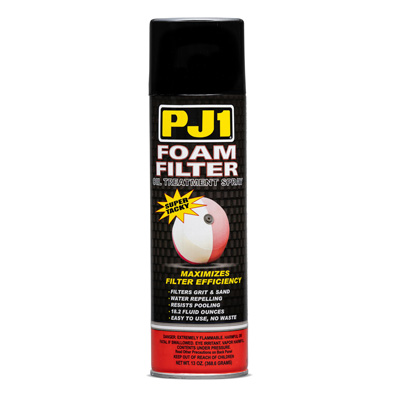 PJ1 Foam Air Filter Oil Spray
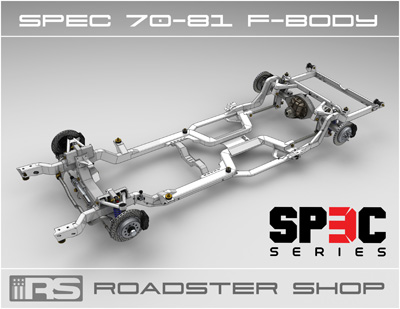 Roadster Shop adds to their popular SPEC line of chassis with the brand-new ’70–’81 F-body (Camaro and Firebird) application.
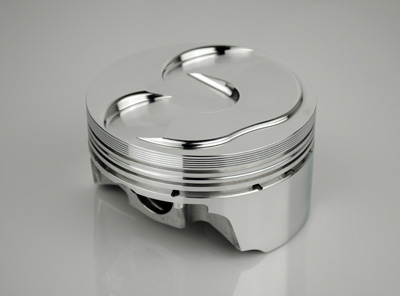 New 4.8L/5.3L (Including Late Model) Direct Injection Pistons
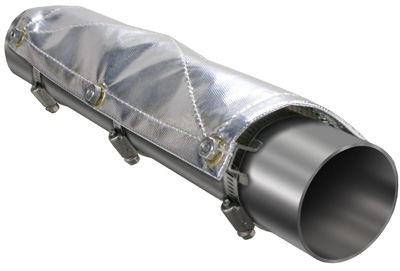 Clamp-On Heat Shields incorporate Thermo-Tec’s proprietary coating technology developed by Thermo-Tec, Thermal Conduction Technology. The new and improved flexible Clamp-On Heat Shield blocks more than 95% of the damaging radiant heat of the exhaust.
 SCT Livewire Vision Performance Monitor
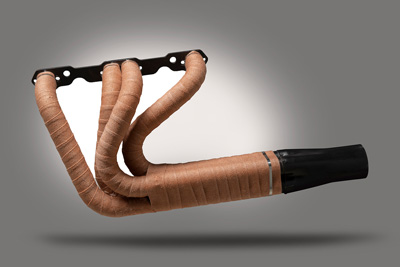 Generation II Copper Header Wrap improves heat resistance up to 30% more than current technology, by utilizing a new proprietary coating developed by Thermo-Tec; improved Thermal-Conduction-Technology (T-C-T).
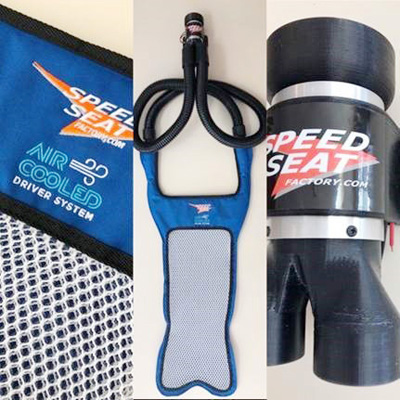 Total weight only 3.5 lbs.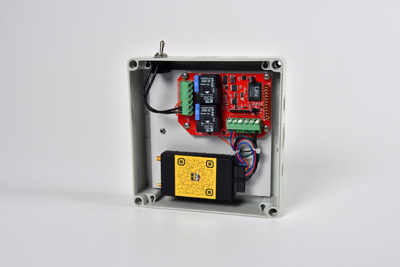
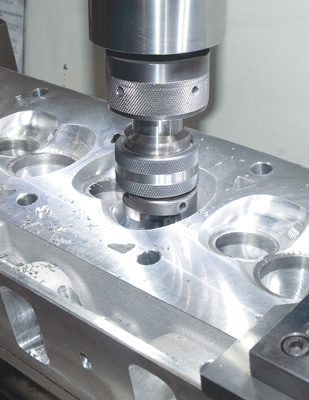 Track Heat Intake Manifold for Small-Block Mopar
 New World Products Catalog
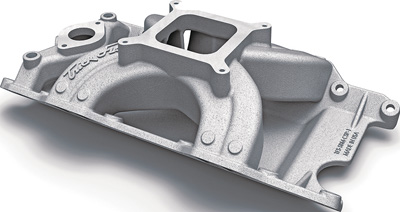 Trick Flow Specialties doesn’t just manufacture high performance—Trick Flow engineers design it from scratch. The parts are fully engineered, tested and dyno proven to deliver phenomenal out-of-the-box power on Chevrolet, Ford and Mopar engines.
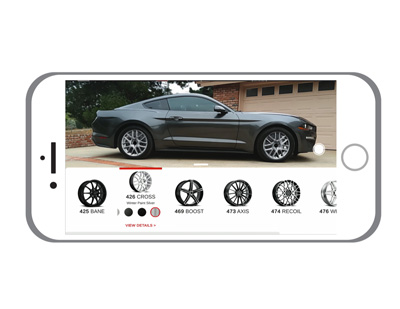 The all-new “Vision It” Augmented Reality app lets you preview hundreds of Vision Wheels on your vehicle in a matter of seconds.